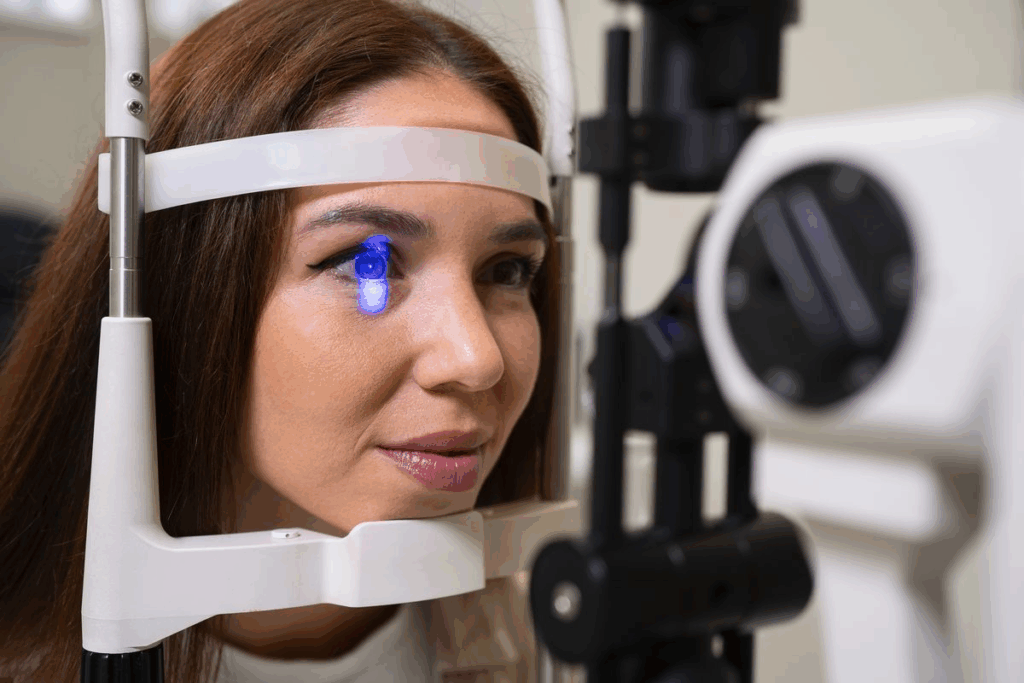
Our immune system protects us from harm. But sometimes, it can go wrong and attack our own tissues. This includes the delicate parts of our eyes, leading to vision problems.Detail on ocular immune privilege and the potential for autoimmune response when what happens if your immune system discovers your eyes.
The immune system’s unique relationship with the eyes is complex. It usually works by recognizing and fighting off harmful invaders. But in some cases, it can see the eyes as threats and attack them.
This can happen to some people. It’s important to understand why and how it happens. This knowledge helps in finding and treating the problem early.
Key Takeaways
- The immune system can sometimes malfunction and target the eyes, leading to autoimmune conditions.
- The immune system’s unique relationship with the eyes is complex and multifaceted.
- Early detection and treatment are critical for preventing vision loss due to autoimmune conditions.
- Liv Hospital brings together leading ophthalmologists and rheumatologists to provide integrated care for patients with autoimmune eye conditions.
- Understanding the immune system’s role in protecting the body is essential for developing effective treatments.
The Immune System’s Protective Role
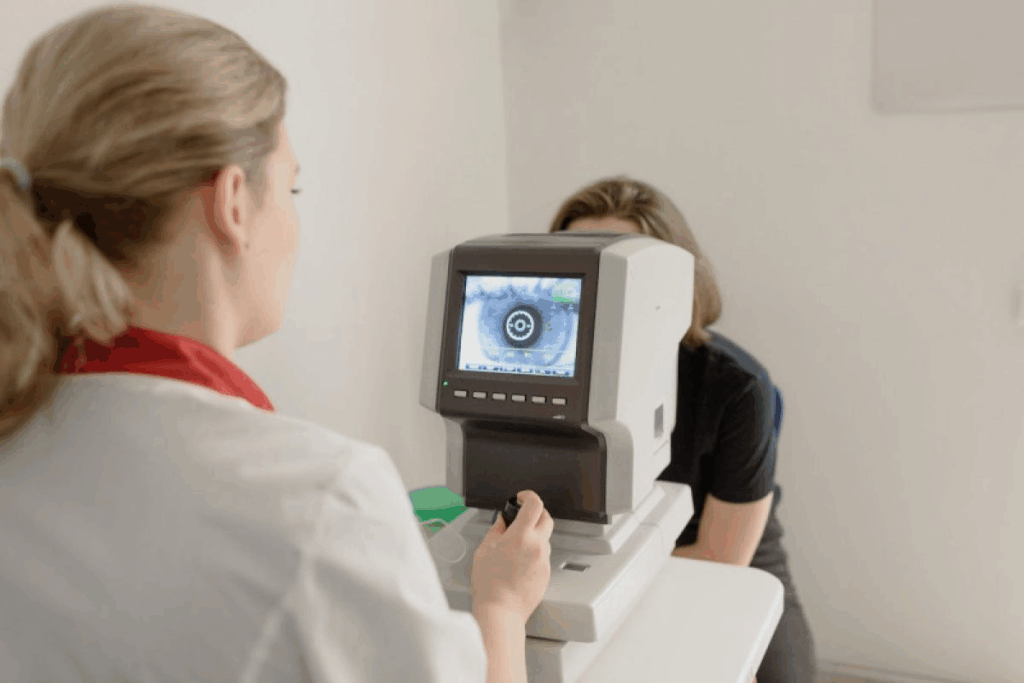
The human immune system is a complex network of cells, tissues, and organs. It works together to protect us from harm. It fights infections and diseases, keeping us healthy.
How Normal Immune Function Works
The immune system’s main job is to find and get rid of pathogens. This includes bacteria, viruses, and other harmful substances. Immune cells, like neutrophils and macrophages, eat and break down these invaders. Lymphocytes (B cells and T cells) are key in specific fights against these threats.
Self vs. Non-Self Recognition
The immune system is great at telling self from non-self. It uses complex systems like cell surface receptors and the major histocompatibility complex (MHC). It learns to ignore self-antigens but attacks non-self ones.
The Complement System and Antibodies
The complement system is a group of proteins that help fight off pathogens. They can burst cells or mark them for destruction. Antibodies, made by B cells, are proteins that target specific antigens. They help neutralize or remove them.
In conclusion, the immune system is vital in protecting our bodies. Knowing how it works, including recognizing self vs. non-self and the roles of the complement system and antibodies, helps us understand its role. It also helps us see why it might sometimes attack the eyes.
Ocular Immune Privilege: Why Eyes Are Special
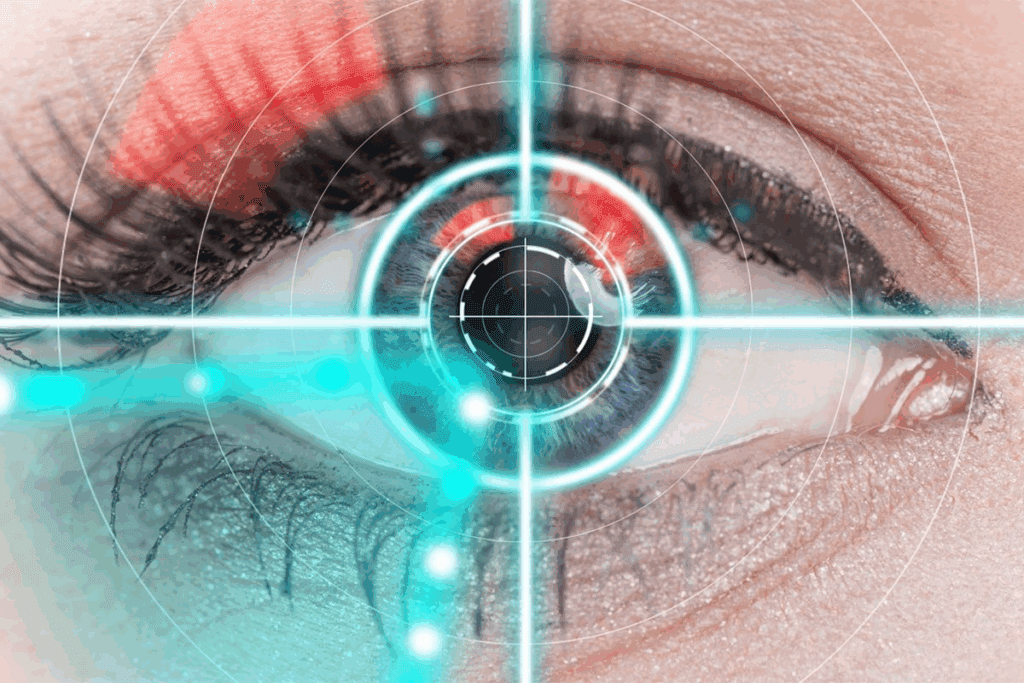
The eye has a special ability to keep working even when the body’s immune system is active. This is key to keeping our vision clear. If the immune system gets too active, it could harm the eye’s delicate parts.
The eye’s special status comes from several unique ways it protects itself. Knowing these ways helps us understand why autoimmune diseases can affect the eyes, even though they are immune-privileged.
The Blood-Retinal Barrier
The blood-retinal barrier is a big part of the eye’s protection. It’s made of tight connections between cells that block harmful substances from getting into the retina. This barrier stops the immune system from causing damage.
When the blood-retinal barrier breaks down, the retina can get inflamed and damaged. Keeping this barrier strong is essential for eye health.
Immunosuppressive Environment
The eye also has a way to calm down the immune system. It does this by making anti-inflammatory substances and having special molecules on its surface. This helps keep the immune system from getting too strong.
The aqueous humor, the clear fluid in the eye, also helps by stopping T-cells from getting too active. This balance is important for the eye’s health.
Absence of Lymphatic Drainage
The eye doesn’t have a lymphatic system like most of the body does. This means that harmful substances in the eye can’t be carried away to start an immune response. This lack of lymphatic system is another reason the eye is immune-privileged.
The eye’s unique immune environment is made up of the blood-retinal barrier, the immunosuppressive environment, and the lack of lymphatic drainage. Understanding these factors helps us see why the eyes are special.
Mechanism | Description | Role in Immune Privilege |
Blood-Retinal Barrier | Restricts passage of molecules and cells into the retina | Prevents damaging immune responses |
Immunosuppressive Environment | Produces anti-inflammatory cytokines and immunosuppressive molecules | Dampens immune responses, reducing inflammation |
Absence of Lymphatic Drainage | Lack of lymphatic vessels in the eye | Prevents initiation of immune responses to ocular antigens |
In conclusion, the eye’s immune privilege is complex and involves many special mechanisms. By understanding these, we can better appreciate how the eye stays healthy and works well.
What Happens If Your Immune System Discovers Your Eyes?
When the immune system sees the eyes as foreign, it can start a chain of autoimmune reactions. This can cause eye problems like uveitis, retinopathy, and neuromyelitis optica.
Breaking of Immune Tolerance
Immune tolerance helps the body not attack its own cells and tissues. For the eyes, this is key to keeping vision and health. If this tolerance is lost, the immune system might attack the eyes, thinking they are invaders.
Genetics, environmental factors, and past eye injuries or infections can break this tolerance. Knowing these causes is important for finding treatments and ways to prevent these problems.
Mechanisms of Autoimmune Attack
Autoimmune attacks on the eyes involve complex interactions between immune cells and eye tissues. These attacks start when the immune system finds autoantigens, proteins or molecules it sees as foreign.
In eye diseases, these autoantigens can be in the retina, uvea, and optic nerve. The immune response to them can cause inflammation, damage, and vision loss if not treated.
Inflammatory Cascades in Ocular Tissue
When the immune system attacks the eyes, it can start inflammatory processes in eye tissue. This inflammation can harm the eye’s delicate structures, causing pain, redness, and vision problems.
The inflammation process involves immune cells like T cells and macrophages. They release pro-inflammatory cytokines and other substances. These can make the inflammation worse, creating a cycle hard to stop without treatment.
Autoimmune Uveitis: When the Eye’s Middle Layer Is Targeted
Autoimmune uveitis is a complex condition. It happens when the immune system attacks the eye’s middle layer. This leads to inflammation and can cause vision loss.
This condition shows how the immune system can be both protective and harmful. It can harm the eye when it attacks it.
Types of Uveitis
There are different types of uveitis, based on where the uvea is affected. These include anterior, intermediate, posterior, and panuveitis.
- Anterior Uveitis: Inflammation of the front part of the uvea.
- Intermediate Uveitis: Inflammation of the middle part of the uvea.
- Posterior Uveitis: Inflammation affecting the back part of the uvea.
- Panuveitis: Inflammation that involves all parts of the uvea.
Symptoms and Clinical Presentation
Symptoms of autoimmune uveitis vary. They can include eye pain, redness, sensitivity to light, and vision problems. A detailed eye exam is key to diagnosing uveitis and finding its cause.
Potential Complications and Vision Loss
Untreated autoimmune uveitis can cause serious problems. These include cataracts, glaucoma, retinal damage, and permanent vision loss. Quick and proper treatment is vital to avoid these issues and keep vision intact.
About 30,000 new cases of autoimmune uveitis are diagnosed each year. It’s a major cause of preventable blindness globally. Knowing about this condition, its symptoms, and risks is important for early treatment and management.
Autoimmune Retinopathy: Attacking the Light-Sensing Cells
Autoimmune retinopathy happens when the body’s immune system attacks the retina’s light-sensing cells by mistake. This attack causes the retina to deteriorate, leading to serious vision problems. We will look at the different types of autoimmune retinopathy and how they affect vision.
Cancer-Associated Retinopathy
Cancer-associated retinopathy (CAR) is a type of autoimmune retinopathy found in some cancer patients. The immune system mistakenly attacks the retina’s proteins, causing it to degenerate.
Melanoma-Associated Retinopathy
Melanoma-associated retinopathy (MAR) affects people with melanoma. Autoantibodies from the immune system target the retinal bipolar cells, causing vision problems.
Non-Paraneoplastic Autoimmune Retinopathy
Non-paraneoplastic autoimmune retinopathy (npAIR) is not linked to cancer. It’s thought to be caused by genetics or environmental factors that trigger an autoimmune response against the retina.
Impact on Visual Function
Autoimmune retinopathy can severely impair vision, even leading to blindness. It disrupts the retina’s ability to sense light. Symptoms include night blindness, loss of peripheral vision, and decreased visual acuity.
Type | Associated Condition | Target Cells | Symptoms |
Cancer-Associated Retinopathy | Various cancers | Photoreceptors | Night blindness, visual field loss |
Melanoma-Associated Retinopathy | Melanoma | Bipolar cells | Visual disturbances, shimmering lights |
Non-Paraneoplastic Autoimmune Retinopathy | None | Photoreceptors | Progressive vision loss |
Neuromyelitis Optica: When Immune Cells Target the Optic Nerve
When the immune system attacks the optic nerve, it can cause neuromyelitis optica. This condition can lead to serious vision problems. It is an autoimmune disease that mainly affects the optic nerve and spinal cord.
Distinguishing from Multiple Sclerosis
Neuromyelitis optica is often mixed up with multiple sclerosis (MS) because of similar symptoms. But, there are key differences. Neuromyelitis optica targets the optic nerve and spinal cord more severely. Most patients have aquaporin-4 antibodies, which is a big difference.
The Role of Aquaporin-4 Antibodies
Aquaporin-4 antibodies attack the aquaporin-4 water channel protein on astrocytes. These antibodies are a key sign of neuromyelitis optica. They cause damage, inflammation, and demyelination in the central nervous system, mainly in the optic nerve.
Acute Attacks and Long-term Outcomes
Patients with neuromyelitis optica often have sudden attacks that can severely damage their vision. The severity and frequency of these attacks vary. Treatment during these attacks is critical for long-term vision health.
Visual Prognosis
The outlook for vision in neuromyelitis optica patients varies. Some may see their vision improve after an attack, while others may not. The severity of the attack, the presence of aquaporin-4 antibodies, and the effectiveness of treatment all play a role in vision recovery.
As noted by a leading researcher, “The discovery of aquaporin-4 antibodies has revolutionized our understanding of neuromyelitis optica, enabling more accurate diagnosis and targeted treatment strategies.”
Characteristics | Neuromyelitis Optica | Multiple Sclerosis |
Primary Areas Affected | Optic Nerve, Spinal Cord | Brain, Spinal Cord, Optic Nerve |
Aquaporin-4 Antibodies | Present in most patients | Rarely present |
Severity of Optic Neuritis | Often severe | Variable |
Systemic Autoimmune Diseases with Ocular Manifestations
Autoimmune diseases can harm the eyes. These diseases happen when the immune system attacks the body’s own tissues. This can affect the eyes in many ways.
We will look at how diseases like Sjögren’s syndrome, rheumatoid arthritis, thyroid eye disease, and lupus affect the eyes. These conditions can cause dry eyes, inflammation, and more.
Sjögren’s Syndrome and Dry Eyes
Sjögren’s syndrome is a disease that causes dry eyes and mouth. It happens when the immune system attacks glands that make tears and saliva. This leads to dryness and discomfort in the eyes.
People with Sjögren’s often have dry eye syndrome. This can make their eyes feel irritated, blurry, and increase the chance of infections. To manage dry eyes, they might use artificial tears, anti-inflammatory drugs, or have procedures to block tear ducts.
Rheumatoid Arthritis and Scleritis
Rheumatoid arthritis (RA) mainly causes joint inflammation. But it can also affect the eyes, leading to conditions like scleritis. Scleritis is an inflammation of the sclera, the white outer layer of the eyeball.
Scleritis from RA can cause severe pain, redness, and tenderness in the eye. If not treated, it can lead to complications like thinning of the sclera or vision loss. Treatment includes anti-inflammatory drugs and immunosuppressive therapy to manage RA symptoms.
Thyroid Eye Disease
Thyroid eye disease (TED) is linked to Graves’ disease, a thyroid disorder. In TED, the immune system attacks the tissues around the eye, causing inflammation and swelling.
Symptoms of TED include bulging eyes, double vision, and eyelid retraction. In severe cases, it can cause discomfort and vision problems. Treatment options include managing thyroid function, using anti-inflammatory medications, and surgery in severe cases.
Lupus and Retinal Vasculitis
Systemic lupus erythematosus (SLE or lupus) is a complex autoimmune disease. It can affect many organs, including the eyes. One eye problem in lupus is retinal vasculitis, an inflammation of the blood vessels in the retina.
Retinal vasculitis in lupus can cause vision loss, floaters, and retinal damage. Managing this condition involves immunosuppressive therapy to control the immune system’s attack on the retinal vessels. It also includes treatments for any vision problems.
Diagnosing Immune-Mediated Eye Disorders
To diagnose immune-mediated eye disorders, we use a detailed approach. This includes clinical checks, lab tests, and advanced imaging. Our goal is to find these complex conditions quickly and treat them well.
Clinical Evaluation and Eye Examination
First, we do a thorough check-up. We start with a detailed medical history. We look for symptoms like vision changes, eye pain, or light sensitivity.
Then, we do a full eye exam. This includes tests for vision, a slit-lamp exam, and a dilated fundus exam. These help us see how much the eyes are affected.
Key parts of the check-up are:
- Checking how well you can see
- Looking at the front and back of the eye
- Searching for signs of inflammation or damage
Laboratory Testing for Autoantibodies
Lab tests are key in finding autoimmune eye diseases. We look for specific autoantibodies. Tests like ELISA and indirect immunofluorescence help us find these antibodies. This helps confirm the disease and plan treatment.
Some common autoantibodies we test for are:
- Antinuclear antibodies (ANA)
- Anti-retinal antibodies
- Aquaporin-4 antibodies
Imaging Studies and Electrophysiology
Advanced imaging and electrophysiology tests give us important info. With OCT, fluorescein angiography, and ERG, we see how the eyes are doing. This helps us track the disease and plan treatment.
Diagnostic Challenges
Even with new tests, diagnosing these eye disorders can be tough. Symptoms can be vague, and tests are sometimes needed. It often takes a team effort to make a sure diagnosis.
By using a mix of clinical checks, lab tests, and imaging, we can better diagnose and treat immune-mediated eye disorders.
Treatment Approaches for Immune Attacks on the Eyes
Immune-mediated eye disorders need a mix of treatments to save vision and ease symptoms. The main goal is to cut down inflammation, stop tissue damage, and keep or get back visual function.
Corticosteroids: Local and Systemic
Corticosteroids are key in treating immune eye disorders because they fight inflammation well. They can be used locally (like eye drops or injections) or all over the body (taken by mouth or through a vein).
Using corticosteroids locally is often better because it targets the problem and has fewer side effects. But, for serious or widespread diseases, using them all over the body might be needed.
Key considerations for corticosteroid use include:
- Watching for side effects like cataracts, high eye pressure, and systemic issues like osteoporosis or diabetes
- Slowly reducing the dose to avoid inflammation coming back
- Using them with other drugs to lessen steroid side effects
Conventional Immunosuppressive Therapies
For long-term treatment or severe disease, conventional immunosuppressive therapies are used. These include drugs like methotrexate, cyclophosphamide, and azathioprine.
These drugs weaken the immune system, which reduces inflammation and stops the disease from getting worse. The right drug depends on the disease, how severe it is, and the patient’s health.
Benefits of conventional immunosuppressive therapies include:
- They can control the disease for a long time
- They help avoid long-term use of steroids
- They can be adjusted to fit each patient’s needs
Biologics and Targeted Treatments
Biologic agents are a new type of treatment that targets specific parts of the immune system. Examples include TNF-alpha inhibitors like infliximab and adalimumab, and other drugs that target different cytokines or immune cells.
These treatments can work better and have fewer side effects than traditional drugs. They are often used when other treatments don’t work or can’t be used.
Emerging Therapies and Clinical Trials
The treatment for immune eye disorders is always changing, with new therapies and ongoing trials. These include new biologic agents, gene therapies, and other innovative methods.
Joining clinical trials can give patients access to new treatments not yet widely available. It also helps us learn more about and manage these complex conditions.
Promising areas of research include:
- Gene therapy to fix genetic problems in certain immune eye diseases
- New ways to deliver drugs to improve treatment and reduce side effects
- Personalized medicine based on each patient’s unique profile
Living with Ocular Autoimmune Conditions
People with ocular autoimmune conditions face many challenges. They must deal with visual problems and the emotional toll. The first step is to understand their condition and how it affects their life.
Managing Visual Impairment
Visual problems from ocular autoimmune conditions can make everyday tasks hard. Adaptive strategies and changes in lifestyle are key to staying independent. Simple changes, like better lighting and assistive devices, can improve life quality a lot.
For example, using high-contrast colors on screens and papers helps those with vision issues. Also, tools like screen readers and magnifying software are very helpful.
Adaptive Technologies and Vision Aids
New technology has brought many adaptive tools and vision aids. These tools help people with vision problems do daily tasks better.
- Smart glasses with better magnification and contrast
- Electronic magnifiers for reading and other close-up tasks
- Accessible digital devices with screen reading capabilities
These technologies not only help with daily tasks but also boost confidence. They let people fully participate in their lives, work, and personal activities.
Psychological Impact and Coping Strategies
The mental effects of ocular autoimmune conditions are significant. Anxiety, depression, and feeling alone are common. Developing coping strategies is key to handling these feelings.
Getting support from mental health experts, family, and friends is important. Activities like meditation or yoga can also help reduce stress and emotional burden.
Support Resources and Patient Communities
Connecting with others who have similar experiences is very helpful. Patient communities and support groups offer a place to share and get support.
Online forums, local groups, and national organizations for ocular autoimmune conditions are great resources. They make people feel less alone and more able to manage their conditions.
Dealing with ocular autoimmune conditions needs a full approach. This includes medical care, lifestyle changes, and emotional support. By using available resources and strategies, people can live fulfilling lives despite their conditions.
Conclusion: The Delicate Balance of Ocular Immunity
The immune system and the eyes have a complex relationship. It’s all about finding the right balance between protection and autoimmunity. Understanding ocular immunity is key to fighting autoimmune eye diseases.
We’ve looked at how the immune system can sometimes attack the eyes. This can lead to serious conditions like autoimmune uveitis and autoimmune retinopathy. Systemic autoimmune diseases can also affect the eyes, showing the importance of full care.
Diagnosing and treating eye disorders caused by the immune system is a big job. It involves using corticosteroids, immunosuppressive therapies, and biologics. We need more research to improve how we diagnose and treat these diseases.
By learning more about how the immune system affects the eyes, we can improve treatment. This will help keep vision strong and improve life quality for those with these diseases.
FAQ
Does the immune system recognize the eyes as part of the body?
The immune system sees the eyes in a special way. This is because of ocular immune privilege. It helps protect the eyes from too much immune activity.
Can the immune system attack the eyes?
Yes, it can. In autoimmune diseases, the immune system might attack the eyes. This can cause different eye diseases.
What happens if the immune system discovers the eyes?
If the immune system finds the eyes, it can break the immune tolerance. This leads to autoimmune attacks on eye tissues.
How does the immune system normally protect the body, and how can it sometimes lead to autoimmune responses?
The immune system keeps us safe by recognizing self from non-self. It uses the complement system and antibodies. But, sometimes it can go wrong and cause autoimmune diseases.
What is ocular immune privilege, and how does it protect the eyes?
Ocular immune privilege is how the eyes stay safe from too much immune activity. It includes the blood-retinal barrier and an immunosuppressive environment. There’s also no lymphatic drainage.
What are the consequences of the immune system attacking the eyes?
When the immune system attacks the eyes, it can start inflammatory cascades. This can lead to conditions like autoimmune uveitis and autoimmune retinopathy.
How do systemic autoimmune diseases affect the eyes?
Diseases like Sjögren’s syndrome and rheumatoid arthritis can affect the eyes. They can cause vision problems and eye health issues.
How are immune-mediated eye disorders diagnosed?
Doctors use clinical evaluation and lab tests for autoantibodies. They also use imaging and electrophysiology. But, finding the right diagnosis can be hard.
What are the treatment approaches for immune-mediated eye disorders?
Treatments include corticosteroids and immunosuppressive therapies. There are also biologics and new treatments. They aim to stop the immune system’s attack on the eyes.
How can individuals cope with living with ocular autoimmune conditions?
People can manage visual impairment with adaptive technologies. They can also cope with the emotional impact. Getting support from communities and resources is important.
Will my immune system attack my eyes?
In some cases, yes, if you have an autoimmune condition that targets the eyes. It’s important to understand your condition and work with doctors to manage the risk.
Does my brain know I have eyes?
Yes, the brain is connected to and knows about the eyes. It plays a big role in processing visual information.
Do my eyes have their own immune system?
The eyes have a special immune environment. This is because of ocular immune privilege. It protects them from too much immune activity.
References
National Center for Biotechnology Information. Evidence-Based Medical Guidance. Retrieved from https://www.ncbi.nlm.nih.gov/pmc/articles/PMC4698145/