
The immune system in our bodies is meant to keep us safe from harm. But sometimes, it gets confused and attacks our own healthy tissues and cells. This leads to ongoing inflammation and damage.Defining what is autoimmune system dysfunction and explaining the mechanisms that lead to self-tissue attack.
This is called an autoimmune disease. There are more than 100 different types of these conditions. They happen when our immune system can’t tell the difference between our own cells and invaders.
Liv Hospital offers top-notch care and treatments for people with autoimmune diseases.
Key Takeaways
- Autoimmune diseases occur when the immune system mistakenly attacks healthy tissues and cells.
- There are over 100 distinct autoimmune conditions.
- Liv Hospital offers patient-centered care for autoimmune diseases.
- Autoimmune diseases can cause chronic inflammation and damage.
- The immune system’s failure to distinguish between the body’s own cells and foreign substances leads to autoimmune diseases.
Understanding the Immune System and Autoimmunity
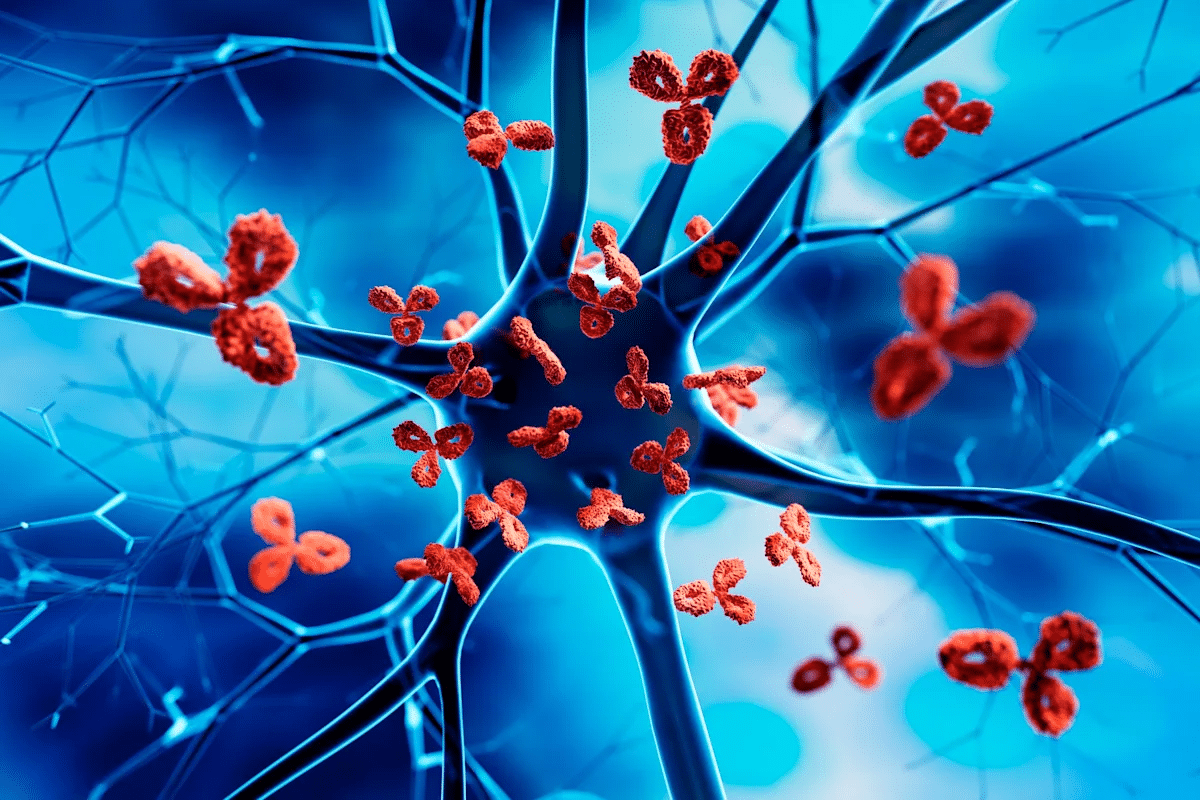
The immune system is key to our health. It tells the difference between bad invaders and our own cells. It fights off infections and diseases. But, if it goes wrong, it can cause autoimmune conditions.
How the Normal Immune System Functions
The immune system protects us from harm. It uses many cells, tissues, and organs to do this. Key components include:
- White blood cells, which are vital for fighting infections
- Lymph nodes, where immune cells are activated
- The spleen, which filters the blood and stores immune cells
The immune system works by balancing its responses. This balance is key to avoiding autoimmune diseases.
When Protection Turns to Attack: The Autoimmune Process
In autoimmune diseases, the immune system sees our own tissues as enemies. It attacks them, causing inflammation and damage. This can affect different parts of the body.
Factors that contribute to the development of autoimmunity include:
|
Factor |
Description |
Impact |
|---|---|---|
|
Genetic predisposition |
Inherited genetic factors that may predispose individuals to autoimmune diseases |
Increases susceptibility |
|
Environmental triggers |
External factors such as infections, chemicals, or other exposures that may trigger autoimmunity |
Triggers onset |
|
Hormonal influences |
Changes in hormone levels, which can affect immune function |
Modulates immune response |
Knowing these factors helps us find better treatments for autoimmune diseases.
What Is an Autoimmune System and How Does It Malfunction?

Autoimmune conditions happen when the immune system can’t tell the difference between self and non-self. This mistake causes the body to attack its own tissues.
Defining Autoimmunity
Autoimmunity is when the immune system sees the body’s own cells as enemies. This leads to diseases where the body attacks itself.
The immune system must balance fighting off germs and not attacking itself. When it fails, autoimmunity can start.
The Breakdown of Self-Tolerance
Self-tolerance is when the immune system ignores the body’s own antigens. Losing this tolerance is a major cause of autoimmune diseases.
Genetics, environmental factors, and hormones can all play a part in losing self-tolerance. Knowing these factors helps us understand autoimmunity.
Chronic Inflammation and Tissue Damage
When the immune system attacks the body, it causes ongoing inflammation and damage. This can lead to many symptoms, depending on the disease.
In diseases like rheumatoid arthritis, joints get inflamed, causing pain and damage. Type 1 diabetes happens when the immune system attacks insulin-making cells, raising blood sugar.
|
Autoimmune Disease |
Primary Area Affected |
Main Symptoms |
|---|---|---|
|
Rheumatoid Arthritis |
Joints |
Pain, Swelling, Joint Damage |
|
Type 1 Diabetes |
Pancreas |
High Blood Sugar, Fatigue |
|
Lupus |
Multiple Organs |
Fatigue, Skin Rashes, Joint Pain |
Grasping how autoimmunity works is key to finding better treatments and ways to manage these diseases.
The Prevalence and Impact of Autoimmune Diseases
Autoimmune diseases are becoming more common. It’s important to know how widespread they are and their effects. These diseases affect many people, leading to serious health issues and a big strain on healthcare systems.
Statistics in the United States
In the U.S., autoimmune diseases are a major health problem. About 23.5 million Americans have these diseases. This number might be growing because of better testing and more awareness.
The top autoimmune diseases in the U.S. include rheumatoid arthritis, lupus, and type 1 diabetes. These diseases make life harder for those who have them and cost a lot for healthcare.
Global Trends and Rising Incidence
Worldwide, more people are getting autoimmune diseases. This is happening in many countries, mostly in the developed world. It’s because of genetics, environment, and lifestyle changes.
Autoimmune diseases like multiple sclerosis, type 1 diabetes, and autoimmune thyroiditis are common worldwide. The World Health Organization sees them as a big public health problem.
Economic and Social Burden
Autoimmune diseases cost a lot. In the U.S., they cost hundreds of billions of dollars each year. This includes medical costs and lost work time.
These diseases also hurt people’s quality of life. They can lead to long-term illness, disability, and constant medical care. Families and caregivers also suffer.
It’s key to understand autoimmune diseases to find ways to manage and prevent them. By tackling the causes and improving treatments, we can lessen their impact on people and society.
Major Causes and Risk Factors of Autoimmune Diseases
Autoimmune diseases come from a mix of genetics, environment, and hormones. Knowing these factors helps us understand how these diseases start and grow.
Genetic Predisposition
Genetics play a big role in autoimmune diseases. Some genes make us more likely to get these diseases. For example, genes in the HLA complex are linked to many autoimmune conditions.
Family history is a key sign of genetic risk. If your family has autoimmune diseases, you’re more likely to get them too. Studies show genetics can be responsible for up to 50% of the risk for some diseases.
Environmental Triggers
Environmental factors can start or make autoimmune diseases worse. These include infections, toxins, and what we eat.
- Infections: Some infections, like Epstein-Barr virus, can start autoimmune responses. This is linked to diseases like multiple sclerosis and lupus.
- Toxins: Exposure to chemicals and toxins, like silica and heavy metals, raises the risk of autoimmune diseases.
- Dietary Factors: Our diet affects autoimmune diseases. Eating too much processed food and not enough fiber can harm our gut and lead to autoimmunity.
Hormonal Influences
Hormones also play a big part in autoimmune diseases. Hormones control our immune system, and changes in hormone levels can trigger or worsen these diseases.
For example, women are more likely to get diseases like lupus and rheumatoid arthritis. Hormonal changes during pregnancy and after childbirth can also affect these diseases.
|
Risk Factor |
Description |
Examples |
|---|---|---|
|
Genetic Predisposition |
Increased susceptibility due to genetic factors |
HLA genes, family history |
|
Environmental Triggers |
External factors that can initiate or exacerbate autoimmune diseases |
Infections (Epstein-Barr virus), toxins (silica, heavy metals), dietary factors |
|
Hormonal Influences |
Modulation of the immune system by hormones |
Gender differences, pregnancy, postpartum changes |
Understanding how these factors work together is key to preventing and treating autoimmune diseases.
Common Types of Autoimmune Diseases
Autoimmune diseases come in many forms and affect different parts of the body. They can be divided into two main types: systemic and organ-specific. Knowing this helps us understand how these diseases work and their impact on our health.
Systemic Autoimmune Diseases
Systemic autoimmune diseases can affect many organs or systems in the body. These diseases are complex and can show a wide range of symptoms. This makes it hard to diagnose them.
Systemic Lupus Erythematosus (SLE) is a good example. It can harm many parts of the body, like the skin, joints, and kidneys. This shows how widespread SLE can be.
Rheumatoid Arthritis (RA) is another example. It mainly causes inflammation in the joints. But RA can also harm other parts of the body, like the skin and heart. This means people with RA might feel tired or have a fever, not just pain in their joints.
“The complexity of systemic autoimmune diseases like SLE and RA shows we need to care for the whole person. This includes managing symptoms and keeping overall health in check.”
Organ-Specific Autoimmune Diseases
Organ-specific autoimmune diseases target specific organs or tissues. Type 1 Diabetes is a well-known example. It happens when the immune system attacks the pancreas, leading to high blood sugar. People with Type 1 Diabetes need insulin and make lifestyle changes to control their blood sugar.
Hashimoto’s Thyroiditis is another example. It affects the thyroid gland, causing hypothyroidism. The immune system attacks the thyroid, making it hard for the gland to make hormones. Treatment usually involves taking thyroid hormones.
In summary, autoimmune diseases, whether systemic or organ-specific, pose unique challenges. It’s important to understand the type of disease to develop effective treatments. This helps improve the lives of those affected.
What Are the Worst Autoimmune Diseases and Their Complications
Some autoimmune diseases are very severe. They can cause a lot of disability and damage to organs. To manage these conditions, doctors use many strategies.
Systemic Lupus Erythematosus (SLE)
Systemic Lupus Erythematosus, or lupus, is a chronic disease. It can affect the skin, joints, kidneys, brain, and other organs. Symptoms can range from mild to severe.
Complications of SLE include kidney damage, heart disease, and brain disorders. Managing SLE needs a team effort. This includes medicine, lifestyle changes, and regular check-ups.
Multiple Sclerosis
Multiple Sclerosis (MS) affects the central nervous system. It causes demyelination, inflammation, and various neurological symptoms. The disease progresses differently for everyone.
The complications of MS include vision problems, muscle weakness, balance issues, and cognitive difficulties. Treatment aims to reduce relapse frequency and severity.
Rheumatoid Arthritis
Rheumatoid Arthritis (RA) mainly affects the joints. It causes inflammation, pain, swelling, and can lead to severe joint damage. RA can also harm other tissues and organs.
Complications of RA include joint deformity, osteoporosis, and heart disease risk. Early treatment with DMARDs can greatly improve RA outcomes.
Autoimmune Vasculitis
Autoimmune Vasculitis is a group of diseases. They cause inflammation in blood vessels, damaging organs and tissues. The severity and symptoms vary based on the affected blood vessels.
|
Disease |
Primary Affected Areas |
Common Complications |
|---|---|---|
|
Systemic Lupus Erythematosus (SLE) |
Skin, Joints, Kidneys, Brain |
Kidney Damage, Cardiovascular Disease, Neurological Disorders |
|
Multiple Sclerosis |
Central Nervous System |
Vision Problems, Muscle Weakness, Balance Issues, Cognitive Difficulties |
|
Rheumatoid Arthritis |
Joints, Other Tissues and Organs |
Joint Deformity, Osteoporosis, Cardiovascular Disease |
|
Autoimmune Vasculitis |
Blood Vessels |
Organ Damage, Tissue Damage |
Knowing about the worst autoimmune diseases and their complications is key. It helps in creating effective treatment plans. This way, healthcare providers can improve the lives of those with these diseases.
Diagnosis and Detection of Autoimmune Conditions
Diagnosing autoimmune conditions involves several steps. These include noticing common symptoms, running lab tests, and using advanced tools. Autoimmune diseases are tricky to diagnose because they can show up in many ways and their symptoms are not always clear.
Common Symptoms and Warning Signs
Autoimmune diseases often start with vague symptoms like tiredness, joint pain, and skin issues. Spotting these signs early is key to acting fast.
Some common symptoms are:
- Musculoskeletal pain and stiffness
- Skin manifestations like rashes or lesions
- Gastrointestinal disturbances
- Neurological symptoms such as numbness or weakness
Diagnostic Challenges
Figuring out what autoimmune disease someone has can be hard. This is because their symptoms can look like other conditions. Doctors need to be thorough and detailed in their diagnosis.
Some big challenges in diagnosis are:
- Telling different autoimmune diseases apart
- Finding out which autoantibodies are involved
- Seeing how much of the body is affected
Laboratory Tests and Biomarkers
Lab tests are key in diagnosing autoimmune diseases. They help find specific autoantibodies and biomarkers linked to these conditions.
Some common lab tests are:
- Antinuclear antibody (ANA) test
- Rheumatoid factor (RF) test
- Erythrocyte sedimentation rate (ESR) or C-reactive protein (CRP) tests to check for inflammation
These tests help confirm an autoimmune disease and track how it’s doing.
Imaging and Other Diagnostic Tools
Lab tests aren’t the only tools used. Imaging and other tools help see how far the disease has spread and help decide treatment.
Imaging methods like:
- X-rays
- Ultrasound
- Magnetic Resonance Imaging (MRI)
are used to check for organ damage and track the disease’s progress.
Treatment Approaches for Autoimmune Disorders
Managing autoimmune diseases requires a variety of treatments. This includes both traditional medical care and changes in lifestyle. Conditions like rheumatoid arthritis, lupus, and multiple sclerosis need a detailed plan to control symptoms and slow disease growth.
Conventional Medical Treatments
Traditional treatments aim to reduce inflammation and control the immune system. Immunosuppressive drugs help by calming the immune system’s overactive response. Biologic therapies, which target specific molecules, are also key in treating these conditions.
|
Treatment Type |
Examples |
Use in Autoimmune Diseases |
|---|---|---|
|
Immunosuppressants |
Corticosteroids, Azathioprine |
Reduce immune system activity |
|
Biologics |
TNF inhibitors (e.g., Etanercept), IL-17 inhibitors (e.g., Secukinumab) |
Target specific inflammatory pathways |
|
DMARDs |
Methotrexate, Hydroxychloroquine |
Slow disease progression in rheumatoid arthritis and other conditions |
Emerging Treatments and Clinical Trials
New research and trials are changing how we treat autoimmune diseases. Emerging therapies include new biologics, small molecule inhibitors, and cell therapies. These aim to offer more targeted and effective treatments with fewer side effects.
JAK inhibitors are showing promise in treating rheumatoid arthritis and other conditions. They block specific pathways involved in inflammation.
Complementary and Lifestyle Approaches
Along with traditional treatments, complementary and lifestyle approaches are vital. Eating an anti-inflammatory diet and managing stress are key. Techniques like yoga and meditation help reduce stress’s impact on autoimmune conditions.
Regular exercise and physical therapy help maintain function and reduce fatigue. Building a support network of healthcare providers, family, and friends is also important for well-being.
Living With Autoimmune Disease: Management Strategies
Living with an autoimmune disease can be tough, but the right strategies can help. A full approach is needed to manage symptoms and improve life quality.
Diet and Nutrition Considerations
Diet is key in managing autoimmune diseases. Some foods can make symptoms worse, while others help. A balanced diet with fruits, vegetables, and omega-3 fatty acids is good. It’s also important to know which foods to avoid.
For some, a gluten-free diet helps, while others should limit dairy or processed foods. Keeping a food diary can show which foods cause symptoms.
Stress Management and Mental Health
Stress can worsen autoimmune disease symptoms. Effective stress management is critical. Meditation, yoga, and deep breathing can help lower stress.
Good mental health is also key. Talking to mental health professionals can offer support and coping strategies.
Exercise and Physical Therapy
Regular exercise is good for autoimmune disease patients. It can reduce symptoms and improve health. Low-impact activities like swimming, cycling, or walking are recommended.
Physical therapy is also important. It helps keep muscles strong and joints mobile. A healthcare provider can help create a personalized exercise plan.
Building a Support Network
A strong support network is essential for those with autoimmune diseases. This includes family, friends, support groups, and healthcare professionals. Connecting with others who understand can offer emotional support and advice.
Support groups, online or in-person, are great for sharing experiences and learning. Healthcare providers can also provide guidance on managing the condition.
Conclusion: The Future of Autoimmune Disease Research and Care
Understanding the autoimmune system is key to tackling autoimmune diseases. Research shows that these diseases have many causes. These include genetics, environmental factors, and hormones.
As we learn more about autoimmune diseases, early diagnosis and treatment become more important. This knowledge has led to new treatments and better care for those affected.
Research and new discoveries offer hope for better diagnosis and treatment. Investing in autoimmune disease research is vital. It will help find new treatments and improve life for those with these conditions.
FAQ
What is an autoimmune disease?
An autoimmune disease happens when the immune system gets confused. It starts to attack the body’s own cells, thinking they are foreign invaders.
What is autoimmunity?
Autoimmunity is when the immune system mistakenly attacks the body. This leads to chronic inflammation and damage to tissues and organs.
What are the major causes of autoimmune diseases?
Autoimmune diseases can be caused by genetics, infections, and toxins. Hormonal changes also play a role.
What are some common autoimmune diseases?
Common diseases include systemic lupus erythematosus (SLE), multiple sclerosis, and rheumatoid arthritis. Autoimmune vasculitis is another example.
How are autoimmune diseases diagnosed?
Doctors use a mix of clinical checks, lab tests, and imaging to diagnose autoimmune diseases. Biomarkers and other tools also help.
What are the treatment options for autoimmune diseases?
Treatments include immunosuppressive drugs and biologics. There are also emerging treatments and clinical trials. Lifestyle changes and complementary approaches are considered too.
How can I manage my autoimmune disease?
Managing the disease involves diet and nutrition. Stress management and mental health support are key. Exercise and physical therapy help too. Building a support network is important.
What is the impact of autoimmune diseases on quality of life?
Autoimmune diseases can cause chronic symptoms and disability. They also lead to emotional distress. But, with the right treatment, quality of life can improve.
Are there any new developments in autoimmune disease research?
Yes, research is ongoing. It aims to understand causes, develop new treatments, and improve management strategies.
What is the role of genetics in autoimmune diseases?
Genetics play a big role in autoimmune diseases. Certain genetic variants increase the risk of getting these conditions.
Can autoimmune diseases be cured?
Currently, there’s no cure for most autoimmune diseases. But, treatments can control symptoms, reduce inflammation, and improve life quality.
What is the difference between systemic and organ-specific autoimmune diseases?
Systemic diseases affect many body systems. Organ-specific diseases target specific organs or tissues.
How do environmental triggers contribute to autoimmune diseases?
Environmental factors like infections and toxins can trigger or worsen autoimmune diseases. They affect people who are already at risk.
What is the economic burden of autoimmune diseases?
Autoimmune diseases are costly. They burden healthcare systems, individuals, and society. Costs include medical care, lost productivity, and more.
References
National Center for Biotechnology Information. Evidence-Based Medical Guidance. Retrieved from https://pmc.ncbi.nlm.nih.gov/articles/PMC11048725/