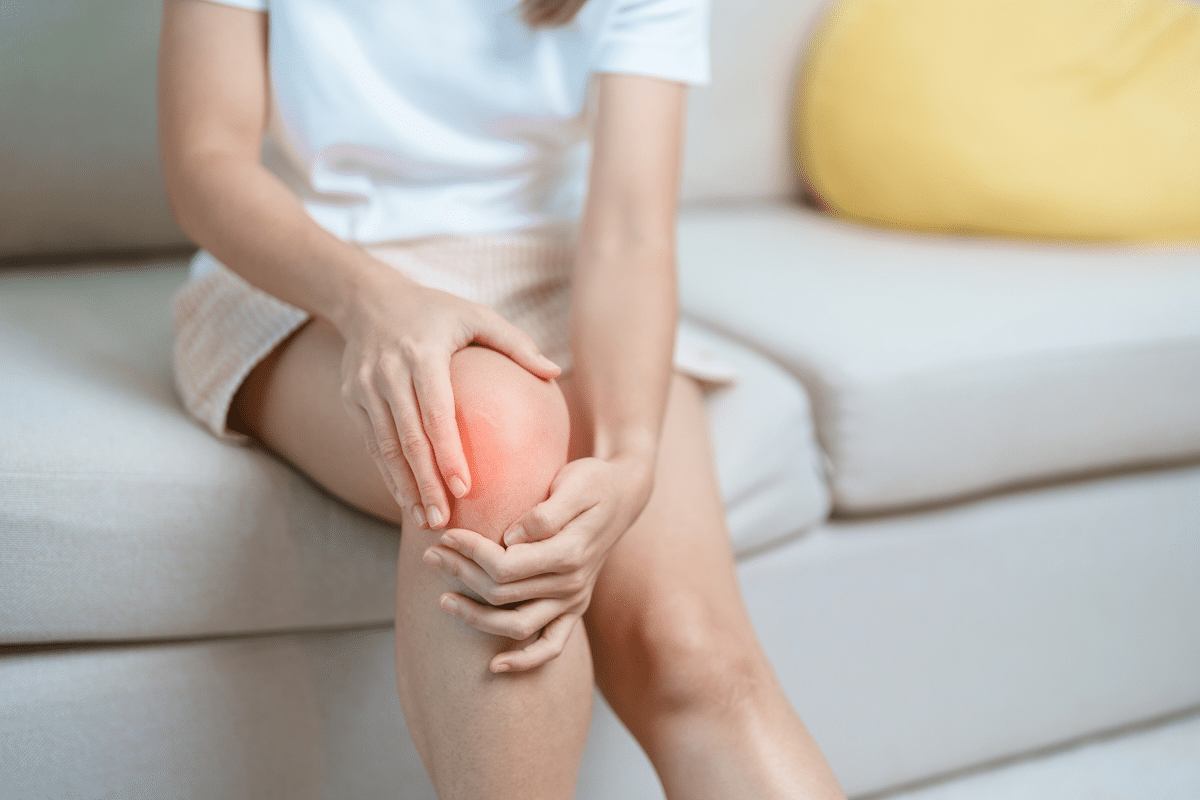
Degenerative joint disease (DJD), also known as osteoarthritis, is a long-term condition. It causes the articular tissue to wear down and bones to change. This happens in many joints across the body.
At Liv Hospital, we know how DJD can change your life. Our team uses the latest diagnostic tools and cares for you with compassion. We aim to help you understand and manage DJD well.
DJD affects millions of people, leading to joint pain that gets worse with age and movement. Knowing what DJD is and how it starts can help you protect your joint health.
Key Takeaways
- DJD is a chronic condition characterized by articular tissue deterioration.
- Osteoarthritis is a common name for DJD.
- Liv Hospital offers a patient-centered approach to managing DJD.
- Understanding DJD is key to keeping your joints healthy.
- DJD affects many joints in the body.
Defining Degenerative Joint Disease
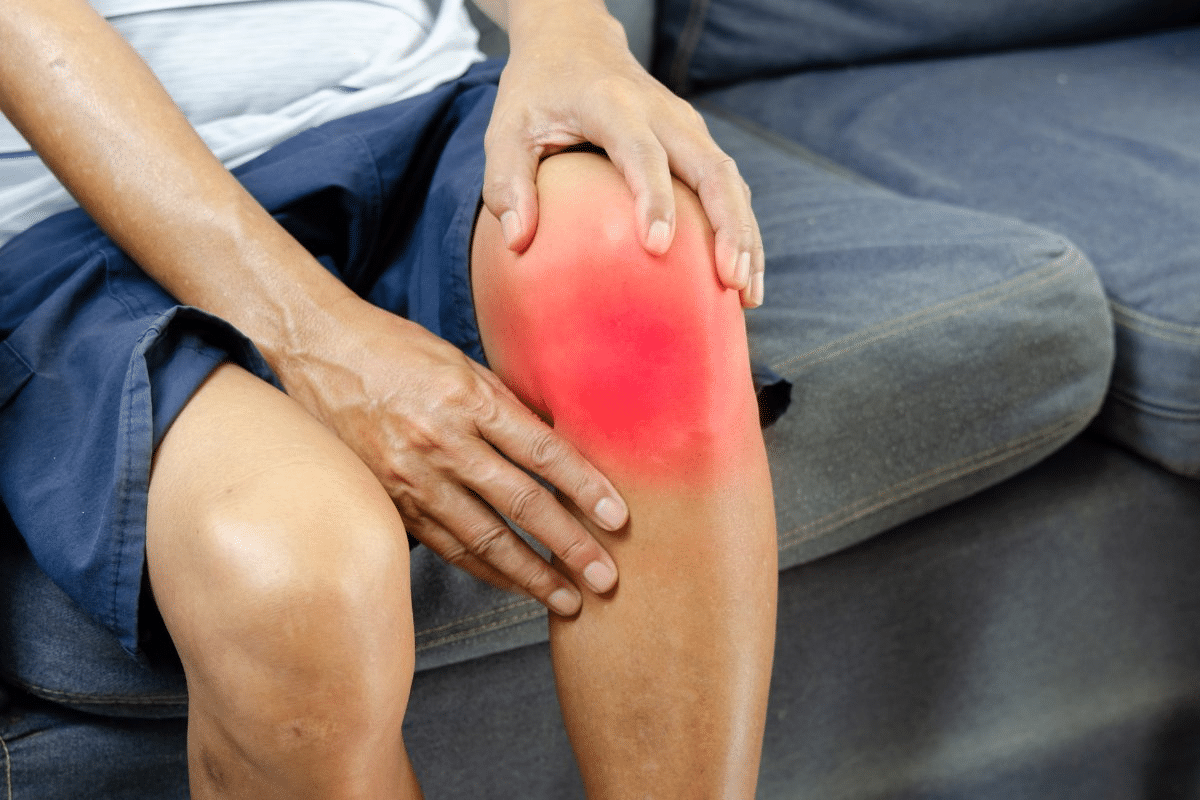
DJD, or Degenerative Joint Disease, is a common condition where joint cartilage wears down. This leads to pain and less mobility. Knowing about DJD helps both patients and doctors manage its symptoms better.
Medical Definition and Terminology
Degenerative Joint Disease is a degenerative condition that affects joints. It causes cartilage to wear away over time. The term “DJD” is often used with osteoarthritis, but it means the degenerative changes in joints.
“DJD is characterized by the breakdown of cartilage and underlying bone, leading to pain, stiffness, and reduced function in the affected joints.”
– Medical Definition of DJD
DJD vs. Osteoarthritis: Understanding the Nomenclature
While DJD and osteoarthritis are often used together, there’s a small difference. Osteoarthritis includes both degenerative and inflammatory changes. DJD mainly focuses on the degenerative part. Knowing this difference is key for accurate diagnosis and treatment.
|
Characteristics |
DJD |
Osteoarthritis |
|---|---|---|
|
Primary Focus |
Degenerative changes |
Degenerative and inflammatory changes |
|
Common Symptoms |
Joint pain, stiffness |
Joint pain, stiffness, inflammation |
|
Typical Treatment Approach |
Conservative management, pain relief |
Comprehensive management including anti-inflammatory measures |
The difference between DJD and osteoarthritis shows how complex joint diseases are. Understanding each condition’s specific traits helps doctors create better treatment plans.
The Prevalence of Degenerative Joint Disease
Understanding degenerative joint disease (DJD) is key for public health. It affects a lot of people worldwide. DJD is a common form of arthritis and a big cause of disability.
“Degenerative joint disease is a major public health concern,” experts say. It affects not just the elderly but also younger people. This includes those who have had joint injuries or have certain genes.
Statistical Overview Across Age Groups
Adults and the elderly are most affected by DJD, with about 9.8 percent having it. In children and teens, the number drops to 0.4 percent. This shows how DJD changes with age.
DJD gets worse with age because joints wear out over time. As more people get older, DJD will become a bigger problem. This makes it very important for healthcare to focus on it.
Geographic and Demographic Variations
Where you live and who you are can also affect DJD. Some groups get it more because of their genes, lifestyle, or job. This is important to know for health plans.
Knowing these differences helps make better health plans. For example, places with older people can plan better for DJD treatment.
Studying DJD shows we need a wide approach to deal with it. This includes medicine, changing how we live, and preventing it.
Anatomy of Affected Joints
To understand Degenerative Joint Disease (DJD), we must first know about joint anatomy. Joints are where bones meet, allowing movement. They are vital for our body’s function.
Normal Joint Structure and Function
A healthy joint has several key parts. The articular cartilage covers bone ends, making movement smooth. The synovial membrane makes synovial fluid, which feeds the cartilage and reduces friction.
The joint capsule surrounds the joint, keeping it stable. Ligaments connect bones, adding support.
Pathological Changes in DJD
In DJD, joints change due to degeneration. The cartilage wears down, making joints painful and stiff. This damage increases friction, causing more pain and less mobility.
- The synovial fluid’s quality may decline, reducing its lubricating effect.
- Bone spurs or osteophytes may form as the body tries to repair damage.
- The joint capsule and ligaments can become inflamed and irritated.
Commonly Affected Joints
DJD often hits joints that bear weight and are used a lot. The knees and hips are common targets. The hands, like the base of the thumb and the distal interphalangeal joints, are also often affected.
The spine, including the lumbar and cervical areas, can also be impacted. This leads to neck and lower back pain and stiffness.
- Knees: Feel pain and stiffness, mainly after resting.
- Hips: Pain in the groin or thigh, which can spread to the knee.
- Hands: Pain and swelling in the fingers, possibly causing deformity.
- Spine: Neck or lower back pain, which can spread to arms or legs.
Clinical Manifestations and Symptoms
It’s important to know the signs of DJD early for better treatment. DJD symptoms can really affect how well someone lives their life.
Early Signs and Symptoms
At first, DJD might cause pain and stiffness in the joints. This happens more after resting or being inactive. It also makes moving the joints harder.
Some people might hear a crunching sound when they move a joint. This is called crepitus. It happens because of lost cartilage and bone spurs.
Progressive Symptoms Development
As DJD gets worse, symptoms get worse too. Pain and stiffness can get stronger. Swelling might also happen because of inflammation.
Advanced DJD can make it hard to do daily tasks. It can even make it hard to stay independent.
Pain Patterns and Characteristics
DJD pain can feel different for everyone. Some might feel a dull ache, while others might feel sharp pains. These pains can happen more when moving or carrying weight.
How much pain you feel can change with your activity level and the weather. Knowing this helps in managing pain better.
Functional Limitations and Impact on Daily Activities
DJD can really limit what you can do. It can make simple tasks like walking or dressing hard.
Here’s a table showing how DJD affects daily activities:
|
Daily Activity |
Impact of DJD Symptoms |
|---|---|
|
Walking |
Joint pain and stiffness can make walking longer distances difficult. |
|
Climbing Stairs |
Pain and reduced range of motion can hinder stair climbing. |
|
Dressing |
Stiffness and pain in the hands or shoulders can make dressing challenging. |
Knowing about DJD symptoms helps doctors create better treatment plans. This can help improve life quality for those with DJD.
Risk Factors for Developing DJD
Knowing the risk factors for DJD is key to preventing and treating it early. Many things can make you more likely to get this condition. Knowing these can help you keep your joints healthy.
Age-Related Factors
Age is a big risk factor for DJD. As we get older, our joints wear out more. The risk of getting DJD goes up a lot after 45. It’s more common in older people.
Genetic Predisposition
Genetics also play a big part in DJD. If your family has it, you’re more likely to get it too. Studies have found certain genes that raise your risk of DJD. This shows how important genetics are.
Lifestyle and Environmental Factors
Lifestyle and environment also affect DJD risk. These include:
- Obesity: Being overweight puts more stress on your joints, speeding up wear.
- Repetitive Motions: Jobs or activities that repeat joint movements can raise your risk.
- Physical Inactivity: Not moving much can lead to DJD by making joints stiff and muscles strong.
Previous Joint Injuries and Trauma
Having had joint injuries or trauma increases your DJD risk. People with past joint injuries, not treated well, are at higher risk. Injuries can make joints unstable and change how they move, speeding up damage.
In summary, knowing the risk factors for DJD is vital for prevention and management. By understanding these, you can lower your risk and keep your joints healthy.
Diagnosis and Classification of Degenerative Joint Disease
To diagnose DJD, we use clinical evaluation, imaging studies, and sometimes lab tests. Accurate diagnosis is key for a good treatment plan.
Clinical Evaluation and Physical Examination
First, we do a detailed clinical evaluation. This includes looking at the patient’s medical history and doing a physical exam. We check for symptoms like pain and stiffness and see how well the patient moves.
The physical exam helps us find signs of joint damage. We look for grinding sounds and limited movement.
Imaging Studies and Their Interpretation
Imaging studies are vital for confirming DJD. X-rays help us see joint space narrowing and bone changes. Magnetic Resonance Imaging (MRI) shows us soft tissues like cartilage and ligaments.
Laboratory Tests and Findings
Laboratory tests aren’t definitive for DJD but help rule out other joint pain causes. We check for inflammation and joint health markers.
Grading and Staging Systems
After diagnosing DJD, we use grading and staging systems. The Kellgren-Lawrence scale is common. It ranges from grade 0 (normal) to grade 4 (severe). This helps us decide on treatment and predict results.
|
Kellgren-Lawrence Grade |
Description |
|---|---|
|
0 |
Normal |
|
1 |
Doubtful narrowing of joint space |
|
2 |
Definite narrowing of joint space |
|
3 |
Multiple osteophytes, sclerosis |
|
4 |
Large osteophytes, severe sclerosis |
Treatment Approaches and Management Strategies
Degenerative Joint Disease (DJD) treatment includes many options. These range from lifestyle changes and physical therapy to medicines and surgery. Each person’s treatment plan is unique, based on their needs and how severe their condition is.
Conservative Management Options
For DJD, the first step is often conservative management. This method aims to lessen symptoms and improve joint function without surgery. Lifestyle changes are key, like losing weight, eating right, and avoiding activities that hurt joints. Physical therapy is also vital, as it keeps joints moving and strengthens muscles.
Pharmacological Interventions
If conservative methods don’t work, medicines might be needed. Pain relief drugs like acetaminophen and NSAIDs help with pain and swelling. Sometimes, corticosteroid injections are used to cut down inflammation and pain. Hyaluronic acid injections also help by making joints more slippery and reducing pain.
Physical Therapy and Rehabilitation
Physical therapy is a big part of managing DJD. A good physical therapy program can make joints work better, lessen pain, and improve life quality. It includes exercises to strengthen muscles, improve flexibility, and boost mobility.
Surgical Considerations and Procedures
For those with severe DJD or who haven’t gotten better with other treatments, surgery might be an option. Surgery can range from arthroscopic surgery to fix damaged tissue to joint replacement surgery for more serious cases. The right surgery depends on how damaged the joint is and the patient’s health.
Living with DJD: Lifestyle Modifications and Self-Care
Living with DJD can be tough, but the right changes and self-care can help a lot. It’s important to manage DJD with a mix of medical care, lifestyle changes, and self-care.
Exercise and Physical Activity Recommendations
Exercise is key for keeping joints mobile and strong. Try low-impact activities like swimming, cycling, and yoga. These can help with pain and function without harming your joints. Always talk to a doctor or physical therapist about your exercise plan.
Activities like tai chi or Pilates are also good. They help with flexibility and balance. Strengthening muscles around the joints can also offer support and lower injury risk.
Dietary Considerations and Weight Management
Eating right is important for managing DJD. Keeping a healthy weight helps ease the load on your joints. Eat lots of fruits, veggies, whole grains, and lean proteins. Omega-3 rich foods like salmon can also help fight inflammation.
Drinking plenty of water is also key. Try to cut down on processed foods, sugars, and fats. This can help your overall health.
Assistive Devices and Home Adaptations
Assistive devices can make daily life easier for those with DJD. Things like canes, walkers, and orthotic shoe inserts can offer support. Making your home safer, like installing grab bars, can also help.
Psychological Impact and Coping Strategies
DJD can affect your mind, leading to feelings of frustration, anxiety, and depression. It’s vital to seek help from mental health professionals or support groups. Stress-reducing activities like meditation can also help.
By making these lifestyle changes and practicing self-care, people with DJD can manage their condition better. This can improve their overall quality of life.
Conclusion: The Future of DJD Management
Degenerative joint disease (DJD) affects millions worldwide. It’s important to know its causes, symptoms, and treatments. This knowledge helps manage the condition effectively.
New research is leading to better treatments for DJD. Advances like regenerative medicine and personalized therapy are promising. These could greatly improve how we treat DJD in the future.
Medical technology is getting better, and we understand DJD more. This means we can create treatments that work better for each person. It’s a step towards better lives for those with DJD.
The field of DJD management is growing. We’ll see new ways to manage the disease soon. Keeping up with research and treatments helps healthcare teams and patients create care plans that fit each person’s needs.
FAQ
What is Degenerative Joint Disease (DJD)?
Degenerative Joint Disease, also known as osteoarthritis, is a condition where joint cartilage and bone wear down. This leads to pain and stiffness, mainly in the hands, knees, hips, and spine.
Is DJD the same as osteoarthritis?
Yes, DJD and osteoarthritis are the same. Both describe a condition that affects joints, causing pain and stiffness. Some sources might make small differences between the two.
What are the common symptoms of DJD?
Symptoms include joint pain, stiffness, swelling, and less movement. These symptoms can make daily activities harder and affect your quality of life.
Which joints are most commonly affected by DJD?
DJD often hits weight-bearing joints like the knees, hips, and spine. It also affects the hands. The joints affected can vary from person to person.
What are the risk factors for developing DJD?
Risk factors include age, genetics, past joint injuries, obesity, and lifestyle choices. Knowing these can help prevent and treat DJD early.
How is DJD diagnosed?
Doctors use a clinical evaluation, imaging studies (like X-rays or MRI), and lab tests to diagnose DJD. They use grading and staging systems to measure its severity.
What are the treatment options for DJD?
Treatments include lifestyle changes, physical therapy, pain medications, and surgery. A mix of these approaches often works best.
Can lifestyle changes help manage DJD?
Yes, making lifestyle changes can help manage symptoms. This includes exercise, diet, weight management, and using assistive devices.
What is the impact of DJD on daily life?
DJD can greatly affect daily life due to pain, stiffness, and limited function. Finding ways to cope and getting support is key to managing the emotional side of the condition.
Are there any emerging treatments for DJD?
Research is looking into new treatments, like regenerative medicine and advanced surgery. These may offer better results for DJD in the future.
How can DJD be prevented or its progression slowed?
Preventive measures include staying at a healthy weight, exercising regularly, avoiding joint injuries, and managing health conditions that affect joints.
References
National Center for Biotechnology Information. B | Degenerative and Inflammatory Joint Diseases. In: The EFORT White Book: “Orthopaedics and Traumatology in Europe” (2021). Bookshelf ID: NBK585963. Retrieved from https://www.ncbi.nlm.nih.gov/books/NBK585963/