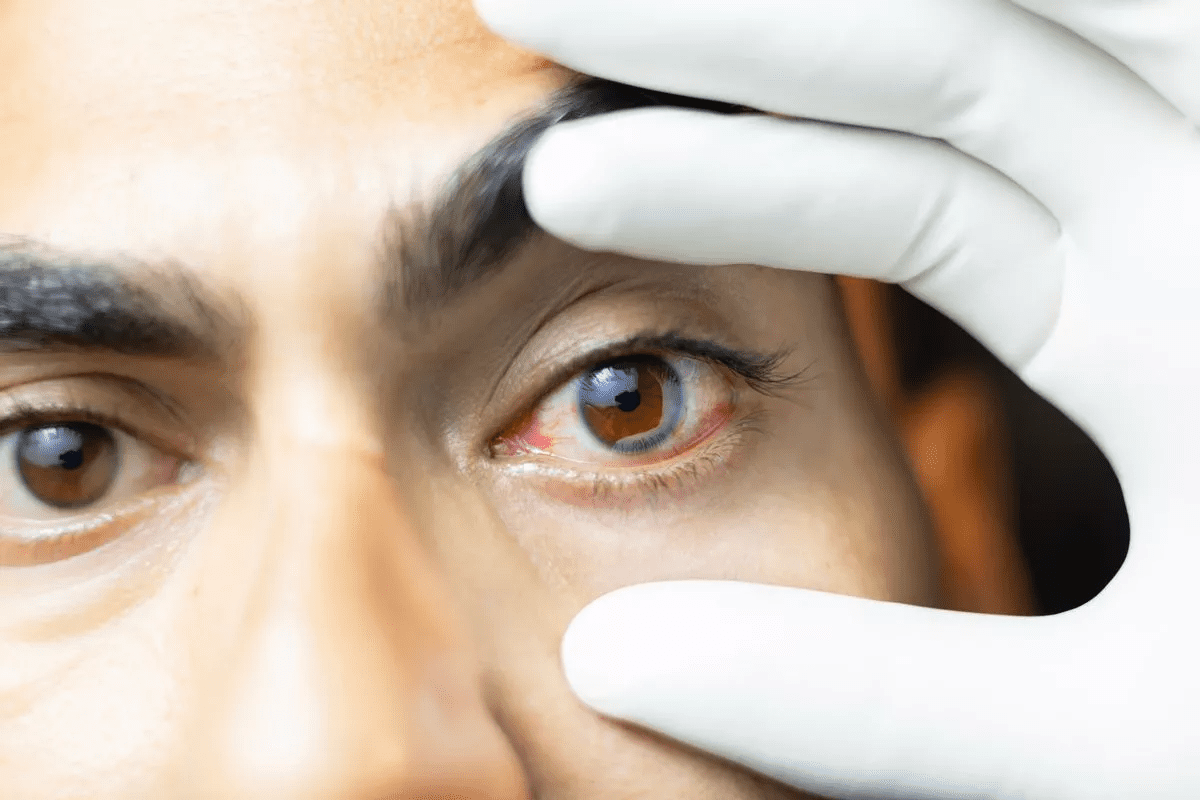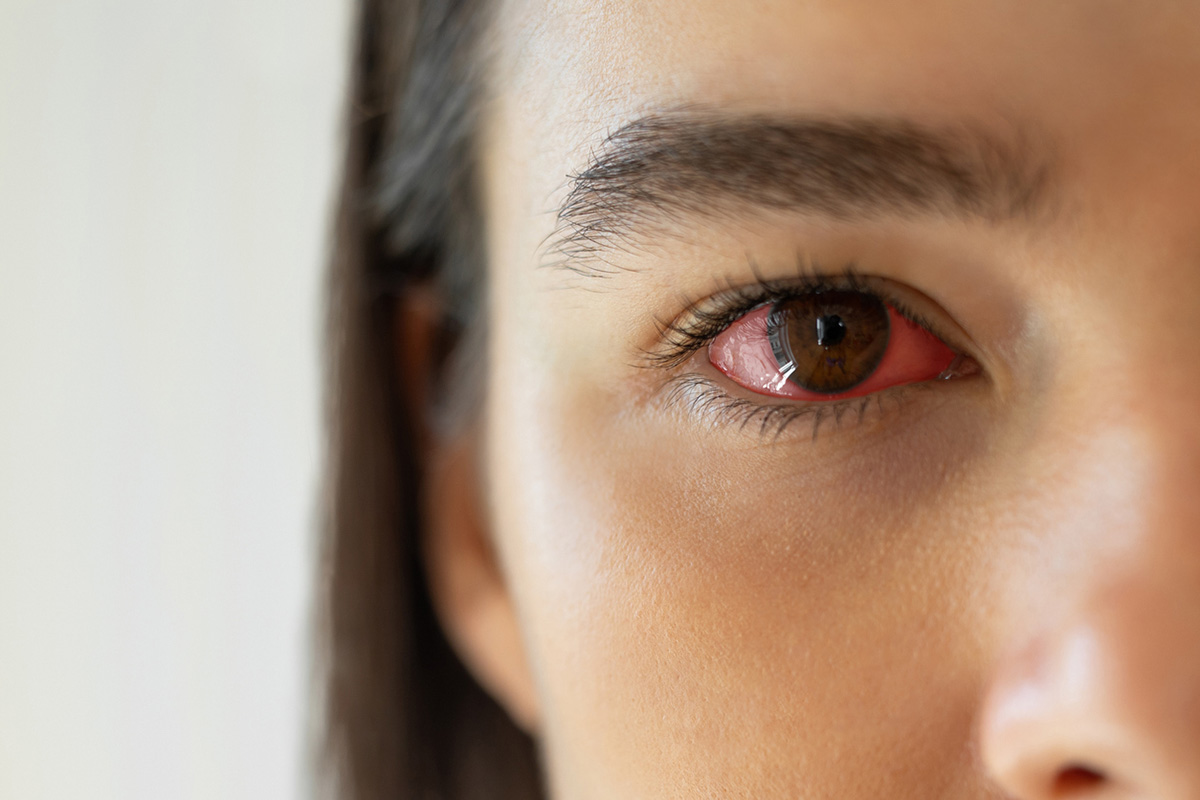
Have you noticed your eyeballs looking smaller or sunken? This might be a sign of a serious eye problem called phthisis bulbi, or eye phthisis. We’re here to explain this condition, its causes, and what it means.Exploration of the condition behind eye shrinking (Phthisis Bulbi) and its underlying causes. Investigate eye shrinking symptoms.
Phthisis bulbi is the last stage of severe eye degeneration. In this stage, the eyeball shrinks and stops working, leading to permanent blindness. It’s important to understand this to keep your vision safe and prevent lasting harm.
We’ll dive into phthisis bulbi and its causes. We’ll also talk about why early action is so important. Spotting the signs early and getting medical help fast can help save your eye health.
Key Takeaways
- Phthisis bulbi is a serious condition where the eyeball shrinks.
- It’s the final stage of severe eye degeneration.
- Knowing the causes of phthisis bulbi is key to preventing it.
- Acting early is vital to save your vision.
- Getting medical help quickly can stop permanent damage.
What Is Phthisis Bulbi? Medical Overview
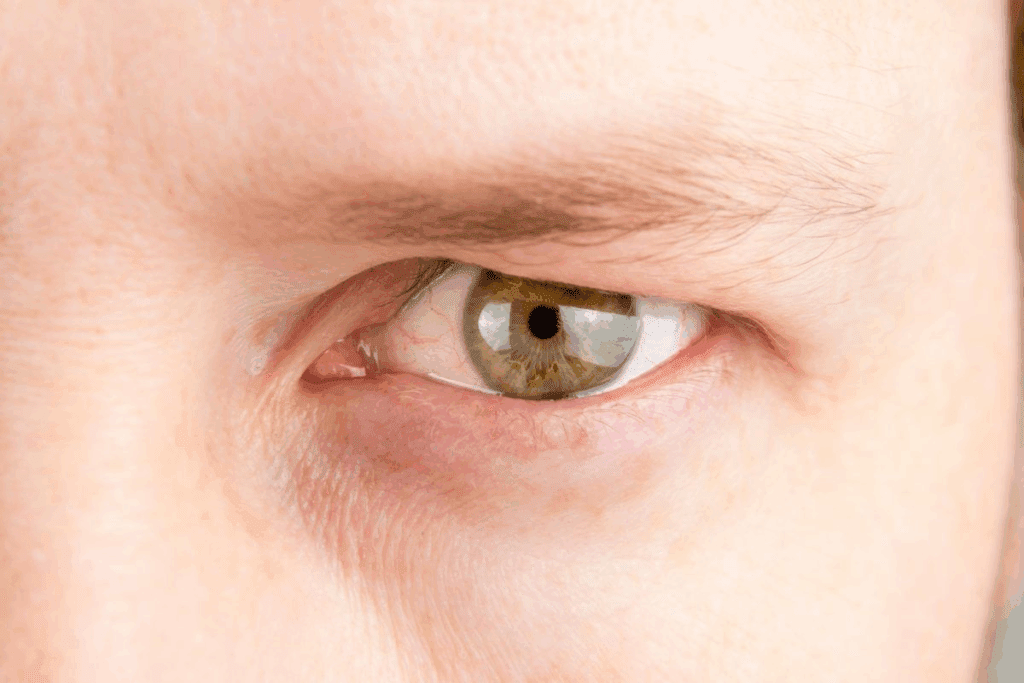
The term phthisis bulbi describes a diseased eye that has shrunk and lost its shape. It’s the final stage of eye damage and can’t be reversed.
Definition and Terminology
Phthisis bulbi means the eye has shrunk a lot because of disease. The word comes from Greek, meaning “to waste away.” It shows how the eye is severely affected.
Prevalence and Demographics
Phthisis bulbi happens more often in some groups. It’s common in people who have had eye injuries, severe infections, or surgery problems. It can affect anyone, but older people are more likely to get it because of age-related eye issues.
Demographic Factor | Prevalence Rate |
Age-related | Higher in older adults |
Ocular Trauma | Common in trauma patients |
Severe Eye Infections | Associated with post-infection complications |
Difference Between Phthisis and Normal Eye Aging
Normal eye aging happens slowly and doesn’t cause the eye to shrink. But phthisis bulbi is a serious condition that makes the eye shrink and lose its shape. It’s caused by disease or injury, leading to severe and permanent damage.
It’s important to know the difference between phthisis bulbi and normal aging. This helps doctors diagnose and treat it correctly. We’ll look at the structural changes and what they mean for the eye in the next sections.
The Process of Eye Shrinking: Pathophysiology
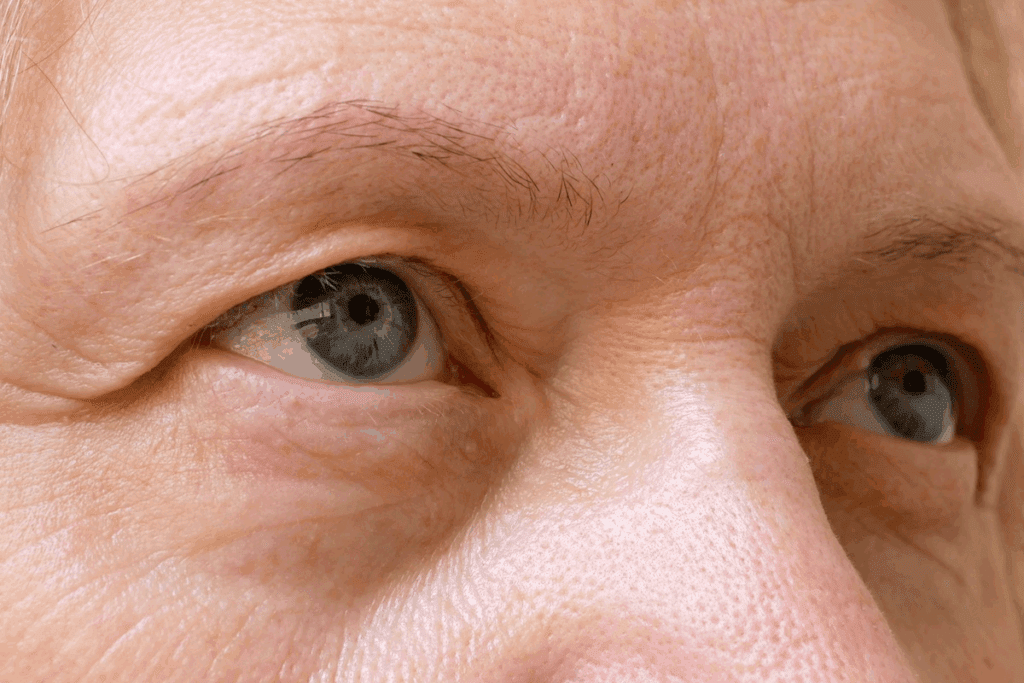
Phthisis bulbi, or the shrinking of the eyeball, is a complex condition. It happens due to changes in the eye’s structure and function. Knowing how this occurs helps us understand the eye’s normal workings and the changes in phthisis bulbi.
Normal Eye Anatomy and Function
The human eye is a complex organ. It has many parts working together to help us see. The eyeball is kept in shape by the balance of pressure inside it and the strength of its outer layer, the sclera. Normal eye anatomy includes the cornea, lens, retina, and optic nerve, all key for vision.
How and Why Eyes Shrink
Eyes shrink in phthisis bulbi due to a drop in intraocular volume. This often happens because of hypotony, or low eye pressure. This can be caused by trauma, severe infections, or surgery complications. When the eye’s pressure drops, it starts to shrink, causing structural changes.
Hypotony and Low Intraocular Pressure
Hypotony is key in phthisis bulbi. When the eye’s pressure is too low, it can’t keep its shape or function well. This leads to changes like scleral thickening and corneal opacity. These changes cause the eyeball to shrink.
Timeline of Progression
The progression of phthisis bulbi varies from person to person. Knowing the typical stages helps in planning treatment. Here’s a table showing the general stages and timeline:
Stage | Timeline | Characteristics |
Initial | 0-3 months | Onset of hypotony, initial reduction in eyeball size |
Intermediate | 3-12 months | Scleral thickening, corneal changes, continued shrinkage |
Advanced | 1-2 years | Significant eyeball shrinkage, possible complications |
End-stage | 2+ years | Final stage of phthisis bulbi, minimal to no vision |
Understanding eye shrinking and its causes helps in managing phthisis bulbi. This knowledge is vital for creating effective treatment plans and improving patient care.
Structural Changes in Phthisis Bulbi
Understanding the structural changes in phthisis bulbi is key to diagnosing and managing it. These changes show that phthisis bulbi affects the eyeball in many ways.
Sclera Thickening and Stiffening
The sclera, the white outer layer of the eyeball, gets thicker and stiffer in phthisis bulbi. This is due to fibrosis and scarring. The sclera’s role in protecting and shaping the eyeball is compromised.
Corneal Opacity Development
The cornea, the clear front layer of the eye, becomes cloudy or opaque. This is due to swelling, blood vessel growth, and scarring. Such changes impair vision.
Intraocular Tissue Fibrosis and Scarring
Fibrosis and scarring in intraocular tissues are key changes in phthisis bulbi. Fibrosis is the growth of extra fibrous tissue in response to injury. This scarring leads to progressive vision loss.
Dystrophic Calcification and Ossification
Dystrophic calcification and ossification are also changes that can happen. Dystrophic calcification is the buildup of calcium in damaged tissue. Ossification is the formation of bone tissue in the eye. Both contribute to the degeneration of the eyeball.
Structural Change | Description | Impact on the Eye |
Sclera Thickening | Thickening and stiffening of the sclera due to fibrosis and scarring | Loss of eyeball flexibility and shape |
Corneal Opacity | Clouding or opacification of the cornea due to edema, vascularization, and scarring | Impaired vision |
Intraocular Fibrosis | Formation of excess fibrous tissue within the eye | Scarring and progressive vision loss |
Dystrophic Calcification and Ossification | Accumulation of calcium salts and formation of bone tissue in damaged areas | Further degeneration of the eyeball |
These changes show how complex phthisis bulbi is. They highlight the need for detailed management strategies to tackle the condition’s various symptoms.
Common Causes of Eye Phthisis
It’s important to know what causes eye phthisis to prevent and treat it. Eye phthisis is when the eyeball shrinks. It can happen due to many factors that harm the eye’s structure and function.
Ocular Trauma and Injury
Ocular trauma is a big risk for eye phthisis. Severe injuries can hurt the eye’s inside parts. This can cause inflammation, scarring, and the eyeball to shrink. The more severe the injury, the higher the risk of phthisis.
Severe Eye Infections
Severe eye infections, like endophthalmitis, can badly damage the eye’s inside. If not treated or treated late, these infections can cause scarring and fibrosis. This can lead to eye phthisis.
Complications from Eye Surgery
Eye surgery is usually safe, but complications can happen. Sometimes, surgery can cause chronic inflammation or low intraocular pressure. Both are risks for eye phthisis.
Chronic Inflammatory Conditions
Chronic inflammatory conditions, like uveitis, can cause ongoing inflammation in the eye. This can damage the eye’s structures over time. It can lead to eye phthisis.
Cause | Description | Risk Factors |
Ocular Trauma | Severe injury to the eye | High-impact injuries, delayed treatment |
Severe Eye Infections | Infections like endophthalmitis | Untreated or delayed treatment of infections |
Complications from Eye Surgery | Post-surgical inflammation or hypotony | Complex surgeries, pre-existing eye conditions |
Chronic Inflammatory Conditions | Conditions like uveitis | Prolonged inflammation, inadequate management |
Knowing these causes helps us see why prevention and early treatment are key. They help lower the risk of eye phthisis.
Recognizing Early Phthisis Bulbi
Spotting the early signs of phthisis bulbi is key to saving your vision. We’ll cover the main signs to look out for. This way, you can get medical help fast.
Initial Warning Signs
The first signs of phthisis bulbi can be hard to notice. It’s important to watch for any eye health changes. Look out for:
- A gradual decrease in vision
- Changes in the appearance of the eye, such as a sunken or discolored eyeball
- Increased sensitivity to light
- Eye pain or discomfort
Changes in Eye Appearance
Phthisis bulbi often changes how the eye looks. You might see:
- A reduction in the size of the eyeball, making it appear sunken
- Discoloration of the eye, which may become more opaque or develop a whitish hue
- Changes in the shape of the cornea or other external structures of the eye
Visual Symptoms and Progression
As phthisis bulbi gets worse, vision problems can grow. You might notice:
- Blurred vision
- Double vision
- Loss of peripheral vision
- Decreased visual acuity
These symptoms can really affect your life. That’s why catching it early is so important.
Eyeball Size Reduction
One big sign of phthisis bulbi is when the eyeball gets smaller. This happens slowly. You might see your eye looks smaller or more sunken over time.
This size change often comes with other signs, like those mentioned before.
Diagnosing a Shrinking Eyeball
Diagnosing eye phthisis requires a detailed clinical exam and imaging studies. We’ll cover the main steps and methods for diagnosing this condition.
Clinical Examination Techniques
A thorough clinical exam is the first step in diagnosing phthisis bulbi. It includes a detailed medical history and a complete eye check. This helps assess the eye’s overall health.
We use tools like slit-lamp biomicroscopy to look at the eye’s front part. This helps us spot any issues.
Imaging Studies and Tests
Imaging studies are key in diagnosing phthisis bulbi. Ultrasonography and computed tomography (CT) scans help us see inside the eye. They show how much the eye has shrunk or damaged.
Experts say imaging is vital for diagnosing and managing phthisis bulbi. It gives us important info on eye changes.
“The use of advanced imaging techniques has revolutionized the diagnosis of ocular conditions, including phthisis bulbi.”
Measuring Eyeball Size and Pressure
Getting accurate measurements of eyeball size and pressure is key. We use special tools to measure these and watch for changes.
Phthisis bulbi is marked by low intraocular pressure. Measuring this pressure helps us tell it apart from other eye issues.
Differential Diagnosis
Differential diagnosis is important to rule out other conditions that might look like phthisis bulbi. We look at other eye conditions and use a process of elimination to find the right diagnosis.
By combining clinical exams, imaging, and precise measurements, we can accurately diagnose phthisis bulbi. Then, we can plan the right treatment.
Risk Factors for Developing Eye Shrinking
It’s important to know what can cause eye shrinking. We’ll look at the main factors that lead to phthisis bulbi.
Age-Related Vulnerabilities
Our eyes change as we get older. This can make us more likely to get eye problems like phthisis bulbi. Age-related vulnerabilities are a big part of this risk. Older people are more likely to have chronic conditions or injuries that can cause eye shrinking.
Pre-existing Eye Conditions
People with pre-existing eye conditions like uveitis or severe myopia are at higher risk. These conditions can weaken the eye, making it more likely to shrink.
Pre-existing Condition | Risk Level | Potential Complication |
Uveitis | High | Chronic inflammation |
Retinal Detachment | High | Vision loss |
Severe Myopia | Moderate | Retinal thinning |
Systemic Diseases and Their Impact
Certain systemic diseases can raise the risk of eye shrinking. Diseases like diabetes or hypertension can harm the eyes. This can lead to eye shrinking.
Genetic Predispositions
Genetic predispositions also matter. If your family has a history of eye problems, you might be at higher risk. This is because of your genes.
Knowing these risk factors helps us spot who might get eye shrinking. This way, we can try to prevent or manage it better.
Treatment Options for Phthisis of the Eye
Phthisis bulbi treatment needs a mix of methods. The right treatment depends on the disease stage, the patient’s health, and the eye’s details.
Medical Management Approaches
Medical treatment is often the first step for phthisis bulbi. It aims to manage symptoms and slow the disease. We use medicines to control pain, swelling, and infections.
- Anti-inflammatory medications to reduce swelling
- Antibiotics to prevent or treat infections
- Pain management medications to improve comfort
Surgical Interventions
Surgery might be needed for complications or to improve the eye’s look. Surgical options include:
- Enucleation: removing the eye to stop discomfort
- Evisceration: removing the eye’s contents while keeping the sclera
- Ocular implant placement to enhance appearance
A leading ophthalmologist says, “Surgery can greatly improve life quality for phthisis bulbi patients. It addresses pain and looks.”
“The decision to have surgery should be well thought out, considering benefits and risks.”
Medical Expert, Ophthalmologist
Prosthetic Solutions and Ocular Implants
Prosthetic eyes and implants are key for eye appearance after surgery. We provide custom prosthetic eyes that match the patient’s eye, boosting looks and confidence.
Type of Prosthesis | Description | Benefits |
Custom-made ocular prosthesis | Tailored to match the patient’s natural eye | Improved cosmetic appearance, enhanced confidence |
Ocular implant | Surgical implant to replace the eye | Better motility, more natural appearance |
Emerging Treatments and Research
Research on phthisis bulbi is ongoing, with new treatments showing promise. We aim to lead in these advancements for our patients’ best care.
We’re pushing forward in understanding phthisis bulbi. We’re looking into new treatments that could help our patients more.
Preventing Eye Phthisis
To prevent eye phthisis, we need to understand its causes and protect our eyes. By taking steps early on, we can lower the risk of getting this condition.
Eye Protection Strategies
Protecting our eyes from injury is key. Wear the right eyewear during sports and use protective gear at work. Also, watch out for eye hazards at home. Protective eyewear helps a lot in avoiding eye trauma, a big risk for phthisis bulbi.
Managing Underlying Conditions
Some health issues can raise the risk of eye phthisis. It’s important to manage these conditions well. For example, keeping diabetes and high blood pressure under control can help prevent eye problems. We should work with our doctors to manage these conditions and check our eyes often.
Regular Eye Examinations
Regular eye exams are vital in preventing eye phthisis. They help catch problems early and treat them quickly. An eye doctor can check our eyes, find any issues, and suggest treatments. Early detection is key to stopping eye diseases from getting worse.
Early Intervention for Eye Injuries
If we get an eye injury, we should see a doctor right away. Quick action can stop serious problems that could lead to eye phthisis. Don’t wait to see an eye doctor if you have an eye injury or notice strange symptoms. Fast treatment is important for keeping our eyes healthy.
Living with a Collapsed Eyeball: Practical Considerations
Living with a collapsed eyeball brings unique challenges. People with this condition need to adapt to physical, emotional, and social changes. It’s a big adjustment.
Adaptive Technologies and Visual Aids
Adapting to vision and appearance changes is key. Adaptive technologies help a lot. They include:
- Special glasses or contact lenses for better vision or eye protection.
- Assistive devices like magnifying glasses or electronic magnifiers for daily tasks.
- Screen reader software and digital tools for tasks needing clear vision.
These tools make daily life easier. They help people stay independent and active.
Psychological Support Resources
Dealing with emotional changes is also vital. Psychological support helps manage stress, anxiety, and depression. Resources include:
- Counseling or therapy sessions with mental health experts.
- Support groups for sharing experiences and connecting with others.
- Online forums and resources for information and support.
These resources help people cope with their feelings and find ways to deal with them.
Lifestyle Adjustments
Making lifestyle adjustments is also important. This means:
- Changing daily routines to fit visual limitations.
- Setting up safety measures at home to avoid falls or injuries.
- Doing activities that improve overall well-being, like exercise or hobbies.
These changes help people stay independent and enjoy life.
Cosmetic Options and Considerations
The look of a collapsed eyeball can worry many. Cosmetic options can help. They include:
- Ocular prosthetics or cosmetic shells to match the other eye.
- Surgical procedures to enhance the look of the affected eye.
Talking to healthcare professionals can help find the best cosmetic solutions.
By tackling these practical issues, people with a collapsed eyeball can manage their condition better. This improves their overall life quality.
Conclusion: Managing and Understanding Eye Phthisis
It’s key to understand and manage phthisis bulbi well. This article has covered its causes, symptoms, diagnosis, and treatments. We’ve looked into how to deal with eye phthisis.
Managing eye phthisis needs a full plan. This includes medical care, surgery, and prosthetics. Early action and good care can greatly improve life quality.
Knowing about eye phthisis and its treatments helps people make better choices. It’s vital to get professional help for managing eye phthisis.
We’re working hard to learn more about phthisis bulbi. Our goal is to offer full support and care for those affected. Dealing with eye phthisis is complex. It needs kindness, knowledge, and a focus on the patient.
FAQ
What is phthisis bulbi?
Phthisis bulbi is a serious eye condition. It causes the eyeball to shrink. This usually happens after a severe eye injury, infection, or inflammation.
What causes eye phthisis?
Eye phthisis can be caused by several things. These include ocular trauma, severe eye infections, complications from eye surgery, and chronic inflammatory conditions.
How is phthisis bulbi diagnosed?
Doctors use several methods to diagnose phthisis bulbi. They perform clinical examinations, imaging studies, and measure the eyeball size and intraocular pressure. They also do differential diagnosis.
What are the symptoms of phthisis bulbi?
Symptoms include changes in the eye’s appearance and visual disturbances. The eyeball also shrinks.
Can phthisis bulbi be prevented?
Yes, prevention is possible. Wear eye protection, manage underlying conditions, and get regular eye exams. Early intervention after eye injuries is also key.
What are the treatment options for phthisis bulbi?
Treatment options include medical management and surgical interventions. There are also prosthetic solutions and ocular implants. New treatments are being developed.
How does phthisis bulbi affect vision?
Phthisis bulbi can cause significant visual impairment or blindness. This is due to the shrinkage and structural changes in the eye.
What are the risk factors for developing phthisis bulbi?
Risk factors include age-related vulnerabilities and pre-existing eye conditions. Systemic diseases and genetic predispositions also play a role.
How can individuals cope with living with a collapsed eyeball?
Coping strategies include using adaptive technologies and visual aids. Accessing psychological support and making lifestyle adjustments are also important. Cosmetic options can help too.
Is phthisis bulbi related to normal aging?
No, phthisis bulbi is a distinct condition. It is different from the normal aging process of the eye.
What is the timeline for the progression of phthisis bulbi?
The progression of phthisis bulbi can vary. It often involves a gradual shrinkage of the eyeball over time. Factors like hypotony and low intraocular pressure influence this.
Can eye phthisis occur in one or both eyes?
Yes, eye phthisis can occur in one or both eyes. It depends on the underlying cause and individual circumstances.
Why are my eyes shrinking?
Eyes can shrink due to various factors. These include ocular trauma, severe infections, or chronic inflammatory conditions that lead to phthisis bulbi.
References
National Center for Biotechnology Information. Phthisis Bulbi: Causes and Understanding of Eye Shrinkage. Retrieved from https://pubmed.ncbi.nlm.nih.gov/29902388/