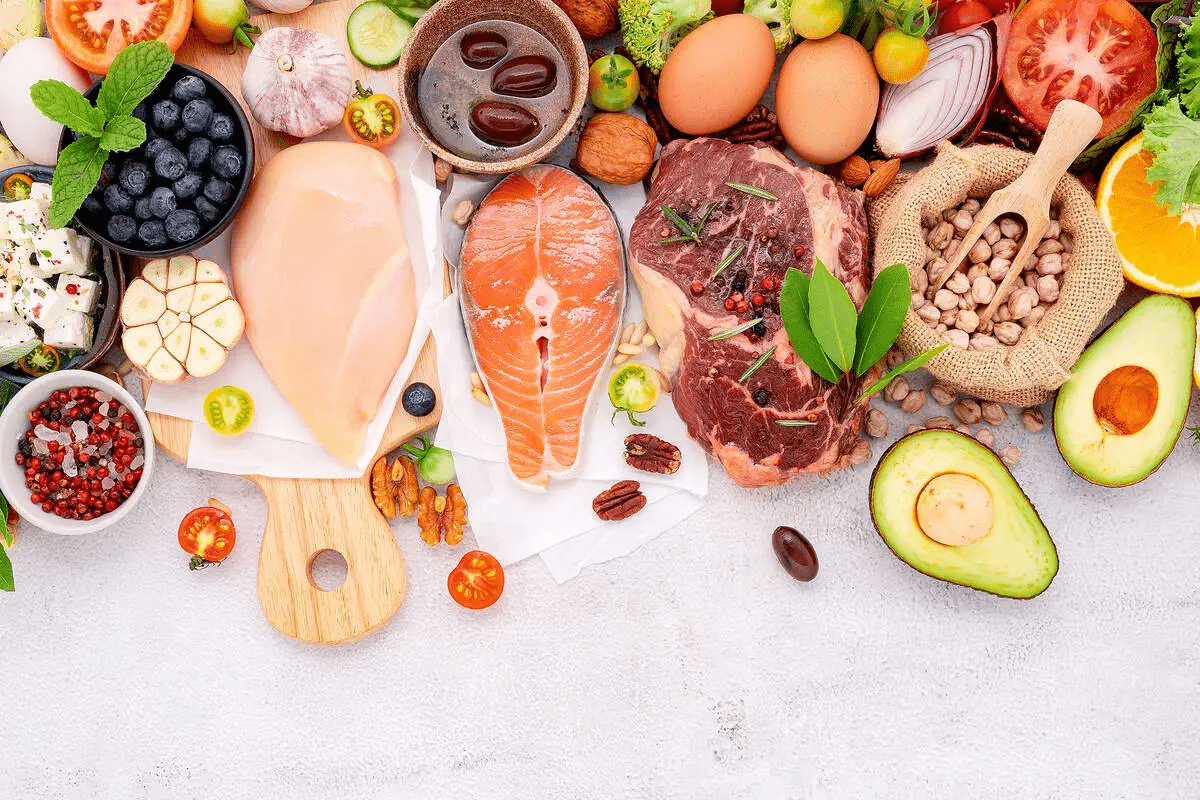
Arthritis affects millions worldwide. What we eat plays a big role in managing inflammation and joint pain. Some foods can trigger inflammatory responses that make arthritis symptoms worse. Identifying and explaining theworst fruits for arthritis (high sugar) and which fruits are best for pain relief.
We will look at the foods to avoid with arthritis to help manage joint pain and inflammation. Knowing how diet affects arthritis helps you make better choices. Some foods can make arthritis symptoms worse. Avoiding them can help reduce flare-ups.
Key Takeaways
- Certain foods can trigger inflammatory responses that worsen arthritis symptoms.
- Dietary choices play a critical role in managing inflammation and joint pain.
- Avoiding specific foods can significantly reduce arthritis flare-ups.
- Making informed dietary choices can improve overall joint health.
- Understanding the link between diet and arthritis is key for effective management.
The Connection Between Diet and Arthritis Pain
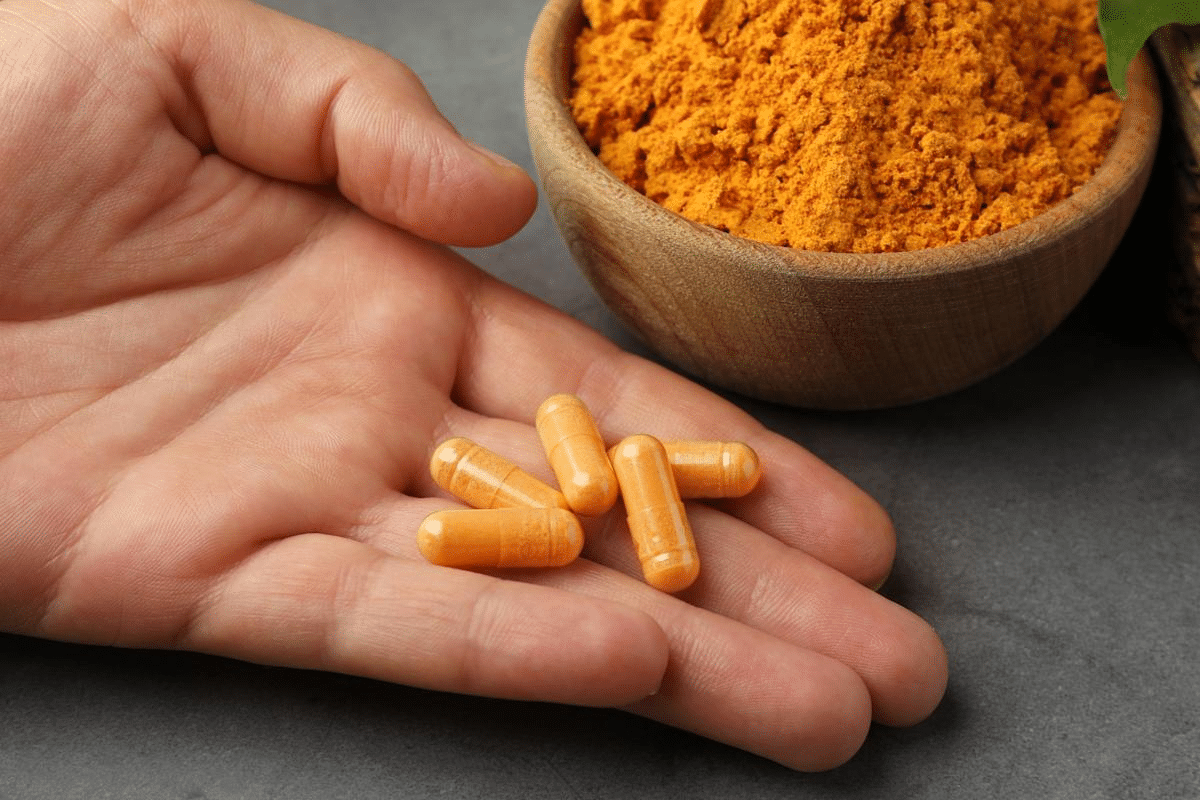
Studies show that what we eat can really affect arthritis pain and swelling. Some foods can make symptoms worse, while others can help. It’s key to know how diet and arthritis pain are linked.
Some foods can start an inflammatory reaction in our bodies. This reaction can make arthritis symptoms like pain and swelling worse. Inflammatory responses are our body’s way of reacting to threats, but in arthritis, it can cause more pain and swelling.
How Food Triggers Inflammatory Responses
Foods high in sugar, salt, and unhealthy fats can start inflammation. For example, sugary drinks and sweets can increase inflammation. A study found that drinking just one 12-ounce soda daily can increase the risk of rheumatoid arthritis by 63%. These foods can lead to pro-inflammatory cytokines, which promote inflammation.
“Dietary factors play a significant role in the development and management of arthritis. Understanding how different foods affect joint health is key for managing arthritis.”
Research on Dietary Impact on Joint Health
Many studies have looked into how diet affects joint health. They’ve found that certain diets, like the Mediterranean diet, can help. This diet is full of fruits, vegetables, and healthy fats, which can reduce inflammation and improve joint health.
- A diet rich in antioxidants can help reduce oxidative stress and inflammation.
- Foods high in omega-3 fatty acids, like salmon and walnuts, can reduce joint inflammation.
- It’s important to avoid foods that trigger inflammation, like those high in sugar and unhealthy fats.
By choosing the right foods, people with arthritis can lessen their symptoms and live better. It’s important to work with healthcare professionals to create a diet plan that fits individual needs and health.
Sugar-Laden Foods and Beverages

Eating foods and drinks high in sugar can make arthritis symptoms worse. The sugar in these items causes inflammation in the body. This can lead to more joint pain and discomfort. We will look at the worst foods and drinks for people with arthritis.
Soda and Sweetened Drinks
Soda and sweetened drinks are very bad for sugar intake. A single can of soda has up to 40 grams of sugar, way more than we should eat. Drinking these regularly can increase inflammation and raise the risk of chronic diseases, including arthritis.
- Sugary sodas like cola and fruit-flavored drinks
- Sweetened tea and coffee drinks
- Energy drinks with high sugar content
Candy and Processed Desserts
Candy and processed desserts are not just high in sugar. They also have ingredients like refined flour and unhealthy fats. These ingredients together can cause a lot of inflammation in the body. Examples include:
- Candies like gummies, chocolates, and hard candies
- Baked goods such as cakes, cookies, and pastries
- Processed desserts like ice cream and frozen yogurt
Knowing how these foods and drinks affect us helps us make better choices. We can manage arthritis symptoms and improve our health by avoiding them.
Inflammatory Fats and Oils
Inflammatory fats and oils play a big role in making arthritis symptoms worse. Some fats can start or make inflammation in the body worse. We’ll look at two main types of these fats that people with arthritis should know about.
Processed Vegetable Oils
Processed vegetable oils like soybean, corn, and sunflower oils are used a lot in cooking and food making. But, they are often processed a lot and have a lot of omega-6 fatty acids. It’s not the oil itself but the processing that can make it harmful. The high heat in processing can create unhealthy compounds.
To lessen the bad effects, use these oils less and choose cold-pressed or unrefined ones when you can. Also, eating foods rich in omega-3 can help fight inflammation. Choosing the right cooking oils is a simple yet effective step in managing arthritis symptoms.
Margarine and Trans Fats
Margarine and other products with trans fats can make cholesterol levels worse and increase inflammation. Trans fats are in processed foods, baked goods, and some margarines. The consumption of trans fats has been linked to increased risk of heart disease and exacerbation of arthritis symptoms.
To avoid trans fats, check food labels and pick products that say “trans fat-free.” Choose natural, unprocessed foods and use healthier oils like olive or avocado oil for cooking. Making informed dietary choices is key for managing arthritis.
Knowing how inflammatory fats and oils affect arthritis helps people make better diet choices. Cutting down or avoiding processed vegetable oils and margarine with trans fats can help manage arthritis symptoms and improve health.
Red and Processed Meats
For those with arthritis, knowing how red and processed meats affect them is key. Red meat can lead to more inflammation, making joint swelling and symptoms worse. We’ll look at which red and processed meats can make arthritis symptoms worse.
High-Fat Red Meat
High-fat red meats like fatty beef, lamb, and pork have lots of saturated fats and AGE products. These can start inflammation in the body, making arthritis symptoms worse. Lowering high-fat red meat intake can help manage arthritis better.
Processed Deli Meats
Processed meats like sausages, bacon, and ham are full of saturated fats, sodium, and preservatives like nitrates and nitrites. These preservatives can cause inflammation and oxidative stress, making arthritis symptoms worse. Studies show that eating less processed deli meats helps those with arthritis.
Knowing how red and processed meats affect arthritis helps people make better food choices. It’s about finding a balance and being careful about foods that can trigger or worsen arthritis.
Refined Carbohydrates and Processed Foods
Eating too much of refined carbs and processed foods can make arthritis pain worse. Foods like white bread and fast food are full of these. They can cause inflammation in your body.
White Bread and Refined Flour Products
White bread and products made from refined flour are quickly broken down. This leads to a fast rise in blood sugar. This rise can cause inflammation in your body.
Choosing whole grains instead can help. They have more fiber and nutrients. This might lower inflammation and help with arthritis symptoms.
|
Food Item |
Refined Carbohydrate Content |
Inflammatory Potentia |
|---|---|---|
|
White Bread |
High |
High |
|
Whole Wheat Bread |
Moderate |
Moderate |
|
Refined Pasta |
High |
High |
|
Whole Grain Pasta |
Moderate |
Low |
Fast Food and Frozen Convenience Meals
Fast food and frozen meals are often full of bad fats, sodium, and refined carbs. These can cause inflammation and harm your health. Eating them regularly can make arthritis symptoms worse.
It’s better to eat whole, healthy foods. Cooking at home with fresh ingredients can help you avoid these bad foods.
Tips for Reducing Refined Carbohydrates and Processed Foods:
- Choose whole grains over refined grains.
- Read food labels to identify hidden refined carbohydrates.
- Prepare meals at home using fresh ingredients.
- Limit the consumption of fast food and frozen meals.
High-Sodium Foods
High-sodium foods can hurt people with arthritis. They can make inflammation worse and increase the risk of autoimmune diseases. This can make arthritis symptoms even harder to handle. Let’s look at how some high-sodium foods can affect this condition.
Canned Soups and Prepared Sauces
Canned soups and prepared sauces are bad for arthritis. They have a lot of sodium and other ingredients that can cause inflammation. Eating them often can make joint pain and swelling worse.
For example, one can of soup can have up to 900 mg of sodium. Sauces like soy sauce or teriyaki can have over 1,000 mg per serving.
Packaged Snack Foods
Packaged snacks like chips, pretzels, and popcorn are also high in sodium. They are made with lots of salt and may have other ingredients that cause inflammation.
|
Snack Food |
Average Sodium Content per Serving |
|---|---|
|
Potato Chips |
170 mg per 1 oz serving |
|
Pretzels |
480 mg per 1 oz serving |
|
Popcorn (microwave) |
520 mg per 3 cups popped |
To manage arthritis well, watching sodium intake is key. Reading labels and picking low-sodium options can help avoid flare-ups. Knowing the sodium in foods like canned soups, sauces, and snacks helps people with arthritis make better food choices.
Worst Fruits for Arthritis
Some fruits can make arthritis worse. Even though fruits are good for us, certain ones can hurt people with arthritis. Knowing which fruits to avoid is key to controlling symptoms.
Nightshade Fruits: Tomatoes
Tomatoes are part of the nightshade family and can trigger arthritis in some. They have solanine, which can cause pain and swelling.
Impact of Tomatoes on Arthritis: Not everyone with arthritis will react to tomatoes. But, some might feel worse after eating them. It’s important to watch how your body reacts to tomatoes and other nightshades.
High-Fructose Fruits: Mangoes and Grapes
Fruits like mangoes and grapes are high in fructose. Eating too much of them can lead to more inflammation. This can make arthritis symptoms worse.
|
Fruit |
Fructose Content |
Potential Impact on Arthritis |
|---|---|---|
|
Mangoes |
High |
May increase inflammation |
|
Grapes |
High |
Potential to worsen symptoms |
|
Tomatoes |
Low |
May trigger symptoms due to solanine |
Knowing which fruits can affect arthritis helps people make better food choices. Always talk to a doctor or dietitian to create a diet plan that works for you.
Potential Trigger Foods for Specific Arthritis Types
Knowing which foods can make arthritis symptoms worse is key to managing it. Different people react differently to food, but some foods are known to be problematic for many.
For those with rheumatoid or osteoarthritis, avoiding certain foods can help. We’ll look at three food types that might make symptoms worse for some people.
Gluten and Wheat Products
Gluten can cause joint pain and stiffness in some. People with celiac disease or gluten sensitivity should avoid it. Gluten is in many foods, including wheat products, and can be hidden in processed foods.
Studies show a gluten-free diet might reduce inflammation and improve symptoms for some. But, always talk to a doctor before changing your diet.
Dairy Products, Especialy Cheese
Dairy, like cheese, can be a problem for some with arthritis. The proteins and sugars in dairy can trigger inflammation, making symptoms worse.
Research suggests dairy proteins can increase inflammatory cytokines, leading to joint pain. More research is needed to fully understand the link between dairy and arthritis.
Corn Products and Derivatives
Corn and its products, like high-fructose corn syrup, are common in foods. Some people may react to corn, which can trigger or worsen arthritis symptoms.
Corn is a common allergen and can cause inflammation. While not as well-studied as other foods, it’s worth considering corn as a possible trigger for some.
To understand how these foods affect arthritis, let’s look at their inflammatory effects.
|
Food Group |
Potential for Inflammation |
Common Sources |
|---|---|---|
|
Gluten and Wheat |
High |
Bread, Pasta, Baked Goods |
|
Dairy Products |
Moderate to High |
Milk, Cheese, Yogurt |
|
Corn Products |
Moderate |
High-Fructose Corn Syrup, Corn Oil, Cornstarch |
Knowing the inflammatory effects of these foods can help people with arthritis make better diet choices. This might reduce their symptoms.
Conclusion: Building Your Personalized Anti-Inflammatory Diet
Understanding the link between diet and arthritis pain is key. It helps us manage symptoms and improve life quality. Studies show anti-inflammatory diets can lessen arthritis pain and slow its progress.
To create a diet that fights inflammation, it’s vital to steer clear of certain foods. Our list of 15 bad foods for arthritis is a good start. It includes foods high in sugar, unhealthy fats, red meats, refined carbs, and sodium.
When planning your diet, remember to avoid foods that can trigger arthritis flare-ups. Choosing anti-inflammatory foods can help manage symptoms and boost health.
Building a personalized diet means knowing which foods to avoid and making changes. We urge you to take charge of your arthritis by making these dietary adjustments. This can greatly improve your well-being.
FAQ
What foods should be avoided to manage arthritis inflammation?
To manage arthritis, avoid foods that trigger inflammation. This includes sugar, inflammatory fats, red meats, and processed foods. Also, limit refined carbs, high-sodium foods, and fruits like nightshades and high-fructose ones.
Does mayonnaise cause inflammation?
Mayonnaise has omega-6 fatty acids, which can cause inflammation if eaten too much. But, you don’t need to cut it out completely. Moderation is key.
What protein is bad for your joints?
High-fat red meat and processed meats can make arthritis worse. It’s the fat and processing, not the protein, that harms joints.
Are there specific foods that cause joint pain?
Yes, some foods can make joint pain worse. These include refined carbs, high-sodium foods, and certain fruits.
Does white flour cause inflammation?
White flour can cause inflammation. Foods like white bread can trigger an inflammatory response and worsen arthritis symptoms.
Is cheese bad for arthritis?
Cheese can be a problem for some with arthritis, as it may cause inflammation. But, it affects people differently.
Does chocolate cause inflammation?
Chocolate can be a problem for some due to sugar and dairy. But, dark chocolate in small amounts might have anti-inflammatory effects because of its flavonoids.
Does corn cause joint inflammation?
Corn can be a problem for some, mainly those with sensitivities. It’s a common allergen and can cause inflammation in some.
What foods trigger arthritis?
Foods that can trigger arthritis include those that cause inflammation. This includes processed foods, high-fat foods, refined carbs, and certain fruits and dairy.
What are the worst foods for joint pain?
The worst foods for joint pain are those that cause inflammation. This includes foods high in sugar, fats, red meats, and processed foods.
What foods aggravate arthritis?
Foods that aggravate arthritis include those that trigger inflammation. This includes processed foods, high-fat red meat, refined carbs, and certain fruits and dairy.
Reference
National Center for Biotechnology Information. Arthritis: Foods Exacerbating Inflammation and Joint Pain. Retrieved from https://pubmed.ncbi.nlm.nih.gov/25060910/