

Hair transplant surgery restores hair density using advanced FUE and DHI techniques. Learn about the procedure, diagnosis of hair loss, and recovery process.
Send us all your questions or requests, and our expert team will assist you.
A beard transplant is a specialized microsurgical procedure designed to restore or enhance hair growth on the chin, cheeks, and mustache areas. This process involves harvesting healthy hair follicles from a “donor site”—typically the back of the scalp where hair is densest—and meticulously placing them into the facial regions where growth is thin or absent.
Modern beard restoration has evolved significantly, moving away from older, noticeable methods to refined techniques that mimic the natural direction and angle of facial hair. The primary goal is to create a fuller, more masculine appearance that complements the patient’s unique facial structure. Whether a patient desires a thick “lumberjack” beard or a subtle correction of a patchy mustache, this procedure provides a permanent solution that grows, trims, and shaves just like natural facial hair.
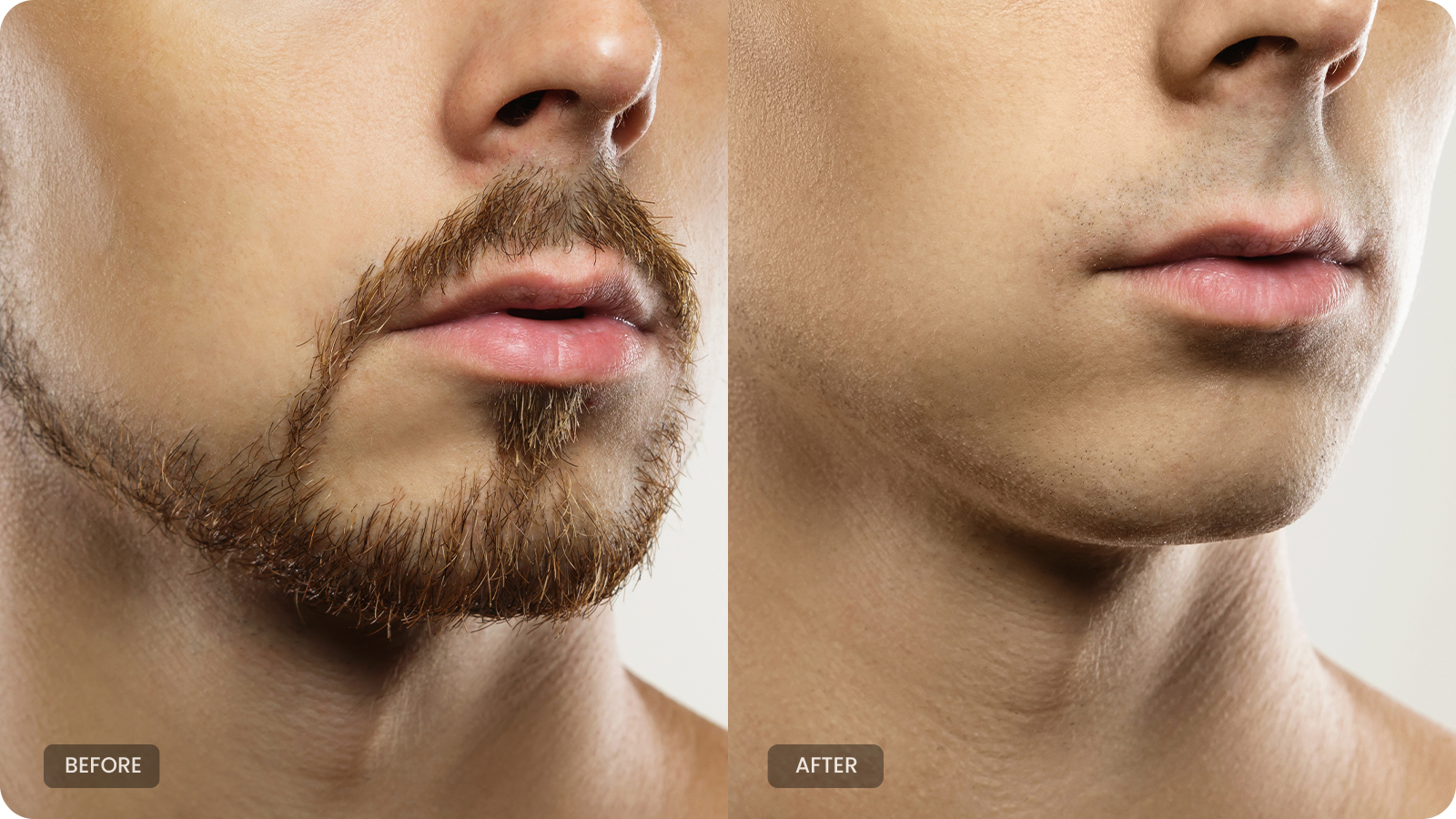
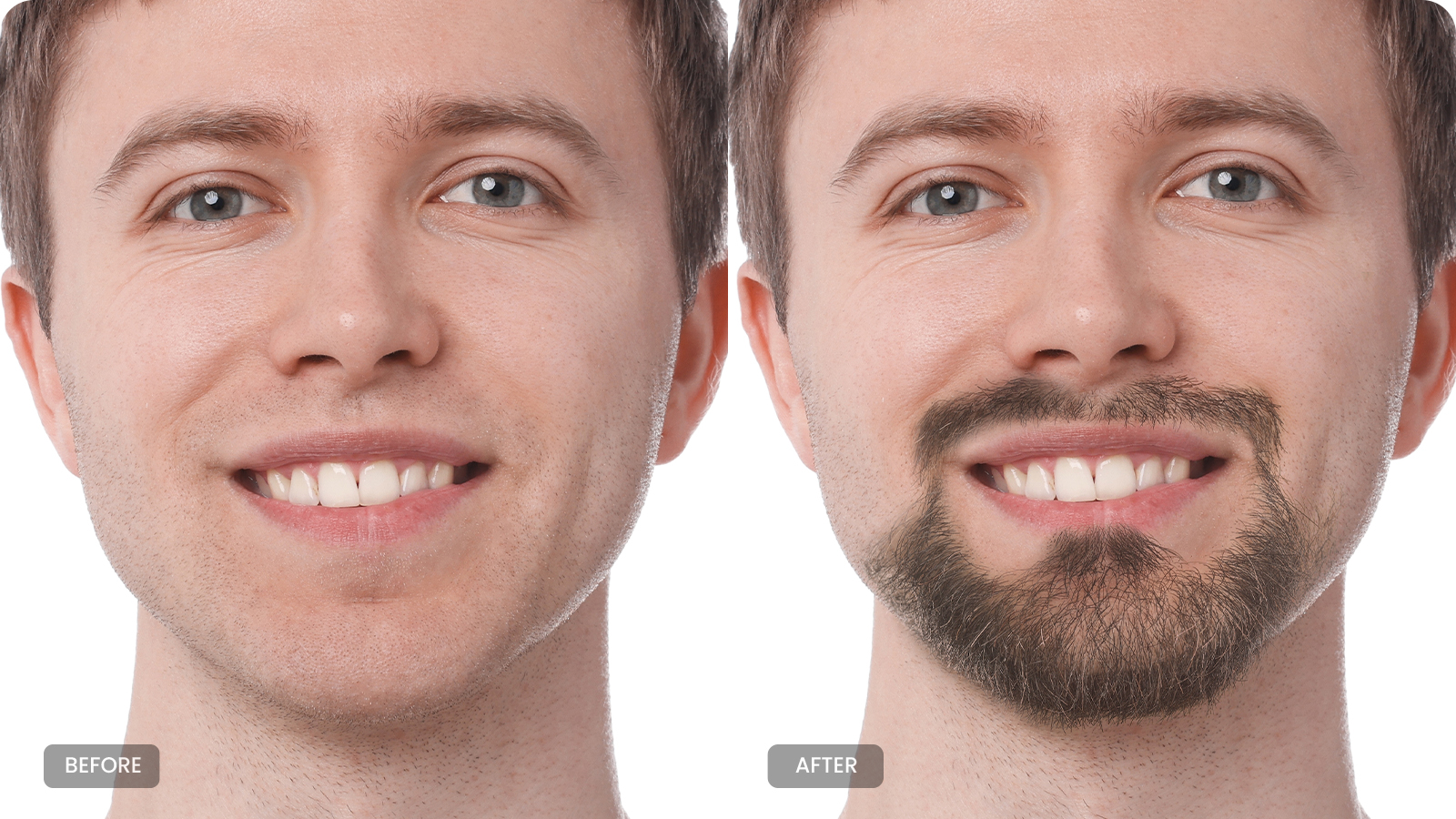
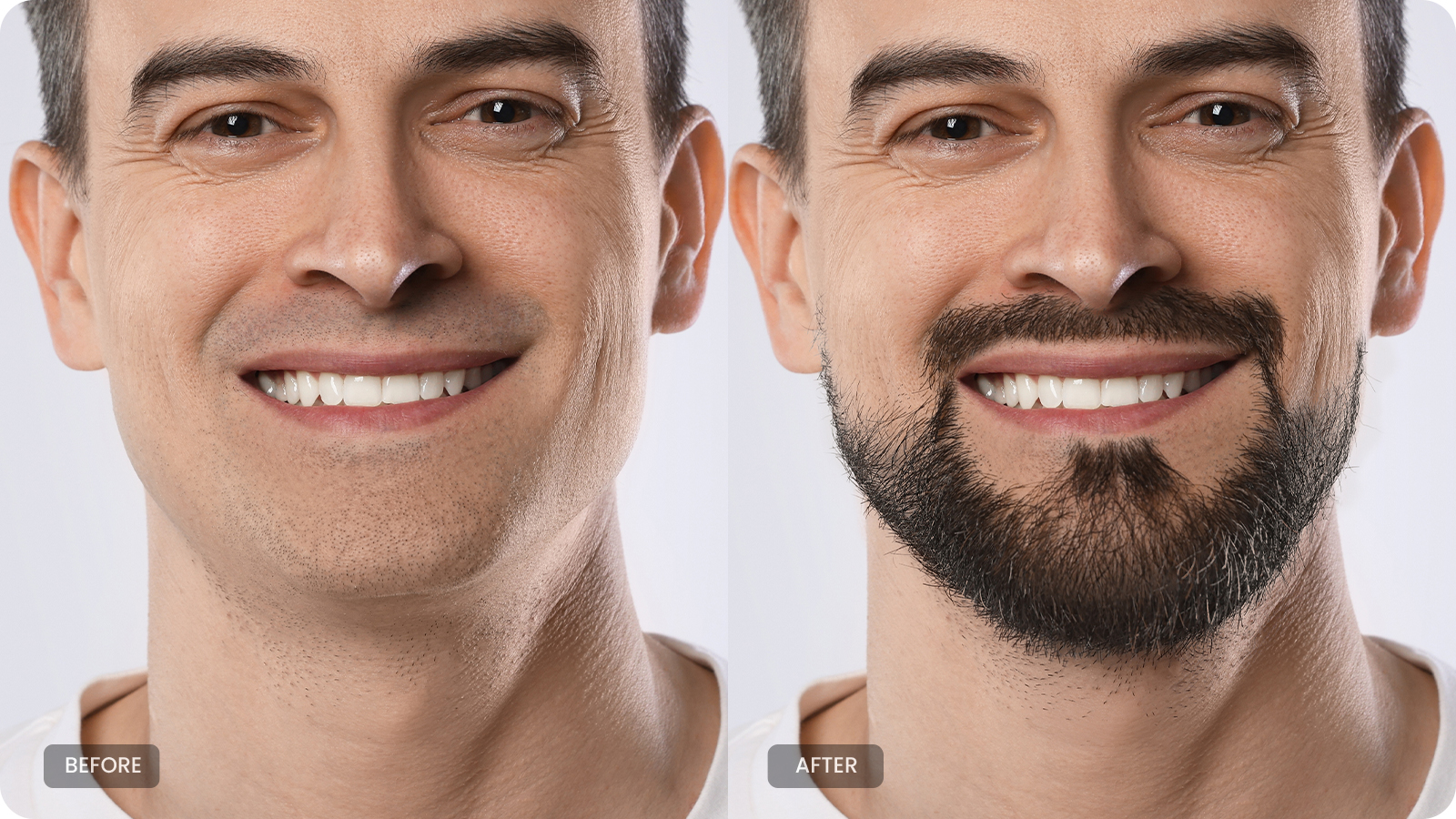
At Liv Hospital, beard transplant procedures are performed within a high-standard hospital environment, prioritizing patient safety and sterile conditions. Unlike smaller clinics, our hospital-grade facilities ensure that every step of the process meets international medical protocols. Our specialized teams utilize advanced technologies, such as Sapphire blades for precision and DHI Choi pens for high-density placement, ensuring minimal tissue trauma and a faster return to daily life.
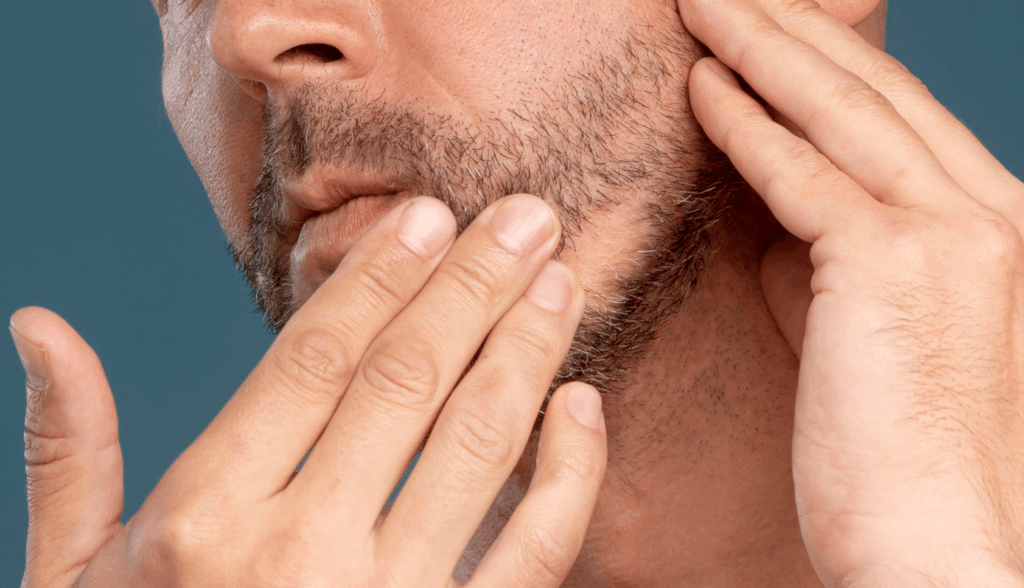
Facial hair loss or the inability to grow a beard is often referred to as beard alopecia. This condition can range from small, circular bald patches to a complete lack of facial hair development.
While a beard transplant is primarily an aesthetic procedure, its impact on a patient’s well-being is significant. The facial hair serves as a “frame” for the face; when it is patchy or missing, it can lead to reduced self-confidence and a feeling of being less “mature” or “masculine.” Physically, the procedure is minimally invasive. Because the body recognizes the transplanted follicles as its own tissue, there is no risk of rejection. Once the initial healing phase is complete, the follicles integrate into the facial skin, receiving blood supply and nutrients just like the original hair.


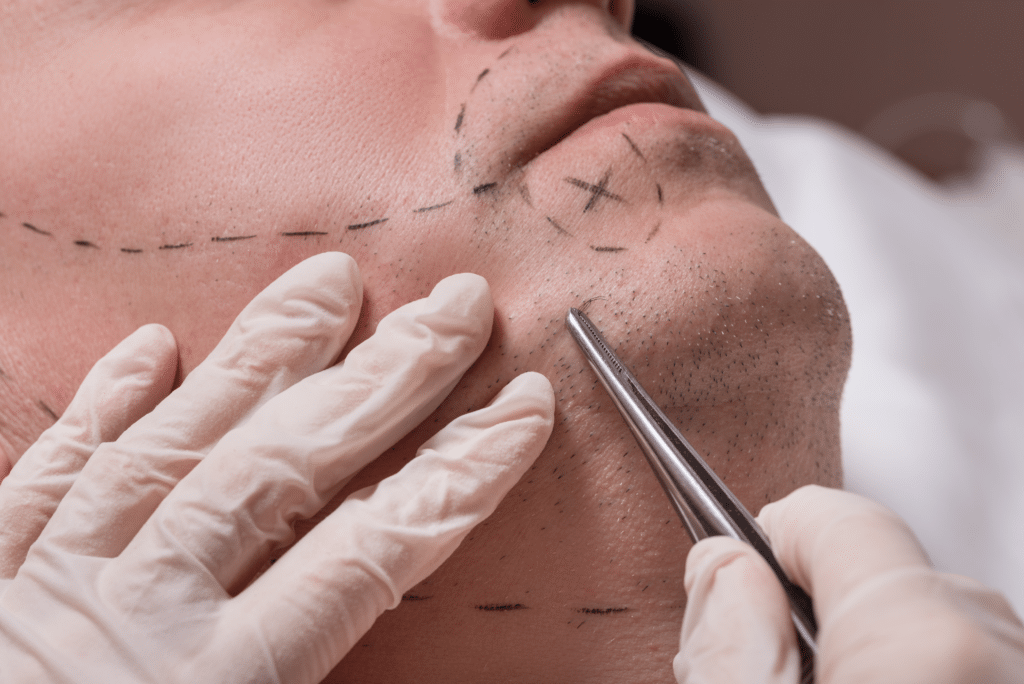
The field of hair restoration has evolved significantly, offering sophisticated methods to ensure the best possible results. These modern techniques focus on minimizing discomfort and maximizing the survival rate of the transplanted follicles. The two most common methods involve extracting individual follicles or small groups of follicles to be placed into the target area. Each method has its own set of advantages depending on the size of the area being treated and the density required.