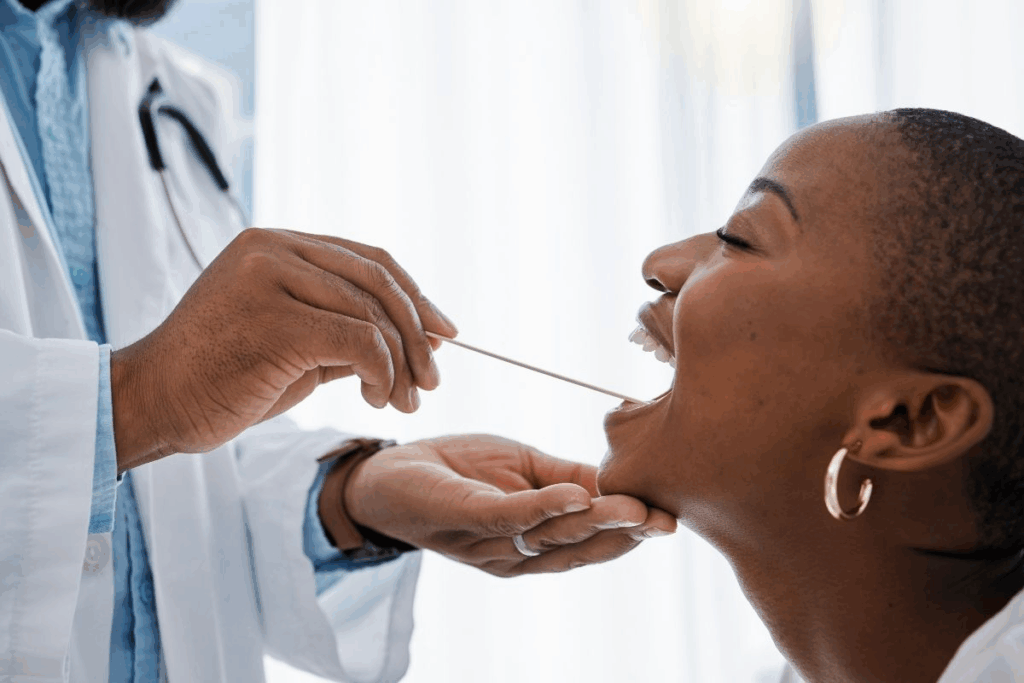
Oral hairy leukoplakia is a common Epstein-Barr virus infection. It shows up as a white, furrowed lesion on the tongue’s sides. This condition is very important, mainly for people with HIV, as it can mean their immune system is weak. See these 7 alarming hairy leukoplakia photos. This visual guide explains the oral signs and what these white patches on the tongue mean.
At Liv Hospital, we know how vital it is to spot and treat this early. We’ll use 7 hairy leukoplakia photos and images to help doctors recognize and handle these oral issues well.
Key Takeaways
- Oral hairy leukoplakia is a benign Epstein-Barr virus infection.
- It typically presents as a white lesion with a corrugated appearance on the tongue.
- The condition is clinically significant, mainly in HIV-infected individuals.
- Early recognition is key for timely treatment.
- Liv Hospital offers expertise in managing oral hairy leukoplakia.
Understanding Oral Hairy Leukoplakia
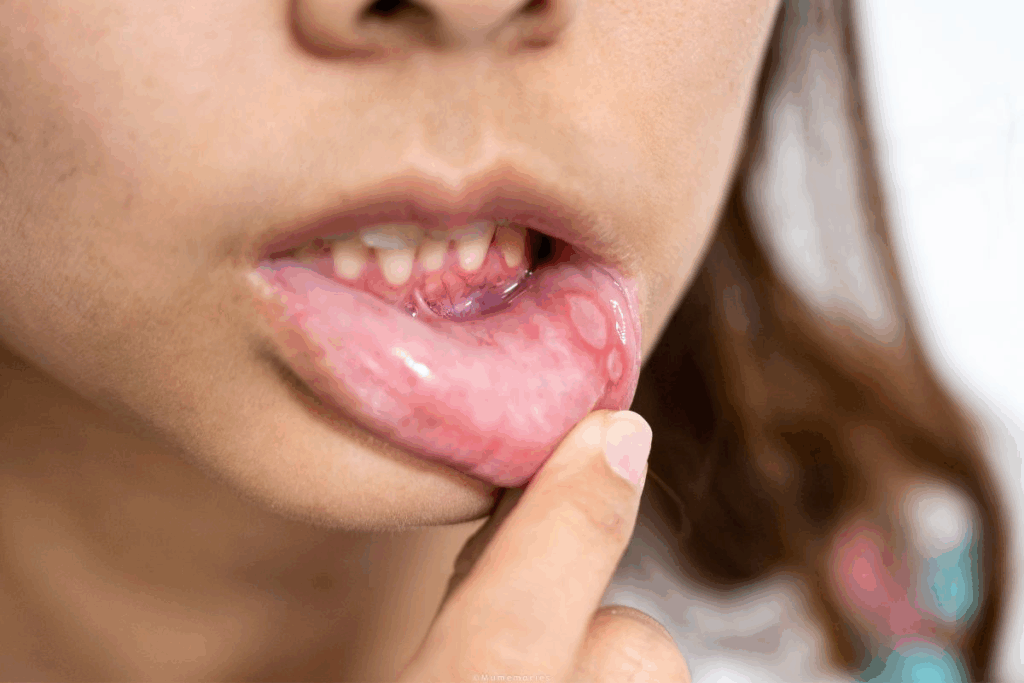
It’s key for doctors to know about oral hairy leukoplakia to help patients. This condition is serious, mainly for those with weak immune systems.
Definition and Clinical Significance
Oral hairy leukoplakia shows up as white patches on the tongue sides. It’s linked to Epstein-Barr virus (EBV) infection. These patches might not cause symptoms but show a weak immune system. It’s a sign that HIV could get worse.
This condition is important because it shows a problem with the immune system. Doctors need to spot it to give the right care.
Prevalence in HIV and Immunocompromised Patients
In the U.S., about 25-53 percent of HIV-infected people get oral hairy leukoplakia. It’s common in those with weak immune systems, like HIV/AIDS patients or those on immunosuppressive drugs.
It’s rare in the general population, affecting 1% to 2%. But it’s more common in older people and those with weak immune systems. So, it’s important to check their mouths often.
CD4 Count Correlation
Oral hairy leukoplakia often means a low CD4 count, showing a very weak immune system. Research shows it raises the risk of AIDS. Keeping an eye on CD4 counts is key to managing HIV.
Knowing how oral hairy leukoplakia relates to CD4 counts helps doctors. They can better understand a patient’s immune health and plan treatment.
Causes and Risk Factors of Hairy Leukoplakia
Epstein-Barr virus infection is a main cause of hairy leukoplakia, mainly in those with weak immune systems. This condition shows up as white patches on the tongue and in the mouth.
Epstein-Barr Virus (EBV) Infection
The Epstein-Barr virus affects most people at some point. In healthy people, it often doesn’t show symptoms or causes mild ones. But in those with weak immune systems, it can reactivate and cause hairy leukoplakia.
Key aspects of EBV infection:
- Primary EBV infection is usually asymptomatic
- EBV remains latent in the body and can reactivate
- Reactivation is more common in immunocompromised individuals
Immunosuppression Mechanisms
Immunosuppression is key in hairy leukoplakia development. People with weak immune systems, like those with HIV/AIDS or organ transplant recipients, are more likely to get hairy leukoplakia.
Factors contributing to immunosuppression:
- HIV infection
- Organ transplantation
- Immunosuppressive medications
Non-HIV Related Cases
Hairy leukoplakia is often linked to HIV/AIDS, but it can also happen in others with weak immune systems. It’s been found in people with other conditions that weaken the immune system.
Examples of non-HIV related immunosuppression:
- Organ transplant recipients
- Patients on long-term corticosteroids
- Individuals with certain autoimmune diseases
Clinical Characteristics and Appearance
Oral hairy leukoplakia shows specific signs that help doctors diagnose it. It changes the look of the tongue’s surface.
Typical Location on Lateral Tongue
It usually shows up on the lateral surfaces of the tongue. Sometimes, it spreads to the top of the tongue. It can affect both sides or just one side.
Corrugated or Furrowed Texture
Oral hairy leukoplakia has a unique corrugated or furrowed texture. This is because of changes in the tongue’s surface, making it look “hairy”.
White Patches That Cannot Be Removed
The condition has white patches that can’t be scraped off. This sets it apart from other tongue issues. These patches can be the same color or have red and white spots.
Hairy Leukoplakia Photos: 7 Key Visual Presentations
We can spot seven key signs of hairy leukoplakia through images. These signs help us understand the condition better. They show how it changes and grows.
Early Stage Manifestations
In the beginning, hairy leukoplakia looks like small white patches on the tongue’s sides. These patches might be flat or a bit raised. They don’t always look “hairy” at first.
Advanced “Hairy” Appearance
As it gets worse, the patches start to look corrugated or furrowed. This gives them a “hairy” look. It’s because of the keratotic folds or projections on the surface.
Bilateral vs. Unilateral Presentations
Hairy leukoplakia can show up on one side or both sides of the tongue. It’s more common on both sides, which is a sign of a weak immune system.
Dorsal Tongue Involvement
It’s less common, but hairy leukoplakia can also appear on the tongue’s top. This is a sign of a bigger Epstein-Barr virus (EBV) infection.
Knowing these visual signs is key for diagnosing and treating hairy leukoplakia. By spotting these signs, doctors can give better care.
Diagnostic Approaches for Oral Hairy Leukoplakia
Diagnosing oral hairy leukoplakia involves several steps. These include a clinical check-up, looking at tissue samples, and testing for EBV. We’ll dive into each step to see how they help in making a correct diagnosis.
Clinical Visual Examination
The first step is a detailed look by a healthcare professional. They search for white patches on the tongue or inside the mouth. These patches are rough and can’t be rubbed off, making them stand out.
Key Features Observed During Clinical Examination:
- White patches on the lateral tongue
- Corrugated or furrowed texture
- Patches cannot be wiped away
Histopathological Features
Looking at tissue samples is key to confirming the diagnosis. The samples show signs like too much keratin and thick skin layers. They also show the presence of EBV in the cells. This is done through a biopsy, where a small piece of tissue is examined.
Histopathological Feature | Description |
Hyperparakeratosis | Excessive accumulation of keratin on the surface epithelium |
Acanthosis | Thickening of the prickle cell layer |
EBV Presence | Detection of Epstein-Barr virus in epithelial cells |
EBV Testing Methods
Testing for EBV is vital in diagnosing oral hairy leukoplakia. This is because the condition is linked to EBV. Tests like in situ hybridization can find EBV in cells. This makes the diagnosis more accurate.
EBV Testing Methods:
- In situ hybridization
- Detection of EBV-encoded RNA (EBER)
- PCR (Polymerase Chain Reaction) for EBV DNA
By using a combination of clinical checks, tissue analysis, and EBV tests, doctors can accurately diagnose oral hairy leukoplakia. This helps them tell it apart from other mouth conditions.
Differentiating Hairy Leukoplakia from Similar Conditions
Hairy leukoplakia often looks like other oral conditions, making it hard to tell apart. When we see white spots in the mouth, we need to think about several other conditions. These can look a lot like hairy leukoplakia.
Oral Candidiasis Comparison
Oral candidiasis is one condition we must distinguish from hairy leukoplakia. It causes creamy white patches that can be easily wiped off. Hairy leukoplakia, on the other hand, has white patches that stick to the tongue. Here’s a table showing the main differences:
Characteristics | Hairy Leukoplakia | Oral Candidiasis |
Appearance | White patches with corrugated or furrowed texture | Creamy white patches |
Adherence | Patches cannot be wiped away | Patches can be wiped away |
Location | Typically on the lateral tongue | Can occur on various oral surfaces |
Non-Hairy Leukoplakia Differences
Non-hairy leukoplakia, or leukoplakia, is another condition we need to tell apart from hairy leukoplakia. Leukoplakia is a condition that might turn cancerous and has white patches that can’t be rubbed off. It usually shows up on the floor of the mouth or the tongue’s underside. Its surface is smooth, unlike hairy leukoplakia’s corrugated look.
White Lesions Differential Diagnosis
When we see white spots in the mouth, we have to think about many possible causes. Here are some key ones:
- Oral candidiasis
- Hairy leukoplakia
- Non-hairy leukoplakia (leukoplakia)
- Lichen planus
- White sponge nevus
Each condition has its own signs and what we need to do to help the patient. We must do a detailed check-up, ask about the patient’s history, and might need to do tests or biopsies to get the right diagnosis.
Treatment Options and Management
There are many ways to treat oral hairy leukoplakia, from antiviral meds to fixing immune issues. To manage it well, you need a plan that looks at the whole picture. This includes the patient’s health and the details of the lesion.
Antiviral Medications
Medicines like acyclovir and valacyclovir are often used. They target the Epstein-Barr virus (EBV), which causes this condition.
Medication | Dose | Duration |
Acyclovir | 200mg, 5 times daily | 1-2 weeks |
Valacyclovir | 1000mg, twice daily | 1-2 weeks |
Addressing Underlying Immune Dysfunction
Fixing the immune problem is key. For people with HIV/AIDS, this means using antiretroviral therapy (ART).
Key Strategies:
- Start or improve ART for HIV-positive patients
- Try to lower immunosuppressive meds
- Fix nutritional gaps
Topical Treatments and Their Efficacy
Topical treatments like retinoids and podophyllum resin are sometimes used. But they’re not the first choice.
It’s important to think about the pros and cons of these treatments. This includes looking at possible side effects and the patient’s health.
When Treatment Is Necessary vs. Observation
Deciding to treat oral hairy leukoplakia depends on several things. This includes symptoms, immune status, and the lesion’s details. Sometimes, just watching it might be enough, like if it’s not bothering the patient and they’re healthy.
Stopping smoking or chewing tobacco can also help. A good treatment plan should fit the patient’s unique situation. This means considering their medical history, current health, and what they prefer.
Clinical Significance as an HIV/AIDS Indicator
Oral hairy leukoplakia (OHL) is a key sign of HIV disease getting worse. It shows that a patient’s immune system is not working right. This makes us look closer at the patient’s immune health and how HIV is progressing.
Disease Progression Marker
OHL is linked to HIV turning into AIDS. Research shows that OHL shows up when CD4+ T-cells drop. This means the immune system is getting weaker.
The first time OHL shows up, it’s a big warning sign. It means the patient’s health is taking a turn for the worse. They need quick care and attention.
Implications for Immune Status Assessment
OHL tells us a lot about a patient’s immune health if they have HIV. It shows their immune system is not strong. Keeping an eye on CD4 counts and viral load is key to helping them stay healthy.
Monitoring and Follow-up Protocols
People with OHL need to see their doctor often. This is to check on their immune health and how the disease is doing. They should:
- Get their CD4 counts checked regularly
- Have their viral load watched
- Get their mouth checked for OHL signs
- Change their HIV treatment if needed
Recurrence Patterns and Significance
If OHL comes back, it means the immune system is not getting better. Good HIV treatment is key to stop OHL from coming back. It’s important to stick to treatment and see the doctor often.
In short, OHL is a big warning sign for HIV/AIDS and immune health. It needs careful checking and treatment to stop the disease from getting worse.
Conclusion
We’ve looked into oral hairy leukoplakia, a condition linked to Epstein-Barr virus and weakened immune systems. This is common in people with HIV/AIDS.
This condition needs attention because it can affect how well the immune system works. It’s also a sign that the disease might get worse. Keeping an eye on it is key because it could turn into cancer.
Knowing what causes oral hairy leukoplakia helps doctors give better care. They can help those with weak immune systems the most.
Managing oral hairy leukoplakia involves several steps. Doctors use antiviral drugs, fix immune problems, and apply treatments directly to the mouth. This shows the need for a detailed care plan.
FAQ
References
What is oral hairy leukoplakia?
Oral hairy leukoplakia is a condition with white lesions on the tongue. It’s linked to Epstein-Barr virus and weakened immune systems. This is common in people with HIV.
What are the typical symptoms of hairy leukoplakia?
Symptoms include white patches on the tongue that can’t be rubbed off. These patches often look corrugated or furrowed.
How is oral hairy leukoplakia diagnosed?
Doctors diagnose it by looking at the tongue. They also use tests for EBV and examine tissue samples.
What is the difference between hairy leukoplakia and oral candidiasis?
Hairy leukoplakia has patches that can’t be wiped off. Oral candidiasis (thrush) can be wiped off. Thrush also looks different.
Is hairy leukoplakia a sign of HIV infection?
Hairy leukoplakia is more common in people with HIV. But, it can also happen in others with weak immune systems.
How is hairy leukoplakia treated?
Doctors use antiviral drugs like acyclovir and valacyclovir. They also treat immune problems. Treatment depends on how severe it is and the patient’s immune status.
Can hairy leukoplakia recur after treatment?
Yes, it can come back. This is more likely if the immune system is not strong enough. So, regular check-ups are important.
What does the presence of hairy leukoplakia indicate about a patient’s immune status?
It shows a weak immune system. In people with HIV, it means a low CD4 count. This suggests a more serious immune problem.
Are there any specific images or photos that can help identify hairy leukoplakia?
Yes, pictures show its white lesions and furrowed tongue appearance. These images help doctors diagnose and understand the condition.
Can non-HIV related cases of hairy leukoplakia occur?
Yes, though rare, it can happen in people without HIV. It’s often seen in those with other immune weaknesses, like organ transplant patients or those on certain drugs.
References
National Center for Biotechnology Information. Evidence-Based Medical Guidance. Retrieved from https://www.ncbi.nlm.nih.gov/books/NBK563268/



 Departments
 Related Videos
 Our Doctors
 News
News