Explaining why a hard vein after iv treatment occurs (thrombosis/phlebitis) and when it signals a need for medical review. Seeing a hard lump or cord-like hardness in your vein after IV treatment can be scary. But knowing why it happens is the first step to handling it right.
Hard veins after IV therapy usually come from phlebitis. This is an inflammation that affects many patients in the hospital who get IV treatments.
At Liv Hospital, we focus on keeping you safe and informed. We use the newest medical methods to care for you. Phlebitis is when a vein gets inflamed, mostly in the legs. But it can happen in veins all over your body.
Key Takeaways
- Phlebitis is a common complication of IV treatment.
- Hard veins after IV treatment are often caused by inflammation.
- Understanding the causes of hard veins is key to managing them.
- Liv Hospital offers full care for patients with phlebitis.
- Phlebitis can be treated with the right medical care.
Understanding IV Treatment and Its Effects on Veins
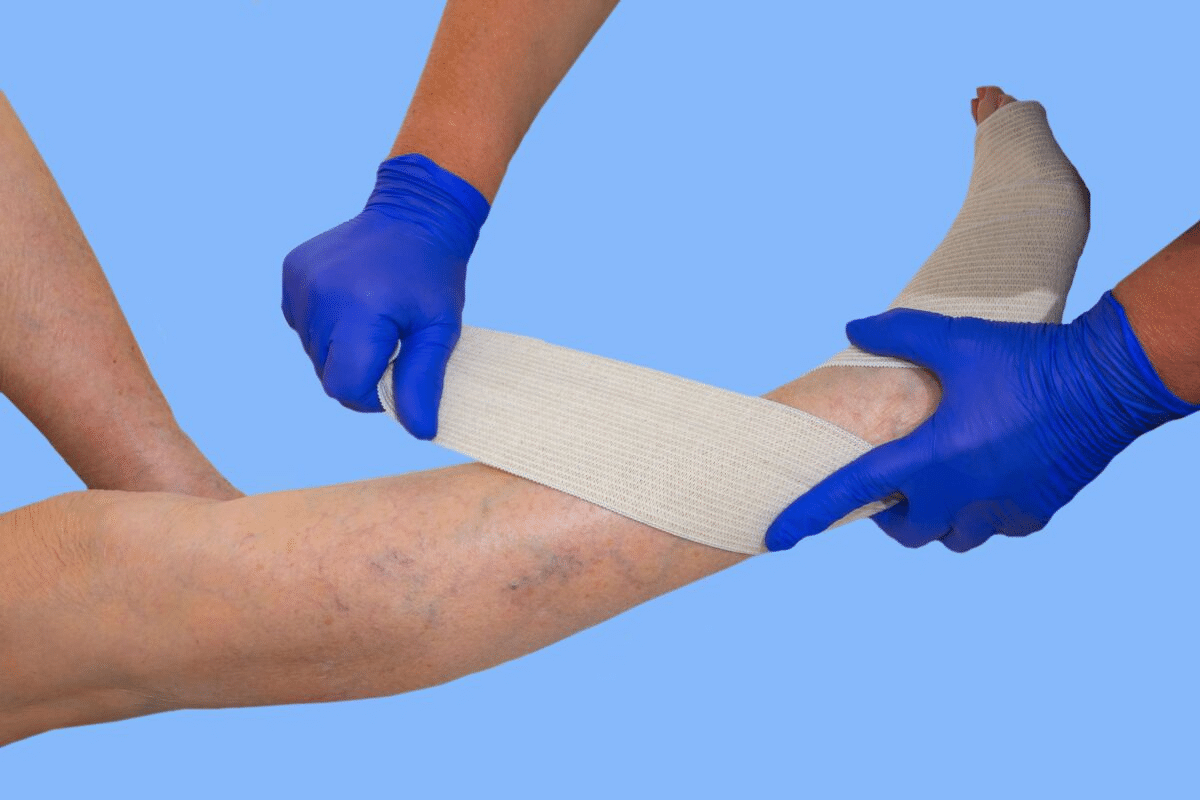
IV therapy is a common practice in healthcare. It allows for the quick delivery of treatments. To understand its effects on veins, we need to know how IV therapy works and its interaction with veins.
How IV Therapy Works
IV therapy involves putting a small catheter into a vein, usually in the arm or hand. This catheter lets fluids, medications, or nutrients go straight into the blood. First, a vein is chosen, then the catheter is inserted and secured.
Normal Vein Anatomy and Function
Veins carry deoxygenated blood back to the heart. They have valves that keep blood flowing forward. Vein walls are thinner and more flexible than arteries, allowing for blood flow changes.
Common Reactions to IV Insertion
When an IV catheter is inserted, the body reacts in different ways. Common reactions include:
- Minor bleeding or bruising at the insertion site
- Swelling or inflammation around the catheter
- Pain or discomfort during or after the insertion
These reactions are usually mild and short-lived. But, in some cases, they can cause bigger problems like phlebitis or infection. We’ll talk about these issues later.
Phlebitis: The Primary Cause of Hard Veins After IV Treatment

Phlebitis is a vein inflammation that worries people after IV treatment. It can make veins hard, causing pain and possibly bigger problems.
Definition and Prevalence of Phlebitis
Phlebitis means a vein is inflamed, happening in both surface and deep veins. Its frequency depends on the IV treatment type and the patient’s health. Research shows phlebitis is a common issue after IV therapy, affecting many patients.
Types of Phlebitis
There are different phlebitis types, like superficial phlebitis and septic phlebitis. Superficial phlebitis affects veins close to the skin. Septic phlebitis is more serious, caused by infection. Knowing these types helps in managing and treating it right.
Risk Factors for Developing Phlebitis
Several factors increase the chance of getting phlebitis after IV treatment. These include how long the IV is in, the catheter type, and the patient’s age and health. Knowing these can help doctors prevent phlebitis.
Understanding phlebitis, its types, and risk factors helps both patients and doctors. This way, they can manage and possibly stop hard veins after IV treatment.
Mechanical Damage: When the IV Catheter Harms Your Vein
IV therapy can sometimes cause harm to your veins. This happens when the IV catheter rubs against the vein too much. This rubbing can lead to inflammation and hard veins.
Friction and Trauma from Cannula Movement
The cannula moving inside the vein can irritate it. This irritation can cause scar tissue to form. It might also make the veins hard.
Inappropriate Catheter Size
Using a catheter that’s too big can put too much pressure on the vein. On the other hand, a catheter that’s too small might move around too much. Both can cause damage.
Duration of IV Therapy and Vein Damage
The longer you have an IV, the more chance it has to damage your vein. Being in the vein for a long time can lead to more rubbing and inflammation.
|
Risk Factor |
Description |
Potential Outcome |
|---|---|---|
|
Cannula Movement |
Friction and trauma from cannula movement |
Vein irritation and inflammation |
|
Inappropriate Catheter Size |
Excessive pressure or instability |
Mechanical damage and inflammation |
|
Duration of IV Therapy |
Prolonged exposure to catheter |
Increased risk of vein damage |
Knowing these risks can help doctors prevent damage during IV therapy. They can take steps to keep your veins safe.
Chemical Irritation: How IV Medications Affect Your Veins
Some IV medications can irritate veins, making them hard. This is a big worry for those getting IV treatment. It can cause pain and serious problems.
High-Risk Medications and Solutions
Some IV drugs are more likely to irritate veins than others. These include:
- Chemotherapy agents: Known to be highly irritating to veins.
- Certain antibiotics: Some antibiotics can cause significant irritation if they leak into surrounding tissue.
- Hypertonic solutions: Solutions with high concentrations of salts or sugars can irritate vein walls.
Healthcare providers must be extra careful when using these high-risk medications. They need to reduce the risk of chemical irritation.
pH and Osmolarity Concerns
The pH and osmolarity of IV solutions matter a lot for vein health. Solutions that are too alkaline or too acidic can irritate veins. Maintaining a balance close to the body’s natural pH and osmolarity is key to avoiding irritation.
Infusion Rate and Vein Irritation
The rate at which IV medications are given can also affect irritation. Rapid infusion rates can lead to irritation. Healthcare providers should manage infusion rates carefully to avoid this.
In summary, chemical irritation from IV medications is complex. It involves the type of medication, its pH and osmolarity, and how fast it’s given. Knowing these factors can help reduce risks from IV treatment.
Bacterial Infection: When Microorganisms Enter the Vein
Bacterial infection is a serious issue that can happen after IV treatment. It can make veins hard. This happens when bacteria get into the vein during or after the catheter is put in.
Sources of Contamination
Sources of Contamination
Several things can cause bacterial infection. These include bacteria from the skin, the catheter hub, and the liquid being infused. Keeping hands clean, using sterile techniques, and changing dressings often are key to avoiding these risks.
Septic Phlebitis
Septic phlebitis is when a vein gets inflamed from bacteria. It can cause pain, redness, and swelling. If not treated, it can lead to serious problems like sepsis.
Infection Prevention Protocols
To avoid hard veins after IV treatment, preventing infection is essential. This means following strict infection control rules. Use sterile equipment, keep the insertion site clean, and watch for infection signs. Healthcare providers should teach patients how to spot and report infection symptoms.
By knowing the risks and taking steps to prevent infections, patients can lower their chance of hard veins after IV treatment. If the IV site hurts after 2 weeks, seek medical help right away.
Recognizing Hard Vein After IV Treatment: Signs and Symptoms
It’s important to know the signs of hard veins after IV treatment. This can happen for many reasons, like phlebitis, damage, chemical irritation, or infection.
Visual Changes to Look For
Looking closely at veins is the first step to spotting problems. You might see:
- Redness and swelling along the vein
- Warmth or tenderness to the touch
- Visible inflammation or hardening of the vein
Physical Sensations and Pain Patterns
People might feel different sensations and pain from hard veins. These can include:
- Aching or throbbing pain along the affected vein
- Tenderness or sensitivity when touching the area
- A feeling of hardness or cord-like structure under the skin
Progression of Symptoms Over Time
Watching how symptoms change is key to understanding how serious they are. Symptoms can:
- Remain stable
- Worsen over time
- Improve with or without treatment
Differentiating Normal vs. Concerning Symptoms
It’s important to tell normal reactions from serious symptoms that need a doctor. Here’s a table to help:
|
Symptom |
Normal Reaction |
Concerning Symptom |
|---|---|---|
|
Pain |
Mild, temporary discomfort |
Severe, persistent pain |
|
Redness/Swelling |
Minor, localized redness |
Extensive redness, swelling, or warmth |
|
Vein Hardening |
Minimal hardening |
Significant hardening or cord-like structure |
Knowing these signs helps both patients and doctors catch problems early. This ensures they get the right help fast.
Diagnosing Problems with Hard Veins Post-IV Therapy
Healthcare professionals use different methods to find out why veins might be hard after IV therapy. It’s important to figure out the cause to help and avoid more problems.
Physical Examination Techniques
First, doctors do a detailed check of the vein. They look for signs like redness, swelling, and warmth. They also check how hard and tender the vein is.
Imaging and Laboratory Tests
Ultrasound is used to see the vein and find any problems. The D-dimer blood test checks for blood clots. Sometimes, venography is needed to look inside the vein.
Grading Systems for Phlebitis Severity
Doctors use scales like the Visual Infusion Phlebitis (VIP) scale to measure phlebitis. This scale looks at symptoms like pain, redness, and swelling to judge how bad it is.
|
VIP Score |
Symptoms |
Severity |
|---|---|---|
|
0 |
No symptoms |
No phlebitis |
|
1-2 |
Early signs of phlebitis |
Mild phlebitis |
|
3-4 |
Moderate symptoms |
Moderate phlebitis |
|
5 |
Severe symptoms |
Severe phlebitis |
When to Seek Medical Attention for Hard Veins
Knowing when to seek medical help for hard veins after IV therapy is key. Hard veins after IV treatment can be a sign of trouble. Knowing when to act can avoid bigger problems.
Red Flags That Require Immediate Care
Certain symptoms mean you need to go to the hospital right away. If you have shortness of breath, chest pain, or coughing blood, get emergency help fast. These could be signs of a serious issue.
Other warning signs include:
- Increasing pain or swelling around the IV site
- Redness or warmth around the vein
- Pus or discharge from the IV site
- A fever over 100.4°F (38°C)
Monitoring Timeline After IV Removal
After taking out the IV, watch the area closely. Any issues should get better in a few days. If they don’t, see your doctor.
Keep a monitoring timeline to track your symptoms. Here’s what to do:
- Check the IV site daily for signs of infection or inflammation.
- Note any changes in pain or discomfort.
- Record your temperature to ensure you’re not running a fever.
Questions Your Healthcare Provider May Ask
When you see your doctor, they’ll ask you questions. Be ready to talk about:
- The length of your IV therapy
- Any medicines or solutions given through the IV
- Your overall health and any health issues you already have
Doctors say being ready to answer these questions helps them help you better. This is important for treating hard veins after IV treatment.
In short, watching for signs of hard veins after IV treatment and knowing when to get help is vital. It helps avoid serious problems.
Conclusion
It’s important to know why hard veins happen after IV treatment. This knowledge helps in managing and preventing problems. Causes include phlebitis, mechanical damage, chemical irritation, and bacterial infections. These need quick medical help.
Spotting the signs and symptoms is key. Look for visual changes, physical sensations, and pain patterns. These signs mean it’s time to see a doctor.
Doctors have several ways to treat phlebitis. This includes self-care, conservative treatments, and medicines like antibiotics and blood thinners.
If you have hard veins after IV treatment, see your doctor right away. They can guide you on the right treatment. This way, you avoid more serious issues and get the right care for phlebitis.
FAQ
What is a hard vein after IV treatment?
A hard vein after IV treatment is a vein that has become hardened, swollen, or painful. This happens after an IV catheter is inserted. It’s often due to phlebitis, which is inflammation of the vein.
What are the symptoms of phlebitis?
Symptoms of phlebitis include pain, swelling, redness, and warmth around the vein. The vein may also feel hard or cord-like.
How is phlebitis diagnosed?
Phlebitis is diagnosed through a physical exam, medical history, and sometimes imaging tests like ultrasound. Lab tests may also be used to rule out other conditions.
What causes mechanical damage to veins during IV treatment?
Mechanical damage to veins during IV treatment can be caused by friction and trauma from cannula movement. It can also be caused by inappropriate catheter size and the duration of IV therapy.
How can chemical irritation from IV medications cause hard veins?
Chemical irritation from IV medications can cause hard veins. This is due to the pH and osmolarity of the medication, as well as the infusion rate. High-risk medications and solutions can also cause irritation.
What is septic phlebitis?
Septic phlebitis is a bacterial infection of the vein that can occur when microorganisms enter the vein through the IV catheter. It’s a serious condition that requires prompt medical attention.
How can I prevent infection during IV treatment?
To prevent infection during IV treatment, follow proper hand hygiene and use sterile technique. Regularly monitor the IV site.
When should I seek medical attention for hard veins after IV treatment?
Seek medical attention if you experience severe pain, swelling, or redness around the vein. Also, seek help if you have a fever or chills. Look for a lump or hard knot in the vein, or if the vein becomes increasingly painful or swollen.
What questions will my healthcare provider ask about my hard vein?
Your healthcare provider may ask about your medical history, the IV treatment you received, and your symptoms. They may also ask about the duration of your symptoms and any treatments you’ve tried.
Can a blood clot in the arm or hand cause hard veins?
Yes, a blood clot in the arm or hand can cause hard veins. If you suspect you have a blood clot, seek medical attention immediately.
What is superficial thrombophlebitis?
Superficial thrombophlebitis is a condition where a blood clot forms in a superficial vein. It often causes pain, swelling, and redness.
How is a blood clot in the hand or wrist diagnosed?
A blood clot in the hand or wrist is diagnosed through a physical exam, medical history, and imaging tests like ultrasound.
References
National Health Service (NHS). Hard Veins After IV: Causes, Concerns, and Management. Retrieved from https://www.royalberkshire.nhs.uk/media/v1obr3ja/superficial-thrombophlebitis_feb25.pdf