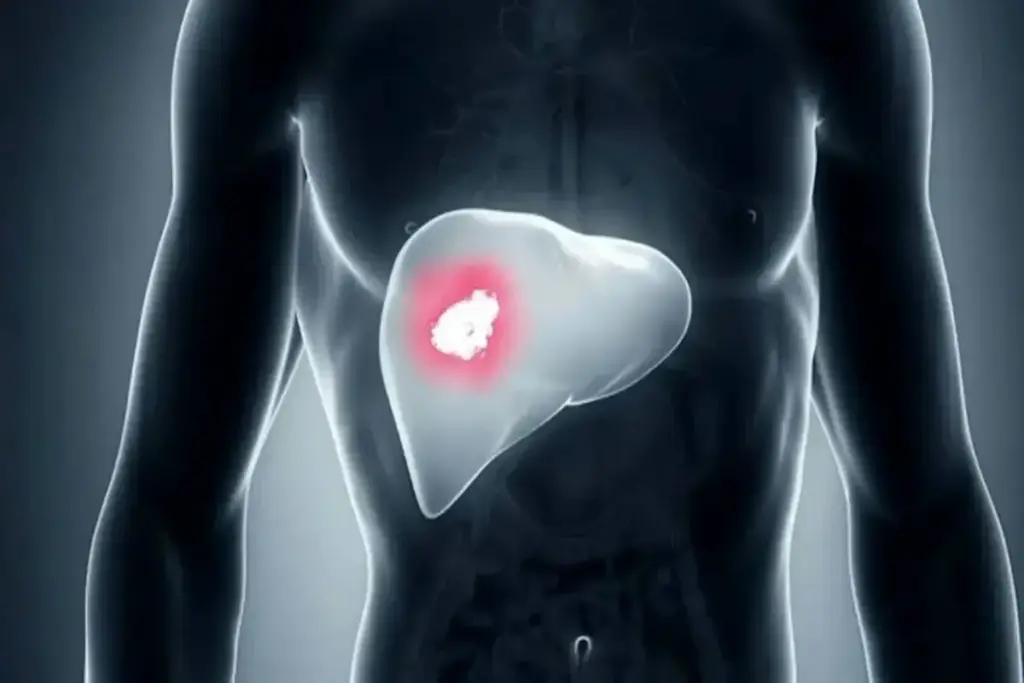
Liver cancer, mainly hepatocellular carcinoma, is a serious disease affecting millions. Knowing how fast liver cancer tumors grow is key to managing it.
Studies show that liver cancer tumors grow at different rates. This variability complicates predictions regarding how the tumors will progress. It’s important to understand these growth rates for better treatment plans and patient care.
We know that treating liver cancer needs a personal touch. Doctors can tailor treatments based on each patient’s unique situation. This helps manage the disease more effectively.
Key Takeaways
- Liver cancer, mainly hepatocellular carcinoma, has tumors that grow at different rates.
- Knowing how fast tumors grow is key for good treatment plans.
- Personalized treatments can greatly help patients.
- More research is needed to understand liver cancer better.
- Managing liver cancer well requires a deep understanding of the disease.
The Nature of Cancerous Liver Tumors

Understanding cancerous liver tumors is key to effective treatment. Liver cancer is complex and can be life-threatening. It needs a detailed approach for diagnosis and treatment.
Liver cancer can be primary or metastatic. Primary cancers start in the liver. Metastatic cancers spread to the liver from other places.
Primary vs. Metastatic Liver Cancers
Primary liver cancer, like hepatocellular carcinoma (HCC), is a big health issue worldwide. HCC is the main type of primary liver cancer. It often comes from liver disease, like cirrhosis or hepatitis.
Metastatic liver cancers are more common. They start in other organs, like the colon, breast, or lung. Knowing if it’s primary or metastatic helps choose the right treatment.
|
Characteristics |
Primary Liver Cancer |
Metastatic Liver Cancer |
|---|---|---|
|
Origin |
Originates in the liver |
Spreads to the liver from other parts of the body |
|
Common Types |
Hepatocellular carcinoma (HCC) |
Metastases from colon, breast, lung cancers, etc. |
|
Underlying Causes |
Often associated with cirrhosis, hepatitis B and C |
Dependent on the primary cancer site |
The Unique Characteristics of Liver Cancer Growth
Liver cancer grows differently in everyone. It’s influenced by liver disease, tumor biology, and genetics. Knowing these details helps predict how the cancer will grow and choose the right treatment.
Liver cancer growth can be fast or slow. Some tumors grow quickly, while others stay the same size for a long time. Growth is affected by hepatitis, tumor type, and genetic markers.
Understanding liver cancer growth helps doctors create personalized treatment plans. This approach improves patient outcomes and quality of life.
Hepatocellular Carcinoma (HCC): The Most Common Form of Liver Cancer
It’s important to understand HCC to tackle the rising number of liver cancer cases worldwide. HCC is the leading type of liver cancer, posing a major health challenge that needs thorough understanding and management.
What is HCC?
Hepatocellular carcinoma (HCC) is a liver cancer that starts in the hepatocytes, the liver’s main cells. It’s the most common primary liver cancer. It’s often linked to diseases like hepatitis B and C, and cirrhosis.
Global Prevalence and Incidence Rates
HCC’s global rates vary, with higher numbers in areas with more hepatitis B and C. The International Agency for Research on Cancer says HCC is the sixth most common cancer globally. It’s also the third leading cause of cancer deaths.
Common Causes of HCC Development
Many factors lead to HCC, including chronic hepatitis B or C virus infection, cirrhosis, and alcohol use. Non-alcoholic fatty liver disease (NAFLD) and aflatoxin exposure also play a role. Knowing these risk factors helps in preventing and catching HCC early.
Measuring and Defining Liver Tumor Growth Rates

It’s key to measure how fast liver tumors grow. This helps doctors predict how the disease will progress. It also helps them plan the best treatment for patients.
Tumor Volume Doubling Time (TVDT) Explained
Tumor Volume Doubling Time (TVDT) is a key measure. It shows how fast liver tumors grow. A shorter TVDT means the tumor is growing faster, which can affect liver cancer prognosis and liver cancer survival rate.
Doctors use CT or MRI scans to calculate TVDT. They compare the tumor’s size at different times. This helps them understand how fast the tumor is growing and if treatments are working.
Clinical Methods for Tracking Growth
There are several ways to track liver tumor growth. Imaging like CT and MRI scans are main tools. They show the tumor’s size and growth over time.
Biomarkers, like alpha-fetoprotein (AFP), also help track growth. High or rising AFP levels can mean the tumor is growing fast. This could be a sign of signs of liver cancer getting worse.
Doctors use both imaging and biomarkers to understand tumor growth. This helps them make better treatment plans. They can adjust these plans as needed to help patients more.
Average Growth Rates of HCC Tumors: What Research Shows
Recent studies have given us insights into the growth of hepatocellular carcinoma (HCC) tumors. This knowledge is key to understanding liver cancer and its different types.
HCC is the most common liver cancer, making up a big part of cases worldwide. Knowing how it grows is vital for treatment.
Meta-Analysis Findings on HCC Growth
Meta-analyses have looked at many studies to show us how fast HCC tumors grow. They found that these tumors double in size every 4-5 months. This info is important for doctors and patients to plan the best treatment.
These analyses are important because they combine data from many studies. This gives us a clearer picture of HCC growth than any single study.
The 4-5 Month Average Doubling Time
The average doubling time of 4-5 months shows that HCC tumors grow quickly. This time is important for doctors to know how aggressive the tumor is and what treatment to use.
Here are some important points about this growth rate:
- The doubling time can vary a lot between people, based on their liver disease and tumor type.
- Tumors that double faster are usually more aggressive and have a worse outlook.
- Knowing how fast HCC tumors grow helps doctors track the disease and change treatment plans as needed.
By studying the growth rates of HCC tumors, we can better understand this disease. This helps us improve how we manage it.
The Spectrum of Growth Patterns in Liver Cancer
It’s important to know how liver cancer grows to manage it well. Liver cancer, like hepatocellular carcinoma (HCC), doesn’t grow the same way for everyone. It can grow at different speeds.
Research has sorted HCC tumors into groups based on how fast they grow. This helps doctors understand how liver cancer can progress in different ways.
Rapid-Growing Tumors: The 35% That Double in Under 3 Months
About 35% of HCC tumors grow very fast, doubling in size in less than 3 months. These tumors are aggressive and have a worse outlook. Their fast growth makes treatment harder.
People with these tumors might show liver cancer symptoms sooner. It’s important to catch them early. Knowing about these tumors helps doctors plan better treatments.
Indolent Growth: The 38% That Take Over 9 Months to Double
On the other hand, about 38% of HCC tumors grow slowly, doubling in over 9 months. These slow-growing tumors need careful management. They might not need aggressive treatment right away.
For slow-growing tumors, watching them closely is key. This can help find the best time for treatment. Even though they grow slowly, it’s important to keep an eye on them.
The different ways liver cancer can grow show we need to treat each case differently. By knowing how a tumor grows, doctors can make treatment plans that work better for each patient.
How Viral Hepatitis Affects HCC Growth Velocity
The link between viral hepatitis and HCC growth is complex. Hepatitis B and C have different effects on tumor growth. Knowing how viral hepatitis impacts tumor growth is key to managing it effectively.
Hepatitis B and Accelerated Tumor Progression
Hepatitis B virus (HBV) raises the risk of getting HCC. Research shows HBV-related HCC grows faster than other types. This fast growth is due to the virus’s direct and indirect effects on the liver.
Key factors contributing to accelerated HCC growth in HBV infection include:
- Viral integration into host DNA, leading to genetic instability
- Chronic inflammation and oxidative stress
- Cirrhosis and liver regeneration
Hepatitis C and Its Impact on Growth Rates
Hepatitis C virus (HCV) is also a major risk factor for HCC. But, its effect on tumor growth is different from HBV. HCV-related HCC grows faster, but not as quickly as HBV-related cases.
It’s essential to note that individual variations exist, and the growth rate of HCC in HCV-infected patients can be influenced by several factors, including:
- The presence of cirrhosis
- The degree of liver fibrosis
- Co-existing metabolic syndrome or other liver insults
Understanding these differences is vital for creating personalized treatment plans.
Key Predictive Factors of Aggressive Liver Cancer Growth
Knowing what makes liver cancer grow fast helps doctors plan better treatments. Liver cancer, like hepatocellular carcinoma (HCC), can grow in different ways. This is because of many different factors.
Initial Tumor Size as a Growth Predictor
The size of the tumor when first found is a big clue about how fast it will grow. Studies show that bigger tumors grow quicker. This is because they have more cancer cells and are more likely to have genes that make them grow fast.
Alpha-Fetoprotein (AFP) Levels and Growth Correlation
Alpha-fetoprotein (AFP) is a protein made by HCC cells. High AFP levels often mean the tumor is more aggressive and has a worse outlook. Watching AFP levels can tell us how the tumor is doing and how it might react to treatment.
Tumor Differentiation and Growth Patterns
The how much the tumor cells look like normal liver cells is key. Tumors that don’t look much like normal cells grow faster than those that do. This is because they can grow and spread more easily.
Genetic and Molecular Markers of Rapid Growth
New research has found genes and molecules linked to fast-growing HCC. These signs can tell us if a tumor will grow quickly and help tailor treatments. Knowing these details is vital for better liver cancer care and survival chances.
Understanding these factors helps us manage HCC better and improve patient results. The mix of these factors shows how complex liver cancer is. It also shows why each patient needs a treatment plan that’s just right for them.
Recognizing Liver Cancer Symptoms as Growth Progresses
It’s important to know the signs of liver cancer, which get clearer as the tumor grows. Liver cancer, like hepatocellular carcinoma (HCC), often shows vague symptoms early on. But as it grows, symptoms become more obvious.
Early Signs of Liver Cancer
In the beginning, liver cancer might show small symptoms that are easy to miss. These can include:
- General fatigue and weakness
- Loss of appetite
- Unexplained weight loss
- Mild abdominal pain or discomfort
These early signs are often not clear and can be mistaken for other issues. It’s key to watch your health closely and see a doctor if these symptoms don’t go away.
Advanced Symptoms in Rapidly Growing Tumors
When liver cancer grows fast, symptoms get worse. These advanced symptoms may include:
- Jaundice (yellowing of the skin and eyes)
- Severe abdominal pain or swelling
- Nausea and vomiting
- Dark urine and pale stools
These signs mean liver cancer has reached a more serious stage. Seeing a doctor right away is very important.
When to Seek Medical Attention
If you keep feeling bad or symptoms get worse, you should see a doctor. Catching liver cancer early can greatly improve treatment outcomes and quality of life.
We stress the need to know the symptoms of liver cancer. Getting medical help quickly can greatly help in managing and treating the disease.
Staging and Growth: How Fast Different Stages of Liver Cancer Advance
Knowing how liver cancer grows at different stages is key for treatment. Liver cancer, like hepatocellular carcinoma (HCC), grows at different rates. This depends on when it’s found.
Early-Stage HCC Growth Patterns
In the early stages of HCC, tumors grow slowly. Early detection is very important. It lets doctors start treatments early, which can change the disease’s path.
The tumor’s size grows slowly at this stage. This means symptoms may not show up right away.
Intermediate Stage Progression Rates
When HCC reaches the intermediate stage, it grows faster. The tumor may get bigger or spread to other liver parts. Regular monitoring is key to track growth and adjust treatments.
The growth rate at this stage can differ a lot between people.
Stage 4 Liver Cancer: Growth and Spread Characteristics
Stage 4 liver cancer spreads to distant parts of the body. This is called metastasis. At this stage, the cancer grows quickly, and the outlook is usually not good.
Understanding stage 4 liver cancer is important. It helps set realistic expectations and make care decisions.
The survival rate for stage 4 liver cancer is much lower than earlier stages. This shows why finding and treating cancer early is so critical. Studies show that the prognosis for stage 4 liver cancer depends on several factors. These include how far the cancer has spread and the patient’s overall health.
Diagnostic Approaches for Monitoring HCC Progression
Diagnostic methods are key in tracking HCC growth and guiding treatment. Accurate tumor growth assessment is essential for managing hepatocellular carcinoma (HCC).
Imaging Protocols for Growth Assessment
Imaging is vital for tracking HCC tumor growth. Contrast-enhanced ultrasound, CT scans, and MRI are often used. These tools give detailed info on tumor size and blood flow.
The right imaging method depends on the patient and tumor specifics. Regular scans help doctors monitor tumor size and spot complications early.
|
Imaging Modality |
Advantages |
Limitations |
|---|---|---|
|
Contrast-Enhanced Ultrasound |
Non-invasive, real-time imaging, no radiation |
Limited depth penetration, operator-dependent |
|
CT Scan |
High-resolution images, fast scanning |
Radiation exposure, contrast-induced nephropathy |
|
MRI |
Excellent soft tissue contrast, no radiation |
High cost, claustrophobia, contraindicated with certain metal implants |
Biomarkers That Signal Accelerated Growth
Biomarkers are important for tracking HCC growth and spotting quick changes. Alpha-fetoprotein (AFP) is a key biomarker for HCC. High AFP levels often mean the tumor is growing or coming back.
Other biomarkers like des-gamma-carboxy prothrombin (DCP) and glypican-3 also help detect HCC. Using these biomarkers with imaging improves monitoring and early detection of growth.
Key Biomarkers for HCC:
- Alpha-fetoprotein (AFP)
- Des-gamma-carboxy prothrombin (DCP)
- Glypican-3
Combining imaging with biomarkers helps doctors fully monitor HCC growth. This leads to better treatment choices.
Treatment Strategies Based on Tumor Growth Velocity
Choosing the right treatment for HCC tumors depends on how fast they grow. The growth rate is key in deciding the best course of action. This makes a big difference in how well a patient does.
Interventions for Rapidly Growing HCC
Tumors that grow fast need quick and strong treatments. Locoregional therapies like TACE and RFA are often used. TACE delivers chemotherapy directly to the tumor and then blocks its blood supply. RFA uses heat to kill cancer cells.
For fast-growing HCC, systemic therapies like targeted therapy or immunotherapy might be suggested. These treatments help slow down tumor growth and ease symptoms.
Management Approaches for Slow-Growing Tumors
Slow-growing HCC tumors can be treated with less intense methods. Active surveillance is a common method. It involves regular imaging tests to watch the tumor’s growth. This way, doctors can step in when needed without over-treating.
For some, ablative therapies or surgery might be options if the tumor is small and the liver is healthy. The choice depends on the patient’s health and the tumor’s details.
Every patient is different, and treatments are tailored to fit. By focusing on the tumor’s growth, the patient’s health, and other important factors, we can make treatments more effective. This helps improve outcomes and quality of life.
Liver Cancer Prognosis and Survival Rates Related to Growth Patterns
Liver cancer’s outcome and survival rates change a lot based on how fast the tumor grows. Knowing this helps both patients and doctors make better choices about treatment and care.
Survival Statistics Based on Doubling Times
The time it takes for a liver tumor to double in size is key to knowing how long a patient might live. Tumors that grow fast are linked to a worse outlook. Research shows that patients with HCC tumors that double in under 3 months face much lower survival rates. Those with tumors doubling in more than 9 months have better chances.
Survival rates for HCC patients can be broken down based on the tumor’s doubling time:
- Tumors doubling in under 3 months: Generally associated with a poorer prognosis and lower survival rates.
- Tumors doubling between 3-9 months: Have a moderate prognosis, with survival rates falling between the two extremes.
- Tumors doubling in over 9 months: Typically associated with a better prognosis and higher survival rates.
Quality of Life Considerations with Different Growth Rates
The speed at which a liver tumor grows affects not just how long a patient lives but also their quality of life. Fast-growing tumors can make a patient’s health decline quickly, reducing their quality of life. On the other hand, slower-growing tumors might let patients enjoy a better quality of life for longer.
Quality of life considerations include:
- Managing symptoms effectively to minimize discomfort.
- Maintaining physical function and independence.
- Addressing psychological impacts through appropriate support.
Understanding how liver cancer’s growth patterns affect survival and quality of life helps doctors give more tailored care. This can improve both the prognosis and the quality of life for patients.
Cutting-Edge Research on Predicting and Controlling Hepatocellular Cancer Growth
New research is changing how we understand and manage hepatocellular carcinoma (HCC). Scientists are working hard to better predict and control HCC growth. This is key for effective liver cancer treatment.
Emerging Predictive Models and Technologies
New predictive models are being made to better forecast HCC growth. These models use factors like tumor size, alpha-fetoprotein (AFP) levels, and genetic markers. They help predict if a tumor will grow fast.
Key Technologies:
- Artificial intelligence (AI) and machine learning algorithms to analyze complex data sets.
- Advanced imaging techniques, such as MRI and CT scans, to monitor tumor growth.
- Genomic profiling to identify genetic mutations associated with aggressive HCC.
|
Technology |
Application in HCC |
Benefits |
|---|---|---|
|
AI and Machine Learning |
Data analysis for predictive modeling |
Improved accuracy in predicting HCC growth |
|
Advanced Imaging |
Monitoring tumor growth |
Early detection of changes in tumor size and characteristics |
|
Genomic Profiling |
Identifying genetic mutations |
Personalized treatment plans based on genetic markers |
Novel Therapeutic Approaches Targeting Growth Mechanisms
New treatments are being explored to target HCC growth mechanisms. These include targeted therapies that block specific molecular pathways. This helps stop tumor progression.
Promising Therapies:
- Targeted therapies, such as sorafenib, that inhibit angiogenesis and tumor growth.
- Immunotherapies, including checkpoint inhibitors, that enhance the body’s immune response against HCC.
- Combination therapies that pair different treatment modalities to achieve synergistic effects.
By understanding and targeting HCC growth mechanisms, researchers aim to create more effective treatments. This will help improve patient outcomes.
Conclusion
Managing liver cancer, like hepatocellular carcinoma (HCC), needs a personal touch. We’ve learned that how well a patient does depends a lot on the cancer’s growth and the patient’s own health. Studies show that treatments should be made just for each patient. This means looking at things like the size of the tumor, alpha-fetoprotein levels, and how the tumor looks. This way, doctors can help patients live better and longer. As we learn more about liver cancer, it’s clear that care must be tailored to each person. Using the latest research and new treatments, we can create plans that really meet each patient’s needs. Our main aim is to give top-notch care to patients from all over who need advanced treatments for liver cancer. By focusing on individual care, we can help patients do better and make a real difference in the battle against this disease.
FAQ
What is hepatocellular carcinoma (HCC)?
Hepatocellular carcinoma (HCC) is the most common liver cancer. It starts in the main liver cells, called hepatocytes. This cancer grows quickly and can be aggressive.
What are the common causes of HCC development?
HCC often comes from chronic hepatitis B or C infections. It can also be caused by cirrhosis, aflatoxin exposure, and non-alcoholic steatohepatitis (NASH).
How is liver tumor growth rate measured?
The growth rate of liver tumors is measured by Tumor Volume Doubling Time (TVDT). This shows how long it takes for a tumor to double in size. It’s usually checked through imaging studies.
What is the average doubling time for HCC tumors?
Studies show that HCC tumors usually double in size every 4-5 months. But this time can vary a lot between people.
How does viral hepatitis affect HCC growth velocity?
Viral hepatitis, like hepatitis B and C, can make HCC grow faster. It does this by causing chronic inflammation and damage to the liver, speeding up tumor growth.
What are the predictive factors for aggressive liver cancer growth?
Factors that predict fast-growing liver cancer include the tumor’s initial size and Alpha-Fetoprotein (AFP) levels. Tumor differentiation and certain genetic markers also play a role.
What are the early signs of liver cancer?
Early signs of liver cancer include abdominal pain, weight loss, fatigue, and loss of appetite. As the tumor grows, symptoms can get worse.
How do different stages of liver cancer advance?
Liver cancer stages from early to stage 4 have different growth patterns and rates. This affects treatment options and prognosis.
What diagnostic approaches are used to monitor HCC progression?
To track HCC growth, doctors use regular imaging like CT and MRI scans. They also check biomarkers, like AFP levels, for signs of fast growth.
How do treatment strategies vary based on tumor growth velocity?
Treatment for HCC depends on how fast the tumor grows. Fast-growing tumors need aggressive treatments. Slow-growing ones might be managed with less intense methods.
What is the prognosis for liver cancer related to growth patterns?
Liver cancer prognosis is tied to growth patterns. Faster-growing tumors usually have worse survival rates and quality of life.
What emerging research is being conducted on predicting and controlling HCC growth?
New research aims to predict and control HCC growth. It includes developing predictive models, finding new treatments, and improving imaging technologies.
References
National Center for Biotechnology Information. Evidence-Based Medical Insight. Retrieved fromhttps://pmc.ncbi.nlm.nih.gov/articles/PMC10782000/