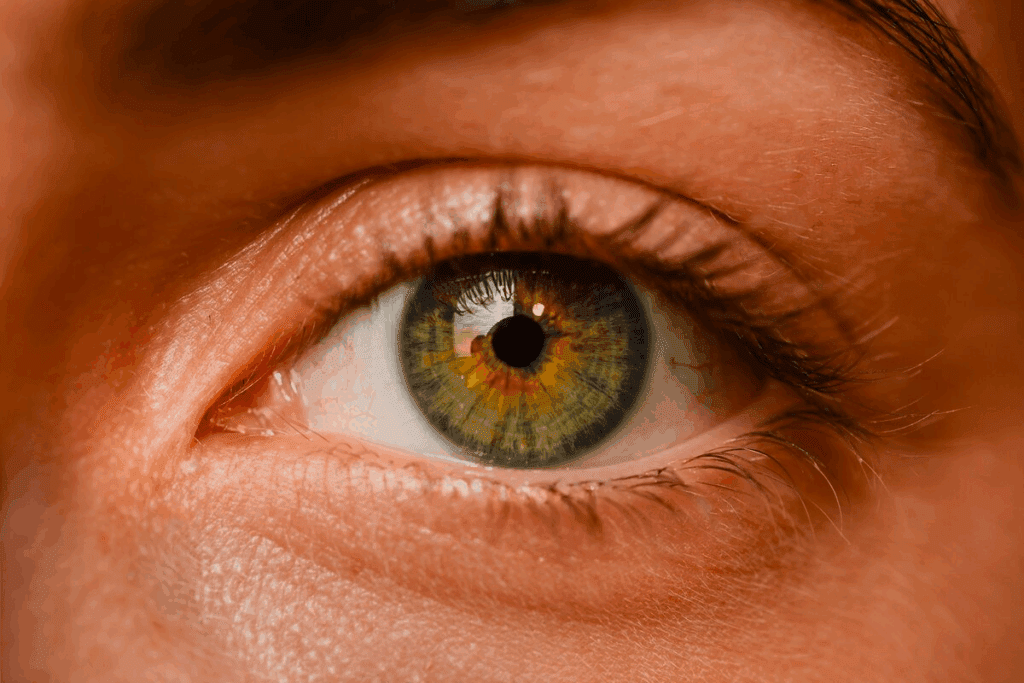
Cluster headaches are a rare and severe headache disorder. They affect a small percentage of people. These headaches cause intense pain in or around the eye on one side of the head. They also come with distinctive autonomic symptoms.What causes a headache and swelling around eyes? This guide explains 5 top causes, from cluster headaches to sinusitis.
Cluster headaches are known for their severe pain attacks on one side of the head. They can also cause swollen eyes, tearing, and redness. It’s important to understand the complex neurobiological mechanisms behind these attacks. This knowledge is key for accurate diagnosis and effective treatment.
Key Takeaways
- Cluster headaches are a rare and severe type of headache disorder.
- They cause intense pain in or around one eye.
- Autonomic symptoms such as swollen eyes and tearing often accompany the pain.
- Understanding the neurobiological mechanisms is critical for diagnosis and treatment.
- Accurate diagnosis is essential for effective treatment.
Understanding Cluster Headaches: A Rare but Severe Condition

Cluster headaches are a rare but severe headache disorder. They are known for their extreme pain and pattern of occurrence in clusters or cycles.
Definition and Classification of Cluster Headaches
Cluster headaches are a type of headache disorder. They are defined by the International Headache Society. This includes severe, one-sided pain in the orbital or periorbital area, along with symptoms like lacrimation, nasal congestion, and ptosis.
They are classified based on their frequency and characteristics. This helps doctors diagnose and treat them effectively.
According to the International Classification of Headache Disorders, there are two types. Episodic cluster headaches have periods of pain followed by remission. Chronic cluster headaches have pain without significant breaks over a year.
Epidemiology and Demographics
Cluster headaches are rare, affecting about 1 in 1,000 people. They are more common in males, with a male-to-female ratio of 2.5 to 3.5:1. The onset usually happens between 20 and 40 years old, but can start at any age.
Demographic Characteristics | Prevalence |
Male:Female Ratio | 2.5-3.5:1 |
Age of Onset | 20-40 years |
Prevalence in Population | 0.5-1.0 per 1,000 |
The Medical organization notes that cluster headache is more common in men. This supports the data showing a gender disparity in its prevalence.
“Cluster headache is a rare and severe form of headache disorder that requires prompt and effective treatment to manage its debilitating symptoms.”
— American Migraine Foundation
Understanding cluster headaches is key for healthcare providers. Recognizing their patterns and characteristics helps clinicians offer targeted treatments. This can alleviate the suffering of those affected.
The Neurobiological Mechanisms Behind Cluster Headaches
Cluster headaches involve a complex mix of brain structures and chemicals. Research shows that specific brain areas and pathways are active during these headaches. This leads to the intense pain and other symptoms.
Hypothalamic Activation
The hypothalamus controls many body functions, like pain and sleep. Studies suggest it plays a big role in cluster headaches. Hypothalamic activation is thought to cause the regular timing of these headaches.
The hypothalamus also affects other brain areas and chemicals. This can lead to pain and other symptoms seen in cluster headaches.
Trigeminal Nerve Involvement
The trigeminal nerve is key in cluster headaches. It carries pain signals from the face to the brain. During a headache, it releases neuropeptides that cause pain and swelling.
This nerve’s role explains the severe, one-sided pain of cluster headaches. It also affects other symptoms, like tears and stuffy nose, during these episodes.
Knowing how the hypothalamus and trigeminal nerve work in cluster headaches helps us understand this condition better. This knowledge can lead to better treatments for these headaches.
Headache and Swelling Around Eyes: The Hallmark Symptoms
Cluster headaches are known for their severe pain around one eye. They also come with other symptoms. These headaches are very intense and cause a lot of distress.
Periorbital Pain Characteristics
The pain from cluster headaches is severe and unilateral. It happens on one side of the head, often around the eye. People describe it as piercing, burning, or excruciating.
The pain is usually around the eye but can spread to other parts of the face or head.
- Duration: Cluster headache attacks can last from 15 minutes to several hours.
- Frequency: These attacks can occur multiple times a day, often at the same time of day or night.
- Severity: The pain is so severe it can make people restless or agitated.
Autonomic Eye Symptoms
Cluster headaches also come with autonomic symptoms affecting the eye. These symptoms include:
- Lacrimation (tearing)
- Redness of the conjunctiva
- Swelling around the eye
- Ptosis (drooping eyelid)
- Miosis (pupillary constriction)
Distinguishing Features from Other Headaches
Cluster headaches have unique features that set them apart. The pain is usually on one side, and there are autonomic symptoms. The attacks also come in cycles.
They differ from migraines and tension headaches. Cluster headaches don’t have aura symptoms and the pain is more focused around the eye.
Knowing these symptoms is key to diagnosing and treating cluster headaches. If you or someone you know has these symptoms, see a healthcare professional for help.
The Autonomic Nervous System Dysregulation
Dysregulation of the autonomic nervous system is a key feature of cluster headaches. It leads to symptoms that are very distressing. This system controls our body’s involuntary actions and is central to cluster headaches.
Parasympathetic Activation Effects
During a cluster headache, parasympathetic activation causes several symptoms. These include:
- Lacrimation (excessive tearing)
- Nasal congestion
- Eyelid edema (swelling)
These symptoms come from the parasympathetic nervous system’s activation. It affects the eye and surrounding areas.
Sympathetic Impairment and Horner Syndrome
Cluster headaches also involve sympathetic impairment. This can lead to Horner syndrome. It is characterized by:
- Miosis (pupillary constriction)
- Ptosis (drooping eyelid)
- Facial anhidrosis (reduced sweating)
Horner syndrome happens because of disrupted sympathetic pathways. It makes cluster headaches even more complex.
The mix of parasympathetic activation and sympathetic impairment shows how complex cluster headaches are. Understanding this is key to finding good treatments.
Why Cluster Headaches Cause Eye Swelling
Cluster headaches cause eye swelling due to several reasons. These headaches are known for severe pain on one side of the head. They also bring on eye swelling and other symptoms.
Vascular Changes and Inflammation
The exact reason for eye swelling in cluster headaches is not known. But, research points to vascular changes and inflammation. During an attack, the trigeminal nerve gets activated.
This activation leads to the release of neurotransmitters. These chemicals cause blood vessels to widen. The increased blood flow and inflammation are thought to cause the eye swelling.
- Vasodilation and increased blood flow
- Release of inflammatory mediators
- Activation of the trigeminal nerve
Eyelid Edema Mechanism
Eyelid edema, or swelling of the eyelid, is common during cluster headaches. The reason behind this swelling is complex. It involves the trigeminal nerve and the autonomic nervous system.
The parasympathetic part of the autonomic nervous system gets activated during a headache. This leads to more tears and other symptoms. The vascular changes also play a role in the eyelid edema.
- Trigeminal nerve activation
- Parasympathetic activation effects
- Increased vascular permeability
In summary, eye swelling in cluster headaches comes from vascular changes, inflammation, and autonomic system issues. Knowing these causes helps in finding better treatments.
Other Ocular Manifestations During Cluster Attacks
Cluster headaches are known for their severe pain. They also come with distinctive ocular manifestations. These symptoms are not just limited to pain but include a range of autonomic features that affect the eye.
Lacrimation and Tearing
One of the most common ocular symptoms during a cluster headache is lacrimation, or excessive tearing. This occurs due to the activation of the parasympathetic nervous system, leading to increased tear production. Patients often report tearing on the same side as the headache.
Ptosis (Drooping Eyelid)
Ptosis, or drooping eyelid, is another symptom that can occur during a cluster headache. This is usually due to the disruption of the sympathetic nervous system’s control over the eyelid muscles. Ptosis can be a distressing symptom, adding to the overall discomfort experienced during an attack.
Miosis and Pupillary Changes
Miosis, which is the constriction of the pupil, can also occur during cluster headaches. This symptom, along with ptosis, is part of Horner syndrome, a condition associated with cluster headaches. The combination of miosis, ptosis, and sometimes anhidrosis (lack of sweating) on the same side as the headache characterizes this syndrome.
The presence of these ocular manifestations during cluster headaches highlights the complex interplay between the trigeminal nerve and the autonomic nervous system. Understanding these symptoms is key for diagnosing and managing cluster headaches effectively.
- Lacrimation is a common symptom, often resulting in tearing on the affected side.
- Ptosis can occur due to sympathetic nervous system dysfunction.
- Miosis is characterized by the constriction of the pupil, often as part of Horner syndrome.
These symptoms underscore the need for complete care in managing cluster headaches. It’s not just about the pain but also the associated ocular manifestations.
Cluster Headache Triggers and Risk Factors
Cluster headaches can start from many things like environment, genes, and lifestyle. Knowing what triggers them is key to managing them well.
Environmental Triggers
Many things in our environment can set off cluster headaches. Weather changes, like temperature and humidity shifts, can trigger attacks. Also, strong smells or chemicals can start an attack.
Some specific environmental triggers include:
- Weather changes
- High altitudes
- Strong smells or odors
- Certain foods and beverages
Genetic Predisposition
Genetics also play a part in cluster headaches. If your family has them, you might get them too. Scientists are working to find out how genes are involved.
Lifestyle Factors
Our lifestyle can also affect cluster headaches. For example:
Lifestyle Factor | Potential Impact |
Smoking | May trigger or make attacks worse |
Alcohol Consumption | Can start attacks in some people |
Sleep Patterns | Irregular sleep can make attacks more frequent |
By knowing and changing these triggers and risk factors, people with cluster headaches might have fewer and less severe attacks.
Diagnosing Cluster Headaches with Ocular Symptoms
To diagnose cluster headaches, doctors do a detailed check-up. This is key to spot the condition and tell it apart from other headaches.
Clinical Evaluation Process
The Medical organization says diagnosing cluster headaches involves a medical history and physical check. We start by asking about the headaches’ patterns and details. This includes how often, how long, and how bad they are, and if there are eye or tear issues.
We also do a physical exam to look for signs like a drooping eyelid, smaller pupil, or Horner syndrome. We check for symptoms like tearing or stuffy nose too.
Diagnostic Criteria
Medical guidelines set out specific criteria for diagnosing cluster headaches. These include:
- Recurring, severe, one-sided headache attacks
- Autonomic symptoms like tearing, stuffy nose, or swollen eyelid
- Headache attacks last from 15 minutes to 3 hours
- Attacks happen from once every other day to eight times a day
By looking at these criteria, we can accurately diagnose cluster headaches and tell them apart from other headaches.
Differential Diagnosis
Differential diagnosis is important to rule out other conditions that might look like cluster headaches. We look at other headaches like migraines, tension headaches, or trigeminal neuralgia. Each has its own signs that we check for.
Migraines have throbbing pain, nausea, and light or sound sensitivity. Cluster headaches have severe, one-sided pain and eye symptoms. Knowing these differences helps us give the right diagnosis and treatment plan.
Treatment Approaches for Cluster Headaches
Cluster headaches are complex and need a variety of treatments. They are very severe and need quick relief and ways to prevent them from happening often.
Acute Treatments
Acute treatments aim to ease the pain during a headache attack. Oxygen therapy is often used, where you breathe in 100% oxygen through a mask at the start of an attack. Triptans, like sumatriptan, also work well to lessen the pain.
Lidocaine nasal spray is another option. It numbs the nasal area to reduce pain. Sometimes, corticosteroids are used to quickly lower inflammation and pain.
Preventive Medications
Preventive meds are key in managing cluster headaches. They help make attacks less frequent and less severe. Verapamil is often the first choice because it’s very effective.
Other meds like lithium carbonate and topiramate are used too. They’re good for people who don’t do well with verapamil or have other issues.
Neuromodulation Techniques
Neuromodulation offers another way to handle cluster headaches. Occipital nerve stimulation involves a device that stimulates nerves in the back of the head. It can help lessen the number and severity of headaches.
Vagus nerve stimulation is another method. It uses a device to stimulate the vagus nerve. This can help control the brain’s abnormal activity linked to cluster headaches.
Managing Eye Symptoms During Cluster Attacks
Managing eye symptoms during cluster attacks is key to lessening discomfort and avoiding long-term damage. Cluster headaches can be very distressing, mainly because of their effect on the eyes.
Immediate Relief Strategies
Several methods can offer quick relief during a cluster headache attack. Applying a cold compress to the affected area can help lessen pain and swelling. It’s best to use a cold pack wrapped in a cloth to avoid skin contact.
Cooling the affected area can help shrink blood vessels and reduce inflammation. Also, keeping the room cool and dark can ease symptoms.
Protecting the Affected Eye
It’s important to protect the affected eye during a cluster headache attack. Avoiding bright lights and loud noises can help lessen discomfort. Wearing sunglasses, even indoors, can shield the eyes from harsh lighting.
Keeping the eyes moist is also key. Using artificial tears can prevent dryness, which is common during these attacks. Good eye hygiene and avoiding eye rubbing can prevent irritation.
By using these strategies, people can better manage their eye symptoms during cluster headache attacks. This can reduce the risk of complications and improve comfort.
When to Seek Medical Help for Headaches with Eye Swelling
If you have cluster headaches with eye swelling, it’s key to know when to get medical help. Cluster headaches can be serious and need quick attention.
Warning Signs and Red Flags
Some symptoms mean you should see a doctor right away. These include:
- Sudden severe headache: A headache that gets very bad very fast.
- Vision changes: Blurred vision, double vision, or losing vision.
- Eye pain or swelling: Severe swelling or pain around the eye.
- Difficulty speaking or walking: Any problems with your nerves.
Emergency Situations
In some cases, cluster headaches with eye swelling are emergencies. For example, a thunderclap headache – a very bad headache that gets worse fast – needs immediate help.
The Medical organization says if your symptoms get worse or you see warning signs like a sudden bad headache or vision changes, get medical help. Knowing these signs can help you get the care you need quickly.
It’s important to watch your symptoms closely and not wait to get medical help when you need it. Knowing the warning signs for cluster headaches can greatly affect your treatment and recovery.
Conclusion: Living with Cluster Headaches
Living with cluster headaches means you need a full plan to manage symptoms and avoid problems. We know managing these headaches is complex. It involves changing your lifestyle, getting treatment, and taking care of yourself.
One important thing is to make lifestyle changes. These can help lessen how often and how bad the headaches are. Try to avoid things that trigger headaches, sleep at the same time every day, and find ways to relax.
Working with doctors is also key. They can help you create a treatment plan. This plan might include medicines to help during an attack and others to stop attacks from happening as often.
By using these methods and staying up-to-date with new treatments, you can live better with cluster headaches. We aim to give top-notch care to patients from around the world. Our goal is to help you manage your headaches and improve your health.
FAQ
What are cluster headaches?
Cluster headaches are a rare and severe headache disorder. They cause intense pain on one side of the head. This pain often comes with symptoms like eye swelling, tearing, and redness.
What causes cluster headaches with swollen eyes?
The exact cause of cluster headaches is not fully known. But research points to the hypothalamus and trigeminal nerve’s role. This leads to pain and symptoms like eye swelling through neurotransmitters.
What are the symptoms of cluster headaches?
Cluster headaches bring severe pain on one side of the eye. They also cause symptoms like tearing, redness, and swelling. Other eye symptoms include lacrimation, ptosis, and miosis.
How are cluster headaches diagnosed?
Doctors diagnose cluster headaches through a detailed medical history and physical exam. They use specific criteria to make the diagnosis.
What are the treatment approaches for cluster headaches?
Treating cluster headaches involves several steps. First, doctors use treatments to relieve symptoms during attacks. Then, they prescribe preventive medications to reduce attack frequency. Lastly, they use neuromodulation to manage the underlying neurobiological mechanisms.
How can I manage eye symptoms during cluster attacks?
Managing eye symptoms is key to prevent complications. Immediate steps include protecting the affected eye. Doctors also prescribe medications to ease symptoms.
When should I seek medical help for headaches with eye swelling?
Seek medical help if symptoms worsen or if you notice warning signs. These include sudden severe headaches or vision changes.
Can cluster headaches be triggered by environmental factors?
Yes, cluster headaches can be triggered by various environmental and lifestyle factors. Genetics may also play a role.
What is the role of the autonomic nervous system in cluster headaches?
The autonomic symptoms of cluster headaches, like tearing, are caused by the parasympathetic nervous system. Sympathetic impairment can lead to Horner syndrome.
How do cluster headaches affect the eye?
Cluster headaches can cause several eye symptoms. These include tearing, drooping eyelid, and changes in the pupil. These symptoms come from the release of neurotransmitters that cause vascular changes and inflammation.
References
National Center for Biotechnology Information. Arthritis and Eye Complications: Symptoms and Treatment. Retrieved from https://pmc.ncbi.nlm.nih.gov/articles/PMC5489043/