
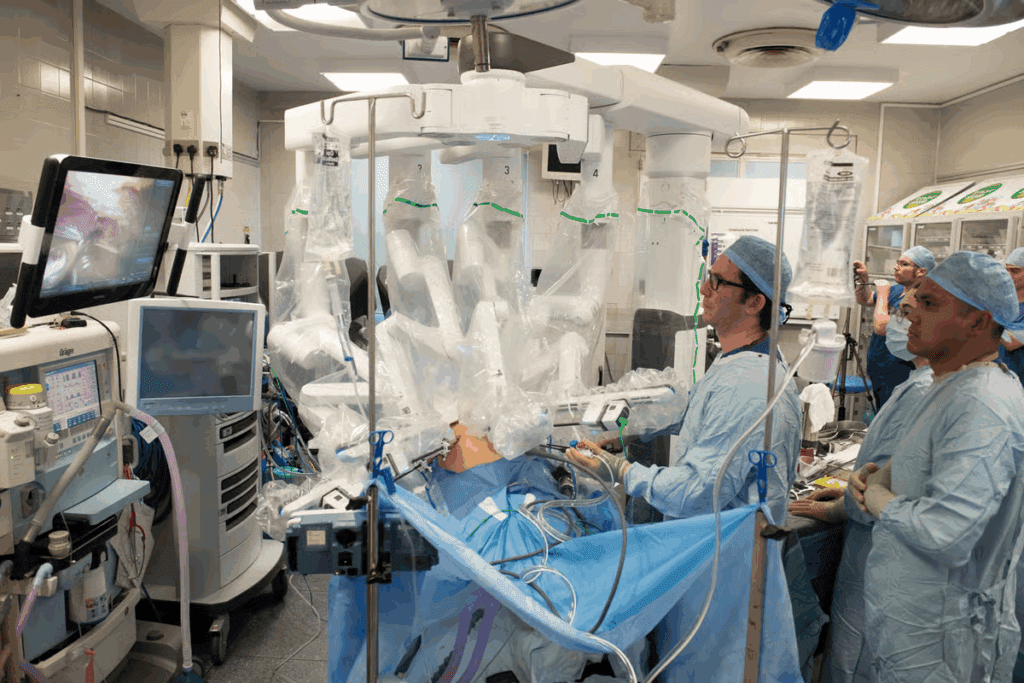
Prostate laser surgery is a minimally invasive treatment for benign prostatic hyperplasia (BPH).
The recovery process depends on the person and the laser surgery type. Most patients can get back to their usual activities in a few weeks.Healing time for prostate laser surgery is 2-4 weeks. Learn recovery phases, activity restrictions, and symptom improvement timeline.
Understanding the factors that affect recovery time is crucial for managing expectations and ensuring a smooth healing process.
Key Takeaways
- Prostate laser surgery is a minimally invasive treatment for BPH.
- Recovery time varies depending on individual factors and surgery type.
- Most patients return to normal activities within a few weeks.
- Understanding recovery factors is key for a smooth healing process.
Understanding Prostate Laser Surgery
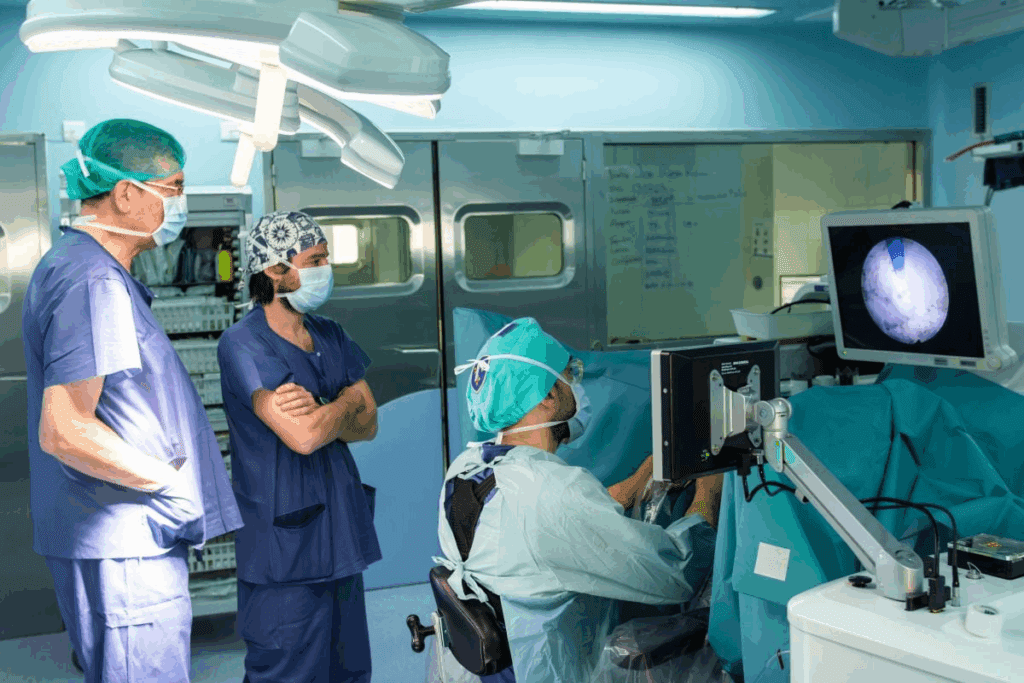
Minimally invasive laser surgery is changing how we treat prostate problems. It’s a modern method that’s becoming more popular. This is because it works well and you can recover faster than with old surgery methods.
Types of Laser Procedures for Prostate Treatment
There are different types of prostate laser surgery, each with its own benefits. The most common ones are:
- Photoselective vaporization of the prostate (PVP)
- Holmium laser enucleation of the prostate (HoLEP)
These methods use advanced laser technology to treat prostate enlargement and other issues. It removes the tissue that blocks urine flow.
Benefits of Minimally Invasive Laser Surgery
Laser surgery has many benefits, including:
- Lower risk of bleeding
- Minimally invasive, causing less tissue damage
Doctors say laser prostate surgery is a big step forward. It offers a safer and more efficient way to treat prostate issues.
“The precision of laser surgery allows for targeted treatment with minimal side effects.”
This makes laser surgery a good choice for men. They get effective treatment with fewer complications and can get back to normal life faster.
The Immediate Recovery Period: First 24-48 Hours

The first 24 to 48 hours after prostate laser surgery are key. Patients are watched closely for any problems. They also get tips on how to recover at home.
Hospital Stay Duration
How long you stay in the hospital can vary. It depends on your health and the surgery. Always listen to your doctor about how long to stay.
Managing Pain and Discomfort
After surgery, you might feel pain, discomfort, and trouble urinating. It’s important to manage this pain well. Doctors often give pain meds to help.
Burning while urinating and bladder cramps are common. But, they usually get better with time and the right care. Stick to your recovery plan to lessen these symptoms.
Initial Mobility Expectations
Moving around is important for recovery. Doctors want you to start with light activities soon. But, stay away from hard activities for the first 24 to 48 hours. Slowly getting back to normal helps your body heal.
Knowing what to expect in the first days helps with recovery. It’s important to follow your doctor’s advice and get help if you have any worries.
First Week After Surgery: What to Expect
As you start your recovery after prostate laser surgery, knowing what to expect is key. Your body is healing, and understanding this can make your recovery smoother.
Urinary Catheter Management
Many patients have a urinary catheter right after surgery. It’s usually taken out in a few days. Keeping the area clean and watching for infection signs is important.
- Follow your doctor’s instructions for catheter care.
- Monitor for any complications or issues with the catheter.
- Understand that some discomfort or urinary symptoms may persist after catheter removal.
Common Symptoms During the First Week
In the first week, you might feel the need to urinate often, have urgency, or feel burning. These symptoms usually get better as you heal.
Common symptoms include:
- Urinary frequency and urgency
- Discomfort or burning during urination
- Mild bleeding or spotting
If you have severe symptoms like heavy bleeding, severe pain, or trouble urinating, call your doctor right away.
Knowing about these symptoms and how to handle them can help you through your recovery.
Typical Healing Time for Prostate Laser Surgery
The healing time after prostate laser surgery depends on many things. These include the patient’s health and the surgery method. Knowing the usual healing time helps patients get ready for their recovery.
Timeline for Different Recovery Milestones
Recovering from prostate laser surgery takes time. There are important milestones to watch for. Here’s what you might expect:
- Immediate Recovery (First 24-48 hours): Right after surgery, patients stay in the hospital for a few hours. They might feel some pain, but it can be managed with medicine.
- Short-term Recovery (First week): Urinary issues might start to get better slowly. Some patients might need a catheter for a while.
- Intermediate Recovery (2-6 weeks): Most people see big improvements in their urine flow and symptoms start to lessen.
- Long-term Recovery (3-6 months): Most patients see a lot of improvement in their urine flow and prostate health by this time.
Factors Affecting Recovery Speed
Several things can change how fast and well you recover from prostate laser surgery. These include:
- Age and Overall Health: Older patients or those with health issues might take longer to get better.
- Type of Laser Surgery: Different laser methods can have different recovery times.
- Post-Surgery Care: Following your doctor’s instructions closely can really help your recovery.
- Pre-existing Prostate Conditions: How big your prostate was before surgery can affect your recovery.
Knowing these factors and the usual recovery time helps patients prepare for a good recovery from prostate laser surgery.
Urinary Symptoms Improvement Timeline
After prostate laser surgery, patients see a big change in their urinary symptoms. How fast and how much this changes can differ. It depends on the patient and the surgery method used.
Gradual Improvement of Urinary Function
Key milestones in urinary function improvement:
- Right after surgery, many notice they pee less often and with less urgency.
- By 6-8 weeks, most see a big boost in how well they can pee and less nighttime trips to the bathroom.
- By 3-6 months, pee function is usually back to normal. More improvement can happen up to a year or more after surgery.
When to Expect Normal Urination Patterns
When you’ll pee like normal again can vary. But most men see big changes in a few months. A study in the Journal of Urology found, “Most patients see big symptom improvements in 3 to 6 months after surgery.”
“Laser prostate surgery has been shown to provide durable relief from lower urinary tract symptoms due to benign prostatic obstruction.”
Source: Journal of Urology
Here’s a detailed look at what to expect during recovery:
| Timeframe | Expected Improvement |
| 1-3 months | Less need to pee and less urgency |
| 3-6 months | Big improvement in pee flow and less nighttime pee |
| 6-12 months | Pee function is almost back to normal, with more improvement possible |
It’s key for patients to follow their doctor’s advice and go to follow-up visits. This helps track recovery and solve any issues.
Physical Activity Restrictions and Resumption
After prostate laser surgery, patients often wonder when they can start doing normal activities again. The recovery process is gradual, with some restrictions to help heal smoothly.
It’s key to listen to your healthcare provider’s advice. They tailor it to your situation and surgery details. Usually, patients are told to avoid heavy lifting, bending, and hard activities for a while.
Daily Activities Timeline
Most patients can start doing daily things again in a few weeks after surgery. But, how fast you recover and what activities you do can affect this timeline.
- First Week: Rest and do only minimal activity. Start with short walks and light stretching.
- 2-4 Weeks: Slowly increase what you do. You can drive and do light household chores.
- 4-6 Weeks: Most can go back to normal activities, including harder tasks, with their doctor’s okay.
Exercise Limitations
Exercise is key in recovery, but be careful. Avoid high-impact activities and heavy lifting until your doctor says it’s okay.
| Activity Type | Recommended Timeline |
| Light Stretching/Walking | 1-2 Weeks |
| Moderate Exercise (Cycling, Swimming) | 4-6 Weeks |
| Strenuous Activities (Running, Heavy Lifting) | 6-8 Weeks or as advised |
Returning to Work Guidelines
When you can go back to work depends on your job and how fast you recover. Desk jobs might be sooner than jobs that are more physical.
Usually, patients can go back to work in 1-4 weeks. But, always check with your healthcare provider.
By following these guidelines and your healthcare provider’s advice, you can have a safe and effective recovery after prostate laser surgery.
Sexual Function After Prostate Laser Surgery
Prostate laser surgery can change how you feel about sex. It’s a small procedure for big problems, but it can affect your sex life. Knowing what to expect is important.
Timeline for Resuming Sexual Activity
When you can start having sex again varies. Doctors usually tell you to wait a few weeks. This lets your body heal.
- Initial Recovery: Most men can start having sex again in 4-6 weeks.
- Full Recovery: It might take 3 months for sex to feel normal again.
Potential Changes and Management Strategies
Prostate laser surgery can change how you ejaculate and get an erection. Knowing these changes and how to handle them is key.
Some common changes include:
- Retrograde Ejaculation: This is when semen goes into your bladder instead of coming out. It’s common and usually not a problem.
- Erectile Dysfunction: Some men might have trouble getting an erection after surgery. This can be short-term or last longer.
Handling these changes might involve medicine, lifestyle changes, or more medical help. Talking to your doctor is the best way to figure out what’s right for you.
Good post-surgery care means taking care of your body and mind. Understanding how prostate laser surgery can affect sex and knowing how to manage it helps men recover better. It improves their overall life quality.
Post-Surgery Care and Recovery Support
Recovering from prostate laser surgery is more than just resting. It needs a full care plan. Proper care is key to avoid problems and make recovery smooth.
Home Care Instructions
Patients must follow certain home care steps after surgery. They should watch their urine, manage pain, and look out for infection signs.
- Monitoring for bleeding or clots
- Managing pain with prescribed medication
- Maintaining a healthy diet
- Avoiding heavy lifting or strenuous activities
Support Resources for Patients
Support is essential during recovery. It includes doctors, support groups, and online help.
| Support Resource | Description |
| Healthcare Professionals | Provide medical guidance and address concerns |
| Support Groups | Offer emotional support and shared experiences |
| Online Resources | Provide information on recovery and managing symptoms |
Diet and Nutrition During Recovery
Eating the right foods after prostate laser surgery is key for a smooth recovery. A balanced diet helps your body heal faster and lowers the risk of problems.
Nutritional Elements that Aid Healing
A diet full of essential nutrients supports your recovery. Important elements include:
- Protein: Essential for tissue repair and healing.
- Fiber: Helps prevent constipation, a common issue post-surgery.
- Vitamins and Minerals: Crucial for overall health and immune function.
- Adequate Hydration: Helps flush out toxins and supports urinary health.
Foods to Include in Your Diet
Adding the right foods to your diet can help your recovery. Here are some suggestions:
| Food Group | Examples | Benefits |
| Fruits | Berries, citrus fruits, apples | Rich in vitamins, antioxidants, and fiber. |
| Vegetables | Leafy greens, broccoli, carrots | High in vitamins, minerals, and fiber. |
| Protein Sources | Lean meats, fish, eggs, legumes | Essential for tissue repair and healing. |
| Whole Grains | Brown rice, quinoa, whole wheat bread | Rich in fiber, vitamins, and minerals. |
Foods and Beverages to Avoid
Some foods and drinks can slow down your recovery or cause discomfort. It’s best to limit or avoid:
- Spicy Foods: Can irritate the urinary tract.
- Caffeine and Alcohol: Can act as diuretics and irritate the bladder.
- High-Sodium Foods: Can lead to water retention and discomfort.
- Processed Foods: Often low in essential nutrients and high in unhealthy fats and sodium.
By choosing a balanced diet and avoiding irritating foods, you can help your body heal. This improves your recovery after prostate laser surgery.
Medication Management Post-Surgery
Managing medications is key after prostate laser surgery. Patients need to handle pain, prevent infection, and take other meds to recover well.
Pain Management Options
Pain management is vital after surgery. Patients get pain relief meds to ease discomfort. The type and amount depend on their pain and the surgeon’s advice.
Common pain management options include:
- Over-the-counter pain relievers such as acetaminophen or ibuprofen
- Prescription pain medications for more severe pain
Antibiotics and Infection Prevention
Antibiotics are given to prevent infection after prostate laser surgery. The length of antibiotic treatment depends on the surgeon’s plan and the patient’s health.
It’s essential to complete the full course of antibiotics as directed to ensure effective infection prevention.
Other Common Medications
Other meds may be given to manage urinary symptoms or prevent complications.
| Medication Type | Purpose | Typical Duration |
| Pain Relief | Manage post-surgery pain | Several days to a week |
| Antibiotics | Prevent infection | Variable, typically 1-2 weeks |
| Alpha-blockers | Relax bladder muscles, improve urine flow | Several weeks to months |
Good medication management is key for a smooth recovery after prostate laser surgery. Patients should follow their healthcare provider’s advice closely and report any issues or side effects.
Potential Complications and Their Impact on Recovery
Prostate laser surgery is a minimally invasive procedure. Yet, it comes with risks. Knowing these risks is key to a smooth recovery. It’s important for patients to be aware of possible complications to ensure the best results.
Common Complications
Common issues after prostate laser surgery include bleeding, infection, and trouble urinating. These can slow down your recovery. It’s vital to recognize the signs and symptoms early on.
- Bleeding: Some bleeding is normal after surgery, but excessive bleeding can be a complication.
- Infection: As with any surgery, there’s a risk of infection, which can be managed with antibiotics.
- Urinary Retention: Difficulty urinating is a possible complication that may need a catheter.
Knowing about these complications helps patients prepare for their recovery. It also tells them when to seek medical help.
When to Seek Medical Attention
It’s important for patients to know when to get medical help after surgery. Some symptoms can mean serious complications that need quick attention.
| Symptom | Potential Complication |
| Heavy Bleeding | Bleeding Complication |
| Fever, Chills | Infection |
| Inability to Urinate | Urinary Retention |
If you notice any of these symptoms, call your healthcare provider right away. Quick action can lessen the impact of complications on your recovery.
Follow-up Care and Recovery Timeline
Understanding the factors that affect recovery time is crucial for managing expectations and ensuring a smooth healing process.
Typical Appointment Schedule
After prostate laser surgery, patients see their urologist for follow-ups. These visits are important for checking on healing and solving any issues.
The schedule for these visits can change based on the patient and the surgery type. But, here’s a general idea:
| Follow-up Appointment | Typical Timeframe | Purpose |
| First Follow-up | 1-2 weeks post-surgery | Check for complications, remove catheter if present |
| Second Follow-up | 4-6 weeks post-surgery | Assess urinary function, evaluate healing progress |
| Third Follow-up | 3-6 months post-surgery | Monitor long-term healing, address any ongoing issues |
Tests and Evaluations During Follow-ups
At these visits, the urologist might do tests and checks. These include:
- Urinalysis to check for infection or other urinary issues
- Uroflowmetry to assess urinary flow rate and pattern
- Post-void residual (PVR) measurement to check for urine retention
- Cystoscopy to visually examine the inside of the bladder and urethra
These tests help find any problems early, so they can be fixed quickly.
Following the recommended care and recovery plan is vital. It ensures the best results after prostate laser surgery.
Long-term Recovery and Prostate Treatment Healing
Understanding the long-term healing process is key for the best recovery. Prostate laser surgery is a big help for many prostate issues. Knowing what to expect during recovery can make the journey smoother.
Six-Month Milestone
By six months, most see big improvements in their urinary issues. The gradual improvement in urination keeps going. Many get back to normal or almost normal urination.
But, everyone heals at their own pace. Some might have mild symptoms for a bit longer.
One-Year and Beyond Expectations
By one year, most patients have made a lot of progress. Urinary function keeps getting better, with many having little to no issues. Some might see slow but steady progress, while others might stop improving.
It’s important to keep up with doctor visits. This helps catch any new problems early. It also keeps your prostate health in check.
Recovery isn’t just about not having symptoms. It’s also about keeping your prostate healthy. Eating well and exercising regularly helps a lot. Regular doctor visits are key to staying on track.
Conclusion
Recovering from prostate laser surgery needs patience, understanding, and care. By following the guide in this article, patients can have a smooth and quick recovery.
We’ve covered many aspects of recovery, from right after surgery to long-term expectations. Knowing how long it takes to heal, managing urine issues, and getting back to physical activities are key. These steps help ensure a good recovery.
It’s important to follow care instructions, eat well, and go to follow-up appointments. This helps avoid complications and ensures a good outcome.
In short, being well-informed helps patients through their recovery. This guide aims to help those going through prostate laser surgery. It empowers them to get the best recovery possible.
FAQ
What are the benefits of prostate laser surgery compared to traditional surgery?
Prostate laser surgery is less invasive. It has lower bleeding risks, less pain, and quicker recovery. g a laser to remove tissue.
How long will I need to stay in the hospital after prostate laser surgery?
Most men go home the same day or within 24 hours. It’s important to follow your doctor’s post-surgery care instructions.
What can I expect during the first week after prostate laser surgery?
You might feel burning when you urinate and have bladder cramps. Healthwise says managing these symptoms with medication and lifestyle changes is key.
How long does it take for urinary symptoms to improve after prostate laser surgery?
Are there any physical activity restrictions after prostate laser surgery?
Yes, avoid heavy lifting, bending, and strenuous activities for weeks. Your doctor will advise on these restrictions.
When can I resume sexual activity after prostate laser surgery?
You can start again in a few weeks to months. Always follow your doctor’s advice on managing any changes.
What kind of diet and nutrition should I follow during recovery?
Eat fruits, vegetables, and whole grains to aid healing. Avoid spicy foods, caffeine, and citrus fruits to prevent bladder irritation.
What medications will I need to manage after prostate laser surgery?
You might need pain medication and antibiotics to prevent infection. Always follow your doctor’s instructions for medication and report any side effects.
What are the possible complications of prostate laser surgery, and how can I manage them?
Complications include bleeding, infection, and incontinence. Follow your doctor’s advice to manage these and seek help for severe symptoms.
What is the typical follow-up care schedule after prostate laser surgery?
You’ll have follow-up appointments in a few weeks to months. These may include tests and evaluations like urinary flow studies and prostate exams.
What can I expect during long-term recovery after prostate laser surgery?
You’ll see ongoing improvement in urinary symptoms and health. The six-month and one-year marks are important. Always follow your doctor’s guidance on managing ongoing issues.
References
- Cho, M. C., et al. (2018). Long-term outcomes of laser prostatectomy for storage symptoms: 60-month follow-up. International Journal of Urology, 25(6), 550-557. https://pubmed.ncbi.nlm.nih.gov/29329895/
- Scoffone, C. M., et al. (2022). Which is the best laser for treatment of benign prostatic hyperplasia? Journal of Endourology, 36(12), 1539-1547. https://pmc.ncbi.nlm.nih.gov/articles/PMC9798194/


 Departments
 Related Videos
 Our Doctors
 News
News