


Starting healthy eating habits early is key for kids’ growth and development. As parents, we shape our family’s food choices. We create a space that supports healthy eating.
Key Takeaways
- Establish healthy eating habits early in life.
- Create a nurturing environment that promotes healthy choices.
- Understand the challenges and implement practical solutions.
- Encourage healthy eating habits in children.
- Set kids on the path to a lifelong healthy relationship with food.
Understanding the Challenge: Current Children’s Nutrition Statistics
The state of children’s nutrition today is complex. It needs a multi-faceted approach. Looking at the current statistics, we see big challenges in making sure kids eat healthy.
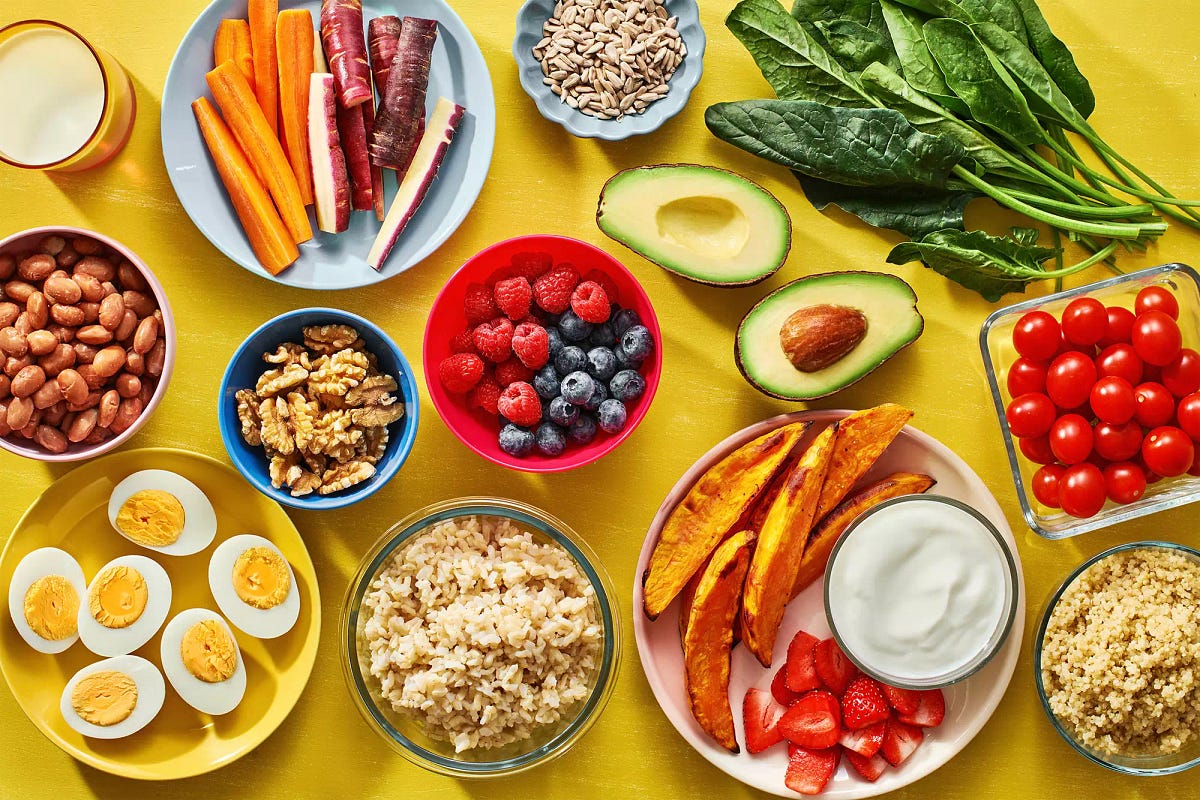
Only 49% of kids aged 1 to 5 eat vegetables daily, while 66% eat fruit, and more than half drink sugary drinks weekly. These numbers reveal major gaps in children’s nutrition and highlight the urgent need for promoting healthy food for childrens to support better eating habits and reduce rising obesity rates.
The Vegetable and Fruit Gap
The biggest worry is the gap in vegetable and fruit eating among kids. While many kids eat fruits daily, fewer eat veggies. This gap is a problem because veggies are key for healthy growth.
“Encouraging kids to eat different veggies is vital to close this nutritional gap.” Parents and caregivers can help by making veggies easy to get and fun to eat.
Rising Childhood Obesity Concerns
Childhood obesity is getting worse. Bad diets, with too little veggies and too much sugar and processed foods, are to blame. Obesity in kids can lead to serious health problems, making it a big issue to tackle.
“The early years of a child’s life are key for setting up healthy eating habits. These habits can prevent obesity and other diet-related health issues.”
Economic Barriers to Healthy Eating
Economic factors affect kids’ access to healthy food. Families with less money struggle to buy fruits, veggies, and whole grains. This makes the nutritional gaps and health problems worse for kids from poorer backgrounds.
To tackle these issues, we need to make healthy eating affordable for everyone. This means programs like nutrition education, community gardens, and support for cheap healthy food options.
Start Early: Establish Healthy Eating Patterns from Infancy
It’s key to start healthy eating habits early for a child’s nutrition. The early years shape their eating habits and food relationship. We’ll look at introducing solid foods and creating healthy taste preferences in babies.
Timing the Introduction of Solid Foods
Introducing solid foods at the right time is important for a child’s growth. Too early can lead to obesity. The American Academy of Pediatrics suggests starting solid foods at six months. This helps with nutrient intake, along with breast milk or formula.

First Foods That Promote Healthy Development
Choosing the right first foods is key for healthy eating. Foods rich in iron, zinc, and other nutrients are best. Single-ingredient purees help watch for allergies. Mashed bananas, avocados, and pureed meats are good for babies.
Building Taste Preferences in the First Years
Introducing a variety of flavors early shapes a child’s eating habits. Repeating new foods makes them more likely to be accepted. This makes meals fun for everyone.
Starting early and choosing the right foods sets a child up for a lifetime of healthy eating. It’s about making food choices that are good for them and fun to try.
Create Balanced Meals with Essential Food for Children’s Growth
A well-balanced diet is key for kids’ health and growth. As parents, we aim to give our kids the nutrients they need. It’s important to make meals that meet their nutritional needs.
Age-Appropriate Nutrient Requirements
Children need different nutrients at different ages. Young kids need more fat for brain growth. Older kids need more iron for their fast growth. Knowing these needs helps us plan better meals.
Our kids’ diets should be full of protein, healthy fats, and complex carbs. Protein helps muscles grow, healthy fats are good for the brain, and complex carbs give lasting energy.
Using the MyPlate Method for Kids
The MyPlate method is a great tool for balanced meals. It suggests dividing the plate into sections. Half for fruits and veggies, a quarter for protein, and a quarter for whole grains. This makes planning healthy meals easy and fun.
By using MyPlate, we ensure our kids eat a variety of foods. For example, a meal could have grilled chicken, brown rice, and steamed veggies and fruits.
Ensuring Adequate Protein, Fibre, and Healthy Fats
It’s important to make sure kids get enough protein, fiber, and healthy fats. Protein from lean meats, fish, and legumes helps with growth and repair. Fibre from fruits, veggies, and whole grains helps with digestion. Healthy fats from nuts, seeds, and avocados are good for the heart and brain.
- Include a variety of protein sources like lean meats, poultry, and legumes.
- Boost fibre with fruits, veggies, and whole grains.
- Add healthy fats like nuts, seeds, and avocados to meals and snacks.
Make Fruits and Vegetables the Stars of the Plate
Making fruits and vegetables the main part of meals is key to healthy eating in kids. We can make these foods more fun and appealing.
Creative Presentation Techniques That Work
Presentation is key in making fruits and veggies appealing to kids. We can use creative ways like:
- Creating fruit kebabs with colourful fruits
- Making vegetable faces on the plate
- Serving fruits and veggies with dips like hummus or yogurt
Kid-Approved Preparation Methods
The way we prepare fruits and veggies matters a lot to kids. Some methods they like include:
- Roasting veggies to make them sweet
- Grilling fruits like pineapple or peaches for a sweet flavour
- Steaming veggies to keep them crunchy and colourful
Getting kids involved in cooking can spark their interest in new foods.
Growing Food Together: Garden Projects for Kids
Gardening teaches kids about food origins and encourages them to eat more fruits and veggies. We can start with simple projects like:
- Planting easy-to-grow veggies like tomatoes or cucumbers
- Creating a fruit salad garden with different fruits
- Getting kids involved in every gardening step, from planting to harvesting
Growing food together helps kids develop a positive view of healthy foods. They learn to appreciate the effort in growing them.
Limit Added Sugars Without Creating Forbidden Foods
As parents, we must cut down on added sugars in our kids’ diets. But we shouldn’t make some foods seem like they’re off-limits. Finding the right balance is key to teaching our kids to eat well for life.
Identifying Hidden Sugars in Children’s Products
First, we need to know where added sugars hide in kids’ foods. Many products, like cereals, yogurts, and snack bars, have a lot of sugar. Reading food labels is a must for parents. We should look for names like brown sugar, corn sweetener, and honey in the ingredient list.
Healthier Alternatives to Common Sugary Foods
Offering better choices is a smart way to cut down on sugar. For example, choose whole fruits over juice, and unsweetened yogurts and milk. Making homemade versions of favourite snacks lets us control the sugar.
Teaching Moderation Instead of Restriction
Teaching kids about eating in moderation is vital. Instead of saying no to certain foods, we should encourage balance. This way, they learn to enjoy all foods healthily.
By using these methods, we guide our kids through the world of food choices. We help them develop healthy eating habits for life.
Involve Kids in Food Shopping and Preparation
Getting kids involved in cooking and grocery shopping helps them love food. It teaches them skills and builds healthy childhood eating habits that last.
Age-Appropriate Kitchen Tasks
Give kids kitchen tasks that fit their age. Young ones can wash veggies or mix ingredients. Older kids can cook simple meals.
- For children aged 2-3, simple tasks like washing fruits and vegetables or stirring mixes can be a great introduction.
- Children aged 4-5 can help with tasks such as setting the table or assembling simple dishes.
- Older children, aged 6 and above, can start to learn more complex cooking skills, such as preparing simple meals or baking.
Grocery Store Scavenger Hunts
Make grocery shopping fun with a scavenger hunt. It teaches kids about food, where it comes from, and healthy choices.
Parents can make a list for kids to find. Look for different colored fruits, whole grains, or lean proteins. It’s a fun way to shop.
Teaching Basic Nutrition Through Hands-On Experience
Hands-on learning is great for teaching kids about nutrition. Involve them in meal planning and cooking. It helps them understand healthy eating.
Let kids help with meal planning. It teaches them about food groups and the need for variety. Explain how food affects our bodies and why healthy choices are key.
Overcome Picky Eating with Patience and Strategy
Dealing with picky eaters can be tough, but knowing why they are picky helps. Picky eating is a normal part of growing up. With the right approach, kids can learn to eat healthier.
Understanding Normal Developmental Food Neophobia
Children often don’t want to try new foods, a phase called food neophobia. It starts around two and can last until they’re six. It’s not because of bad parenting, but a natural fear of the unknown.
Getting kids used to new foods takes time. They might need to see it many times before trying it. Learn more about feeding picky eaters.
The Family Meals and Positive Role Modelling
Family meals are a chance to show kids how to eat well. Seeing parents enjoy different foods makes kids more likely to do the same. A relaxed, TV-free mealtime helps too.
Involve kids in cooking to make them more excited about meals. Even simple tasks like washing veggies can help. Making food look fun also makes a big difference.
With patience and the right strategies, parents can help kids get past picky eating. It’s about making mealtime fun and encouraging them to try new, healthy foods.
Conclusion: Creating a Supportive Environment for Lifelong Healthy Eating
Creating a supportive environment is key for kids to eat healthy for life. Start early, make meals balanced, and make fruits and veggies fun. This helps kids succeed.
A healthy food environment is more than just food. It’s about creating a space that encourages good choices. Family meals, positive examples, and letting kids help in the kitchen are vital.
By following these tips for healthy eating, parents can help kids develop good eating habits. This means less sugar, overcoming pickiness, and choosing healthy kids food.
This approach empowers kids to make smart food choices. It helps them appreciate healthy eating for kids for life. A supportive environment helps them understand nutrition and stay healthy as they grow.
FAQ’s:
What are some effective ways to encourage kids to eat more fruits and vegetables?
We can make fruits and veggies fun by how we present them. Kids love to help in the garden. Using methods they like to prepare food also helps.By making these foods appealing, we can help kids develop a love for healthy eating.
How can parents limit added sugars in their children’s diets without creating a sense of forbidden foods?
Parents can find hidden sugars in kids’ foods and offer better choices. Teaching kids about moderation is key. This way, they learn to enjoy all foods in balance.
What are some age-appropriate kitchen tasks that can involve kids in food preparation?
Kids can help by washing veggies, mixing, or making simple meals. Grocery hunts teach them about nutrition in a fun way.
How can parents overcome picky eating in their children?
Picky eating is normal. Repeatedly exposing kids to new foods helps. A positive mealtime and good role modeling by parents also work.
What is the MyPlate method, and how can it help parents plan balanced meals for their kids?
MyPlate divides the plate into sections for different food groups. It ensures kids get the right mix of protein, fiber, and fats. This supports their growth.
Why is it essential to establish healthy eating patterns from infancy?
Starting healthy eating early is key to growth and a lifelong food relationship. Choosing the right first foods shapes their taste preferences.
How can economic barriers impact children’s access to healthy food options?
Money issues can make it hard for kids to eat well. Knowing this helps parents find ways to improve their diet and health.
What are some tips for creating a supportive environment that promotes healthy eating habits in kids?
Start early and make balanced meals. Make fruits and veggies appealing. Limit added sugars and involve kids in cooking.Overcoming picky eating is also important. These steps help kids have a healthy food relationship for life.
REFERENCES:
- Nix, R. L., et al. (2021). Improving toddlers’ healthy eating habits and self-regulation: A home-based preventive intervention targeting families living in poverty. Preventive Medicine Reports, 21, 101244. https://pmc.ncbi.nlm.nih.gov/articles/PMC7780956/
- Khan, D. S. A., et al. (2022). Nutritional status and dietary intake of school-age children and adolescents in Pakistan: A systematic review. Frontiers in Nutrition, 9, 739447. https://www.frontiersin.org/journals/nutrition/articles/10.3389/fnut.2021.739447/full
- Umekar, S. (2024). Obesity and preventive intervention among children. Journal of Pediatric Health, 2024, Article 19. https://pmc.ncbi.nlm.nih.gov/articles/PMC10955407/


 Departments
 Related Videos
 Our Doctors
 News
News


