
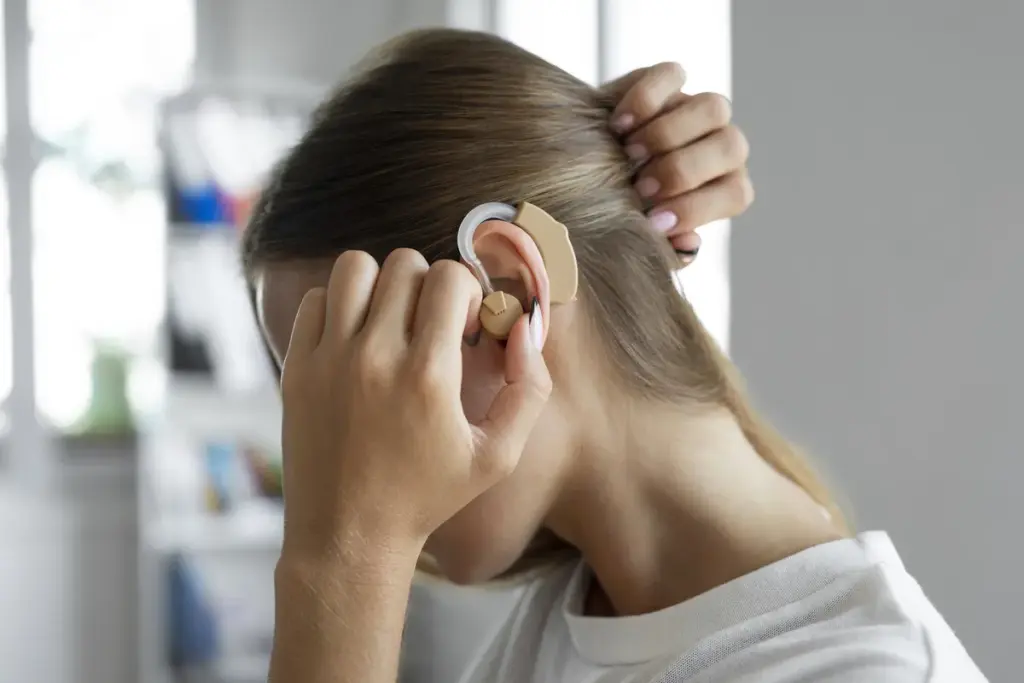
Over half of people in the United States over 75 have some hearing impairment. This is according to the National Institute on Deafness and Other Communication Disorders. Are you at risk? Hearing loss severity depends on top risk factors. Learn if your job or lifestyle puts your hearing in danger now.
This shows how big of an issue hearing loss is for the elderly. As people get older, the chance of getting hearing loss goes up. It can really change their life and how they connect with others.
Key Takeaways
- Age is a big factor in getting hearing loss.
- More than half of the US population over 75 has age-related hearing loss.
- Hearing loss can really affect someone’s quality of life.
- Knowing about hearing loss types is key for diagnosis and treatment.
- The severity of hearing loss varies among people and ages.
The Prevalence and Impact of Hearing Loss
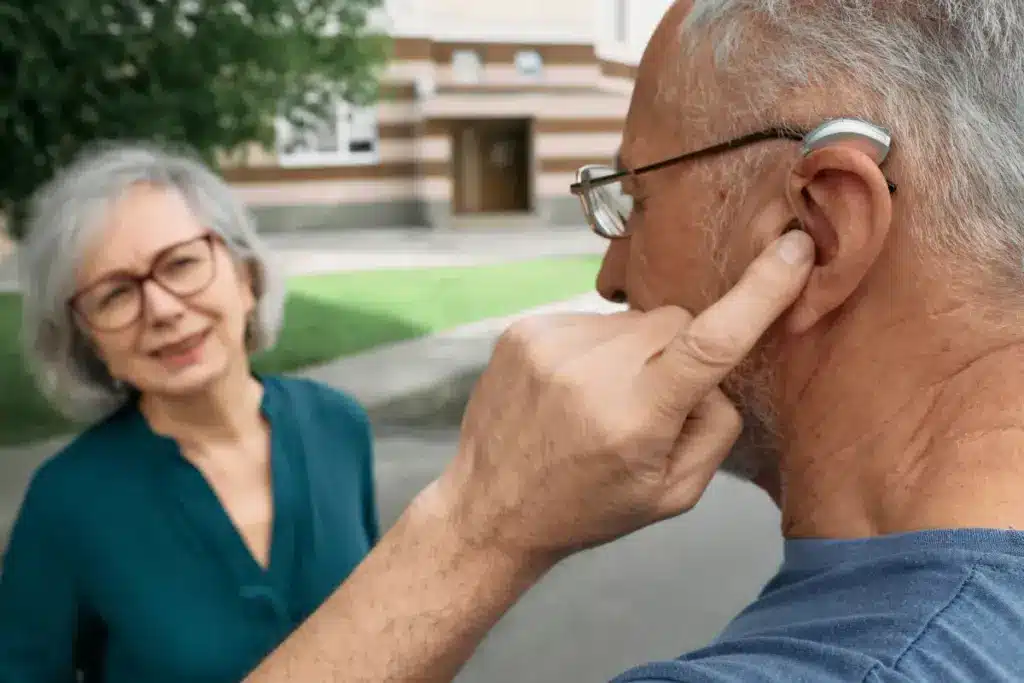
About 37.5 million American adults have trouble hearing. This shows how common hearing loss is in the U.S. It’s key to understand how it affects people and society.
Statistics on Hearing Loss in the United States
Hearing loss is widespread in America. Around 15% of adults over 18 face hearing issues. For those 20-69, hearing loss rates have dropped slightly.
From 1999-2004 to 2011-2012, the rate fell from 16% to 14%. These numbers stress the need for more awareness and prevention.
How Hearing Loss Affects Quality of Life
Hearing loss impacts many areas of life. It affects both personal and work life.
Social and Emotional Impacts
Hearing loss deeply affects social and emotional well-being. People with hearing loss often feel isolated and depressed. They struggle with communication.
An audiologist says, “Hearing loss makes it hard to connect with others. It leads to loneliness and feeling disconnected.”
“Hearing loss is not just about the inability to hear; it’s about the loss of connection to the world around us.”
Hearing Specialist
Economic Consequences
Hearing loss also has big economic costs. It can lower productivity and increase healthcare expenses. It might even lead to early retirement.
A study by the National Institute on Deafness and Other Communication Disorders shows big economic burdens. Untreated hearing loss can cost a lot to individuals and society.
It’s vital to understand hearing loss to find ways to prevent and treat it. By tackling its social, emotional, and economic impacts, we can improve lives.
Age-Related Hearing Loss: The Leading Cause
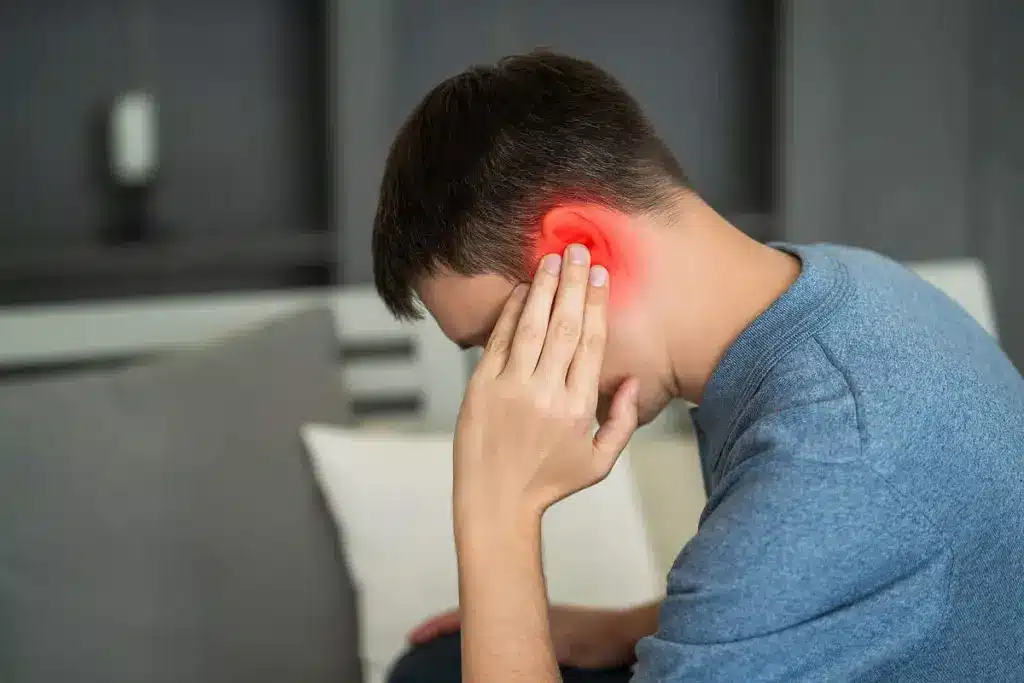
Hearing loss is common among older adults. Age is the biggest factor in this condition. As people get older, they are more likely to lose their hearing.
Presbycusis: Understanding Age-Related Hearing Decline
Presbycusis is hearing loss that comes with age. It happens slowly and is caused by genetics, environment, and body changes. Age-related hearing loss makes it hard to hear in noisy places. It can really affect a person’s life.
Age Demographics and Hearing Loss Statistics
Hearing loss is a big problem for older adults. About 5% of adults between 45-54 have hearing loss. This number jumps to 55% for those 75 and older. Knowing these numbers helps us create better support.
Early Warning Signs in Older Adults
It’s important for older adults and their families to watch for early signs of hearing loss. These include:
- Difficulty understanding conversations, specially in noisy places
- Frequently asking others to repeat themselves
- Turning up the TV or radio too high
- Experiencing tinnitus or ringing in the ears
Spotting these signs early can help. It might prevent mild hearing loss from getting worse or slow down severe hearing loss.
Occupational Risk Factors
The workplace can be dangerous for hearing health, mainly in noisy industries. Long exposure to loud sounds can cause permanent damage. It’s key for employers and workers to prevent this.
High-Risk Industries and Professions
Some jobs are more likely to cause hearing loss. These include:
- Manufacturing and construction, where heavy machinery and equipment generate high levels of noise.
- Military personnel, who are often exposed to loud sounds during training and combat operations.
- Musicians and those in the entertainment industry, who are frequently exposed to loud music and sounds.
Manufacturing and Construction
Workers in these fields face a high risk of hearing loss from loud machinery. Regular hearing tests and the use of protective gear can help.
Military Personnel
Military workers face loud sounds like gunfire and explosions. Proper hearing protection is key to avoid permanent damage.
Musicians and Entertainment Industry
Musicians and sound engineers risk hearing loss from loud music.
“The risk of hearing loss among musicians is significant, and preventive measures such as custom earplugs can help reduce this risk.”
Noise-Induced Hearing Loss in the Workplace
Noise-induced hearing loss is a big workplace risk. It can be prevented with the right steps, like engineering controls and personal protective equipment.
OSHA Regulations and Hearing Protection Standards
The Occupational Safety and Health Administration (OSHA) has rules for workplace noise. Employers must have hearing conservation programs. This includes checking noise levels, giving out hearing protection, and doing regular hearing tests.
By knowing the risks and following rules, workplaces can lower hearing loss among workers.
Genetic Predisposition and Family History
Genetics play a big role in how likely someone is to lose their hearing. Research shows that some genetic conditions can cause hearing problems. These conditions can be passed down through families.
Hereditary Patterns of Hearing Loss
People with a family history of hearing loss are more likely to have it too. This is because of genetic factors that affect the ears. These factors can change how the ears work.
Common Genetic Conditions Affecting Hearing
Some genetic conditions, like Usher syndrome and Pendred syndrome, can lead to hearing loss. Knowing about these conditions helps us understand why some people lose their hearing.
Genetic Testing for Hearing Loss Risk
Genetic tests can show if someone is at risk of hearing loss. This info is key for early treatment. It can help prevent hearing loss from getting worse.
Knowing about genetic risks and family history helps protect hearing. It encourages people to take care of their hearing and seek medical help when needed.
Medical Conditions Associated with Hearing Loss
Many health issues can raise the risk of hearing loss. Some medical conditions can harm the ear, leading to hearing problems. This includes profound hearing loss.
Cardiovascular Disease and Hearing Health
Heart disease can make hearing loss more likely. It affects blood flow to the ear. Keeping the heart healthy might also help protect hearing.
Diabetes and Its Effect on Auditory Function
Diabetes can harm hearing too. High blood sugar can damage the nerves that handle sound. This makes people with diabetes more likely to lose their hearing.
Autoimmune Disorders Affecting the Ear
Autoimmune diseases can harm the ear. These diseases make the body attack its own tissues. If not treated, they can cause hearing loss.
Infections That Can Damage Hearing
Infections like meningitis can severely damage the ear. This can lead to profound hearing loss. Quick medical care is key to avoiding permanent damage.
Knowing about health conditions linked to hearing loss is important. Regular health checks and managing health issues can lower the risk of hearing problems.
Hearing Loss Severity: Classification and Measurement
Hearing loss is classified based on how much it affects a person’s hearing. This is measured in decibels. Knowing these levels is key for diagnosing, treating, and helping people with hearing loss.
Decibel Levels and Hearing Loss Grades
Hearing loss is divided into different levels based on decibel levels. The decibel scale is not linear. A small increase in decibels means a big jump in sound intensity.
Mild Hearing Loss (26-40 dB)
Mild hearing loss makes it hard to hear soft sounds. People with mild loss might find it tough to follow conversations in noisy places. Early treatment can really help with communication.
Moderate Hearing Loss (41-55 dB)
Moderate loss makes it harder to hear normal conversation levels. At this point, hearing aids can help a lot in conversations.
Moderately Severe Hearing Loss (56-70 dB)
At this level, it’s hard to hear speech without help. Speech therapy and hearing aids can be very helpful.
Severe Hearing Loss (71-90 dB)
Severe loss makes it very hard to understand speech, even with help. People might need to rely on lip-reading or sign language a lot.
Profound Hearing Loss (91+ dB)
Profound loss means almost no ability to hear sounds. At this point, sign language and other ways of communicating are very important.
Classifying hearing loss helps doctors and audiologists create the right treatment plans for each person.
|
Hearing Loss Classification |
Decibel Level |
Characteristics |
|---|---|---|
|
Mild |
26-40 dB |
Difficulty hearing soft sounds |
|
Moderate |
41-55 dB |
Difficulty hearing normal conversations |
|
Moderately Severe |
56-70 dB |
Significant difficulty hearing speech without amplification |
|
Severe |
71-90 dB |
Considerable difficulty understanding speech even with amplification |
|
Profound |
91+ dB |
Little to no awareness of loud sounds |
Understanding how severe hearing loss is is key to providing the right care. By accurately classifying it, healthcare professionals can offer specific treatments. This helps improve the lives of those with hearing loss.
Lifestyle Factors Contributing to Hearing Impairment
Our daily habits and activities can greatly affect our degree of hearing loss. It’s important to know which lifestyle factors can harm our hearing. This knowledge helps us prevent hearing loss and keep our hearing healthy.
Recreational Noise Exposure Risks
Loud noises from recreational activities can harm our hearing. This includes listening to music too loudly, going to concerts, or being at sports events.
Personal Audio Devices and Headphones
High volumes on personal audio devices and headphones can cause hearing loss. It’s key to keep the volume low. Also, using features that limit noise can help.
Concerts and Sporting Events
Going to concerts and sports events without ear protection can be risky. Wearing earplugs can protect your hearing from loud sounds.
Smoking and Vaping Effects on Hearing
Studies show that smoking and vaping might lead to hearing loss. These habits can reduce blood flow to the ears. This can damage hearing.
Alcohol Consumption and Auditory Health
Drinking too much alcohol can increase the risk of hearing loss. Knowing how alcohol affects our hearing helps us make better choices.
Nutrition and Hearing: The Connection
Eating a balanced diet with essential nutrients supports hearing health. Vitamins and minerals are key for the health of our ears.
By understanding these lifestyle factors and taking steps to reduce risks, we can protect our hearing. This helps lower our degree of hearing loss.
Medications and Treatments That Can Cause Hearing Damage
Some medicines and treatments can harm your hearing. These drugs and therapies are important for health but can also damage your ears. It’s key for both patients and doctors to know about these risks.
Common Ototoxic Medications
Many medicines can harm your ears, leading to hearing loss or ringing in your ears. These include:
Antibiotics
Some antibiotics, like gentamicin and tobramycin, can hurt your ears. They’re used to fight serious infections.
Chemotherapy Drugs
Drugs like cisplatin and carboplatin, used in cancer treatment, can cause hearing loss. The risk depends on the dose and your health.
Pain Relievers and NSAIDs
Using pain relievers or NSAIDs like aspirin or ibuprofen for a long time can harm your hearing.
Radiation Therapy and Hearing
Radiation therapy to the head or neck can damage your hearing. The damage depends on the dose and area treated.
Monitoring Hearing During High-Risk Treatments
If you’re getting treatments that might harm your hearing, get your hearing checked often. This helps catch problems early. It also lets doctors adjust your treatment to protect your hearing.
Knowing the risks of certain medicines and treatments is important for your hearing. Being aware and taking steps to protect your hearing can help keep your ears healthy.
Diagnosing Hearing Loss and Understanding Audiograms
Getting a correct diagnosis of hearing loss is key for good treatment. To figure out the type and how bad it is, several tests are needed.
Types of Hearing Assessments
Tests are important to know how well you can hear. These include:
- Pure-Tone Audiometry: Checks how well you can hear different sounds.
- Speech Recognition Tests: Sees how well you can understand speech.
- Tympanometry: Looks at the middle ear’s function.
Pure-Tone Audiometry
Pure-tone audiometry is a common test. You wear headphones and respond to sounds of different levels and pitches.
Speech Recognition Tests
These tests check how well you can hear speech at various volumes. They’re key for knowing how well you can talk and listen.
Tympanometry
Tympanometry checks the middle ear and eardrum. It finds out if there are any blockages or problems with the eardrum’s movement.
Reading and Interpreting Audiogram Results
An audiogram shows how well you can hear. Knowing what it says is important for figuring out the type and how bad the hearing loss is.
|
Hearing Loss Level |
Decibel Range |
Description |
|---|---|---|
|
Mild |
26-40 dB |
Difficulty hearing soft sounds. |
|
Moderate |
41-55 dB |
Struggling to hear normal conversations. |
|
Moderately Severe |
56-70 dB |
Frequently asking for repetition. |
When to Seek Professional Evaluation
If you think you might have hearing loss, see an audiologist or hearing specialist. They can do a full check and suggest the best treatment.
The Role of Hearing Loss Classification in Treatment Planning
Knowing the exact type and severity of hearing loss is critical for planning treatment. It helps decide the best options, like hearing aids or other devices.
Conclusion: Prevention Strategies and Management Options
Preventing hearing loss is key. It involves protecting your hearing and avoiding harmful behaviors. It’s also important to manage health conditions well.
Knowing how severe your hearing loss is helps choose the right treatment. Options include hearing aids and cochlear implants. The right choice depends on the severity of your hearing loss.
Being aware of risks like age-related hearing loss and exposure to loud noises is important. Certain medical conditions can also affect your hearing. Taking steps to prevent or reduce hearing loss is vital.
Regular hearing tests and quick treatment can greatly improve life for those with hearing loss. This helps maintain a good quality of life.
FAQ
What are the different degrees of hearing loss?
Hearing loss is categorized into levels like mild, moderate, and severe. These are based on decibel levels.
What is the most common cause of hearing loss?
Age-related hearing loss, or presbycusis, is the top cause. It affects millions globally.
Can genetics play a role in hearing loss?
Yes, genetics can influence hearing loss. Some genetic conditions and patterns can affect hearing.
How does occupational noise exposure affect hearing?
Working in loud environments can lead to noise-induced hearing loss. It’s a big workplace risk.
What medical conditions are associated with an increased risk of hearing loss?
Conditions like heart disease, diabetes, and infections can raise hearing loss risk.
How is hearing loss measured and classified?
Decibel levels measure hearing loss. Grades range from mild (26-40 dB) to profound (91+ dB).
Can lifestyle factors contribute to hearing impairment?
Yes, lifestyle choices like loud music and smoking can harm hearing.
Are there medications that can cause hearing damage?
Yes, some drugs, or ototoxic medications, can damage hearing. It’s key to watch for this during treatment.
How is hearing loss diagnosed?
Audiograms are used to diagnose hearing loss. They test how well you can hear different sounds and levels.
What is the importance of seeking professional evaluation for hearing loss?
Getting a professional check is vital. It helps get the right treatment and prevent more loss.
Can hearing loss be prevented or managed?
Yes, you can prevent or manage hearing loss. Wear ear protection, live healthily, and get regular checks.
JAMA Network. Evidence-Based Medical Insight. Retrieved from https://jamanetwork.com/journals/jamanetworkopen/fullarticle/2807708