heart ablation
Atrial fibrillation affects millions worldwide. Cardiac ablation is a common treatment. But, there are other options too. We look into alternative treatments for heart rhythm disorders.
For many, minimally invasive procedures are a good alternative to ablation therapy. These methods can help manage symptoms and reduce recovery time.
Key Takeaways
- Alternative treatments to cardiac ablation are available.
- Minimally invasive procedures can offer effective relief.
- Patients should explore all options before making a decision.
- Cardiac ablation is not the only solution for heart rhythm disorders.
- Understanding the alternatives is crucial for informed decision-making.
Understanding Heart Ablation and Its Role in Treating Arrhythmias
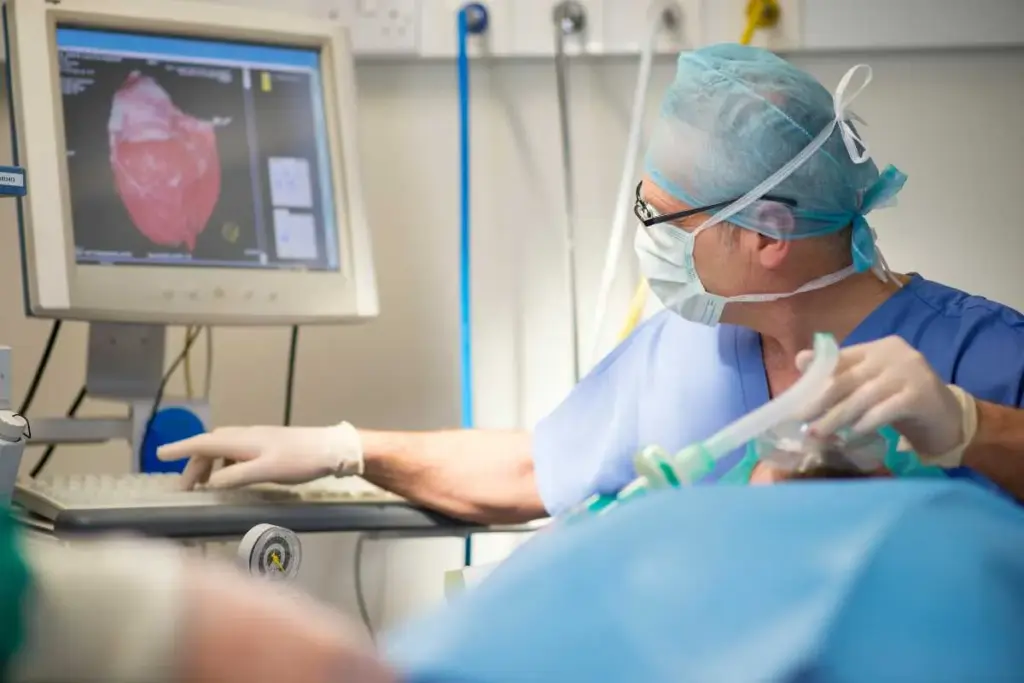
cardiac ablation procedure
For many, cardiac ablation is a hopeful alternative to life-long meds for arrhythmia. It’s a procedure that aims to fix irregular heartbeats by destroying bad electrical paths in the heart.
The Mechanics of Cardiac Ablation Procedures
Cardiac ablation uses energy to make scar tissue in the heart. This stops the bad electrical signals that cause arrhythmias. There are two main ways to do this: radiofrequency ablation and cryoablation.
- Radiofrequency Ablation: This method heats the area with high-frequency energy, making scar tissue.
- Cryoablation: It freezes the area, making it scar and stop the bad signals.
The choice between these depends on the arrhythmia type, its location, and the patient’s health.
Success Rates and Limitations of Ablation Therapy
The success of cardiac ablation varies by arrhythmia type. For example, SVT and atrial flutter have better success rates than atrial fibrillation.
- Success Rates: Research shows cardiac ablation can be very effective. Success rates are 70% to 90% for some arrhythmias.
- Limitations: While effective, cardiac ablation comes with risks. These include bleeding, infection, and damage to the heart’s electrical system.
It’s key for patients and doctors to understand these points. This helps make informed decisions about using cardiac ablation as a treatment.
Why Patients and Doctors Consider Alternatives to Heart Ablation
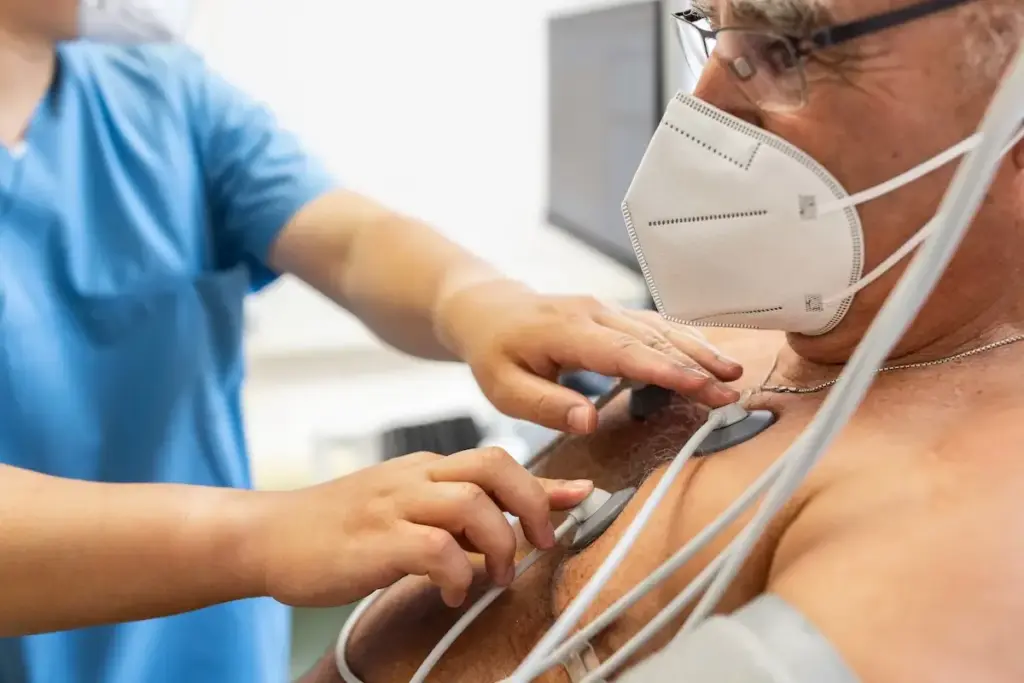
alternatives to heart ablation
Choosing alternatives to heart ablation is influenced by many factors. These include medical reasons and what patients prefer. It’s important to understand why people make these choices.
Medical Contraindications to Ablation
Medical reasons are a big part of deciding if heart ablation is right. Some conditions make the procedure too risky or not very effective. For example, those with severe heart failure or other health issues might look for other treatments.
Some medical reasons include:
- Severe heart failure
- Presence of certain other health conditions
- Previous adverse reactions to the procedure
Knowing these reasons helps doctors create treatment plans that fit each patient’s needs. This ensures the best care possible.
Patient Preferences and Concerns
What patients want and worry about also affects their choice. They might not want invasive procedures or be worried about side effects. These concerns help guide their decisions.
To understand better, let’s look at some key factors:
|
Factor |
Heart Ablation |
Alternative Treatments |
|---|---|---|
|
Invasiveness |
Invasive procedure |
Varies (some less invasive) |
|
Recovery Time |
Typically several days to weeks |
Varies (some may have quicker recovery) |
|
Risk of Complications |
Risk of bleeding, infection, etc. |
Varies (some may have fewer risks) |
By looking at both medical reasons and what patients want, doctors can make plans that meet each person’s needs. This approach ensures the best care for everyone.
Antiarrhythmic Medications as First-Line Treatment
antiarrhythmic medications
Healthcare providers often start with antiarrhythmic medications for arrhythmias. These drugs help bring the heart rhythm back to normal. They also aim to stop arrhythmias from happening again.
Classes of Antiarrhythmic Drugs and Their Mechanisms
Antiarrhythmic drugs fall into four main classes. Class I agents block sodium channels, slowing heart impulses. Class II agents, or beta-blockers, slow the heart rate and contraction force. Class III agents prolong repolarization, making the heart muscle recover longer between beats. Class IV agents, calcium channel blockers, also slow the heart rate and contraction force.
Each class is chosen based on the arrhythmia type, patient health, and possible side effects.
Effectiveness and Side Effect Profiles Compared to Ablation
Antiarrhythmic medications can manage arrhythmias well, but ablation therapy might be more effective for some. Ablation can be a more lasting solution, possibly avoiding long-term medication.
|
Treatment |
Effectiveness |
Side Effects |
|---|---|---|
|
Antiarrhythmic Medications |
Variable, depending on the class and patient response |
Range from mild (e.g., gastrointestinal upset) to severe (e.g., proarrhythmic effects) |
|
Ablation Therapy |
Can be highly effective for certain arrhythmias, offering potential cure |
Risks include bleeding, infection, and damage to heart structures |
The choice between medications and ablation therapy depends on many factors. These include the arrhythmia type, patient health, and personal preferences.
Rate Control Strategies for Atrial Fibrillation Management
rate control strategies for atrial fibrillation management
Managing atrial fibrillation often means using rate control strategies. These strategies help control the heart rate. This can reduce symptoms and improve heart function.
Beta Blockers and Calcium Channel Blockers
Beta blockers and calcium channel blockers are key in managing atrial fibrillation. Beta blockers block epinephrine and norepinephrine’s effects on the heart. This reduces heart rate and how hard the heart contracts.
Calcium channel blockers stop calcium from entering heart and muscle cells. This also lowers heart rate and contraction strength.
Both types of drugs are effective in controlling heart rate in atrial fibrillation patients. The choice between them depends on the patient’s health and other conditions.
Digoxin and Other Rate-Controlling Agents
Digoxin is used for rate control, especially in heart failure patients. It increases vagal tone and decreases sympathetic tone. This slows the ventricular rate. But, it has a narrow therapeutic index and can be toxic.
Other drugs like amiodarone may be used in specific cases. However, they are not usually the first choice due to their side effects.
|
Medication Class |
Mechanism of Action |
Common Side Effects |
|---|---|---|
|
Beta Blockers |
Block beta-adrenergic receptors, reducing heart rate and contractility |
Fatigue, dizziness, bronchospasm |
|
Calcium Channel Blockers |
Inhibit calcium influx into cardiac and smooth muscle |
Edema, constipation, hypotension |
|
Digoxin |
Increases vagal tone, decreases sympathetic tone |
Nausea, vomiting, arrhythmias |
Cardioversion as an Alternative to Restore Normal Heart Rhythm
cardioversion procedure
Cardioversion is a good option for some arrhythmias. It changes an abnormal heart rhythm back to normal. This can be done with electrical or drug treatments.
Electrical Cardioversion: Process, Preparation, and Recovery
Electrical cardioversion is a simple procedure. It uses a shock to fix the heart rhythm. Before the procedure, patients get blood thinners and sedation for comfort. It’s done in a hospital or lab.
Electrodes are placed on the chest. Then, a device sends a timed shock. It works well most of the time. But, it might need to be done again if the problem comes back. Most people can go back to normal activities the next day.
|
Aspect |
Details |
|---|---|
|
Preparation |
Anticoagulation therapy, sedation/anesthesia |
|
Procedure |
Synchronized electrical shock delivery |
|
Recovery |
Quick, usually within a day |
Pharmacological Cardioversion Options
Pharmacological cardioversion uses drugs to fix the heart rhythm. Different drugs are used based on the arrhythmia and patient health. The right drug is key for success and safety.
Drugs like amiodarone, flecainide, and ibutilide are common. They change the heart’s electrical signals to get it back to normal. This method is used when electrical cardioversion isn’t an option or as an extra step.
Both electrical and drug treatments can fix a normal heart rhythm. The choice depends on the patient, the arrhythmia, and the doctor’s advice.
Implantable Cardiac Devices for Rhythm Management
implantable cardiac devices
Implantable cardiac devices have changed how we treat heart rhythm problems. They offer new ways to help patients, aside from old treatments. These devices watch and control heart rhythms, helping those with different arrhythmias.
Let’s look at the types of devices and what they do. Pacemakers and implantable cardioverter defibrillators (ICDs) are key. They’ve made a big difference in how well patients do.
Pacemakers for Bradyarrhythmias and Heart Block
Pacemakers are small devices that help control the heartbeat. They send electrical impulses to keep the heart rate steady. They’re mainly for bradyarrhythmias, slow heart rates, and heart block, where signals get delayed or blocked.
A study in the Journal of the American College of Cardiology found pacemakers help a lot. They improve symptoms and life quality for patients with slow heart rates. “Pacemaker therapy is a key treatment for slow heart rates,” the study says.
Implantable Cardioverter Defibrillators for Tachyarrhythmias
ICDs do more than just watch the heart. They also send shocks or pacing to fix dangerous tachyarrhythmias. They’re great for those at high risk of sudden cardiac death.
A study in the New England Journal of Medicine showed ICDs cut down on deaths. “ICDs are crucial for preventing sudden cardiac death,” the study found.
In short, devices like pacemakers and ICDs are very important for heart rhythm issues. Knowing how they work helps doctors give better care. This leads to better lives for patients.
Surgical Approaches to Treating Arrhythmias
surgical approaches to treating arrhythmias
When other treatments fail, surgery can change the game for arrhythmia patients. New surgical techniques offer hope for those with complex heart rhythm disorders.
Surgical treatments for arrhythmias vary widely. They range from traditional open-heart surgeries to modern, less invasive methods. The right approach depends on the arrhythmia type, the patient’s health, and their medical history.
Traditional Cox-Maze Procedure and Its Evolution
The Cox-Maze procedure is a key treatment for atrial fibrillation. It’s an open-heart surgery that creates scar tissue to stop abnormal heart signals. Over time, the procedure has evolved, leading to better results and fewer complications.
Key aspects of the Cox-Maze procedure include:
- Creating precise incisions and scar tissue to redirect abnormal electrical pathways
- High success rates in restoring normal sinus rhythm
- Potential for reduced stroke risk and improved quality of life
Minimally Invasive and Hybrid Surgical Options
Recently, there’s been a move towards less invasive and hybrid surgical methods for arrhythmias. These methods aim to lower risks while keeping treatment effectiveness high.
Minimally invasive procedures include:
- Small incisions and thoracoscopic techniques
- Use of advanced imaging and mapping technologies
- Cryotherapy or radiofrequency ablation to create lesions
Hybrid approaches combine surgery and catheter-based techniques. They offer a detailed treatment plan for complex arrhythmias. These procedures are often done with electrophysiologists and cardiothoracic surgeons working together.
Here’s a comparison of traditional and modern surgical approaches for arrhythmias:
|
Surgical Approach |
Key Characteristics |
Potential Benefits |
|---|---|---|
|
Traditional Cox-Maze |
Open-heart surgery, precise incisions, scar tissue creation |
High success rates, improved quality of life |
|
Minimally Invasive |
Small incisions, thoracoscopic techniques, advanced imaging |
Reduced recovery time, less invasive |
|
Hybrid |
Combination of surgical and catheter-based techniques |
Comprehensive treatment, collaborative approach |
As we keep advancing in treating arrhythmias, surgery remains crucial. Understanding the different surgical options helps patients and doctors make the best treatment choices.
Left Atrial Appendage Management for Stroke Prevention
Atrial fibrillation patients face a higher risk of stroke. Managing the left atrial appendage (LAA) is key to their care. The LAA is a small sac on the left atrium where blood clots often form.
Managing the LAA well is vital for preventing strokes. There are several ways to do this, including using occlusion devices and surgical methods.
Occlusion Devices: WATCHMAN, LARIAT, and Amplatzer
Occlusion devices help stop blood clots in the LAA. Several devices are available, including:
- WATCHMAN: A device implanted to close off the LAA.
- LARIAT: Uses a unique approach to ligate the LAA.
- Amplatzer: A device used to occlude the LAA through a catheter.
|
Device |
Description |
Implantation Method |
|---|---|---|
|
WATCHMAN |
Minimally invasive device to close off LAA |
Catheter-based |
|
LARIAT |
Ligation of LAA using endocardial and epicardial approaches |
Combination of endocardial and epicardial |
|
Amplatzer |
Occlusion device for LAA |
Catheter-based |
Surgical Removal vs. Closure of the Left Atrial Appendage
Surgical methods like removal or closure of the LAA can also prevent strokes. These procedures can be done during other heart surgeries.
Surgical removal means taking out the LAA. Closure involves stitching or stapling it shut. Both methods aim to stop blood clots in the LAA.
We’re moving towards more tailored stroke prevention for atrial fibrillation patients. LAA management is a big part of this. The choice between devices and surgery depends on the patient’s health and other factors.
Anticoagulation Therapy for Stroke Risk Reduction
For those at risk of stroke due to heart rhythm issues, anticoagulation therapy is key. It stops blood clots from forming or growing. This is especially important for people with atrial fibrillation (AFib) and others at risk of clotting.
Traditional Warfarin Therapy
Warfarin has long been used to prevent strokes in AFib patients. It blocks the liver’s production of clotting factors. But, it needs regular blood tests to work right.
Warfarin has its downsides. It has a small window for safe use, can interact with many drugs and foods, and needs constant blood tests. These issues make managing it hard.
Novel Oral Anticoagulants (NOACs)
NOACs like dabigatran, rivaroxaban, apixaban, and edoxaban are newer options. They offer better control, fewer food restrictions, and less need for blood tests. This makes them easier to use than warfarin.
|
Anticoagulant |
Dosing Frequency |
Major Advantage |
|---|---|---|
|
Dabigatran |
Twice daily |
Rapid onset of action |
|
Rivaroxaban |
Once daily |
Convenient dosing |
|
Apixaban |
Twice daily |
Lower risk of major bleeding |
|
Edoxaban |
Once daily |
Fewer drug interactions |
In summary, anticoagulation therapy is vital for stroke prevention in patients with AFib and other clotting risks. Warfarin and NOACs both have their places, depending on the patient’s needs and preferences.
Lifestyle Modifications to Manage Arrhythmias Naturally
Living a healthier lifestyle can really help with arrhythmias. It can make symptoms less and make life better. Making smart choices about what you eat, how you handle stress, sleep, and exercise can help your heart.
Dietary Changes and Nutritional Supplements
What you eat is key in managing arrhythmias. More omega-3 fatty acids, like in salmon and flaxseeds, can fight inflammation and keep your heart healthy. Eating lots of fruits, veggies, and whole grains also helps your heart beat right.
Magnesium and potassium supplements can also help with heart rhythm. But, always talk to a doctor before taking any supplements. This is to make sure they won’t mess with your meds or make things worse.
Stress Reduction, Sleep Hygiene, and Exercise Regimens
Stress can make arrhythmias worse, so it’s important to manage it. Meditation, yoga, and deep breathing can help keep stress down. Getting enough sleep and having a calm bedtime routine can also help.
Exercise is also key. Walking or swimming can make your heart healthier without hurting your body too much. Always check with a doctor to make sure your exercise plan is right for you.
By making these lifestyle changes, you can manage your arrhythmias better and feel better overall.
Emerging and Experimental Alternatives to Cardiac Ablation
New methods are being explored to improve on cardiac ablation. These new options aim to help those who can’t have traditional ablation or want other choices.
Stereotactic Arrhythmia Radioablation (STAR)
Stereotactic Arrhythmia Radioablation (STAR) is a new, non-invasive way to treat arrhythmias. It uses high doses of radiation to destroy problem areas in the heart. This method is especially promising for those with ventricular tachycardia who haven’t found relief with other treatments.
STAR is non-invasive and can reach areas hard to get to with traditional methods. But, it’s still in the experimental phase. More research is needed to know how well and safely it works.
Gene Therapy and Regenerative Medicine Approaches
Gene therapy and regenerative medicine are at the forefront of treating heart rhythm problems. They aim to fix the root causes of arrhythmias, offering long-lasting solutions.
Gene therapy involves changing genes in cells to fix their function. For arrhythmias, it could target genes that cause problems. Regenerative medicine works to repair or replace damaged heart tissue, which could help restore normal rhythm.
These therapies are still in the early stages but show great promise. More research is needed to overcome challenges and make them available in clinics.
Decision-Making Framework: Choosing Between Ablation and Alternatives
Patients with arrhythmia have to make tough choices about treatment. They need a clear framework to compare ablation with other options. This helps them choose what’s best for their health and lifestyle.
Risk-Benefit Analysis Based on Patient Characteristics
When picking between ablation and other treatments, a detailed risk-benefit analysis is key. It looks at things like age, health, how bad the arrhythmia symptoms are, and any other health issues.
|
Patient Characteristics |
Ablation Considerations |
Alternative Treatment Considerations |
|---|---|---|
|
Age |
Success rates may vary with age; older patients might have more comorbidities. |
Alternative treatments like medications may be more suitable for older patients. |
|
Overall Health |
Patients with significant comorbidities may face higher risks from ablation. |
Healthier patients might tolerate ablation better, but alternatives like lifestyle modifications can be beneficial for all. |
|
Severity of Symptoms |
Ablation is often considered for severe, drug-resistant arrhythmias. |
Mild symptoms might be managed with medications or lifestyle changes. |
Shared decision-making is vital. It means talking openly with your doctor to find the best treatment for you. This way, you can choose a plan that fits your needs and values.
Shared Decision-Making with Your Healthcare Team
Good shared decision-making needs clear communication. Patients should feel free to ask questions and share their worries about treatment options.
- Discuss the potential benefits and risks of each treatment option.
- Understand the likelihood of success for each treatment.
- Consider the impact of each treatment on quality of life.
- Explore alternative treatments if the initial choice is not suitable.
By working together, patients and doctors can make choices that are right for the patient’s health and wishes.
Insurance Coverage and Cost Considerations for Treatment Options
When choosing between cardiac ablation and other treatments, knowing about insurance and costs is key. It’s important to think about the money side of things when dealing with arrhythmias.
Typical Coverage for Ablation vs. Alternative Treatments
Insurance for cardiac ablation and other treatments can change a lot. Most plans cover ablation if it’s needed. But, how much they cover can vary a lot. Some might not cover the hospital stay or follow-up care.
Other treatments, like medicines or devices, also have different coverage levels.
Key factors influencing coverage include:
- The specific insurance provider and policy
- The medical necessity of the treatment as determined by a healthcare professional
- The type of treatment and its associated costs
Patients should check their insurance and talk to doctors to know what’s covered and what they’ll pay for.
Out-of-Pocket Expenses and Financial Assistance Programs
Even with insurance, the costs for ablation and other treatments can be high. These costs include deductibles, copays, and coinsurance. Knowing these costs helps patients make better choices about their care.
Financial help is available:
- Hospitals and healthcare systems offer financial help or charity care to some patients.
- Device makers and drug companies may give discounts or financial aid.
- Non-profit groups might give grants or financial help for certain treatments.
Patients should ask about these programs when talking to their doctors about treatment.
Understanding insurance and looking into financial aid helps patients make better choices. This way, they can get the care they need while managing their money.
Conclusion
Cardiac ablation is a key treatment for heart rhythm disorders. But, it’s not the only choice. Many alternatives offer their own benefits and things to consider.
We’ve looked at many treatment options. These include medicines, cardioversion, and devices like pacemakers. We’ve also talked about lifestyle changes and new treatments like gene therapy.
Choosing a treatment for heart rhythm disorders is a big decision. It’s important to think about the risks and benefits of each option. Talking with your healthcare team can help find the best treatment for you.
In summary, while cardiac ablation is helpful for many, looking at other options is important. Knowing about all the treatments available helps patients make better choices. This leads to better care and a better life.
FAQ
What is cardiac ablation, and how does it work?
Cardiac ablation is a procedure that fixes heart rhythm problems. It uses energy to destroy bad electrical paths in the heart. A catheter is inserted through a leg vein to reach the heart and apply energy.
What are the alternatives to cardiac ablation?
Other options include medicines, rate control, cardioversion, and devices like pacemakers. There’s also surgery, managing the left atrial appendage, anticoagulation therapy, and lifestyle changes.
What are antiarrhythmic medications, and how do they work?
Antiarrhythmic medicines control heart rhythm problems. They slow or speed up the heart rate or change it back to normal.
What is cardioversion, and how is it performed?
Cardioversion uses shocks or medicines to fix heart rhythm. Electrical cardioversion shocks the chest. Pharmacological cardioversion uses medicines to change the rhythm.
What are implantable cardiac devices, and how do they work?
Devices like pacemakers help control heart rhythm. They send electrical impulses to the heart to keep it regular.
What is the Cox-Maze procedure, and how is it used to treat arrhythmias?
The Cox-Maze procedure creates scar tissue in the heart. It blocks bad electrical paths to treat arrhythmias like atrial fibrillation.
What is left atrial appendage management, and why is it important?
It closes or removes the left atrial appendage to prevent stroke. This is key because blood clots often form there in people with atrial fibrillation.
What is anticoagulation therapy, and how does it work?
Anticoagulation therapy prevents blood clots with medicines. It stops clotting factors in the blood, lowering stroke risk.
How can lifestyle modifications help manage arrhythmias?
Changes like diet, stress reduction, and exercise help manage arrhythmias. They reduce triggers and improve heart health.
What are some emerging and experimental alternatives to cardiac ablation?
New options include radioablation, gene therapy, and regenerative medicine. These aim to offer better, less invasive treatments for arrhythmias.
How do I choose between cardiac ablation and alternative treatments?
Choosing depends on your situation and talking with your healthcare team. It’s about weighing risks and benefits.
What are the costs associated with cardiac ablation and alternative treatments?
Costs vary by treatment, insurance, and personal expenses. Financial help may be available to reduce costs.
Reference
National Center for Biotechnology Information. Evidence-Based Medical Insight. Retrieved from https://pmc.ncbi.nlm.nih.gov/articles/PMC11030008/