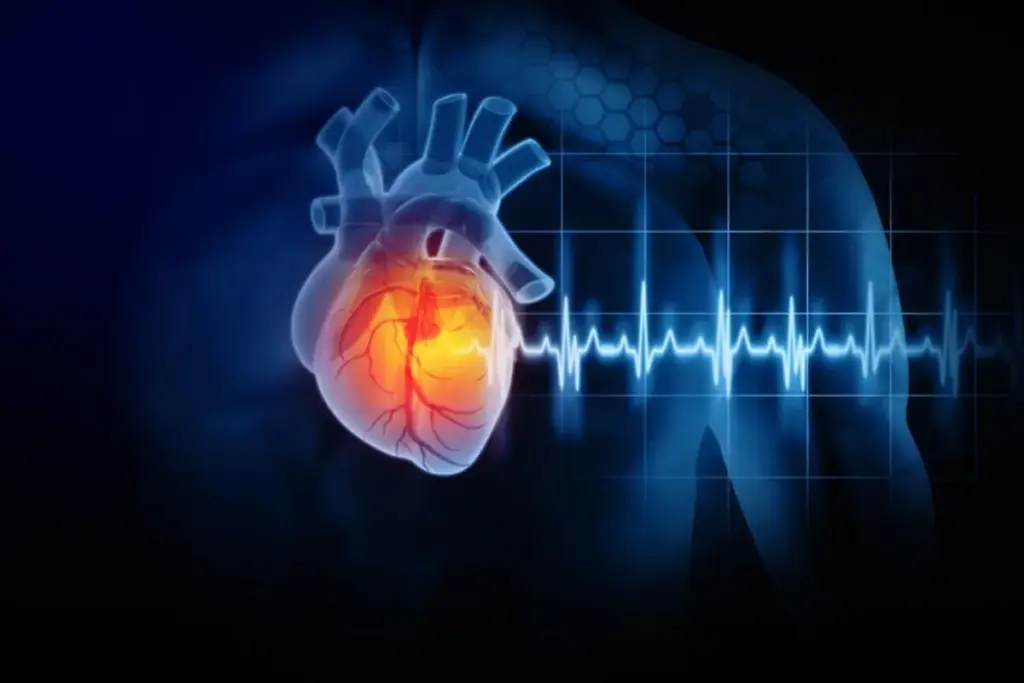
Did you know a normal heart rate is between 60 to 100 beats per minute? But, some foods or drinks can make your heart rate go over 100. This can make you feel like your heart is fluttering, racing, or skipping a beat.
This irregular heartbeat, or heart arrhythmia, can be scary. It often means there’s something wrong inside your body.
We know managing irregular heartbeat means knowing what makes it worse. Diet, lifestyle, and health problems can all play a part in heart arrhythmia. By figuring out these factors, people can better handle their condition.
Key Takeaways
- Certain foods and beverages can trigger heart arrhythmia.
- Lifestyle factors play a significant role in aggravating irregular heartbeat.
- Underlying medical conditions can contribute to the severity of heart arrhythmia.
- Managing diet and lifestyle can help mitigate symptoms.
- Understanding personal triggers is key to effective management.
Understanding Heart Arrhythmia
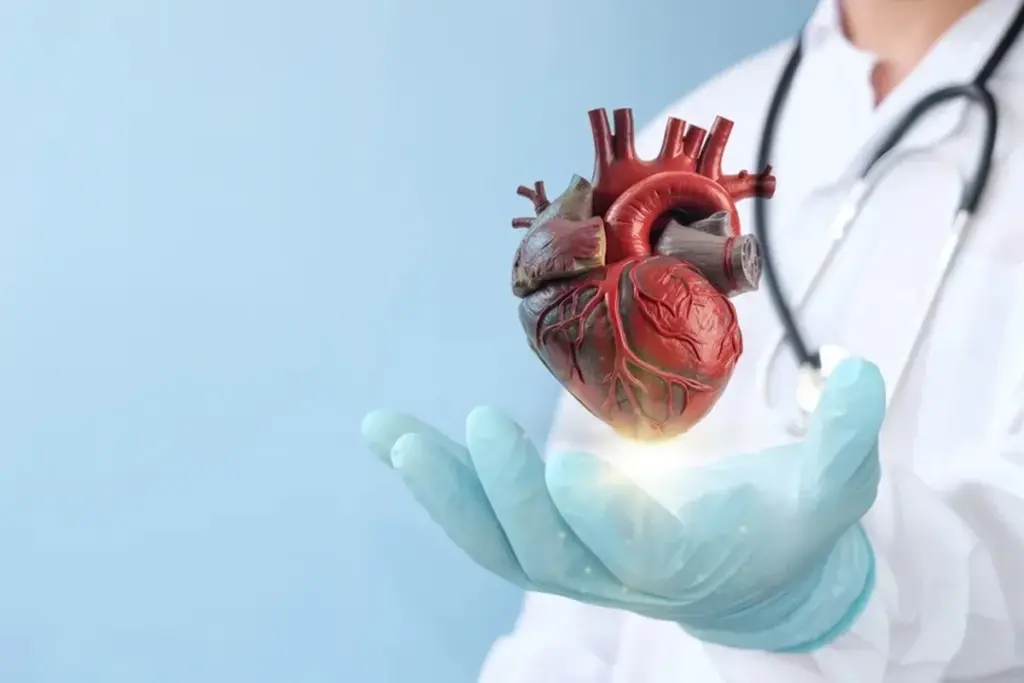
The heart’s rhythm is controlled by a complex electrical system. Arrhythmia happens when this system goes wrong. Normally, the heart beats in a regular rhythm thanks to the sinus node, the heart’s natural pacemaker.
Definition and Basic Mechanisms
Heart arrhythmia, or cardiac dysrhythmia, is when the heartbeat is irregular. This happens when the heart’s electrical system has a problem. The electrical signals that control the heartbeat can get disrupted, causing arrhythmias.
“The normal heartbeat is a finely tuned process,” say cardiac specialists. “Any disruption in the electrical pathways can cause arrhythmia. This can lead to symptoms like palpitations or, in severe cases, more serious complications.”
Risk Factors for Developing Arrhythmias
Several factors increase the risk of developing arrhythmias. Age is a big risk factor, as the heart’s electrical system can become less reliable over time. Pre-existing heart disease, like coronary artery disease or heart valve problems, also raises the risk.
Lifestyle factors, such as excessive alcohol consumption or smoking, can also contribute to arrhythmias. Other risk factors include high blood pressure, diabetes, and obesity. These conditions can strain the heart and disrupt its normal functioning, potentially leading to arrhythmia. Understanding these risk factors is key for prevention and early intervention.
Common Types of Heart Arrhythmia
It’s important to know about the different heart arrhythmias. Each type has its own signs and risks. Understanding them helps doctors diagnose and treat them better.
Atrial Fibrillation and Flutter
Atrial fibrillation (AFib) makes your heart beat irregularly and fast. It happens when the heart’s upper chambers don’t beat right. This can cause blood clots and increase the risk of stroke and heart failure.
Key features of AFib include:
- Irregular heartbeat
- Rapid heart rate
- Increased risk of stroke and heart failure
Ventricular Arrhythmias
Ventricular arrhythmias start in the heart’s lower chambers. They can be mild or serious. Ventricular tachycardia and ventricular fibrillation are two serious types that need quick treatment.
Types of ventricular arrhythmias:
|
Type |
Description |
Clinical Implication |
|---|---|---|
|
Ventricular Tachycardia |
Rapid heart rate originating from the ventricles |
Can lead to ventricular fibrillation if untreated |
|
Ventricular Fibrillation |
Chaotic, rapid heart rhythm in the ventricles |
Life-threatening; requires immediate medical attention |
Bradyarrhythmias and Heart Blocks
Bradyarrhythmias mean your heart beats too slow, less than 60 times a minute. Heart blocks happen when the electrical signals between the heart’s chambers are delayed or blocked. These can cause dizziness, fatigue, and fainting.
Key aspects of bradyarrhythmias and heart blocks:
- Slow heart rate
- Delay or blockage in electrical conduction
- Potential symptoms include dizziness and fainting
Recognizing Symptoms of Heart Arrhythmia
The signs of heart arrhythmia can be hard to spot at first. But they often mean you need to see a doctor. Heart arrhythmia, or an irregular heartbeat, can show itself in many ways. It’s key to know the signs to get medical help fast.
Common Physical Symptoms
Some common signs of heart arrhythmia include palpitations. This is when you feel your heart beating fast or irregularly. Other symptoms might be chest pain, feeling dizzy, tired, or weak. You might also have trouble breathing or exercising.
When Symptoms Signal Danger
Not all arrhythmias are serious, but some can be deadly. If you have severe chest pain, severe shortness of breath, or feel like you’re going to pass out, get help right away. These are signs you need urgent medical care.
|
Symptom |
Description |
|---|---|
|
Palpitations |
Feelings of a fast, fluttering, or pounding heartbeat |
|
Chest Pain |
Discomfort or pain in the chest |
|
Dizziness/Lightheadedness |
Feeling faint or unsteady |
|
Shortness of Breath |
Difficulty breathing or feeling winded even at rest |
|
Severe Symptoms |
Severe chest pain, fainting, or near-fainting |
Knowing these symptoms is key to handling heart arrhythmia disease well. If you or someone you know is showing these signs, seeing a doctor is a must.
Dietary Factors That Aggravate Heart Arrhythmia
The food we eat and drinks we drink can greatly affect our heart’s rhythm and health. It’s key to know how certain foods can impact our heart health.
Caffeine and Stimulants
Caffeine is a stimulant that can affect heart rhythm. Too much caffeine can increase blood pressure and heart rate. This can trigger arrhythmia episodes in some people. It’s wise to watch how much caffeine we consume, mainly for those who are sensitive to it.
Common sources of caffeine include:
- Coffee and energy drinks
- Certain teas and chocolate
- Some over-the-counter medications
Alcohol Consumption Effects
Alcohol can also harm heart health. Drinking too much can damage heart cells and cause extra heartbeats. This can make arrhythmia worse. It’s best to drink alcohol in moderation to avoid these risks.
How alcohol affects heart rhythm can differ from person to person. But, drinking too much alcohol is linked to a higher risk of arrhythmia episodes.
Sodium and Electrolyte Imbalances
Too much sodium can change blood vessel structure and raise the risk of atrial fibrillation, a common arrhythmia. It’s important to keep sodium and other electrolytes balanced for heart health.
Tips for managing sodium intake:
- Limit processed and packaged foods
- Use herbs and spices for flavor instead of salt
- Monitor sodium content in restaurant meals
Food Additives and Preservatives
Some food additives and preservatives can harm heart health. While research is ongoing, it’s wise to be cautious and choose foods carefully.
We suggest eating more whole, unprocessed foods. This can help avoid harmful additives.
Lifestyle Habits Worsening Cardiac Arrhythmias
Our lifestyle greatly affects how often and how severe cardiac arrhythmias are. What we do every day matters a lot for our heart health. Some habits can make arrhythmia symptoms worse.
Tobacco and Nicotine Products
Using tobacco products can lead to serious arrhythmias. Nicotine, found in tobacco, makes the heart beat irregularly. Quitting tobacco is a big step to lower arrhythmia risk and better heart health.
Sedentary Behavior Risks
Being inactive increases the chance of atrial fibrillation, a common arrhythmia. Exercise keeps the heart healthy and lowers arrhythmia risk. Adding moderate exercise to your day can greatly help your heart.
Irregular Sleep Patterns
Bad sleep habits, like insomnia, can cause arrhythmia episodes. It’s important to sleep well and regularly. A good bedtime routine can help improve sleep quality.
Choosing healthier habits can greatly reduce the risk of cardiac arrhythmias. Making smart choices about daily life is a key step to managing arrhythmia symptoms and improving well-being.
Psychological Triggers for Heart Arrhythmia
It’s key to know the psychological triggers of heart arrhythmia for better management. Our mental state and heart health are closely linked. We look into how our mind affects our heart rhythm.
Acute Stress Response
Acute stress can start arrhythmia episodes by releasing stress hormones like adrenaline. Stress makes our body go into “fight or flight” mode. This can raise our heart rate and cause irregular beats. Learning to manage stress is key to stop arrhythmia episodes.
Meditation, deep breathing, and yoga can help fight stress’s heart effects. Adding these to our daily life can lower stress-induced arrhythmia risk.
Chronic Anxiety and Depression
Chronic anxiety and depression raise arrhythmia risk. These conditions cause persistent physiological changes, like heart rate variability changes. These changes may lead to arrhythmias.
Handling chronic anxiety and depression needs a full plan, including therapy and sometimes meds. Tackling these issues can lower heart rhythm disorder risk.
It’s vital to spot anxiety and depression signs and get help. Treating these can boost heart health and cut arrhythmia risk.
To tackle irregular heartbeats, we must tackle both physical and mental factors. Knowing what causes high heart rates and how to manage them can greatly enhance life for those with arrhythmia.
Sleep Disorders and Heart Arrhythmia
Studies show that sleep problems can make irregular heartbeats worse. It’s important to tackle sleep issues to manage heart arrhythmia well.
Obstructive Sleep Apnea Connection
Obstructive sleep apnea (OSA) raises the risk of atrial fibrillation, a common arrhythmia. The breathing stops and starts during sleep, affecting heart oxygen levels. This can strain the heart. Treating OSA can lower the chance of arrhythmia coming back.
Treatment options for OSA include:
- Continuous Positive Airway Pressure (CPAP) therapy
- Oral appliances to advance the lower jaw
- Lifestyle changes, such as weight loss and sleeping on your side
Insomnia and Sleep Deprivation
Insomnia and not getting enough sleep also raise arrhythmia risk. Lack of sleep can cause inflammation and stress, leading to heart irregularities. Insomnia can also make arrhythmia symptoms worse by increasing stress.
Strategies for managing insomnia and sleep deprivation include:
- Establishing a consistent sleep schedule
- Creating a relaxing bedtime routine
- Avoiding caffeine and electronics before bedtime
To show how sleep disorders affect heart arrhythmia, let’s look at some data:
|
Sleep Disorder |
Risk of Arrhythmia |
Mechanism |
|---|---|---|
|
Obstructive Sleep Apnea |
High |
Intermittent hypoxia, inflammation |
|
Insomnia |
Moderate |
Increased sympathetic activity, stress |
|
Sleep Deprivation |
Moderate |
Inflammation, stress response |
Understanding the link between sleep disorders and heart arrhythmia helps us create better treatment plans. This approach can improve patient outcomes and quality of life.
Medical Conditions That Exacerbate Heart Arrhythmia
Managing heart arrhythmia means knowing and treating the health issues that make it worse. Many conditions can lead to or worsen arrhythmias. So, it’s important to have a complete care plan.
Thyroid Dysfunction
Thyroid problems can affect heart arrhythmia. Both too much and too little thyroid hormone can cause arrhythmias. Hyperthyroidism can make the heart beat too fast and cause atrial fibrillation. Hypothyroidism can slow the heart down. It’s key to manage thyroid levels to lower arrhythmia risk.
Hypertension Mechanisms
Hypertension, or high blood pressure, can also worsen heart arrhythmia. High blood pressure can lead to thickening of the heart’s left ventricle and change how the heart conducts electricity. Lowering blood pressure through lifestyle changes and medicine can help prevent arrhythmias.
Diabetes and Glycemic Control
Diabetes increases the risk of heart arrhythmia. Poor blood sugar control can cause imbalances in electrolytes and affect the heart’s electrical system. Keeping blood sugar levels stable is important for diabetic patients to avoid arrhythmias.
Electrolyte Abnormalities
Electrolytes like potassium, sodium, and calcium are key for the heart’s electrical activity. Imbalances in these can cause arrhythmias. For example, hypokalemia (low potassium) can lead to ventricular arrhythmias. It’s important to check and balance electrolytes to manage arrhythmia.
|
Medical Condition |
Impact on Heart Arrhythmia |
Management Strategies |
|---|---|---|
|
Thyroid Dysfunction |
Can cause arrhythmias due to hormonal imbalances |
Thyroid function management through medication and lifestyle changes |
|
Hypertension |
Can lead to left ventricular hypertrophy and arrhythmias |
Blood pressure control through lifestyle changes and medication |
|
Diabetes |
Increases arrhythmia risk through electrolyte imbalances and autonomic dysfunction |
Glycemic control through diet, exercise, and medication |
|
Electrolyte Abnormalities |
Can cause arrhythmias due to disruptions in heart electrical activity |
Monitoring and correcting electrolyte levels |
It’s vital to understand and manage these medical conditions to control heart arrhythmia. By tackling the root causes, doctors can create better treatment plans.
Medications That Can Trigger Heart Rhythm Problems
Many medications, including over-the-counter and prescription ones, can cause heart rhythm issues. It’s important for both individuals and healthcare providers to know these risks. This knowledge helps in making better treatment choices.
Over-the-Counter Medications
Some over-the-counter (OTC) medications can lead to abnormal heart rhythms. For example, decongestants in cold and allergy meds can raise heart rate. This might cause arrhythmias.
Also, sleep aids and weight loss supplements can affect heart rhythm. Always check labels and talk to a doctor before starting any new medication.
Prescription Drugs with Arrhythmia Risk
Prescription medications can also cause heart rhythm problems. Certain antibiotics, antifungal meds, and antipsychotics increase arrhythmia risk.
Some antibiotics can lengthen the QT interval. This can lead to a dangerous arrhythmia called Torsades de Pointes.
|
Medication Class |
Examples |
Potential Arrhythmia Risk |
|---|---|---|
|
Antibiotics |
Erythromycin, Clarithromycin |
QT interval prolongation, Torsades de Pointes |
|
Antipsychotics |
Quetiapine, Risperidone |
QT interval prolongation, arrhythmias |
|
Anti-arrhythmic drugs |
Flecainide, Sotalol |
Pro-arrhythmic effects, exacerbating existing arrhythmias |
Herbal Supplements and Interactions
Herbal supplements can also interact with medications and cause heart rhythm problems. For example, Digitalis purpurea (Foxglove) can be toxic and cause severe arrhythmias if not used correctly.
It’s key for patients to tell their healthcare providers about any herbal supplements they’re taking. This helps avoid interactions with prescribed meds.
Knowing the risks of different medications and supplements helps everyone make safer choices. This knowledge is vital for both individuals and healthcare providers when deciding on treatments.
Environmental Factors Affecting Heart Arrhythmia
Learning about how the environment affects heart arrhythmia helps us prevent it. We see that many things around us can trigger or make heart arrhythmia worse.
Extreme Temperature Exposure
Extreme temperatures can really hurt our heart health. Both very hot and very cold can cause heart rhythm problems. Heatwaves can make us dehydrated, leading to imbalances in our body’s salts and causing arrhythmias. On the other hand, cold weather can make our blood vessels narrow, raising our blood pressure and stressing our heart.
“The relationship between temperature extremes and cardiovascular health is well-documented, with evidence suggesting that both high and low temperatures can increase the risk of cardiovascular events.”
A study showed that when it gets hotter, more people go to the hospital with heart rhythm problems. Cold weather also raises the risk of heart rhythm issues, mainly for those with heart problems.
Air Quality and Pollution
Poor air quality is another big factor in heart arrhythmia. Bad air, like fine particles, can increase the risk of heart rhythm problems. It does this by causing inflammation, oxidative stress, and directly affecting the heart’s electrical system.
|
Pollutant |
Effect on Heart Arrhythmia |
|---|---|
|
PM2.5 |
Increases risk of arrhythmias through inflammation and oxidative stress |
|
NO2 |
Can make heart conditions worse, possibly leading to arrhythmias |
|
O3 |
May cause heart rhythm problems in people who are already at risk, mostly during peak exposure times |
To fight the effects of the environment on heart arrhythmia, we can take steps. We can check the weather and air quality, plan our outdoor time, and use air purifiers indoors to cut down on pollutants.
By tackling these environmental factors, we can manage and maybe even lower the chances of heart arrhythmia. This can greatly improve the lives of those dealing with heart rhythm problems.
Diagnosing and Monitoring Heart Arrhythmia
Diagnosing heart arrhythmia requires a few steps. First, doctors look at your medical history and do a physical exam. Then, they use various tests to find out why your heart might be racing.
Standard Diagnostic Approaches
Doctors use tests like electrocardiograms (ECG), Holter monitors, and event recorders. These tools help them see and record your heart’s rhythm. This way, they can spot arrhythmias and figure out what’s causing them.
Advancements in Monitoring Technologies
New technologies have made it easier to track and manage heart arrhythmias. Wearable devices and apps let you monitor your heart all the time. This gives doctors important information to help them treat you better.
Thanks to these tools, doctors can create better plans to handle cardiac arrhythmias. This helps improve how well patients do in the long run.
FAQ
What is heart arrhythmia?
Heart arrhythmia is when the heart beats irregularly. This can be too fast or too slow. It happens when the heart’s electrical system gets disrupted.
What are the common symptoms of heart arrhythmia?
Symptoms include palpitations, chest pain, and shortness of breath. Dizziness and fatigue are also common. Some people might not notice any symptoms.
How does diet affect heart arrhythmia?
Diet can play a big role. Caffeine, alcohol, and high sodium can make arrhythmia worse. Some foods can also trigger episodes.
Can lifestyle habits worsen cardiac arrhythmias?
Yes, habits like smoking and being sedentary can make arrhythmias worse. Better habits can help prevent episodes.
How do psychological factors impact heart arrhythmia?
Stress, anxiety, and depression can trigger arrhythmia. Managing these can help prevent episodes.
What is the connection between sleep disorders and heart arrhythmia?
Sleep disorders like sleep apnea can increase arrhythmia risk. Treating these disorders is key to managing arrhythmia.
Can certain medical conditions exacerbate heart arrhythmia?
Yes, conditions like thyroid issues and diabetes can make arrhythmia worse. Proper management is essential.
Are there medications that can trigger heart rhythm problems?
Yes, some medications can cause heart rhythm issues. Knowing these risks helps in making better choices.
How do environmental factors affect heart arrhythmia?
Extreme temperatures and pollution can affect arrhythmia. Being mindful of these factors can help minimize risks.
What diagnostic tests are used to identify heart arrhythmia?
Tests like ECGs and Holter monitors help diagnose arrhythmia. Modern technology has improved diagnosis and treatment.
Can atrial fibrillation be treated?
Yes, atrial fibrillation can be treated with various methods. Treatment depends on the individual’s condition.
How can I reduce my risk of developing heart arrhythmia?
A healthy lifestyle and managing medical conditions can reduce arrhythmia risk. Being aware of triggers is also important.
References
ScienceDirect. Evidence-Based Medical Insight. Retrieved from https://www.sciencedirect.com/book/9780323462533/braunwald-s-heart-disease