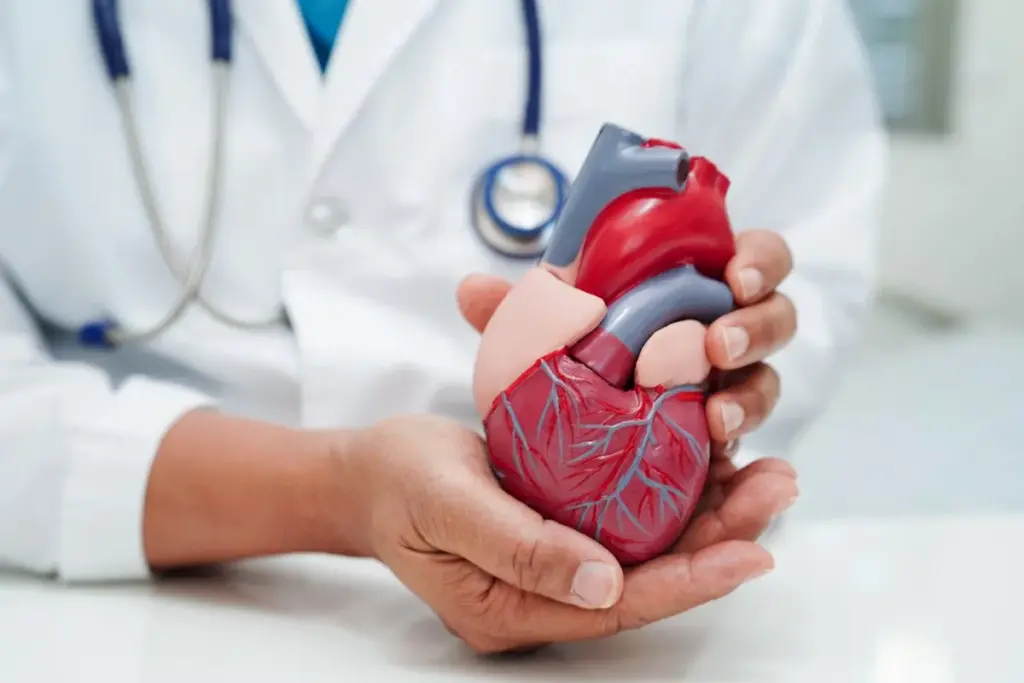
Cardiovascular disease is the top killer worldwide, causing about 19.9 million deaths in 2021. We aim to provide top-notch healthcare, supporting patients from around the globe. Recognize heart attack symptoms instantly. Learn vital warning signs and amazing ways to protect your heart for a brilliant, long life.
The three main heart issues are coronary heart disease (CHD), stroke, and heart failure. Knowing about these is key for early detection and treatment. Spotting signs of cardiovascular disease can be a lifesaver.
Coronary artery disease, a major component of cardiovascular disease, can lead to serious heart complications. We’ll give you a detailed look at these conditions, focusing on our caring and professional approach.
Key Takeaways
- Cardiovascular disease is the world’s leading cause of mortality.
- The three major heart-related conditions are coronary heart disease, stroke, and heart failure.
- Understanding these conditions is essential for prevention and effective care.
- Recognizing signs of cardiovascular disease can save lives.
- Coronary artery disease is a significant contributor to cardiovascular complications.
Understanding Cardiovascular Disease: A Global Health Crisis
Cardiovascular disease is a big problem worldwide. It affects the heart and has wide health impacts. We need strong plans to fight it.
The Scope of Heart-Related Mortality Worldwide
In 2021, heart disease caused about 19.9 million deaths globally. This shows it’s a major killer. We must spread the word and take steps to prevent it.
Cardiovascular Disease in the United States
In the U.S., heart disease is a big worry. About 1 in 20 adults over 20 have it. For more heart health facts, check out the website.
|
Condition |
Prevalence |
Mortality Rate |
|---|---|---|
|
Coronary Artery Disease |
1 in 20 adults over 20 |
Significant contributor to cardiovascular mortality |
|
Cardiovascular Disease |
Affects millions worldwide |
19.9 million deaths in 2021 |
It’s key to understand heart disease’s reach and effect. By seeing its big impact, we can make a difference. We can help lessen its harm on people everywhere.
The Three Major Heart-Related Conditions: An Overview
Cardiovascular disease includes several major conditions. These are coronary heart disease, stroke, and heart failure. We will dive into each to see how they affect public health.
Defining Coronary Heart Disease, Stroke, and Heart Failure
Coronary heart disease (CHD) happens when the heart’s blood supply gets blocked. This is due to a buildup of plaque in the arteries. Stroke occurs when the brain doesn’t get enough blood, either because of a blockage or a blood vessel rupture. Heart failure means the heart can’t pump enough blood for the body’s needs.
Knowing these definitions is key. It helps us spot symptoms early and get the right medical help.
Prevalence and Impact on Public Health
These conditions are widespread. Data shows that about 48.6% of U.S. adults had cardiovascular disease between 2017–2020. Coronary heart disease, stroke, and heart failure are top causes of death and disability globally.
The cost of these conditions is huge. It includes healthcare costs and lost work time. We need to grasp the scope of these issues. This way, we can offer better care and find ways to prevent and manage them.
The Cardiovascular System: How Your Heart Works
The cardiovascular system is a complex network that keeps us alive by moving blood around the body. It’s essential for our health and well-being.
The heart is at the heart of this system. It’s an amazing organ that pumps blood efficiently all our lives. To understand how it works, we need to look at the heart’s structure and function.
The Heart’s Structure and Function
The heart has four chambers: the right and left atria, and the right and left ventricles. The atria take in blood, while the ventricles send it out. The heart’s walls are made of muscle that contracts and relaxes to move blood.
The heart’s pumping action is key for delivering oxygen to our bodies. It beats about 100,000 times a day, pumping 2,000 gallons of blood. This efficiency is vital for life.
The Circulatory System and Blood Flow
The circulatory system, made up of arteries, veins, and capillaries, works with the heart. Arteries carry blood away from the heart, and veins bring it back. Capillaries help exchange oxygen, nutrients, and waste with tissues.
Efficient blood flow is essential for delivering nutrients and oxygen to cells. It also removes waste. The circulatory system’s health is vital, and problems can lead to heart disease.
Coronary Heart Disease: The Leading Cardiovascular Killer
Coronary heart disease is a big problem in the U.S., causing 39.5% of cardiovascular deaths in 2022. It happens when the arteries that supply blood to the heart get narrowed or blocked. This is due to a buildup of plaque, made of fat, cholesterol, and other substances.
What Happens During Coronary Heart Disease
When coronary heart disease strikes, the arteries that carry blood to the heart get blocked. This can cause chest pain or even heart attacks. The blockage is usually because of atherosclerosis, where plaque builds up in the arteries.
The disease starts with plaque buildup in the arteries. As it gets worse, it can lead to serious health problems, like heart failure. Knowing how CHD progresses is key to preventing and managing it.
Types of Coronary Artery Disease
There are different types of coronary artery disease, each with its own features. The most common is stable ischemic heart disease, where arteries are narrowed, reducing blood flow during stress. Other types include:
- Acute Coronary Syndrome: This includes heart attacks and unstable angina, where blood flow to the heart is suddenly blocked.
- Non-obstructive Coronary Artery Disease: This is when plaque is present in the arteries but doesn’t block them much.
- Coronary Artery Spasm: A temporary tightening of the artery wall muscles, causing chest pain.
For more heart disease stats, check out . Knowing the different types helps doctors diagnose and treat it right.
Heart Attack Symptoms: Recognizing the Warning Signs
Knowing the signs of a heart attack can save lives. Every year, 1.5 million heart attacks and strokes happen in the U.S. It’s important to know the warning signs.
Classic Heart Attack Symptoms
Heart attack symptoms often include chest pain or discomfort. This can feel like pressure, tightness, or a heavy weight. Other symptoms are:
- Shortness of breath or difficulty breathing
- Pain or discomfort in one or both arms, the back, neck, jaw, or stomach
- Feeling weak, light-headed, or faint
- Cold sweats or nausea
These symptoms can vary in intensity and may come and go. It’s important to act quickly if you or someone else is experiencing them.
Gender Differences in Heart Attack Presentation
Men and women both get chest pain during a heart attack. But women often have other symptoms like shortness of breath, nausea, and back or jaw pain. Women are also more likely to have symptoms not related to chest pain.
|
Symptom |
Men |
Women |
|---|---|---|
|
Chest Pain |
Common |
Common |
|
Shortness of Breath |
Less Common |
More Common |
|
Nausea and Vomiting |
Less Common |
More Common |
|
Back or Jaw Pain |
Less Common |
More Common |
It’s key for both men and women to know these differences. This way, they can recognize heart attack signs and get help fast.
Warning Signs of Heart Attack: Beyond the Obvious
Knowing the less obvious signs of a heart attack can save lives. Many people know about chest pain and shortness of breath. But, there are other signs that can show up days or weeks before a heart attack.
Early Warning Signs Days or Weeks Before
Studies show that some people get warning signs before a heart attack. These can be fatigue, dizziness, and discomfort in the chest, back, neck, jaw, or arms. The says it’s key to spot these signs early for timely help.
Subtle Symptoms Often Overlooked
Some heart attack symptoms are subtle and often missed. These can include nausea, vomiting, and feeling generally unwell. It’s important to know these signs, even if you’re at risk for heart disease.
By knowing these warning signs, we can take steps to protect our hearts. And seek medical help when needed.
Diagnosing and Treating Coronary Heart Disease
Diagnosing coronary heart disease is a detailed process. It involves looking at the patient’s history, doing a physical exam, and running tests. Finding the right diagnosis is key to choosing the best treatment.
Diagnostic Procedures for CHD
There are many tests used to diagnose coronary heart disease. Electrocardiograms (ECGs) and stress tests help check the heart’s function. Coronary angiography is used to see the arteries and find blockages.
Experts say early diagnosis is vital. It helps prevent serious problems and improves health outcomes.
“The use of advanced diagnostic tools has significantly enhanced our ability to detect and manage coronary heart disease effectively,”
Treatment Options and Management Strategies
Treatment for coronary heart disease includes lifestyle changes, medicines, and sometimes surgery. Lifestyle changesmight include eating better, exercising more, and quitting smoking. Doctors often prescribe statins and beta-blockers to manage symptoms and slow the disease.
In some cases, angioplasty or coronary artery bypass grafting (CABG) might be needed. These procedures help improve blood flow to the heart. Managing coronary heart disease well requires a plan that fits each patient’s needs and health.
Stroke: When Blood Flow to the Brain Is Interrupted
Stroke happens when blood flow to the brain stops. This can be due to a blockage or a blood vessel rupture. This damage can cause brain cells to die, leading to loss of brain function. Stroke is a major cause of illness and death worldwide, making up 17.6% of deaths from heart disease.
Ischemic vs. Hemorrhagic Stroke
There are two main types of stroke: ischemic and hemorrhagic. Ischemic stroke happens when a blood vessel to the brain gets blocked. It’s the most common type, making up about 87% of all strokes. Hemorrhagic stroke occurs when a weak blood vessel bursts and bleeds into the brain.
Knowing the difference between these two types is key. It helps doctors decide the best course of action quickly.
Transient Ischemic Attacks (TIAs): Mini-Strokes
A Transient Ischemic Attack (TIA), or “mini-stroke,” is a brief blockage of blood flow to the brain. Unlike a full stroke, TIA symptoms usually go away within 24 hours. But, TIAs are a warning sign of a possible future stroke and should not be ignored.
- TIAs have the same symptoms as strokes, like sudden weakness or numbness in the face, arm, or leg.
- It’s very important to see a doctor right away after a TIA to prevent a worse stroke.
- TIAs are a chance to take steps to prevent a future stroke.
Knowing the signs of stroke and TIAs is key. It helps get medical help fast. We stress the need for quick action when stroke symptoms appear. Timely treatment can greatly improve outcomes.
Recognizing Stroke Symptoms: Time is Brain
Knowing how to spot stroke symptoms fast is key. Quick action can save a lot of brain damage and lives.
It’s important to know the signs of a stroke. This lets us act quickly and get help.
The FAST Method for Stroke Identification
The FAST method is easy to use. It stands for Face, Arm, Speech, and Time.
- Face: Ask the person to smile. Does one side of their face droop?
- Arm: Ask the person to raise both arms. Does one arm drift downward?
- Speech: Ask the person to repeat a simple sentence. Is their speech slurred or difficult to understand?
- Time: Time is of the essence. If the person shows any of these symptoms, call for emergency services immediately.
Less Common Stroke Symptoms
While FAST covers main symptoms, there are others to watch for. These include:
|
Symptom |
Description |
|---|---|
|
Sudden confusion |
The person may have trouble understanding what’s happening around them. |
|
Severe headache |
A sudden, severe headache with no known cause can be a sign of a stroke. |
|
Dizziness or loss of balance |
The person may stumble or have trouble walking. |
Knowing these less common symptoms helps ensure timely medical care.
Stroke Diagnosis and Treatment Approaches
When a stroke happens, it’s key to act fast and accurately. Doctors use a mix of checks, scans, and tests to figure out the stroke’s type and how bad it is.
Emergency Interventions for Stroke
Quick action is vital to lessen brain harm and better outcomes. The main aim is to get blood flowing back to the brain quickly. For ischemic strokes, doctors might use clot-busting drugs like alteplase fast. Acting quickly can greatly boost survival chances and lessen long-term disability.
|
Treatment Approach |
Description |
Benefits |
|---|---|---|
|
Thrombolytic Therapy |
Administration of clot-busting medication |
Restores blood flow, reduces brain damage |
|
Mechanical Thrombectomy |
Surgical removal of the clot |
High success rate for large vessel occlusions |
Rehabilitation and Recovery After Stroke
Rehabilitation and recovery are key parts of stroke care. They help patients get back lost functions and adjust to any lasting changes. A team of healthcare experts works with the patient and their family to create a custom rehab plan. The aim is to boost independence and quality of life.
Rehab might include physical therapy for better movement and strength, occupational therapy for daily skills, and speech therapy for communication issues. The rehab journey is long and needs patience. But, with the right support, many patients see big improvements.
Heart Failure: When the Heart Cannot Pump Efficiently
The heart’s failure to pump blood well is heart failure. It’s a serious health issue. Heart failure is linked to 9.3% of heart-related deaths. This shows how serious it is and why we need to understand and manage it well.
Systolic vs. Diastolic Heart Failure
Heart failure is mainly divided into systolic and diastolic types. Systolic heart failure is when the heart can’t contract and pump blood well. Diastolic heart failure is when the heart can’t relax and fill with blood.
Knowing the difference is key for the right treatment. Systolic heart failure often has a low ejection fraction (EF). This measures how much blood the heart pumps out. Diastolic heart failure, or HFpEF, is harder to diagnose because the EF looks normal or almost normal.
Stages of Heart Failure Progression
Heart failure goes through different stages, from risk to advanced disease. The American Heart Association and the American College of Cardiology have outlined four stages: A, B, C, and D.
|
Stage |
Description |
|---|---|
|
A |
High risk of heart failure without structural heart disease |
|
B |
Structural heart disease without symptoms of heart failure |
|
C |
Structural heart disease with prior or current symptoms of heart failure |
|
D |
Advanced structural heart disease with marked symptoms of heart failure at rest |
Knowing these stages is important for early treatment and management. This can help slow the disease’s progress.
Heart failure is a complex issue that needs a detailed management plan. By understanding its types and stages, doctors can give better treatments. This helps improve patient outcomes.
Heart Failure Symptoms and Warning Signs
Heart failure symptoms can be hard to spot, but catching them early is key. We’ll cover the main symptoms of heart failure. This includes signs that show up early and those that are more common in congestive heart failure.
Early Symptoms of Heart Failure
In the early stages, symptoms might be mild. You might feel tired, have trouble breathing when doing simple tasks, or notice swelling in your legs, ankles, and feet. These happen because your heart isn’t pumping enough blood.
Early detection of these signs can help slow the disease’s progress. It’s important to catch them early.
Congestive Heart Failure Symptoms
Congestive heart failure (CHF) happens when fluid builds up around the heart. This makes it pump less efficiently. Symptoms include a persistent cough or wheezing, quick weight gain, and a faster heart rate.
In serious cases, you might have trouble breathing when lying down, known as orthopnea. Or, you might wake up with shortness of breath, called paroxysmal nocturnal dyspnea. Spotting these signs is vital for getting the right medical help.
Knowing the symptoms of heart failure helps manage the condition better. It can also improve your life quality. If you or someone you know is showing these signs, seeing a healthcare provider is a must.
Risk Factors for Cardiovascular Disease
Many things can affect your chance of getting cardiovascular disease. These include your genes, lifestyle, and environment. Knowing what these factors are is key to preventing and managing the disease.
Modifiable Risk Factors
Modifiable risk factors are things you can change. High blood pressure is the biggest risk factor worldwide, says health groups. Other important ones are high cholesterol, diabetes, smoking, being overweight, not being active, and eating poorly.
By changing these, you can lower your risk of heart disease a lot.
|
Modifiable Risk Factor |
Intervention Strategies |
|---|---|
|
High Blood Pressure |
Medication, lifestyle changes (diet, exercise) |
|
High Cholesterol |
Dietary changes, statins, other cholesterol-lowering medications |
|
Smoking |
Smoking cessation programs, nicotine replacement therapy |
Non-Modifiable Risk Factors
Non-modifiable risk factors are things you can’t change. These include your age, gender, family heart disease history, and genes. As you get older, your risk goes up. Men are usually at higher risk than women before menopause, but women’s risk increases after.
Having a family history of heart disease also raises your risk. Knowing these factors helps in making prevention plans for those at higher risk.
For more detailed statistics and research on cardiovascular disease, visit the Statistics. This resource gives a lot of data on heart disease in the U.S.
The Role of High Blood Pressure in Heart-Related Conditions
It’s important to understand how high blood pressure affects the heart. High blood pressure, or hypertension, is a major cause of heart disease. We’ll look at how it damages the heart and discuss ways to manage it.
How Hypertension Damages the Cardiovascular System
Hypertension puts too much pressure on blood vessel walls, causing damage. This can lead to narrowed and hardened arteries, known as atherosclerosis. As a result, the heart has to work harder to pump blood, which can lead to heart failure. High blood pressure can also cause blood vessels in the brain to burst, leading to a hemorrhagic stroke.
- Damage to blood vessels, increasing the risk of aneurysms
- Left ventricular hypertrophy, a condition where the heart muscle thickens
- Increased risk of kidney disease due to strain on renal blood vessels
Blood Pressure Management Strategies
Managing high blood pressure involves lifestyle changes and, if needed, medication. Regular monitoring of blood pressure is key for early detection and action. A balanced diet, low in sodium and rich in fruits, vegetables, and whole grains, is recommended. Regular physical activity is also important.
- Adopting a healthy diet, such as the DASH diet
- Engaging in regular aerobic exercise, such as walking or cycling
- Limiting alcohol consumption and quitting smoking
By controlling hypertension, we can greatly reduce the risk of heart-related conditions. This improves overall heart health.
Heart Attack Prevention Strategies
Preventing heart attacks needs a mix of medical care and lifestyle changes. By using these strategies, we can lower heart attack risks and boost heart health.
Medical Interventions for Prevention
Medical steps are key in stopping heart attacks. These include:
- Medications: Like antiplatelet agents, beta-blockers, and statins to control cholesterol and blood pressure.
- Procedures: Such as angioplasty and stenting to clear blocked arteries, and CABG for serious cases.
Doctors suggest these treatments based on your risk level. They look at your family history, heart health, and other health issues.
Lifestyle Modifications for Heart Health
Changing your lifestyle is also vital in preventing heart attacks. Important changes include:
- Adopting a healthy diet: Eat more fruits, veggies, whole grains, and lean proteins.
- Regular physical activity: Try to do at least 150 minutes of moderate exercise weekly.
- Smoking cessation: Quitting smoking greatly lowers heart disease risk.
- Limiting alcohol consumption: Drink in moderation, as too much can raise blood pressure and heart disease risk.
By mixing these lifestyle changes with medical care when needed, we can lower heart attack risks and keep our hearts healthy for the long term.
Conclusion: Taking Control of Your Heart Health
Heart-related conditions are a big worry worldwide, affecting millions. It’s important to know about the risks, symptoms, and treatments for heart disease, stroke, and heart failure. This knowledge helps keep your heart healthy.
To take care of your heart, start with healthy habits. Eat well, exercise regularly, and manage stress. Also, know your risk factors and work with your doctor to handle them. Making smart lifestyle choices can lower your risk of heart problems.
Being proactive about your heart health can boost your overall well-being. It also cuts down the risk of heart disease. We urge you to take control of your heart health today. Make the changes needed to protect your heart for the future.
FAQ
What are the three major heart-related conditions?
The three major heart-related conditions are coronary heart disease, stroke, and heart failure. These conditions are significant causes of morbidity and mortality worldwide.
What is coronary heart disease and how does it affect the body?
Coronary heart disease happens when the coronary arteries get narrowed or blocked. This is due to atherosclerosis. It can cause a heart attack, damaging the heart muscle.
What are the symptoms of a heart attack?
Symptoms of a heart attack include chest pain or discomfort, shortness of breath, and nausea. Dizziness and fatigue are also common. Women might feel pain in the arm, back, or jaw.
What are the warning signs of a heart attack that may occur days or weeks before the event?
Some people may feel warning signs before a heart attack. These include recurring chest pain or discomfort, shortness of breath, or fatigue. These symptoms can be subtle and often go unnoticed.
What is a stroke and what are its types?
A stroke happens when the brain’s blood supply is interrupted. This can be due to a blockage (ischemic stroke) or a rupture (hemorrhagic stroke) of blood vessels. Transient ischemic attacks (TIAs) are mini-strokes that can lead to a full-blown stroke.
How can I identify stroke symptoms using the FAST method?
The FAST method helps identify stroke symptoms. Look for Facial drooping, Arm weakness, Speech difficulties, and Time to call for emergency services. If you see these signs, act fast and get medical help.
What are the risk factors for cardiovascular disease?
Risk factors for cardiovascular disease include high blood pressure, high cholesterol, smoking, diabetes, and obesity. Age, family history, and genetic predisposition are non-modifiable risk factors.
How can high blood pressure damage the cardiovascular system?
High blood pressure can harm the blood vessels, heart, and kidneys. It increases the risk of cardiovascular disease, heart failure, and stroke. Managing blood pressure is key to preventing these issues.
What are the symptoms of heart failure?
Heart failure symptoms include shortness of breath, fatigue, and swelling in the legs and feet. Rapid weight gain is also a sign. Congestive heart failure can cause fluid buildup in the lungs, leading to coughing and wheezing.
How can I prevent heart attacks and cardiovascular disease?
Preventing heart attacks and cardiovascular disease involves managing risk factors like high blood pressure and high cholesterol. Lifestyle changes, such as a healthy diet and regular exercise, are also important.
What are the treatment options for coronary heart disease?
Treatment for coronary heart disease includes medications and angioplasty. Lifestyle changes like diet and exercise are also important. The goal is to manage symptoms and prevent complications.
What is the importance of timely medical attention for stroke and heart attack?
Timely medical attention is critical for stroke and heart attack. Quick treatment can minimize damage and improve outcomes. Delaying help can lead to severe consequences, including disability and death.
References
https://www.baptisthealth.com/blog/heart-care/9-signs-of-an-unhealthy-heart