Advanced heart treatments have changed how we care for the heart, saving thousands of lives. For those with narrowed or blocked arteries, knowing about minimally invasive procedures can be very helpful.
AtLiv Hospital, we focus on building trust with our patients. We follow international care standards. Our cardiac team works hard to support and guide you through treatment. We use heart balloon procedure and other new methods to help blood flow and improve your health.
Key Takeaways
- Minimally invasive procedures are used to treat coronary artery disease.
- Stent placement is a common technique used to restore blood flow.
- Liv Hospital prioritizes patient trust and internationally recognized care standards.
- Advanced heart treatments have improved cardiovascular care.
- Comprehensive support and guidance are provided throughout the treatment process.
Understanding Coronary Artery Disease and Its Treatment

It’s key to know about coronary artery disease for good heart health. This disease harms the main blood vessels that feed the heart. It’s caused by a buildup of plaque, made of fat, cholesterol, and more, inside these arteries.
How Plaque Buildup Affects Heart Health
Plaque buildup, or atherosclerosis, can cause big problems. It can:
- Restrict Blood Flow: Narrowing the arteries and reducing blood flow to the heart muscle.
- Causes Angina: Leading to chest pain or discomfort due to insufficient oxygen supply.
- Increased Risk of Heart Attack: If a plaque ruptures, it can form a blood clot that blocks the artery completely, leading to a heart attack.
Without treatment, coronary artery disease can lead to heart attacks and strokes. It does this by cutting off blood to important organs. So, knowing the treatment options is very important.
The Spectrum of Treatment Options
Treating coronary artery disease needs a few steps:
- Lifestyle Modifications: Changes in diet, exercise, and quitting smoking to lower risk.
- Medications: To manage symptoms, slow the disease, and prevent problems.
- Surgical Interventions: Procedures like balloon angioplasty and stenting to open up blocked arteries.
We’ll look at these treatments in more detail. We’ll see how they help fight the disease and keep the heart healthy. Knowing about these options helps people make better choices for their health.
Key Fact 1: What Is a Heart Balloon Procedure?
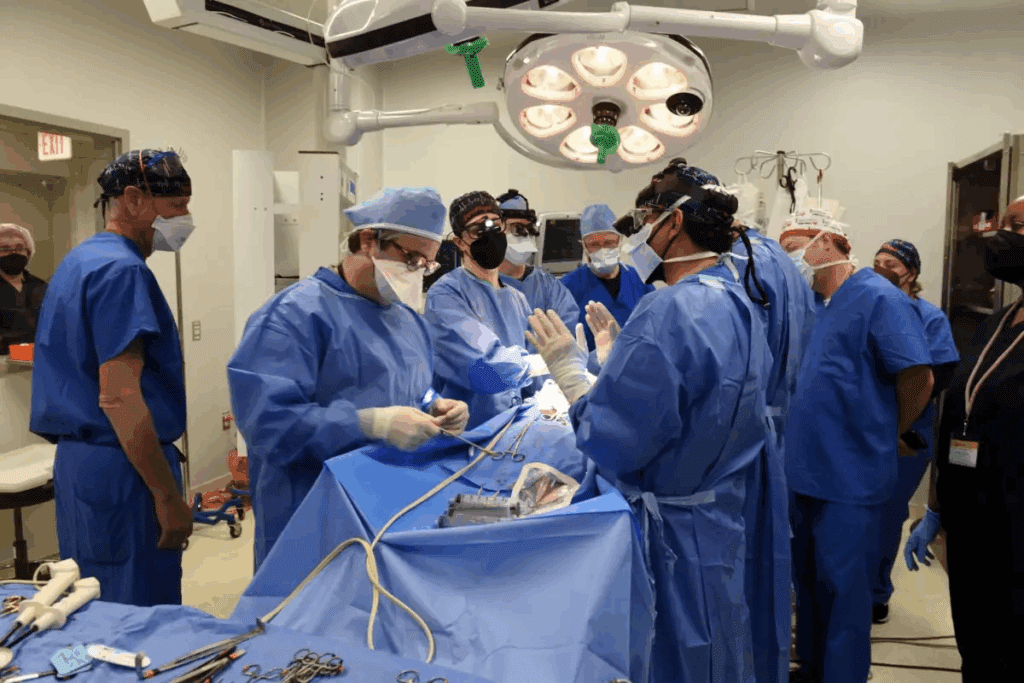
A heart balloon procedure, also known as balloon angioplasty, is a minimally invasive treatment. It’s used to widen blocked or narrowed coronary arteries. This helps restore blood flow to the heart, easing symptoms of coronary artery disease.
Coronary artery disease happens when plaque builds up in the arteries. This can cause chest pain, shortness of breath, and other symptoms. The heart balloon procedure uses a balloon to widen the artery, compressing the plaque.
The Science Behind Balloon Angioplasty
Balloon angioplasty involves inserting a catheter with a deflated balloon into the blocked artery. This is done through the groin or wrist. Once in place, the balloon is inflated, compressing the plaque and widening the artery.
This procedure changes the blocked artery’s structure. Compressing the plaqueproves the artery’s diameter. This enhances blood flow to the heart. Often, a stent is placed to keep the artery open.
How Balloon Procedures Restore Blood Flow
The main goal of a heart balloon procedure is to restore blood flow to the heart muscle. By widening the artery, the heart gets the oxygen and nutrients it needs.
Restoring blood flow reduces symptoms like chest pain and shortness of breath. It also improves patients’ quality of life. Sometimes, a stent is placed to keep the artery open.
| Benefits of Heart Balloon Procedure | Description |
| Restores Blood Flow | Widening blocked arteries improves blood flow to the heart. |
| Reduces Symptoms | Alleviates chest pain and shortness of breath associated with coronary artery disease. |
| Minimally Invasive | Avoids the need for open-heart surgery, reducing recovery time. |
“The use of balloon angioplasty has revolutionized the treatment of coronary artery disease, providing a less invasive option compared to traditional surgery.”
—
In conclusion, the heart balloon procedure is a key treatment for coronary artery disease. Understanding the science and benefits helps patients make informed decisions about their care.
Key Fact 2: The Step-by-Step Process of Heart Balloon Procedures
Getting a heart balloon procedure involves careful preparation and skilled work. We’ll guide you through the whole process. This includes everything from the start to the actual procedure. It will help you know what to expect.
Pre-Procedure Preparation
Before a heart balloon procedure, several steps are taken to keep you safe and ensure success. You’ll have tests like ECG, blood work, and imaging to check your heart. “These tests are key to figuring out the best way for the procedure,” says a top cardiologist.
We also give you blood-thinning meds to stop clots during the procedure. You might need to fast for 6–8 hours before. This helps lower risks.
Catheter Insertion and Navigation
First, we insert a thin, flexible tube called a catheter into an artery in your groin or arm. We use X-ray imaging to guide the catheter to the blocked artery. This step needs a lot of care to make sure the catheter goes to the right spot. Advanced imaging lets us see the catheter’s path as we go.
Balloon Inflation and Plaque Compression
With the catheter in place, we use a balloon angioplasty catheter to reach the narrowed part of the artery. Then, we inflate the balloon to push the plaque against the artery walls. This opens up the artery and improves blood flow to the heart. The balloon is inflated for a few seconds to a minute.
After the balloon is deflated and removed, the artery stays wider. This helps blood flow better to the heart. The American Heart Association says, “Balloon angioplasty is a very effective way to treat blocked arteries.”
Knowing the steps of a heart balloon procedure helps patients prepare better. It shows the care and precision in each step.
Key Fact 3: Heart Stents and Their Role in Angioplasty
Heart stents have changed how we treat coronary artery disease. They are small, wire mesh tubes used during angioplasty. They keep arteries open and improve blood flow to the heart.
To understand stents, we need to look at the different types and how they are used during angioplasty.
Types of Cardiac Stents Available
There are many types of cardiac stents, each for different needs. The main types are:
- Bare-metal stents: These are the first stents made from metal mesh. They are not used as much now because of a higher risk of the artery narrowing again.
- Drug-eluting stents: These stents have medicine that helps prevent the artery from narrowing again. They are the most popular because they work well at reducing narrowing.
- Bioresorbable vascular scaffolds: These are newer stents that dissolve over time. They might reduce long-term problems.
| Stent Type | Description | Advantages |
| Bare-metal | Made from metal mesh | Less expensive, simpler design |
| Drug-eluting | Coated with medication to prevent re-narrowing | Reduces risk of restenosis, widely used |
| Bioresorbable | Gradually dissolves over time | Potential for fewer long-term complications |
The Stent Deployment Process
Putting a stent in during angioplasty is a precise step. First, the balloon opens the blocked artery. Then, the stent is placed and expanded by the balloon. This keeps the artery open and prevents it from narrowing again.
Stents with balloon angioplasty have greatly improved treatment for coronary artery disease. They offer a reliable and less invasive option for patients.
Key Fact 4: When Doctors Recommend Balloon Angioplasty with Stenting
Balloon angioplasty with stenting is a lifesaving procedure. Doctors recommend it in many situations. It’s key for getting blood to the heart when arteries are blocked.
Emergency Treatment Following Heart Attacks
Heart attacks need quick action. Balloon angioplasty with stenting is often the go-to. It quickly opens blocked arteries to save the heart muscle.
This emergency treatment offers many benefits:
- Less heart damage
- Better survival chances
- Faster recovery
Treating Stable Angina When Medications Fail
For those with stable angina not helped by meds, balloon angioplasty with stenting is an option. This condition causes chest pain due to heart disease.
The procedure helps in several ways:
- It boosts blood flow to the heart
- Lessens angina episodes
- Improves life quality
Diagnostic Applications of Balloon Procedures
Balloon angioplasty is not just for treatment. It’s also used for diagnosis. It helps see how severe coronary artery disease is andndfinds hidden blockages.
Diagnostic benefits include:
- Clears up artery blockage details
- Guides treatment plans
- Offers deep insights into the patient’s health
Key Fact 5: Recovery and Aftercare Following Balloon Angioplasty
Knowing how to recover after balloon angioplasty is key. The process includes hospital care, medication, and lifestyle changes. These steps help ensure long-term success.
Hospital Stay and Immediate Recovery
Patients are watched closely in a recovery room for hours after the procedure. The stay is usually just one night, depending on the case.
Medical staff keep an eye on vital signs and watch for bleeding or other issues. Patients are told to rest and avoid hard activities for a few days to heal.
Medication Regimen After Stent Placement
Patients get blood-thinning meds after stent placement to prevent clots. Taking these meds as directed is vital to avoid serious problems.
The usual meds are:
- Aspirin
- P2Y12 inhibitors (e.g., clopidogrel, ticagrelor)
Following the doctor’s advice on these meds is key to keeping the stent open and working right.
Lifestyle Modifications for Long-Term Success
Changing your lifestyle is important for long-term success after angioplasty and stenting. These changes help prevent plaque buildup and heart problems.
| Lifestyle Change | Benefit |
| Dietary adjustments (low-fat, low-sodium diet) | Reduces risk of plaque buildup |
| Regular exercise | Improves cardiovascular health |
| Smoking cessation | Significantly reduces cardiovascular risk |
| Stress management | Lowers blood pressure and heart rate |
By making these lifestyle changes, patients can greatly improve their heart health. This reduces the need for more treatments.
Key Fact 6: Potential Risks and Complications
Heart balloon procedures come with some risks and complications. These procedures are usually safe and work well. But knowing the risks helps patients make better choices about their health.
Procedure-Related Complications
Right after the procedure, patients might face bleeding, blood clots, or damage to blood vessels. Rarely, it could lead to a heart attack or stroke. To keep these risks low, doctors watch patients closely before and after the procedure.
One big risk is when an artery suddenly closes. This can happen because of a blood clot or the artery wall shrinking back. Doctors use medicines to prevent this and might put in a stent to keep the artery open.
Long-Term Considerations and Restenosis Risk
Looking ahead, there’s a chance of restenosis, or the arteries getting narrow again. This can happen after angioplasty, with or without a stent. The risk depends on the stent type and the patient’s health, like diabetes.
Drug-eluting stents help lower restenosis risk by releasing medicine that stops tissue growth. But the risk isn’t gone, and patients need follow-up checks and tests for signs of restenosis.
In summary, heart balloon procedures and stent placement are key treatments for heart disease. But,they come with risks and complications. By knowing these risks and working with doctors, patients can lower these risks and get the best results.
Key Fact 7: Innovations in Balloon and Stent Technology
We are entering a new era in treating heart disease. This is thanks to new balloon and stent technologies. These advancements are making treatments safer and more effective for patients.
Drug-Eluting Stents and Their Advantages
Drug-eluting stents (DES) have changed how we treat heart disease. They release medicine that stops scar tissue from forming. This cuts down on restenosis risk, making treatments better for patients.
The newest DES have better coatings and designs. This makes them safer and more effective. For example, stents with bioabsorbable polymers or polymer-free designs are more biocompatible and have fewer complications.
Bioresorbable Vascular Scaffolds
Bioresorbable vascular scaffolds (BVS) are another big step forward. They support the artery during healing and then dissolve. This could reduce long-term problems with metal stents.
- They might lower the risk of late stent thrombosis.
- They could help restore normal blood flow and vessel function.
- They might make future treatments easier without a permanent stent.
Drug-Coated Balloons for Specific Applications
Drug-coated balloons (DCB) are an alternative or addition to stents in some cases. These balloons release medicine into the artery wall, reducing restenosis risk.
DCBs are great for treating in-stent restenosis or when stenting isn’t possible. They give interventional cardiologists more options for treating patients.
As we see more progress in balloon and stent technology, patient care will keep getting better. These new tools will be used more in treatments, thanks to ongoing research and trials.
Balloon Angioplasty vs. Other Cardiac Interventions
It’s important to know the differences between balloon angioplasty and other heart treatments. This knowledge helps both patients and doctors. We need to look at the good and bad sides of each treatment for heart disease.
Comparing Angioplasty with Bypass Surgery
Balloon angioplasty and coronary artery bypass grafting (CABG), or bypass surgery, are two ways to treat heart disease. They both aim to improve blood flow to the heart. But they work in different ways.
Balloon angioplasty is a less invasive method. It uses a balloon to push aside plaque in the artery. A stent is then placed to keep the artery open.
Bypass surgery, on the other hand, is more invasive. It involves grafting a vessel around the blocked area. This surgery is done under open-heart conditions.
When Each Procedure Is Most Appropriate
Choosing between balloon angioplasty and bypass surgery depends on several factors. These include the disease’s severity, the patient’s health, and their medical history.
- Balloon angioplasty is usually for those with simpler heart disease, like a single blockage.
- Bypass surgery is for more complex cases, with multiple blockages or critical areas affected.
The right choice between these treatments should be made with a doctor’s advice. It’s based on the patient’s specific needs and situation.
Success Rates and Long-Term Outcomes of Heart Balloon Procedures
Heart balloon procedures, or angioplasty, are key in treating coronary artery disease. Most people only spend a short time in the hospital after getting a stent. Many start feeling better right away.
“The immediate relief and the long-term benefits make heart balloon procedures an attractive option for many patients,” says a leading cardiologist. We will look at the success rates and what affects their long-term results.
Statistical Success Rates by Condition Type
The success rates of heart balloon procedures vary by condition. For acute coronary syndrome, the success rate is over 90%. Stable angina procedures have slightly lower success rates but are very effective.
A study found that angioplasty’s success rate for complex coronary lesions is about 85%. This shows the need to tailor treatments to each patient’s condition.
Factors That Influence Long-Term Results
Many factors affect the long-term success of heart balloon procedures. These include the patient’s health, following medication, lifestyle changes, and any other health issues. For example, quitting smoking and eating healthy can lead to better outcomes.
Key factors influencing long-term results include:
- Patient compliance with post-procedure medication
- Lifestyle changes such as diet and exercise
- Management of comorbid conditions like diabetes and hypertension
- Regular follow-up with healthcare providers
Understanding and addressing these factors can greatly improve the long-term success of heart balloon procedures.
Conclusion: The Evolving Landscape of Cardiac Intervention
Looking back at heart balloon procedures and stent placement, we see a big change. Stents have been a game-changer, keeping arteries open and blood flowing to the heart.
Cardiac intervention is always getting better, thanks to new tech and methods. Things like drug-eluting stents and bioresorbable scaffolds are making treatments more effective.
We’re moving towards less invasive treatments that help patients recover faster. As we keep improving, we’ll see even better ways to fight heart disease. This will make heart health better and save more lives.
FAQ
What is a heart balloon procedure?
A heart balloon procedure, also known as balloon angioplasty, is a treatment for narrowed arteries. It uses a balloon catheter to widen the artery. This helps restore blood flow to the heart.
How does a heart stent work?
A heart stent is a small, mesh-like device. It is placed in the artery to keep it open after the procedure. This prevents the artery from narrowing again.
What is the difference between balloon angioplasty and stenting?
Balloon angioplasty uses a balloon catheter to widen a narrowed artery. Stenting involves placing a stent to keep the artery open. We often do both together to ensure the artery stays open.
What are the benefits of drug-eluting stents?
Drug-eluting stents release medication to prevent new tissue growth. This reduces the risk of the artery narrowing again. They help improve long-term outcomes and reduce the need for repeat procedures.
How long does it take to recover from a heart balloon procedure?
The recovery time for a heart balloon procedure is usually short. Most patients are discharged from the hospital within a day. We advise patients to rest and avoid strenuous activities for a few days.
What are the possible risks and complications of heart balloon procedures?
Heart balloon procedures carry risks like bleeding, infection, and artery damage. We take steps to minimize these risks. We ensure patients receive proper care.
Can I undergo balloon angioplasty if I have stable angina?
Yes, balloon angioplasty with stenting is an option for stable angina patients who don’t respond to medication. We evaluate each patient’s condition to determine the best treatment.
How do I prepare for a heart balloon procedure?
To prepare, follow a specific medication regimen and fast for a certain period. Also, arrange for someone to drive you home after the procedure.
What lifestyle modifications are necessary after a heart balloon procedure?
After the procedure, adopt a healthy lifestyle. This includes a balanced diet, regular exercise, and stress management. It ensures long-term success and heart health.
How do advancements in balloon and stent technology improve patient outcomes?
Advances in technology, like drug-eluting stents, have improved outcomes. They reduce complications and enhance the procedure’s success.
What is the success rate of heart balloon procedures?
The success rate of heart balloon procedures is high. Most patients see improved symptoms and quality of life. Success depends on individual patient factors and condition type.
Can balloon angioplasty be used in emergencies, such as during a heart attack?
Yes, balloon angioplasty with stenting is used in emergencies like heart attacks. It restores blood flow to the heart. We prioritize timely intervention to minimize damage and improve outcomes.
How does balloon angioplasty compare to bypass surgery?
Balloon angioplasty is less invasive than bypass surgery, with a shorter recovery time. We consider patient factors and condition severity when choosing between these options.
References
National Heart, Lung, and Blood Institute. (2022, March 24). Angioplasty and stent placement for the heart. National Institutes of Health.https://www.nhlbi.nih.gov/health/angioplasty