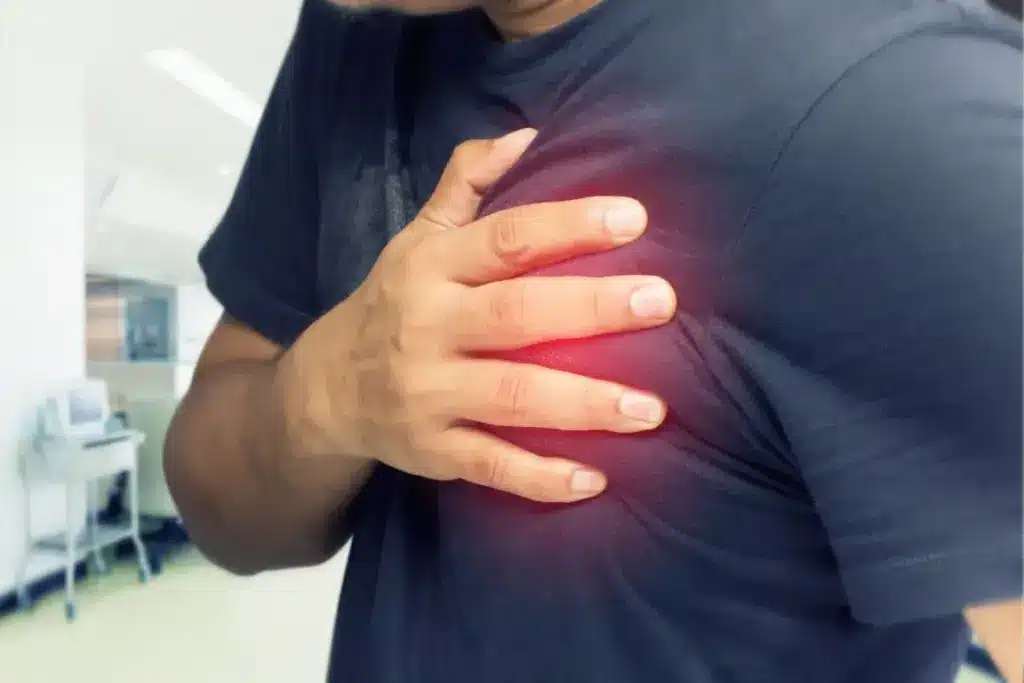
Nearly 6.2 million adults in the United States live with heart failure. This is when the heart doesn’t pump blood as well as it should. Heart failure can cause many symptoms, including pain and discomfort. It’s important to understand how heart failure and pain are connected to manage the condition well heart failure pain symptoms.
Knowing the painful symptoms of heart failure helps people get medical help quickly. This can greatly improve their life quality.
Key Takeaways
- Heart failure can cause various types of pain and discomfort.
- Understanding the painful symptoms is key to managing the condition.
- Spotting these symptoms early can greatly improve life quality.
- Heart failure affects nearly 6.2 million adults in the U.S.
- Getting medical help quickly is vital for managing symptoms.
Understanding Heart Failure: A Brief Overview

Heart failure happens when the heart can’t pump enough blood. This makes daily life hard. Knowing about heart failure helps manage symptoms and improve life.
What Happens During Heart Failure
Heart failure means the heart can’t pump blood well. This leads to tiredness, swollen legs, and breathing problems. The heart might get bigger or stiffer, making it pump even worse.
Key changes in the heart during heart failure include:
- The heart muscle may become weakened or stiff.
- The heart chambers may become enlarged.
- The heart’s electrical system can be affected.
Types of Heart Failure
Heart failure is divided by the heart side affected and the type of problem.
|
Type of Heart Failure |
Description |
|---|---|
|
Left-sided heart failure |
The left ventricle can’t pump blood well to the body. |
|
Right-sided heart failure |
The right ventricle can’t pump blood well to the lungs. |
|
Systolic heart failure |
The heart muscle is too weak to pump enough blood. |
|
Diastolic heart failure |
The heart muscle becomes stiff, making it hard to fill with blood. |
Prevalence and Risk Factors
Heart failure is a big health problem worldwide, affecting millions. Many things can raise the risk of heart failure, such as:
- High blood pressure
- Diabetes
- Obesity
- Coronary artery disease
- Heart valve disease
Knowing these risk factors is key for prevention and early action.
Heart Failure Pain Symptoms: The Complete Picture

Heart failure often brings pain symptoms that can be very hard to handle. These symptoms can differ a lot from person to person. It’s key to know what they are and what they mean.
Common Pain Manifestations
Heart failure can cause different kinds of pain. This includes chest pain, back pain, and discomfort in the belly. The type and how bad the pain is can tell us a lot about what’s going on.
- Chest pain is a common symptom, often described as tightness or pressure.
- Back pain can occur due to fluid buildup or other related factors.
- Abdominal discomfort may result from fluid accumulation or congestion.
A study found that heart failure pain can really affect a person’s life. It’s very important to manage these symptoms well to help patients get better.
“Pain is a significant symptom in heart failure patients, impacting their daily lives and overall well-being.”
A Cardiologist
Pain vs. Discomfort: Understanding the Difference
It’s important to know the difference between pain and discomfort in heart failure patients. Pain is a sharp, sudden feeling. Discomfort is more of a dull, unpleasant feeling.
|
Symptom |
Pain |
Discomfort |
|---|---|---|
|
Nature |
Acute, sharp |
Dull, unpleasant |
|
Intensity |
Variable, can be severe |
Mild to moderate |
|
Impact |
Can be debilitating |
Affects quality of life |
When Pain Indicates a Medical Emergency
Some pain in heart failure patients can mean a serious medical issue. It’s very important to know these signs to get help fast.
Emergency Warning Signs:
- Sudden, severe chest pain
- Severe difficulty breathing
- Sharp pain radiating to the arm or jaw
Spotting these symptoms early can save lives. It’s important for patients and their caregivers to know when to get help right away.
Chest Pain in Heart Failure
It’s important to know how chest pain in heart failure is different from other heart problems. Chest pain is a key symptom in heart failure. It’s vital to understand what it means.
Characteristics of Heart Failure Chest Pain
Chest pain from heart failure feels like pressure or tightness, not sharp pain. This discomfort can stay or come and go. It often gets worse with activity or deep breathing.
Key characteristics of heart failure chest pain include:
- Feeling of pressure or squeezing in the chest
- Discomfort that radiates to the arms, back, neck, jaw, or stomach
- Pain or discomfort that worsens with exertion or stress
- Relief or improvement with rest or medication
Differentiating from Heart Attack Pain
Telling heart failure chest pain from a heart attack is key. Both have chest discomfort, but the reasons and urgency are different. Heart attack pain is usually more intense. It may also come with cold sweats, nausea, or feeling dizzy.
|
Characteristics |
Heart Failure Chest Pain |
Heart Attack Pain |
|---|---|---|
|
Intensity |
Variable, often mild to moderate |
Typically severe |
|
Triggers |
Worsens with exertion or stress |
Can occur at rest |
|
Associated Symptoms |
Shortness of breath, fatigue |
Cold sweats, nausea, lightheadedness |
When Chest Discomfort Warrants Immediate Attention
Seek immediate medical help if chest discomfort is severe, lasts a long time, or comes with other scary symptoms. Knowing when to act fast can save lives.
If you experience any of the following, seek emergency help:
- Chest pain or discomfort that is severe or worsening
- Shortness of breath at rest or with minimal exertion
- Confusion, dizziness, or fainting
- Rapid or irregular heartbeat
Understanding and acting on chest pain in heart failure is key to managing the condition well and avoiding serious problems.
Beyond the Chest: Other Pain Locations in Heart Failure
Pain from heart failure isn’t just in the chest. It can happen in many places. Knowing all the pain spots is key for good care.
Back Pain and Heart Failure
Back pain is common in heart failure patients. It’s linked to fluid buildup and medication side effects. Sometimes, it’s because the heart can’t pump blood well, causing congestion in other areas.
Abdominal Pain and Discomfort
Heart failure patients often feel pain in their abdomen. This pain comes from fluid in the abdomen, called ascites. It can get worse when eating or lying down, hurting their daily life.
Leg and Joint Pain: Connections to Heart Failure
Leg and joint pain are also linked to heart failure. Fluid retention and poor circulation cause swelling and pain in the legs. Some may also have joint pain from medication side effects or arthritis.
It’s important to know about all the pain spots in heart failure. This helps patients and doctors manage symptoms better. It improves their health and well-being.
Pain Characteristics in Congestive Heart Failure
Understanding the pain of congestive heart failure is key to better care and outcomes. CHF is when the heart doesn’t pump blood well, causing pain and other issues.
Intensity and Duration Patterns
Pain in CHF can be different for everyone. Some feel mild pain now and then, while others have constant, severe pain. A study in the Journal of Cardiac Failure found that pain’s severity can affect how much a person can do and their quality of life.
“Pain in heart failure is complex, influenced by many factors,” experts say. This includes the heart failure’s cause, other health issues, and how each person feels pain.
Triggers and Aggravating Factors
Many things can make pain worse in CHF patients. Doing too much physical activity is a big one, as it puts more strain on the heart. Stress, what you eat, and weather changes can also trigger pain.
- Physical exertion
- Stress
- Dietary factors
- Weather changes
Relief Factors and Positioning
Finding ways to ease CHF pain is important for a better life. Sitting up or elevating your legs can help by reducing blood flow to the heart. Medication and other treatments can also offer relief.
Managing pain in CHF requires a mix of lifestyle changes, medicine, and treatments that fit each person’s needs.
Non-Painful Symptoms of Heart Failure
Heart failure symptoms go beyond just pain. They affect patients’ lives in many ways. While pain is a big issue, other symptoms can be just as tough, making daily life hard.
Shortness of Breath and Breathing Difficulties
Shortness of breath, or dyspnea, is a key symptom of heart failure. It can happen when you’re active or even when you’re resting. People might feel like they can’t breathe or get winded without doing anything strenuous.
Breathing difficulties can get worse when you lie down, known as orthopnea. Or, they can happen at night, called paroxysmal nocturnal dyspnea.
Fatigue and Weakness
Fatigue and weakness are common in heart failure patients. The heart can’t pump blood well, leading to less oxygen for muscles and organs. This makes people feel tired and weak, making it hard to do daily tasks or exercise.
Edema and Fluid Retention
Edema, or swelling, is a symptom of heart failure, often in the legs, ankles, and feet. It happens because the heart can’t pump well, causing fluid to build up. It’s important to watch for swelling and keep an eye on weight to manage heart failure.
Cognitive Changes and Sleep Disturbances
Heart failure can cause cognitive changes, like trouble concentrating and memory issues. Sleep disturbances are also common, due to breathing problems at night or other heart failure discomforts. These symptoms can make fatigue worse and affect quality of life.
It’s key to understand these non-painful symptoms to manage heart failure well. Recognizing and treating these symptoms helps healthcare providers give better care. This improves patients’ lives significantly.
Gender Differences in Heart Failure Symptoms
It’s key to know how heart failure symptoms differ by gender for better care. Heart failure affects millions and shows up in different ways in men and women.
Heart Failure Symptoms Unique to Women
Women with heart failure often have symptoms like fatigue, anxiety, and shortness of breath. They might not have chest pain like men do.
Women also might feel nausea, dizziness, and palpitations. These symptoms can make it harder to diagnose heart failure in women.
How Men Experience Heart Failure Differently
Men usually have symptoms like chest pain and discomfort. They are more likely to have left ventricular dysfunction. This can increase the risk of heart rhythm problems.
A study showed men are more often hospitalized for heart failure. This highlights the gender differences in symptoms.
Why Symptom Recognition Matters
It’s vital to recognize these gender differences in heart failure symptoms. A late diagnosis can lead to serious health issues. Healthcare providers need to be aware of these differences.
The table below shows some key differences in heart failure symptoms between men and women:
|
Symptom |
Men |
Women |
|---|---|---|
|
Chest Pain |
More common |
Less common |
|
Shortness of Breath |
Common |
Very common |
|
Fatigue |
Common |
Very common |
|
Atypical Symptoms |
Less common |
More common |
Knowing these differences helps healthcare providers give better care. This can lead to better health outcomes for patients.
Acute vs. Chronic Heart Failure Pain
It’s important to know the difference between acute and chronic heart failure pain. Heart failure happens when the heart can’t pump enough blood. The pain can vary, depending on if it’s acute or chronic.
Sudden Onset Pain in Acute Heart Failure
Acute heart failure comes on suddenly and severely. The pain is intense and can happen when the heart can’t pump well. This leads to fluid buildup in the lungs and body. Sudden onset pain in acute heart failure often requires immediate medical attention as it can signal a life-threatening condition.
Persistent Discomfort in Chronic Heart Failure
Chronic heart failure develops over time. It’s marked by persistent discomfort, not sudden pain. Symptoms include fatigue, shortness of breath, and swelling in the legs. The pain can be managed with treatment and lifestyle changes.
Recognizing Worsening Symptoms
It’s key for patients and caregivers to watch for worsening symptoms, like increased pain. These signs can mean the heart failure is getting worse. Monitoring symptoms closely can help prevent complications and improve quality of life.
Pain During Heart Failure Exacerbations
Heart failure exacerbations are when symptoms get worse. Pain during these times can be a sign of heart strain. Understanding and managing pain during these episodes is vital to prevent further decline.
|
Characteristics |
Acute Heart Failure Pain |
Chronic Heart Failure Pain |
|---|---|---|
|
Onset |
Sudden |
Gradual |
|
Duration |
Short-term until treated |
Ongoing, managed with treatment |
|
Intensity |
Often severe |
Varies, can be managed |
Diagnosing Pain in Heart Failure Patients
Diagnosing pain in heart failure patients is a detailed process. It includes medical tools, tests, and tracking symptoms. Getting the diagnosis right is key to managing heart failure well.
Medical Assessment Tools
Doctors use many tools to find out about heart failure pain. These include:
- Patient history and physical examination
- Pain assessment scales and questionnaires
- Functional status evaluation
Pain assessment scales help measure pain intensity and type. This helps doctors create better treatment plans.
Diagnostic Tests and Procedures
Many tests and procedures help diagnose heart failure pain. These include:
|
Diagnostic Test |
Purpose |
|---|---|
|
Echocardiogram |
Checks heart function and structure |
|
Electrocardiogram (ECG) |
Looks at heart rhythm and finds ischemia |
|
Blood Tests |
Looks at biomarkers for heart failure |
The Importance of Symptom Tracking
Tracking symptoms is critical for managing heart failure pain. Patients should keep a journal of their pain. This includes how intense it is, how long it lasts, and what triggers it.
Differential Diagnosis Considerations
When diagnosing heart failure pain, doctors must think of other possible causes. This ensures they get the diagnosis and treatment right. It helps rule out other conditions that might look like or add to heart failure pain.
Heart Failure Pain Management Approaches
Managing pain is key for heart failure patients. It’s not just about easing pain. It’s about making their lives better.
Medication Options for Pain Relief
Many drugs help with pain in heart failure. These include:
- Opioids: For severe pain, but with caution due to side effects.
- Nonsteroidal Anti-Inflammatory Drugs (NSAIDs): Good for mild to moderate pain, but careful because they can make heart failure worse.
- Adjuvant analgesics: Like gabapentin or pregabalin, for nerve pain.
Non-Pharmacological Pain Management
Non-drug methods are also important for heart failure pain. These include:
- Physical therapy: Gentle exercises can lessen pain and improve movement.
- Cognitive-behavioral therapy (CBT): Helps patients deal with chronic pain.
- Relaxation techniques: Such as deep breathing or meditation, can help reduce stress and pain.
Balancing Pain Control with Heart Failure Treatment
It’s important to balance pain relief with heart health. Doctors must watch patients closely. This ensures pain management doesn’t make heart failure symptoms worse.
Emerging Treatment Options
New ways to manage heart failure pain are being researched. These include:
- Novel pharmacotherapies: New drugs that target pain pathways.
- Interventional procedures: Techniques like nerve blocks or spinal cord stimulation.
- Digital health technologies: Apps or wearable devices to track and manage pain.
When Heart Failure Pain Signals a Complication
It’s important to know when heart failure pain means you need to see a doctor fast. People with heart failure should watch for any changes in their pain.
Recognizing Worsening Heart Failure
Heart failure can get worse, and pain is one sign. Look out for signs like breathing harder, swelling, and feeling really tired. These can mean your heart is not working as well.
“Pain, if it’s new, really bad, or getting worse, means you should see a doctor right away,” doctors say.
Pain Related to Secondary Conditions
Sometimes, pain in heart failure patients comes from other issues, not just the heart. For example, fluid buildup can cause belly pain or swelling in the legs. It’s key to know these connections to manage the pain right.
Emergency Warning Signs
Some symptoms need you to go to the hospital right away. These include really bad chest pain, trouble breathing, or severe pain in the arms or legs. It’s important to know these signs to get help fast.
- Severe chest pain or pressure
- Shortness of breath at rest or with minimal exertion
- Severe leg or arm pain
- Confusion or sudden dizziness
Hospital Admission Criteria
Knowing when to go to the hospital is key. You should go if you have bad pain, can’t breathe well, or have too much fluid. Going to the hospital quickly can save lives when heart failure gets worse fast.
“Quickly spotting worsening heart failure and acting fast can greatly improve your chances,” doctors stress.
Living with Heart Failure: Daily Pain Management
Effective daily pain management strategies can greatly improve the lives of heart failure patients. It’s important to manage symptoms like pain to maintain a good quality of life.
Lifestyle Modifications for Symptom Control
Making lifestyle changes can help heart failure patients manage their symptoms better. Changes like eating less sodium and controlling fluid intake can help reduce pain.
Dietary Recommendations:
- Limit sodium intake to less than 2,000 mg per day
- Monitor and manage fluid intake
- Eat a balanced diet rich in fruits, vegetables, and whole grains
Activity Pacing and Energy Conservation
Activity pacing is key for managing fatigue and pain in heart failure patients. It helps balance rest and activity, saving energy and reducing heart strain.
“Pacing activities and regular rest periods can help manage fatigue and reduce pain in heart failure patients,” says a leading cardiologist.
Tips for Activity Pacing:
- Break tasks into smaller, manageable chunks
- Take regular breaks to rest
- Prioritize activities based on importance and energy required
Support Systems and Resources
Having a strong support system is essential for heart failure patients. This includes family, friends, support groups, and healthcare professionals.
|
Support System |
Description |
Benefits |
|---|---|---|
|
Family and Friends |
Emotional and practical support |
Reduced feelings of loneliness, assistance with daily tasks |
|
Support Groups |
Community of individuals with similar experiences |
Shared understanding, advice, and coping strategies |
|
Healthcare Professionals |
Medical guidance and treatment |
Personalized care, symptom management |
Adaptive Equipment and Home Modifications
Using adaptive equipment and making home modifications can greatly improve the daily lives of heart failure patients. It reduces strain and improves mobility.
Examples include installing handrails, using walk-in showers, and employing devices like reachers or grabbers for daily tasks.
By using these strategies, heart failure patients can better manage their pain and improve their overall quality of life.
Psychological Aspects of Chronic Heart Failure Pain
Chronic heart failure pain affects not just the body but also the mind. The ongoing nature of the condition and its impact on daily life can lead to significant mental health challenges.
Depression and Anxiety with Chronic Symptoms
Patients with chronic heart failure often face depression and anxiety. This is due to the ongoing symptoms and the lifestyle limitations they impose. Studies show that depression in heart failure patients is much higher than in the general population.
“The psychological burden of chronic illness can be as debilitating as the physical symptoms,” notes a study on the mental health impacts of chronic conditions.
|
Psychological Aspect |
Impact on Patients |
Coping Strategies |
|---|---|---|
|
Depression |
Loss of interest in activities, changes in appetite |
Counseling, medication, support groups |
|
Anxiety |
Increased stress, fear of the future |
Relaxation techniques, cognitive-behavioral therapy |
Coping Strategies and Mental Health Support
Effective coping strategies are key for managing the psychological impact of chronic heart failure. These include psychological support, stress management, and lifestyle adjustments.
- Mindfulness and relaxation techniques
- Cognitive-behavioral therapy (CBT)
- Support groups for patients and caregivers
Support from healthcare providers, family, and friends is vital. A strong support system can greatly help a patient cope with their condition.
Quality of Life Considerations
The quality of life for patients with chronic heart failure is greatly influenced by their mental well-being. Managing depression and anxiety is as important as managing physical symptoms.
“Improving the quality of life for heart failure patients requires a holistic approach that includes addressing their psychological needs.”
— Expert in Cardiology
Family Impact and Caregiver Support
The impact of chronic heart failure goes beyond the patient to their family and caregivers. Supporting caregivers is essential to ensure they can continue to provide care effectively.
Resources for caregivers include support groups, counseling services, and educational materials on managing the condition.
Communicating About Heart Failure Pain with Healthcare Providers
Talking about heart failure pain with doctors is key. It helps get the right treatment and improves life quality. Good communication is essential for managing heart failure.
Effective Symptom Reporting
It’s important to report symptoms clearly to doctors. Patients should tell about the pain’s location, how bad it is, and what makes it better or worse.
Key elements to report include:
- The location and radiation of pain
- The intensity of pain on a scale (e.g., 1-10)
- Triggers or relieving factors
- Associated symptoms like shortness of breath or fatigue
Questions to Ask Your Doctor
Asking the right questions helps patients understand their condition. Important questions include:
“What are the possible causes of my heart failure pain?” “How can I manage my symptoms effectively?” “What are the possible side effects of my medications?”
Also, ask about lifestyle changes for managing heart failure and pain.
Creating a Symptom Journal
Keeping a symptom journal is helpful. It tracks heart failure pain and other symptoms over time. This journal helps doctors make better treatment plans.
A sample journal entry might include:
- Date and time of symptoms
- Description of pain or discomfort
- Any factors that triggered or relieved symptoms
- Medications taken and their effects
Building a Heart Failure Care Team
A good care team is essential for heart failure management. This team includes cardiologists, primary care doctors, nurses, and dietitians.
Benefits of a care team include:
- Coordinated care and treatment planning
- Access to a range of expertise
- Support for lifestyle changes and management strategies
Working closely with healthcare providers and keeping communication open helps heart failure patients manage their condition better. This improves their overall well-being.
Preventing Heart Failure Pain Through Management
To prevent heart failure pain, we need to manage it in many ways. This includes taking the right medicine, eating well, staying active, and managing stress.
Medication Adherence
It’s very important to take your heart failure medicine as directed. Drugs like ACE inhibitors, beta-blockers, and diuretics help control symptoms and slow the disease.
Tips for Medication Adherence:
- Use a pill box or medication reminder app.
- Take medication at the same time daily.
- Keep a medication log to track adherence.
Dietary Considerations
Eating right is key to managing heart failure. You should eat less salt, drink the right amount of water, and choose foods like fruits, veggies, and whole grains.
|
Dietary Component |
Recommendation |
|---|---|
|
Sodium Intake |
Limit to less than 2,000 mg/day |
|
Fluid Consumption |
Monitor and adjust according to doctor’s advice |
|
Fruits and Vegetables |
Aim for 5 servings a day |
Physical Activity Guidelines
Staying active is good for heart failure. Choose activities like walking, cycling, or swimming that you can do.
Always talk to your doctor before starting any new exercise.
Stress Management Techniques
Stress can make heart failure symptoms worse. Try meditation, deep breathing, or yoga to keep stress down.
Conclusion: Understanding and Addressing Heart Failure Pain
Heart failure pain is complex and affects a person’s life quality. It’s important to understand and manage it well. This helps improve patient outcomes.
We’ve looked at different types of pain in heart failure, like chest, back, and abdominal pain. We’ve also talked about what makes heart failure pain unique, such as how intense it is and how long it lasts.
To tackle heart failure pain, we need a full plan. This includes medicines, non-medical pain relief, and changes in lifestyle. Knowing the causes of heart failure pain and using the right strategies can lessen symptoms. This makes people feel better overall.
In the end, managing heart failure pain is key to good patient care. By focusing on symptom relief and caring for each patient, healthcare teams can help people with heart failure live better lives.
FAQ
What are the common pain symptoms associated with heart failure?
Heart failure can cause chest pain, back pain, and pain in the abdomen, legs, and joints. The pain can vary in how bad it is and how long it lasts.
How does heart failure chest pain differ from heart attack pain?
Heart failure chest pain feels like pressure or tightness. Heart attack pain is sharp and crushing. Both need quick medical help.
What are the characteristics of pain in congestive heart failure?
Pain from congestive heart failure can change in intensity and last for different lengths of time. It can also be triggered by certain things. Some people find relief by changing their position or activity.
Can heart failure cause pain in areas other than the chest?
Yes, heart failure can cause pain in the back, abdomen, legs, and joints. This is because of fluid buildup or poor circulation.
How is heart failure pain managed?
Managing heart failure pain involves medication, lifestyle changes, and new treatments. The goal is to control pain while treating the heart failure.
What are the emergency warning signs of worsening heart failure?
Warning signs include sudden pain, severe shortness of breath, swelling, and dizziness. These need immediate medical help.
How can I communicate effectively with my healthcare provider about heart failure pain?
To communicate well, report symptoms accurately and ask questions. Keep a symptom journal and build a care team.
What lifestyle modifications can help manage heart failure pain?
Making dietary changes, following physical activity guidelines, managing stress, and pacing activities can help. These changes help conserve energy.
Can heart failure pain be prevented?
While not fully preventable, heart failure pain can be managed. This is done through sticking to medication, making lifestyle changes, and watching symptoms closely.
How does heart failure pain affect mental health?
Chronic heart failure pain can lead to depression, anxiety, and lower quality of life. It’s important to support mental health.
What is the role of a symptom journal in managing heart failure pain?
A symptom journal tracks pain patterns and identifies triggers. It helps inform treatment decisions, improving care.
Are there any new treatments emerging for heart failure pain management?
Yes, new treatments include medications and non-pharmacological approaches. These offer hope for better pain management.
References
National Center for Biotechnology Information. Evidence-Based Medical Insight. Retrieved from https://pmc.ncbi.nlm.nih.gov/articles/PMC2882288/