Listing five key heart failure physical therapy techniques used to improve quality of life and exercise tolerance.Heart failure is a big problem worldwide, affecting millions and leading to many deaths and hospital stays. Yet, many patients face unnecessary struggles with exercise and a lower quality of life.
At Liv Hospital, we know how important physical therapy is for heart failure patients. Our approach focuses on the patient, following the latest research and guidelines. This shows that the right treatments can make a big difference.
Studies show that exercise is safe and good for heart failure patients, even those at higher risk. By adding physical therapy to treatment plans, we can boost exercise ability, function, and overall life quality.
Key Takeaways
- Heart failure is a significant global health issue.
- Physical therapy is key in managing heart failure.
- Exercise is safe and beneficial for heart failure patients.
- Physical therapy improves exercise capacity and quality of life.
- Liv Hospital’s approach is centered on evidence-based practice guidelines.
The Growing Burden of Heart Failure: Statistics and Impact

Heart failure is a big health problem worldwide. It affects people’s lives and the healthcare system. Looking at heart failure shows its big impact on millions of lives.
Global Prevalence and 34% Projected Increase
Heart failure is common and getting worse. It’s expected to grow by 34% soon. This will put more pressure on healthcare. We need better ways to manage it, like following heart failure clinical practice guidelines.
Region | Current Prevalence | Projected Prevalence Increase |
North America | 6.5 million | 35% |
Europe | 11.5 million | 32% |
Asia-Pacific | 8.2 million | 40% |
Leading Causes of Mortality and Morbidity
Heart failure is a top cause of death and illness. It makes people more likely to go to the hospital and die. We need to manage it well, using congestive heart failure management guidelines, to save lives.
“The burden of heart failure is substantial, and its impact on healthcare systems and patient quality of life cannot be overstated. Effective management strategies are critical to address this growing concern.”— Medical Expert, Cardiologist
Quality of Life Implications
Heart failure really affects people’s lives. It makes them short of breath, tired, and swollen. By following heart failure clinical practice guidelines, doctors can help patients live better.
Dealing with heart failure needs a team effort. Knowing the facts helps us improve care and quality of life for patients.
Heart Failure Physical Therapy: Evidence-Based Foundations
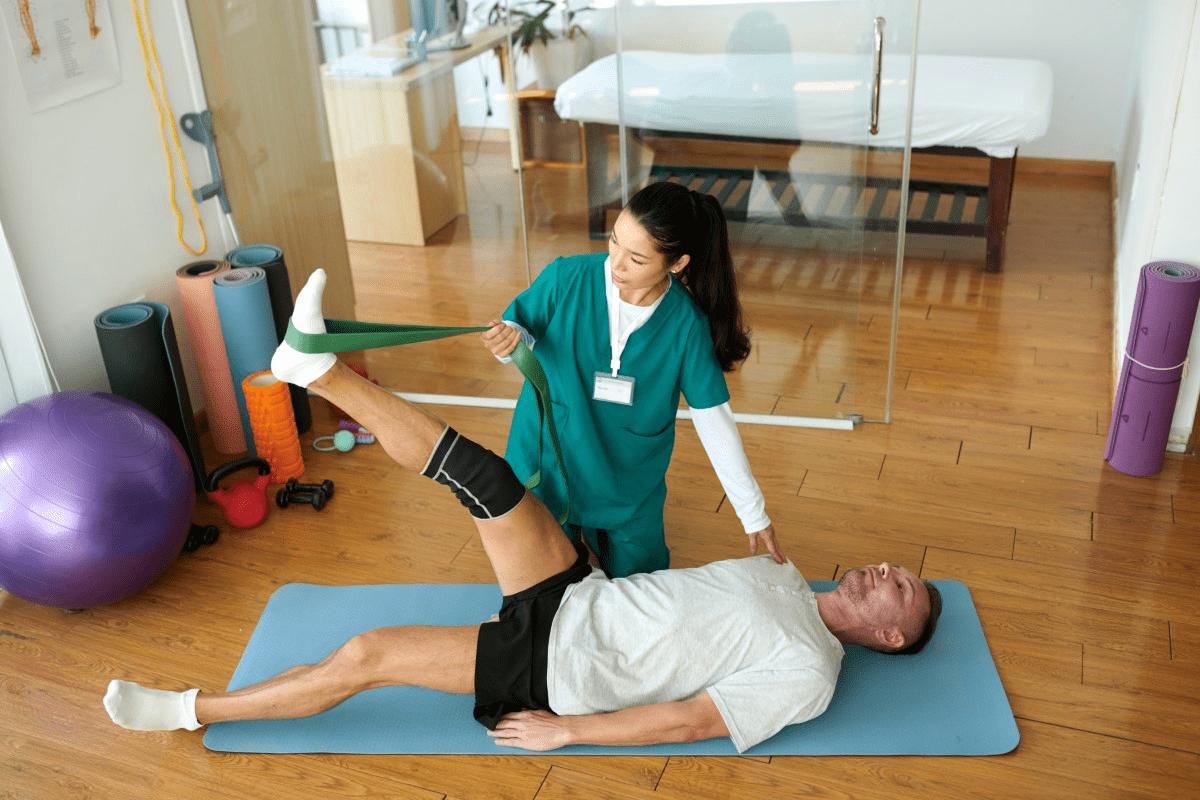
Physical therapy is changing how we treat heart failure. It’s becoming a key part of cardiac care. This is thanks to new, evidence-based methods.
Evolution of Physical Therapy in Cardiac Care
Physical therapy has grown a lot in cardiac care. It started with simple exercises and breathing help. Now, it uses advanced, tailored treatments for each patient.
Key developments include:
- Advancements in exercise physiology
- Increased understanding of cardiac rehabilitation
- Integration of technology in therapy sessions
Current Research Supporting Intervention Efficacy
Many studies show physical therapy helps with heart failure. They show that supervised exercise and cardiac rehab improve life quality. This matches the CPG PT guidelines.
A big study looked at physical therapy for heart failure. It found big improvements in important areas. Here’s a table of some results:
Outcome Measure | Mean Difference | 95% CI |
6-Minute Walk Distance | 43.2 meters | 25.4 to 61.0 |
Peak VO2 Uptake | 2.4 ml/kg/min | 1.4 to 3.4 |
Quality of Life Score | -5.8 | -9.2 to -2.4 |
Meta-Analysis Outcomes and Clinical Significance
The results of these studies are very important. They show better exercise ability and life quality. This means fewer hospital visits and deaths.
Adding physical therapy to heart failure care is a big step. It’s making cardiac care better.
Multidisciplinary Approach to Heart Failure Management
Heart failure is complex and needs a team effort to manage. It’s not just about medicine or surgery. It’s about caring for the whole person, body, mind, and spirit.
Team-Based Care Models
Team-based care is key in fighting heart failure. It brings together doctors, nurses, physical therapists, and more. This team works together to give patients the best care possible.
This approach helps a lot. It makes sure everyone talks to each other, cuts down on hospital visits, and makes patients happier. Physical therapists, for example, create exercise plans that help patients get better and feel better.
Physical Therapist’s Role in the Care Continuum
Physical therapists are a big part of the heart failure team. They check how well patients can move, teach safe exercise, and help them reach their goals. This helps patients do everyday things better and feel less sick.
They also teach patients about healthy living. This includes eating right and exercising. This knowledge helps patients take charge of their health and do better.
Coordination with Cardiologists and Primary Care
Working well with cardiologists and primary care doctors is very important. We team up with them to make sure our physical therapy fits with the whole treatment plan. This teamwork helps keep an eye on how patients are doing and makes changes as needed.
This team effort gives heart failure patients the care they need. It makes them healthier and improves the care they get.
Clinical Practice Guidelines for Physical Therapists
Clinical practice guidelines are key for physical therapists to give the best care to heart failure patients. These guidelines are made from the latest research and expert opinions. They aim to make care consistent and better for patients.
American Physical Therapy Association Recommendations
The American Physical Therapy Association (APTA) has set out detailed guidelines for heart failure management. They stress the need for care that focuses on the patient. This means considering the patient’s health, other conditions, and personal goals. APTA suggests a detailed check-up to create a good treatment plan.
Evidence-Based Examination Protocols
Physical therapists need evidence-based protocols to properly check patients with heart failure. These protocols include history taking, physical examination, and functional assessment. They help find out what might affect the patient’s ability to do physical therapy.
Therapists should use specific tools to measure how well the patient can function, like the 6-minute walk test. They also need to check for symptoms like shortness of breath and tiredness. This helps create a treatment plan that meets the patient’s specific needs.
Treatment Planning and Documentation Standards
Good treatment planning for heart failure patients means setting clear goals based on the initial check-up. Treatment plans should be tailored to the patient’s current abilities, symptoms, and any other health issues. Therapists should also think about the patient’s preferences and goals when planning treatment.
Keeping accurate records of the patient’s progress is important. This includes any changes in symptoms, how well they’re doing, and how they react to treatment. This helps track how the patient is doing, make changes to the treatment plan if needed, and share information with other healthcare providers.
Patient Assessment Before Implementing Physical Therapy Techniques
Assessing patients with heart failure is key to successful physical therapy. Each patient is different, needing a care plan that fits them. A detailed evaluation helps us find the best ways to boost their function and life quality.
Functional Capacity Evaluation Methods
Checking a patient’s functional capacity is vital. We use different methods to see how well they can exercise and move. These include:
- 6-minute walk test
- Cardiopulmonary exercise testing (CPET)
- Timed up-and-go test
- Assessment of activities of daily living (ADL)
These tests tell us about a patient’s fitness, muscle strength, and daily abilities. This helps us make our therapy fit their needs.
Risk Stratification Across Ejection Fraction Categories
It’s important to sort patients by their ejection fraction (EF) to manage heart failure. We categorize them into:
- Reduced EF (HFrEF)
- Preserved EF (HFpEF)
- Mid-range EF (HFmrEF)
Each group needs a different physical therapy approach. This way, we can better help patients.
Identifying Red Flags and Contraindications
Before starting physical therapy, we look for red flags and things we can’t do. These include:
- Unstable angina or recent heart attack
- Severe valve problems
- Out-of-control blood pressure
- Big arrhythmias
Spotting these issues lets us adjust our plans to keep patients safe and avoid problems.
Technique 1: Aerobic Exercise Training Protocols
Aerobic exercise is key for heart failure patients. It boosts heart function, improves life quality, and lessens symptoms.
Scientific Basis
Aerobic exercise helps heart failure patients by increasing oxygen use. Studies show it can raise oxygen use by about 14% in stable patients. This is vital because oxygen use is linked to health outcomes.
Intensity, Duration, and Frequency Guidelines
Choosing the right exercise intensity, duration, and frequency is important. Patients should start with low-to-moderate exercises like walking, cycling, or swimming. Aim for 20-30 minutes, 3-5 times a week. Gradually increase intensity as they get better.
Monitoring Parameters and Safety Precautions
Keep an eye on heart rate, blood pressure, and symptoms like shortness of breath or chest pain. It’s critical to stop if symptoms worsen. Always assess risks before starting the program.
Parameter | Baseline | During Exercise | Post-Exercise |
Heart Rate (bpm) | 60-100 | Increase by 20-30 | Return to baseline within 5 minutes |
Blood Pressure (mmHg) | 90-140/60-90 | Increase by 10-20 | Return to baseline within 5 minutes |
Symptoms | None | Mild dyspnea or fatigue | No new or worsening symptoms |
Technique 2: Resistance Training for Cardiac Function
For those with heart failure, resistance training is a great way to boost heart function and physical ability. It’s a type of workout that makes muscles stronger and more durable.
Benefits for Muscular Strength and Endurance
Resistance training helps heart failure patients a lot. It makes muscles stronger and more able to last longer. This means patients can do more and feel more independent.
Studies show that muscle strength can go up by 20% to 40%. This is a big deal for heart failure patients, who often struggle with muscle weakness.
It also makes it easier to do daily tasks without getting too tired. This is key for heart failure patients, who often feel very weak.
Safe Implementation Strategies
It’s important to start slow and gentle with resistance training. We begin with low-to-moderate intensity exercises and slowly add more weight. Always watch for any signs of pain or discomfort and adjust the plan if needed.
Each patient’s program is made just for them. We consider their age, health issues, and how well they can move. A good program will work on big muscle groups like legs, arms, and the core.
Progressive Loading Techniques
Progressive loading is key in resistance training. It means slowly adding more weight to keep muscles challenged and growing stronger. We use progressive resistance exercise (PRE) to help patients keep getting stronger.
We keep an eye on how patients are doing and change the program as needed. This might mean adding more weight, reps, or changing exercises to work different muscles.
Technique 3: Respiratory Muscle Training
Respiratory muscle training is key in managing heart failure. It strengthens the breathing muscles, which weaken in heart failure patients.
Diaphragmatic Breathing Techniques
Diaphragmatic breathing is a core part of this training. It uses the diaphragm to boost lung capacity and breathing efficiency. Proper technique is essential for its benefits.
To practice diaphragmatic breathing, patients should:
- Lie on their back with knees bent and feet flat on the floor.
- Place one hand on the abdomen and the other on the chest.
- Inhale slowly through the nose, allowing the abdomen to rise while the chest remains steady.
- Exhale slowly through pursed lips, letting the abdomen fall.
Inspiratory Muscle Training Devices
Inspiratory muscle training (IMT) devices help strengthen breathing muscles. They offer resistance during inhalation, boosting muscle strength and endurance.
Research shows IMT improves breathing muscle function and exercise capacity in heart failure patients. The use of IMT devices is a valuable adjunct to traditional training methods.
Device Type | Resistance Level | Training Frequency |
Threshold IMT | Adjustable | Daily, 15-30 minutes |
PowerBreath | Variable resistance | 3 times a week, 30 minutes |
Integration with Daily Activities
Adding respiratory muscle training to daily activities boosts its effectiveness. Patients can practice diaphragmatic breathing while walking or doing chores.
By making respiratory muscle training part of their daily routine, heart failure patients can see better symptoms and quality of life. Consistency and proper technique are key to these benefits.
Technique 4: Functional Mobility and Balance Training
For those with heart failure, adding functional mobility and balance training to their physical therapy can greatly improve their life. This method helps patients do daily tasks better and lowers the chance of falling.
Fall Prevention Strategies
Preventing falls is key in managing heart failure. Falls can cause injuries, lead to hospital stays, and worsen health. Here are some ways to prevent falls:
- Checking the patient’s balance and how they move
- Doing exercises that test balance, like standing on a foam pad or doing single-leg stands
- Making the environment safer by removing tripping hazards and improving lighting
Activities of Daily Living Enhancement
Improving daily activities is a big part of this training. Physical therapists help patients get better at doing everyday tasks. These tasks include:
Activity | Examples of Exercises |
Bathing and Dressing | Reaching, bending, and transferring |
Toileting | Transferring to and from the toilet, managing clothing |
Feeding | Reaching for utensils, bringing food to the mouth |
Gait Training Modifications
Gait training is vital for improving mobility and balance. Changes can include:
- Using aids like canes or walkers for better stability
- Doing gait training on different surfaces to mimic real life
- Adding turns and changes in direction to mimic daily activities
By adding these strategies to a full physical therapy program, people with heart failure can see big improvements. They can move better, balance better, and have a lower risk of falls. This leads to a better quality of life.
Technique 5: Structured Cardiac Rehabilitation Programs
Cardiac rehabilitation is key in managing heart failure. It uses a structured approach to improve patient outcomes.
Comprehensive Program Components
These programs include supervised exercise, education on heart health, and psychological support. They aim to boost functional capacity and reduce symptoms. This improves the quality of life for heart failure patients.
Education covers medication management, diet, stress reduction, and treatment adherence. This empowers patients to manage their health better.
Home-Based vs. Center-Based Options
Programs can be center-based or home-based. Center-based offers supervised care and team support. Home-based is flexible and convenient, great for those with mobility issues or living far away.
Program Aspect | Center-Based | Home-Based |
Supervision | Direct supervision by healthcare professionals | Remote monitoring and support |
Social Interaction | Opportunities for socializing with peers | Limited social interaction; may use virtual support groups |
Flexibility | Scheduled sessions; less flexible | Flexible scheduling; patients can exercise at their convenience |
Long-Term Adherence Strategies
Keeping up with cardiac rehabilitation long-term is vital. Personalized programs, regular check-ins, and ongoing support help. Setting achievable goals and providing motivation are also key.
With these strategies, cardiac rehabilitation can greatly improve heart failure outcomes. It boosts survival and quality of life.
Measuring Outcomes: Documenting 21% Improvement in Exercise Capacity
It’s key to measure how well physical therapy works for heart failure patients. We use special tools to see how much better they can exercise, feel, and do things on their own.
Validated Assessment Tools
To really know if physical therapy helps, we use proven tools. These include:
- The 6-minute walk test (6MWT) to check how far they can walk.
- Cardiopulmonary exercise testing (CPET) to see how much oxygen they use at their peak.
- Heart rate recovery (HRR) to check how well their heart and nerves work together.
These tools give us real numbers to see how patients are doing, helping us make their therapy better.
Quality of Life Measurements
How well a patient feels every day is very important. We use the Minnesota Living with Heart Failure Questionnaire (MLHFQ) to see how therapy affects their life.
Research shows that exercise can really help heart failure patients feel better. It’s not just about being able to move more. It also helps with how they feel emotionally and socially.
Functional Independence Metrics
It’s important to see if patients can do things on their own. We use the Activities of Daily Living (ADL) index to check this.
By showing how therapy helps patients do more things by themselves, we prove its worth. It helps them live more independently and join in with their community.
In short, using the right tools, measuring how patients feel, and seeing if they can do things on their own is key. This helps us make therapy better for heart failure patients.
Conclusion: Optimizing Heart Failure Management Through Physical Therapy
Heart failure management needs a team effort, with physical therapy playing a key role. Physical therapists follow guidelines to create plans that help patients a lot. These plans include exercises and training to improve life quality and function.
Working together, physical therapists, cardiologists, and primary care doctors make a big difference. Adding physical therapy to treatment plans boosts exercise ability, lessens symptoms, and improves well-being. This teamwork is essential for better patient care.
As we learn more about heart failure, physical therapy’s importance will grow. Keeping up with new research and guidelines helps us give our patients the best care. This ensures they live better lives and have better outcomes.
FAQ
What is the role of physical therapy in managing heart failure?
Physical therapy is key in helping heart failure patients. It boosts their exercise ability and improves their quality of life.
How does physical therapy improve outcomes in heart failure patients?
Physical therapy helps by adding exercises like aerobic and resistance training. It also includes training for breathing and balance. This reduces symptoms and boosts life quality.
What are the benefits of aerobic exercise training in heart failure management?
Aerobic training makes the heart work better. It increases oxygen use and boosts exercise ability. This is good for managing heart failure.
How is resistance training implemented safely in heart failure patients?
Resistance training starts with low-intensity exercises. It then increases the intensity slowly. This is done to avoid overdoing it.
What is the significance of respiratory muscle training in heart failure management?
Training the breathing muscles helps with breathing. It improves lung function and makes breathing more efficient. This is important for heart failure management.
How do structured cardiac rehabilitation programs support heart failure management?
These programs offer a full range of care. They include exercise, education, and support. This helps manage heart failure better and improves patient outcomes.
What are the key components of patient assessment before physical therapy?
Assessing patients before physical therapy is important. It includes checking their fitness level and identifying any risks. This ensures the therapy is safe and effective.
How are outcomes measured in physical therapy for heart failure?
Outcomes are tracked using special tools and quality of life measures. This shows how well the therapy is working.
What is the importance of a multidisciplinary approach in heart failure management?
A team approach is vital. It involves physical therapists, cardiologists, and primary care doctors. This ensures all aspects of care are covered.
How do clinical practice guidelines support physical therapists in heart failure management?
Guidelines give physical therapists clear advice. They cover how to examine patients, plan treatments, and document progress. This helps ensure care is based on the latest research.
What are the benefits of home-based versus center-based cardiac rehabilitation programs?
Home programs are convenient, while center programs offer supervised care. Both have their advantages, depending on what the patient needs.
Reference
National Center for Biotechnology Information. Evidence-Based Medical Guidance. Retrieved from https://www.ncbi.nlm.nih.gov/pmc/articles/PMC10169313/