
Many people confuse heart failure and congestive heart failure. But they mean different things. Heart failure means the heart can’t pump enough blood for the body’s needs.
Congestive heart failure is a special kind of heart failure. It’s when fluid builds up in the body, like in the legs, ankles, and lungs. We’ll look at how these conditions differ and what causes them, their symptoms, and how to treat them.
Key Takeaways
- Heart failure is a broad term that encompasses various conditions.
- Congestive heart failure is a specific type of heart failure involving fluid buildup.
- Understanding the differences between these conditions is key for proper diagnosis and treatment.
- Symptoms of heart failure vary based on the type and how severe it is.
- Managing heart failure well needs a complete approach.
Understanding Heart Failure: The Basics
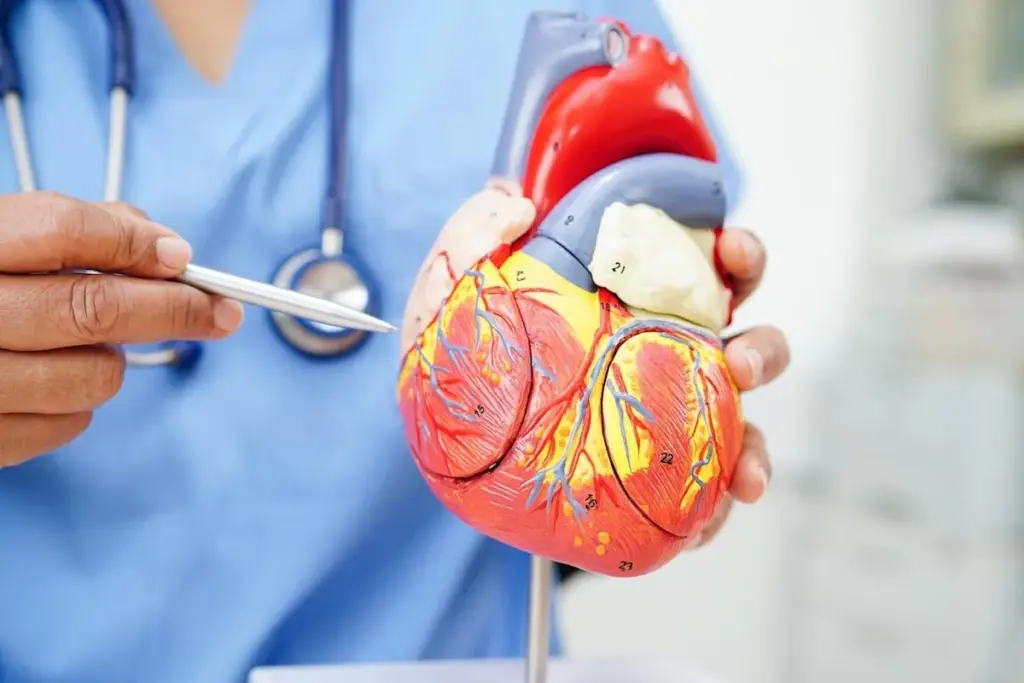
Heart failure occurs when the heart cannot pump enough blood, leading to multiple health complications. The heart works too hard to get oxygen and nutrients to the body.
To really get heart failure, we must look at its definition, how it works, and its types. Knowing this helps us make better treatment plans and improve patient care.
Definition and Mechanism of Heart Failure
Heart failure means the heart can’t pump enough blood for the body. It can be caused by many things like heart disease, high blood pressure, and valve problems. These issues make it hard for the heart to pump.
The way heart failure works is complex. When the heart can’t pump well, it causes fluid buildup and high heart pressure. This makes the heart even weaker, starting a bad cycle.
Types of Heart Failure
Heart failure can be split into types based on which part of the heart is affected and how it’s not working right.
- Left-sided heart failure: This happens when the left ventricle can’t pump blood to the body. It’s split into systolic and diastolic dysfunction.
- Right-sided heart failure: This is when the right ventricle can’t pump blood to the lungs. It often comes after left-sided heart failure.
- Biventricular heart failure: Both ventricles are affected, greatly reducing the heart’s pumping power.
Knowing these types helps us tailor treatments to each patient’s needs. Cardiac rehab is key in managing heart failure, no matter the type.
Cardiac rehab, or cardiac rehabilitation, is a program to improve heart health in patients with heart issues. It includes exercise, education on heart-healthy living, and stress counseling.
What is Congestive Heart Failure?
Congestive heart failure happens when the heart can’t pump enough blood. This leads to fluid buildup in the body. It’s a serious issue that comes from the heart not pumping well.
Definition and Specific Characteristics
Congestive heart failure causes fluid to gather in the lungs and other areas like the legs and belly. This happens because the heart can’t move blood properly. This causes fluid to stay in the body’s system.
The main signs of congestive heart failure include:
- Fluid buildup in the lungs (pulmonary congestion)
- Swelling in the legs, ankles, and feet (peripheral edema)
- Fatigue and shortness of breath
- Rapid or irregular heartbeat
How Congestion Develops

Congestion in congestive heart failure comes from the heart not pumping well. When the heart can’t pump, blood goes back into the veins. This causes fluid to leak into the tissues.
The steps to congestion are:
- The heart’s pumping gets worse due to diseases or high blood pressure.
- Blood goes back into the veins, raising pressure.
- Fluid leaks into the tissues, causing congestion.
Knowing how congestion happens helps in managing congestive heart failure better.
|
Characteristics |
Congestive Heart Failure |
Heart Failure |
|---|---|---|
|
Fluid Accumulation |
Significant fluid buildup in lungs and other parts of the body |
May or may not have significant fluid accumulation |
|
Symptoms |
Shortness of breath, swelling in legs and ankles, fatigue |
May include shortness of breath, fatigue, but not necessarily swelling |
|
Pumping Ability |
Compromised heart pumping ability leading to congestion |
Reduced heart pumping ability, but congestion may not be present |
Heart Failure vs. Congestive Heart Failure: Key Differences
It’s important to know the difference between heart failure and congestive heart failure. Both deal with the heart not working right, but they are not the same. They have different terms, levels of severity, and how they progress.
Terminology and Classification
Heart failure is a wide term for when the heart can’t pump enough blood. It’s split into types like heart failure with reduced ejection fraction (HFrEF) and heart failure with preserved ejection fraction (HFpEF).
Congestive heart failure (CHF) is a specific type. It’s when fluid builds up in the body, like in the lungs and liver. This happens because the heart can’t pump well, causing fluid to back up.
Key Classification Differences:
- Heart Failure: A broad term, includes many types based on ejection fraction and other factors.
- Congestive Heart Failure: A specific type with a lot of fluid buildup.
Severity and Progression
Heart failure and congestive heart failure can be different in how severe they are. Heart failure can be mild or severe and treated. But congestive heart failure is often more serious, with more symptoms because of fluid buildup.
|
Characteristics |
Heart Failure |
Congestive Heart Failure |
|---|---|---|
|
Fluid Accumulation |
Not always present |
Significant fluid accumulation |
|
Severity |
Ranges from mild to severe |
Often represents a more advanced stage |
|
Symptoms |
Vary based on type and severity |
Includes symptoms of fluid overload (e.g., edema, shortness of breath) |
Fluid Accumulation Patterns
In congestive heart failure, where fluid builds up, it’s key to know where. Fluid can go to the lungs, liver, and other parts, causing symptoms like swelling and trouble breathing.
Knowing these differences helps doctors give better care. This improves how patients feel and live their lives.
The Pathophysiology of Heart Failure
Heart failure involves changes in the heart and how it responds to stress. These changes make the heart less efficient. It’s important to know what causes these changes and how they affect the heart.
Cardiac Remodeling Process
Cardiac remodeling is when the heart changes shape due to illness. This can make the heart pump less well, worsening heart failure. The main parts of cardiac remodeling are:
- Hypertrophy: The heart muscle gets thicker, making it harder to pump blood.
- Dilation: The heart chambers get bigger, leading to less effective pumping.
- Fibrosis: Fibrotic tissue builds up, making the heart stiffer and less able to pump.
Neurohormonal Responses
Neurohormonal activation is key in heart failure. When the heart can’t pump well, the body tries to compensate. But, these efforts can actually make things worse over time.
The main neurohormonal responses are:
- Renin-Angiotensin-Aldosterone System (RAAS) Activation: This causes blood vessels to narrow and holds onto water.
- Sympathetic Nervous System (SNS) Activation: It makes the heart beat faster and pump harder, but also changes the heart’s shape.
- Vasopressin Release: It helps hold onto water and narrows blood vessels.
Knowing how heart failure works is key to treating it. By tackling the root causes, doctors can help patients live better lives.
Common Symptoms of Heart Failure
Heart failure can cause many symptoms that affect daily life. It’s important to know these symptoms early. This helps in getting the right treatment quickly.
Early Warning Signs
The first signs of heart failure are often small but very important. They include:
- Shortness of breath during routine activities
- Fatigue or feeling tired even after resting
- Swelling in the legs, ankles, and feet
- Rapid or irregular heartbeat
- Coughing up pink, frothy mucus
These signs happen because the heart can’t pump well. This leads to fluid building up in the body.
Progressive Symptoms
As heart failure gets worse, symptoms can get much worse too. Some of these include:
|
Symptom |
Description |
|---|---|
|
Increased shortness of breath |
Difficulty breathing even at rest |
|
Worsening swelling |
Significant swelling in the legs, ankles, and abdomen |
|
Weight gain |
Rapid weight gain due to fluid retention |
|
Confusion or lack of concentration |
Reduced blood flow to the brain |
It’s key for patients and caregivers to watch for these signs. If symptoms get worse or new ones appear, seek help right away.
Knowing the symptoms of heart failure helps get the right care early. This can greatly improve life quality and outcomes.
Recognizing Congestive Heart Failure Symptoms
It’s important to know the signs of congestive heart failure to get help quickly. This condition happens when the heart can’t pump blood well. This leads to fluid buildup around the heart and in other parts of the body, like the legs and lungs.
Distinctive Congestive Symptoms
The signs of congestive heart failure can vary. But common symptoms include shortness of breath, feeling very tired, and swelling in the legs, ankles, and feet. This swelling, called edema, is because of fluid buildup.
People with this condition might also have rapid or irregular heartbeat. They might find it hard to exercise and could have a persistent cough or wheezing.
When to Seek Emergency Care
If you have severe symptoms, get medical help right away. This includes severe shortness of breath, chest pain, or severe swelling. Also, look out for confusion, fainting, or a heartbeat that’s getting worse fast.
We suggest that patients and their caregivers know these symptoms well. Knowing when to get help can greatly improve treatment outcomes for congestive heart failure.
Major Causes of Heart Failure
It’s important to know what causes heart failure to treat it better. Heart failure happens when the heart can’t pump enough blood. This can be due to several reasons. We’ll look at the main causes like coronary artery disease, heart attacks, high blood pressure, and valve problems. We’ll also talk about other factors that can contribute.
Coronary Artery Disease and Heart Attacks
Coronary artery disease is a big reason for heart failure. It happens when the arteries that bring blood to the heart get blocked. This can cause a heart attack, which can damage the heart and lead to heart failure.
Hypertension and Valve Disorders
High blood pressure is another major cause of heart failure. It makes the heart work too hard, which can make the heart muscle thick and lead to heart failure. Valve problems can also cause heart failure. They can block blood flow or make the heart work less efficiently.
Other Contributing Factors
Other things can also lead to heart failure. These include diabetes, being overweight, and infections or toxins that harm the heart. Lifestyle choices like smoking and drinking too much alcohol can also play a part.
|
Cause |
Description |
Impact on Heart |
|---|---|---|
|
Coronary Artery Disease |
Narrowing or blockage of coronary arteries |
Reduced blood supply to heart muscle |
|
Hypertension |
High blood pressure |
Increased workload on the heart |
|
Valve Disorders |
Improper functioning of heart valves |
Obstruction of blood flow or inefficient heart function |
Diagnosing Heart Failure and Congestive Heart Failure
Diagnosing heart failure and congestive heart failure needs a detailed first check, a careful physical exam, and advanced tests. We will look at the steps and tools used in diagnosing these conditions.
Initial Assessment and Physical Examination
The first step is a detailed check of your medical history and a physical exam. We look for signs like shortness of breath, fatigue, and swelling. These are signs of heart failure.
The physical exam might show signs like an enlarged jugular vein, swelling in your legs, and heart murmurs.
Key parts of the first check include:
- A detailed medical history to find risk factors and past heart problems
- Checking your symptoms to see how they affect your daily life
- A physical exam to find signs of fluid buildup and heart problems
Diagnostic Tests and Procedures
After the first check, we use different tests to confirm the diagnosis and find the cause of heart failure. These tests include:
|
Diagnostic Test |
Purpose |
|---|---|
|
Echocardiogram |
Looks at the heart’s structure and function, including how well it pumps |
|
Electrocardiogram (ECG) |
Checks the heart’s rhythm and finds signs of heart damage |
|
Blood Tests (e.g., BNP, NT-proBNP) |
Measures heart failure biomarkers |
|
Cardiac MRI or CT Scan |
Shows detailed images of the heart’s structure and function |
A leading cardiologist says, “Biomarkers like BNP and NT-proBNP have changed how we diagnose heart failure. They help us get a more accurate and timely diagnosis.”
“Biomarkers are key in diagnosing and managing heart failure. They help doctors make better decisions.”
Classification Systems and Staging
After confirming the diagnosis, we use classification systems and staging to see how severe heart failure is. The New York Heart Association (NYHA) Functional Classification is often used. It groups patients based on how well they can function.
The NYHA Classification system includes:
- Class I: No activity limits; no symptoms from daily activities
- Class II: A little limitation in daily activities; feels okay at rest or with light effort
- Class III: Big limitation in activities due to symptoms; feels okay only at rest
- Class IV: Severe limitation; feels symptoms even at rest, mostly bedbound
Knowing the severity and stage of heart failure is key for treatment. It helps us tailor treatment to each patient’s needs.
Treatment Approaches for Heart Failure
Heart failure treatment is a mix of medicines, lifestyle changes, and surgery. The right treatment depends on the heart failure’s type and severity. It also depends on the patient’s health.
Medication Options
Medicines are key in treating heart failure. We use different drugs to ease symptoms, slow disease growth, and boost survival chances. These include:
- ACE inhibitors and ARBs to lower blood pressure and ease heart work.
- Beta-blockers to slow heart rate and reduce contraction force.
- Diuretics to remove extra fluid, reducing swelling and breath shortness.
- Aldosterone antagonists to remove extra fluid and lower death risk.
We mix these medicines to get the best results. We adjust the treatment for each patient and watch for side effects.
Lifestyle Modifications
Changing lifestyle is vital in managing heart failure. We suggest:
- Dietary changes: Eating less salt, more fruits, veggies, and whole grains.
- Exercise: Doing regular, gentle activities like walking to boost heart health.
- Weight management: Keeping a healthy weight to ease heart strain.
- Smoking cessation and limiting alcohol to cut down heart risks.
These lifestyle changes can greatly improve symptoms and life quality.
Surgical Interventions
Surgery is sometimes needed to treat heart failure causes. This includes:
- Coronary artery bypass grafting (CABG) to improve heart blood flow.
- Heart valve repair or replacement to fix valve problems.
- Implantable cardioverter-defibrillators (ICDs) to stop sudden heart death.
- Heart transplantation for severe heart failure.
We consider surgery when medicine doesn’t work well or when there are big heart problems.
By using medicines, lifestyle changes, and surgery when needed, we can manage heart failure well. This improves patients’ life quality.
Managing Congestive Heart Failure
To manage congestive heart failure well, healthcare providers need to tackle fluid buildup, look into special treatments, and know when to send patients to the hospital. Doing these things helps patients feel better and live better lives.
Addressing Fluid Retention
Fluid buildup is a big problem in congestive heart failure, causing swelling and trouble breathing. Diuretic therapy is key in handling this. We often start with loop diuretics, like furosemide, to help the kidneys get rid of extra water and salt.
It’s important to keep an eye on how much fluid a patient has. We check their weight, blood pressure, and symptoms often. This helps us adjust the diuretics to keep the fluid balance right. Sometimes, we need to mix different diuretics to get the best results.
Specialized Treatment Considerations
Managing congestive heart failure goes beyond just diuretics. Other specialized treatments are also important. ACE inhibitors or ARNI help lower the risk of death and serious illness. Beta-blockers are also key, as they help patients live longer.
In some cases, device therapy like CRT or ICDs might be needed. They help the heart work better and lower the risk of sudden death.
Hospitalization Criteria
Knowing when to send a patient to the hospital is very important. We send patients with acute decompensation, severe symptoms, or signs of organ not getting enough blood to the hospital.
We also consider hospitalization for big electrolyte imbalances, heart attacks, or when patients need strong medicines or close monitoring. Quick action can stop things from getting worse and help patients get better.
Cardiac Rehabilitation for Heart Failure Patients
Cardiac rehabilitation is very important for heart failure patients. It helps improve heart function and overall health. These programs are designed to help patients recover from heart illnesses and procedures.
They focus on improving physical condition and quality of life.
Benefits of Cardiac Rehab Programs
Cardiac rehabilitation offers many benefits for heart failure patients. Some key advantages include:
- Improved Functional Capacity: These programs help patients increase endurance and perform daily activities better.
- Enhanced Quality of Life: By improving physical function and reducing symptoms, cardiac rehab enhances overall quality of life.
- Better Management of Symptoms: Patients learn to manage their symptoms more effectively, reducing the risk of complications.
- Reduced Risk of Hospital Readmission: Cardiac rehab has been shown to decrease the likelihood of hospital readmission due to heart-related issues.
Components of Effective Rehabilitation
Effective cardiac rehabilitation programs are all-inclusive. They include several key components:
- Exercise Training: Supervised exercise programs tailored to the patient’s condition and capabilities.
- Education: Patients and their families receive education on heart health, diet, and lifestyle modifications.
- Support: Ongoing support and counseling to help patients cope with their condition and make necessary lifestyle changes.
By incorporating these elements, cardiac rehabilitation programs provide a holistic approach to managing heart failure and improving patient outcomes.
Living with Heart Failure: Daily Management Strategies
Living with heart failure means taking an active role in your care every day. It’s about watching your symptoms, taking care of yourself, and following certain diet and exercise plans.
Monitoring and Self-Care Techniques
Watching your condition daily is key to managing heart failure. You should track your weight, blood pressure, and any symptoms like shortness of breath or swelling. Keeping a daily log helps spot patterns and issues early.
Self-care is also important. Stick to your medication, get enough sleep, and find ways to manage stress like meditation or deep breathing.
Dietary and Exercise Recommendations
Your diet is a big part of managing heart failure. We suggest a low-sodium diet to help with fluid retention and heart strain. Also, limit your fluid intake and avoid too much alcohol.
Exercise is also key. But, talk to your healthcare provider to create a workout plan that’s right for you. This might include cardio, strength training, and flexibility exercises based on your health and abilities.
Using these daily strategies and cardiac rehabilitation programs can greatly improve your life with heart failure. It can even slow down the disease’s progress.
Emotional Impact and Support Resources
Getting diagnosed with heart failure can deeply affect you. It’s important to get care that helps both your body and mind.
Coping with a Chronic Condition
Dealing with heart failure needs a mix of medical care, lifestyle changes, and emotional support. Many feel anxious, depressed, and lonely. It’s key to find ways to cope.
Learning about your condition is a big part of coping. Knowing how to manage it can help you feel more in control. Cardiac rehabilitation specialists and cardiopulmonary rehabilitation specialists are great for advice on exercise, eating right, and handling stress.
Support Groups and Community Resources
Support groups let heart failure patients meet others facing the same issues. They offer emotional support, share tips, and create a community feeling.
|
Support Resource |
Description |
Benefits |
|---|---|---|
|
Support Groups |
Meetings or online forums where patients share experiences and advice. |
Emotional support, coping strategies, community building. |
|
Cardiac Rehabilitation Programs |
Structured programs focusing on exercise, education, and lifestyle modification. |
Improved physical health, reduced symptoms, enhanced well-being. |
|
Community Resources |
Local services and organizations helping with daily needs. |
Practical support, reduced isolation, improved quality of life. |
Using these support resources can help heart failure patients manage their condition. It can also improve their life quality and deal with the emotional side of chronic illness.
Conclusion
It’s key to know the difference between heart failure and congestive heart failure. We’ve looked at their unique traits, signs, and how to treat them. This shows why getting the right diagnosis and care is so important.
Cardiac rehab is a big help for heart failure patients. It makes them stronger and lessens their symptoms. These programs cover all aspects of heart health, helping patients feel better physically and emotionally.
If you’re looking for cardiovascular rehab, find a place with a team of experts. They should include cardiologists, nurses, and therapists. Together, they can help heart failure patients live better lives through good management.
FAQ
What is the difference between heart failure and congestive heart failure?
Heart failure is a wide term that covers many conditions. Congestive heart failure is a specific type. It happens when fluid builds up in the body.
What are the common symptoms of heart failure?
Symptoms of heart failure include shortness of breath and feeling very tired. You might also notice swelling in your legs and feet. Rapid or irregular heartbeat is another sign.
What is cardiac rehabilitation, and how does it help heart failure patients?
Cardiac rehab is a program that helps heart failure patients. It includes exercise, education, and support. It aims to manage the condition, improve symptoms, and enhance life quality.
How is congestive heart failure diagnosed?
Doctors diagnose congestive heart failure through physical exams and medical history. They also use tests like echocardiography, electrocardiogram, and blood tests.
What are the treatment options for heart failure?
Treatments for heart failure include medicines and lifestyle changes. Sometimes, surgery like heart transplant or device implantation is needed.
How can I manage fluid retention in congestive heart failure?
To manage fluid retention, monitor your weight daily. Limit sodium and take diuretic medicines as prescribed.
What lifestyle changes can help manage heart failure?
To manage heart failure, eat healthy, exercise regularly, and quit smoking. Also, drink less alcohol.
What is the role of cardiac rehab in managing heart failure?
Cardiac rehab is key in managing heart failure. It offers a program that improves heart health, reduces symptoms, and boosts well-being.
How can I cope with the emotional impact of heart failure?
To cope with heart failure’s emotional impact, seek support from doctors, groups, and loved ones. Try stress-reducing activities like meditation or yoga.
What are the benefits of cardiac rehabilitation for heart failure patients?
Cardiac rehab benefits heart failure patients by improving heart health and reducing symptoms. It also enhances life quality and survival rates.
References
National Center for Biotechnology Information. Evidence-Based Medical Insight. Retrieved from https://www.ncbi.nlm.nih.gov/pmc/articles/PMC5314259/