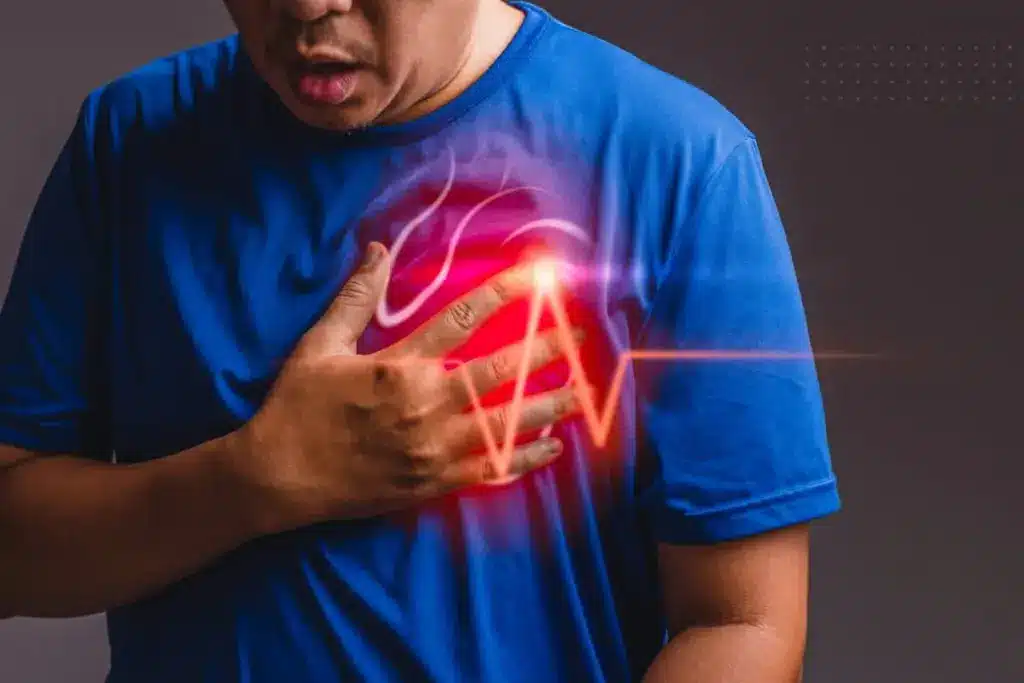
A staggering 6.2 million adults in the United States live with heart failure. This is when the heart can’t pump enough blood for the body’s needs heart failure vs congestive heart failure difference.
Congestive heart failure is a specific type. It’s when fluid builds up in the lungs and other parts of the body.
It’s important to know the difference between these two. This helps doctors diagnose and treat them correctly.
Key Takeaways
- “Heart failure” and “congestive heart failure” are not the same. They have different meanings.
- Congestive heart failure is a type where fluid builds up in the body.
- Heart failure can happen without fluid buildup. Congestive heart failure is more serious.
- Getting the right diagnosis is key for treating both conditions well.
- Treatment plans vary based on the cause and how severe the condition is.
Understanding Heart Failure Basics

Heart failure means the heart can’t pump enough blood for the body’s needs. It can happen for many reasons, like coronary artery disease, high blood pressure, and valve problems.
Definition and Mechanism of Heart Failure
Heart failure makes it hard for the heart to pump blood well. This leads to tiredness, shortness of breath, and swelling in the legs. It’s caused by changes in the heart’s structure and function.
Conditions like coronary artery disease and high blood pressure harm the heart. Knowing how these problems affect the heart is key to finding good treatments.
How the Heart Functions Normally vs. During Failure
Usually, the heart pumps blood all over the body. It brings oxygen and nutrients to tissues and organs. But in heart failure, this process goes wrong, causing poor blood flow and oxygen delivery.
When the heart can’t pump well, fluid builds up in the lungs and body. This causes symptoms like shortness of breath and swelling. It’s different from when the heart works right, without fluid buildup.
Prevalence and Impact in the United States
Heart failure affects millions in the United States. It has big effects on healthcare costs and quality of life. It’s a top reason for hospital stays among older adults.
Heart failure affects not just the person but also their family and the healthcare system. Knowing how common and impactful it is helps with public health efforts and healthcare planning.
Congestive Heart Failure Explained
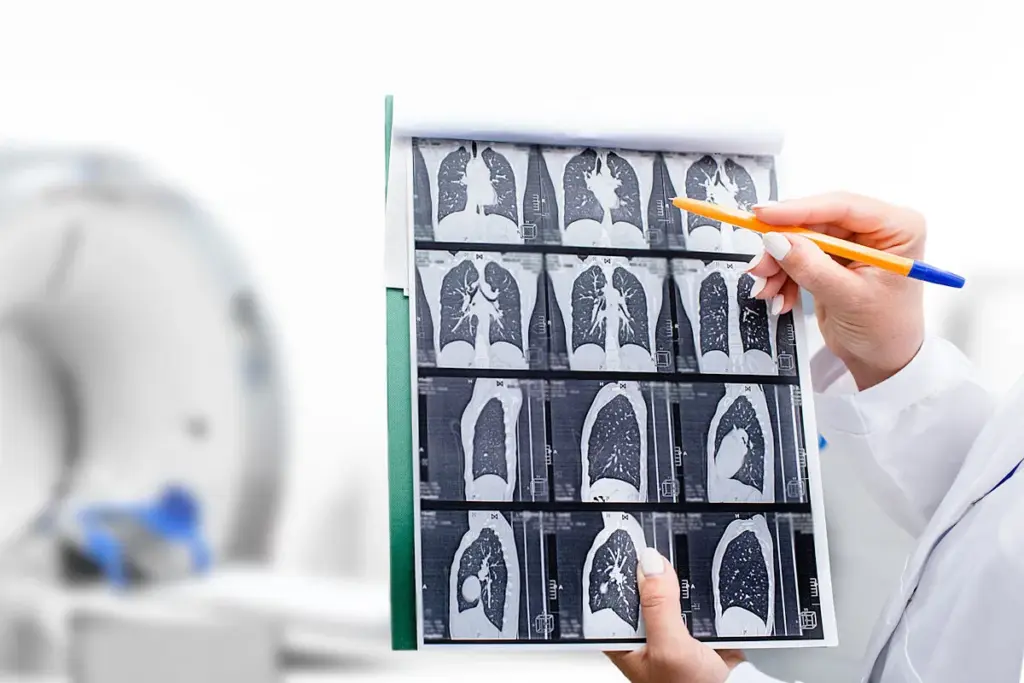
Congestive heart failure is a heart problem where fluid builds up in the lungs and body. It happens when the heart can’t pump enough blood. This leads to fluid congestion.
Definition and Specific Characteristics
The main traits of congestive heart failure include fluid buildup in the lungs (pulmonary congestion) and peripheral edema. People with this condition often feel short of breath, tired, and have swollen legs and ankles.
Fluid Congestion Mechanism
In congestive heart failure, the heart can’t pump blood well. Fluid then builds up in the lungs and body, causing congestion. This congestion leads to symptoms like trouble breathing and swelling.
Historical Context of the Term “Congestive”
The term “congestive” has been used for heart failure with fluid buildup. Knowing its history helps us understand how it’s been seen and treated over time.
|
Characteristics |
Heart Failure |
Congestive Heart Failure |
|---|---|---|
|
Fluid Buildup |
Not always present |
Typically present |
|
Symptoms |
Variable |
Includes shortness of breath, swelling |
|
Pumping Ability |
Reduced |
Reduced with congestion |
Heart Failure vs Congestive Heart Failure Difference
The terms “heart failure” and “congestive heart failure” are often mixed up. But they mean different things in medicine. Heart failure means the heart can’t pump enough blood for the body. Congestive heart failure is when fluid builds up, mainly in the legs, ankles, and lungs.
Terminology Clarification
The words around heart failure can be tricky. Heart failure is a wide term for when the heart can’t pump well. Congestive heart failure (CHF) is a specific case with fluid buildup in the lungs and body tissues. Knowing these terms is key for correct diagnosis and treatment.
Clinical Classification Distinctions
Doctors classify heart failure in different ways. They look at which side of the heart is affected, the type of dysfunction, and how bad the symptoms are. Congestive heart failure is usually more serious because of the fluid buildup. Here’s a table showing the main differences:
|
Characteristics |
Heart Failure |
Congestive Heart Failure |
|---|---|---|
|
Definition |
The heart’s inability to pump enough blood. |
A type of heart failure with fluid buildup. |
|
Symptoms |
Variable; may include fatigue, shortness of breath. |
Typically includes swelling, breathing difficulties. |
|
Classification |
Based on the side affected and dysfunction type. |
Characterized by congestion; often more severe. |
Why Medical Professionals May Use Terms Differently
Doctors might use “heart failure” and “congestive heart failure” differently. They might use “heart failure” broadly, or “congestive heart failure” to highlight fluid buildup. This can sometimes cause confusion, but it depends on the situation.
Types of Heart Failure
It’s important to know the different types of heart failure to manage and treat it well. Heart failure can be divided by the heart part affected and the dysfunction type.
Left-Sided Heart Failure
Left-sided heart failure happens when the left heart side can’t pump blood well. This leads to fluid in the lungs, causing shortness of breath and coughing.
Right-Sided Heart Failure
Right-sided heart failure occurs when the right heart side can’t pump blood into the lungs. Fluid builds up in the body, mainly in the legs and abdomen.
Systolic vs. Diastolic Heart Failure
Heart failure can also be split by the heart’s pumping ability. Systolic heart failure means the heart doesn’t contract well, with a low ejection fraction. Diastolic heart failure has a normal ejection fraction but stiff heart muscle, making it hard for the ventricles to fill.
|
Type of Heart Failure |
Characteristics |
Common Symptoms |
|---|---|---|
|
Left-Sided |
Inability to pump blood efficiently from the left side of the heart |
Shortness of breath, coughing, fatigue |
|
Right-Sided |
Failure to pump blood effectively into the pulmonary circulation |
Swelling in legs and abdomen, bloating |
|
Systolic |
Reduced ejection fraction, ineffective contraction |
Fatigue, shortness of breath, swelling |
|
Diastolic |
Normal ejection fraction, stiff heart muscle |
Shortness of breath, fatigue, swelling |
Stages and Classifications of Heart Failure
Heart failure is divided into stages and categories to tailor treatment. It’s a complex condition that gets worse over time. Knowing its stages and classifications helps manage it better.
American Heart Association Stages A-D
The American Heart Association (AHA) has a staging system for heart failure. It has four stages: A, B, C, and D. This system shows how the disease progresses and helps identify patients at different stages.
- Stage A: Patients at high risk of heart failure but without structural heart disease or symptoms.
- Stage B: Patients with structural heart disease but without symptoms of heart failure.
- Stage C: Patients with structural heart disease and current or prior symptoms of heart failure.
- Stage D: Patients with refractory heart failure requiring specialized interventions.
This staging is key for early detection and treatment. It can help slow down heart failure’s progression.
New York Heart Association Functional Classifications
The New York Heart Association (NYHA) focuses on heart failure’s impact on daily life. It categorizes patients into four classes based on symptoms and exercise tolerance.
The NYHA classes are:
- Class I: No limitation of activities; no symptoms from ordinary activities.
- Class II: Slight, mild limitation during ordinary activity; comfortable at rest or with mild exertion.
- Class III: Marked limitation in activity due to symptoms, even during less-than-ordinary activity; comfortable only at rest.
- Class IV: Severe limitations; experiences symptoms even while at rest, mostly bedbound.
How Congestive Symptoms Fit Within Classifications
Congestive symptoms like edema and shortness of breath show how severe heart failure is. They are important in both the AHA staging and NYHA classification systems. Patients with more severe symptoms are usually in higher stages or classes.
Understanding how congestive symptoms fit into these systems is critical. It helps healthcare providers decide the right care and treatment for heart failure patients.
Common Causes of Heart Failure
Knowing what causes heart failure is key to preventing and treating it. Heart failure happens when health issues affect the heart’s function.
Coronary Artery Disease and Heart Attacks
Coronary artery disease is a top cause of heart failure. It happens when the heart’s blood supply gets blocked by plaque. This can cause a heart attack, damaging the heart muscle.
Heart attacks can weaken the heart, leading to heart failure.
There’s a strong link between coronary artery disease and heart failure. A heart attack can damage the heart muscle, making it hard for the heart to pump blood.
Hypertension (High Blood Pressure)
Hypertension, or high blood pressure, is another major cause of heart failure. High blood pressure makes the heart work harder, leading to thickening and stiffening of the heart muscle. This can make the heart unable to pump blood well, causing heart failure.
Controlling high blood pressure through lifestyle changes and medication can lower the risk of heart failure. Keeping blood pressure in check is vital for heart health.
Valvular Heart Disease
Valvular heart disease affects the heart valves. These valves are important for blood flow through the heart. Damage or disease can lead to inefficient blood flow and strain on the heart.
Conditions like mitral regurgitation or aortic stenosis can cause heart failure if not treated. Treatment options include medication, surgery, or valve replacement, depending on the condition.
Understanding these causes of heart failure is vital for prevention and treatment. By tackling coronary artery disease, hypertension, and valvular heart disease, we can lower the risk of heart failure and keep our hearts healthy.
Risk Factors for Developing Heart Failure
Knowing the risk factors for heart failure is important. It helps in managing and possibly lowering the chance of getting this condition. Many factors can increase the risk of heart failure. It’s key to understand these to prevent and treat early.
Age and Gender Considerations
Age is a big risk factor for heart failure. The risk goes up after 65. Older adults face a higher risk because their hearts wear out over time. Men are more at risk than women, but the gap gets smaller with age.
Lifestyle Factors
Lifestyle choices greatly affect heart failure risk. Smoking, not moving much, and eating badly can all raise the risk. Smoking harms the heart and raises blood pressure. Not being active can lead to obesity and diabetes, making the risk even higher. Eating too much salt, saturated fats, and cholesterol also increases heart disease and failure risk.
|
Lifestyle Factor |
Impact on Heart Failure Risk |
|---|---|
|
Smoking |
Increases blood pressure and damages cardiovascular system |
|
Sedentary Lifestyle |
Contributes to obesity and diabetes |
|
Unhealthy Diet |
High in salt, saturated fats, and cholesterol, contributing to heart disease |
Genetic Predisposition
Genetics also play a part in heart failure risk. People with a family history of heart disease or failure are at higher risk. Some genetic conditions can affect the heart’s structure and function, raising the risk of heart failure.
It’s vital to understand these risk factors. By tackling the ones we can change and knowing the ones we can’t, we can lower our risk of heart failure.
Symptoms of Heart Failure
Knowing the symptoms of heart failure is key to managing it well. Heart failure shows itself in many ways, affecting daily life differently for everyone.
Early Warning Signs
Spotting heart failure early is very important. Some signs to watch for include:
- Shortness of breath during routine activities
- Fatigue or weakness
- Coughing or wheezing, specially at night
- Swelling in the legs, ankles, or feet
Common Physical Symptoms
As heart failure gets worse, symptoms get stronger. Common signs include:
|
Symptom |
Description |
|---|---|
|
Shortness of Breath |
Difficulty breathing, specially when lying down or during physical activity |
|
Fatigue |
Persistent tiredness or weakness that interferes with daily activities |
|
Edema |
Swelling in the legs, ankles, or feet due to fluid retention |
Psychological and Quality of Life Impact
Heart failure affects more than just the body. It can also cause anxiety, depression, and lower quality of life. It’s important to manage these aspects for overall well-being.
Impact on Quality of Life: Heart failure can make daily tasks harder, reduce independence, and affect mood. Understanding these effects is key to providing full care.
The symptoms of heart failure and their effects on quality of life highlight the need for early diagnosis and treatment. Recognizing early signs and managing symptoms well can help improve outcomes and quality of life.
Congestive Symptoms in Heart Failure
It’s important to know the symptoms of congestive heart failure. This condition can cause many problems in the body. It leads to symptoms that make life hard.
Pulmonary Edema and Breathing Difficulties
Pulmonary edema is when fluid builds up in the lungs. It can make breathing hard, from a little shortness of breath to very hard to breathe. Some people find it easier to breathe when sitting up, while others have trouble breathing at night.
If you have pulmonary edema, you need to see a doctor right away. Doctors can help by making it easier for your heart to work. This can make you feel better and live better.
Peripheral Edema (Swelling)
Peripheral edema is when your legs, ankles, and feet swell up. This makes it hard to walk or do everyday things. It happens because your heart can’t pump blood well, so fluid leaks into your tissues.
To deal with swelling, doctors might give you medicine. You might also need to change your lifestyle and wear special socks to help.
Organ Congestion Effects
Congestive heart failure can also hurt other parts of your body. For example, it can make your liver hurt and raise liver enzyme levels. It can also mess with your stomach, making you feel sick, lose your appetite, and have trouble digesting food.
Doctors need to treat the whole body, not just the heart. By managing symptoms well, doctors can make patients feel better and live better lives.
Diagnosis of Heart Failure
To diagnose heart failure, doctors use many tools. These include physical exams, lab tests, and special heart tests. This mix of methods helps find the heart failure’s cause and the best treatment.
Physical Examination Findings
A detailed physical exam is key in diagnosing heart failure. Doctors look for signs like edema, jugular venous distension, and lung congestion. These signs show fluid buildup and heart problems.
They also check for other issues like hypertension or valvular disease that might cause heart failure.
Doctors use a stethoscope to listen for unusual heart sounds. A third heart sound (S3) often means heart failure. They also check blood pressure, heart rate, and oxygen levels.
|
Physical Examination Finding |
Clinical Significance |
|---|---|
|
Edema |
Indicates fluid buildup in the body, often in the legs and ankles |
|
Jugular Venous Distension |
Suggests increased pressure in the jugular vein, indicative of right-sided heart failure |
|
Lung Congestion |
May indicate pulmonary edema, a complication of heart failure |
Laboratory Tests
Laboratory tests are vital in diagnosing heart failure. They give important info on heart function, electrolytes, and overall health. Common tests include:
- B-type natriuretic peptide (BNP) or N-terminal pro b-type natriuretic peptide (NT-proBNP) levels, which help confirm heart failure
- Complete blood count (CBC) to check for anemia or infection
- Electrolyte panel to see if there are imbalances that might cause heart failure
- Renal function tests to check kidney function, as kidney disease often goes with heart failure
Specialized Cardiac Testing
Special heart tests are needed to check the heart’s structure and function in heart failure cases. These tests give detailed info on the heart’s anatomy, function, and blood flow.
Some common tests include:
- Echocardiogram, which uses ultrasound to create heart images and check its function
- Electrocardiogram (ECG), which measures the heart’s electrical activity
- Cardiac MRI or CT scan, which gives detailed heart structure and function images
- Stress test, which checks the heart’s function under stress, usually from exercise or medicine
Treatment Approaches for Heart Failure
Managing heart failure requires a mix of lifestyle changes, medicines, and sometimes devices or surgery. It’s important for patients and doctors to work together. This helps manage the condition better.
Lifestyle Modifications
Changing your lifestyle is key in managing heart failure. These changes can greatly improve your life and slow down the disease.
- Dietary Changes: Eating less sodium and managing fluids is important. A diet full of fruits, veggies, and whole grains is best.
- Exercise: Regular exercise, suited to your ability, can boost heart function and overall health.
- Smoking Cessation: Quitting smoking is vital to reduce heart strain.
- Limiting Alcohol: Cutting down or stopping alcohol can help manage heart failure.
Medication Therapies
Medicines are a mainstay in treating heart failure. They aim to ease symptoms, slow disease progress, and improve survival chances.
- ACE Inhibitors and ARBs: These drugs relax blood vessels, easing heart workload.
- Beta-blockers: Beta-blockers slow the heart rate, making it pump better.
- Diuretics: Diuretics reduce fluid buildup, easing symptoms like shortness of breath.
- Other Medications: Depending on the case, other meds like ARNI, SGLT2 inhibitors, or hydralazine/nitrates might be used.
Devices and Surgical Interventions
In some cases, devices or surgery are needed to manage heart failure well.
- Pacemakers and ICDs: These devices regulate heart rhythm and prevent dangerous arrhythmias.
- CRT Devices: Cardiac Resynchronization Therapy devices improve heart pumping by coordinating chambers.
- Heart Transplant: In severe cases, a heart transplant might be considered.
- LVADs: Left Ventricular Assist Devices support heart function in patients waiting for a transplant or as a long-term therapy.
Heart failure treatment plans combine these approaches, tailored to each patient. Regular check-ups and treatment plan adjustments are key for the best management.
Managing Congestive Symptoms Specificall
Managing congestive symptoms needs a mix of treatments. This includes diuretics, cutting down on sodium and fluids, and changing how you move and sit. Knowing these methods is key to treating and managing the condition.
Diuretic Therapies
Diuretics are a mainstay in treating congestive symptoms. They help by making more urine, which reduces fluid in the body. Loop diuretics, like furosemide, are often used because they work well.
The aim of diuretics is to balance fluid reduction and prevent dehydration. It’s important to watch how they work and adjust as needed.
Sodium and Fluid Restriction
Limiting sodium and fluids is also vital. Too much sodium can make fluid retention worse. Mostly, a low-sodium diet is suggested, with specific limits based on heart failure severity.
In severe cases, not drinking as much fluid might be needed. The right amount depends on the person’s health and the doctor’s advice.
Positioning and Activity Modifications
Making small changes in daily life can help a lot. For example, raising your legs can lessen swelling. Also, avoiding hard activities can help prevent symptoms from getting worse.
It’s often suggested to sleep with your head up to ease breathing at night. Gentle exercises, like walking, are good but should fit your ability.
Monitoring Weight and Symptoms
Checking your weight every day is important. A sudden gain can mean fluid buildup. It’s best to weigh yourself at the same time each day and track it.
Watching for symptoms is also key. Know the signs of heart failure getting worse, like harder breathing or swelling. Tell your doctor right away if you notice these changes.
Prognosis and Life Expectancy
Heart failure’s prognosis and life expectancy depend on many factors. It’s important for patients, caregivers, and doctors to understand these. This knowledge helps in making the best treatment plans.
Factors Affecting Prognosis
Several things can change a heart failure patient’s outlook. The main cause of heart failure, other health issues, age, and overall health are key. For example, diseases like coronary artery disease and diabetes can make heart failure worse.
How well a patient follows their treatment plan also matters. New treatments, like devices and heart transplants, can help some patients a lot.
|
Factor |
Impact on Prognosis |
|---|---|
|
Underlying Cause |
Determining the root cause helps in tailoring the treatment, which affects the prognosis. |
|
Comorbid Conditions |
Other health problems can make treatment harder and lower the prognosis. |
|
Age and Overall Health |
Older patients or those in poor health usually face a tougher outlook. |
Differences in Outlook Based on Type and Severity
The type and how severe heart failure is can greatly affect a patient’s future. For instance, systolic heart failure might have a different outlook than diastolic heart failure. The New York Heart Association (NYHA) Functional Classification helps understand how severe it is and what the prognosis might be.
“The classification of heart failure into different functional classes helps in understanding the severity and guiding the management.”
A Cardiologist
Quality of Life Considerations
While life expectancy and prognosis are important, so is the quality of life for heart failure patients. Treatment plans aim to improve life quality, not just extend it. This includes managing symptoms, making lifestyle changes, and providing psychological support.
A team approach, including cardiologists, primary care doctors, nurses, and more, is beneficial. Support from family, friends, and patient groups can also improve life quality.
Living With Heart Failure
Living with heart failure means taking a full-body approach. It includes managing daily life, getting emotional support, and working with doctors. This is key to keeping a good quality of life and improving health outcomes.
Daily Management Strategies
Managing heart failure every day is essential. This means:
- Watching for symptoms and telling your doctor about any changes
- Following your medication plan
- Eating a healthy diet, low in salt and full of nutrients
- Doing regular exercise, as your doctor suggests
Watching for symptoms is very important. This helps catch problems early. Look out for signs like breathing harder, swelling, or feeling very tired.
Emotional and Psychological Support
Heart failure can affect your mind and feelings. Support from loved ones and groups is very helpful in dealing with it.
- Talking to others who face heart failure challenges
- Getting help from professionals, like counselors
- Trying activities that help you relax, like meditation or yoga
Working With Your Healthcare Team
Working with your healthcare team is vital for managing heart failure. This includes:
- Going to regular check-ups and talking openly with your doctors
- Understanding your treatment plan and asking questions
- Being involved in decisions about your care
Resources for Patients and Caregivers
There are many resources for both patients and caregivers. These include:
- Learning materials and online resources
- Support groups and counseling services
- Apps and digital tools for tracking symptoms and medication
By using these resources and working with their healthcare team, people with heart failure can manage their condition better. This improves their quality of life.
Prevention Strategies
To prevent heart failure, we need to make lifestyle changes and manage health conditions. Regular health check-ups are also key. These steps can greatly lower the risk of heart failure.
Heart-Healthy Lifestyle Choices
Choosing a heart-healthy lifestyle is the first step. This means:
- Dietary Changes: Eating more fruits, veggies, whole grains, and lean proteins.
- Regular Exercise: Doing activities like walking, cycling, or swimming to keep your heart healthy.
- Smoking Cessation: Stopping smoking to lower heart disease risk.
- Limiting Alcohol: Drinking alcohol in small amounts to avoid heart damage.
Managing Underlying Conditions
It’s important to manage health conditions to prevent heart failure. This includes:
- Hypertension Management: Keeping blood pressure under control with diet, lifestyle, and medicine.
- Diabetes Management: Managing diabetes with lifestyle changes and medicine to avoid heart problems.
- Cholesterol Management: Keeping cholesterol levels healthy with diet, exercise, and medicine if needed.
Regular Medical Check-ups
Regular doctor visits are key for early detection and management of heart failure risks. Doctors can:
- Check blood pressure and cholesterol levels.
- Examine heart health.
- Offer advice on staying heart-healthy.
Recognizing Early Warning Signs
It’s important to know the early signs of heart failure. These signs include:
- Shortness of breath during everyday activities.
- Swelling in the legs, ankles, and feet.
- Fatigue and weakness.
- Rapid or irregular heartbeat.
By following these prevention strategies, we can reduce our risk of heart failure. This helps keep our hearts healthy.
Conclusion
It’s key to know the difference between heart failure and congestive heart failure. This knowledge helps in managing and treating these conditions. Patients and doctors can work together to improve life quality and outcomes.
Heart failure treatment includes lifestyle changes, medicines, and sometimes devices or surgery. For congestive heart failure, diuretics, less sodium and water, and certain activities are important. These steps help manage symptoms.
Thanks to ongoing research, heart failure treatment is getting better. Heart-healthy living, managing health issues, and regular doctor visits can lower heart failure risk. This approach helps in preventing the condition.
In summary, treating heart and congestive heart failure needs a detailed plan. This approach leads to better health and a better life for patients.
FAQ
What is the main difference between heart failure and congestive heart failure?
Heart failure means the heart can’t pump enough blood. Congestive heart failure is when fluid builds up in the lungs and body.
What are the common causes of heart failure?
Heart failure can be caused by coronary artery disease, high blood pressure, and heart attacks.
What are the symptoms of heart failure?
Symptoms include shortness of breath, feeling tired, swelling, and trouble breathing.
How is heart failure diagnosed?
Doctors use physical exams, lab tests, and cardiac tests to diagnose heart failure.
What are the treatment options for heart failure?
Treatments include lifestyle changes, medicines, devices, and surgery.
How can congestive symptoms be managed?
Symptoms can be managed with diuretics, limiting sodium and fluids, and adjusting activity.
What is the prognosis for heart failure patients?
The outlook depends on the type and severity of heart failure and any other health issues.
How can heart failure be prevented?
Preventing heart failure involves a healthy lifestyle, managing health conditions, and regular check-ups.
What are the different types of heart failure?
Heart failure can be left-sided, right-sided, or biventricular. It can also be systolic or diastolic.
How does congestive heart failure affect quality of life?
It can cause symptoms like shortness of breath, fatigue, and swelling, affecting daily life.
What is the role of lifestyle modifications in managing heart failure?
Making healthy lifestyle changes is key to managing heart failure and improving life quality.
References
National Institutes of Health. Evidence-Based Medical Insight. Retrieved from https://www.nhlbi.nih.gov/health/heart-failure