
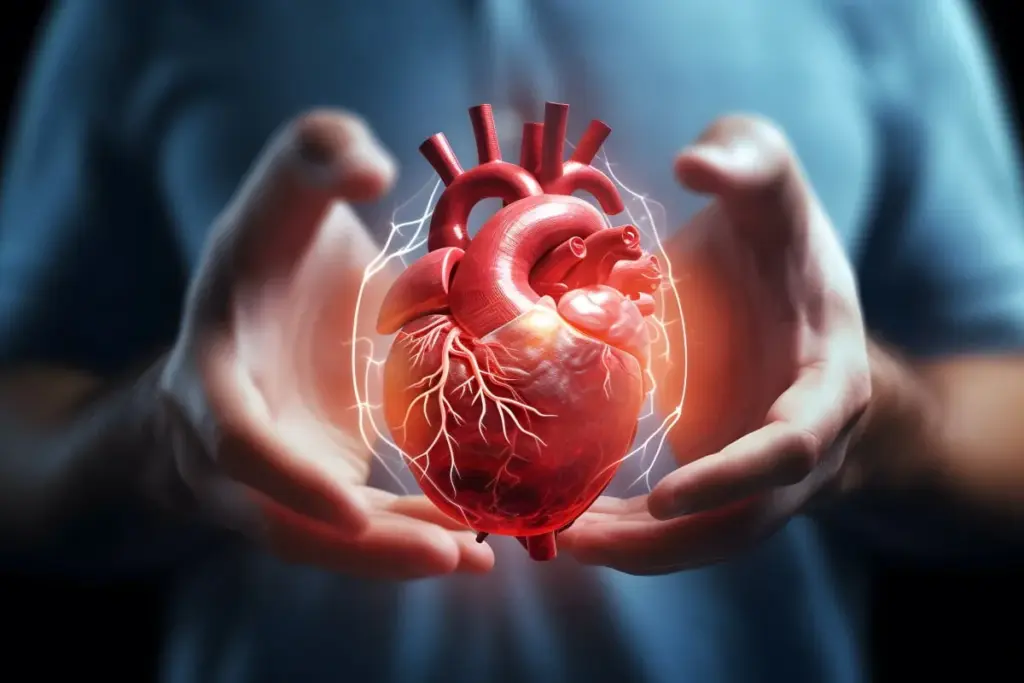
Did you know that heart diseases are a big cause of death worldwide? They lead to millions of deaths each year. MRI technology is key in finding and treating heart problems. It gives a safe way to see how the heart works.
We focus on getting the right diagnosis at our cardiac care center. Cardiologists utilize Heart MRI technology to obtain clear and accurate images of the heart. This helps them create the best treatment plans for each patient.
Key Takeaways
- Heart MRI is a non-invasive diagnostic tool that provides detailed images of the heart.
- It helps cardiologists assess the heart’s structure and function.
- Accurate diagnosis through Heart MRI is key for effective treatment plans.
- Advanced medical imaging is essential in managing heart conditions.
- Cardiologists depend on Heart MRI for personalized care.
What is a Heart MRI?

Heart MRI is a key tool for checking the heart’s shape and how well it works. It’s a non-invasive test that uses strong magnetic fields and radio waves. These tools help create detailed images of the heart’s structure and function.
Definition and Purpose
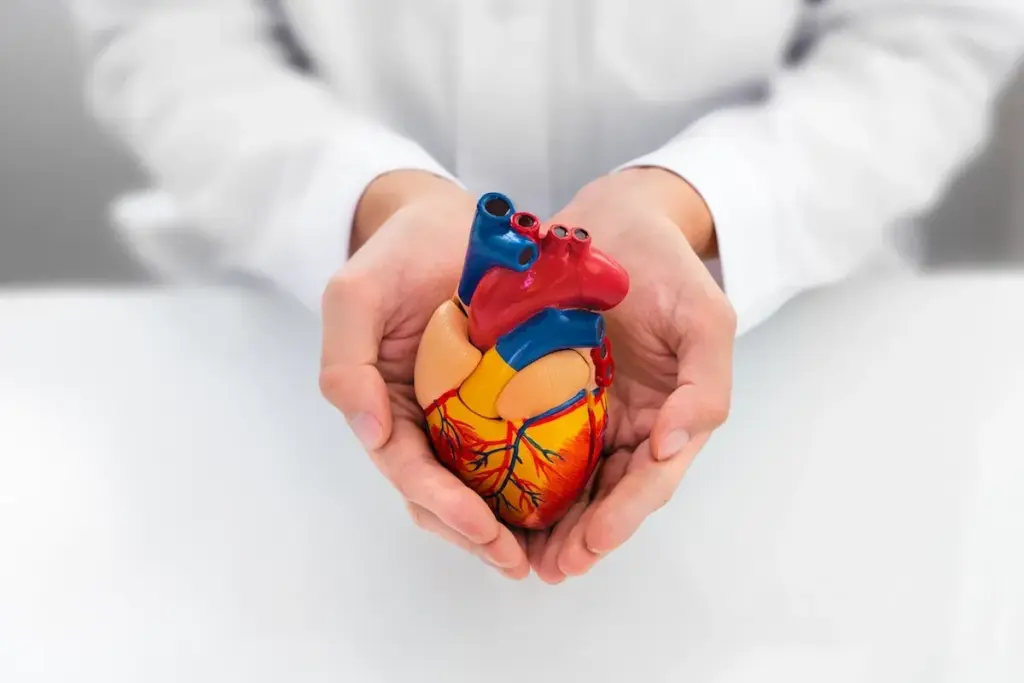
A Heart MRI is made to give detailed pictures of the heart. Doctors use these images to find and track heart problems. It’s safer than other tests because it doesn’t use harmful radiation.
The main goal of a Heart MRI is to look at the heart’s shape and how it works. It checks the heart’s chambers, valves, and big blood vessels. This gives doctors important info about the heart’s health.
How It Differs from Other Imaging Techniques
Heart MRI is different from CT scans or traditional angiograms. It can show detailed images of soft tissues without using harmful radiation.
Medical experts say, “MRI’s ability to show tissue details makes it a key tool for finding heart problems.” This makes Heart MRI great for looking at the heart’s structure and finding issues.
- Provides detailed images of soft tissues
- No ionizing radiation is used
- Offers a complete view of the heart’s anatomy and function
The Technology Behind Heart MRI
Modern Heart MRI machines use advanced technology to check the heart’s health. They have powerful magnets, radio waves, and computers to create detailed heart images.
MRI Machines and Technology Overview
Heart MRI machines make clear images of the heart’s structure and function. They use a strong magnetic field and radio waves to create these images. The technology keeps getting better, aiming to improve image quality and comfort for patients.
Key Components of MRI Machines:
- A powerful magnet that generates a strong magnetic field
- Radiofrequency coils that transmit and receive signals
- Gradient coils that spatially encode the signals
- A computer system that reconstructs the images
Advanced Imaging Techniques Used
Advanced imaging is key in Heart MRI for checking the heart’s function and health. Techniques like cine MRI and late gadolinium enhancement (LGE) give important insights into the heart.
|
Imaging Technique |
Description |
Clinical Application |
|---|---|---|
|
Cine MRI |
A technique that provides dynamic images of the heart throughout the cardiac cycle |
Assesses cardiac function, including ventricular volumes and ejection fraction |
|
Late Gadolinium Enhancement (LGE) |
A technique that highlights areas of scar tissue or fibrosis in the heart |
Evaluates myocardial viability and identifies areas of scarring |
These advanced imaging techniques, along with modern MRI technology, help doctors diagnose and manage heart conditions better.
Why a Heart MRI is Recommended
Knowing why a heart MRI is suggested can make patients see its importance in heart care. A heart MRI gives detailed pictures of the heart’s shape and how it works. It helps us find and track many heart problems.
Common Reasons for Getting an MRI
We suggest a heart MRI for a few main reasons. It’s great for looking at the heart’s parts and how they work. This method is best for checking the heart’s chambers, valves, and big blood vessels.
Common reasons for a heart MRI include checking the heart’s work in people with heart failure. It’s also good for spotting coronary artery disease and seeing how much damage there is after a heart attack.
Conditions Diagnosed by Heart MRI
A heart MRI is key in finding many heart issues. It shows the heart’s shape and how it functions. This helps us spot problems like cardiomyopathy, congenital heart defects, and pericardial disease.
- Coronary artery disease
- Heart failure
- Cardiomyopathy
- Congenital heart defects
With clear images of the heart, a heart MRI lets doctors create treatment plans that fit each patient’s needs.
How Heart MRI Helps Detect Blockages
Heart MRI is changing how we find coronary artery blockages. It’s a non-invasive way to see these blockages clearly. This method uses advanced imaging to check how well the heart works.
Mechanism of Action for Identifying Blockages
Heart MRI uses a method called coronary MRA to see the coronary arteries. This method helps us spot blockages and how bad they are. It uses a strong magnetic field and radio waves to show detailed images of the heart and its blood vessels.
Key steps in the mechanism include:
- Using a coronary MRA sequence to capture images of the coronary arteries.
- Analyzing the images to identify any blockages or narrowing.
- Assessing the impact of these blockages on cardiac function.
Insights Gained from MRI Imaging
The insights from MRI imaging are very helpful in diagnosing coronary artery disease. Finding blockages early helps us start the right treatment. This can stop serious heart problems.
The benefits of using heart MRI for detecting blockages include:
|
Benefit |
Description |
|---|---|
|
Non-invasive |
Avoids the need for surgical incisions or insertion of instruments into the body. |
|
High Accuracy |
Provides detailed images that help in accurate diagnosis. |
|
Early Detection |
Enables early detection of blockages, potentially preventing severe cardiac damage. |
Preparing for a Heart MRI
Getting ready for a heart MRI involves several steps. These steps are important for your safety and the success of the test. We know that getting a diagnostic test can be scary. But being prepared can really help.
Pre-Procedure Instructions
To get ready for your heart MRI, follow these key steps:
- Remove Metal Objects: Take off any metal items like jewelry, glasses, or clothes with metal parts. This is important for your safety and to avoid any problems with the MRI machine.
- Inform Your Healthcare Provider: Tell your healthcare provider about any metal implants, pacemakers, or medical conditions you have. Some metal implants can’t be used with an MRI.
- Clothing: Wear comfy clothes without metal parts. You might get a gown to wear during the test.
- Arrive Early: Get there early at the place you’re going. This gives you time for any paperwork and getting ready before the scan.
What to Expect Before the Scan
Before your heart MRI scan starts, here’s what you can expect:
- Screening Process: You’ll go through a screening to make sure you don’t have any metal objects that could mess with the MRI.
- Contrast Agent: If you need a contrast agent, you’ll be told about it first. This agent helps get clearer pictures of your heart.
- Positioning: You’ll lie on a table that moves into the MRI machine. It’s important to stay very quiet during the scan to get good pictures.
- Communication: You can talk to the MRI technologist through an intercom. If you’re uncomfortable or have a problem, let them know right away.
By following these steps and knowing what to expect, you can help make sure your heart MRI goes smoothly and safely.
The Heart MRI Procedure
The Heart MRI is a non-invasive test that shows detailed heart images. We know getting a medical test can be scary. So, we’re here to help you know what to expect during the Heart MRI.
Step-by-Step Process of the MRI
The Heart MRI procedure has several steps to ensure you get the best care and results.
- Preparation: You’ll need to remove metal objects like jewelry or glasses. You’ll also change into a comfortable gown.
- Positioning: You’ll lie on a table that moves into the MRI machine. Our team will make sure you’re in the right spot for the best images.
- Scanning: The MRI machine will take detailed heart images. You might need to hold your breath for a bit to get clear pictures.
- Monitoring: Our medical team will watch over you and the scan the whole time.
Duration and Comfort During the Scan
The Heart MRI scan usually takes 30 to 90 minutes. We make sure you’re comfortable during the test.
The MRI machine is made to be comfy. We use different methods to help you relax. Our team works hard to make the experience easy and stress-free for you.
Interpreting the Results of a Heart MRI
Understanding a Heart MRI’s results is complex. It needs a deep grasp of the heart’s anatomy and how it works. Cardiologists use Heart MRI images to spot and manage heart issues well. These detailed images help see the heart’s structure and function, guiding diagnosis and treatment.
Understanding the Images Produced
Heart MRI images are very detailed. They let cardiologists check the heart’s structure and function. These images can show blockages, heart muscle damage, and valve problems. Cardiologists look at these images carefully to find any issues and plan the best treatment.
A Heart MRI can show how much damage there is after a heart attack. It helps cardiologists plan a recovery path. It also spots areas of the heart not working right because of artery disease.
|
Condition |
What Heart MRI Can Reveal |
|---|---|
|
Coronary Artery Disease |
Narrowing or blockages in the coronary arteries |
|
Heart Valve Problems |
Issues with valve function, such as stenosis or regurgitation |
|
Cardiac Sarcoidosis |
Inflammation or scarring in the heart muscle |
Role of Cardiologists in Diagnosis
Cardiologists are key in reading Heart MRI results. Their knowledge is vital for making sense of the images and diagnosing accurately. By combining MRI findings with other tests and patient history, cardiologists create a full treatment plan.
Cardiologists use MRI data to decide on treatments, like surgery, medicine, or other options. Their job is not just to diagnose but also to care for patients with heart issues.
Risks and Considerations of Heart MRI
Heart MRI is a valuable tool for diagnosing heart conditions. But, it’s important to understand the risks and considerations for patient safety. We will discuss common risks and how patients can ensure a safe and effective procedure.
Common Risks Associated with MRI
Heart MRI is generally safe, but there are risks and discomforts. Claustrophobia is a common issue due to the enclosed MRI machine. Some patients may feel uncomfortable or anxious because of the tight space.
Another risk is interaction with metal implants. The strong magnetic field of the MRI can affect certain metal implants, like pacemakers. It’s important for patients to tell their healthcare provider about any metal implants before the MRI.
Specific Considerations for Patients
Patients with certain medical conditions or implants need special care. For example, those with kidney disease may face risks with contrast dye used in some MRI procedures. We carefully decide if contrast is needed and check kidney function first.
Pregnancy is also a consideration, though not a complete no-go. We weigh the benefits against the risks for pregnant patients. Usually, we avoid MRI unless it’s really necessary.
|
Risk/Consideration |
Description |
Precaution |
|---|---|---|
|
Claustrophobia |
Discomfort or anxiety due to enclosed space |
Relaxation techniques or open MRI machines |
|
Metal Implants |
Interaction with MRI’s magnetic field |
Disclosure of implants before procedure |
|
Kidney Disease |
Risk with contrast dye |
Assessment of kidney function before contrast use |
|
Pregnancy |
Potential risk to fetus |
Careful consideration and justification of MRI need |
Comparing Heart MRI to Other Diagnostic Tests
Heart MRI is special because it shows the heart’s details without using radiation. It’s important to know how different tests work to choose the right one for heart care.
Heart MRI vs. CT Angiography
Heart MRI and CT Angiography are both top-notch ways to see the heart and its blood vessels. But they do it in different ways.
CT Angiography uses X-rays to make clear images of the heart’s blood supply. It’s great for spotting blockages and checking for heart disease. Heart MRI, on the other hand, uses magnetic fields and radio waves. It’s perfect for looking at the heart’s chambers, valves, and tissues.
“The choice between Heart MRI and CT Angiography often depends on the specific clinical question and patient factors, such as kidney function and radiation exposure concerns.” –
Cardiology Expert
- Advantages of Heart MRI: No radiation, detailed soft tissue images, and checks heart function.
- Advantages of CT Angiography: Fast, good at finding heart disease, and easy to get.
Heart MRI vs. Traditional Angiograms
Traditional angiograms use dye and a catheter to see the heart’s arteries on X-rays. It’s the top choice for finding heart disease but has risks.
Heart MRI is non-invasive and shows the heart’s full picture. It’s not as detailed for heart disease as other tests but is great for other heart health checks.
|
Diagnostic Test |
Invasiveness |
Radiation Exposure |
Primary Use |
|---|---|---|---|
|
Heart MRI |
Non-invasive |
No |
Cardiac structure and function |
|
CT Angiography |
Minimally invasive (contrast dye) |
Yes |
Coronary artery disease |
|
Traditional Angiograms |
Invasive |
Yes |
Coronary artery disease |
Knowing what each test can do helps doctors pick the best one for each patient. This ensures the best care for heart health.
Future Advances in Heart MRI Technology
The future of heart MRI is looking bright. Researchers are working hard to make MRI technology better. This will help doctors make more accurate diagnoses and create better treatment plans.
Advancements in Imaging Techniques
New imaging techniques are being developed in MRI. These include advanced diffusion tensor imaging and cardiac MRI perfusion. These new methods will help doctors spot heart problems better. This means patients will get more focused care.
Impact on Patient Care
These advancements will greatly improve patient care. With better diagnostic tools, treatment outcomes will get better. As research keeps moving forward, heart MRI will become even more vital in treating heart conditions.
FAQ
What is a heart MRI, and how does it work?
A heart MRI is a test that uses strong magnetic fields and radio waves. It creates detailed images of the heart. This helps doctors see how the heart works and its structure.
How does a heart MRI differ from other imaging techniques like CT scans?
A heart MRI doesn’t use ionizing radiation, making it safer. It shows the heart’s structure and function in detail. This makes it key for diagnosing heart conditions.
What are the advanced imaging techniques used in heart MRI?
Techniques like cine MRI and late gadolinium enhancement are used. They help assess the heart’s function and viability. This gives doctors valuable insights into the heart’s condition.
Why is a heart MRI recommended, and what conditions can it diagnose?
A heart MRI is a valuable tool for checking the heart’s health. It helps doctors diagnose many conditions, from coronary artery disease to complex heart defects.
How does a heart MRI help detect blockages in the coronary arteries?
Heart MRI uses advanced techniques like coronary MRA. It can spot blockages and show how severe they are. This helps doctors decide on the best treatment.
What should I expect before undergoing a heart MRI?
Before the test, you’ll be told how to prepare. This includes removing metal objects and telling your doctor about any metal implants or medical conditions.
What is the step-by-step process of the heart MRI procedure?
You’ll be told about the scan’s duration and how to stay comfortable. You’ll lie on a table that slides into the MRI machine.
How do cardiologists interpret the images produced by a heart MRI?
Doctors use the images to check the heart’s structure and function. They can diagnose conditions and guide treatment based on these images.
What are the potentially risks and considerations associated with undergoing a heart MRI?
Risks include claustrophobia and issues with metal implants. Safety is a top priority. Measures are in place to reduce risks.
How does heart MRI compare to other diagnostic tests like CT angiography and traditional angiograms?
Each test has its own benefits and drawbacks. Heart MRI offers detailed images without radiation. CT angiography is quick, and traditional angiograms show the coronary arteries well.
What are the future advances in heart MRI technology?
Research and innovation in cardiac imaging are ongoing. These advancements aim to improve diagnosis and treatment. They could lead to more effective and personalized care.
References
National Center for Biotechnology Information. Evidence-Based Medical Insight. Retrieved from https://pmc.ncbi.nlm.nih.gov/articles/PMC3096295/



 Departments
 Related Videos
 Our Doctors
 News
News