

Feeling chest pain while vomiting can be scary. At Liv Hospital, we take your safety seriously. We focus on symptoms that might mean you need urgent medical help.Learn the causes of heart pain and vomiting, when to worry, and how they relate to heart issues.
Vomiting can cause chest pain for many reasons. These include stomach problems and sometimes heart issues. Knowing why you’re feeling this way is key to figuring out what to do next.
It’s important to know when chest pain with vomiting means you need to see a doctor. We’ll look at why this happens, how doctors diagnose it, and what treatments are available. This will help you understand when it’s time to get help.
Key Takeaways
- Chest pain during vomiting can be caused by various factors, including gastrointestinal and heart-related issues.
- Understanding the underlying cause is critical for the right treatment.
- Certain symptoms with chest pain and vomiting need immediate medical attention.
- Liv Hospital is dedicated to giving full care for patients with concerning symptoms.
- Knowing when to get medical help is key to avoiding serious problems.
The Relationship Between Chest Pain and Vomiting
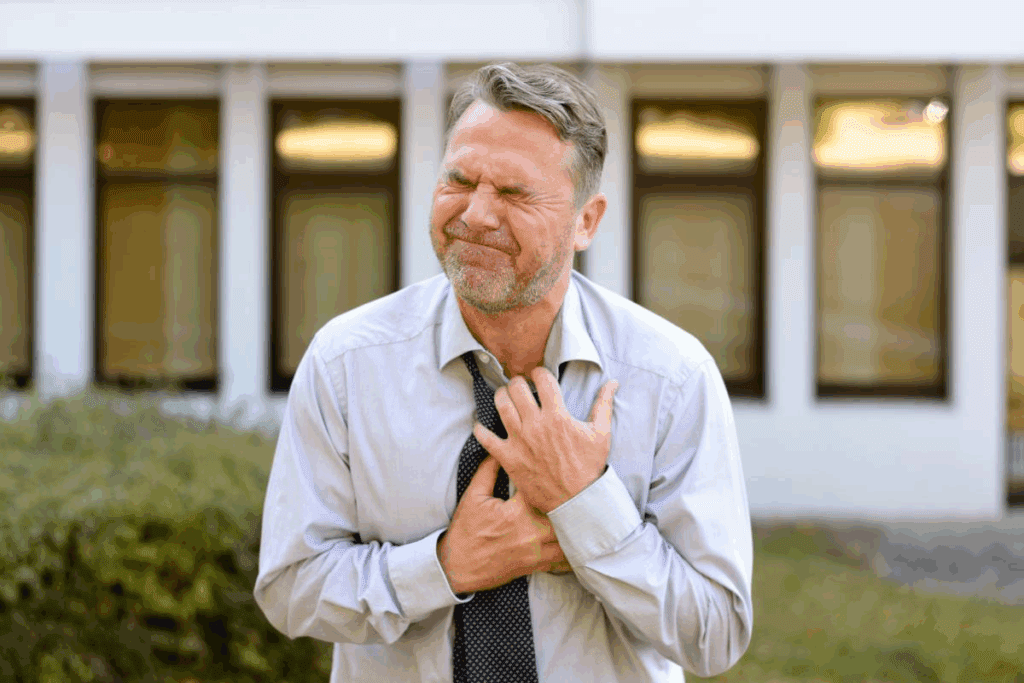
Chest pain and vomiting together need a doctor’s check-up. They can mean different health problems, like stomach issues or heart troubles.
How Common These Symptoms Occur Together
Many people feel chest pain and vomiting at the same time. This often happens when they’re very sick or stressed. Research shows up to 30 percent of heart attacks have nausea or vomiting.
Doctors say these symptoms happen together for a few reasons. It could be the body’s way of reacting to a lot of pain or showing a hidden problem.
“The presence of chest pain and vomiting together should prompt immediate medical evaluation to rule out serious conditions such as myocardial infarction or acute gastrointestinal disorders.”
Why This Symptom Combination Requires Attention
Chest pain and vomiting together mean you should see a doctor right away. They could be signs of something serious, like a heart attack. Or they might mean you have a bad stomach problem.
Even if it’s not something serious, it’s always better to be safe. Doctors say to get help fast if you have these symptoms.
Knowing how chest pain and vomiting are connected helps us take care of our health. It reminds us to see a doctor if we need to.
Physiological Mechanisms: How Vomiting Causes Chest Pain
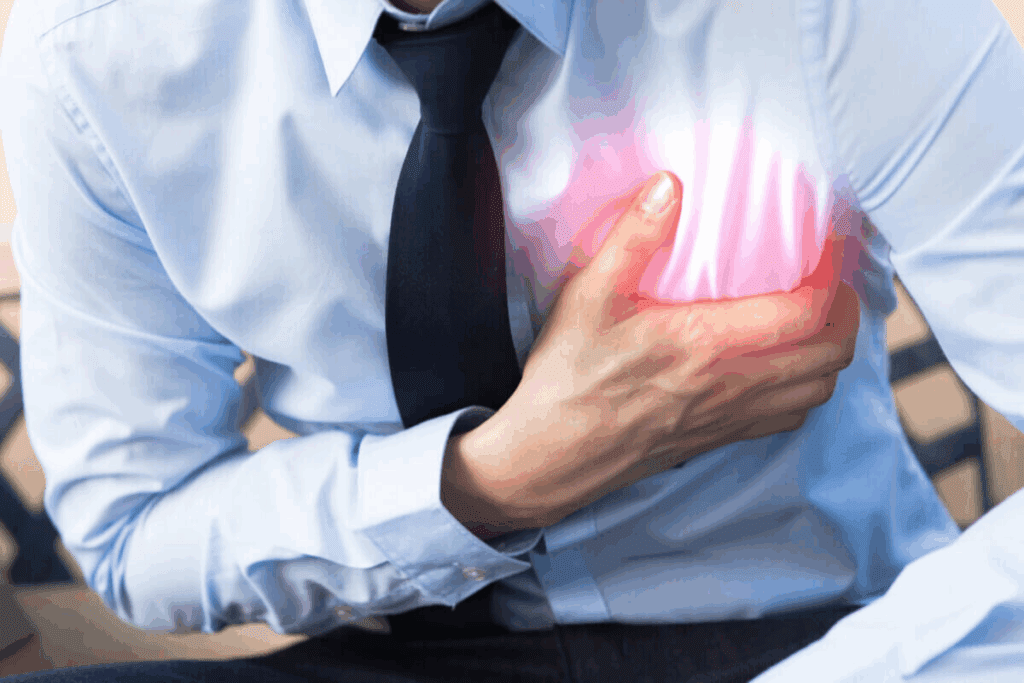
Vomiting puts a lot of stress on our body, which can lead to chest pain. This happens because vomiting involves the contraction of many muscles. These changes can cause pain in the chest area.
Muscular Strain During Forceful Contractions
One main reason for chest pain from vomiting is muscle strain. The diaphragm and abdominal muscles work hard during vomiting. This hard work can strain the chest muscles, causing pain.
Muscle strain during vomiting can be worse if you already have muscle weakness or injuries. Taking care of these conditions can help reduce the pain from vomiting.
Esophageal Irritation and Inflammation
Vomiting can also irritate and inflame the esophagus, causing chest pain. The esophagus carries food to the stomach. Acidic juices from the stomach can irritate it during vomiting, leading to inflammation and pain.
“The reflux of gastric contents into the esophagus during vomiting can lead to esophagitis, a condition characterized by inflammation of the esophagus.”
This irritation can cause a burning sensation or sharp pain in the chest. It’s often felt as heartburn or acid reflux. This pain can be very uncomfortable and may last even after vomiting stops.
Pressure Changes in the Thoracic Cavity
Changes in pressure in the thoracic cavity also contribute to chest pain during vomiting. The thoracic cavity houses the heart, lungs, and major blood vessels. During vomiting, the pressure in this area increases.
This increased pressure can stress the structures in the thoracic cavity, leading to pain. It can also affect the heart and lungs, making the discomfort worse.
| Physiological Mechanism | Description | Potential Consequences |
| Muscular Strain | Forceful contractions of diaphragm and abdominal muscles | Muscle pain, strain |
| Esophageal Irritation | Gastric contents irritating the esophageal lining | Esophagitis, pain |
| Pressure Changes | Increased pressure in the thoracic cavity | Stress on heart and lungs, pain |
Understanding these mechanisms can help us see why chest pain happens during vomiting. While some discomfort is normal, severe or ongoing pain should be checked by a doctor. This is to make sure there’s no serious issue.
Gastrointestinal Causes of Chest Pain While Throwing Up
Chest pain while throwing up often comes from stomach problems. These issues can be very uncomfortable and even dangerous if not treated.
Acid Reflux and GERD
Acid reflux, or GERD, happens when stomach acid goes back up into the esophagus. This can cause irritation and pain. Symptoms include heartburn, regurgitation, and trouble swallowing. If not treated, it can cause more serious problems like esophagitis and stricture.
Gastritis and Stomach Inflammation
Gastritis is inflammation of the stomach lining. It can be caused by infection, medication, or other factors. This can lead to chest pain and discomfort when vomiting. Symptoms include nausea, vomiting, and stomach pain. Seeing a doctor is important to avoid stomach ulcers.
Peptic Ulcers and Gastric Erosions
Peptic ulcers are sores on the stomach or duodenum lining. They can be caused by infection or NSAID use. These ulcers can cause chest pain, more so when vomiting. Symptoms include stomach pain, nausea, and vomiting. If not treated, they can lead to serious issues like bleeding or perforation.
Hiatal Hernia Complications
A hiatal hernia happens when part of the stomach goes through the diaphragm into the chest. This can cause pain and discomfort, worse during vomiting. Symptoms include heartburn, regurgitation, and trouble swallowing. Getting a medical check-up is key to avoid serious problems.
Understanding Heart Pain and Vomiting: Cardiac Causes
Heart pain and vomiting together need quick attention. They can signal serious heart issues. It’s important to know the cardiac causes behind these symptoms.
Heart Attack Presentation and Symptoms
A heart attack happens when blood flow to the heart stops. This damages the heart muscle. Symptoms include chest pain, feeling weak, and nausea or vomiting.
Common symptoms of a heart attack:
- Chest pain or discomfort
- Nausea or vomiting
- Shortness of breath
- Light-headedness or dizziness
- Pain or discomfort in the arms, back, neck, jaw, or stomach
Angina and Related Cardiovascular Conditions
Angina is chest pain from reduced blood flow to the heart. It’s a sign of coronary artery disease. People often feel a squeezing or pressure in their chest.
Types of angina:
- Stable angina
- Unstable angina
- Variant angina
- Microvascular angina
How to Distinguish Cardiac from Non-Cardiac Pain
Telling cardiac pain from non-cardiac pain is hard. Cardiac pain feels like squeezing or pressure. Non-cardiac pain is sharp or stabbing.
Key differences:
| Characteristics | Cardiac Pain | Non-Cardiac Pain |
| Nature of Pain | Squeezing, pressure | Sharp, stabbing |
| Triggers | Exertion, stress | Movement, deep breathing |
| Relief | Rest, nitroglycerin | Position change, time |
Knowing these differences helps get the right care. If you have symptoms like heart pain or vomiting, see a doctor. They can give the right diagnosis and treatment.
Serious Complications from Severe Vomiting
Forceful vomiting can lead to serious problems, like tears in the esophagus. It can also cause more severe conditions. When we vomit a lot, our body goes through a lot of stress. This stress can lead to different health issues.
Mallory-Weiss Tears of the Esophagus
Mallory-Weiss syndrome is when the lining of the esophagus tears. This usually happens because of intense or long-lasting vomiting. These tears can cause bleeding, which can be very serious.
Symptoms include vomiting blood and stomach pain. Doctors use endoscopy to find out if someone has this. Treatment might include just watching the patient, or sometimes they need to stop the bleeding.
Esophageal Rupture (Boerhaave Syndrome)
Boerhaave syndrome is a serious tear in the esophagus. It’s very dangerous and needs quick medical help. Symptoms include severe chest pain, trouble swallowing, and fever.
Doctors use CT scans or X-rays to see if there’s air in the chest. They usually have to do surgery right away to fix the tear. They also give antibiotics to prevent infection.
Pneumomediastinum and Other Rare Complications
Pneumomediastinum is when air gets into the chest area. This can happen if the esophagus tears. It’s very serious and needs quick treatment.
Other rare problems from vomiting include air in the lungs and air under the skin. These show how important it is to see a doctor if vomiting is bad or keeps happening.
Knowing about these serious problems helps us understand why we need to see a doctor fast if symptoms get worse. We must be careful with severe vomiting to avoid long-term harm.
Gender Differences: Chest Pain and Vomiting in Women
It’s important to understand how symptoms like chest pain and vomiting differ between men and women. Women often show different signs of heart problems than men. This can cause delays in getting the right treatment.
Atypical Heart Attack Symptoms in Women
Women are more likely to have atypical heart attack symptoms. These can include chest pain and vomiting. They might also feel short of breath, tired, or have pain in their arms, back, neck, jaw, or stomach. These symptoms can make it hard for doctors to quickly spot a heart attack.
There are many reasons for these atypical symptoms. Hormones, how pain is felt differently, and other health issues all play a part. These factors make diagnosing heart problems in women more complex.
Why Women’s Cardiac Symptoms Are Often Misdiagnosed
Women’s heart symptoms are often missed because they don’t match the usual signs of a heart attack in men. This mistake can cause treatment to be delayed. Quick treatment is key to managing heart attacks well.
Healthcare providers are now more focused on gender-specific symptoms. They’re learning to look for signs of heart disease in women that might not be typical. They’re also using better tools to diagnose heart problems in women.
By understanding these differences and changing how we diagnose, we can help women get better care for heart issues.
Psychological Factors Causing Chest Pain and Nausea
Psychological factors like anxiety and panic disorders can cause chest pain and nausea. Our mental state and physical health are closely linked. Knowing this helps us tackle these symptoms better.
Anxiety and Panic Attacks: Physical Manifestations
Anxiety and panic attacks can show up in our bodies in many ways. This includes chest pain and nausea. When we have a panic attack, our body goes into “fight or flight” mode. This can cause a fast heartbeat, sweating, and more.
Common physical symptoms of anxiety and panic attacks include:
- Chest pain or discomfort
- Nausea or stomach discomfort
- Rapid heartbeat or palpitations
- Sweating or trembling
- Shortness of breath
These symptoms can be so intense. They often make people think they’re having a heart attack. This leads them to seek emergency care.
Stress-Induced Digestive Disturbances
Stress and anxiety can really mess with our stomachs. They can cause nausea, vomiting, and changes in bowel habits. The gut and brain are connected, so stress can directly affect our digestion.
Stress-induced digestive disturbances can manifest as:
- Nausea or vomiting
- Irritable Bowel Syndrome (IBS)
- Acid reflux or GERD
- Stomach pain or cramps
Managing stress can help. Techniques like deep breathing, meditation, or yoga can ease these symptoms.
It’s key to understand the psychological reasons behind chest pain and nausea. By tackling the root causes, we can find relief from these symptoms.
Warning Signs: When to Seek Emergency Medical Care
When you have chest pain and vomiting, it’s key to know when to get help fast. These signs can mean serious health issues that need quick action.
Red Flag Symptoms That Require Immediate Attention
Some symptoms with chest pain and vomiting are red flags. They mean you need to go to the emergency room right away. These include:
- Severe chest pain that spreads to the arm, neck, or jaw
- Hard time breathing or feeling short of breath
- Feeling dizzy or fainting
- Heartbeat that’s too fast or not regular
- Severe pain in the belly
If you or someone you know has these symptoms, get medical help fast.
| Red Flag Symptom | Possible Indication |
| Severe chest pain | Heart attack or cardiac issue |
| Difficulty breathing | Respiratory or cardiac problem |
| Dizziness or fainting | Circulatory or cardiac issue |
What Information to Provide to Healthcare Providers
When you go to the emergency room, tell the doctors everything you can. This includes:
- Tell them about your symptoms, when they started, and how bad they are
- Share your medical history, including any health problems or allergies
- Give them a list of medicines you’re taking
- Tell them about any recent travel or sickness
Having this info ready helps doctors figure out what’s wrong and treat you right.
Treatment Approaches for Different Causes
Chest pain and vomiting can have many causes. It’s important to find out why it’s happening. We’ll look at how to treat these problems and when to see a doctor.
Managing Gastrointestinal-Related Chest Pain
For chest pain from the stomach, treatment is often a mix of things. If you have acid reflux or GERD, changing your diet and losing weight can help. Avoiding certain foods is also key.
Medicines like antacids and proton pump inhibitors can also help. These reduce stomach acid. For gastritis and stomach inflammation, it’s best to avoid things that irritate your stomach. Medications can help with this.
Peptic ulcers and gastric erosions need special treatment. This includes medicines to lower acid and protect your stomach. If H. pylori is the cause, antibiotics are used too.
| Condition | Treatment Approach | Medications |
| Acid Reflux and GERD | Lifestyle modifications, dietary changes | Antacids, H2 blockers, PPIs |
| Gastritis and Stomach Inflammation | Avoiding irritants | Medications to reduce stomach acid |
| Peptic Ulcers and Gastric Erosions | Medications to reduce acid, protect stomach lining | Antibiotics for H. pylori infection |
Emergency Interventions for Cardiac Causes
Heart-related chest pain needs quick action. This might include cardiac catheterization to open blocked arteries. You might also get thrombolytic therapy to break up clots.
Medicines are used to manage pain and stop more clots. Sometimes, surgical interventions like CABG are needed. Lifestyle changes like diet and exercise are also recommended to prevent future heart problems.
Addressing Anxiety-Related Symptoms
Anxiety can cause chest pain and vomiting. Treatment involves both therapy and sometimes medicine. Cognitive-behavioral therapy (CBT) helps change negative thoughts and behaviors.
Relaxation techniques like deep breathing and mindfulness are also helpful. In some cases, medications like benzodiazepines or antidepressants are used to manage anxiety.
It’s vital to get a medical check-up to find out why you’re experiencing chest pain and vomiting. The right treatment depends on the cause.
Conclusion: Prevention and Long-Term Management
To prevent and manage chest pain and vomiting, we need a full plan. This plan should tackle the root causes of these symptoms. Knowing how they happen and the risks helps us act early.
Prevention means eating right, handling stress well, and staying away from things that upset our stomachs or hearts. If chest pain and vomiting keep coming back, we might need to change our lifestyle. We might also need medicine or other treatments that fit our situation.
By teaming up with doctors and being proactive about our health, we can cut down on chest pain and vomiting. This approach helps us handle our condition better and lowers the chance of serious problems.
FAQ
Can vomiting cause chest pain?
Yes, vomiting can cause chest pain. This is due to muscular strain, esophageal irritation, and changes in the thoracic cavity.
Why does my chest hurt when I vomit?
Chest pain from vomiting can be caused by acid reflux, gastritis, peptic ulcers, and hiatal hernia complications.
Can throwing up cause chest pain?
Yes, forceful vomiting can cause chest pain. This is due to muscular strain and esophageal irritation.
What are the cardiac causes of chest pain and vomiting?
Cardiac causes include heart attack and angina. These need immediate medical attention.
How can I distinguish cardiac from non-cardiac pain?
Cardiac pain often includes shortness of breath, dizziness, and pain in the arm or jaw. Non-cardiac pain is usually related to the stomach.
What are the serious complications of severe vomiting?
Severe vomiting can cause Mallory-Weiss tears, esophageal rupture, and pneumomediastinum. These need immediate medical care.
Are there any gender differences in chest pain and vomiting?
Yes, women’s heart symptoms can differ from men’s. It’s important to recognize and diagnose heart conditions in women.
Can anxiety cause chest pain and nausea?
Yes, anxiety and panic attacks can cause chest pain and nausea. These can be managed with proper treatment.
When should I seek emergency medical care for chest pain and vomiting?
Seek emergency care for severe chest pain, trouble breathing, or dizziness.
What information should I provide to healthcare providers when seeking emergency medical care?
Tell healthcare providers about your symptoms, medical history, and medications. This helps them diagnose and treat you effectively.
How can I manage gastrointestinal-related chest pain?
Treat underlying conditions like acid reflux, gastritis, and peptic ulcers with medications and lifestyle changes.
What are the treatment approaches for cardiac causes of chest pain and vomiting?
Treatments include emergency interventions like angioplasty, thrombolysis, and cardiac surgery, depending on the condition.
How can I reduce the risk of chest pain and vomiting?
Reduce risk by maintaining a healthy lifestyle, managing stress, and seeking medical attention for underlying conditions.
References:
- Lung, K., & Lui, F. (2023). Anatomy, Abdomen and Pelvis: Arteries. In StatPearls. National Center for Biotechnology Information. https://www.ncbi.nlm.nih.gov/books/NBK525959/