
Did you know that nearly 30% of patients who have cardiac surgery face cognitive decline? This includes memory problems. This fact is a big worry for those thinking about heart surgery.heart surgery affect memoryBrain Surgery: Common Post-Surgery Risks Explained
We are a top healthcare provider, and we know how worried international patients are. The link between heart surgery and memory is tricky. Many things can affect how well you think after surgery.
We will look into how open heart surgery affects thinking skills. We aim to give you the info you need to choose the best care for yourself.
Key Takeaways
- Understanding the risks of cognitive decline after cardiac surgery.
- Factors influencing memory problems post-heart surgery.
- Strategies to minimize the impact on memory and cognitive function.
- The importance of discussing cognitive risks with your healthcare provider.
- Advancements in cardiac surgery techniques to reduce cognitive complications.
The Relationship Between Cardiac Procedures and Brain Function
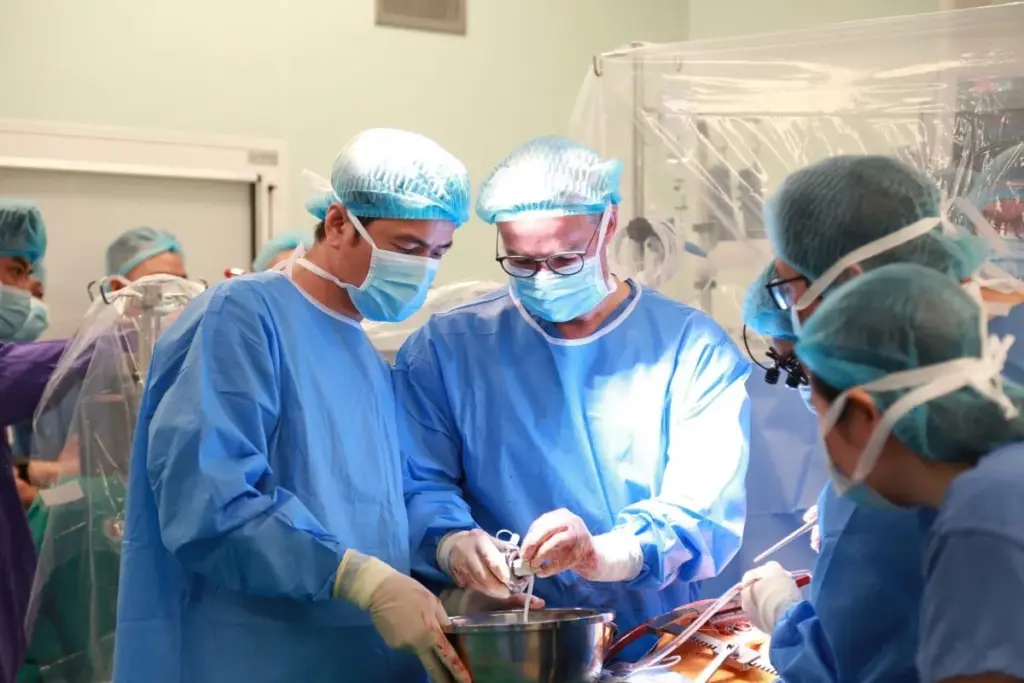
It’s important to understand how the heart and brain work together, mainly when it comes to cardiac surgery. The heart and brain are connected by a network of blood vessels and nerves. Any problem in this connection can affect how well we think.
How the Heart and Brain Are Connected
The heart and brain are linked through the cerebral vasculature. This network supplies the brain with what it needs to function. Cardiac surgery can disrupt this, leading to changes in how we think.
Studies have found that using a heart-lung machine during surgery can cause cognitive dysfunction. This is due to things like tiny clots and inflammation. Knowing this helps us find ways to reduce these effects.
Overview of Cognitive Changes Following Cardiac Surgery
After cardiac surgery, people might notice changes in their thinking. These can be small memory problems or more serious issues. Some common changes include:
- Memory loss or trouble remembering things
- Harder to focus and pay attention
- Slower thinking
- Struggling with solving problems and making decisions
These changes can last a short time or be long-lasting. How long and how much they affect someone depends on the surgery, how long it takes, and the person’s health.
Does Heart Surgery Affect Memory?
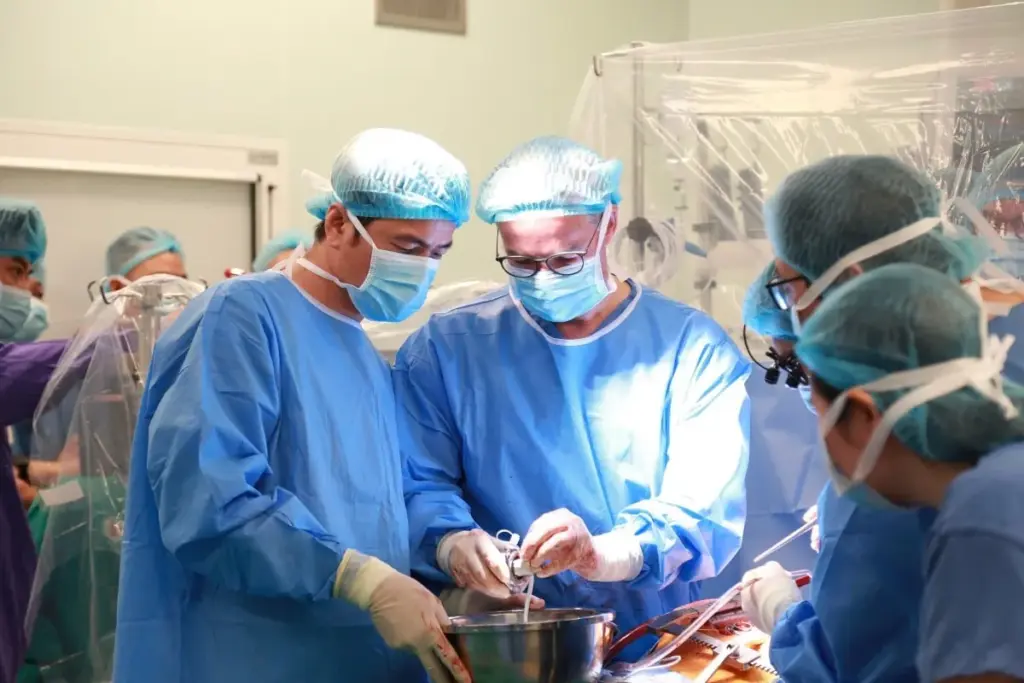
Heart surgery is a lifesaver but raises worries about its impact on memory. As medical tech gets better, knowing how these surgeries affect memory is key.
Research Findings on Memory Changes After Cardiac Procedures
Many studies have looked into heart surgery’s effect on memory. They show that some patients might have memory problems after surgery. But how much and for how long can vary a lot.
A study in a Journal Surgery found memory loss in CABG patients. It happened right after surgery.
Other research points out that surgery type, how long the heart is stopped, and the patient’s memory before surgery matter. We’ll dive deeper into these factors to grasp their impact on heart surgery patients.
Temporary vs. Permanent Memory Effects
It’s vital to know if memory changes from heart surgery are short-term or last forever. Some patients might have memory issues that go away as they heal. But others might face lasting brain changes.
Temporary memory effects often happen right after surgery. They’re due to anesthesia and the body’s reaction to surgery. These usually get better as the patient recovers.
Permanent memory effects are rarer but can really affect a patient’s life. Knowing about both kinds of memory changes helps doctors and patients prepare better for what comes after surgery.
Types of Heart Surgeries and Their Cognitive Impact
Heart surgery’s effect on memory and thinking changes with each type of surgery. These surgeries are grouped into several categories. Each has its own risks and effects on the mind.
Open Heart Surgery Memory Loss Risks
Open heart surgery, where the chest is opened to work on the heart, carries some risks to thinking. Memory loss can happen, but how much varies from person to person.
- Cognitive changes can occur due to the surgical procedure itself.
- The use of cardiopulmonary bypass may contribute to cognitive effects.
- Patient-specific factors, such as age and pre-existing conditions, play a significant role.
Coronary Artery Bypass Grafting (CABG) Effects
CABG is a surgery to improve blood flow to the heart. It’s generally safe, but CABG memory loss is a worry for some.
- CABG involves grafting a healthy vessel onto a blocked coronary artery.
- Cognitive outcomes can be influenced by the surgical technique and patient health.
- Some patients may experience temporary cognitive dysfunction post-CABG.
Valve Replacement and Cognitive Outcomes
Valve replacement surgery replaces a bad heart valve with a new one. The impact on thinking can differ.
- The type of valve replacement (mechanical vs. bioprosthetic) may influence cognitive outcomes.
- Surgical techniques and the use of cardiopulmonary bypass can affect cognition.
- Patient factors, including age and comorbidities, are key in figuring out cognitive risks.
Knowing how different heart surgeries affect the mind helps both patients and doctors make better choices. While there are risks, many people get better and some even see their thinking improve after surgery.
Mechanisms Behind Cardiac Surgery Cognitive Effects
Cardiac surgery can change how we think, but why? We’ll look at the main reasons for these changes. This will help us understand why some people might struggle with thinking after heart surgery.
Blood Flow Alterations During Surgery
Changes in blood flow are a big part of it. Using a heart-lung machine can mess with blood flow to the brain. This can lead to short-term or lasting thinking problems.
Microemboli and Their Impact on Brain Tissue
Microemboli, tiny particles, are also a big deal. They can travel to the brain and harm it. Studies show that these particles can cause thinking problems in some patients after surgery.
- Microemboli can be made of fat, air, or other things from surgery.
- The risk of getting microemboli depends on how the surgery is done and if a heart-lung machine is used.
- It’s important to find ways to lower the chance of getting microemboli to help thinking skills.
Inflammatory Responses and Neurological Function
Cardiac surgery can also start an inflammatory response. This is the body’s way of reacting to surgery. It can affect how well we think. Controlling this response is key to reducing thinking problems.
Knowing how these factors work is important for finding ways to lessen thinking changes after heart surgery. By fixing blood flow issues, cutting down on microemboli, and controlling inflammation, we can help patients think better after surgery.
Postoperative Cognitive Dysfunction (POCD) After Heart Surgery
Postoperative cognitive dysfunction (POCD) is a big worry for heart surgery patients. It’s when surgery makes it hard to remember things, focus, and think clearly.
POCD is a concern for patients and their families. It’s important to know what POCD is, how it affects memory, and how common it is in heart surgery patients.
Defining POCD in Cardiac Patients
POCD in heart surgery patients means a drop in thinking skills after surgery. It can mess with memory, attention, and how fast you can process information. The reasons for POCD are complex, including inflammation, tiny clots, and how anesthesia works.
Different Types of Memory Affected
Memory problems from POCD can be different for everyone. Some common issues include:
- Short-term memory: Trouble remembering things that just happened or what was said.
- Long-term memory: Hard to recall past events or memories.
- Working memory: Struggling with tasks that need you to hold and change information in your mind.
Prevalence and Statistical Data
Research shows POCD is a common issue after heart surgery. How common it is can depend on the surgery, the patient, and how it’s measured. Here are some important numbers:
|
Type of Surgery |
POCD Prevalence |
|---|---|
|
Coronary Artery Bypass Grafting (CABG) |
20-40% |
|
Valve Replacement Surgery |
15-30% |
|
Combined CABG and Valve Surgery |
30-50% |
These numbers show why we need to understand and tackle POCD in heart surgery patients. More research is needed to find ways to prevent and manage POCD.
Risk Factors for Developing Memory Problems After Cardiac Surgery
Cardiac surgery is lifesaving but can affect memory. Some factors increase the risk of memory issues after surgery. Knowing these risks helps patients and doctors avoid cognitive problems.
Age-Related Vulnerability
Age is a big factor in memory problems after heart surgery. Older people are more likely to experience cognitive decline. This is because they have less physical reserve and often have other health issues. Studies show that those over 65 face a higher risk of cognitive problems after surgery.
|
Age Group |
Risk of Cognitive Decline |
|---|---|
|
< 65 years |
Lower |
|
65-75 years |
Moderate |
|
> 75 years |
Higher |
Pre-existing Cognitive Conditions
Those with existing cognitive issues, like dementia, face a higher risk of memory problems after surgery. These conditions make the brain more vulnerable to surgery’s stresses. This can lead to a bigger drop in cognitive function after the operation.
“Patients with pre-existing cognitive impairment are more likely to experience a decline in cognitive function after cardiac surgery, stressing the importance of careful preoperative assessment and postoperative care.”
A Cardiothoracic Surgeon
Surgical Duration and Complexity Factors
The length and complexity of heart surgery also play a role in memory risks. Longer, more complex surgeries increase the risk of cognitive decline. This is because they expose the brain to more anesthesia and cardiopulmonary bypass, and may lead to complications.
Anesthesia Considerations
Anesthesia is key in heart surgery and affects memory outcomes. The type and amount of anesthetic, and how it’s managed during surgery, can impact memory risks. Using anesthesia techniques that reduce brain stress and ensure good blood flow is vital to lower cognitive risks.
Understanding these risk factors helps doctors reduce the chance of memory problems after heart surgery. This improves patient outcomes and quality of life.
Cardiopulmonary Bypass and Brain Function
It’s important to understand how cardiopulmonary bypass affects brain function. This technology, also known as the heart-lung machine, takes over the heart and lungs during surgery. It lets surgeons work on a heart that’s not beating.
This technology has changed cardiac surgery a lot. It makes it possible to do complex surgeries that were once impossible. But, it raises questions about its impact on brain blood flow and thinking.
How the Heart-Lung Machine Affects Cerebral Blood Flow
The heart-lung machine can change how blood flows to the brain. It keeps blood moving and oxygenated during surgery. But, it can also change how the brain gets blood.
Several factors can affect brain blood flow during this process:
- Changes in blood pressure and flow rates
- Temperature management during surgery
- The presence of microemboli
- Inflammatory responses triggered by the bypass procedure
These factors can cause changes in brain blood flow. This can affect how well we think. Research shows that too little or too much blood flow can happen during surgery. Both can be risky for the brain.
On-Pump vs. Off-Pump Procedures: Cognitive Outcomes
The debate is ongoing between on-pump and off-pump CABG. On-pump uses the heart-lung machine, while off-pump is done on a beating heart. The focus is on how these methods affect thinking.
Some studies say off-pump might be better for the brain. It uses less of the heart-lung machine. But, other research finds no big difference in thinking skills between the two.
“The choice between on-pump and off-pump CABG should be based on individual patient characteristics and the surgeon’s expertise, as both techniques have their advantages and disadvantages.”
To really understand the brain effects, we need a big study. Things like age, brain health before surgery, and how complex the surgery is matter a lot. They help decide the best method for each person.
Recognizing Cognitive Changes After Heart Surgery
It’s important for patients and their caregivers to understand the cognitive effects of heart surgery. Knowing about possible memory and cognitive function changes is key. This knowledge helps us deal with the complexities of cardiac procedures.
Common Symptoms of Open Heart Surgery Memory Issues
Patients may face various cognitive changes after heart surgery. Some common symptoms include:
- Difficulty concentrating or paying attention
- Memory lapses or forgetfulness
- Confusion or disorientation
- Slower processing speed
- Trouble with word-finding or language
These symptoms can vary in severity and duration. While some patients may face significant cognitive changes, others might notice more subtle effects.
When to Seek Medical Attention
If you’re experiencing cognitive changes after heart surgery, knowing when to seek medical attention is key. We recommend consulting your healthcare provider if you notice:
|
Symptom |
Severity |
Action |
|---|---|---|
|
Memory lapses |
Persistent or severe |
Consult your doctor |
|
Confusion |
Increasing or disorienting |
Seek immediate medical attention |
|
Difficulty concentrating |
Interfering with daily activities |
Discuss with your healthcare provider |
Early intervention can make a big difference in managing cognitive changes after heart surgery. By knowing the common symptoms and when to seek help, patients can navigate their recovery better.
Timeline of Cardiac Surgery Memory Recovery
Recovering memory after cardiac surgery is complex and varies for everyone. It’s key to know the different stages of recovery and what to expect.
Immediate Post-Surgery Cognitive State
Right after surgery, patients might feel confused, disoriented, and forgetful. This is usually short-term and caused by anesthesia, the surgery, and inflammation. “The first days after surgery can be tough, but most people get better quickly,” says a top cardiothoracic surgeon.
It’s important for family and caregivers to support patients during this time. They should make sure the patient is safe and comfortable. Doctors also keep a close eye on how well patients think and act.
Medium-Term Recovery Expectations (3-6 Months)
Three to six months after surgery, many patients start to think more clearly again. Memory comes back, but at different rates for everyone. A study in a Journal found most patients see big improvements in six months.
During this time, patients should do cognitive rehab. This includes memory games, puzzles, and brain-stimulating activities. Eating well, exercising, and managing stress also help with thinking better.
Long-Term Cognitive Prognosis
Most patients do well long-term after cardiac surgery, getting back to normal thinking. But some might have lasting thinking problems. It’s vital to keep seeing doctors and getting support.
Studies show age, past thinking problems, and surgery type affect long-term thinking. “Most people bounce back well after heart surgery,” says a cardiovascular medicine expert.
Knowing the timeline of memory recovery after cardiac surgery helps patients and families. It sets realistic hopes and guides care choices.
Preventing Cognitive Decline Before and During Heart Surgery
Understanding how to prevent cognitive decline is key. We must take steps before and during heart surgery. This approach can greatly lower the chance of cognitive problems in cardiac patients.
Preoperative Cognitive Assessment and Preparation
Before surgery, a detailed preoperative cognitive assessment is vital. It spots patients at risk for cognitive issues. We check memory, attention, and executive function to compare before and after surgery.
Getting ready is important. We tell patients to improve their physical activity and manage health issues. We also teach them about mental preparation and stress reduction.
Surgical Technique Modifications for Brain Protection
Changing surgical methods can help prevent cognitive decline. Surgeons might choose off-pump CABG to avoid brain damage. They also handle the aorta carefully to prevent debris.
Using minimally invasive techniques can also help. These methods cause less trauma. The right technique depends on the patient’s condition and risks.
Anesthesia Management Strategies
Good anesthesia management is essential. Anesthesiologists watch blood pressure, temperature, and oxygen levels. This ensures the brain gets enough blood and oxygen.
They pick anesthetics that protect the brain and keep anesthesia levels right. Managing pain well after surgery is also key. Uncontrolled pain can harm cognitive recovery.
By using these strategies together, we can lower cognitive decline risks in heart surgery patients. This improves their outcomes and quality of life.
Treatment Approaches for Memory Problems After Cardiac Surgery
Memory issues after heart surgery can be tough. But, there are many ways to help. These include rehab programs, medicines, and changes in lifestyle.
Cognitive Rehabilitation Programs
Cognitive rehab helps patients get back their memory and thinking skills. It includes special exercises and activities made just for them.
- Memory exercises to improve recall and recognition
- Attention and concentration training
- Strategies to compensate for memory deficits
Studies show that cognitive rehab can really help patients after heart surgery.
Medications and Supplements
Some medicines and supplements can help with memory issues after surgery. They include:
- Cholinesterase inhibitors to improve cognitive function
- Memantine to slow cognitive decline
- Omega-3 fatty acids for overall brain health
- Vitamins B6, B9, and B12 to support neurological function
|
Medication/Supplement |
Potential Benefits |
|---|---|
|
Cholinesterase inhibitors |
Improved cognitive function |
|
Memantine |
Slowing cognitive decline |
|
Omega-3 fatty acids |
Supports overall brain health |
Lifestyle Interventions for Cognitive Health
Lifestyle changes are key to managing memory issues after surgery. Important steps include:
- Regular physical exercise to enhance cardiovascular health
- A balanced diet rich in fruits, vegetables, and whole grains
- Adequate sleep and stress management techniques
- Cognitive stimulation through activities like reading, puzzles, and social engagement
By using these treatments, patients can improve their thinking skills and life quality after surgery.
Living With Post-Heart Surgery Cognitive Changes
Living with cognitive changes after heart surgery is tough for patients and their families. It’s important to understand these changes to help with recovery.
Patient Experiences and Coping Strategies
Heart surgery patients often face memory problems, trouble focusing, and confusion. These issues can be hard to deal with. But, there are ways to cope.
Cognitive rehabilitation programs help patients get back their thinking skills. These programs use exercises and techniques made just for each person.
“I was surprised by how much my memory was affected after surgery,” says Jane Doe, a heart surgery patient. “But with the help of a cognitive rehabilitation program, I’ve been able to improve my memory significantly.”
“Cognitive rehabilitation is a critical component of the recovery process. It helps patients adapt to their new cognitive reality and regain independence.”
A Cardiothoracic Surgeon
Changing your lifestyle can also help. This includes regular exercise, eating well, and managing stress. Doing things that challenge your mind can also keep your thinking sharp.
Family Support and Caregiver Resources
Family support is key in recovery. Caregivers offer emotional support, help with daily tasks, and ensure patients follow their treatment plans. It’s important for caregivers to know about the cognitive changes and the help available.
- Support groups for caregivers and patients
- Educational materials on cognitive changes after heart surgery
- Access to counseling services
Working together, patients, families, and healthcare providers can create care plans that tackle cognitive challenges. This teamwork is essential for better patient outcomes and a better quality of life.
Conclusion
Understanding the link between heart surgery and brain function is key for patients. We’ve looked into how heart health affects brain function. This includes the risks and effects of heart surgery on memory and thinking. When facing heart surgery, knowing what affects brain function is vital. By understanding these risks, patients can make better choices about their care. Our team aims to provide top-notch healthcare, supporting international patients fully. By focusing on heart health and brain function, patients can live better lives. We urge patients to work with their doctors to create a plan for their heart and brain health. This plan should cover before and after surgery.
FAQ
Does heart surgery affect memory?
Heart surgery might affect memory and thinking skills. Studies show some patients may notice memory changes after surgery. But how much and for how long it lasts can vary.
What types of heart surgery are associated with memory loss?
Different heart surgeries, like open heart surgery and valve replacement, might lead to memory loss. This includes coronary artery bypass grafting (CABG).
How long does it take to recover from cardiac surgery cognitive effects?
Recovery time after heart surgery varies. Some see quick improvements, while others take months. Most see big improvements in 3-6 months.
What are the risk factors for developing memory problems after cardiac surgery?
Several factors increase the risk of memory problems after surgery. These include age, existing brain conditions, surgery length, and anesthesia type.
Can cardiopulmonary bypass affect brain function?
Yes, the heart-lung machine can change blood flow to the brain. This might affect brain function. On-pump surgeries are more likely to cause cognitive changes than off-pump ones.
How can cognitive decline be prevented before and during heart surgery?
To prevent cognitive decline, assess brain function before surgery. Use protective surgical techniques and manage anesthesia carefully.
What are the treatment approaches for memory problems after cardiac surgery?
Treatments include cognitive rehab, medications, and lifestyle changes. These aim to improve brain health.
How can patients cope with post-heart surgery cognitive changes?
Patients can cope by using effective strategies and getting support. They can also use resources to manage cognitive changes.
Is postoperative cognitive dysfunction (POCD) a common complication after heart surgery?
Yes, POCD is a common issue after heart surgery. It affects many patients. The severity depends on the surgery type and individual factors.
Can open heart surgery cause permanent memory loss?
Some patients may have lasting memory issues after open heart surgery. But many recover their cognitive function over time.
What is the impact of cardiac surgery on brain function?
Cardiac surgery can affect brain function due to blood flow changes, microemboli, and inflammation. Understanding these can help reduce cognitive effects.
Are there any long-term cognitive effects of cardiac surgery?
Long-term cognitive effects vary. Some patients have lasting changes, while others fully recover. Research is ongoing to understand these outcomes.
National Center for Biotechnology Information. Evidence-Based Medical Insight. Retrieved from https://pubmed.ncbi.nlm.nih.gov/11172194/