
Going through cardiac surgery can be scary. Knowing how long it takes is key for patients and their families.Get a quick guide to heart surgery duration for different procedures. Know the vital time commitment involved in the operation.
Did you know over 500,000 cardiac surgeries happen every year in the U.S.? The surgery duration changes a lot. It depends on how complex the surgery is and the patient’s health.
At our place, we know how important it is to support patients from other countries who have heart surgery. We want to give them top-notch care and help them recover well.
Key Takeaways
- Cardiac surgery includes many procedures, like coronary artery bypass grafting and heart transplants.
- The surgery’s complexity affects how long it lasts.
- The patient’s health is a big factor in how long the surgery takes.
- We offer full support for international patients.
- Knowing how long cardiac surgery takes is important for getting ready and recovering.
The Fundamentals of Cardiac Procedures

Cardiac procedures involve more than just surgery. They also include care before and after surgery. These surgeries are complex and need a team of healthcare experts.
Why Heart Surgeries Are Performed
Heart surgeries treat many heart issues. These include coronary artery disease, valve problems, and congenital heart defects. Doctors choose surgery after trying other treatments.
They look at the patient’s health, how severe their condition is, and their medical history. This helps decide the best treatment.
Some main reasons for heart surgery are:
- To fix or replace bad heart valves
- To bypass blocked arteries
- To fix heart defects from birth
- To put in devices that help the heart work better
The Surgical Team and Environment
Our team includes skilled cardiothoracic surgeons, anesthesiologists, and nurses. They work together for the best patient outcomes. The surgery room has the latest technology for complex surgeries.
The main team members are:
|
Team Member |
Role |
|---|---|
|
Cardiothoracic Surgeon |
Performs the surgical procedure |
|
Anesthesiologist |
Administers anesthesia and monitors patient vital signs during surgery |
|
Nurses |
Assist during surgery and provide post-operative care |
Understanding cardiac procedures helps patients see the complexity and care in their treatment. Our team is committed to top-notch care and support during the surgery.
Heart Surgery Duration: Typical Timeframes
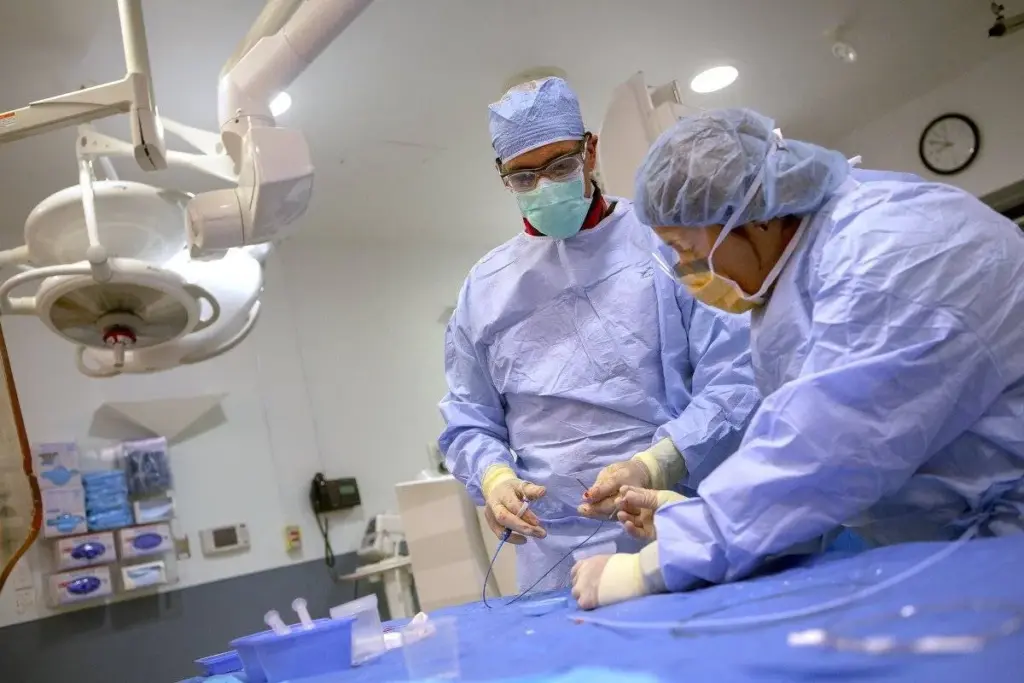
Knowing how long heart surgery takes is important for patients and their families. The time in the operating room can change a lot. This depends on the surgery type and the patient’s health.
Most heart surgeries last between 3 to 6 hours. But, the actual time can vary.
Average Operating Room Times
The time in the operating room for heart surgery varies. A coronary artery bypass grafting (CABG) might take 3 to 4 hours. More complex surgeries, like heart transplants, can take 4 to 6 hours.
|
Type of Surgery |
Average Duration |
|---|---|
|
CABG |
3-4 hours |
|
Heart Transplant |
4-6 hours |
|
Valve Repair/Replacement |
2-4 hours |
Factors That Affect Procedure Length
Many things can change how long a heart surgery takes. These include the patient’s age, health, and any surprises during surgery.
“The complexity of the surgical procedure, the experience of the surgical team, and the patient’s condition all play significant roles in determining the duration of heart surgery.” – A Cardiothoracic Surgeon
The team’s experience and the hospital’s volume also matter. Teams with more experience and hospitals that do more surgeries tend to work faster. This can make the surgery shorter.
- Patient’s overall health and age
- Surgical team’s experience
- Complexity of the procedure
- Unexpected complications
Preparing for Heart Surgery: The Pre-Operative Timeline
Getting ready for heart surgery involves many steps. This includes medical checks, tests, and getting ready for the surgery day. At our place, we know how key a good pre-op plan is. It helps make sure our patients are ready for their surgery.
Medical Evaluations and Testing
Before heart surgery, patients get checked and tested. This helps us see how healthy they are and spot any risks. Tests might include blood work, ECGs, and echocardiograms. Our team helps patients and their families get all tests done quickly.
Day-of-Surgery Preparation
On surgery day, patients get ready for the operating room. This includes giving them medicine, preparing the area to be operated on, and checking who they are and what surgery they’ll have. We aim to make this process easy for our patients.
Anesthesia Administration
Administering anesthesia is a big part of getting ready for surgery. Our skilled anesthesiologists pick the best anesthesia for each patient. This ensures they’re comfortable during the surgery. We also use advanced tools to watch their vital signs closely.
By managing the pre-op timeline well, we avoid delays. Our goal is to support and inform our patients as they get ready for heart surgery.
Coronary Artery Bypass Grafting (CABG) Timeline
Coronary Artery Bypass Grafting (CABG) is a big surgery for the heart. It needs careful planning and execution. The time it takes depends on how complex the surgery is and the patient’s health.
Duration for Single and Multiple Bypasses
The time for CABG surgery changes based on the number of bypasses. Single bypass surgeries usually last 3 to 4 hours. Multiple bypass surgeries can take longer, from 4 to 6 hours or more. This is because they are more complex and need more grafts.
On-Pump vs. Off-Pump CABG: Time Considerations
The use of a heart-lung machine also affects the surgery time. “On-pump” surgery stops the heart and uses a machine to circulate blood. This can make the surgery longer because of the setup and weaning time. “Off-pump” surgery, done on a beating heart, might be shorter. It doesn’t need the machine setup and weaning.
Post-Operative Care in the Operating Room
After the surgery, patients are watched closely in the operating room. They are then moved to the ICU for more care. This monitoring is key for managing any immediate issues and ensuring a smooth move to the ICU.
“The precision and care taken during CABG are vital for the patient’s recovery.”
This shows how important the surgical team’s skill and planning are. It highlights the need for careful attention throughout the CABG process.
Valve Surgery Duration Expectations
Knowing how long valve surgery takes is important for patients and their families. Valve surgery fixes or replaces heart valves that are not working right. The time it takes can change a lot based on the surgery’s complexity and the valve being fixed.
Mitral Valve Repair and Replacement
Mitral valve repair and replacement are detailed surgeries. Mitral valve repair aims to fix the valve to make it work better. Replacement means swapping the bad valve with a new one, mechanical or biological. The time for mitral valve surgery can be between 2 to 4 hours. This depends on if it’s a repair or replacement and the patient’s heart health.
Aortic Valve Procedures
Aortic valve procedures, like transcatheter aortic valve replacement (TAVR), are less invasive than open-heart surgery in some cases. The time for aortic valve replacement can be from 2 to 3 hours for TAVR. Open-heart surgeries can take longer. The patient’s condition and the surgeon’s experience affect the cardiac operation duration.
Multiple Valve Surgeries
When more than one valve needs surgery, it gets more complicated and takes longer. Multiple valve surgeries can last from 4 to 6 hours or more. This depends on how many valves are being fixed and the patient’s health. Our team is skilled in handling these complex surgeries to get the best results.
In summary, the surgery length for valve surgery changes a lot. It depends on the surgery type, the patient’s health, and the surgeon’s skill. Understanding these factors helps patients prepare for their surgery and recovery.
Minimally Invasive Cardiac Procedures
Minimally invasive heart surgery is changing the game in heart care. It offers many benefits over old-school open-heart surgery. These new methods aim to cut down on the harm from traditional surgery. This leads to faster healing and less pain after surgery.
We’re seeing a big change in heart care with Transcatheter Aortic Valve Replacement (TAVR) and Robotic-Assisted Heart Surgery. These new methods make heart surgery safer and more accessible for more people.
Transcatheter Aortic Valve Replacement (TAVR)
TAVR is a new way to fix a blocked aortic valve. It uses a small tube inserted through an artery in the leg. This way, there’s no big cut in the chest, making it safer and faster to heal.
Studies show TAVR is very effective. It greatly improves patients’ health and lowers death rates. “TAVR is a big step forward in treating aortic valve disease,” says a top cardiologist.
Robotic-Assisted Heart Surgery
Robotic heart surgery uses advanced robots for precise procedures. It lets surgeons make smaller cuts, which means less harm to the patient and faster healing.
Robotic surgery has many benefits. It means less blood loss, less pain, and shorter hospital stays. “Robotic heart surgery is a major improvement,” says a famous cardiac surgeon.
Recovery Advantages of Less Invasive Approaches
Minimally invasive heart surgery means faster recovery. Patients feel less pain and can get back to their lives sooner than with old surgery methods.
- Shorter hospital stays
- Less post-operative pain
- Quicker return to normal activities
- Smaller scars
As we keep improving in heart surgery, these new methods are key. They offer a safer, more effective way to help patients. We’re dedicated to using these cutting-edge techniques to give the best care possible.
Complex Heart Surgeries and Their Duration
Heart surgeries like transplantation, ventricular assist device implantation, and aortic aneurysm repairs are very complex. They need a lot of skill and precision. These surgeries are key for those with severe heart issues, requiring a deep understanding of their complexity and duration.
Heart Transplantation Timeline
Heart transplantation is a big surgery that replaces a sick heart with a healthy one. It usually takes 4 to 6 hours, depending on the case’s complexity and the team’s experience.
The wait for a heart transplant can be tough for patients and their families. Our team is here to support and care for them during this time.
Ventricular Assist Device Implantation
Ventricular assist device (VAD) implantation is a complex surgery that helps the heart work better. It usually takes 4 to 6 hours to do.
The surgery’s length can change based on the patient’s health and the procedure’s complexity. Our team explains the surgery and what to expect to patients and their families.
|
Procedure |
Typical Duration |
Factors Affecting Duration |
|---|---|---|
|
Heart Transplantation |
4-6 hours |
Complexity of the case, surgical team’s experience |
|
VAD Implantation |
4-6 hours |
Patient’s overall health, complexity of the procedure |
|
Aortic Aneurysm Repair |
3-6 hours |
Size and location of the aneurysm, surgical approach |
Aortic Aneurysm and Dissection Repairs
Aortic aneurysm and dissection repairs are complex surgeries. They fix or replace the aorta’s affected part. These surgeries can take 3 to 6 hours, depending on the aneurysm’s size, location, and the surgical method.
We are dedicated to giving the best care to patients with these complex procedures. We aim for the best outcomes for them.
Pediatric Heart Surgery Timeframes
Pediatric heart surgery fixes heart problems in kids. It’s a special field that needs to know how to handle heart defects in children.
“The complexity of pediatric heart surgery cannot be overstated,” says a renowned pediatric cardiothoracic surgeon. “Each child’s condition is unique, and the surgical approach must be tailored.”
Congenital Heart Defect Repairs
Congenital heart defects are heart problems kids are born with. Fixing these can take different amounts of time. Simple problems might need less time than complex ones.
The time needed for these repairs can be a few hours or more. It depends on the problem and the child’s health.
Age and Size Considerations
The child’s age and size matter a lot. Young kids and babies need more careful surgery. This can make the surgery longer.
Key considerations include:
- The child’s overall health and presence of any other medical conditions
- The complexity of the congenital heart defect
- The surgical team’s experience and expertise in pediatric heart surgery
We’re getting better at doing these surgeries. This means better results and faster recovery for our young patients.
Knowing what affects surgery time helps parents prepare. Our team offers full care and support during treatment.
Factors Influencing Heart Surgery Duration
The time needed for heart surgery can change a lot. This depends on the patient’s health, the surgery type, and the surgeon’s skill. Knowing these factors helps doctors and patients set realistic goals and improve results.
Patient-Specific Variables
Things about the patient can affect how long surgery takes. These include how old they are, their overall health, and any other health problems they have.
- Age: Older patients might need more time because of health issues.
- Overall health: People with fewer health problems usually have shorter surgeries.
- Presence of comorbidities: Conditions like diabetes or high blood pressure can make surgery harder.
Surgical Complexity and Technique
The surgery’s complexity and the method used are key. More complex surgeries, like those with many bypass grafts or valve repairs, take longer. Whether the surgery is open-heart or minimally invasive also affects the time.
Surgeon Experience and Hospital Volume
The surgeon’s experience and the hospital’s volume also matter. Surgeons with more experience and hospitals that do a lot of surgeries tend to work more efficiently. This can make the surgery shorter.
|
Factor |
Description |
Impact on Surgery Duration |
|---|---|---|
|
Patient Age |
Older patients may have more comorbidities. |
Increased duration |
|
Surgical Complexity |
More complex procedures require more time. |
Increased duration |
|
Surgeon Experience |
More experienced surgeons may work more efficiently. |
Decreased duration |
|
Hospital Volume |
Higher volume hospitals often have optimized processes. |
Decreased duration |
In conclusion, many factors affect how long heart surgery takes. By understanding these, we can better prepare patients and improve surgery results.
Complications That Extend Operation Time
Heart surgery is complex. Complications like intraoperative bleeding or equipment issues can happen. Our surgical team is ready to handle these problems, ensuring the best care for our patients.
Intraoperative Bleeding Management
Intraoperative bleeding is a serious issue that can make heart surgery longer. Effective bleeding management is key to keeping patients stable. We use advanced agents and precise surgical methods to control bleeding.
When bleeding is a problem, our team acts fast. We follow established protocols to find and fix the issue. This might mean more suturing, using hemostatic products, or adjusting blood pressure.
Unexpected Anatomical Findings
Sometimes, surgeons find unexpected anatomical variations during heart surgery. These can change the surgical plan, making the operation longer. Our surgeons are skilled at adapting to these situations, using their knowledge to find the best solution.
Imaging technologies help us see possible anatomical complexities before surgery. But sometimes, we only find these during the operation. Our team’s flexibility and quick thinking are vital for the patient’s success.
Equipment and Technical Issues
Though rare, technical problems can occur during heart surgery, making it longer. Our hospitals have the latest technology, and we keep it in top shape to avoid failures.
If a technical issue happens, our team knows how to fix it quickly. This might mean using backup equipment or changing our technique.
Our technical skill and proactive approach to complications ensure our patients get the best care, even with unexpected challenges during heart surgery.
Post-Surgery Recovery Timeline
Recovering after heart surgery is a key part of the healing process. It requires careful attention and care. The recovery path has different stages, all important for the patient’s health.
Intensive Care Unit Stay
Right after surgery, patients go to the Intensive Care Unit (ICU). Here, they are closely watched. They usually stay 1 to 3 days, but it depends on their health and the surgery type.
Hospital Recovery Period
After the ICU, patients move to a regular hospital room. This part of recovery is key for getting stronger and managing pain. They might stay 5 to 14 days or more, based on the surgery and their health.
|
Type of Heart Surgery |
Average Hospital Stay |
|---|---|
|
Coronary Artery Bypass Grafting (CABG) |
7-10 days |
|
Valve Surgery |
5-7 days |
|
Minimally Invasive Cardiac Procedures |
3-5 days |
Long-Term Recovery Expectations
The recovery doesn’t end when you leave the hospital. It can take weeks to months to fully recover. Patients will slowly get back to normal, follow a rehab plan, and see their doctor regularly. Recovery can take 6 to 12 weeks, but it varies for everyone.
Every patient’s recovery is different. Our healthcare team is dedicated to giving personalized care and support every step of the way.
Technological Advancements Affecting Heart Surgery Time
Heart surgery has changed a lot thanks to new technology. This change has made surgeries faster and better. We’ve seen big improvements in the tools used in surgeries and in how doctors see inside the body.
Modern Surgical Equipment
New tools have been key in making heart surgeries quicker. Advanced cardiopulmonary bypass pumps and high-definition visualization systems help doctors work faster and more accurately. For example, 3D technology gives a clearer view of the heart, helping with tricky repairs.
Imaging and Navigation Technologies
New imaging and navigation tools have changed how heart surgeries are planned and done. Preoperative imaging techniques like MRI and CT scans give doctors a detailed look before surgery. During surgery, navigation systems help doctors stay on track, making the surgery faster.
- Intraoperative echocardiography for real-time monitoring
- Electrophysiological mapping for arrhythmia surgeries
- Advanced 3D printing for creating patient-specific models
Future Innovations in Cardiac Surgery
We’re expecting even more changes in heart surgery technology. New things like augmented reality and robotics will likely be big in the future. They could make surgeries even more precise, cut down on recovery time, and make surgeries shorter.
We’re excited to keep using and improving these technologies. Our goal is to give our patients the best care possible with the latest in heart surgery.
Patient Experiences with Heart Surgery Duration
We focus on patient-centered care at our institution. We make sure our patients know what to expect from their heart surgery. This includes the surgery’s length, which is a big worry for patients and their families.
Managing Expectations About Time
It’s key to manage what patients expect about surgery time. We talk to our patients to clear up any confusion. The surgery’s length can change a lot based on the procedure, how complex it is, and the patient’s health.
We give our patients all the details about the surgery’s expected time, how long it takes to get ready, and what recovery is like. This helps lower their anxiety and uncertainty.
|
Surgery Type |
Average Duration |
Preparation Time |
|---|---|---|
|
CABG |
3-4 hours |
1-2 hours |
|
Valve Surgery |
2-3 hours |
1-2 hours |
|
Minimally Invasive Surgery |
1-2 hours |
1 hour |
Family Waiting and Updates During Surgery
When patients are in surgery, their families are often waiting anxiously for news. We have a team that keeps families updated on the surgery’s progress. This helps ease their worry and gives them the support they need.
We give regular updates to families, either in person or by phone, based on their choice. Our team is dedicated to being open about the surgery’s progress. We make sure families are informed and supported every step of the way.
Conclusion
Knowing how long heart surgery takes is key for patients and their families. They need to get ready for the surgery and the recovery time. We’ve looked at what affects the surgery’s length, like the surgery type, patient health, and how complex it is.
Heart surgery time can really vary. Knowing what to expect can help manage hopes and fears. We’ve talked about different surgeries, like bypass grafting and valve surgeries. Each one has its own time frame and things to think about.
At our place, we aim to give top-notch care to all our patients, including those from abroad. Our skilled cardiac surgeons and team are here to help. They make sure every patient gets the best care, from start to finish. This summary helps patients know what to expect on their journey.
FAQ
How long does heart surgery typically take?
Heart surgery can last anywhere from 3 to 6 hours. The exact time depends on the surgery type. More complex surgeries take longer.
What factors can influence the length of heart surgery?
Several things can affect how long heart surgery lasts. These include the patient’s age, health, and any other health issues. The surgery’s complexity and the technique used also play a role.
How long does coronary artery bypass grafting (CABG) surgery take?
CABG surgery time varies. It depends on whether one or more bypasses are needed. Using a heart-lung machine can also change the procedure’s length.
What is the typical duration of valve surgery?
Valve surgery time varies based on the valve type and procedure complexity. Mitral and aortic valve surgeries, and procedures involving multiple valves, each have their own time frames.
How long do minimally invasive cardiac procedures take?
Minimally invasive procedures, like TAVR and robotic-assisted surgery, are shorter. They offer smaller incisions, less pain, and quicker recovery. Their duration varies but is often less than open-heart surgery.
What is the recovery time after heart surgery?
Recovery after heart surgery is critical. Patients spend days in the ICU before moving to a regular room. The hospital stay varies based on the surgery and patient’s health.
How long does it take to recover from CABG surgery?
CABG recovery is closely monitored. Patients need several weeks to months to fully recover. The exact time depends on the surgery and patient’s condition.
What is the average length of stay in the ICU after heart surgery?
ICU stay after heart surgery is several days. The exact time depends on the surgery and patient’s health.
Can complications during surgery extend the operation time?
Yes, complications can make surgery longer. Issues like bleeding, unexpected findings, and technical problems are managed by our team.
How do surgeon experience and hospital volume impact heart surgery duration?
Surgeon experience and hospital volume affect surgery outcomes and time. Our team aims to provide top care for heart surgery patients.
What are the benefits of technological advancements in heart surgery?
New technology has greatly improved heart surgery. It allows for more precise and efficient procedures. This has led to better outcomes and shorter recovery times.
How can patients manage their expectations about heart surgery duration?
We work with patients and families to set realistic expectations. We provide updates during the surgery. Our team offers compassionate support throughout the process.
References
National Center for Biotechnology Information. Evidence-Based Medical Insight. Retrieved from https://pmc.ncbi.nlm.nih.gov/articles/PMC10630382/