
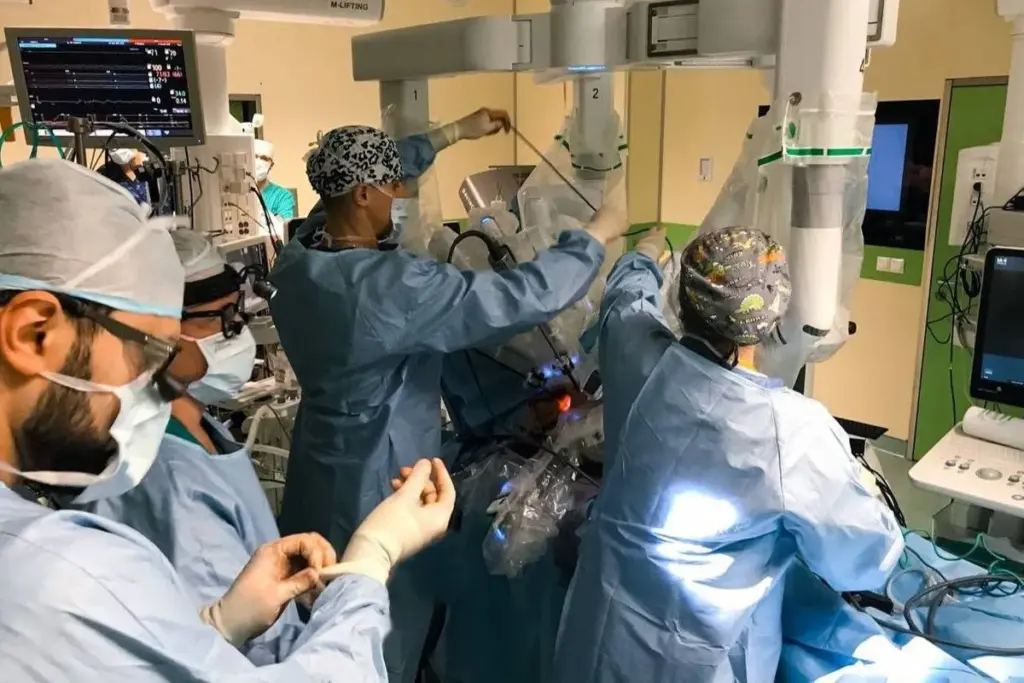
About 500,000 cardiac surgeries happen every year in the U.S. This makes it a common way to treat heart problems. At our place, we aim to give top-notch care to everyone, including international patients. We make sure they get the help they need to heal.Worry about heart surgery pain no more! Read about excellent pain management strategies for a more comfortable recovery.
We tackle post surgery pain in many ways. We care about both your body and mind. Our goal is to make your experience as easy and pain-free as we can.
Key Takeaways
- Cardiac surgery is a common and often life-saving procedure.
- Effective pain management is a priority in our care.
- Comprehensive support is available for international patients.
- Our institution is committed to delivering world-class healthcare.
- We focus on both physical and emotional well-being during recovery.
Understanding Heart Surgery: What Happens During the Procedure

Heart surgery is a detailed process. It involves planning, precise surgery, and care after surgery. Our medical center has advanced facilities, like a helicopter pad, to give top care to our patients.
Common Types of Heart Surgeries
Heart surgery includes many procedures for different heart issues. Some common ones are:
- Coronary artery bypass grafting (CABG)
- Heart transplant
- Valve repair or replacement
- Arrhythmia surgery
Each surgery has its own needs for surgical pain management. Our team gives personalized care for each patient.
The Surgical Process Explained
The surgery starts with preparation and anesthesia pain control to keep the patient comfortable. A skilled team of doctors, anesthesiologists, and nurses work together to do the surgery.
|
Surgical Procedure |
Description |
Pain Management Considerations |
|---|---|---|
|
CABG |
Bypass grafting to improve blood flow to the heart |
Post-operative pain management, including medication and physical therapy |
|
Heart Transplant |
Replacement of the diseased heart with a donor heart |
Immunosuppression management, post-operative pain control |
|
Valve Repair/Replacement |
Repair or replacement of heart valves |
Pain management during recovery, monitoring for complications |
Anesthesia and Pain Control During Surgery

Anesthesia pain control is key during heart surgery. Our anesthesiologists work with the surgical team to use the right anesthesia. This helps the patient stay pain-free during the surgery.
Knowing about heart surgeries and pain management helps patients prepare. Our focus on care from start to finish ensures the best results for our patients.
Heart Surgery Pain: What to Expect
When patients have heart surgery, knowing about post-operative pain is key for a smooth recovery. Pain can differ a lot from person to person. Knowing what to expect can help reduce anxiety and improve recovery.
Immediate Post-Operative Pain
Right after heart surgery, patients often feel some pain or discomfort. Doctors use pain medicine to help manage this. The pain’s intensity can change based on the surgery type and how sensitive a person is to pain.
Pain Management Strategies: Our team uses many ways to manage pain, like medicine and other methods, to keep patients comfortable while they heal.
Pain Levels During the First Week
In the first week after surgery, pain usually gets better as the body heals. But, some pain might stay, mainly when moving or breathing deeply. We tell patients to stick to their pain plan and talk to their doctors if pain changes.
|
Day Post-Surgery |
Typical Pain Level |
Recommended Actions |
|---|---|---|
|
1-3 |
Moderate to Severe |
Follow prescribed pain management plan |
|
4-7 |
Mild to Moderate |
Gradually reduce pain medication as advised |
Long-Term Pain Considerations
Most patients see pain lessen a few weeks after surgery. But, some might feel pain from the incision or healing inside. We watch for any complications and help with managing long-term pain.
We aim to be open and supportive throughout the patient’s journey. By knowing what to expect with pain after heart surgery, patients can prepare better for recovery.
Sources of Pain After Cardiac Surgery
Knowing where pain comes from after cardiac surgery is key to managing it well. Patients might feel pain in the sternum, chest incision, or from inside their body. At Cedar Hill Urgent Care, we offer a wide range of care, including telemedicine and radiology services. This helps meet the varied needs of our patients as they recover.
Sternum Pain and Healing
Sternum pain is common after heart surgery because the sternum is often cut open. This cut, called a sternotomy, can cause discomfort and pain as it heals. It takes several weeks for the sternum to mend, and during this time, patients might feel sharp pains or dull aches.
Chest Incision Discomfort
Discomfort from the chest incision is another big pain source. The size and spot of the incision depend on the surgery type. Patients might feel pain, numbness, or tingling around the incision as it heals.
Internal Healing Sensations
Internal healing sensations also add to post-surgery pain. As the body heals from the inside, patients might feel strange feelings like tightness or pulling in the chest. These feelings are part of the body’s natural healing process.
|
Source of Pain |
Description |
Typical Duration |
|---|---|---|
|
Sternum Pain |
Pain resulting from the division of the sternum |
Several weeks to months |
|
Chest Incision Discomfort |
Pain or numbness around the surgical incision site |
Weeks to months |
|
Internal Healing Sensations |
Sensations of tightness or pulling internally |
Variable, often resolving within months |
By understanding these pain sources, patients can better manage their recovery. At our institution, we’re dedicated to top-notch healthcare. We offer full support for international patients, ensuring they get the care they need during this important time.
Factors Affecting Pain Intensity After Heart Surgery
The pain after heart surgery varies based on many factors. At our institution, we tailor care to each patient’s unique needs. We know that everyone’s experience is different.
Managing pain after heart surgery is not the same for everyone. Several factors influence how much pain a patient feels. We focus on understanding each patient’s health and needs to offer the best care.
Type of Cardiac Procedure
The type of heart surgery done affects post-operative pain. More complex and invasive surgeries tend to cause more pain.
- Coronary artery bypass grafting (CABG) is a more invasive procedure that may result in higher levels of post-operative pain.
- Minimally invasive surgeries, such as transcatheter aortic valve replacement (TAVR), typically result in less tissue damage and potentially less pain.
- Robotic-assisted heart surgeries are another example where the invasiveness is reduced, potentially leading to less post-operative pain.
Individual Pain Tolerance
People’s pain tolerance varies a lot. What one person finds tolerable, another might find unbearable. We consider each patient’s pain tolerance when planning their pain management.
|
Factors Influencing Pain Tolerance |
Description |
|---|---|
|
Genetic predisposition |
Some people may be more sensitive to pain due to their genetic makeup. |
|
Previous pain experiences |
Past experiences with pain can affect how a person perceives and copes with pain. |
|
Psychological state |
Anxiety, depression, and stress levels can influence pain perception. |
Pre-existing Health Conditions
Pre-existing health conditions can also impact the intensity of pain experienced after heart surgery. Conditions such as diabetes, chronic pain syndromes, and mental health disorders can complicate pain management.
We stress the importance of managing pre-existing conditions before surgery. This helps improve recovery and pain control. Our team works closely with patients to create a care plan that addresses these factors.
By understanding and addressing the factors that affect pain intensity after heart surgery, we can provide more effective pain management techniques tailored to each patient’s needs.
Pain Management Strategies in the Hospital
The hospital has a detailed plan for managing pain after heart surgery. This plan is key for patient comfort, recovery, and happiness with their care.
Medication Approaches
We use different pain medicines to help with post-operative pain. These include:
- Opioids: Strong pain relievers for severe pain.
- Non-opioid analgesics: Like acetaminophen or NSAIDs, for mild to moderate pain.
- Regional anesthesia: Techniques like epidural anesthesia to block pain in specific areas.
Our medical team picks and changes medicines based on each patient’s needs and history.
Non-Pharmaceutical Interventions
We also use non-medical ways to help with pain:
- Breathing exercises and relaxation techniques to lessen stress and discomfort.
- Physical therapy to keep patients moving and help healing.
- Cold therapy to cut down swelling and pain at the surgery site.
Monitoring and Adjusting Pain Control
It’s important to keep an eye on pain levels. We use pain tools to check if our strategies are working and make changes if needed.
|
Pain Management Aspect |
Description |
Benefits |
|---|---|---|
|
Medication |
Various pain relief medicines |
Effective pain control, customizable to patient needs |
|
Non-Pharmaceutical Interventions |
Techniques like breathing exercises and physical therapy |
Reduces reliance on medication, promotes overall recovery |
|
Monitoring and Adjustment |
Continuous assessment of pain levels |
Ensures optimal pain control, allows for timely adjustments |
By combining these methods, we offer full pain management for heart surgery patients during their stay.
Managing Heart Surgery Pain at Home
Managing pain at home after heart surgery is key for a smooth recovery. Moving from the hospital to your home, it’s important to know how to handle your pain.
The recovery period can be tough, but with the right steps, you can lessen your pain and heal. Your healthcare team will help you manage pain. They will guide you on medications and other treatments.
Prescribed Pain Medications
Your doctor will give you pain medications to help with your discomfort. It’s important to take the medicine as directed. Never change your medication without talking to your doctor. They will tell you how long to take it and what side effects to watch for.
Over-the-Counter Options
Your healthcare provider might suggest over-the-counter (OTC) pain relievers for minor aches. But, always check with your doctor before taking any OTC meds. Some can interact with your prescribed meds or cause problems.
When to Contact Your Doctor About Pain
Some pain is normal after heart surgery, but there are times to call your doctor. If your pain isn’t controlled by your meds, or if you see signs like more redness or swelling, call them. Also, if you’re worried about your meds or have side effects, reach out to your doctor.
For non-urgent needs, places like Cedar Hill Urgent Care are open daily from 8 am to 8 pm. But, for serious symptoms or emergencies, call your local emergency number or get to the hospital right away.
Minimally Invasive Heart Surgery and Pain Reduction
Minimally invasive heart surgery is changing cardiology, giving patients less painful options than old open-heart surgery. Our institution uses the latest technologies, like air ambulances, to give our patients top care.
These new methods cut down on pain from heart surgeries. They cause less damage and help patients heal faster and feel less pain after surgery.
Robotic-Assisted Procedures
Robotic heart surgery is a big step forward in cardiology. It lets surgeons do complex tasks with more precision and smaller cuts. This means less damage to tissue and less pain for patients.
- Enhanced precision through robotic assistance
- Smaller incisions resulting in less scarring and discomfort
- Reduced risk of complications and infections
Transcatheter Approaches
Transcatheter heart surgery uses catheters in blood vessels, skipping open-heart surgery. It’s great for patients with specific heart issues, being a much less invasive option.
Transcatheter methods offer:
- Less invasive, cutting down recovery time
- Less pain because of no big cuts
- Lower risk of problems compared to traditional surgery
Recovery Differences Compared to Traditional Surgery
Recovery from minimally invasive heart surgery is much different than traditional surgery. Patients usually have less pain, shorter hospital stays, and get back to normal faster.
|
Aspect |
Minimally Invasive Surgery |
Traditional Open-Heart Surgery |
|---|---|---|
|
Pain Level |
Lower |
Higher |
|
Recovery Time |
Shorter |
Longer |
|
Hospital Stay |
Typically shorter |
Often longer |
By using these advanced techniques, we aim to give our patients the best results. We focus on reducing pain and speeding up recovery. Our goal is to keep up with medical progress, ensuring our patients get the most effective and least invasive treatments.
Physical Therapy and Rehabilitation for Pain Relief
Physical therapy and rehabilitation are key parts of a full recovery plan after heart surgery. At our institution, we take a holistic approach to patient care. We focus on preventive measures and work together with healthcare teams for the best recovery.
Breathing Exercises
Breathing exercises are a big part of post-heart surgery rehab. They help improve lung function and lower the risk of complications. We teach our patients simple breathing techniques to boost oxygen intake and manage pain.
Safe Movement Techniques
Safe movement is vital to avoid discomfort and complications during recovery. Our physical therapists teach patients how to move safely. This helps avoid straining the chest and sternum, reducing pain and aiding in a smoother recovery.
Gradual Activity Progression
Going from rest to activity is essential for a successful recovery. We create a plan for each patient, slowly increasing their activity levels. This gradual activity progression strengthens the body, improves circulation, and reduces pain without overdoing it.
Our team is dedicated to patient-centered care. We make sure every part of the rehab process fits the patient’s needs and comfort level. By adding physical therapy and rehab to the recovery plan, we help our patients heal more comfortably and effectively.
Psychological Aspects of Dealing with Cardiac Surgery Pain
Cardiac surgery pain is closely linked to a patient’s mental state. It’s key to see that the mind’s impact can be as big as the body’s. We must care for our patients’ minds as much as their bodies.
Anxiety and Pain Perception
Anxiety greatly affects how patients feel pain after surgery. Studies show that more anxiety means more pain. We know that fighting anxiety is a big part of managing pain.
We use many ways to tackle anxiety, like relaxation and counseling. Lowering anxiety helps patients handle their pain better.
Coping Strategies
It’s important for patients to find ways to cope with cardiac surgery. These can include:
- Meditation and mindfulness practices
- Support groups
- Family and friend networks
- Professional counseling
Using these strategies helps patients manage pain and recover better.
Support Systems and Resources
Having a strong support system is key for patients with cardiac surgery pain. This includes family, friends, and healthcare teams.
We offer full care, including working with specialists when needed. We see emotional support as a big part of healing.
By understanding the mind’s role in pain and providing support, we help patients recover better.
Long-Term Pain After Heart Surgery: What’s Normal and What’s Not
Understanding long-term pain after heart surgery is key for a smooth recovery. It’s important to know the difference between normal discomfort and signs of complications.
Expected Timeline for Pain Resolution
The time it takes for pain to go away after heart surgery varies. The most intense pain is usually in the first few days. It then starts to lessen over the next weeks.
We can expect a big improvement in 4-6 weeks. But, some pain might last a few months.
Key milestones in the recovery process include:
- Immediate post-operative period (0-3 days): High levels of pain, managed with medication.
- Early recovery phase (1-2 weeks): Gradual reduction in pain intensity.
- Late recovery phase (4-6 weeks): Significant improvement, with some residual discomfort.
Chronic Post-Surgical Pain Syndrome
While most people see pain lessen over time, some might face chronic post-surgical pain syndrome (CPSP). CPSP is pain that lasts more than 3 months after surgery. Causes include the surgery itself, nerve damage, and how well someone handles pain.
Risk factors for CPSP include:
- Pre-existing chronic pain conditions.
- Nerve damage during surgery.
- Psychological factors, such as anxiety and depression.
Warning Signs of Complications
It’s vital to know the signs of complications that need quick medical help. These include:
- Increasing or severe pain not managed with prescribed medication.
- Signs of infection, such as redness, swelling, or fever.
- Shortness of breath or difficulty breathing.
If you notice these symptoms, call your healthcare provider right away.
Preparing for Heart Surgery to Minimize Pain
We help our patients get ready for heart surgery in a detailed way. This process aims to reduce pain and improve recovery. It covers many important steps to make the surgery and recovery better.
Pre-Surgery Conditioning
Getting ready for heart surgery starts with conditioning. This includes exercises and lifestyle changes to boost health. Regular walking and breathing exercises improve heart and lung health, making surgery and recovery easier.
Our team creates a special plan for each patient. This plan fits their health, the surgery type, and other important details.
Setting Realistic Expectations
Knowing what to expect is key for managing pain and recovery. We teach our patients about the recovery process. This includes expected pain levels, common feelings, and how long it will take.
Understanding what’s ahead helps patients deal with the recovery better. We also stress the value of having a support system. This helps with daily tasks and emotional support.
Creating a Recovery Plan
A good recovery plan is essential for less pain and a smooth recovery. It outlines pain management, follow-up care, and when to start normal activities again.
We work with patients to make a recovery plan that meets their needs. This plan is flexible and changes as needed during recovery.
|
Preparation Aspect |
Description |
Benefits |
|---|---|---|
|
Pre-Surgery Conditioning |
Physical exercises and lifestyle adjustments |
Improved cardiovascular health, enhanced lung function |
|
Setting Realistic Expectations |
Education on recovery process and pain management |
Better coping mechanisms, reduced anxiety |
|
Creating a Recovery Plan |
Personalized plan for post-surgery care |
Effective pain management, smooth recovery |
Advancements in Cardiac Surgery Pain Management
The field of cardiac surgery is changing fast, with big steps forward in pain management. At our institution, we use the latest tech and methods to better care for our patients. Now, managing pain before and after surgery is a big focus.
New Medication Protocols
New pain relief medicines are a big part of these changes. We’re using medicines that work better and have fewer side effects. This means patients feel less pain and do better overall.
A study in the Journal of Thoracic and Cardiovascular Surgery showed great results. Using different medicines together to fight pain worked well. Our hospital has started using this method too. It makes patients happier and they stay in the hospital less time.
|
Medication Protocol |
Description |
Benefits |
|---|---|---|
|
Multimodal Analgesia |
Combination of different pain relief medications |
Effective pain control, reduced opioid consumption |
|
Regional Anesthesia |
Targeted nerve blocks for pain relief |
Reduced systemic opioid use, improved pain management |
Innovative Surgical Techniques
New surgical methods are also key in fighting pain in cardiac surgery. Less invasive surgeries, like robotic-assisted and transcatheter methods, cause less damage and pain.
“The integration of advanced surgical technologies has transformed the way we approach cardiac surgery, allowing for more precise and less invasive procedures that significantly reduce patient discomfort.” – A Cardiac Surgeon
Future Directions in Pain Control
We’re excited for what’s coming next in pain management for cardiac surgery patients. New ideas like enhanced recovery after surgery (ERAS) are being used. ERAS focuses on less pain and faster recovery through a team effort.
We’re always looking to improve care in cardiac surgery. By using the latest tech and methods, we give our patients the best care possible.
Conclusion: Navigating the Path Through Heart Surgery Pain
Understanding heart surgery pain is key. We’ve looked at the surgery process, recovery, and long-term care. At CHRMC, we aim to give top-notch healthcare to international patients. We ensure they get the best care every step of the way.
Managing pain well is vital for a smooth recovery. Knowing where pain comes from and using the right treatments helps. Our team is focused on patient care, supporting you every step. We aim for a successful recovery for all.
FAQ
What are the common sources of pain after cardiac surgery?
After cardiac surgery, patients often feel pain in the sternum, chest incision, and from internal healing. Knowing these sources helps patients manage their pain better.
How is pain managed during heart surgery?
Anesthesia is key in controlling pain during heart surgery. Our team makes sure patients get the right anesthesia to lessen discomfort.
What can I expect in terms of pain after heart surgery?
Right after surgery, patients might feel pain, which is usually treated with medication. In the first week, pain levels can change. It’s important to follow our advice on managing pain. We also talk about long-term pain to help with recovery.
How do different cardiac procedures affect pain intensity?
The type of cardiac procedure can change how much pain a patient feels. Techniques like robotic-assisted and transcatheter approaches might cause less pain than traditional open-heart surgery.
What pain management strategies are used in the hospital?
We use many strategies to manage pain, including medicines and non-medical methods. We watch pain closely and adjust treatments to help patients feel better.
How can I manage pain at home after heart surgery?
We guide patients on using pain medicines and over-the-counter options. We also tell them when to call their doctor about pain. A good recovery plan helps manage pain at home.
What role does physical therapy play in pain relief after heart surgery?
Physical therapy and rehab are key for pain relief and getting stronger. Breathing exercises, safe movements, and slowly increasing activity help patients manage discomfort.
How can anxiety affect pain perception after cardiac surgery?
Anxiety can make pain feel worse. It’s important to take care of emotional health during recovery. We offer ways to cope with anxiety and pain.
What is the expected timeline for pain resolution after heart surgery?
Knowing when pain should go away helps patients understand what to expect. We also talk about signs of complications, so patients know when to get more help.
How can I prepare for heart surgery to minimize pain?
Getting ready for surgery, having realistic expectations, and planning a recovery can help with pain. Our team helps patients through every step of preparation.
What advancements are being made in cardiac surgery pain management?
Cardiac surgery is always getting better, with a focus on pain management. New medicines, surgical methods, and future ideas are being explored to improve care.
How can I manage chronic post-surgical pain syndrome?
While rare, chronic pain after surgery can happen. Our team helps patients find ways to manage chronic pain, providing the support they need.
What are the benefits of minimally invasive heart surgery in terms of pain reduction?
Minimally invasive heart surgery can reduce pain and improve recovery. Our institution offers the latest in cardiac care, including robotic and transcatheter methods.
References
National Center for Biotechnology Information. Evidence-Based Medical Insight. Retrieved from https://www.ncbi.nlm.nih.gov/pmc/articles/PMC12085451/



 Departments
 Related Videos
 Our Doctors
 News
News