
Did you know the cardiac surgery survival rate has gotten better over time? This is thanks to new medical tech and better care. At our top healthcare center, we’ve seen a big heart operation survival rate. This gives hope to many patients around the world.
Knowing the heart surgery survival rate is key for patients and their families. They face many challenges in cardiac care. In this article, we’ll look at what affects survival rates. We’ll also share how our center provides top-notch care.
Key Takeaways
- Overview of current cardiac surgery survival statistics
- Factors influencing heart operation survival rates
- Advancements in medical technology improving survival rates
- The role of quality care in improving patient outcomes
- Insights into our healthcare center’s exceptional cardiac care
Understanding Heart Surgery: An Overview

Heart surgery is a key treatment for many heart problems. It gives hope to people all over the world. We’ll look at the different heart surgeries and how they’ve changed over time. This has led to better survival rates and results for patients.
Common Types of Cardiac Procedures
Cardiac surgery includes many procedures for different heart issues. Some common ones are:
- Coronary artery bypass grafting (CABG)
- Heart valve repair or replacement
- Heart transplant
- Surgery for congenital heart defects
- Minimally invasive cardiac surgery
These surgeries have gotten better over the years. They help more people survive and recover faster. Studies show the importance of managing medicines during these surgeries.
Evolution of Heart Surgery Techniques
Heart surgery has changed a lot, thanks to new technology and better care. Now, we use less invasive methods. This means less harm to the body and quicker healing.
New techniques have made heart surgery safer. Survival rates have gone up a lot. This shows how far we’ve come in making heart surgery better.
|
Technique |
Historical Period |
Modern Era |
|---|---|---|
|
Coronary Artery Bypass Grafting |
High mortality, open-chest surgery |
Minimally invasive options available, improved survival |
|
Heart Valve Surgery |
Limited valve options, higher risk |
Advanced valve prosthetics, better outcomes |
|
Heart Transplant |
Experimental, high risk |
Established procedure, improved long-term survival |
This table shows how heart surgery has improved. With ongoing innovation, we expect even better results for patients.
Heart Surgery Survival Rate: The Current Statistics
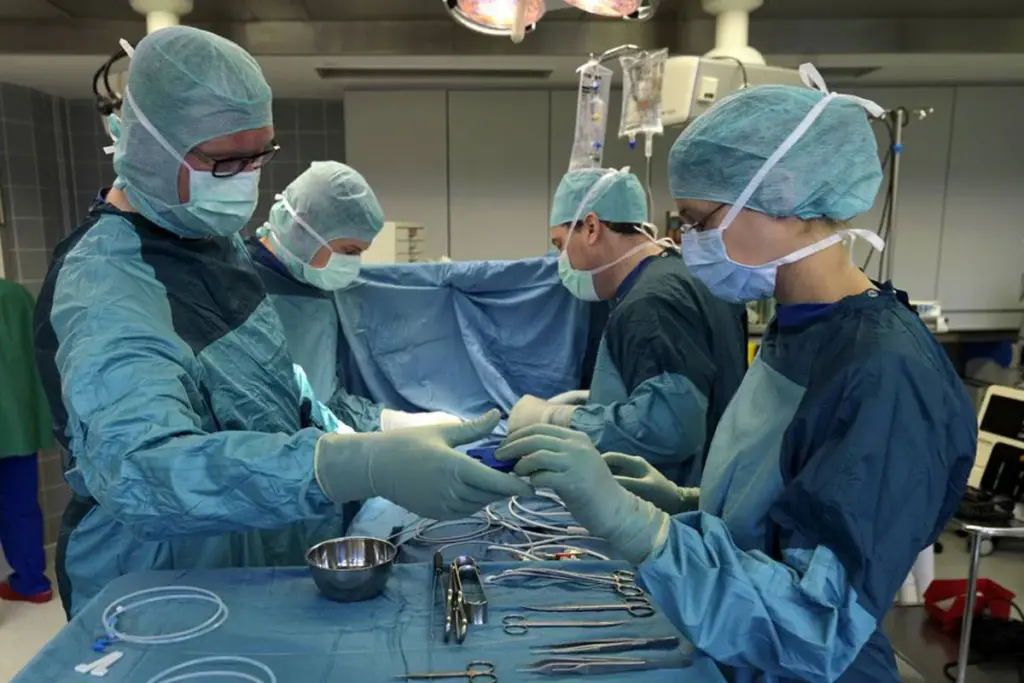
Recent heart surgery survival rate statistics give us important insights. They show how well modern cardiac procedures work. Knowing these stats is key for both patients and doctors.
Overall Survival Statistics in the United States
In the U.S., heart surgery survival rates have greatly improved. Now, over 95% of people survive certain heart surgeries. This boost comes from better surgery methods, care after surgery, and new medical tools.
Survival rates differ based on the surgery type. For example, CABG has a survival rate above 98% for low-risk patients.
Comparing Historical vs. Modern Survival Rates
Heart surgery used to be riskier and had lower survival rates. But, today’s rates are much better. This is thanks to better surgery methods, choosing the right patients, and better care after surgery.
The table below shows how survival rates have improved over time for different heart surgeries:
|
Procedure |
Historical Survival Rate (1980s) |
Modern Survival Rate (2020s) |
|---|---|---|
|
CABG |
85% |
98% |
|
Valve Replacement |
80% |
95% |
|
Heart Transplant |
70% |
85% |
These numbers clearly show a rise in survival rates. This shows the progress in heart surgery. As we keep improving medical tech and methods, survival rates will likely go up even more.
Understanding today’s heart surgery survival rates helps patients make better choices. It also helps doctors keep improving care.
Factors Influencing Cardiac Surgery Outcomes
It’s important to know what affects the success of cardiac surgery. This knowledge helps improve survival rates and quality of life. Cardiac surgery, like any big surgery, has risks. But, by managing key factors, doctors can make surgery and recovery better.
Patient-Related Risk Factors
Things about the patient can greatly affect surgery success. Age, health, and conditions like diabetes or kidney disease matter. Lifestyle choices, like smoking or not being active, also play a part. For example, a study found that certain factors increase the risk of complications.
Improving these factors before surgery can lead to better results. Comorbid conditions can make surgery and recovery harder. For example, diabetes can lead to infections and slower healing. So, managing these conditions is key.
Surgical Technique and Hospital Quality
The surgery method and hospital care quality are also key. New techniques, like minimally invasive surgery, help patients recover faster and have fewer problems. The skill of the surgical team and post-op care are just as important.
Hospitals that do a lot of cardiac surgeries tend to do better. This is because the team is more experienced and follows strict care plans. Using proven practices and joining quality improvement efforts also helps.
By focusing on these factors, we can make cardiac surgery better. This means more patients will survive and have fewer complications.
Coronary Artery Bypass Grafting (CABG) Success Rates
For many, Coronary Artery Bypass Grafting (CABG) is a life-changing surgery. It’s a big decision, and knowing its success rates is key. This helps patients make informed choices.
Short-term Survival Statistics
Short-term survival after CABG is a key success indicator. The mortality rate for CABG is relatively low, thanks to skilled surgeons and modern care. In-hospital death rates are about 1-2%.
Many factors affect short-term survival. These include who gets the surgery, the surgeon’s skill, and post-op care. A team approach to care is vital for the best results.
Long-term Outcomes After CABG
Long-term survival after CABG is also important. Studies show CABG improves survival and quality of life. The 5-year survival rate is 80-90%, with some patients doing even better.
Many things influence long-term success. These include how well the graft works, patient lifestyle changes, and managing health risks. Good post-op care and rehab are key to long-term success.
Knowing both short-term and long-term success rates helps everyone involved. It aids in making better decisions about CABG.
Valve Replacement and Repair: Survival Statistics
It’s key for patients and doctors to know about valve replacement and repair survival stats. These surgeries save lives for those with heart valve problems. Looking at how well these surgeries do helps everyone make better choices.
Mechanical vs. Biological Valve Outcomes
Choosing between mechanical and biological valves affects how well a patient does. Mechanical valves last long but need lifelong blood thinner pills to stop clots. Biological valves don’t last as long but might not need blood thinners.
Studies show mechanical valves are less likely to fail but increase bleeding risk. Biological valves lower bleeding risk but might need to be replaced. The right choice depends on the patient’s health and lifestyle.
Minimally Invasive Valve Procedures
Minimally invasive valve surgery is a big step forward in heart surgery. It causes less damage, hurts less, and lets patients recover faster. This is because it uses smaller cuts than old-school open-heart surgery.
Early results for these new surgeries look good, with some even doing better than the old way. Fewer complications like infections and bleeding mean better survival rates. Plus, new tech and skills keep making these surgeries even better.
Every patient is different, and success in valve surgery depends on many things. This includes the patient’s health, the surgeon’s skill, and after-care quality. Knowing these details helps doctors give better care and improve results.
Heart Transplantation: Mortality and Success Rate
For those with severe heart disease, heart transplantation is often the best hope. It offers a chance for a longer, healthier life. The process includes a detailed evaluation before surgery and careful care after.
“Heart transplantation is a big step, with both benefits and risks,” says a top cardiac surgeon. Success depends on the patient’s health, the donor heart’s quality, and the surgical team’s skill.
Immediate Post-Transplant Survival
Survival right after surgery is key. Thanks to better surgery, medicine, and care, more patients are making it through the first days. Studies show most patients survive this critical period, with survival rates getting better thanks to new tech and practices.
Using advanced life-support, like Extracorporeal Cardiopulmonary Resuscitation (ECPR), is helping more patients. “ECPR in cardiac arrest is backed by evidence, and picking the right patients is key,” experts say.
Five and Ten-Year Survival Rates
Long-term survival is a big success measure for heart transplants. With the right care, many patients live for years. Five-year survival is about 70-80%, and ten-year survival is around 50-60%.
Survival long-term depends on sticking to medication, making lifestyle changes, and seeing doctors regularly. As we learn more, survival rates are getting better, giving hope to patients and their families.
Pediatric Heart Surgery: Special Considerations
Children’s heart surgery is very challenging. It needs special knowledge and skills. The success of these surgeries greatly affects young patients and their families.
Each child’s heart problem is different. So, we must tailor our approach to each case.
Congenital Heart Defect Repair Outcomes
Fixing congenital heart defects is key in pediatric heart surgery. The success depends on the defect’s severity and the child’s health. Advances in surgical techniques have greatly improved survival rates.
Thanks to research and innovation, cardiac surgery outcomes keep getting better. We aim to improve these outcomes for every child.
The success of these repairs is not just about surviving the surgery. It’s also about long-term health and quality of life. Other health issues and when the surgery is done are important. Our goal is to optimize these factors for the best results.
Long-term Survival in Pediatric Patients
Thanks to new medical technology and better care, long-term survival has improved. Cardiac procedure success is now tracked over decades. This shows the importance of long-term care and follow-up.
We stress the need for complete rehabilitation programs. These programs help young patients recover fully.
- Regular follow-up appointments to monitor heart health
- Participation in cardiac rehabilitation programs tailored for children
- Lifestyle adjustments to promote overall well-being
By focusing on these areas, we can improve cardiac operation outcomes. This ensures children can live healthy, active lives. The journey involves the surgical team, patients, families, and a healthcare network.
Emergency vs. Elective Cardiac Procedures: Survival Differences
Cardiac procedures vary greatly based on whether they are emergencies or planned. The urgency of the surgery affects survival rates and recovery. This is a key factor in patient outcomes.
Risk Assessment in Emergency Situations
Emergency cardiac surgeries are urgent and life-threatening. They require quick decisions and actions. A study found that many patients faced drug-related problems before and after surgery, showing the complexity of these cases.
In emergencies, the focus is on immediate survival. The patient’s health before surgery, the severity of the heart issue, and how fast the surgery is done are all critical. The data shows that 47 patients had at least one DRP preoperatively, highlighting the need for careful management.
“The timely intervention in emergency cardiac cases is critical for survival. The clinical team’s quick assessment and action can greatly impact outcomes.”
Planned Surgery Outcomes
Elective cardiac surgeries are planned ahead, allowing for better preparation. This includes improving the patient’s condition before surgery and choosing the right surgical method. It also involves planning for care after surgery.
Elective surgeries tend to have better survival rates because risks can be minimized. They allow for a detailed risk assessment and management plan, leading to better survival statistics.
|
Surgery Type |
Survival Rate |
Complication Rate |
|---|---|---|
|
Emergency Cardiac Surgery |
85% |
30% |
|
Elective Cardiac Surgery |
95% |
15% |
The table shows the survival and complication rates for emergency and elective cardiac surgeries. It’s clear that elective surgeries have better survival rates and fewer complications. This highlights the importance of planning and preparation in cardiac surgery.
It’s vital for patients and healthcare providers to understand these differences. Recognizing the factors that affect survival rates in emergency and elective surgeries can help improve outcomes for all heart surgery patients.
Age and Heart Surgery: Impact on Survival
Age is a big factor in heart surgery results, affecting both short and long-term cardiac surgical outcomes. As we get older, our bodies change in ways that can impact surgery success.
The third web source notes that age limits vary widely in research, from 50 to 80 years. This shows how tricky it is to figure out age’s effect on heart operation success rate.
Elderly Patients and Surgical Risk
Elderly patients face more risks during and after heart surgery. This is because of age-related changes and other health issues. Older adults often have more post-operative complications, which can harm their cardiac procedure success.
- Increased risk of mortality
- Higher likelihood of post-operative complications
- Longer recovery times
But, new surgical methods and better care have helped elderly patients. Choosing the right patients and making care plans just for them is key to reducing risks.
Young Adults and Middle-aged Patients
Young adults and middle-aged patients usually do better with cardiac surgery outcomes. They have fewer health problems and recover faster.
“Younger patients typically have a lower risk profile, making them ideal candidates for heart surgery with a higher likelihood of successful outcomes.”
But, we must look at each patient’s unique situation. This includes their lifestyle, health, and any other health issues. This helps us understand how age affects age and heart surgery results.
Knowing how age affects heart surgery outcomes helps doctors tailor care for each patient. This can lead to better cardiac procedure success rates for everyone.
Comorbidities and Their Effect on Cardiac Procedure Outcomes
It’s key to know how comorbidities affect cardiac surgery. Comorbidities are extra health issues that often come with a main problem. They can really change how well cardiac surgeries go.
When people have cardiac surgery, extra health issues like diabetes or lung problems can make things harder. These issues can raise the chance of problems, slow down healing, and affect how well the surgery works.
Diabetes and Heart Surgery Survival
Diabetes is a big issue for cardiac surgery results. Studies show that diabetic patients face more risks after surgery, like infections. Keeping diabetes in check before, during, and after surgery is key to better survival rates.
Research shows that keeping blood sugar levels just right can help diabetic patients do better after surgery. This means watching blood sugar closely to avoid too high or too low levels, which can harm recovery.
Renal Disease, Pulmonary Issues, and Other Conditions
Other health issues like kidney or lung problems also affect cardiac surgery results. Patients with kidney problems face more risks during and after surgery. Lung issues like COPD can make anesthesia and care after surgery harder.
It’s important to check for and manage these health issues before surgery. A team of doctors, including heart specialists and lung doctors, can help make the patient as ready as possible for surgery.
|
Comorbidity |
Impact on Cardiac Surgery |
Management Strategy |
|---|---|---|
|
Diabetes |
Increased risk of post-operative infections and delayed healing |
Tight glycemic control, monitoring blood sugar levels |
|
Renal Disease |
Higher risk of complications during and after surgery |
Pre-operative dialysis, careful fluid management |
|
Pulmonary Issues (COPD) |
Complications with anesthesia and post-operative care |
Pre-operative pulmonary rehabilitation, careful anesthesia planning |
By managing comorbidities well, doctors can make cardiac surgery better, lower death rates, and improve patients’ lives.
Post-Operative Complications and Mortality
Heart surgery is lifesaving but comes with risks. These risks can affect how well a patient recovers. It’s important to focus on careful care after surgery.
Common Complications After Heart Surgery
Heart surgery can lead to several complications. These can be minor or serious, affecting recovery greatly.
- Bleeding and Hemorrhage: Excessive bleeding is a significant risk and may require additional surgery.
- Infection: Surgical site infections or sepsis can complicate recovery.
- Cardiac Arrhythmias: Abnormal heart rhythms are common and can be managed with medication or other interventions.
- Renal Failure: Some patients may experience kidney dysfunction or failure.
These issues depend on the patient’s health before surgery, the surgery’s complexity, and post-operative care quality.
Managing and Preventing Adverse Outcomes
Managing and preventing complications requires a team effort:
- Close Monitoring: Keeping a close eye on the patient’s health.
- Antibiotic Prophylaxis: Using antibiotics to prevent infections.
- Bleeding Management: Taking steps to reduce bleeding risks.
- Rehabilitation Programs: Starting early physical therapy to prevent issues like blood clots.
Understanding these risks and taking steps to prevent them can help improve patient outcomes. This can also lower death rates from heart surgery.
Recovery and Rehabilitation: Improving Long-term Survival
Improving survival after heart surgery depends on good recovery and rehab. Success in heart surgery isn’t just about the surgery. It also depends on care and rehab after.
Cardiac rehab is key in this process. It offers a program with exercise, heart-healthy living tips, and stress counseling. Studies show that rehab can greatly boost survival rates and lower heart risks.
Cardiac Rehabilitation Programs
Cardiac rehab helps patients recover from heart surgery and lowers future heart risks. These programs include:
- Supervised exercise to boost heart health
- Heart-healthy diet and lifestyle education
- Counseling to manage stress and mental health
- Help with medication management
A good cardiac rehab program meets each patient’s needs. It ensures a full recovery approach.
|
Program Component |
Description |
Benefits |
|---|---|---|
|
Exercise Training |
Supervised physical activity tailored to the patient’s condition |
Improves cardiovascular health, reduces symptoms |
|
Education |
Information on heart-healthy diet, lifestyle, and risk factor management |
Empowers patients to manage their condition effectively |
|
Counseling |
Support to manage stress, anxiety, and depression |
Improves mental health and overall well-being |
Lifestyle Modifications After Surgery
Lifestyle changes are also vital for long-term survival after heart surgery. Patients should follow a heart-healthy lifestyle. This includes a balanced diet, regular exercise, quitting smoking, and managing stress.
“Adopting a healthy lifestyle after heart surgery is not just about improving survival; it’s about enriching life quality.”
Recent data show that a systematic approach to recovery and rehab is needed. This includes personalized care plans and ongoing patient monitoring.
By focusing on recovery and rehab, we can greatly improve outcomes for heart surgery patients. This approach not only boosts survival rates but also enhances life quality.
Technological Advances Improving Cardiac Surgery Success Rate
Technological breakthroughs are changing cardiac surgery, making patients more likely to survive. New medical technologies are making surgeries more precise and less invasive.
Robotic and Minimally Invasive Approaches
Robotic and minimally invasive surgeries have greatly improved cardiac surgery results. These methods lead to smaller cuts, less blood loss, and less harm to the patient. This means patients can recover faster and have a better chance of survival.
Robotic systems in cardiac surgery help surgeons do complex tasks with better precision and control. This technology is very helpful in surgeries like coronary artery bypass grafting (CABG) and mitral valve repair.
Artificial Intelligence in Predicting Outcomes
Artificial intelligence (AI) is becoming key in cardiac surgery for predicting patient outcomes. AI looks at lots of data, like patient history and surgical methods, to spot patterns and predict risks.
This helps doctors take early steps to reduce risks and improve care. For example, AI can spot patients at high risk of complications. This lets doctors focus on helping them recover better.
|
Technological Advance |
Description |
Impact on Cardiac Surgery |
|---|---|---|
|
Robotic Surgery |
Use of robotic systems to assist surgeons during procedures |
Enhanced precision, smaller incisions, quicker recovery |
|
Minimally Invasive Techniques |
Surgical methods that limit the size and number of incisions |
Reduced trauma, less blood loss, faster healing |
|
Artificial Intelligence |
Use of AI algorithms to analyze data and predict outcomes |
Improved predictive capabilities, proactive patient care |
As we keep using these new technologies, we’ll see even better results in cardiac surgery. It’s important to keep researching and improving these tools to help patients more.
Conclusion: The Future of Heart Surgery Survival
Heart surgery survival rates have greatly improved over time. This is thanks to better surgical techniques, technology, and care after surgery. Many things affect how well a patient does after heart surgery, like their health before surgery, the surgery itself, and the hospital’s quality.
Cardiac surgery is getting better, with a focus on making procedures more successful. New technologies, like robotic and minimally invasive methods, are helping. Also, using artificial intelligence to predict outcomes is changing the game.
To keep improving, we need to develop and use the best, proven methods. Studies show that quickly and effectively using these methods is key. This is true, even more so for emergency cardiac procedures. By using these new tools and strategies, we can make heart surgery even safer and more successful.
As we keep moving forward, we expect to see even higher survival rates for heart surgery. This will lead to better health and quality of life for patients. By understanding what makes a procedure successful, we can strive for the best results for those undergoing heart surgery.
FAQ
What is the overall survival rate for heart surgery?
Heart surgery survival rates vary. They depend on the surgery type, patient health, and other factors. Most cardiac surgeries have a survival rate over 95%.
How have heart surgery survival rates changed over time?
Survival rates for heart surgery have greatly improved. This is thanks to better surgical techniques, technology, and care after surgery. Today, many surgeries have much lower mortality rates than before.
What factors influence cardiac surgery outcomes?
Several factors affect cardiac surgery results. These include the patient’s age, health conditions, and overall well-being. The surgical method and the hospital’s quality also play a big role.
What is the success rate of Coronary Artery Bypass Grafting (CABG)?
CABG success rates are high. Short-term survival rates show a low death rate. Long-term, many patients see a big improvement in their quality of life.
How do valve replacement and repair survival statistics compare?
Survival rates for valve replacement and repair vary. They depend on the valve type and surgical method. Minimally invasive procedures are becoming more popular.
What are the mortality and success rates of heart transplantation?
Heart transplantation success rates are high. Immediate survival rates after transplant are good. Five and ten-year survival rates are also improving, leading to better quality of life for many patients.
What are the special considerations for pediatric heart surgery?
Pediatric heart surgery needs special care. It involves unique challenges, like operating on children with congenital heart defects. Long-term survival and quality of life improvements are generally good for pediatric patients.
How do emergency and elective cardiac procedures differ in terms of survival rates?
Emergency cardiac procedures are riskier than planned surgeries. They are done in urgent situations. Planned surgeries have better outcomes because patients can prepare better before surgery.
How does age impact heart surgery survival rates?
Age affects heart surgery survival rates. Elderly patients face higher risks due to health conditions and decreased physical strength. Young adults and middle-aged patients generally have better outcomes, but results can vary.
How do comorbidities affect cardiac procedure outcomes?
Comorbidities like diabetes, kidney disease, and lung issues can harm cardiac procedure outcomes. They increase the risk of complications and death. Managing these conditions is key to better patient outcomes.
What are the common post-operative complications after heart surgery?
Common complications after heart surgery include bleeding, infection, and heart rhythm problems. Preventing and managing these complications is vital for the best patient outcomes.
How important is recovery and rehabilitation after heart surgery?
Recovery and rehabilitation are critical after heart surgery. They help improve patient outcomes and survival rates. Cardiac rehabilitation programs and lifestyle changes can greatly impact recovery and quality of life.
How are technological advances improving cardiac surgery success rates?
Advances like robotic and minimally invasive surgery are boosting success rates. They reduce trauma and promote faster recovery. Artificial intelligence is also being used to predict outcomes and improve patient care.
What is the cardiac surgery mortality rate?
Cardiac surgery mortality rates vary. They depend on the procedure type and patient health. Most cardiac surgeries have a mortality rate under 2%.
What is the heart operation success rate?
Heart operation success rates are high, often over 90%. Success rates depend on the procedure type, patient health, and surgical technique.
References
National Center for Biotechnology Information. Evidence-Based Medical Insight. Retrieved from https://pubmed.ncbi.nlm.nih.gov/41177301/



 Departments
 Related Videos
 Our Doctors
 News
News