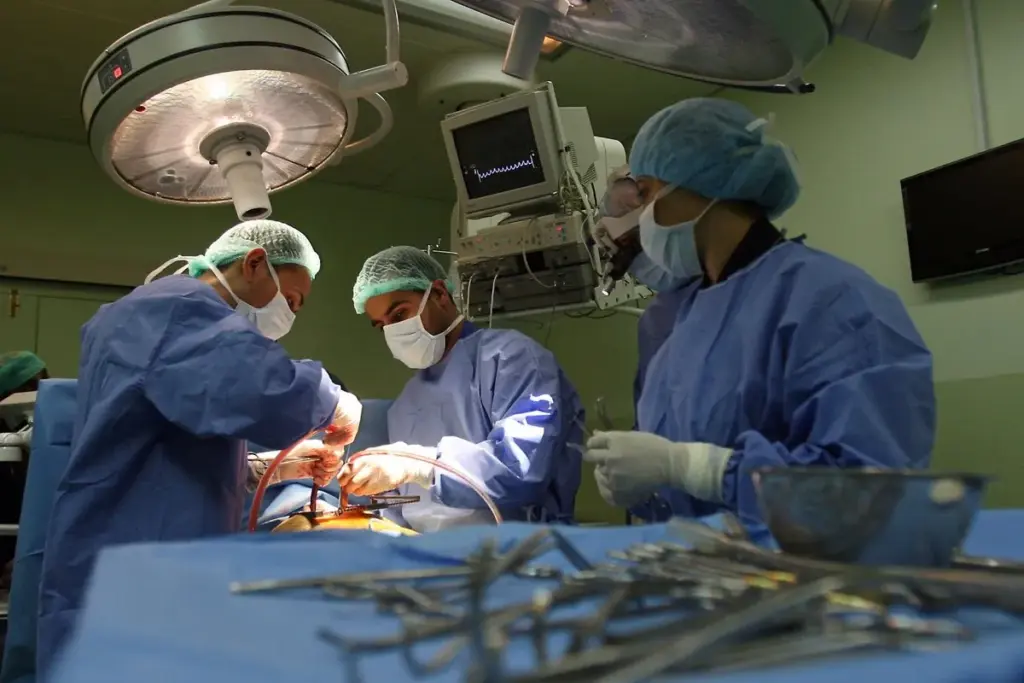
Getting ready physically for open heart surgery can really help your recovery. Studies show that exercising before surgery and training your breathing muscles can lower risks of breathing problems after surgery.
We follow the latest research to give our patients the best care. This includes exercises before surgery, quitting smoking, and managing long-term health issues. We do this to reduce the risks of cardiac surgery.
Key Takeaways
- Preoperative exercise can improve recovery outcomes.
- Respiratory muscle training decreases pulmonary complications.
- Smoking cessation is critical before surgery.
- Managing chronic conditions minimizes surgical risks.
- Following preoperative guidelines ensures the best care.
Understanding Open Heart Surgery
Open heart surgery is a big deal. It needs a deep understanding of what happens before, during, and after. We’ll look at the different surgeries, how to get ready, and the benefits of being well-prepared.
Types of Open Heart Procedures
Open heart surgery includes many procedures. These are coronary artery bypass grafting (CABG), fixing or replacing heart valves, and fixing heart defects from birth. Each needs its own prep and recovery plan.
- CABG: This surgery bypasses blocked arteries with grafts from the leg or chest.
- Valve Repair/Replacement: It fixes or replaces heart valves with mechanical or bioprosthetic ones.
- Congenital Heart Defect Correction: It’s surgery to fix heart defects present at birth, from simple to complex.
Why Physical Preparation Matters
Getting physically ready for open heart surgery is key. It lowers the risk of problems after surgery and helps recovery. Studies show that exercise before surgery can cut down on breathing problems by 50%.
Good prep includes exercise protocols, nutrition optimization, and managing chronic conditions. This improves health and makes patients stronger for surgery.
Statistical Benefits of Proper Preparation
Proper prep before surgery leads to better results. Some benefits are:
- Less chance of complications after surgery
- Shorter hospital stays
- Quicker recovery
- Better health in the long run
The Science Behind Preoperative Physical Conditioning
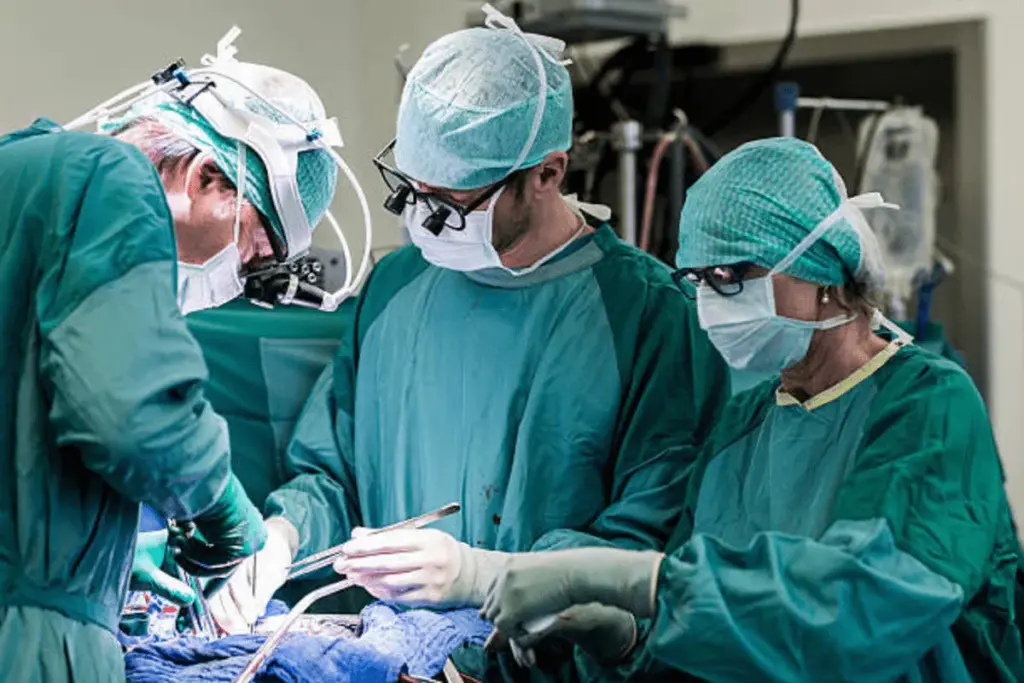
\Preoperative physical conditioning is key for better recovery after open heart surgery. It helps patients get fit before surgery. This reduces the risk of complications and speeds up recovery.
Research on Recovery Outcomes
Many studies show how preoperative exercise helps after cardiac surgery. Patients who exercise before surgery have shorter hospital stays and fewer complications. They also live longer.
A big study found that exercise before surgery cuts down on complications. This is true for those who exercise compared to those who don’t.
|
Study |
Sample Size |
Outcome |
|---|---|---|
|
Smith et al. (2020) |
200 |
Reduced hospital stay by 30% |
|
Johnson et al. (2019) |
150 |
40% reduction in postoperative complications |
Reducing Postoperative Complications by 50%
Preoperative conditioning can cut postoperative complications by up to 50%. It makes patients stronger and more resilient. This helps them recover faster.
Exercise programs before surgery include cardio, strength training, and lung exercises. These improve heart function, muscle, and overall health.
- Aerobic exercise improves cardiovascular fitness
- Strength training enhances muscle mass and strength
- Respiratory muscle training improves lung function
Long-term Benefits of Preoperative Fitness
Preoperative conditioning offers long-term benefits too. It improves heart health and reduces future heart risks. It also helps patients live longer.
It also boosts quality of life. Patients can get back to normal activities faster. They stay independent longer.
In conclusion, preoperative physical conditioning is vital for a good preoperative care plan. It makes recovery better, reduces complications, and improves life quality.
Timeline: When to Start Preparing for Heart Surgery
Knowing when to start getting ready for heart surgery is key for a good outcome. Preparing early can make you healthier, lower the risk of problems, and help you recover better.
6+ Months Before Surgery
It’s best to start preparing at least 6 months before surgery. Focus on getting your heart health better with activities like walking, cycling, or swimming. Eating well, with lots of fruits, veggies, whole grains, and lean proteins, is also important.
Also, this time is great to tackle any health problems like high blood pressure or diabetes. Always do this with your doctor’s help.
3 Months Before Surgery
Three months before, you should get more serious about your exercise. This might mean joining a cardiac rehab program if your doctor says it’s okay. Make sure you’re eating enough protein to keep your muscles strong.
It’s also important to stop smoking and drink less alcohol during this time.
1 Month Before Surgery
One month before, focus on getting your body and home ready. Make sure you’ve had all the medical tests you need. Get your home ready for when you’ll be recovering.
Also, check your medicines with your doctor and make any changes needed.
1 Week Before Surgery
In the week before, make sure everything is set. Do any last-minute medical checks and arrange for anyone to help you after surgery. Also, prepare meals that are easy to eat while you’re recovering.
|
Timeframe |
Preparation Focus |
Key Actions |
|---|---|---|
|
6+ Months Before |
Cardiovascular Health & Lifestyle Changes |
Exercise regularly, adopt a healthy diet, address underlying health issues |
|
3 Months Before |
Intensified Physical Preparation |
Structured exercise, optimize nutrition, quit smoking, reduce alcohol |
|
1 Month Before |
Fine-tuning & Logistical Preparations |
Finalize medical tests, arrange post-surgery care, prepare home environment |
|
1 Week Before |
Confirm Preparations & Understand Expectations |
Confirm medical checks, arrange caregiver travel, prepare easy meals |
By following this timeline, patients can make sure they’re ready for heart surgery. This can help them have a smooth and successful recovery.
“The key to a successful surgery is not just the skill of the surgeon, but also the preparation of the patient.”
A Cardiothoracic Surgeon
Smoking Cessation: A Critical Step
Getting ready for open heart surgery means quitting smoking is key. It’s a big part of getting ready for surgery. It helps a lot with how well you do and how fast you get better. Quitting is hard, but it’s really good for your health, even before surgery.
Why Quitting 6+ Weeks Before Surgery Matters
Stopping smoking at least six weeks before surgery is very important. It greatly lowers the chance of problems after surgery, like breathing issues. Smoking makes it harder for your body to heal and get better. Quitting early lets your body start fixing the damage from smoking. This makes you healthier and stronger during surgery.
Respiratory Complication Risk Reduction
Smoking raises the risk of breathing problems during and after surgery. Quitting smoking lowers this risk a lot. Studies have shown that quitting at least six weeks before surgery leads to fewer breathing problems. This makes your recovery easier and less complicated.
Effective Cessation Strategies
Quitting smoking needs a good plan. Good ways to quit include:
- Nicotine replacement therapy (NRT) to manage withdrawal symptoms
- Counseling and support groups to provide motivation and guidance
- Prescription medications that can help reduce cravings
- Alternative methods such as acupuncture or hypnosis
Talking to your doctor is key to finding the best way to quit for you.
Support Resources for Quitting
Quitting smoking is easier with the right help. We suggest using:
- National smoking cessation hotlines
- Online forums and support groups
- Mobile apps designed to track progress and provide encouragement
A strong support system can really help you quit smoking.
Nutrition and Diet Optimization
Nutrition and diet play a big role in improving heart surgery outcomes. A balanced diet helps the body heal, lowers complication risks, and speeds up recovery.
Heart-Healthy Eating Patterns
We suggest following a heart-healthy diet. It should include lots of fruits, veggies, whole grains, and lean proteins. The Mediterranean diet is a great choice. It’s full of healthy fats and antioxidants.
Protein Intake for Healing
Getting enough protein is key for healing after surgery. Protein helps fix tissues and keeps muscles strong. Eat a variety of protein sources like lean meats, fish, eggs, dairy, and plant-based options like beans and lentils.
Micronutrients That Support Recovery
Some micronutrients are essential for recovery. Vitamin C is great for wound healing, and zinc boosts the immune system. Include foods like citrus fruits and oysters in your diet before surgery.
Foods to Limit or Avoid
It’s also important to avoid certain foods. Stay away from foods high in saturated fats, trans fats, and sodium. Cutting down on processed and fried foods is good for your heart.
Weight Management Considerations
For patients getting ready for open heart surgery, the right weight is key. A healthy weight lowers the chance of problems during and after surgery. It makes the recovery smoother.
Optimal BMI Ranges for Heart Surgery
Body Mass Index (BMI) is very important for heart surgery readiness. Optimal BMI ranges differ for everyone. But, most doctors agree a BMI of 18.5 to 30 is best for surgery.
Safe Weight Loss Approaches
For those who need to lose weight before surgery, safe methods are essential. A healthy diet and regular exercise are key. It’s best to talk to a healthcare provider or nutritionist for a custom weight loss plan.
This plan should meet nutritional needs while helping you lose weight.
- Eating a variety of nutrient-rich foods
- Avoiding excessive sugar and saturated fats
- Engaging in gentle exercises approved by your healthcare provider
How Weight Affects Surgical Outcomes
A patient’s weight greatly impacts their surgery results. Being too heavy or too light can raise risks like infection and breathing problems. The right weight can lower these risks and improve health.
We help our patients manage their weight for better surgery and recovery. By focusing on weight management and safe weight loss, patients can get better results and stay healthy.
Exercise Protocols for Surgical Preparation
Walking can greatly help heart patients recover after surgery. Starting an exercise program before surgery boosts heart health. It also keeps muscles strong and lowers the chance of complications.
Gentle Cardio Exercise Recommendations
It’s important to do gentle cardio exercises to improve heart health. Brisk walking, swimming, or cycling at a slow pace are good choices. These activities make the heart stronger and increase stamina.
Begin with short workouts of 10-15 minutes. Slowly increase the time as you get stronger. Always listen to your body and don’t push too hard.
Walking Programs for Cardiac Patients
Walking is a simple yet effective exercise for heart patients. A daily walking routine boosts blood flow, lifts mood, and increases energy. Start with short walks of 5-10 minutes and aim for 30 minutes or more later.
To make a good walking program, consider these tips:
- Start slow and get faster as you go.
- Find a safe, flat path with few obstacles.
- Keep track of your progress and adjust your walks as needed.
Chair-Based Exercise Options
For those with mobility issues or needing easier exercises, chair-based exercises are great. Seated leg lifts, arm raises, and chair squats help keep muscles strong and improve blood flow.
These exercises can be done sitting in a chair, making them easy for many. Try to do them daily, even for just a few minutes.
Maintaining Muscle Mass
Keeping muscle mass is key for health and recovery after surgery. Resistance exercises, such as light weightlifting or resistance band exercises, help keep muscles from wasting away. Start with light weights and increase as you get stronger.
It’s best to talk to your doctor or a physical therapist to create a workout plan that fits your needs and abilities.
Managing Chronic Conditions Before Heart Surgery
Managing chronic conditions is key before heart surgery. Controlling diabetes, hypertension, and high cholesterol can greatly improve surgery results. It also lowers the chance of complications.
It’s tough to manage chronic conditions, but the right plan can help. This includes managing medications, making lifestyle changes, and regular check-ups with doctors.
Diabetes Management and Blood Sugar Control
For those with diabetes, keeping blood sugar levels in check is vital before surgery. High blood sugar can slow healing and raise infection risks. It’s important to work with your healthcare team to adjust your diabetes plan.
Key strategies include:
- Monitoring blood glucose levels regularly
- Adjusting medication or insulin doses as directed by your healthcare provider
- Maintaining a healthy diet and exercise routine
Hypertension Optimization
Hypertension can make heart surgery more complicated if not managed well. It’s critical to follow your medication and make lifestyle changes to control blood pressure.
Effective hypertension management involves:
- Regular blood pressure monitoring
- Lifestyle modifications such as reducing sodium intake and increasing physical activity
- Medication adherence as prescribed by your healthcare provider
Cholesterol Management
High cholesterol can affect heart surgery success. A good plan for managing cholesterol includes diet, exercise, and possibly medication.
|
Condition |
Management Strategies |
Benefits |
|---|---|---|
|
Diabetes |
Blood glucose monitoring, medication adjustment, healthy diet |
Improved healing, reduced infection risk |
|
Hypertension |
Blood pressure monitoring, lifestyle changes, medication adherence |
Reduced surgical complications |
|
High Cholesterol |
Dietary changes, exercise, potentially medication |
Improved surgical outcomes |
Managing chronic conditions before heart surgery needs teamwork between patients and healthcare teams. By improving these conditions, patients can greatly enhance their surgery results and recovery.
Medication Management and Adjustments
Getting ready for open heart surgery means managing your meds carefully. Some drugs need to be changed or stopped to lower risks during and after surgery.
Medications to Continue
Some meds are key to keep taking until surgery. These include:
- Heart medications: Beta-blockers, anti-arrhythmics, and other heart-related meds are usually kept up.
- High blood pressure medications: Most of these are kept going until the day of surgery.
Talking to your healthcare provider about your meds is very important.
Medications to Adjust or Discontinue
Some meds might need to be changed or stopped before surgery. This is to lower the risk of bleeding or other issues.
- Antiplatelet agents: Drugs like aspirin or clopidogrel might be stopped a few days before.
- Nonsteroidal anti-inflammatory drugs (NSAIDs): These can up the risk of bleeding and might need to be stopped.
Blood Thinners Protocol
Blood thinners, like warfarin, are often stopped a few days before surgery. This is to lower the risk of bleeding. Your healthcare provider will tell you exactly when to stop and start again.
Supplements and Herbal Remedies to Avoid
Some supplements and herbal remedies can raise the risk of bleeding or mess with anesthesia. It’s best to avoid:
- Fish oil supplements: Because they can thin the blood.
- Ginkgo biloba: It can increase the risk of bleeding.
- St. John’s Wort: It might mess with anesthesia and other meds.
Always check with your healthcare provider before changing or starting any supplements or herbal remedies.
Alcohol and Substance Use Considerations
Alcohol and substance use can harm your body’s recovery after open heart surgery. It’s key to understand this before surgery. Knowing how these substances affect your health is vital.
Recommended Limits Before Surgery
Doctors often tell patients to stop drinking alcohol and using substances before heart surgery. The exact rules depend on your health, the surgery type, and your doctor’s advice. Usually, you should avoid alcohol for 24 to 48 hours before surgery.
Timeline for Reduction or Cessation
When to stop using alcohol and substances varies. It’s best to start early. For some, slowly reducing use can help avoid withdrawal. Always talk to your doctor for a plan that fits you.
For alcohol, stopping 4 to 6 weeks before surgery is often advised. This helps lower the risk of problems. Other substances may have different timelines, so always follow your healthcare team’s advice.
Impact on Surgical Outcomes
Stopping or reducing alcohol and substance use before surgery can improve results. It lowers the chance of bleeding, infection, and other issues. Being healthier before surgery can also help you recover faster and smoother.
Support Resources
Quitting or cutting down on alcohol and substances is tough. But, there are many resources to help. You can find counseling, support groups, and medical help to guide you.
By tackling alcohol and substance use before surgery, you can improve your health and surgery outcomes. It’s a proactive step towards better health.
Dental Health and Infection Prevention
Preparing for heart surgery often overlooks dental health. Good dental health before surgery can lower the risk of infections and complications.
Importance of Dental Clearance
Dental clearance checks for dental issues that could lead to infections during or after heart surgery. This is key because bacteria from dental infections can enter the bloodstream and cause endocarditis, a potentially life-threatening condition.
Getting dental clearance can greatly lower the risk of such complications. It involves a detailed dental exam, treating any cavities, and removing any teeth that can’t be saved.
Timeline for Dental Work
The timing of dental work before heart surgery is very important. Any dental treatments should be done at least two weeks before surgery. This allows for healing and reduces infection risk.
- Schedule a dental check-up as soon as heart surgery is planned.
- Undergo any necessary dental treatments, such as fillings or extractions.
- Ensure your dentist is aware of your upcoming heart surgery.
Treating Existing Dental Infections
Existing dental infections need quick treatment to prevent complications during heart surgery. This might include antibiotics, draining abscesses, or tooth extraction.
|
Treatment |
Description |
Timing |
|---|---|---|
|
Antibiotics |
To control bacterial infection |
Before surgery |
|
Drainage of Abscess |
To remove infected material |
Before surgery |
|
Tooth Extraction |
To remove infected tooth |
At least 2 weeks before surgery |
Oral Hygiene Protocols
Good oral hygiene is key before and after heart surgery. This includes brushing, flossing, and using antibacterial mouthwash as advised by your dentist.
By following these oral hygiene steps, patients can lower their infection risk and support their recovery.
Mental and Emotional Preparation
Mental preparation is key before surgery, affecting how well you recover. We focus on both your mind and body as you prepare for heart surgery. This approach helps ensure a smoother recovery.
Stress Management Techniques
Managing stress is vital for heart surgery patients. Meditation, deep breathing, and muscle relaxation can lower stress. Start these practices a few weeks before surgery to calm your nerves.
Meditation and mindfulness practices reduce stress and boost well-being. You can use guided sessions or apps to practice on your own.
Sleep Optimization Strategies
Good sleep is key for recovery. To sleep well, stick to a routine, make your bedroom cozy, and avoid caffeine at night. These steps can improve your sleep quality.
- Have a bedtime routine to signal sleep time.
- Stay away from screens an hour before bed.
- Make your bedroom dark, quiet, and cool for better sleep.
Building a Support System
A strong support system is important for recovery. Surround yourself with family and friends for emotional support and help.
Building a support system means:
- Telling loved ones about your surgery and recovery.
- Having someone with you in the early recovery days.
- Joining support groups or online communities for extra help and company.
Mindfulness and Relaxation Practices
Mindfulness and relaxation help manage stress and improve emotional health. Yoga, tai chi, and guided imagery can help you relax and prepare for surgery.
“The mind is everything; what you think, you become.” – Buddha
Try out these practices to find what works for you. Adding mindfulness to your daily life can strengthen your mental and emotional health.
What to Expect During Heart Surgery and Recovery
Knowing what happens during heart surgery and recovery can make you feel less anxious. It can also help improve your recovery. It’s important to understand each step of the process before your surgery.
Pre-Admission Testing
Before your surgery, you’ll have pre-admission testing. This includes exams and assessments to make sure you’re ready. You might have:
- Blood work to check your health and find any issues
- An electrocardiogram (ECG) to see how your heart is working
- Imaging tests like chest X-rays or echocardiograms to look at your heart and lungs
- Other tests based on your condition and surgery needs
Day of Surgery Preparation
On the day of your surgery, follow certain instructions to get ready. You’ll need to:
- Arrive at the hospital a few hours before your surgery
- Finish any paperwork and consent forms
- Change into a hospital gown and get ready for anesthesia
- Talk with your surgical team about the procedure and any questions
Immediate Post-Operative Period
After surgery, you’ll go to the post-anesthesia care unit (PACU) for recovery. Here, you’ll be watched closely as you wake up from anesthesia. The team will:
- Help manage your pain and discomfort
- Keep an eye on your vital signs and condition
- Give oxygen therapy if needed
- Get you ready to move to the ICU or your room
ICU Experience
If you go to the Intensive Care Unit (ICU), it’s because you need close monitoring. In the ICU:
- You’ll be cared for by a team of specialists
- Your vital signs and equipment will be watched closely
- You’ll get ongoing care and treatment to help you recover
Knowing the ICU is ready for critical care can be reassuring during this time.
Home Environment Preparation
Preparing your home for open heart surgery is key for a smooth recovery. A well-prepared home can help reduce stress and aid in your healing. We’ll show you how to get your home ready for post-surgery recovery.
Setting Up Recovery Spaces
Creating a quiet, easy-to-reach recovery area is essential. This space should have everything you need for the first part of your recovery.
- Make sure your bed is comfy and has easy access to water, meds, and a phone.
- Keep the area tidy to avoid falls.
- Use a recliner for extra comfort, if you have breathing issues.
Assistive Devices and Equipment
The right assistive devices can improve your recovery. Some must-haves include:
- A grabber for picking up items without bending.
- A shower chair for safe bathing.
- Non-slip mats in the bathroom to prevent slipping.
- An elevated toilet seat to ease back and heart strain.
Caregiver Preparation
If you have a caregiver or family member helping you, prepare them too.
- Teach them about your needs and limits after surgery.
- Explain the recovery process and possible challenges.
- Make sure they know how to use medical equipment and assistive devices.
Must-Have Items for Recovery
Having certain items can make your recovery more comfortable. These include:
- Comfortable, loose clothes.
- Medications and supplements as your doctor prescribes.
- Healthy snacks and easy meals.
- Things to keep you entertained, like books or a tablet.
By focusing on these home preparation tips, you can create a supportive and safe space for recovery. This, along with medical care, will help you have the best outcome after surgery.
Working with Your Healthcare Team
Working well with your healthcare team is key for a good heart surgery outcome. Your doctors and nurses are all about giving you the best care before, during, and after surgery.
Questions to Ask Your Surgeon
Asking the right questions can help you understand your condition and the surgery. Some important questions to think about include:
- What are the risks and benefits of my surgery?
- How will my condition improve, and what are the expected outcomes?
- Are there other treatment options I should consider?
- What do I need to do to prepare for surgery, and what instructions should I follow?
Coordinating with Specialists
Working with specialists is a big part of getting ready for surgery. Your team might include cardiologists, anesthesiologists, and others. They all work together to make sure your surgery goes smoothly.
|
Specialist |
Role |
|---|---|
|
Cardiologist |
Evaluates heart function and overall cardiovascular health |
|
Anesthesiologist |
Administers anesthesia and monitors vital signs during surgery |
|
Nurse Practitioner |
Provides preoperative and postoperative care, including education and support |
Cardiac Rehabilitation Planning
Cardiac rehabilitation is a big part of your recovery. It’s a program that includes exercise, education, and support. It helps you recover and improve your heart health.
Benefits of Cardiac Rehabilitation:
- Improved heart function and overall cardiovascular health
- Enhanced physical fitness and reduced fatigue
- Better management of risk factors, such as high blood pressure and cholesterol
- Increased confidence and independence
By working with your healthcare team, you can have a successful and smooth heart surgery experience. We’re committed to giving you the best care and support every step of the way.
Conclusion: Your Path to Optimal Recovery
Preparing for heart surgery is a big task. It includes getting physically ready, managing health conditions, and preparing mentally and emotionally. With help from teams patients can get the best recovery possible. This is thanks to the optimal recovery support they receive.
Getting ready for surgery is very important. It means using a blue incentive spirometer, taking deep breaths, and walking often. It’s also about balancing rest with some light activity each day.
By focusing on heart surgery prep and following post-surgery advice, patients can avoid problems. This makes the recovery smoother. We urge patients to team up with their healthcare team for the best results.
FAQ
How long before open heart surgery should I start preparing?
Start preparing as early as 6 months before surgery. This allows for big improvements in your health and physical shape.
What are the benefits of preoperative physical conditioning before open heart surgery?
Preparing physically can cut down post-surgery problems by half. It keeps your muscles strong and boosts your heart health.
How does smoking cessation impact open heart surgery outcomes?
Quitting smoking 6 weeks before surgery lowers respiratory risks. There are many ways to help you stop smoking.
What dietary changes should I make before undergoing heart surgery?
Eat a balanced diet rich in heart-healthy foods, proteins, and vitamins. Avoid certain foods to help your surgery go smoothly.
How can I manage my chronic conditions before heart surgery?
It’s key to control diabetes, high blood pressure, and cholesterol before surgery. This can make your surgery safer and reduce risks.
Are there specific exercises recommended for patients preparing for heart surgery?
Yes, do gentle cardio, walking, and chair exercises. These keep your muscles strong and heart healthy, helping your recovery.
How should I manage my medications before heart surgery?
Keep taking some meds, but adjust or stop others as needed. Always follow advice on blood thinners and avoid certain supplements.
Can I drink alcohol before heart surgery?
It’s best to cut down or stop drinking before surgery. Knowing how alcohol affects your surgery can help you prepare.
Why is dental health important before heart surgery?
Good dental health reduces surgery risks. Get dental clearance, treat infections, and follow oral care tips to prepare.
How can I mentally and emotionally prepare for heart surgery?
Use stress management, get enough sleep, build a support network, and practice mindfulness. These steps can improve your recovery.
What can I expect during the heart surgery and recovery process?
Knowing what to expect can ease your worries. This includes tests before surgery, the day of, and the recovery period.
How should I prepare my home environment for recovery?
Make a recovery area, get assistive devices, prepare caregivers, and have essential items ready. This makes recovery easier.
How long will I stay in the hospital after open heart surgery?
Hospital stays vary, but usually last a few days to a week or more. It depends on your health and surgery type.
When can I resume normal activities after open heart surgery?
Recovery time varies based on your health and surgery. Always follow your doctor’s advice on when to start normal activities again.
References
National Center for Biotechnology Information. Evidence-Based Medical Insight. Retrieved from https://www.ncbi.nlm.nih.gov/pmc/articles/PMC6246548/