
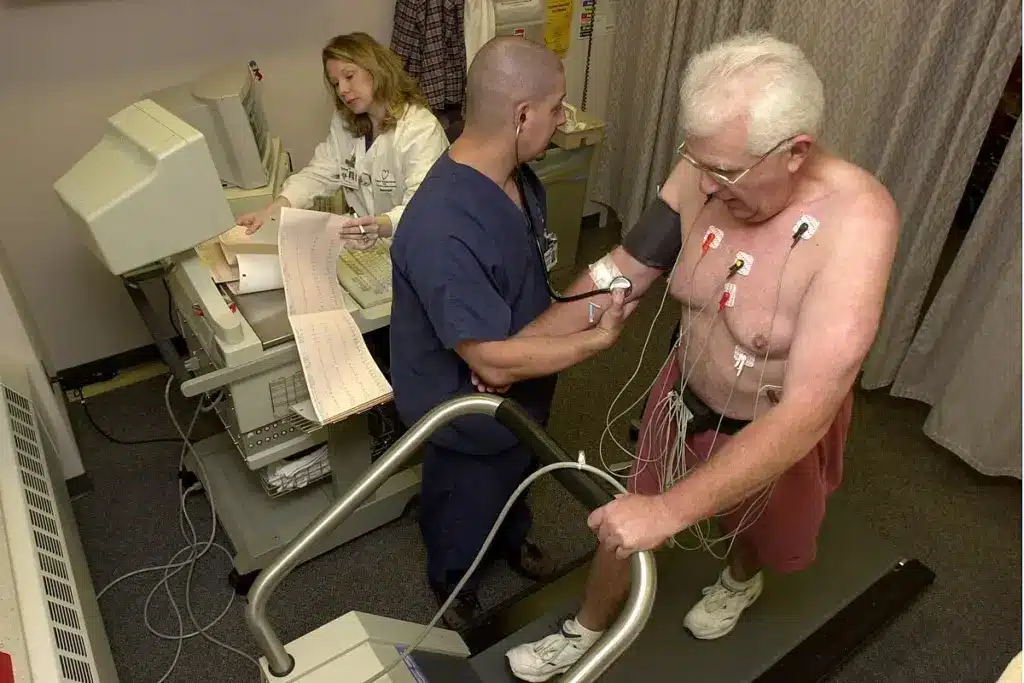
Cardiovascular diseases are a major cause of death globally. Heart blockage is a big part of this problem. A new, non-invasive test is changing how we find heart blockage. It makes getting checked safer and more comfortable for patients.
This new innovative heart test is a big step forward in cardiology. It’s made to give accurate diagnoses without the need for risky procedures. This means less danger for patients compared to old ways of testing.
Key Takeaways
- New non-invasive diagnostic tests are being introduced for detecting heart blockage.
- These tests offer a safer and more comfortable experience for patients.
- The technology behind these tests is designed to provide accurate diagnoses.
- Patients can expect reduced risk compared to traditional diagnostic methods.
- The new tests represent a significant advancement in the field of cardiology.
Understanding Heart Blockage and Its Implications
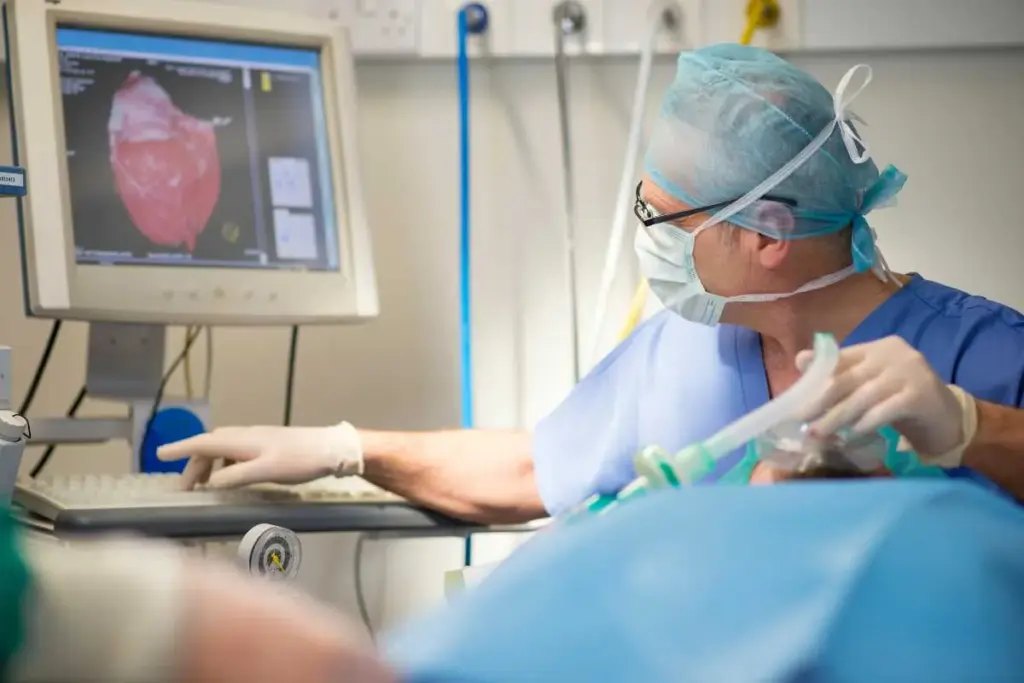
Heart blockage is a serious issue where arteries to the heart get narrowed or blocked. It’s a condition that needs quick attention. If not treated, it can cause heart attacks.
What Causes Coronary Artery Blockage
Coronary artery blockage happens when plaque builds up in arteries. This is called atherosclerosis. High cholesterol, smoking, and diabetes are big risk factors. When plaque builds up, it blocks blood flow to the heart.
Common Symptoms of Heart Blockage
It’s important to know the symptoms of heart blockage to get medical help fast. Symptoms include chest pain or discomfort, shortness of breath, and fatigue. These happen because the heart doesn’t get enough oxygen and nutrients.
Risk Factors for Developing Cardiovascular Blockage
There are several risk factors for cardiovascular blockage. These include family history of heart disease, high blood pressure, obesity, and sedentary lifestyle. Knowing these can help prevent it.
Understanding heart blockage’s causes, symptoms, and risk factors helps prevent and detect it early. This way, individuals can take steps to protect their heart health.
Traditional Methods for Diagnosing Heart Blockage
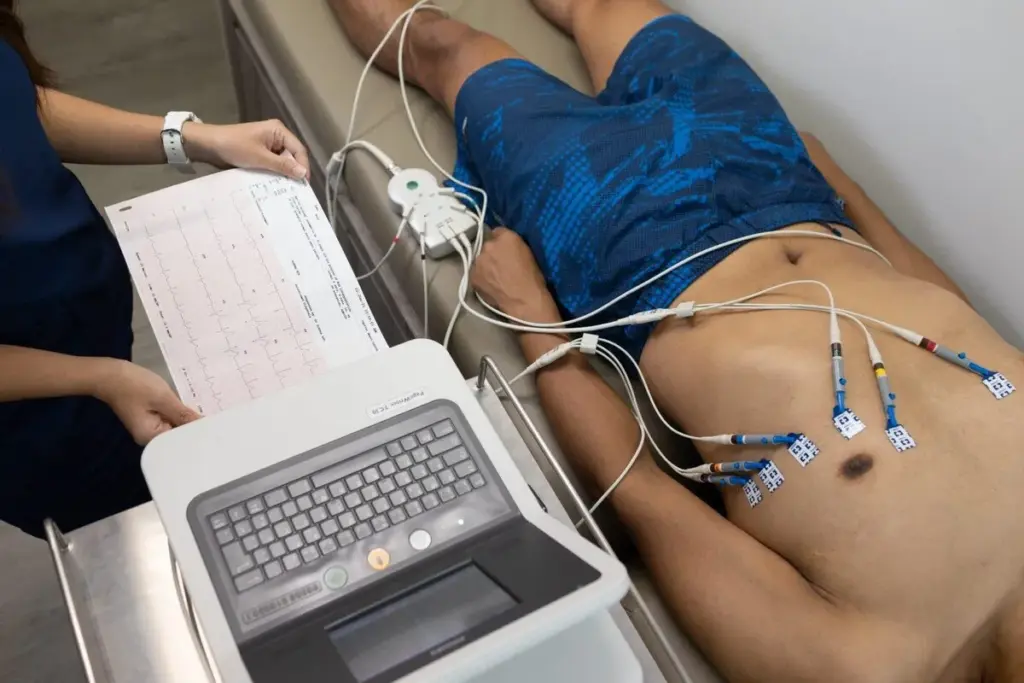
Diagnosing heart blockage has traditionally relied on several key methods. These methods help identify and manage heart blockage. Yet, they have their own set of limitations and benefits.
Electrocardiogram (ECG) and Its Limitations
An electrocardiogram (ECG) is often the first test for heart blockage. It records the heart’s electrical activity. This gives insights into heart rhythm and possible blockages. But, an ECG may miss blockages if they’re not causing big problems at the time of the test.
Limitations of ECG:
- May not detect blockages that are not causing immediate symptoms
- Limited in providing detailed information about the heart’s structure
Stress Tests and Exercise Tolerance Testing
Stress tests, like exercise tolerance testing, check how the heart works under stress. This stress is usually from exercise or medicine. These tests can show issues with blood flow and blockages that only show up when the heart is working harder.
Benefits of Stress Tests:
- Helps identify blockages that are not evident at rest
- Provides information on the heart’s response to physical exertion
But, stress tests may not be right for everyone. This is true for those with certain physical limits or health issues.
Conventional Coronary Angiography
Conventional coronary angiography is a top choice for finding coronary artery blockages. It uses a contrast dye injected into the arteries through a catheter. This gives detailed X-ray images of the arteries.
This method is very effective but is invasive. It carries risks like bleeding, infection, and damage to the arteries.
A well-structured diet is essential for managing congestive heart failure and supporting heart health. This diet lowers sodium, boosts fruits, vegetables, and whole grains, and keeps you hydrated.
Understanding traditional heart blockage diagnosis methods and their limits helps healthcare providers choose the best test for each patient.
The Need for Advanced Heart Test Technology
Heart disease is a major killer worldwide. We need better heart test technology to fight it. Accurate diagnosis is key for good treatment.
Old methods have big limits. They can miss the mark or delay treatment. This can make things worse for patients.
Limitations of Traditional Diagnostic Methods
ECGs and stress tests are mainstays in heart disease diagnosis. But they’re not perfect.
- They might miss early blockages.
- They can be risky because they’re invasive.
- They don’t always show the heart’s full picture.
Patient Risks with Invasive Procedures
Invasive tests, like coronary angiography, come with risks. These include bleeding, infection, and damage to blood vessels.
These risks are big worries for some, like the elderly or those with other health issues.
Key risks include:
- Bleeding or hematoma at the catheter site.
- Infection or allergic reactions to contrast agents.
- Damage to blood vessels or the heart.
Demand for More Accurate and Accessible Testing
There’s a big push for tests that are accurate and easy to get. New heart test tech aims to fill this gap.
Patients and doctors want tests that give clear, precise info without being invasive.
The move to advanced tech is driven by the need for better care and more efficient healthcare.
Revolutionary Heart Test: Coronary CT Angiography
Coronary CT angiography is a leading-edge test that gives deep insights into heart artery health. It’s a non-invasive test that has changed cardiology. It accurately finds heart blockages.
The Technology Behind Coronary CT Angiography
This test uses advanced imaging to show the heart’s arteries clearly. A CT scanner takes X-ray images from many angles. Then, these images are made into a 3D picture.
Key Components of Coronary CT Angiography:
- High-resolution imaging
- Non-invasive procedure
- Detailed visualization of coronary arteries
Advanced Imaging Technology
The tech behind coronary CT angiography is top-notch. It uses a CT scanner with advanced software and hardware. This tech captures clear images of the heart’s arteries, spotting even small blockages.
Patient Experience
Patients lie on a table that moves into the CT scanner for this test. It’s fast, usually under 30 minutes. They might get a contrast dye to make the arteries stand out in the images.
|
Procedure Aspect |
Patient Experience |
|---|---|
|
Preparation |
Patients may be asked to avoid eating or drinking before the test. |
|
During the Test |
Patients lie on a table that slides into the CT scanner. |
|
Contrast Dye |
May be administered to enhance image quality. |
|
Duration |
Typically less than 30 minutes. |
Coronary CT angiography is a game-changer for finding heart blockages. It gives detailed images and is easy on patients.
Cardiac MRI: The New Gold Standard Heart Test
Cardiac MRI is a top choice for heart tests because it’s very accurate and shows a lot of details. It’s key for finding and treating heart problems. It gives us a clear view of how the heart works and what might be wrong.
Detecting Heart Blockage with Cardiac MRI
Cardiac MRI finds blockages in the heart by showing detailed pictures of the heart’s inside. It’s a safe way to see how bad the blockages are. This helps doctors make better plans for treatment.
Key benefits of Cardiac MRI include:
- High-resolution imaging of the heart and coronary arteries
- Ability to assess heart function and detect blockages without invasive procedures
- Comprehensive evaluation of cardiac anatomy and possible issues
Advantages Over Traditional Testing Methods
Cardiac MRI beats older tests in many ways. It’s not invasive, so it’s safer than some older tests. It also checks the heart’s function and looks for damage or scarring.
One big plus is it doesn’t use harmful radiation or contrast agents. This makes it safer for more people, even those who need tests often.
Clinical Applications and Limitations
Cardiac MRI is used for many things, like finding heart disease and checking if heart muscle can be saved. But, it’s not perfect. Things like dehydration and how fast the heart beats can mess with the pictures. Also, some people with metal implants or who get anxious in small spaces might not be able to have it.
|
Clinical Application |
Description |
Benefit |
|---|---|---|
|
Diagnosing Coronary Artery Disease |
Detailed imaging of coronary arteries to detect blockages |
Accurate diagnosis and treatment planning |
|
Assessing Myocardial Viability |
Evaluation of heart muscle viability before revascularization |
Guiding surgical decisions with high precision |
|
Cardiac Structure and Function |
Comprehensive assessment of heart anatomy and function |
Enhanced understanding of cardiac health and disease |
As we keep improving heart care, Cardiac MRI is a key tool. It’s accurate, safe, and gives a full picture of the heart. It’s hard to find a better test than this.
FFR-CT: Combining Imaging with Blood Flow Analysis
FFR-CT is a new way to check for heart disease. It uses images and blood flow tests together. This could make diagnosing and treating heart blockages better.
Understanding Fractional Flow Reserve CT Technology
FRR-CT mixes CT scan images with blood flow data. This helps doctors see how blockages in the heart’s arteries affect blood flow. It’s a big step forward in heart disease diagnosis.
Key components of FFR-CT technology include:
- Advanced computational fluid dynamics
- Detailed CT imaging of coronary arteries
- Simulation of blood flow under various conditions
How FFR-CT Improves Diagnostic Accuracy
FFR-CT makes diagnosing heart disease more accurate. It spots blockages that could cause heart problems. This helps doctors make better treatment plans.
|
Diagnostic Aspect |
Traditional Methods |
FFR-CT |
|---|---|---|
|
Anatomical Detail |
Limited by static images |
Detailed 3D modeling |
|
Blood Flow Analysis |
Invasive or indirect measurements |
Simulated blood flow analysis |
|
Diagnostic Accuracy |
May not accurately predict ischemia |
Highly predictive of ischemia-causing lesions |
FDA Approval Status and Availability
The FDA has approved FFR-CT for use in hospitals. It’s becoming more common in big medical centers and cardiology offices.
In summary, FFR-CT is a big leap in heart disease diagnosis and treatment. It combines images and blood flow tests. This gives doctors a clearer picture of heart blockages, leading to better care for patients.
What is the new test for heart blockage?
Nearly 1 in 5 adults in the United States have diagnosed heart disease. Blockages are a big worry.
A new, non-invasive test for blockage is changing heart care. It’s a big deal.
This new way lets doctors find and treat problems sooner. It could save a lot of lives and make patients healthier.
Key Takeaways
- New non-invasive diagnostic methods are emerging for detecting blockage.
- Early detection is key for good treatment and better health.
- The new test is making a big difference in heart care.
- These tests mean fewer surgeries are needed.
- These advanced tests are making care and treatment better for patients.
Understanding Heart Blockage and Its Implications
It’s important to know about heart blockage and its effects on our heart health. Coronary artery blockage happens when arteries narrow or get blocked. This can seriously harm the heart’s ability to function.
High blood pressure, high cholesterol, and smoking are main causes of coronary artery blockage. Knowing the signs of heart blockage, like chest pain and shortness of breath, is key. It helps catch the problem early and treat it.
Risk Factors and Diagnostic Advancements
People with a family history of heart disease, diabetes, or obesity are more likely to get heart blockage. New diagnostic tools like coronary CT angiography and cardiac MRI have made diagnosing heart blockage better and easier.
These tests help doctors find heart blockage early. This means they can start treatment sooner, improving patient results. Knowing the reasons, signs, and risks of heart blockage helps us protect our heart health.
FAQ
What is the new test for heart blockage?
The new test for heart blockage uses non-invasive tests. These include coronary CT angiography and cardiac MRI. They give clear images of the heart’s arteries and spot blockages accurately.
Can dehydration cause chest pain?
Yes, dehydration can lead to chest pain. This happens because less blood flows to the heart. This can cause discomfort or pain in the chest.
What are the common symptoms of heart blockage?
Heart blockage symptoms include chest pain and shortness of breath. Fatigue and severe cases like heart attack can also occur. It’s important to know these symptoms to get medical help quickly.
How does coronary CT angiography work?
Coronary CT angiography uses advanced imaging to see the heart’s arteries. It can spot blockages and measure their severity without surgery.
What are the advantages of cardiac MRI over traditional testing methods?
Cardiac MRI is non-invasive and precise in finding heart blockages. It gives detailed images of the heart’s structure and function. This makes it a better choice than some older tests.
Can dehydration cause high heart rate?
Yes, dehydration can make the heart rate go up. The body tries to keep blood pressure and flow steady with less blood.
What is the importance of fluid restriction for congestive heart failure?
Fluid restriction is key for congestive heart failure. It stops fluid overload, which worsens symptoms. This can lead to serious problems like pulmonary edema.
Is Gatorade good for dehydration?
Gatorade can help with dehydration. It has electrolytes that help rebalance fluids. It’s good for mild to moderate dehydration.
How can I prevent congestive heart failure?
Preventing congestive heart failure means managing risks like high blood pressure and diabetes. Lifestyle changes and medication help. Eating well and staying hydrated are also important.
Can dehydration cause heart arrhythmia?
Yes, dehydration can lead to heart arrhythmia. Electrolyte imbalance is key to heart rhythm. Dehydration can disrupt this balance.
What is the role of diet in managing congestive heart failure?
Diet plays a big role in managing congestive heart failure. It should limit sodium and fluids. It also needs to provide enough nutrients for heart health.
Reference
National Center for Biotechnology Information. Evidence-Based Medical Insight. Retrieved from https://pubmed.ncbi.nlm.nih.gov/27543780/



 Departments
 Related Videos
 Our Doctors
 News
News