
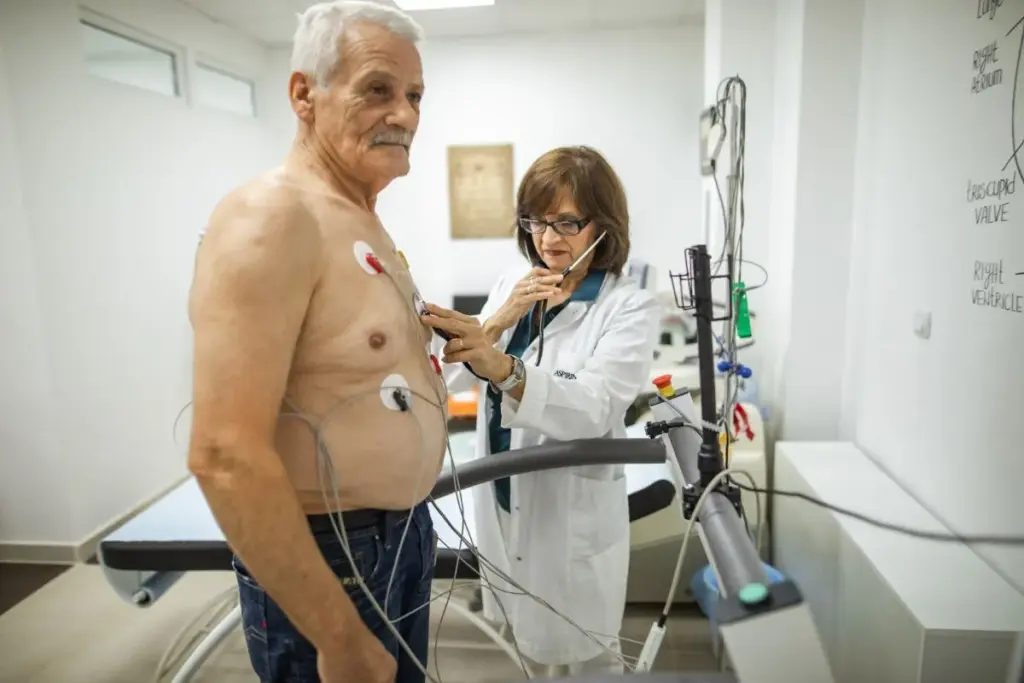
Cardiovascular disease is a big killer in the United States, causing over 800,000 deaths a year. Cardiac risk assessment is key to spotting heart problems early.
A comprehensive cardiac evaluation includes several tests to check for heart disease risk. The five main cardiac diagnostic procedures are essential for finding these risks.
These tests help doctors find people at high risk of heart disease. They can then take steps to stop heart problems before they start.
Key Takeaways
- Cardiac risk assessment is vital to prevent heart disease.
- Five key tests are used to check heart risk.
- Comprehensive cardiac evaluation involves many tests.
- Cardiac diagnostic procedures help find high-risk individuals.
- Early action can prevent heart attacks.
The Growing Importance of Cardiac Risk Assessment

In recent years, the medical field has seen a big increase in the need for cardiac risk checks. Now, checking the heart is key to figuring out someone’s risk of heart disease. This is because heart diseases are becoming more common, and we need to catch them early.
Why Early Detection Matters in Cardiovascular Disease
Finding heart disease early is very important. It lets doctors act fast, which can stop big problems. Heart monitoring and tests help find people at risk. This way, doctors can suggest changes to help lower these risks.
Common Risk Factors That Necessitate Testing
Some things make you need to get tested for heart health. These include a family history of heart disease, high blood pressure, diabetes, and smoking. For people with these risks, an echocardiogram or stress test might be suggested. This helps doctors check how well the heart is working.
Knowing about these risks and getting the right tests can help keep your heart healthy. It’s all about being proactive for your heart’s sake.
What Are Cardiac Risk Markers?
Cardiac risk markers are key in spotting heart disease early. They help doctors find out if someone might have a heart attack or stroke. This way, they can act fast to help.
Biomarkers vs. Physical Tests
There are two main types of cardiac risk markers: biomarkers and physical tests. Biomarkers are substances in blood or fluids that show heart disease. Examples are troponin, C-reactive protein (CRP), and homocysteine.
Physical tests, like electrocardiograms (ECG) and echocardiograms, check the heart’s shape and how it works.
Key differences between biomarkers and physical tests:
- Biomarkers are found through blood tests for heart attack or other samples.
- Physical tests give direct info about the heart’s state and function.
How These Markers Indicate Heart Problems
Cardiac risk markers show heart issues by pointing out underlying problems. For example, high levels of some biomarkers mean inflammation or heart injury. Doctors use these markers to see if someone is at risk.
Using cardiac risk markers, like blood work for heart attack and other tests, helps find and manage heart disease early. This can save lives.
The 5 Essential Heart Test Markers for Cardiac Risk
Knowing the risk of heart disease is key. Five main tests help doctors check this risk. These tests can spot heart problems early, saving lives.
Primary Screening vs. Diagnostic Testing
Screening tests find heart disease risk before symptoms show. Lipid profiles and blood pressure checks are examples. When symptoms appear or screening tests show a problem, diagnostic tests are used. These include blood tests and imaging studies.
Knowing the difference between screening and diagnostic tests is important. Screening helps prevent heart disease. Diagnostic tests help decide how to treat it.
When Doctors Order These Tests
Doctors order these tests based on a patient’s risk factors, medical history, and symptoms. For example, a lipid profile is often checked for adults over 20. Tests like hs-CRP and cardiac troponin are used when there’s a sign of inflammation or heart injury.
|
Test Name |
Purpose |
Indications |
|---|---|---|
|
Lipid Profile |
Measures cholesterol and triglyceride levels |
Routine check-ups, family history of heart disease |
|
hs-CRP Test |
Assesses inflammation in the body |
Suspected cardiovascular disease, high risk of heart attack |
|
Cardiac Troponin Test |
Detects heart muscle damage |
Symptoms of heart attack, acute coronary syndrome |
|
Brain Natriuretic Peptide (BNP) Test |
Evaluates heart failure |
Symptoms of heart failure, such as shortness of breath |
|
Homocysteine Level Test |
Measures homocysteine levels in the blood |
Suspected vitamin deficiency, family history of cardiovascular disease |
These five tests are key for checking heart risk and planning care. By knowing each test’s purpose and when to use it, doctors can better care for patients.
Lipid Profile: The Fundamental Blood Test for Heart Health
Knowing your lipid profile is key to keeping your heart healthy and avoiding heart diseases. A lipid profile test checks the different types of cholesterol and triglycerides in your blood.
Components of a Complete Lipid Panel
A complete lipid panel measures:
- Total Cholesterol
- High-Density Lipoprotein (HDL) Cholesterol
- Low-Density Lipoprotein (LDL) Cholesterol
- Triglycerides
Each part of the panel gives important info about your heart health. For example, high LDL cholesterol means a higher risk of heart disease. But, high HDL levels mean a lower risk.
Understanding HDL, LDL, and Total Cholesterol
HDL (Good) Cholesterol: HDL helps take away other cholesterol types from your blood. More HDL means a lower heart disease risk.
LDL (Bad) Cholesterol: LDL cholesterol can clog your arteries with plaques. High LDL levels increase your heart disease risk.
Total Cholesterol: This shows the total cholesterol in your blood, including HDL, LDL, and triglycerides. It’s a basic heart health indicator.
A lipid profile test is vital for checking your heart disease risk. It’s often paired with other tests, like the blood test for congestive heart failure. Understanding your lipid profile helps make lifestyle changes and treatment plans to lower heart attack and cardiovascular event risks.
High-Sensitivity C-Reactive Protein (hs-CRP) Test
The hs-CRP test is key in checking heart risk by looking at blood inflammation. It’s known for spotting heart problems before they happen.
The Inflammation-Heart Disease Connection
Inflammation is a big player in heart disease. The hs-CRP test finds C-reactive protein, made by the liver when it’s inflamed.
Key Point: High hs-CRP levels mean a higher chance of heart attacks and strokes.
How to Interpret Your hs-CRP Results
Understanding hs-CRP results helps know your heart risk. Low risk is below 1 mg/L, average is 1-3 mg/L, and high is over 3 mg/L.
|
hs-CRP Level (mg/L) |
Cardiovascular Risk |
|---|---|
|
<1 |
Low |
|
1-3 |
Average |
|
>3 |
High |
When hs-CRP Testing Is Most Valuable
The hs-CRP test is most useful for those at moderate heart risk. It helps change their risk level and guide prevention. A study in the Journal of the American College of Cardiology found it greatly improves heart disease management.
“The hs-CRP test has emerged as a useful tool in the assessment of cardiovascular risk, providing additional information beyond traditional risk factors.” – Journal of the American College of Cardiology
This test is part of a detailed cardiac screening. It includes lipid profiles and risk assessments. Together, they help give a precise cardiovascular evaluation.
Cardiac Troponin Tests: The Gold Standard for Heart Attack Detection
Cardiac troponin tests are key in diagnosing heart attacks. They measure troponin proteins in the blood. These proteins are released when the heart muscle is damaged.
These tests are very sensitive and specific for heart attacks. They are vital in emergency medicine. The tests look at troponin I and troponin T levels.
Troponin I vs. Troponin T Testing
Troponin I and troponin T are released into the blood after heart injury. Troponin I is very specific to the heart. This makes it a great marker for heart damage.
Troponin T is also specific to the heart. It’s used with troponin I for a full check of heart injury. The choice between them depends on the situation and the doctor’s preference.
The Timeline of Troponin Release After Cardiac Injury
Knowing when troponin is released is key for understanding test results. Troponin levels start to rise 2-3 hours after a heart attack. They can stay high for up to 14 days.
|
Time Frame |
Troponin Levels |
|---|---|
|
0-2 hours |
Normal or slightly elevated |
|
2-3 hours |
Rising |
|
12-24 hours |
Peak levels |
|
1-14 days |
Gradually decreasing |
This timeline helps doctors figure out when a heart attack happened. It helps them make better decisions for patient care.
Understanding cardiac troponin tests helps doctors treat heart attacks quickly. This improves patient outcomes.
Brain Natriuretic Peptide (BNP) Tests for Heart Failure
BNP levels are key in diagnosing and managing heart failure. Brain Natriuretic Peptide (BNP) is a hormone made by the heart’s ventricles when they’re under strain. The BNP test measures this hormone in the blood, giving important insights into heart function.
BNP vs. NT-proBNP: Key Differences
There are two types of BNP tests: BNP and N-terminal pro b-type natriuretic peptide (NT-proBNP). Both are heart failure markers, but they differ. BNP is the active hormone, while NT-proBNP is its inactive fragment. Knowing the differences is vital for accurate diagnosis and treatment.
- BNP has a shorter half-life than NT-proBNP.
- NT-proBNP levels are usually higher than BNP in the blood.
- Both markers rise in heart failure, but levels can be affected by age, kidney function, and body mass index.
How BNP Levels Reflect Heart Function
BNP levels show how severe heart failure is. Higher levels mean more ventricular strain and possibly more severe heart failure. The test is great for ruling out heart failure in patients with symptoms like shortness of breath.
Interpreting BNP levels needs to consider the patient’s overall situation and other test results. For example, high BNP levels can also be seen in conditions like pulmonary embolism or severe sepsis.
Interpreting Normal and Abnormal Results
Normal BNP levels are usually below 100 pg/mL, but this can vary. Levels above this might suggest heart failure, with higher levels indicating more severe cases. But, results should always be looked at with the patient’s overall health in mind, including symptoms and other tests like the stress test or lipid profile test.
In summary, BNP testing is a valuable tool in diagnosing and managing heart failure. Understanding BNP levels helps healthcare providers make better decisions about patient care, including when to do more tests or start treatment.
Homocysteine Level Test and Cardiovascular Risk
Knowing your homocysteine levels is key to spotting heart disease risk. Homocysteine is a blood amino acid. High levels are tied to heart disease and stroke risks.
The Homocysteine-Atherosclerosis Connection
High homocysteine can harm blood vessel linings. It leads to blood clots and atherosclerosis. This buildup in arteries is a big risk for heart attacks and strokes.
Genetic and Dietary Factors Affecting Levels
Genetics and diet shape homocysteine levels. Lack of vitamins B6, B12, or folate raises homocysteine. Some genetic issues, like MTHFR gene mutations, also affect levels.
Treatment Approaches for Elevated Homocysteine
For high homocysteine, diet and supplements are key. Eating more B6, B12, and folate helps. Sometimes, medicine is needed for underlying issues.
|
Factor |
Effect on Homocysteine |
Intervention |
|---|---|---|
|
Vitamin B6, B12, Folate Deficiency |
Increases Homocysteine |
Supplementation, Dietary Changes |
|
Genetic Mutations (e.g., MTHFR) |
Increases Homocysteine |
Supplementation, Monitoring |
|
Dietary Habits |
Can Influence Homocysteine |
Dietary Counseling |
Blood Work for Heart Attack: Additional Cardiac Markers
There are more than just lipid profiles when it comes to heart health. Several cardiac markers are key in figuring out who’s at risk for heart attacks. These markers help doctors spot those at higher risk.
Lipoprotein(a) and Inherited Risk
Lipoprotein(a), or Lp(a), is a cholesterol type you get from your genes. High Lp(a) levels can raise your risk of heart disease, more so if your family has a history of it. Testing for Lp(a) can show who needs to work harder on reducing their risk.
Apolipoprotein B and LDL Particle Number
Apolipoprotein B (ApoB) is on LDL cholesterol, known as “bad” cholesterol. ApoB tests count the bad particles in your blood. LDL particle number (LDL-P) counts the LDL particles directly, giving a clearer picture of your heart risk than LDL cholesterol alone.
Fibrinogen, D-dimer, and Clotting Risk
Fibrinogen helps form blood clots. High fibrinogen levels can mean a higher risk of heart problems. The D-dimer test shows how much of a protein is left after a clot breaks down. It helps understand clotting risks.
These cardiac markers give important details for better heart risk assessment. They help doctors make better treatment plans. This way, they can lower the chance of heart attacks and other heart issues.
Heart Test for Blockage: Beyond Blood Markers
Finding heart blockages needs more than just blood tests. We use many tests to check the heart’s health. Blood tests are helpful, but we need more to fully understand the heart’s risk.
Electrocardiogram (ECG/EKG) Basics
An electrocardiogram, or ECG, is a simple test that shows the heart’s electrical activity. It helps us see how the heart beats and works. An ECG can spot problems like irregular heartbeats and heart damage.
Key components of an ECG include:
- P wave: Represents atrial depolarization
- QRS complex: Indicates ventricular depolarization
- T wave: Represents ventricular repolarization
Echocardiogram and Heart Structure Assessment
An echocardiogram uses sound waves to create detailed pictures of the heart. It lets doctors check the heart’s parts and how well it pumps blood. This test is key for seeing the heart’s structure and function.
|
Echocardiogram Parameters |
Clinical Significance |
|---|---|
|
Ejection Fraction (EF) |
Measures the heart’s pumping efficiency |
|
Wall Motion Abnormalities |
Indicates areas of ischemia or infarction |
|
Valve Function |
Assesses for stenosis or regurgitation |
Stress Tests: Types and Purposes
Stress tests check how the heart works when it’s under stress, like during exercise. They help find heart disease and see if the heart can handle exercise. These tests are important for heart health.
“Stress testing is a valuable tool in diagnosing coronary artery disease and assessing cardiac risk. It provides critical information about the heart’s response to stress and helps guide treatment decisions.” –
American Heart Association
There are different stress tests, like:
- Exercise Stress Test
- Nuclear Stress Test
- Stress Echocardiogram
- Pharmacological Stress Test
How Accurate Is Blood Test for Heart Attack Detection?
The accuracy of blood tests for heart attacks is a big deal for doctors and patients. These tests check for certain biomarkers in the blood to spot heart attacks.
Sensitivity and Specificity of Individual Markers
Each biomarker has its own sensitivity and specificity for heart attacks. For example, troponin tests are very good at showing cardiac injury. They are considered the top choice for diagnosing heart attacks.
Other markers like C-reactive protein (CRP) and homocysteine are used too. But they mainly show risk, not immediate heart attack signs.
The Value of Multiple Marker Panels
Using several marker panels can make heart attack diagnosis more accurate. This way, doctors can see a fuller picture of a patient’s heart health.
|
Marker |
Sensitivity |
Specificity |
|---|---|---|
|
Troponin |
High |
High |
|
CRP |
Moderate |
Moderate |
|
Homocysteine |
Low |
Moderate |
Current Limitations in Testing Technology
Even with progress, blood tests for heart attacks have their limits. Things like when the test is done, the test type, and the patient’s health can affect results.
It’s key to know these limits to understand test results well. This helps doctors make better decisions for their patients.
Tests for Cardiovascular Disease: A Thorough Look
Healthcare providers use many tests to find heart disease. These tests give a full picture of a patient’s heart health. This detailed look is key to spotting risks and finding the best treatments.
Combining Laboratory and Imaging Studies
Tests start with lab work, like checking lipids and troponin levels. Then, echocardiograms look at the heart’s structure and how it works. Stress tests check how the heart does when it’s working hard. They help find problems that aren’t seen when the heart is at rest.
Risk Calculators and Scoring Systems
Risk calculators and scoring systems are also important. They use data from labs, medical history, and lifestyle to predict heart disease risk. This helps doctors understand a person’s overall heart health.
Personalized Testing Based on Risk Profile
Tests are chosen based on a person’s risk level. For example, those with heart disease in their family might get more tests. This way, tests are focused where they’re most needed.
Interpreting Your Heart Problem Test Results
Understanding your heart test results is key to managing your heart health. When you get your results, it’s important to know what they mean for your heart.
Understanding Reference Ranges and “Normal” Values
Heart test results are compared to reference ranges to see if they’re “normal.” But “normal” doesn’t always mean you’re healthy. For example, a lipid profile test might show your cholesterol is within a normal range. Yet, your doctor might suggest lifestyle changes or medication based on other factors.
When to Seek Additional Testing
If your results show abnormal values or you have symptoms like chest pain, you might need more tests. This could include a blood test for heart attack or more heart monitoring to check your condition.
Questions to Ask Your Healthcare Provider
Talking to your healthcare provider about your test results is vital. Ask them: What do my results mean for my heart health? Are there lifestyle changes I should make? Should I have a blood check for heart attack risk in the future?
Preventive Strategies Based on Cardiac Risk Assessment
Preventive care is key to keeping your heart healthy. It starts with knowing your cardiac risk factors. After a heart test or cardiac screening, you can start making changes to lower your heart disease risk.
Lifestyle Modifications for Different Risk Levels
Changing your lifestyle is often the first step against heart disease. For those at low risk, staying healthy is enough. This means:
- Eating a balanced diet rich in fruits, vegetables, and whole grains
- Engaging in regular physical activity, such as walking or more intense exercise
- Avoiding smoking and limiting alcohol consumption
- Maintaining a healthy weight and managing stress
For those at higher risk, more changes are needed. This might include:
- Adopting a heart-healthy diet, such as the Mediterranean diet
- Increasing physical activity levels, potentially including cardiac rehabilitation programs
- Managing other health conditions, such as diabetes or hypertension, through lifestyle and medication
Medication Options for Risk Reduction
For some, lifestyle changes aren’t enough. In these cases, medication may be needed. Common medications include:
- Statins to lower cholesterol levels
- Beta-blockers to reduce blood pressure and heart rate
- Antiplatelet agents to prevent blood clots
- ACE inhibitors or ARBs to manage blood pressure and heart failure
A heart health assessment is vital for choosing the right prevention plan. Working with your healthcare provider, you can create a plan tailored to your needs.
Conclusion: Advances in Cardiac Risk Assessment
Cardiac diagnostic procedures have changed a lot, helping doctors find heart disease risks better. Now, tests like lipid profiles and imaging studies are part of a full check-up. This includes echocardiograms and stress tests.
These tools help find and manage heart risk factors early. Doctors can then plan the best ways to prevent heart disease. This might include changing your lifestyle or taking medicine.
Using many tests together makes finding heart risks more accurate. As technology gets better, we’ll see even more improvements. This will help patients get better care and outcomes.
FAQ
What are the 5 essential tests for cardiac risk assessment?
The 5 key tests are lipid profile, hs-CRP, cardiac troponin, BNP, and homocysteine levels.
What is a lipid profile test, and what does it measure?
It’s a blood test that checks cholesterol and triglycerides. It looks at HDL, LDL, and total cholesterol levels.
How does the hs-CRP test relate to heart disease?
It measures body inflammation. High levels are linked to heart disease risk.
What is the difference between troponin I and troponin T testing?
Both test for cardiac injury. But they use different tests and have unique characteristics.
How do BNP levels reflect heart function?
BNP levels show heart function. High levels mean the heart is not working well.
What is the homocysteine-atherosclerosis connection?
High homocysteine levels increase atherosclerosis risk. This is a buildup in arteries that can lead to heart disease.
What additional cardiac markers are used in blood work for heart attack diagnosis?
More markers include lipoprotein(a), apolipoprotein B, LDL particle number, fibrinogen, and D-dimer.
What is the purpose of an electrocardiogram (ECG/EKG) test?
It measures heart electrical activity. It helps find rhythm disorders and signs of heart damage.
How accurate are blood tests for heart attack detection?
Blood tests, like troponin tests, are very accurate. But, accuracy can change based on timing and patient factors.
How should I interpret my heart problem test results?
Understand the reference ranges and “normal” values. Consider your risk factors and medical history. Always talk to your healthcare provider.
What preventive strategies can be based on cardiac risk assessment?
Strategies include lifestyle changes and medications. These are tailored to your risk level.
What is the role of risk calculators and scoring systems in cardiovascular disease testing?
They estimate your cardiovascular risk. They guide testing and treatment decisions.
How can I personalize my testing based on my risk profile?
Consider your risk factors, medical history, and lifestyle. Discuss testing options with your healthcare provider.
References
National Center for Biotechnology Information. Evidence-Based Medical Insight. Retrieved from https://www.ncbi.nlm.nih.gov/books/NBK545216/



 Departments
 Related Videos
 Our Doctors
 News
News