
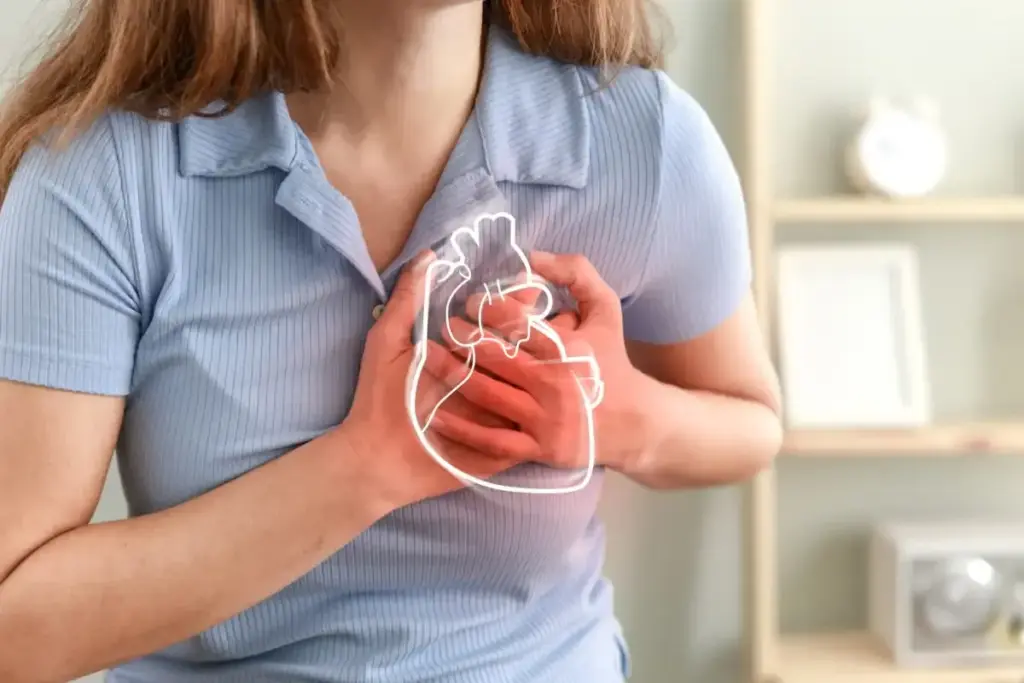
Heart failure happens when the heart can’t pump enough blood. Studies show about 26 million people worldwide face this issue. It’s a big problem globally. What damages the heart? Explore this top critical failure causes list. Identify your risks early to prevent heart failure and stay healthy longer.
Many things can lead to heart failure. These include coronary artery disease, high blood pressure, and cardiomyopathy. Knowing what causes it helps us find better ways to prevent and treat it.
Key Takeaways
- Heart failure is a significant global health issue affecting millions worldwide.
- Coronary artery disease, hypertension, and cardiomyopathy are major contributors to heart failure.
- Understanding the causes of heart failure is key for prevention and treatment.
- Recent studies have shed light on the various factors leading to heart failure.
- Effective management of heart failure requires a comprehensive, multidisciplinary approach.
Understanding Heart Failure: Definition and Overview
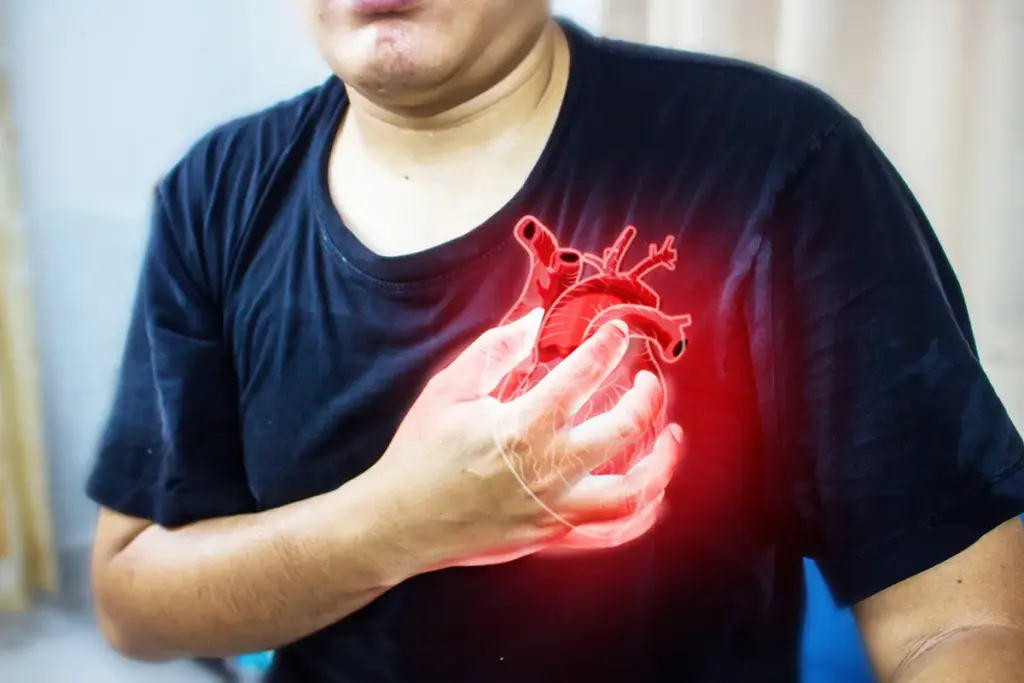
It’s important for both patients and healthcare providers to understand heart failure. This condition makes the heart pump blood poorly. It leads to many problems and affects how well someone lives.
What Happens During Heart Failure
Heart failure means the heart can’t pump enough blood. This causes fatigue, swelling in the legs, and shortness of breath. The heart might become stiff or its muscles weak, making it hard to pump blood.
The heart’s structure is also affected in heart failure. The ventricles, the heart’s main pumping chambers, may get bigger or thicker. This makes the heart less efficient and unable to pump blood well.
Types of Heart Failure
Heart failure can affect either side of the heart. Left-sided heart failure happens when the left ventricle doesn’t pump well. This causes fluid to build up in the lungs. Right-sided heart failure affects the right ventricle and leads to fluid in the body’s tissues, mainly in the legs and abdomen.
- Left-sided heart failure: Fluid buildup in the lungs, leading to symptoms like shortness of breath.
- Right-sided heart failure: Fluid accumulation in the body’s tissues, causing swelling.
- Biventricular heart failure: Both sides of the heart are affected, leading to a combination of symptoms.
|
Type of Heart Failure |
Primary Symptoms |
|---|---|
|
Left-sided |
Shortness of breath, coughing |
|
Right-sided |
Swelling in legs and abdomen |
|
Biventricular |
Combination of left and right-sided symptoms |
Prevalence and Impact in the United States
Heart failure is a big health problem in the United States. It affects millions of people. Studies show about 6.2 million adults in the U.S. have heart failure. It’s more common in older adults and is expected to increase as the population ages.
“Heart failure is a growing public health concern, with a substantial impact on healthcare systems and the economy. Understanding its causes, symptoms, and management strategies is critical for better patient outcomes.”
The cost of heart failure is very high, with annual costs in the U.S. over $30 billion. This includes healthcare costs, medications, and lost productivity.
Coronary Artery Disease: The Leading Cause of Heart Failure

It’s important to know how coronary artery disease (CAD) and heart failure are linked. CAD happens when the main blood vessels to the heart get damaged. This is a big reason why heart failure occurs, affecting many people around the world.
Development of Coronary Artery Disease
CAD starts when the heart’s blood vessels narrow or get blocked. This is due to a buildup of cholesterol and other stuff, called plaque. It can cause less blood to reach the heart muscle, leading to pain, shortness of breath, and more.
Risk factors for CAD include high blood pressure, high cholesterol, smoking, diabetes, and a family history of heart disease. Changing your lifestyle and taking medicine can help prevent or slow CAD.
The Connection Between CAD and Heart Failure
CAD and heart failure are connected because of less blood to the heart muscle. This can weaken the heart, making it hard to pump blood well.
Heart failure happens when the heart can’t pump enough blood. CAD is a big risk factor because it can damage or weaken the heart muscle.
Statistics and Risk Assessment
The American Heart Association says CAD is the top cause of heart failure in the U.S. Studies show that managing CAD can lower heart failure risk.
|
Risk Factor |
Impact on Heart Failure Risk |
|---|---|
|
High Blood Pressure |
Increases risk by 2-3 times |
|
High Cholesterol |
Increases risk by 1.5-2 times |
|
Smoking |
Increases risk by 2-3 times |
|
Diabetes |
Increases risk by 2-4 times |
Knowing your risk factors and managing them is key to preventing heart failure. By understanding CAD and heart failure, we can take steps to lower heart failure risk and keep our hearts healthy.
Hypertension: A Silent Contributor to Heart Failure
Hypertension, or high blood pressure, is a major cause of heart failure worldwide. It makes the heart work harder, leading to damage over time. It’s important to understand how hypertension affects the heart and manage it to prevent heart failure.
Damage to the Heart
High blood pressure damages the heart in several ways. It makes the heart muscle thicken, reducing its function. It also damages blood vessels, making them more likely to block or rupture. This can lead to heart failure, where the heart can’t pump enough blood.
- Left Ventricular Hypertrophy: The thickening of the heart muscle, mainly in the left ventricle, which can lead to heart failure.
- Coronary Artery Disease: High blood pressure can make the coronary arteries narrow and harden, increasing the risk of heart attack.
- Heart Failure: The increased workload on the heart can eventually lead to its failure.
Long-term Effects of Uncontrolled Hypertension
If left uncontrolled, hypertension can have severe long-term effects on the heart and overall health. These include:
- Increased risk of heart attack and stroke
- Kidney damage or failure
- Vision loss
- Cognitive decline
Managing hypertension through lifestyle changes and, if necessary, medication can significantly reduce these risks.
Prevention and Management Strategies
Preventing and managing hypertension involves a combination of lifestyle modifications and, in some cases, medication. Healthy heart tips include:
- Adopting a Healthy Diet: Eating a diet rich in fruits, vegetables, whole grains, and lean proteins.
- Regular Physical Activity: Engaging in at least 150 minutes of moderate-intensity exercise per week.
- Maintaining a Healthy Weight: Reducing body mass index (BMI) to a healthy range.
- Limiting Sodium Intake: Reducing salt consumption to less than 2,300 milligrams per day.
- Managing Stress: Practicing stress-reduction techniques such as meditation or deep breathing.
By implementing these blood pressure management strategies, individuals can significantly reduce their risk of developing heart failure and other cardiovascular diseases.
Valvular Heart Disease and Its Impact
Heart valve problems, known as valvular heart disease, greatly affect heart health. This disease includes various conditions that harm the heart valves. These valves are key for blood flow through the heart. When they’re diseased or damaged, it can cause serious heart issues, including heart failure.
Common Valve Problems Leading to Heart Failure
The heart has four valves: mitral, tricuspid, pulmonary, and aortic. Problems with these valves can lead to stenosis (narrowing) or regurgitation (leakage). These issues make the heart work harder, which can lead to heart failure if not treated.
Common valve problems include:
- Mitral regurgitation
- Aortic stenosis
- Tricuspid regurgitation
- Pulmonary stenosis
Diagnosis and Treatment Options
Doctors use physical exams, medical history, and tests like echocardiography to diagnose valvular heart disease. Treatment depends on the problem’s severity and type. It can range from medication and lifestyle changes to surgery like valve repair or replacement.
Early diagnosis is key for managing and preventing complications.
Preventive Measures for Valve Health
Some valve problems are genetic or age-related. But, there are ways to keep your valves healthy. Managing high blood pressure, living a healthy lifestyle, and not smoking can help. Regular doctor visits can also catch valve issues early.
Cardiomyopathy: When the Heart Muscle Weakens
When the heart muscle weakens, it can’t pump blood well. This is called cardiomyopathy. It can lead to heart failure if not treated. Cardiomyopathy affects the heart’s function, impacting the cardiac system and overall heart health.
Diverse Forms of Cardiomyopathy
There are several types of cardiomyopathy, each with its own characteristics:
- Dilated Cardiomyopathy: The heart muscle weakens, causing the heart chambers to enlarge.
- Hypertrophic Cardiomyopathy: The heart muscle thickens, making it harder for the heart to pump blood.
- Restrictive Cardiomyopathy: The heart muscle becomes stiff, making it difficult for the heart chambers to fill with blood.
- Arrhythmogenic Right Ventricular Cardiomyopathy (ARVC): The heart muscle in the right ventricle is replaced with fatty tissue, potentially leading to abnormal heart rhythms.
Causes and Risk Factors
Understanding the causes and risk factors of cardiomyopathy is key for prevention and management. Some main factors include:
- Genetic predisposition
- Infections that affect the heart
- Toxins and certain medications
- Other medical conditions, such as diabetes and hypertension
Identifying these risk factors early can help in taking preventive measures.
Effective Treatment Approaches
Treating cardiomyopathy involves a multi-faceted approach. It aims to manage symptoms, slow disease progression, and improve quality of life. Treatment strategies may include:
- Medications to manage symptoms and prevent complications
- Lifestyle changes, such as dietary adjustments and increased physical activity
- Device therapies, like pacemakers, to regulate heart rhythm
- Surgical interventions in some cases
As medical professionals say, “Early diagnosis and appropriate management of cardiomyopathy are critical to improving outcomes for patients.”
The Heart: Understanding Its Structure and Function
It’s key to know how the heart works for good health. The heart is a complex organ. It’s vital for life.
Normal Heart Anatomy
The heart is in the chest, a bit left of center. It has four chambers: the right and left atria, and the right and left ventricles. The atria get blood coming back to the heart. The ventricles send blood out to the body.
The septum keeps the right and left sides of the heart separate. This stops oxygen-rich and oxygen-poor blood from mixing.
How the Cardiovascular System Works
The cardiovascular system carries blood all over the body. The heart pumps blood through vessels. This delivers oxygen and nutrients to the body’s tissues and organs.
The blood vessels, including arteries, veins, and capillaries, are key. They help the system work right. This system is essential for the body’s health.
Factors Affecting Heart Health
Many things can affect heart health. Lifestyle, genetics, and health conditions matter. High blood pressure, diabetes, and high cholesterol raise heart disease risks.
Smoking, not moving enough, and bad diets also harm the heart. Knowing these risks helps us stay healthy.
Understanding the heart’s role and what affects it helps us see why heart health is so important. Regular health checks, a good lifestyle, and knowing risks can keep our hearts healthy.
Other Medical Conditions Contributing to Heart Failure
Many health issues can raise the risk of heart failure. It’s key to manage these conditions well to avoid heart failure.
Diabetes and Heart Failure
Diabetes is a big risk for heart failure. It can damage blood vessels and nerves that control the heart. Managing diabetesthrough lifestyle and medicine can lower heart failure risk.
High blood sugar can harm the heart muscle over time. This can lead to poor heart function and heart failure.
Thyroid Disorders
Thyroid problems, like hyperthyroidism and hypothyroidism, can harm the heart. An overactive thyroid can increase heart rate and risk heart failure. An underactive thyroid can decrease heart function.
Viral Infections and the Heart
Viral infections can cause myocarditis, an inflammation of the heart muscle. This can weaken the heart and lead to heart failure. Treating viral infections quickly is key to avoiding heart damage.
Congenital Heart Defects
Congenital heart defects are heart problems present at birth. They can cause heart failure if not treated. Early diagnosis and treatment are vital to prevent heart failure.
Understanding and managing these conditions can greatly reduce heart failure risk. Working with healthcare providers can help create effective plans to manage health and protect the heart.
Lifestyle Factors Increasing Heart Failure Risk
Lifestyle choices greatly affect heart failure risk. Heart failure is a big health issue worldwide. By changing these choices, people can lower their heart failure risk.
Smoking and Tobacco Use
Smoking and tobacco use harm the heart. They increase heart disease risk. Quitting smoking is key to reducing this risk.
The American Heart Association says quitting smoking cuts heart disease risk by 50% in a year. There are many resources to help quit smoking.
Alcohol Consumption
Too much alcohol can damage the heart. It’s important to drink in moderation for heart health.
Men should not drink more than two drinks a day, and women should not have more than one. Cutting down on alcohol can prevent heart failure and other heart diseases.
Physical Inactivity
Not being active is a big risk for heart failure. Exercise makes the heart stronger and improves heart health.
Doing at least 150 minutes of moderate exercise, 75 minutes of vigorous exercise, or a mix of both each week can lower heart failure risk.
Poor Dietary Choices
Eating too much saturated fats, sodium, and cholesterol raises heart failure risk. Eating more fruits, vegetables, whole grains, and lean proteins can help.
The DASH diet, full of fruits, vegetables, and low-fat dairy, can lower blood pressure and heart disease risk.
|
Lifestyle Factor |
Impact on Heart Health |
Recommended Change |
|---|---|---|
|
Smoking and Tobacco Use |
Increases risk of heart disease and heart failure |
Quit smoking |
|
Alcohol Consumption |
Excessive consumption damages heart muscle |
Limit alcohol intake |
|
Physical Inactivity |
Increases risk of heart failure |
Engage in regular physical activity |
|
Poor Dietary Choices |
Increases risk of heart disease and heart failure |
Adopt a healthy diet |
Making smart lifestyle choices can greatly reduce heart failure risk. It also improves heart health overall.
Recognizing Heart Failure: Symptoms and Warning Signs
Knowing the signs of heart failure can greatly improve treatment. Heart failure means the heart doesn’t pump blood well. Symptoms can differ from person to person.
Early Symptoms Often Overlooked
Early heart failure symptoms are often mild and mistaken for other issues. Common signs include:
- Shortness of breath during routine activities
- Fatigue and weakness
- Swelling in the legs, ankles, and feet
- A rapid or irregular heartbeat
- A reduced ability to exercise
These signs can be easy to miss, as they develop slowly. But it’s important to notice them to get medical help early.
When to Seek Medical Attention
If you notice any of these, you should see a doctor:
- Severe shortness of breath
- Chest pain or pressure
- Fainting or severe dizziness
- Rapid weight gain (more than 2-3 pounds in a day)
Quick medical check-ups can find the cause and guide treatment.
Differences in Symptoms Between Men and Women
Men and women with heart failure may show symptoms differently. Men often report chest pain, while women might feel short of breath, tired, or have other vague symptoms.
|
Symptom |
Men |
Women |
|---|---|---|
|
Shortness of Breath |
Common |
Very Common |
|
Chest Pain |
Very Common |
Less Common |
|
Fatigue |
Common |
Very Common |
Knowing these differences helps both patients and doctors provide the right care on time.
Diagnosis and Assessment of Heart Failure
Diagnosing heart failure involves a detailed process. It includes looking at the patient’s medical history, doing a physical exam, and running various tests. We will look at the main steps to accurately diagnose and assess heart failure.
Medical History and Physical Examination
Understanding a patient’s medical history is key in diagnosing heart failure. We examine their symptoms, past health issues, and lifestyle. This helps us get a clear picture of their health.
A physical exam is also done. We check for signs like swelling in the legs, quick weight gain, or unusual heart sounds. These signs can indicate heart failure.
The physical exam looks for:
- Jugular venous distension
- Peripheral edema
- Lung congestion
- Abnormal heart rhythms
Diagnostic Tests and Procedures
Several tests help confirm heart failure and find its cause. These include:
- Echocardiogram to check heart function and structure
- Electrocardiogram (ECG) to examine heart rhythm
- Blood tests to look for heart damage or other issues
- Chest X-ray to see if there’s fluid in the lungs
- Cardiac MRI or CT scans for detailed heart images
Classification Systems for Heart Failure
Heart failure is divided into different levels based on its severity. The New York Heart Association (NYHA) Functional Classification is often used. It categorizes heart failure into four classes based on symptoms and how it affects daily life.
The NYHA classification helps doctors decide on treatments. It also helps patients understand their condition better. Knowing the classification is important for managing heart failure effectively.
Treatment Approaches for Heart Failure
Managing heart failure needs a detailed plan for each person. It’s a complex condition that needs many treatments.
Medication Options
Medicines are key in treating heart failure. They help ease symptoms, slow the disease, and improve life quality. ACE inhibitors, beta-blockers, and diuretics are common.
ACE inhibitors relax blood vessels, easing the heart’s work. Beta-blockers slow the heart rate and reduce its force. Diuretics remove extra fluid, reducing swelling and breathlessness.
Surgical Interventions
Surgery is sometimes needed for heart failure. It treats underlying issues. Options include CABG, heart valve repair or replacement, and device implants like pacemakers or ICDs.
CABG improves blood flow by bypassing blocked arteries. Valve repairs or replacements fix problems that cause heart failure.
Device Therapies
Device therapies, like pacemakers and ICDs, manage heart failure. They regulate heart rhythm and prevent dangerous arrhythmias. CRT also helps by syncing heart chambers, boosting efficiency.
Emerging Treatments
New heart failure treatments are being researched. These include stem cell, gene, and new drug therapies. They aim to fix heart failure’s root causes.
Stem cell therapy tries to fix damaged heart tissue. Gene therapy might change or replace genes to stop or reverse heart failure.
Cardiac Rehabilitation: Essential Support for Heart Failure Patients
For those with heart failure, cardiac rehabilitation is a key support system. It’s a program that helps improve heart health. It’s for patients who have had heart failure or other heart issues.
What is Cardiac Rehab and How It Helps
Cardiac rehab includes cardiac rehab exercises, heart health education, and support. It helps patients manage their heart condition well. By joining, patients see their heart function improve, symptoms lessen, and overall health get better.
A doctor-recommended rehab plan is vital. It makes sure the program fits each patient’s needs. This approach leads to better results and helps patients make lasting lifestyle changes.
Components of Effective Rehabilitation Programs
Good cardiac rehab programs have several parts. These are:
- Exercise training to boost heart health and endurance
- Education on heart health, like diet, stress, and medication
- Support from doctors and a cardiac rehab support group for motivation and help
These elements offer full care for heart failure patients’ physical and emotional needs.
Finding the Right Cardiac Rehab Program
Choosing the right cardiac rehab program is important. Look at location, staff qualifications, and services offered. Pick a program that fits your needs and offers support.
Talk to your doctor to find a doctor-recommended rehab plan. It should match your health goals and needs.
Insurance Coverage and Accessibility
Knowing about insurance and cardiac rehab access is key. Many insurances cover these programs. They see the value in improving patient outcomes and saving costs.
Check your insurance and any costs for cardiac rehab. Also, look for local programs to see what’s available and accessible to you.
Conclusion: Prevention and Living with Heart Failure
To prevent heart failure, we need to take a few steps. We should live a healthy lifestyle and manage any health issues we have. By focusing on heart health and cardiac wellness, we can lower our risk of heart failure.
Eating a heart-healthy diet is important. It should be full of good nutrients and low in bad fats and salt. Also, staying active, not smoking, and drinking less alcohol help keep our heart strong.
If you already have heart failure, managing it well is key. Stick to your medication, go to all your doctor’s appointments, and make healthy lifestyle changes.
By being proactive about heart health and cardiac wellness, we can live better lives. We can also avoid serious problems that come with heart failure.
FAQ
What is heart failure, and how does it affect the body?
Heart failure means the heart can’t pump enough blood. This leads to fatigue, swelling, and shortness of breath. It greatly affects daily life and health.
What are the main types of heart failure?
Heart failure is divided into left-sided and right-sided types. Left-sided occurs when the left ventricle can’t pump blood well. Right-sided happens when the right ventricle fails to pump blood.
How does coronary artery disease contribute to heart failure?
Coronary artery disease (CAD) is a major cause of heart failure. It happens when plaque builds up in the coronary arteries. This reduces blood flow to the heart muscle, causing damage and failure over time.
What is the connection between hypertension and heart failure?
Hypertension, or high blood pressure, is a big contributor to heart failure. Uncontrolled high blood pressure damages the heart muscle. It makes the heart work harder to pump blood, leading to heart failure.
How does valvular heart disease impact heart failure?
Valvular heart disease affects the heart valves. If left untreated, it can lead to heart failure. Valve problems make the heart work inefficiently, potentially causing heart failure.
What is cardiomyopathy, and how does it relate to heart failure?
Cardiomyopathy is diseases of the heart muscle that can cause heart failure. There are different types, like dilated, hypertrophic, and restrictive cardiomyopathy. Each type has its own causes and effects on the heart.
How do lifestyle factors influence the risk of heart failure?
Lifestyle choices like smoking, drinking too much alcohol, being inactive, and eating poorly can increase heart failure risk. A healthy lifestyle can help lower this risk.
What are the early symptoms of heart failure that are often overlooked?
Early signs of heart failure include mild fatigue, slight swelling, and shortness of breath during everyday activities. These symptoms are often missed but are key to early treatment.
How is heart failure diagnosed?
Doctors diagnose heart failure through medical history, physical exams, and tests like echocardiograms and blood tests. These help find and measure heart failure.
What are the treatment options for heart failure?
Treatments for heart failure include medicines, surgery, devices like pacemakers, and new treatments. A treatment plan is made for each person based on their condition.
What is cardiac rehabilitation, and how does it support heart failure patients?
Cardiac rehabilitation is a program with exercise, education, and support for heart failure patients. It helps them recover and improve their heart health. It’s key for managing heart failure and improving life quality.
How can one find the right cardiac rehab program?
To find the right cardiac rehab program, look at the program’s components, staff expertise, and patient reviews. Check insurance coverage and accessibility too.
What lifestyle changes can help prevent heart failure?
A healthy lifestyle, including a balanced diet, regular exercise, not smoking, and stress management, can prevent heart failure. Controlling conditions like hypertension and diabetes is also important.
How can managing underlying conditions reduce the risk of heart failure?
Managing conditions like diabetes, hypertension, and thyroid disorders through medication, lifestyle changes, and regular checks can lower heart failure risk.
National Center for Biotechnology Information. Evidence-Based Medical Insight. Retrieved from https://www.ncbi.nlm.nih.gov/pmc/articles/PMC5501148/