Having a heart transplant is a big deal. It needs careful care after surgery. Thanks to new tech and care ways, patients are doing better.
Usually, people stay in the hospital for 10 to 16 days after surgery. How long you stay can depend on your health and if you have any problems.
Top hospitals, like those at livhospital.com, are leading the way in care. They help patients recover fast and live longer. Knowing how long it takes to get better is important for everyone involved.
Key Takeaways
- The average hospital stay after a heart transplant is between 10 to 16 days.
- Factors such as overall health and presence of complications affect stay length.
- New care methods and tech have made patients’ outcomes better.
- Top hospitals are setting new care standards after transplants.
- It’s key for patients and families to understand the recovery timeline.
Understanding Heart Transplant Procedures

A heart transplant is a complex surgery that gives a second chance at life. It replaces a diseased heart with a healthy one. This can cure end-stage heart disease in patients.
When a Heart Transplant Becomes Necessary
A heart transplant is needed when a patient’s heart fails and other treatments don’t work. This is called end-stage heart failure. The heart can’t pump enough blood for the body’s needs. Doctors decide on a transplant after checking the patient’s health.
The Transplant Surgery Process
The surgery starts with anesthesia and connecting to a heart-lung machine. This machine takes over the heart and lungs during the surgery. The team then removes the diseased heart and implants the donor heart.
The surgery is done by skilled cardiothoracic surgeons. It can take several hours. The team must be very careful to ensure the best results for the patient.
Initial Recovery Expectations
After surgery, patients are watched closely in the ICU for signs of rejection or complications. They start immunosuppressive medications to prevent rejection. The medical team checks vital signs, heart function, and recovery progress.
As patients recover, they are slowly taken off life-support machines. They start moving early to regain strength and heal. The healthcare team offers support and addresses any issues that come up.
Typical Hospital Stay Duration After Heart Transplant
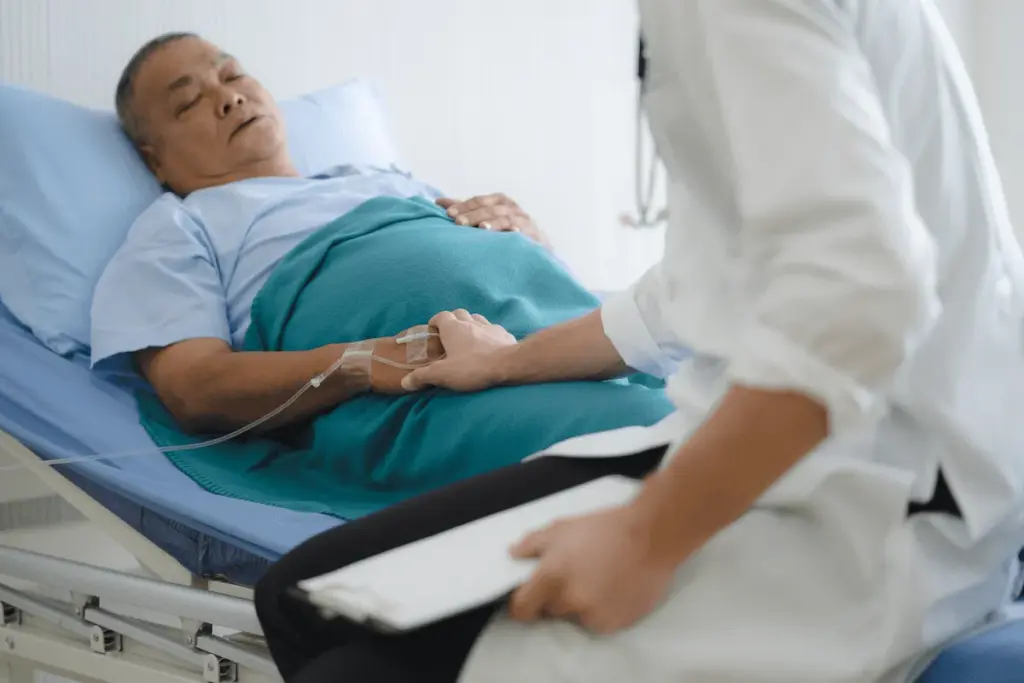
Knowing how long you’ll stay in the hospital after a heart transplant is key. The time you spend there can change based on your health and the surgery details.
Average Length of Stay for Adults
Adults usually stay in the hospital for 3 to 10 days after a heart transplant. This time lets doctors watch over you closely. They can handle any problems right away.
Pediatric Patient Hospital Stays
Kids tend to stay longer, about 16 days. This extra time helps make sure they’re healing well. It also helps prepare their families for caring for them at home.
Factors Affecting Length of Hospitalization
Several things can change how long you stay in the hospital. These include:
- Your health before the transplant
- Any problems during or after surgery
- How well you do with medicine to prevent rejection
- If you need more treatments or care
The table below shows how these factors can affect your stay:
|
Factor |
Impact on Hospital Stay |
|---|---|
|
Pre-transplant health condition |
Patients with poorer health may require longer hospital stays |
|
Surgical complications |
Complications can extend the hospital stay |
|
Response to immunosuppressive therapy |
A positive response can lead to shorter hospital stays |
|
Need for additional treatments |
Additional treatments can prolong hospitalization |
Knowing these factors and typical stay times helps families and caregivers prepare for recovery. It makes the post-transplant journey easier.
The Immediate Post-Operative Period
The time right after a heart transplant is very important. It’s when doctors watch patients closely to keep them safe. This time is key for a good recovery.
First 24-48 Hours After Surgery
The first 24 to 48 hours are very critical. Patients are in the intensive care unit (ICU) to watch for problems. Doctors check heart rate, blood pressure, and oxygen levels to make sure the new heart works well.
Intensive Care Unit Monitoring
In the ICU, a team of experts watches patients all the time. This team includes doctors, nurses, and other specialists. They use special equipment to track the heart’s function and vital signs.
They also do laboratory tests and echocardiograms to check the heart. This helps find any issues early, so they can act fast.
When Patients Typically Regain Consciousness
Most patients wake up a few hours after surgery. This is when the anesthesia wears off. The medical team helps with any pain or discomfort.
When patients wake up, they start to get off the breathing machines. This is the start of their recovery and getting back to normal.
Heart Transplant Recovery Timeline in Hospital
After a heart transplant, patients follow a set recovery plan in the hospital. This plan is key to making sure they get better from the surgery.
Days 1-3: Critical Stabilization Phase
The first few days are very important for the patient’s recovery. The medical team watches the patient’s heart and overall health closely. They work hard to avoid any problems and manage any that come up.
Days 4-7: Transition to Regular Care
When the patient starts to get better, they move to a regular care unit. Here, they get more care and start to get stronger. They start physical therapy and exercises to help them move better.
Days 8-14: Preparation for Discharge
In the second week, getting ready to go home is the main focus. The patient and their family learn about caring for them after the transplant. They also learn about their medicines and when to see doctors again. The team checks if the patient is ready to go home.
|
Recovery Stage |
Days |
Key Activities |
|---|---|---|
|
Critical Stabilization |
1-3 |
Vital sign monitoring, complication prevention |
|
Transition to Regular Care |
4-7 |
Continued monitoring, physical therapy initiation |
|
Preparation for Discharge |
8-14 |
Patient education, medication management, follow-up scheduling |
The hospital recovery plan is made to help heart transplant patients get the best care. Knowing this plan helps patients and their families understand the recovery process better.
Medical Monitoring During Hospital Recovery
Medical monitoring is key in the recovery after a heart transplant. It ensures patients get the right care to avoid problems and aid in a smooth recovery.
Vital Signs and Heart Function Assessment
Monitoring vital signs and heart function is a main focus. This includes watching heart rate, blood pressure, and oxygen levels. Continuous electrocardiogram (ECG) monitoring helps spot heart rhythm issues.
Heart function tests, like echocardiograms, check how well the heart pumps. These tests help doctors make the best care plans for patients.
Laboratory Tests and Biopsies
Laboratory tests are also vital during recovery. Blood tests look for infections or organ rejection. Biopsy procedures check the heart tissue for rejection signs.
These tests guide treatment choices. For example, they might change the patient’s medication to prevent rejection or side effects.
Medication Management and Adjustments
Managing medications is critical during recovery. Patients take drugs to prevent rejection and manage health issues. Dosages are carefully adjusted based on how the patient responds and test results.
Doctors watch for side effects and drug interactions. They make changes as needed to ensure the best care.
Common Complications That May Extend Hospital Stay
After a heart transplant, complications can affect how long you stay in the hospital. The surgery is a big step, but the time after is just as important. It’s when doctors watch for and handle any problems that might come up.
Organ Rejection Signs and Management
One big risk after a heart transplant is organ rejection. Your body might see the new heart as a threat and try to fight it. Signs of organ rejection include shortness of breath, feeling very tired, and irregular heartbeats.
To keep this risk low, patients take special medicines.
Studies show that managing rejection is all about finding the right balance. It’s about keeping the immune system in check to avoid rejection but strong enough to fight off infections.
Infection Risks and Prevention
Heart transplant patients face a big risk of infections because of the medicines they take. Common places for infections are the lungs, urinary tract, and surgical wounds. To prevent infections, doctors use antibiotics, antivirals, and strict hospital infection control.
A study in the PMC stresses the need to watch for infection signs like fever, chills, and cough. It’s important to treat these infections quickly.
Surgical Complications
Surgical problems can also make your stay longer. These might include bleeding, infection at the surgical site, or issues with how the surgery was done. It’s key to keep a close eye on the surgical area and how the patient is doing overall.
|
Complication |
Description |
Management |
|---|---|---|
|
Organ Rejection |
Immune system rejects the new heart |
Immunosuppressant medications, regular biopsies |
|
Infections |
Bacterial, viral, or fungal infections due to immunosuppression |
Prophylactic antibiotics, antiviral medications, infection control practices |
|
Surgical Complications |
Bleeding, infection of the surgical site, issues with surgical technique |
Close monitoring, surgical site care, addressing complications promptly |
Physical Rehabilitation Begins in Hospital
Recovering from a heart transplant is more than just surgery. It also includes a detailed physical rehabilitation program in the hospital. This important step helps patients regain strength and improve their health. It also lowers the chance of future problems.
Early Mobility Exercises
Early mobility exercises are key for heart transplant patients. These exercises start a few days after surgery, when the patient is stable. They aim to stop muscle loss, boost blood flow, and better breathing.
Simple steps like moving joints, sitting up, and walking are slowly added. Healthcare experts watch over these steps closely.
Respiratory Therapy
Respiratory therapy is also critical in recovery. Heart transplant patients often need help with breathing exercises. These help clear mucus and improve oxygen levels.
Methods like incentive spirometry and chest physiotherapy are used. They help lungs recover and prevent breathing problems.
- Incentive spirometry to encourage deep breathing
- Chest physiotherapy to help clear mucus
- Positioning techniques to improve lung expansion
Gradually Increasing Activity Levels
As patients get better, they do more activities. These activities are based on how well they can handle them. Walking, cycling, or low-impact exercises are common.
The goal is to boost heart health, strengthen muscles, and improve daily functions.
Monitoring Progress
A team of healthcare experts watches over patients during rehab. This team includes physical therapists, respiratory therapists, nurses, and doctors. They adjust the rehab plan as needed based on the patient’s progress.
By starting physical rehab in the hospital, heart transplant patients can have a stronger recovery. They can also enjoy a better life after leaving the hospital.
Heart Transplant Recovery: The Discharge Process
After a heart transplant, the discharge process is a big step. It means the patient is ready to recover at home. They are stable enough to do so.
Discharge Criteria for Heart Transplant Patients
To be ready for discharge, heart transplant patients must meet some criteria. These include:
- Stable vital signs, showing the patient’s condition is not getting worse.
- Adequate pain management, making sure the patient’s pain is controlled.
- A supportive home environment, where the patient will get the care they need.
Meeting these criteria is key for a smooth move from hospital to home care.
Preparing Your Home Environment
Preparing your home is a big part of the discharge process. This means:
- Making sure the home is clean and free from germs.
- Creating a comfy recovery area with all the essentials.
- Getting the medical equipment and supplies needed.
A well-prepared home helps a lot with the patient’s recovery and comfort.
Caregiver Training and Support
Caregiver training is a big part of the discharge process. It includes:
- Learning about medication management and possible side effects.
- Knowing how to check vital signs and spot complications.
- Getting help with physical therapy and daily tasks.
Caregivers are very important in the patient’s recovery. Good training makes sure they can give the right care.
The discharge process after a heart transplant is complex but hopeful. By knowing the discharge criteria, preparing the home, and getting caregiver training, patients can look forward to a successful recovery at home.
Specialized Care at Top Transplant Centers
Getting care at top transplant centers is key for better results after a heart transplant. These places have the latest technology and teams with lots of experience in heart transplant care.
Multidisciplinary Care Teams
Top transplant centers have teams that work together. These teams include cardiologists, surgeons, nurses, and more. They all focus on caring for heart transplant patients.
This teamwork makes sure every part of a patient’s health is checked and cared for. This is from the first check-up to after the surgery.
Advanced Monitoring Protocols
These centers use the latest ways to watch over patients. They keep an eye on vital signs, do regular tests, and use new imaging to check the heart.
This careful watching helps doctors spot and fix problems fast. This makes patients do better.
Differences in Outcomes Between Centers
Studies show heart transplant results can differ a lot between centers. Places that do many transplants and have special care programs usually do better.
|
Center Type |
1-Year Survival Rate |
5-Year Survival Rate |
|---|---|---|
|
High-Volume Centers |
85% |
75% |
|
Low-Volume Centers |
75% |
65% |
The numbers show why it’s important to get care at a top transplant center. There, patients get specialized care and advanced treatment protocols.
Medication Regimen After Heart Transplant
After a heart transplant, a well-planned medication regimen is key. It affects your health and survival. Managing your meds is a big part of your recovery.
Immunosuppressant Medications
Immunosuppressants are vital for post-transplant care. They stop your immune system from attacking the new heart. This reduces the chance of organ rejection.
Common immunosuppressants include:
- Calcineurin inhibitors (e.g., tacrolimus, cyclosporine)
- Mammalian target of rapamycin (mTOR) inhibitors (e.g., sirolimus)
- Corticosteroids (e.g., prednisone)
Infection Prevention Medications
Heart transplant patients need to avoid infections. Their immune systems are weak. So, they take meds to prevent infections, mainly in the early days after the transplant.
Examples include:
- Antibiotics
- Antiviral medications
- Antifungal medications
Other Essential Medications
There are other important meds for post-transplant care. They help manage different health aspects.
Managing Side Effects
It’s important to manage the side effects of these meds. Side effects can include infections, kidney damage, high blood pressure, and changes in appearance or bodily functions.
|
Medication Type |
Purpose |
Examples |
|---|---|---|
|
Immunosuppressants |
Prevent organ rejection |
Tacrolimus, Cyclosporine, Sirolimus |
|
Infection Prevention |
Prevent infections |
Antibiotics, Antiviral, Antifungal |
|
Other Medications |
Manage side effects and other health issues |
Antihypertensives, Statins, etc. |
Follow-Up Care Schedule After Discharge
The time after a heart transplant is very important. A set follow-up care plan is key for a good recovery. It involves regular checks and changes to treatment to help the patient’s health get better.
First Week After Discharge
In the first week, patients see their doctor often. These visits are important for checking how the patient is doing, changing medicines, and solving any problems.
- Daily check-ups for the first few days
- Monitoring of vital signs and overall health
- Adjustments to immunosuppressant and other medications
First Month Monitoring
The first month is very busy with monitoring. Patients usually see their doctor once a week. This helps catch any problems early, like organ rejection or infection.
|
Week |
Monitoring Activities |
Expected Outcomes |
|---|---|---|
|
1 |
Daily check-ups, medication adjustments |
Stabilization of condition |
|
2-4 |
Weekly visits, lab tests, biopsies |
Early detection of complications |
Long-term Follow-up Protocol
After the first month, visits become less frequent but keep going. Long-term care includes regular check-ups, tests, and checks to make sure the heart is working right. It also helps manage long-term problems.
- Regular cardiac biopsies to check for rejection
- Monitoring for signs of infection or other complications
- Adjustments to medication as necessary
- Lifestyle counseling to promote overall health
Following this care plan closely can greatly help heart transplant patients. It can lead to a successful recovery and a long, healthy life.
Heart Transplant Recovery at Home
The journey to full recovery after a heart transplant starts at home. Here, patients face physical and emotional challenges. It’s a critical phase that needs careful management for the best results.
Physical Activity Progression
Physical activity is key in the recovery process after a heart transplant. Patients should begin with gentle exercises like short walks. As they get stronger, they can increase the intensity and duration of their workouts.
It’s important to stick to the exercise plan given by the healthcare team. This ensures a safe and effective recovery.
A sample progression plan might look like this:
|
Week |
Activity Level |
Guidelines |
|---|---|---|
|
1-2 |
Light walking |
10-15 minutes, 2-3 times a day |
|
3-4 |
Moderate walking |
30 minutes, 3-4 times a week |
|
5-6 |
Brisk walking or light aerobics |
30-45 minutes, 4-5 times a week |
Emotional Challenges After Transplant
Emotional challenges are common after a heart transplant. Patients may feel a mix of emotions, from gratitude to anxiety and depression. It’s important to acknowledge these feelings and seek support when needed.
“The emotional rollercoaster after a transplant can be overwhelming. It’s essential to have a strong support system in place.” – A heart transplant recipient.
Support Systems and Resources
A strong support system is vital for recovery at home. This includes family, friends, support groups, and healthcare professionals. Patients should stay connected with their transplant team and seek help when needed.
- Transplant support groups
- Counseling services
- Online forums and communities
- Family and friends
By using these resources and staying proactive, heart transplant patients can achieve a successful recovery.
Long-Term Survival Rates and Quality of Life
Surviving and thriving after a heart transplant is about knowing what affects long-term survival and quality of life. Thanks to new medical tech and better care, long-term survival rates have gone up a lot.
30-Day and One-Year Survival Statistics
The 30-day survival rate after a heart transplant is usually high. Most patients do well after surgery. The one-year survival rate is also good, with many patients seeing big health and life quality improvements.
Recent data shows a one-year survival rate of about 85-90% for heart transplant patients. This shows how much post-transplant care and immunosuppressive therapies have improved.
Five-Year and Beyond Outcomes
Looking at five-year survival rates gives us a glimpse into the long-term success of heart transplants. Studies show that about 70-75% of patients live past five years, with many enjoying a good life.
Long-term success depends on many things. Lifestyle changes, sticking to medication, and regular check-ups are key.
Factors That Influence Long-Term Success
Several things affect how well a heart transplant works long-term. These include the patient’s health, any other health issues, and following the immunosuppressive treatment plan.
Choices like eating right, exercising, and not smoking also matter a lot for long-term health.
|
Factor |
Influence on Long-Term Success |
|---|---|
|
Immunosuppressive Therapy |
Prevents organ rejection, which is key for long-term survival |
|
Lifestyle Modifications |
Helps keep overall health good and lowers risks |
|
Regular Follow-Up Care |
Helps catch and manage problems early |
Knowing about these factors and their effects on survival and quality of life helps patients and doctors make better choices. This can lead to better outcomes.
Conclusion: The Journey Beyond Hospital Walls
After a heart transplant, the journey doesn’t end when you leave the hospital. It’s about keeping up with heart transplant recovery by watching your health closely. You also need to stick to your medication and make big changes in your lifestyle to keep your new heart healthy.
The time you spend in the hospital can vary. It might be a few days or up to a couple of weeks. This depends on your health and if any complications arise. Once you’re home, you start a new phase of long-term care. This includes regular doctor visits, managing your medications, and living a heart-healthy lifestyle.
It’s very important to make these changes to lower the risk of your body rejecting the transplant. By understanding the need for long-term care and taking an active role in your recovery, you can greatly improve your life and chances of survival.
FAQ
How long is the typical hospital stay after a heart transplant?
The stay in the hospital after a heart transplant can vary. Adults usually stay for 3 to 10 days. Kids might stay for about 16 days. This depends on how well they recover and if they face any complications.
What factors influence the length of hospital stay after a heart transplant?
Several things can affect how long you stay in the hospital. These include your health before the transplant, any complications, and if you have signs of organ rejection. Infections and the need for more care or rehab also play a role.
When can patients typically regain consciousness after heart transplant surgery?
Most patients wake up within 24 to 48 hours after surgery. They are watched closely in the ICU during this time.
What is the typical recovery timeline for heart transplant patients in the hospital?
The recovery process has several stages. First, there’s a critical phase (days 1-3). Then, you move to regular care (days 4-7). Lastly, you prepare for going home (days 8-14).
What kind of medical monitoring is done during hospital recovery?
Doctors keep a close eye on you. They check your vital signs, run tests, and do biopsies. They also manage your medications to keep your heart working right and catch any problems early.
What are common complications that may extend hospital stay?
Some common issues include organ rejection, infections, and surgical problems. These need quick treatment to avoid more serious issues.
Why is physical rehabilitation important during hospital stay?
Getting moving is key. It helps you regain strength and improves your recovery. You’ll do exercises, get respiratory therapy, and slowly increase your activity.
What are the discharge criteria for heart transplant patients?
To go home, you need to be stable. This means your vital signs are good, your heart is working well, and you can handle basic tasks. You’ll also need a plan for follow-up care.
How should the home environment be prepared for a heart transplant patient?
Make your home safe and comfy. Get the medical gear you need. Also, arrange for help from family or caregivers.
What is the typical medication regimen after a heart transplant?
You’ll take medicines to prevent organ rejection and infections. You’ll also need other drugs to manage your care after the transplant.
What is the follow-up care schedule after discharge?
You’ll see doctors often in the first week and month after leaving the hospital. Then, you’ll follow a long-term plan to keep an eye on your health and adjust treatments as needed.
How does physical activity progress after a heart transplant?
You’ll start with gentle exercises and gradually do more. Your doctors will guide you to make sure you’re safe and recovering well.
What emotional challenges may patients face after a heart transplant?
You might feel anxious, depressed, or have trouble adjusting. But, there’s help available. You can get support, counseling, and resources to cope.
What are the long-term survival rates and quality of life after a heart transplant?
Survival rates vary, but many patients see big improvements in their quality of life. This depends on your health, sticking to your medication, and making healthy lifestyle choices.
What are the key factors that influence long-term success after a heart transplant?
Success depends on regular check-ups, taking your medicines, making healthy choices, and ongoing medical care. This helps manage any complications and keeps you healthy.
References
- Pediatric Heart Transplant Outcomes. Children’s Hospital Colorado. Retrieved from https://www.childrenscolorado.org/doctors-and-departments/departments/heart/pediatric-cardiology-quality/heart-transplant-outcomes/ (Children’s Hospital Colorado)
- Oehler D., et al. Outcome and Midterm Survival After Heart Transplantation is Independent from Donor Length of Stay in the Intensive Care Unit. 2022. PMCID: PMC9325071. Retrieved from https://pmc.ncbi.nlm.nih.gov/articles/PMC9325071/ (PMC)
- Holzhauser L., Reza N., Edwards J. J., Birati E. Y., Owens A. T., McLean R., Maeda K., O’Connor M. J., Rossano J. W., Mondal A., Katcoff H., Edelson J. B. Emergency Department Use and Hospital Mortality Among Heart Transplant Recipients in the United States. Journal of the American Heart Association. 2024;13(5):e032676. DOI:10.1161/JAHA.123.032676. Retrieved from https://www.ahajournals.org/doi/10.1161/JAHA.123.032676 (PubMed)
- Patient Survival & Outcomes: Heart Transplant Outcome Data. Henry Ford Health. (2024). Retrieved from https://www.henryford.com/services/transplant/heart/outcomes (Henry Ford Health)
- What to Know About Heart Transplant. ACC / American College of Cardiology. 2022. Retrieved from https://www.acc.org/latest-in-cardiology/articles/2022/09/28/15/57/what-to-know-about-heart-transplant (acc.org)