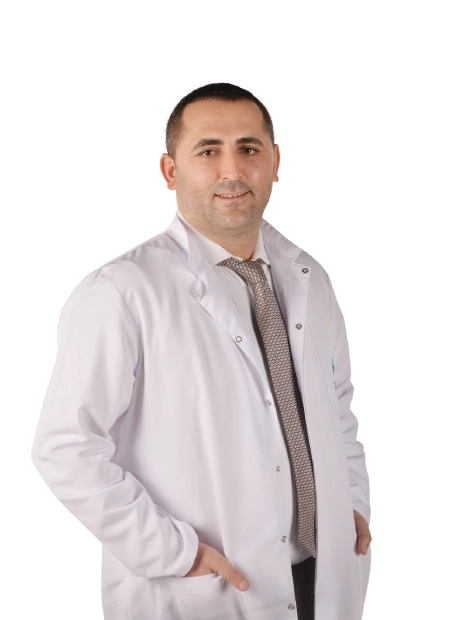
Medical Expert. He has survived over 40 years and 291 days post-surgery as of March 2024, according to Guinness World Records.
This remarkable case shows big steps forward in heart transplant longevity and survival rates. The story of Medical Expert. It gives new hope to patients all over the world.
Key Takeaways
- Medical Expert.
- He has survived over 40 years post-transplant.
- Advances in medical science have improved heart transplant survival rates.
- Long-term survival post-transplant is becoming increasingly common.
- The case of Medical Expert.
The Evolution of Heart Transplantation

Heart transplantation has seen major milestones that have made it safer and more effective. It started as an experimental procedure but is now a standard treatment for heart failure. This journey has been long and filled with innovation.
Historical Milestones in Heart Transplant Surgery
The history of heart transplantation is filled with breakthroughs and determination. Medical Expert-to-human heart transplant in 1967. This event was a major step forward in cardiac surgery.
- The development of immunosuppressive drugs to prevent organ rejection.
- Advances in surgical techniques, including the use of cardiopulmonary bypass.
- Improved post-transplant care and monitoring protocols.
From Experimental Procedure to Standard Treatment
Heart transplantation has moved from being experimental to a recognized treatment for heart failure. This change is due to better heart transplantation success rate and cardiac transplant survival statistics.
The success of heart transplants is clear in the long-term survival of patients. Better immunosuppression and care after transplant have led to better results. Many patients now live active lives after their transplant.
- Enhanced immunosuppressive regimens to reduce rejection.
- Better donor heart selection and management.
- Comprehensive post-transplant follow-up care.
As heart transplantation continues to evolve, research and new medical technologies will keep improving cardiac transplant survival statistics. This will also enhance the quality of life for those who receive transplants.
Record Holders: The Longest Surviving Heart Transplant Recipients

The longest living heart transplant recipients have made big strides in medical science. Their stories give us hope and show us how far we’ve come in heart transplants and care after surgery.
Medical Expert: Over 40 Years with a Transplanted Heart
Medical Expert, living with a transplanted heart for over 40 years. His case shows us the long-term survival is possible with the right care. Thanks to better treatments and close monitoring, Medical Expert’s story is truly inspiring.
Cheri Latzke Lemmer: Pioneering Recipient with Two Heart Transplants
Cheri Latzke Lemmer is a trailblazer, having had two heart transplants. Her strength and the medical team’s skill have made her a key figure in heart transplant history. Lemmer’s journey shows the success of retransplantation and the challenges of keeping a heart healthy long-term.
James Brock: Nearly Three Decades of Post-Transplant Life
James Brock has nearly three decades with his transplanted heart. His life shows us the possibility of long-term survival after a transplant. Brock’s story emphasizes the need for sticking to medication, making lifestyle changes, and regular check-ups. His experience proves the progress in managing transplant complications and improving life quality.
The tales of these individuals show their personal strength and the big leaps in heart transplant technology and care. As medical science keeps advancing, the survival rate of heart transplant patients will likely get better. This gives new hope to those waiting for a transplant.
Understanding Heart Transplant Survival Rate
Recent studies have given us a better understanding of how long heart transplant patients live. This knowledge is important for both patients and doctors. It shows how well patients do in the short and long term.
Short-term vs. Long-term Survival Statistics
Survival rates after a heart transplant are split into short and long terms. Short-term survival is about living the first year after the transplant. Long-term survival looks at living five years or more after the transplant.
Short-term survival rates are key. They show if the transplant was a success right after the surgery. Studies show that about 85-90% of patients live at least a year after the transplant.
Long-term survival rates tell us about the heart’s long-term success. They show how well the patient does over time. The average survival rate of 13.6 years is a big milestone.
The Average 13.6-Year Survival and What It Means
The 13.6-year average survival rate comes from long studies on patient outcomes. It means a heart transplant patient can live about 13.6 years after surgery.
A leading transplant specialist said,
“The 13.6-year average survival rate shows how far heart transplantation has come. It’s thanks to better surgery, medicine, and care.”
This survival rate is very important. It shows the need for ongoing medical progress. It also highlights the importance of care plans tailored to each patient.
Knowing how long patients live after a transplant helps set realistic hopes. It also shows the need for ongoing care to keep the heart healthy for as long as possible.
Factors Influencing Post-Transplant Longevity
Understanding what affects heart transplant survival is key to better patient care. The life span of heart transplant patients depends on many factors.
Recipient Age and Pre-existing Health Conditions
The age of the recipient and their health before the transplant matter a lot. Older recipients often face more challenges because of their health issues. Younger patients usually have better survival chances because they have fewer health problems.
Conditions like diabetes, kidney disease, and lung problems can affect transplant success. It’s important to manage these conditions well before and after surgery to improve survival chances.
Donor Heart Quality and Compatibility Factors
The quality and match of the donor heart are very important for transplant success. Donor heart quality is checked based on the donor’s health, the heart’s condition, and any infections.
Matching the donor heart with the recipient is done carefully. This includes matching blood type, tissue type, and other immune factors. Incompatible matches can cause rejection and other problems, hurting survival rates.
Surgical Expertise and Hospital Experience
The skill of the surgical team and the hospital’s experience with transplants matter a lot. High-volume transplant centers with experienced surgeons and teams usually have better survival rates.
Hospitals with good post-transplant care and follow-up programs also help patients live longer. The right team, care, and support make heart transplants more likely to succeed.
Medical Advancements Improving Heart Transplant Outcomes
Medical advancements have changed heart transplantation for the better. They have made survival rates and quality of life for recipients better. New technology, surgical methods, and care after transplant have all helped.
Surgical Technique Innovations
New surgical techniques have greatly helped heart transplant outcomes. Minimally invasive surgery and robot-assisted surgery have cut down recovery times and reduced complications. Also, better ways to preserve donor hearts have made more hearts available for transplant.
Anti-Rejection Medication Developments
New anti-rejection medicines have been key in improving survival rates after heart transplants. Modern medicines have cut down on acute rejection and helped grafts last longer. Tacrolimus and mycophenolate mofetil are now mainstays in post-transplant care, giving a more personalized approach to keeping the immune system in check.
Monitoring and Early Intervention Strategies
Advanced monitoring and early action have greatly improved managing complications after transplant. Regular checks for rejection or graft problems allow for quick action. Tools like gene expression profiling and intravascular ultrasound help doctors keep a close eye on the graft’s health.
|
Advancement |
Description |
Impact on Heart Transplant Outcomes |
|---|---|---|
|
Minimally Invasive Surgery |
Reduced surgical trauma and recovery time |
Lessened post-operative complications |
|
New Immununosuppressive Regimens |
More targeted and effective immunosuppression |
Reduced incidence of acute rejection |
|
Advanced Monitoring Techniques |
Early detection of graft dysfunction |
Improved long-term graft survival |
These advancements together have made heart transplants better. They offer recipients a better life and higher survival rates. As research keeps moving forward, heart transplantation’s future looks bright, with new innovations on the horizon.
Life Expectancy After Heart Transplant by Age
Age is a big factor in how long people live after getting a heart transplant. It’s not just about age, though. Health, the quality of the donor heart, and care after surgery also matter a lot.
Pediatric Heart Transplant Recipients
Kids who get heart transplants are very resilient. They can live active lives and even grow up. Their survival rates are often higher than adults because they’re healthier and their bodies handle medicine better.
Adult Recipients Under 65
Adults under 65 who get heart transplants are a mixed bunch. They usually do better than older people. Their health before the transplant, other health issues, and how well they take their medicine all affect how long they live.
Key statistics for this age group include:
- Improved survival rates due to better overall health
- Active lifestyle post-transplant
- Potential for return to work and normal daily activities
Elderly Recipients Over 65
People over 65 face extra challenges after a heart transplant. They might have other health problems and a weaker immune system. But, thanks to better surgery and medicine, they’re living longer than before.
Considerations for elderly recipients include:
- Careful evaluation of pre-existing health conditions
- Tailored immunosuppressive regimens
- Close monitoring for possible complications
Knowing about these age-related factors helps doctors and families plan better. It can lead to better outcomes for heart transplant patients of all ages.
Post-Transplant Care and Lifestyle Considerations
After a heart transplant, care is key. It includes taking medicine, making lifestyle changes, and regular check-ups. The goal is to keep the new heart healthy and the person well.
Medication Regimens and Compliance
Following a strict medicine plan is vital. Immunosuppressive drugs help prevent the body from rejecting the new heart. It’s important to take the medicine as directed and know about any side effects.
Common immunosuppressive medications include:
- Cyclosporine
- Azathioprine
- Mycophenolate mofetil
- Prednisone
Exercise and Nutrition Guidelines
Living a healthy lifestyle is important for heart transplant patients. This means regular exercise and eating well. Exercise boosts heart health, and a good diet keeps overall health strong and reduces risks.
Recommended lifestyle adjustments:
- Do moderate exercise, like brisk walking, for 30 minutes daily
- Eat a diet full of fruits, veggies, whole grains, and lean proteins
- Stay away from smoking and limit alcohol
Regular Monitoring and Follow-up Protocols
Regular visits with the transplant team are critical. They check the heart’s health and catch problems early. These visits include blood tests, echocardiograms, and more.
|
Test/Follow-up |
Frequency |
Purpose |
|---|---|---|
|
Blood Tests |
Regularly scheduled |
Monitor immunosuppressive drug levels and detect possible side effects |
|
Echocardiograms |
Periodically |
Check how well the transplanted heart is working |
|
Endomyocardial Biopsy |
As needed |
Look for signs of rejection |
By following these care guidelines, heart transplant patients can live longer and better lives.
Geographic Variations in Heart Transplant Success
Heart transplant success rates differ a lot around the world. This is due to many factors. These include the quality of healthcare, how many organs are donated, and the care given after the transplant.
Some countries have really improved their heart transplant success rates. They have strong healthcare policies and the latest medical technology. This helps them do well in heart transplants.
Leading Countries in Heart Transplant Survival
- United States: The U.S. is known for its top-notch medical tech and healthcare. It has high survival rates for heart transplant patients.
- Spain: Spain’s efficient organ donation system helps it have a high success rate in heart transplants.
- Germany: Germany’s transplant centers are known for their skill and new surgical methods.
Factors Contributing to Regional Differences
There are several reasons for the differences in heart transplant success rates:
- Healthcare Infrastructure: The availability of modern medical facilities and skilled healthcare workers.
- Organ Donation Policies: Countries with opt-out donation policies usually have more organs available.
- Post-Transplant Care: The quality of care and medication after the transplant greatly affects survival.
It’s important to understand these differences to improve heart transplant success globally. By learning from the best and finding ways to get better, healthcare systems everywhere can help more patients survive and thrive.
The Role of Specialized Transplant Centers
Specialized transplant centers play a huge role in heart transplant success. They have the latest technology and teams of experts. These teams focus on giving top-notch care to transplant patients.
These centers stand out for several reasons. High-performing transplant programs aim for excellence in patient care. They follow strict protocols and keep improving through research and new ideas.
Characteristics of High-Performing Transplant Programs
Successful transplant programs share key traits. These include:
- Multidisciplinary teams with lots of transplant experience
- Top-notch facilities and tools
- Tough patient selection and check-up processes
- Full care and check-ups after the transplant
- Participation in research and trials to lead in transplant tech and methods
LIV Hospital’s Approach to Excellence in Transplantation
LIV Hospital is a top example of a transplant center focused on heart transplants. It follows updated academic protocols and strong ethics. It also puts patients first in its care model.
“LIV Hospital’s transplant program is designed to provide the highest level of care to our patients, from initial evaluation through post-transplant follow-up. Our team of experts works closely with patients and their families to ensure the best possible outcomes.”
LIV Hospital sticks to international standards and best practices in transplant. It also values ethics, making sure patients get care that’s not just effective but also kind and respectful.
With the latest technology, expert care, and a drive for excellence, centers like LIV Hospital are making a big difference. They’re helping heart transplant patients all over the world get better outcomes.
Challenges in Long-Term Heart Transplant Survival
Heart transplant technology keeps getting better. But, long-term survivors face new challenges. These can affect their life quality and how long they live.
Chronic Rejection and Cardiac Allograft Vasculopathy
Chronic rejection, or cardiac allograft vasculopathy (CAV), is a big problem. It’s a kind of heart disease that can make the transplant fail. Many things can cause CAV, like the immune system reacting to the new heart.
Key factors contributing to CAV include:
- Immunological responses to the graft
- Pre-existing donor heart disease
- Post-transplant hypertension and hyperlipidemia
- Cytomegalovirus infection
|
Factor |
Description |
Impact on CAV |
|---|---|---|
|
Immunological responses |
The body’s immune reaction to the transplanted heart |
Can lead to inflammation and damage to the graft |
|
Pre-existing donor heart disease |
Conditions present in the donor heart at the time of transplant |
May accelerate the development of CAV |
|
Post-transplant hypertension |
High blood pressure following the transplant |
Contributes to the progression of CAV |
Immunosuppression-Related Complications
Heart transplant patients need to take immunosuppressive drugs forever. These drugs help the new heart survive but can cause problems. These include more infections, kidney damage, and some cancers.
Managing these complications is tricky. It’s about keeping the new heart safe without causing too many side effects. This means regular check-ups and sometimes changing the drugs.
Non-Cardiac Health Issues in Long-Term Survivors
Long-term survivors also face health problems not related to the heart. These include metabolic syndrome, osteoporosis, and some cancers. These can be caused by the drugs, lifestyle, and genetics.
Strategies for managing non-cardiac health issues include:
- Regular health screenings to detect problems early
- Lifestyle changes like diet and exercise to reduce risks
- Adjusting the drugs to lessen side effects
Understanding and tackling these challenges can help improve the lives of heart transplant patients.
Psychological Journey of Long-Term Heart Recipients
Long-term heart transplant recipients go through a deep psychological journey. They deal with identity, gratitude, and survival guilt. Getting a new heart changes them, affecting their physical and emotional health.
Identity and Emotional Adaptation
Adapting to a new heart is complex. Recipients feel many emotions, like gratitude and anxiety. Emotional adaptation is key as they learn to accept their new heart.
They may struggle with body image and the foreign organ inside them. Support from loved ones and groups is vital in overcoming these challenges.
Survivor’s Guilt and Gratitude
Many feel survivor’s guilt knowing someone died for them. This guilt is mixed with deep gratitude. Managing these feelings is a big part of their journey.
They find ways to honor their donors, like living healthily. This helps them process their emotions and find purpose.
Support Systems and Mental Health Resources
A strong support system is essential for heart transplant recipients. This includes family, friends, and mental health services. Counseling helps them manage their emotions and adapt.
Support groups, online or in-person, offer a community. Here, recipients share their stories and find support from others facing similar challenges.
|
Support System |
Description |
Benefits |
|---|---|---|
|
Family and Friends |
Emotional support and practical help |
Reduced feelings of isolation, improved mental health |
|
Professional Counseling |
Guided therapy to manage emotions and adapt to new circumstances |
Better coping mechanisms, reduced anxiety and depression |
|
Support Groups |
Community of individuals with similar experiences |
Solidarity, shared knowledge, and emotional support |
Quality of Life for Long-Term Heart Transplant Recipients
Learning about the life quality of long-term heart transplant recipients is key. It shows how well they do in daily life, work, and social activities. This proves heart transplantation is a success.
Physical Capabilities and Limitations
Long-term heart transplant recipients often see big improvements in their physical health. Many can live a normal life again, even doing hard activities. But, they might face some physical limits due to graft issues or medication side effects.
Physical rehabilitation is very important for these patients. It helps improve heart health, muscle strength, and endurance.
Return to Work and Daily Activities
Going back to work and doing daily tasks is a big part of their life quality. Many can go back to their jobs, but they might need to adjust their work because of their health.
Vocational rehabilitation helps them get back to work. It includes job advice, making work places better, and training to handle job stress.
Social Integration and Relationship Dynamics
Being part of society is key for their emotional and mental health. Keeping up with family and friends, and doing social things, makes their life better.
Support groups for heart transplant patients are very helpful. They offer a community and understanding. People can share their stories, talk about problems, and get support from others who know what they’re going through.
In summary, the life quality of long-term heart transplant recipients depends on many things. These include their physical health, ability to work, and social life. Understanding these helps healthcare providers give better care to improve their overall well-being.
Multiple Heart Transplants: When a Second Chance Becomes a Third
Multiple heart transplants bring up big questions about success rates and challenges. Some patients need more than one transplant because of complications. This is why they might need a second or even a third transplant.
Cheri Latzke Lemmer is a great example of the complexities of retransplantation. Her story shows the importance of weighing the benefits and challenges of getting multiple heart transplants.
Success Rates for Retransplantation
Research shows that retransplantation can save lives, but success rates are not as high as first transplants. The success depends on the patient’s health, why they need a transplant again, and the quality of the donor heart.
|
Transplant Type |
1-Year Survival Rate |
5-Year Survival Rate |
|---|---|---|
|
Primary Transplant |
85% |
70% |
|
Retransplant |
70% |
55% |
Unique Challenges of Subsequent Transplants
Getting a second heart transplant comes with its own set of challenges. These include a higher risk of complications, becoming more sensitive to donor antigens, and possibly a shorter life for the new heart. Overcoming these challenges needs a team effort and careful choosing of patients.
Key Challenges:
- Increased surgical complexity
- Higher risk of rejection
- Potential for reduced long-term survival
Cheri Latzke Lemmer’s story and others like hers highlight the need for ongoing research in heart transplant medicine. This includes better ways to prevent rejection and managing donor hearts.
The Future of Heart Transplant Longevity
New technologies and methods are changing heart transplant care. Medical science keeps getting better, leading to better patient results and longer lives.
Emerging Technologies and Techniques
New surgical methods and medical tech are making a big difference. For example, minimally invasive surgery cuts down recovery time and boosts success rates. Also, better ways to keep organs fresh are helping hearts last longer.
Regenerative medicine is a big hope for the future. Scientists are working on fixing or replacing damaged heart parts. This could change heart transplants by making donor hearts less needed.
Personalized Medicine Approaches
Personalized care is key in heart transplants now. Tailoring treatments to each patient improves results and lowers risks. For instance, genetic tests help find who’s at risk of organ rejection. This lets doctors give better treatments.
|
Approach |
Description |
Benefits |
|---|---|---|
|
Genetic Testing |
Identifies genetic markers associated with rejection or complications |
Allows for targeted therapy and improved outcomes |
|
Immunosuppressive Therapy |
Tailors medication regimens to individual patient needs |
Reduces risk of rejection and complications |
|
Biomarker Monitoring |
Tracks biomarkers associated with rejection or cardiac health |
Enables early intervention and improved patient management |
Artificial Hearts and Alternative Solutions
Artificial hearts and VADs are getting better, giving patients new options. They can be a temporary fix or a permanent solution for some.
Total artificial hearts are also being developed. They aim to work like a real heart. Though early, these technologies could greatly change heart transplants in the future.
Conclusion: Lessons from Long-Term Survivors
Long-term heart transplant survivors share important lessons. They show us what helps them live longer. For example, Medical Expert 40 years with a new heart.
This teaches us about the key factors for survival. It’s not just about the surgery. It’s also about the medicine and care after the transplant.
Improving these areas is key. This way, more people can live longer and better after a transplant. It’s a big step towards better health for all.
Survivors also teach us about age, heart quality, and the surgeon’s skill. Knowing these helps doctors choose the right patients. It also helps them plan better care for them.
The stories of long-term survivors inspire us. They show the power of heart transplants. By learning from them, we can make transplants even better.
We can help more people live longer and healthier lives. This is a big goal for the future of heart transplants.
FAQ
How long does a heart transplant last?
Heart transplant longevity varies a lot. The average survival is about 13.6 years. But, some people have lived over 40 years with their new heart.
What is the longest someone has lived with a pacemaker?
The longest time with a pacemaker isn’t clear. But, new pacemaker tech has greatly improved life quality for many.
What is the heart transplant survival rate?
Survival rates for heart transplants are around 13.6 years on average. Early survival has gotten better thanks to better surgery and care.
How long can you live with a heart transplant?
Living with a heart transplant’s length varies. It depends on age, health before the transplant, the heart’s quality, and care after. Some have lived over 40 years.
What is the life expectancy after a heart transplant by age?
Life expectancy after a transplant changes with age. Kids usually do better than adults. People under 65 tend to do better than those over 65.
What are the factors influencing post-transplant longevity?
Many things affect how long you live after a transplant. These include age, health before, the heart’s quality, surgery skill, and care after. All these things play a part in how well you do.
What are the challenges in long-term heart transplant survival?
Long-term survival faces many challenges. These include rejection, heart problems, side effects from medicine, and other health issues. Overcoming these is key to better outcomes.
What is the role of specialized transplant centers in heart transplantation?
Specialized centers are vital for better heart transplant results. They have the latest protocols, high standards, and a team approach to care.
What are the emerging technologies and techniques in heart transplant longevity?
New tech and methods are coming for longer transplant life. These include personalized medicine, better medicine to prevent rejection, and artificial hearts. These could lead to even better survival rates.
What is the quality of life for long-term heart transplant recipients?
Long-term recipients often have a good life quality. Many go back to work and daily activities. But, how well they can do and fit in varies.
What are the success rates for retransplantation?
Success rates for second transplants vary. Deciding on a second transplant is complex. There are unique challenges, like more risks and careful patient choice.
How do geographic variations affect heart transplant success rates?
Success rates vary by location. Countries with better healthcare, specialized centers, and strong donation programs do better.
References
National Center for Biotechnology Information. Evidence-Based Medical Insight. Retrieved from https://pubmed.ncbi.nlm.nih.gov/38436789/