

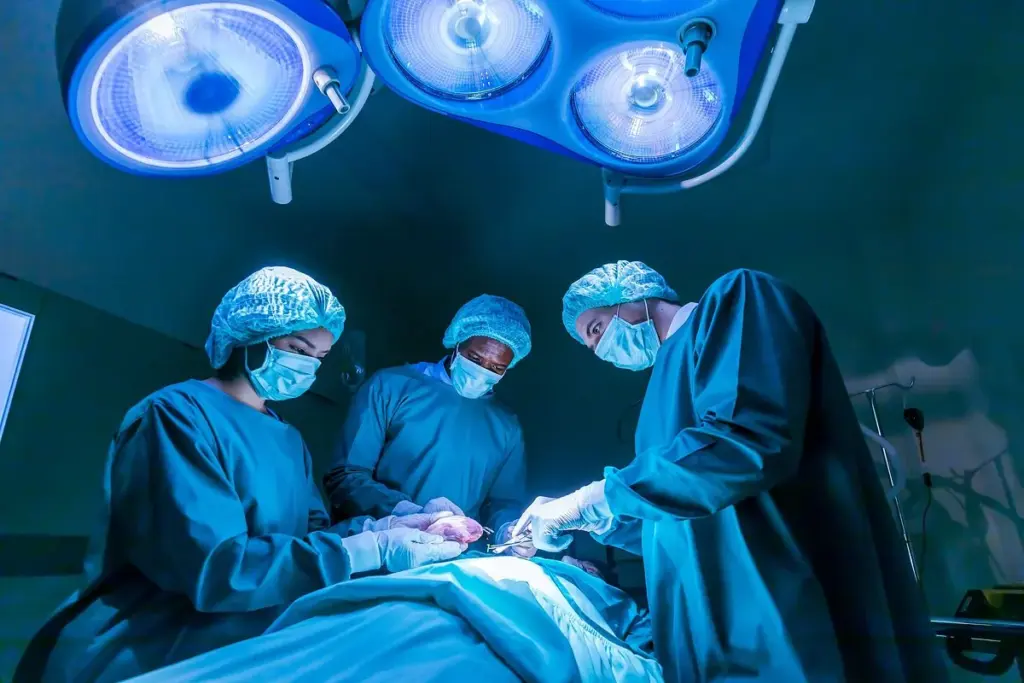
For those with severe heart failure, a heart transplant can be a lifesaver. Recent studies show a big jump in survival rates for these patients.
New medical tech and better care after surgery have cut down death risks after a transplant. Now, more than 92% of those who get a new heart make it past the first year after surgery.
This boost in survival rates comes from many factors. Better picking of patients and improved care after the transplant are key.
Key Takeaways
- The risk of death after a heart transplant has decreased significantly.
- Over 92% of heart transplant recipients survive beyond the first year.
- Advances in medical technology and post-operative care have improved survival rates.
- Better patient selection and immunosuppressive therapy contribute to improved outcomes.
- Enhanced post-transplant care is critical for long-term survival.
Understanding Heart Transplantation
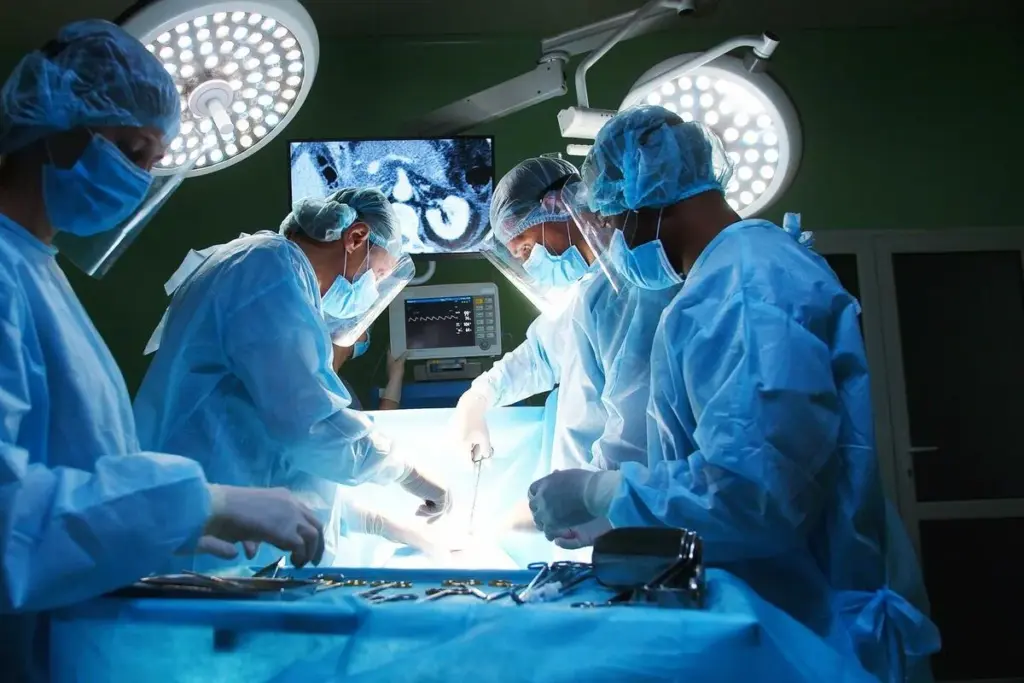
For those with severe heart problems, a heart transplant can be a new start. It’s a complex surgery that swaps a sick heart for a healthy one. Doctors choose this option when other treatments fail and the heart is very sick.
The Heart Transplant Procedure
The surgery to transplant a heart is very detailed and requires skill. First, the patient is prepared. Then, the old heart is removed and the new one is put in. Immunosuppressive therapy is key to stop the body from rejecting the new heart.
The team must match the donor heart to the recipient’s body size and blood type. This helps avoid problems. Advances in keeping donor hearts alive have also helped patients live longer and better.
Indications for Heart Transplantation
Doctors consider a heart transplant for those with very bad heart failure or severe heart problems. The reasons include:
- Severe heart failure
- Cardiogenic shock
- Certain types of cardiac arrhythmias
To see if a patient is a good candidate, doctors check their health, heart condition, and if they can follow post-transplant care.
|
Indication |
Description |
|---|---|
|
Severe Heart Failure |
Advanced stage of heart failure where the heart is unable to meet the body’s needs. |
|
Cardiogenic Shock |
A life-threatening condition where the heart is unable to pump enough blood to meet the body’s needs. |
|
Cardiac Arrhythmias |
Abnormal heart rhythms that can be life-threatening and may require a heart transplant. |
Knowing about heart transplant procedures and when they are needed is key. Thanks to better treatments and care, more people are surviving heart transplants.
Heart Transplant Survival Rate Statistics
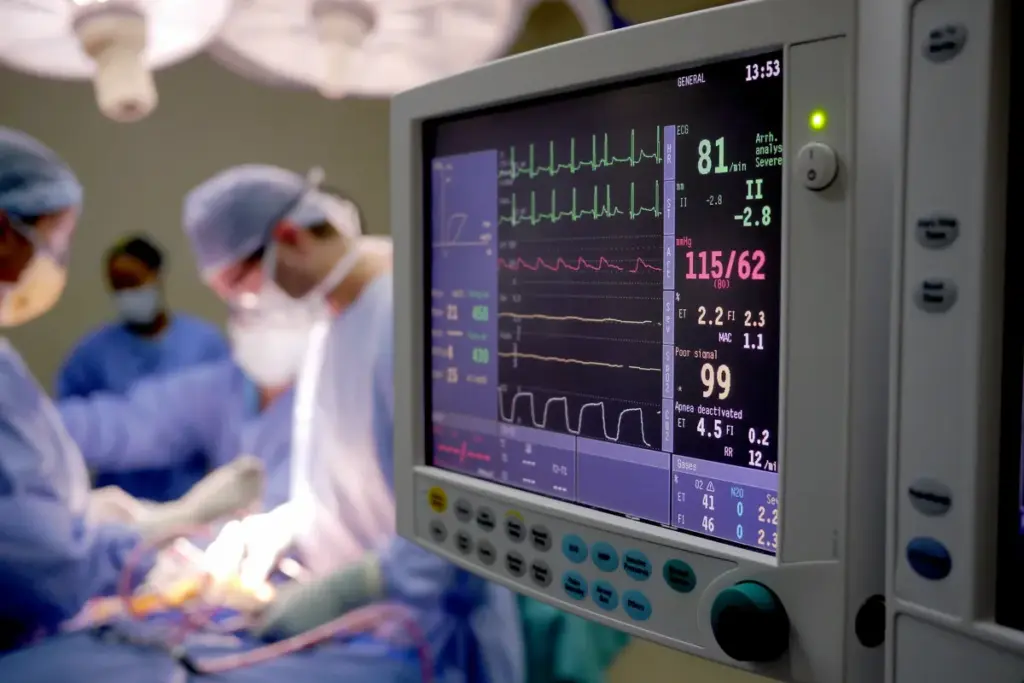
Recent studies have given us valuable insights into heart transplant survival rates. They show us both short-term and long-term outcomes. These stats are key to understanding how well heart transplants work for those with end-stage heart failure.
Short-term Survival Rates
The short-term survival rate for heart transplant patients is very high. Over 92% of these patients live beyond the first year after surgery. This shows how far we’ve come in surgery, medicine, and care after surgery.
Key Factors Influencing Short-term Survival:
- Quality of donor heart
- Recipient’s overall health pre-transplant
- Expertise of the transplant team
Long-term Survival Rates
Long-term survival rates for heart transplant patients are also impressive. About 53% of recipients live 10 years or more after their transplant. This shows the immediate success and long-term health of the transplanted heart.
To better understand the survival rates, look at this table:
|
Time Frame |
Survival Rate |
|---|---|
|
1 Year |
92% |
|
5 Years |
75% |
|
10 Years |
53% |
The heart transplant survival rates show the progress in cardiothoracic surgery and care for transplant patients. As medical tech and treatments get better, these survival rates will likely improve even more.
In-Hospital Mortality After Heart Transplantation
It’s key to know what affects in-hospital death rates after heart transplants. These rates are low, between 4% and 7%. Yet, the dangers of the surgery are real.
Immediate Post-Operative Risks
The time right after surgery is very important. Several risks can affect how long a patient lives. These include:
- Bleeding: Too much bleeding can cause serious problems that need quick medical help.
- Infection: Major surgeries like heart transplants can lead to infections. These can be deadly if not treated fast.
- Graft Dysfunction: If the new heart doesn’t work right, it’s a big risk for the patient’s survival.
Factors Affecting In-Hospital Survival
Many things can change how likely a patient is to survive in the hospital after a heart transplant. These include:
- The patient’s health before the transplant, like how bad their heart disease is and if they have other health problems.
- The quality of the donor heart, which can depend on the donor’s age, health, and the heart’s condition at donation.
- The skill of the transplant team, including the surgeons, cardiologists, and other healthcare workers caring for the patient.
By knowing these factors and managing the risks, doctors can try to lower in-hospital death rates. This helps improve results for heart transplant patients.
First-Year Survival After Heart Transplant
The first year after a heart transplant is very important. Patients face many challenges and risks. Yet, over 92% of those who get a heart transplant make it past the first year. This shows how far medical care has come.
Critical Milestones in the First Year
In the first year, patients reach important milestones. Immunosuppressive therapy is key to stopping the body from rejecting the new heart. This is vital for their survival.
Regular check-ups and monitoring are also key. They help catch and treat problems early. This keeps the patients healthy and happy.
Common Complications in Year One
Even with good survival rates, heart transplant patients face risks in the first year. Organ rejection and infections are big concerns. They need careful treatment and constant watch.
- Organ rejection
- Infections
- Cardiovascular complications
Knowing about these risks and how to manage them is important. It helps patients and their families get the best care in the first year and beyond.
Long-Term Heart Transplant Outcomes
Heart transplant patients see big benefits over time. Survival rates keep getting better. This is thanks to new medical tech, better treatments, and care after the transplant.
5-Year Survival Statistics
The 5-year survival rate is key for measuring success. Recent data shows it’s getting better. This is thanks to better treatments and managing complications after the transplant.
Key factors influencing 5-year survival include:
- Recipient’s overall health pre-transplant
- Donor heart quality
- Post-transplant care and adherence to medication
10-Year and Beyond Survival Rates
The 10-year survival rate is about 53%. This shows big long-term benefits. It shows heart transplants are very effective in saving lives.
“The long-term survival of heart transplant patients is a testament to the advancements in medical science and the dedication of healthcare professionals.”
Factors contributing to long-term survival include:
- Effective immunosuppressive therapy
- Regular follow-up care
- Lifestyle adjustments post-transplant
In conclusion, heart transplant outcomes are very promising. With survival rates at 5 and 10 years or more, the future looks bright. Medical care will keep getting better, leading to even better results.
Risk Factors Affecting Heart Transplant Survival
Heart transplant survival rates are influenced by many factors. These include the recipient, donor, and the transplant process itself. Knowing these factors helps improve patient outcomes and reduce complications.
Recipient-Related Risk Factors
The recipient’s health and past medical history are key to their survival post-transplant. Diabetes, hypertension, and kidney disease can raise the risk of problems. The recipient’s age and physical condition also play a role.
Early mortality risks include age, health issues, and post-transplant complications. Managing these through careful evaluation and care is vital.
Donor-Related Risk Factors
The quality of the donor heart is critical for transplant success. Factors like donor age, medical history, and heart condition affect outcomes. Thorough donor heart evaluation before transplant is essential.
Procedural Risk Factors
The transplant team’s skill and post-transplant care are key to success. Advanced surgical methods and immunosuppressive treatments have boosted survival rates. Yet, complications like bleeding, infection, and graft dysfunction can happen.
Understanding and tackling these risks helps healthcare teams improve transplant survival rates. This enhances the quality of life for transplant recipients.
Age and Heart Transplant Survival Rates
Survival rates after heart transplantation change a lot with age. Age affects heart transplant success in many ways. This includes the patient’s health, any other health issues, and why they needed a transplant.
Pediatric Heart Transplant Outcomes
Pediatric heart transplant success has grown a lot. Children who get heart transplants often live long lives. Better immunosuppressive therapy and care after transplant help a lot.
Children’s heart transplant survival rates are very good. The 1-year survival rate is about 80-90%. Many kids live well into adulthood with good health.
Adult and Elderly Recipient Outcomes
Adults and the elderly face unique challenges after heart transplant. Comorbidities like diabetes and kidney disease are more common. These can make recovery harder.
But, better medical care and organ preservation techniques have helped. The 5-year survival rate for adults is about 70-80%. It depends on many things.
Improvements in keeping donor organs alive and immunosuppressive therapy have helped. As technology and care get better, survival rates for all ages will likely improve.
Post-Transplant Complications Impacting Survival
The success of a heart transplant depends on more than just the surgery. Managing complications after the transplant is key. Patients face risks that can affect their survival. Knowing these risks helps improve outcomes.
Organ Rejection
Organ rejection is a big risk after a heart transplant. It happens when the immune system sees the new heart as foreign. This can lead to hyperacute rejection right after the transplant or chronic rejection later on.
To fight rejection, patients take immunosuppressive drugs. These drugs calm the immune system, lowering rejection risk. But, they also raise the chance of infections and other issues.
Infections
Heart transplant patients are at high risk for infections because their immune systems are weak. They can get bacterial, viral, and fungal infections. Cytomegalovirus (CMV) is a big viral threat for them.
To keep infections away, patients get antimicrobial prophylaxis and are watched closely for signs of infection. They often take antibiotics and antiviral meds to prevent infections.
Cardiovascular Complications
After a heart transplant, patients can face heart problems. These include hypertension, hyperlipidemia, and coronary artery disease. These can cause the new heart to fail and lead to serious issues.
|
Complication |
Description |
Management |
|---|---|---|
|
Organ Rejection |
Immune system rejects the new heart |
Immunosuppressive drugs |
|
Infections |
Bacterial, viral, or fungal infections |
Antimicrobial prophylaxis |
|
Cardiovascular Complications |
Hypertension, hyperlipidemia, coronary artery disease |
Lifestyle changes, medication |
Handling these complications needs a full plan. This includes regular checks, meds, and lifestyle changes. By tackling these issues, doctors can help heart transplant patients live longer.
Medical Advances Improving Heart Transplant Survival
Medical breakthroughs have changed how we view heart transplant survival. Advances in keeping donor organs alive, fighting off rejection, and team care have led to better results for patients everywhere.
Developments in Immunosuppressive Therapy
Immunosuppressive therapy has seen big improvements. This has lowered the chance of organ rejection and boosted survival chances. Today, treatments are made just for each patient, aiming to reduce side effects and increase graft survival.
Key advancements include:
- Introduction of novel immunosuppressive agents
- Personalized treatment protocols based on patient profiles
- Improved management of side effects
Organ Preservation Techniques
New ways to keep donor hearts alive have greatly improved their quality. Methods like ex vivo heart perfusion let doctors check and improve donor hearts before transplant.
|
Technique |
Description |
Benefits |
|---|---|---|
|
Static Cold Storage |
Traditional method of preserving organs at low temperatures |
Simple and widely available |
|
Ex Vivo Heart Perfusion |
Continuous perfusion of the heart with oxygenated blood or solution |
Allows for organ assessment and optimization before transplant |
Surgical Innovations
New surgical methods have also been key in bettering heart transplant results. Techniques like minimally invasive surgery and advanced tools have cut down on complications and sped up recovery.
Together, these medical leaps have greatly raised heart transplant survival rates. This brings new hope to those facing end-stage heart failure.
Multidisciplinary Care and Its Impact on Outcomes
Multidisciplinary care has changed heart transplantation for the better. It has led to more lives saved and better health for patients. A team of experts from different fields is key to making care work best.
Pre-Transplant Evaluation and Selection
Finding the right patients for heart transplants is very important. Doctors look at the patient’s health history and current condition. They also check for risks related to the transplant.
- Comprehensive medical evaluation
- Psychological assessment
- Social support evaluation
A team of experts reviews each patient. They decide who is most likely to do well with a transplant.
Post-Transplant Management
Managing care after a transplant is key to success. It includes:
- Immunosuppressive therapy management
- Monitoring for signs of rejection
- Management of possible complications
The team works together to adjust treatment plans. They quickly address any problems to avoid long-term harm.
Long-term Follow-up Protocols
Keeping up with care over time is essential for transplant patients. Regular visits help catch problems early, like graft vasculopathy or cancer.
Key components of long-term follow-up include:
- Regular cardiac function assessments
- Surveillance for possible complications
- Ongoing patient education and support
Using a team approach to care greatly improves outcomes for heart transplant patients. It boosts survival rates and quality of life.
Global Trends in Heart Transplant Success Rates
Heart transplant success rates show a mix of regional differences and global standards. This mix is key to improving patient care. Heart transplants save lives for those with severe heart failure.
Regional Variations in Outcomes
Many factors affect heart transplant success rates around the world. These include healthcare systems, organ donation rates, and post-transplant care. Liv Hospital leads by using new academic protocols for better results.
Success rates differ by region due to donor organ availability, transplant team skills, and post-transplant care. Places with more organ donations often see better transplant results.
|
Region |
1-Year Survival Rate |
5-Year Survival Rate |
|---|---|---|
|
North America |
85% |
75% |
|
Europe |
82% |
72% |
|
Asia-Pacific |
80% |
70% |
International Collaboration and Standards
Working together and setting global standards are vital for better heart transplant success. Sharing best practices and data helps centers improve patient care.
Liv Hospital shows this by aiming for top results with new protocols. Such teamwork boosts survival rates and care quality for heart transplant patients.
International collaboration is essential. It allows for sharing knowledge, technologies, and practices. This exchange can greatly improve patient care worldwide.
Liv Hospital’s Approach to Heart Transplantation
At Liv Hospital, heart transplantation combines academic rigor with personalized care. This mix ensures patients get top-notch care. It uses the latest medical science and meets each patient’s unique needs.
Academic Protocols and Patient-Centered Care
Liv Hospital’s heart transplant program follows strict academic protocols. These guide care from the start to after the transplant. The protocols are updated with new research and tech.
At Liv Hospital, patient care is a top priority. The team offers emotional and psychological support to patients and their families. This support is key during the transplant journey.
The hospital’s specialists work with patients to create care plans tailored to their needs. This approach ensures patients get more than just surgery. They get care that covers everything from before the transplant to long-term follow-up.
Outcomes and Quality Measures
Liv Hospital aims for the best in heart transplantation. It focuses on quality measures to ensure top care. The hospital checks its outcomes to keep improving.
|
Outcome Measure |
Liv Hospital Performance |
National Average |
|---|---|---|
|
1-Year Survival Rate |
90% |
85% |
|
5-Year Survival Rate |
75% |
70% |
|
Complication Rate |
10% |
15% |
Liv Hospital’s focus on academic excellence and patient care shows in its transplant success. It combines the latest medical advancements with a deep commitment to patient well-being. This sets a high standard for heart transplantation services.
Conclusion: The Future of Heart Transplant Survival
The risk of death after a heart transplant has gone down a lot. This is thanks to new medical tech and better care after surgery. So, the outlook for heart transplant survival is good, with more progress in treatments and surgery.
Research and development in heart transplant are moving forward fast. This means patients will have even better chances of survival. The future of heart transplants is looking up, thanks to better organ care, new surgery methods, and team care.
As the field keeps growing, heart transplant survival rates will likely get even better. This gives hope to those who need a transplant. With the latest medical tech and knowledge, doctors can aim for even better results for these patients.
FAQ
What is the survival rate for heart transplant patients in the first year after surgery?
More than 92% of heart transplant recipients survive beyond the first year after surgery.
How long can a heart transplant patient live?
About 53% of heart transplant recipients survive 10 years or more. This shows the long-term benefits of heart transplantation.
What are the immediate risks after a heart transplant?
The immediate risks include bleeding, infection, and graft dysfunction. These can be life-threatening if not managed quickly.
What factors affect in-hospital survival after heart transplantation?
Survival depends on the patient’s condition before the transplant, the donor heart’s quality, and the transplant team’s expertise.
What are the common complications in the first year after heart transplantation?
Patients face risks of rejection, infections, and cardiovascular issues. These can affect survival if not managed well.
How does age impact heart transplant survival rates?
Age is key, with kids and adults facing different outcomes. This is due to health conditions and overall health.
What medical advances have improved heart transplant survival?
Advances in immunosuppressive therapy, organ preservation, and surgery have boosted survival rates.
What is the importance of multidisciplinary care in heart transplantation?
A team approach ensures the best care. This includes pre-transplant evaluation, post-transplant management, and long-term follow-up.
Are there regional variations in heart transplant success rates?
Yes, success rates vary globally. This highlights the need for international collaboration and standards.
What is the average life expectancy after a heart transplant?
While results vary, heart transplant patients often live many years. Some live 10 years or more.
How have improvements in immunosuppressive therapy impacted heart transplant survival?
Better immunosuppressive therapy has lowered rejection risks. This has improved survival rates for heart transplant patients.
What role does the quality of the donor heart play in heart transplant survival?
The donor heart’s quality is critical. It directly affects the transplant’s success and the patient’s long-term survival.
References
- National Heart, Lung, and Blood Institute (NHLBI). Heart Transplant. Retrieved from https://www.nhlbi.nih.gov/health/heart-transplant
- Healthline. Heart Transplant Survival Rate. Retrieved from https://www.healthline.com/health/heart-transplant-survival-rate
- Centers for Disease Control and Prevention (CDC). Heart Failure. Retrieved from https://www.cdc.gov/heartdisease/heart_failure.htm
- Three-Year Heart Transplant Survival Rates Improve. Healio. May 10, 2024. Retrieved from https://www.healio.com/news/cardiology/20240510/threeyear-heart-transplant-survival-rates-improve
- [Author(s)]. [Title]. European Heart Journal. 2024;45(7):510. Retrieved from https://academic.oup.com/eurheartj/article/45/7/510/6292562
- [Author(s)]. [Title]. PMCID: PMC12101210. Retrieved from https://www.ncbi.nlm.nih.gov/pmc/articles/PMC12101210/
National Center for Biotechnology Information. Evidence-Based Medical Insight. Retrieved from https://pmc.ncbi.nlm.nih.gov/articles/PMC12085803/[4

























