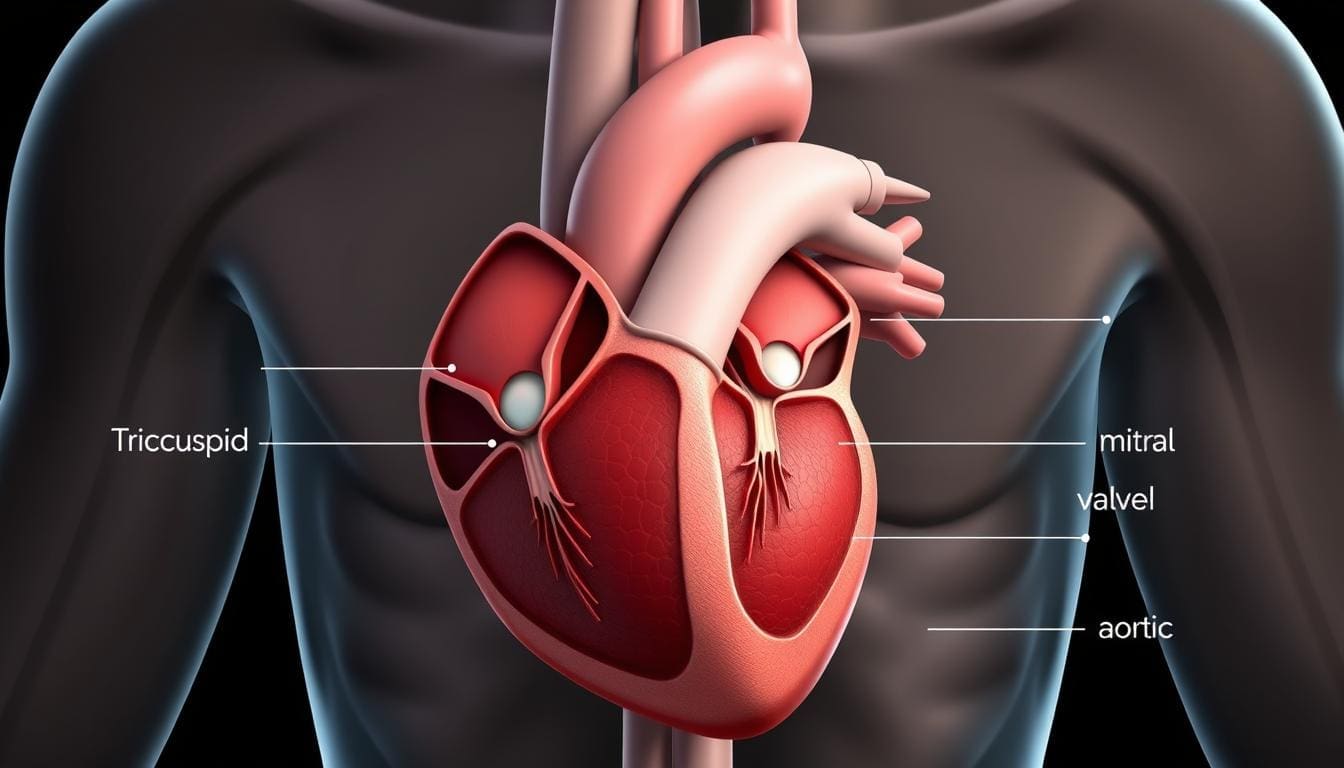
At Liv Hospital, we know how vital accurate diagnosis and expert care are for heart valve disease. This condition affects millions, causing blood flow problems and serious issues. The four heart valves – mitral, tricuspid, aortic, and pulmonary – are key for blood flow.
When these valves don’t work right, it can cause cardiac valve disease. This needs quick action. We’ll look at the heart’s anatomy, the valves’ role, and treatments for heart valve disorder.
Key Takeaways
- Understanding the heart and its valves is key in managing heart valve disease.
- The four heart valves are vital for normal blood flow.
- Cardiac valve disease can lead to serious complications if untreated.
- Modern treatments for heart valve disorder can greatly improve outcomes.
- Getting an accurate diagnosis is essential for the right treatment.
Understanding the Heart’s Valve System
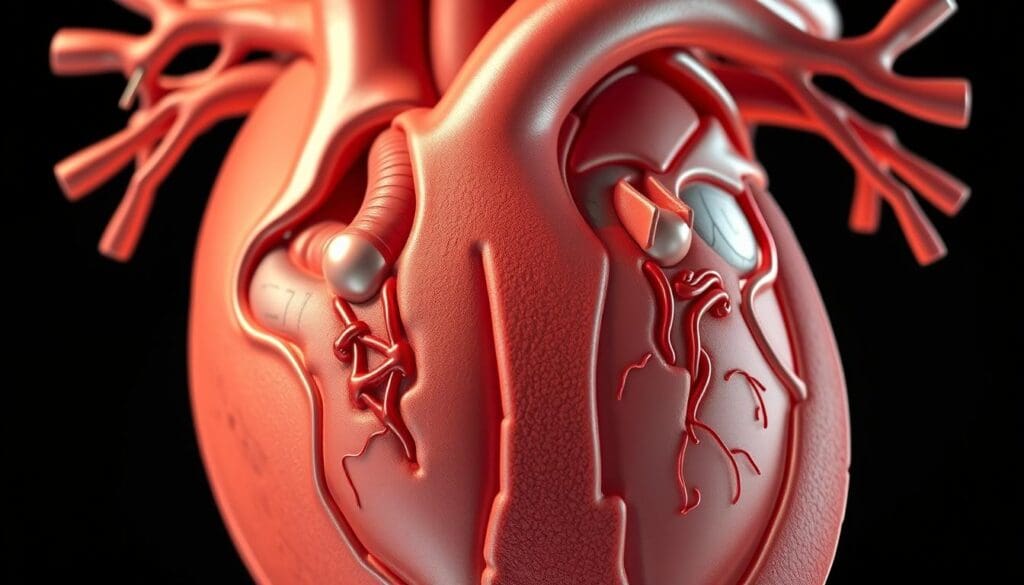
The heart’s valve system is a complex system that makes sure blood flows well throughout the body. Proper valve function is key for good heart health and avoiding heart valve disease.
The Role of Heart Valves in Circulation
Heart valves are vital for guiding blood through the heart and into the body. They keep blood flowing in one direction and stop it from going back. The mitral and tricuspid valves are very important. They make sure blood doesn’t go back into the atria, helping it keep moving forward.
It’s important for these valves to work right for good blood flow. If they don’t close well, it can cause valve regurgitation. This can make blood flow poorly and put extra stress on the heart.
How Valves Direct Blood Flow and Prevent Backflow
The heart’s valves help blood flow smoothly through the heart and into the arteries. The aortic and pulmonary valves are key in this process. They control the blood flow from the ventricles into the main arteries that supply the body and lungs.
- The mitral valve lets blood flow from the left atrium into the left ventricle while stopping backflow.
- The tricuspid valve does the same thing between the right atrium and right ventricle.
- The aortic valve makes sure blood flows from the left ventricle into the aorta, the main artery of the body.
- The pulmonary valve directs blood from the right ventricle into the pulmonary artery, which goes to the lungs.
If any of these valves get damaged or sick, it can cause valve stenosis. This is when the valve doesn’t open fully, blocking blood flow. Knowing how the heart’s valve system works is important for finding and treating heart valve disease.
The Four Heart Valves and Their Locations
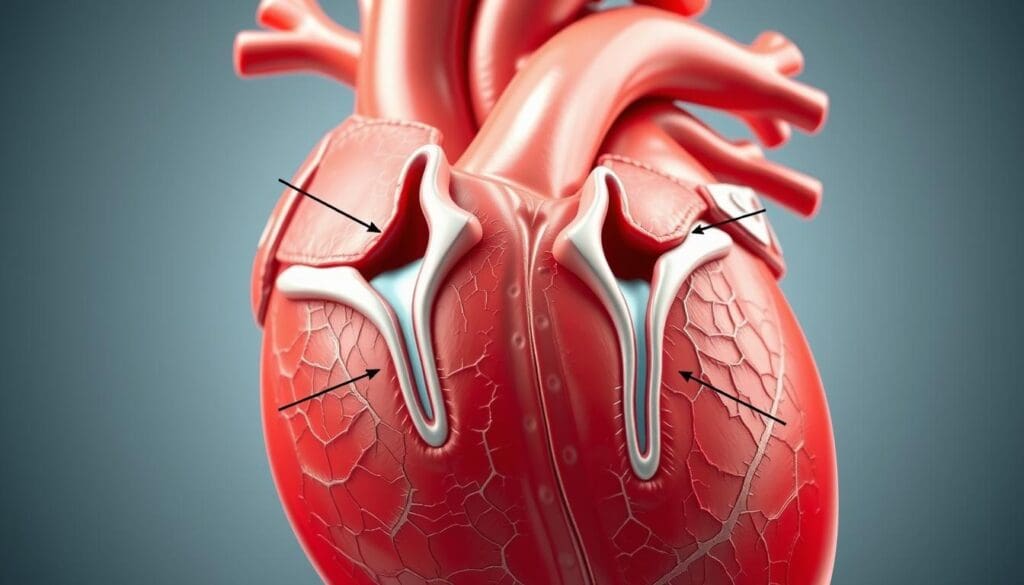
The heart has four valves that keep blood flowing right. These valves are key for directing blood and stopping it from going back. This helps the heart work well.
Mitral Valve: Between Left Atrium and Left Ventricle
The mitral valve sits between the left atrium and left ventricle. It lets blood move from the atrium to the ventricle but stops it from going back. This valve is important for getting oxygen-rich blood to the body.
Tricuspid Valve: Between Right Atrium and Right Ventricle
The tricuspid valve is between the right atrium and right ventricle. It makes sure blood flows right from the atrium to the ventricle and keeps it from going back. This valve is key for moving deoxygenated blood.
Aortic Valve: Gateway to the Body’s Main Artery
The aortic valve is between the left ventricle and the aorta, the main artery. It lets oxygen-rich blood flow to the body and stops it from going back into the heart. This valve is vital for keeping blood pressure and flow healthy.
Pulmonary Valve: Pathway to the Lungs
The pulmonary valve is between the right ventricle and the pulmonary artery. It sends deoxygenated blood to the lungs for oxygen and stops it from going back to the heart. This valve is essential for the lungs to work right.
Knowing where and how each heart valve works is key for finding and treating heart valve disease. Each valve does something special, and problems with any one can cause big health issues.
What is Heart Valve Disease?
The heart’s valves are key for blood flow. Disease here can harm health a lot. Heart valve disease, or cardiac valve disease, includes many conditions. These can lead to serious problems if not treated.
Definition and Prevalence in the United States
Heart valve disease means any problem with the heart’s valves. This can be a narrowed opening or a valve that doesn’t close right. The American Heart Association says it affects millions in the U.S. Some cases are born with it, while others come from age, infection, or other heart issues.
Knowing about heart valve disease is key. We’ll look at its types and how it affects health.
Impact on Heart Function and Overall Health
Heart valve disease can really hurt the heart’s work. For example, a narrowed or leaky valve makes the heart work harder. This can lead to heart failure if not treated.
Symptoms include tiredness, short breath, chest pain, and swelling. It can also harm other organs and systems. For instance, it can hurt the kidneys or lungs.
Getting help early is important. We’ll talk about treatments and lifestyle changes to manage it.
Types of Heart Valve Disorders
Heart valve disorders can really affect how well the heart works. It’s important to know about them to manage them well. The heart has four valves that help blood flow right. If these valves get sick or damaged, it can cause big health problems.
There are many types of heart valve disorders. Each one has its own reasons and effects. We’ll look at valve regurgitation, stenosis, and other problems, and how they affect the heart.
Valve Regurgitation: When Valves Don’t Close Properly
Valve regurgitation happens when a valve doesn’t shut right, letting blood leak back. This makes the heart work too hard, which can make it grow bigger over time.
Common symptoms of valve regurgitation include:
- Shortness of breath
- Fatigue
- Palpitations
Valve Stenosis: When Valves Don’t Open Fully
Valve stenosis is when a valve gets too narrow, blocking blood flow. This makes the heart work harder, which can lead to heart failure if not treated.
The symptoms of valve stenosis can vary. They depend on how bad it is and which valve is affected. Common symptoms include:
- Chest pain
- Shortness of breath
- Fainting spells
Atresia and Other Structural Abnormalities
Atresia is when a heart valve is missing or closed off, blocking blood flow. Other problems include valve prolapse or hypertrophic cardiomyopathy, where the heart muscle gets too thick.
These problems can have a big impact and often need surgery to fix.
Here’s a table comparing different heart valve disorders:
| Disorder | Description | Common Symptoms |
|---|---|---|
| Valve Regurgitation | Valve doesn’t close properly, allowing blood to leak back | Shortness of breath, fatigue, palpitations |
| Valve Stenosis | Narrowing of the valve, restricting blood flow | Chest pain, shortness of breath, fainting spells |
| Atresia | Absence or closure of a heart valve | Varies depending on the valve and severity |
Causes of Heart Valve Disease
Knowing why heart valve disease happens is key to treating it. It can come from being born with a problem or develop later in life. Both types need different approaches to manage and treat.
Congenital Heart Valve Defects
Congenital heart valve defects are problems with the heart valves at birth. They can make the valves too narrow or leaky. The most common issues are bicuspid aortic valve and pulmonary valve stenosis.
Studies show that about 1% of babies are born with heart defects, including valve problems. Thanks to better prenatal care and tests, we can catch and treat these issues early.
Acquired Conditions Leading to Valve Damage
Acquired heart valve disease happens after birth, often due to other health issues or aging. Some common causes include:
- Infective Endocarditis: An infection that damages the heart valves.
- Rheumatic Fever: A complication of strep infection that harms the mitral and aortic valves.
- Degenerative Changes: Wear and tear on the valves with age, leading to conditions like calcific aortic valve disease.
- Myxomatous Degeneration: A condition where the valve leaflets thicken and prolapse, often affecting the mitral valve.
| Cause | Description | Commonly Affected Valves |
|---|---|---|
| Congenital Defects | Present at birth, can cause stenosis or regurgitation | Aortic, Pulmonary |
| Infective Endocarditis | Infection of the heart valves | Any valve, often aortic and mitral |
| Rheumatic Fever | Complication of streptococcal infection | Mitral, Aortic |
| Degenerative Changes | Age-related wear and tear | Aortic, Mitral |
Knowing the causes of heart valve disease is vital for diagnosis and treatment. By figuring out the cause, doctors can create a treatment plan that fits each person’s needs.
Recognizing the Symptoms of Heart Valve Disease
It’s important to spot the early signs of heart valve disease. This disease can show itself in many ways, some of which might not seem related to the heart at first.
Common Warning Signs: Fatigue, Shortness of Breath, and Chest Pain
The main symptoms of heart valve disease are fatigue, shortness of breath, and chest pain. These happen because the heart isn’t working right. This leads to less blood and oxygen getting to the body’s tissues.
Fatigue is often the first sign, as the heart works harder to make up for the valve problem. Shortness of breath can happen during or after exercise, or even when you’re just sitting. Chest pain, or angina, happens when the heart muscle doesn’t get enough oxygen-rich blood.
Symptoms Specific to Different Valve Problems
Each valve problem can cause different symptoms. For example, mitral valve regurgitation might make you feel like your heart is racing. Aortic stenosis can cause dizziness or fainting because of less blood flow.
| Valve Problem | Common Symptoms |
|---|---|
| Mitral Valve Regurgitation | Palpitations, fatigue, shortness of breath |
| Aortic Stenosis | Chest pain, dizziness, shortness of breath |
| Tricuspid Valve Regurgitation | Swelling in legs, fatigue, abdominal swelling |
When to Seek Medical Attention
See a doctor right away if you have severe chest pain, can’t catch your breath, or faint. Catching heart valve disease early can greatly improve your life and health.
If you think you might have heart valve disease, see a doctor. They can figure out what’s wrong and suggest the best heart valve disease treatment.
Diagnosis of Heart Valve Disorders
Diagnosing heart valve disease involves several steps. It helps doctors understand how severe and how fast the condition is getting. Accurate diagnosis is key to finding the right treatment.
Physical Examination and Medical History
The first step is a detailed physical examination and looking at the patient’s medical history. Doctors listen to the heart with a stethoscope to find any unusual sounds. They also ask about symptoms like shortness of breath and chest pain.
They also ask about the patient’s family history of heart valve disease. This helps them understand the patient’s risk better.
Diagnostic Tests and Procedures
To confirm heart valve disease, several tests are used. The most common is the echocardiogram. It uses sound waves to create images of the heart valves.
Other tests include:
- Electrocardiogram (ECG) to check the heart’s electrical activity
- Chest X-ray to see the heart’s size and lung condition
- Cardiac catheterization to look at the heart’s chambers and blood vessels
- Stress test to see how the heart works under stress
Assessing Severity and Progression
After diagnosis, doctors regularly check how severe the disease is. They use follow-up tests to see how it’s progressing. This helps them adjust the treatment plan as needed.
The goal is to manage symptoms, prevent complications, and improve the patient’s life quality.
Understanding heart valve disease diagnosis helps patients make informed decisions. They can work closely with their healthcare team to manage their condition effectively.
Treatment Options for Heart Valve Disease
Heart valve disease treatment varies based on the patient’s needs. Each case is unique, so the treatment plan must be tailored. This ensures the best care for each patient.
Medication Management
For some, medication is the first step in treating heart valve disease. Medications like beta-blockers help manage symptoms and slow disease progression. Beta-blockers lower heart rate and contraction force, easing heart workload.
Other meds treat related issues like high blood pressure or heart failure. It’s important to stick to the medication plan and keep up with follow-up appointments. This helps track treatment success and make needed changes.
Surgical Interventions
When meds aren’t enough, or the disease is severe, surgical interventions are needed. These include valve repair or replacement. Repair fixes the existing valve, while replacement uses a mechanical or biological prosthesis.
Valve replacement surgery is a common solution for severe disease. The choice between mechanical and biological valves depends on age, lifestyle, and health. Mechanical valves are durable but need lifelong anticoagulation. Biological valves have a shorter lifespan but may not need long-term anticoagulation.
Minimally Invasive Procedures and Catheter-Based Treatments
New, less invasive procedures and catheter-based treatments are available. These options use smaller incisions and can lead to quicker recovery times.
Transcatheter aortic valve replacement (TAVR) is one such procedure for aortic stenosis. It delivers a new valve through a leg catheter, avoiding open-heart surgery. Balloon valvuloplasty is another treatment that widens stenotic valves with a balloon.
These innovative treatments offer hope to those who can’t have traditional surgery. They provide a less invasive, potentially life-changing option.
Living with Heart Valve Disease: Lifestyle Modifications and Management
Managing heart valve disease needs a full plan that includes lifestyle changes and regular medical care. It’s key to know the different ways to handle this condition in our daily lives.
Diet and Exercise Recommendations
Eating a heart-healthy diet is very important for those with heart valve disease. This diet should include lots of fruits, vegetables, whole grains, and lean proteins. It’s also important to limit sodium to avoid fluid buildup and heart strain.
Exercise is also a big part of managing heart valve disease. Regular physical activity can make the heart work better, lessen symptoms, and improve overall health. But, it’s important to talk to a doctor to find the right exercise plan for you.
Monitoring Your Condition
Keeping an eye on heart valve disease is key to managing it well. This means watching for symptoms, going to doctor’s appointments, and getting tests as your doctor suggests. Keeping a symptom journal can help spot patterns or changes in your condition.
Preventing Complications and Managing Risk Factors
To avoid complications from heart valve disease, you need to be proactive. This means managing risks like high blood pressure, high cholesterol, and diabetes through lifestyle changes and medicine if needed. Staying at a healthy weight and not smoking are also important to lower risk.
“The key to managing heart valve disease is a collaborative effort between the patient and healthcare providers, focusing on lifestyle adjustments, monitoring, and timely interventions.”
Importance of Regular Medical Follow-up
Regular doctor visits are a must for those with heart valve disease. These visits let doctors keep an eye on how the condition is doing, change treatment plans if needed, and answer any questions. Sticking to the recommended follow-up schedule is key for managing the disease well.
By making these lifestyle changes and following these management tips, people with heart valve disease can live full and active lives. They can also lessen the disease’s impact on their health.
Conclusion: Advances in Heart Valve Disease Care and Future Outlook
Understanding heart valve disease is key to managing it well. New medical technologies and treatments are making a big difference. They are helping patients with heart valve disease live better lives.
Diagnosing and treating heart valve disease is getting better. New surgical methods and less invasive treatments are available. These changes are making patients’ lives better and improving their quality of life.
Future research will likely lead to even better treatments. As the field grows, we can expect more tailored and effective ways to manage heart valve disease. This will help patients even more.
Keeping up with the latest in heart valve disease care is important. It helps patients and doctors work together. This teamwork is essential for better health outcomes.
What is heart valve disease?
Heart valve disease happens when heart valves don’t work right. They might not open or close fully. This can stop blood from flowing properly and can lead to serious problems like heart failure and stroke.
What are the symptoms of heart valve disease?
Symptoms include feeling tired, short of breath, and chest pain. The exact symptoms can vary based on the valve issue and how severe it is.
How is heart valve disease diagnosed?
Doctors use a few methods to diagnose it. They’ll check your physical health, medical history, and do tests like echocardiography and cardiac catheterization. These help figure out how bad the valve disease is.
What are the treatment options for heart valve disease?
Treatment depends on the type and severity of the disease. It might include medicines, surgery to repair or replace the valve, or less invasive procedures like catheter-based treatments.
Can heart valve disease be managed with lifestyle changes?
Yes, managing it involves making healthy lifestyle choices. This includes eating well, exercising regularly, keeping an eye on your condition, and seeing your doctor often. These steps help prevent complications and manage risks.
What is valve regurgitation?
Valve regurgitation is when a valve doesn’t close right. This lets blood flow backward, which can lead to heart failure and other serious issues.
What is valve stenosis?
Valve stenosis is when a valve doesn’t open fully. This blocks blood flow and can cause symptoms like chest pain, shortness of breath, and feeling tired.
Are there any advances in the treatment of heart valve disease?
Yes, new research and technology have brought better diagnostic and treatment options. These include less invasive procedures and catheter-based treatments, which help improve patient outcomes.
How can I prevent heart valve disease?
Some causes, like congenital defects, can’t be prevented. But managing risk factors like high blood pressure, high cholesterol, and smoking can lower your risk of getting valve disease.
What is the role of cardiac valve repair in treating heart valve disease?
Cardiac valve repair is a surgery that fixes the damaged valve. It aims to restore the valve’s function and improve heart health. It’s a treatment option for many patients with valve disease.
References
MedlinePlus (National Library of Medicine): Heart Valve Diseases
National Heart, Lung, and Blood Institute (NHLBI): Heart Valve Diseases Treatment
Centers for Disease Control and Prevention (CDC): About Heart Valve Disease