At Liv Hospital, we know how complex heart valve disease is. We also know how important it is to find quick, effective treatment. Our team is all about personalized care and using the newest medical tech to help our patients fast.
Heart valve disease is a serious issue that needs a detailed approach. We have many treatment options ready. These include medicines, lifestyle changes, and both surgical and minimally invasive methods. All of these are based on international standards.
Key Takeaways
- Comprehensive treatment options for heart valve disease
- Personalized care and advanced medical technology
- Medication, surgical, and minimally invasive procedures available
- International standards for quality care
- Expert team dedicated to patient well-being
Understanding Heart Valve Disease: Causes and Symptoms
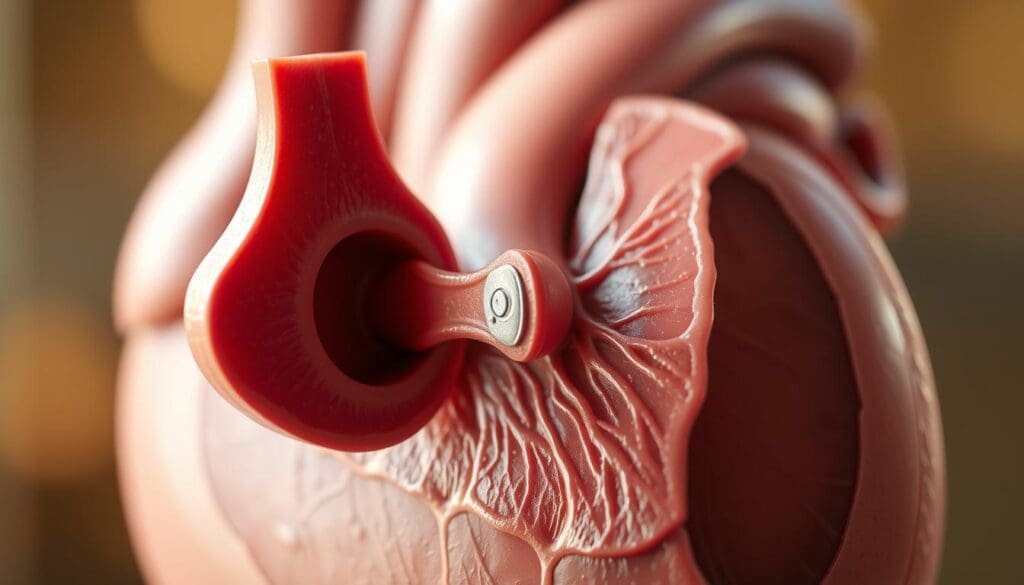
It’s key to know about heart valve disease early. This disease affects the heart’s valves, leading to serious health problems if not treated.
Common Types of Heart Valve Disease
There are many types of heart valve disease. Each type has its own effects on health.
- Aortic Stenosis: The aortic valve opening gets narrower, blocking blood flow.
- Mitral Regurgitation: The mitral valve leaks, letting blood flow back into the heart.
- Pulmonary Stenosis: The pulmonary valve narrows, limiting blood flow to the lungs.
- Tricuspid Regurgitation: The tricuspid valve leaks, causing blood to flow back into the heart.
Warning Signs That Shouldn’t Be Ignored
It’s important to know the signs of heart valve disease. This helps get medical help quickly.
- Shortness of breath, often during exercise or when lying down.
- Chest pain or discomfort that spreads to the arms, back, or jaw.
- Fatigue and weakness that makes daily tasks hard.
- Swelling in the legs, ankles, or feet from fluid buildup.
- Palpitations or irregular heartbeats, showing valve problems.
Risk Factors and Prevention Strategies
Some things increase the risk of heart valve disease. These include age, congenital heart defects, and infections like endocarditis.
Preventing it involves a healthy lifestyle. This includes managing high blood pressure and diabetes and not smoking.
Knowing the causes, symptoms, and risks of heart valve disease helps. It lets patients get medical help early. Thanks to heart valve disease treatments and heart valve disease management, there’s hope for better outcomes. Valve disease treatment advancements are making a difference.
Diagnosing Valve Problems: The Path to Treatment
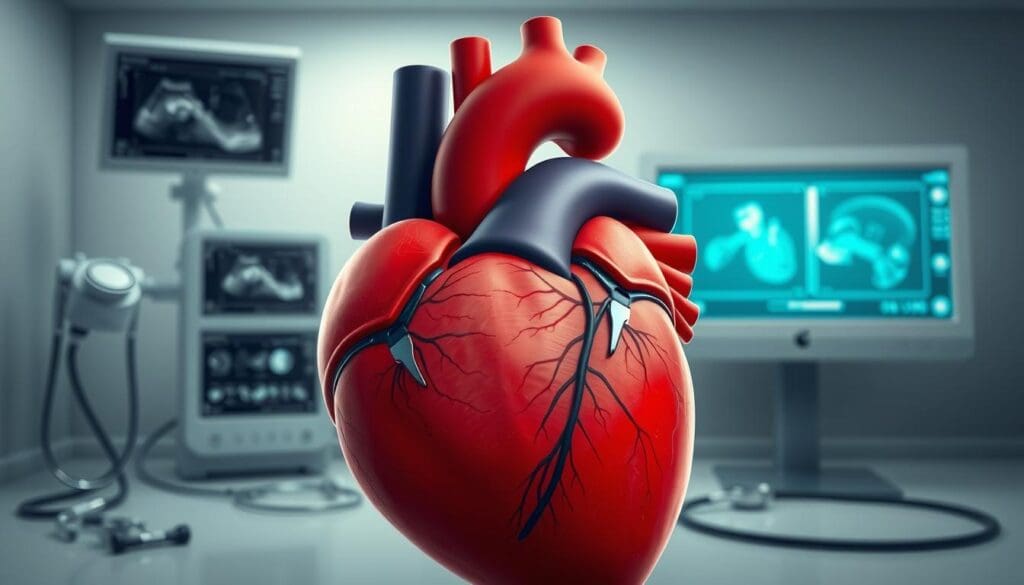
Diagnosing heart valve disease is the first step to treatment. Getting an accurate diagnosis is key to finding the right treatment. Our team uses advanced tests to find valve problems and plan treatment.
Essential Diagnostic Tests
To find heart valve disease, we use several tests. These include:
- Echocardiogram: This test uses sound waves to see the heart. It helps us check valve function and find problems.
- Electrocardiogram (ECG): An ECG checks the heart’s electrical activity. It helps find heart rhythm issues linked to valve disease.
- Cardiac Catheterization: This test involves a catheter in the heart. It lets us see the valves and check their function.
- Chest X-ray: A chest X-ray shows the heart and lungs. It helps find heart enlargement or fluid buildup.
- Cardiac MRI: A cardiac MRI uses magnetic fields to create detailed heart images. It helps us assess valve function and heart health.
Understanding Your Diagnosis
After the tests, we’ll explain your results and what they mean for treatment. Knowing your diagnosis helps you make informed decisions. We’ll talk about your disease’s severity, symptoms, and how it affects your health.
When Treatment Becomes Necessary
Treatment is needed for severe heart valve disease or when symptoms affect daily life. We look at several factors to decide on treatment. These include the disease type and severity, your overall health, and what you prefer. Our team will help you create a treatment plan that might include medication, procedures, or surgery.
Understanding the diagnostic process and your diagnosis helps you manage your heart valve disease. It improves your quality of life.
What Is the Treatment for Heart Valve Disease: Overview of Approaches
Treating heart valve disease needs a plan made just for each patient. The disease’s complexity means treatments can differ a lot from person to person.
Treatment Goals and Considerations
The main goal is to ease symptoms, slow the disease, and improve life quality. Doctors consider many things when choosing a treatment. These include the disease type and severity, the patient’s health, and their wishes.
Effective treatments might include medicines, lifestyle changes, and surgery. The right treatment depends on the patient’s specific situation.
Factors That Determine Treatment Selection
Several important factors help decide the treatment for heart valve disease. These include:
- The type of valve affected (e.g., aortic, mitral, pulmonary, or tricuspid)
- The severity of the valve disease (mild, moderate, or severe)
- The presence of symptoms and their impact on daily life
- The patient’s age and overall health status
- The presence of other medical conditions that could affect treatment
| Factor | Influence on Treatment |
|---|---|
| Type of Valve Affected | Different valves may require different treatment approaches. |
| Severity of Valve Disease | More severe disease may require more aggressive treatment. |
| Presence of Symptoms | Symptomatic patients may require more immediate intervention. |
The Importance of Early Intervention
Early treatment is key for heart valve disease. It can stop complications, avoid big surgeries, and improve long-term results. Regular check-ups and care are vital for managing the disease well.
Knowing the treatment options and goals helps patients and doctors create a plan that fits the patient’s needs and situation.
Medication Therapy: Managing Symptoms and Complications
Medication therapy is key in managing heart valve disease symptoms and complications. For many, it’s the first treatment to ease symptoms and prevent more issues.
Blood Thinners and Anticoagulants
Preventing blood clots is critical in heart valve disease. Blood thinners and anticoagulants help stop these clots. They’re vital for those with mechanical valves or at high clot risk.
Medications like warfarin, dabigatran, rivaroxaban, and apixaban are used. Regular checks are needed to keep the right dose and avoid bleeding.
Blood Pressure Management Medications
High blood pressure strains the heart and worsens valve disease. Blood pressure management medications lower blood pressure. ACE inhibitors, beta-blockers, and diuretics are common types.
These medications reduce symptoms like shortness of breath and fatigue. They improve life quality.
Heart Rhythm Medications
Heart valve disease can cause irregular heart rhythms. Heart rhythm medications treat these and keep the heart rhythm normal. This improves heart function and reduces symptoms.
Limitations of Medication-Only Approaches
Medication therapy is vital but not always enough. Regular checks and other treatments, like surgery, may be needed.
The following table summarizes the key points about medication therapy in heart valve disease:
| Medication Type | Purpose | Examples |
|---|---|---|
| Blood Thinners and Anticoagulants | Prevent blood clots | Warfarin, Dabigatran, Rivaroxaban, Apixaban |
| Blood Pressure Management Medications | Lower blood pressure | ACE inhibitors, Beta-blockers, Diuretics |
| Heart Rhythm Medications | Treat arrhythmias | Various anti-arrhythmic drugs |
In conclusion, medication therapy is essential in managing heart valve disease. It helps ease symptoms and prevent complications. But, it’s part of a broader treatment plan that may include other interventions.
Balloon Valvuloplasty: Minimally Invasive Relief
For those with heart valve disease, balloon valvuloplasty is a good option. It’s less invasive than open-heart surgery. It can bring quick relief.
How the Procedure Works
Balloon valvuloplasty uses a balloon to widen a narrowed heart valve. It’s done in a cath lab. Patients are given local anesthesia and sometimes sedation for comfort.
A catheter is inserted through a leg vein. It’s guided to the heart valve. Then, the balloon is inflated to open the valve, improving blood flow.
Ideal Candidates for Valvuloplasty
Not everyone with heart valve disease is a good fit for balloon valvuloplasty. It’s best for those with severe stenosis of the pulmonary or mitral valve. The valve should be relatively flexible.
Those at high risk for surgery or with specific conditions are often recommended for this procedure.
Recovery and Success Rates
Balloon valvuloplasty has a quick recovery time. Most patients go home the same day or the next day.
Success rates depend on the valve and the patient’s health. It often improves symptoms and quality of life.
| Valve Treated | Success Rate | Complication Rate |
|---|---|---|
| Pulmonary Valve | 85-90% | 5-10% |
| Mitral Valve | 80-85% | 10-15% |
| Aortic Valve | 70-80% | 15-20% |
The success and complication rates differ by valve. We use these statistics to choose the best treatment for each patient.
Transcatheter Valve Procedures: Modern Alternatives to Surgery
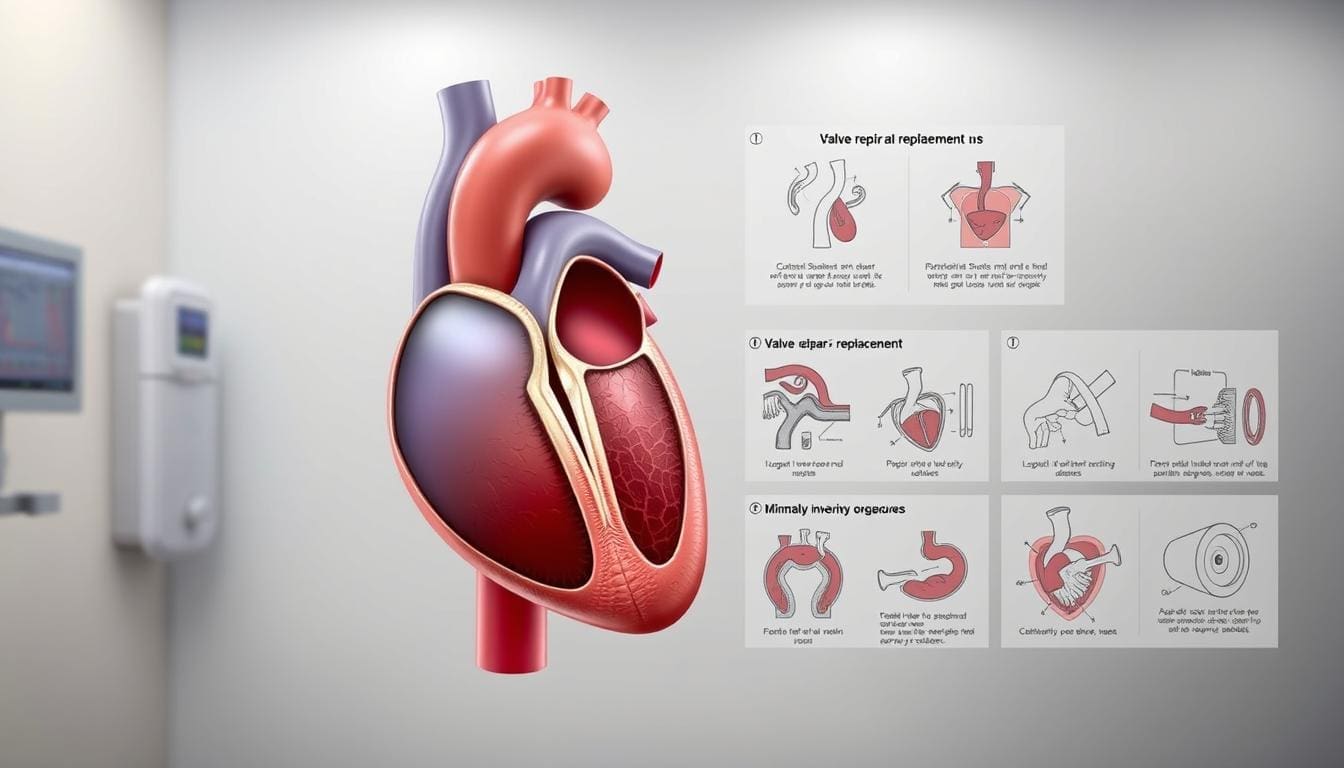
Transcatheter valve procedures are changing how we treat heart valve disease. They offer new ways to fix or replace valves without big surgery. This means less time recovering and fewer risks.
Transcatheter Aortic Valve Replacement (TAVR)
TAVR is a new way to fix aortic stenosis. This is when the aortic valve gets too narrow. A new valve is put in through a leg artery and guided to the heart. It then opens up, letting blood flow right again.
Many patients feel better right away after TAVR. It’s great for those who can’t have big surgery or are at high risk.
Transcatheter Mitral Valve Repair
Transcatheter mitral valve repair fixes mitral regurgitation without big surgery. A catheter delivers a clip or device to the valve. This helps fix the leak.
This method is less invasive and safer. Patients usually stay in the hospital less time than with surgery.
Benefits Over Traditional Surgery
Transcatheter valve procedures have big advantages over traditional surgery. These include:
- Less invasive, with smaller incisions and less damage
- Lower risk of complications like infection and bleeding
- Shorter hospital stays and recovery times
- Less need for strong anesthesia, as many are done under sedation
Recovery and Outcomes
Recovery from these procedures is faster and less painful than surgery. Most people can get back to normal in a few weeks. The results are often very good, with big improvements in symptoms and life quality.
We watch our patients closely after the procedure. This helps ensure a smooth recovery and tackles any issues quickly. Follow-up care is key to keeping the valve healthy.
Surgical Valve Repair: Preserving Your Natural Valve
Surgical valve repair is a top choice for treating heart valve disease. It lets patients keep their natural valve. This method can cut down on the need for lifelong blood thinners and keeps the heart working better. We’ll look into the methods, advantages, and healing time for this surgery.
Mitral Valve Repair Techniques
Mitral valve repair is a complex surgery that fixes the mitral valve. It might include resecting damaged leaflet segments, fixing or replacing chordae tendineae, and doing annuloplasty. The goal is to make the valve work like it should, improving symptoms and life quality.
One big plus of mitral valve repair is it keeps the patient’s own valve. This might mean avoiding blood thinners needed with some valve replacements. Research shows it can greatly improve survival and lower risks of heart valve disease problems.
Aortic Valve Repair Options
Aortic valve repair aims to keep the patient’s natural valve. It might use valvuloplasty or root repair. The choice depends on the valve disease’s type and extent.
Recovery Timeline and Rehabilitation
Recovery time after valve repair surgery varies. It depends on the patient’s health and the surgery’s complexity. Patients usually stay in the hospital for a few days to a week.
After surgery, patients need to watch for any problems and start a rehab program. This program helps them get stronger and improve heart health. It includes cardiac rehabilitation, which has exercise, heart-healthy tips, and stress counseling. Recovery can take weeks to months, with close monitoring by doctors.
| Aspect | Mitral Valve Repair | Aortic Valve Repair |
|---|---|---|
| Surgical Complexity | Highly specialized | Varies by technique |
| Recovery Time | Several weeks to months | Several weeks to months |
| Anticoagulation Therapy | Often avoided | May be required in some cases |
Surgical valve repair is a good option for heart valve disease. It can keep the natural valve and improve long-term health. Knowing about the methods, benefits, and recovery helps patients make better choices for their care.
Valve Replacement Surgery: When a New Valve Is Needed
Valve replacement surgery is a key treatment for severe heart valve disease. It’s needed when other treatments fail or the damage is too much. This surgery can greatly improve a patient’s life by fixing the heart’s function.
Mechanical vs. Biological Valve Choices
Choosing between a mechanical and a biological valve is a big decision in surgery. Mechanical valves last long and are made of strong materials like titanium. But, they need lifelong blood thinner treatment to stop clots.
Biological valves are made from animal tissue and are less likely to cause clots. They might not need long-term blood thinners. But, they could need to be replaced sooner than mechanical valves.
- Mechanical Valves: Durable, long-lasting, but requires lifelong anticoagulation therapy.
- Biological Valves: Less risk of blood clots, may not require long-term anticoagulation, but may have a shorter lifespan.
The Surgical Procedure Explained
Valve replacement surgery is done under general anesthesia. The surgeon makes a chest incision to reach the heart. The old valve is removed and replaced with a new one.
The surgery can be open-heart or minimally invasive, depending on the patient and surgeon. This choice is based on health, the valve being replaced, and the surgeon’s skill.
Long-term Care After Valve Replacement
After surgery, patients need careful long-term care. This includes regular doctor visits and monitoring for valve problems. They also need to manage blood thinner treatment if needed.
Patients are advised on lifestyle changes to keep their heart healthy. This includes diet, exercise, and quitting smoking if they smoke.
Durability and Replacement Considerations
The durability of the new valve is very important. Mechanical valves can last for decades. Biological valves, though shorter-lived, are often chosen for older patients or those who can’t take blood thinners.
In some cases, a second surgery might be needed if the first valve fails. Advances in valve technology are making these surgeries better and longer-lasting.
Understanding valve replacement surgery helps patients make informed choices. We work with our patients to find the best treatment for their needs and health.
Lifestyle Modifications and Ongoing Management
Managing heart valve disease goes beyond just medical treatment. It involves making important lifestyle changes. These changes can greatly improve your life and health.
Dietary Recommendations
Eating a balanced diet is key for heart valve disease management. Focus on nutrient-rich foods like fruits, veggies, whole grains, lean proteins, and healthy fats. Try to cut down on sodium, saturated fats, and added sugars.
- Eat foods high in omega-3s, like salmon and walnuts, for heart health.
- Opt for low-fat dairy and lean meats to lower saturated fats.
- Reduce processed foods that are high in sodium and unhealthy fats.
Exercise Guidelines
Regular exercise is vital for heart valve disease patients. Aim for moderate-intensity exercises like brisk walking, cycling, or swimming for 30 minutes daily, five days a week. Always talk to your doctor before starting any new exercise.
- Begin with low-impact exercises and slowly increase intensity as you get stronger.
- Avoid very intense activities that could strain your heart too much.
- Adding flexibility and strength training can also boost your fitness.
Monitoring and Follow-up Care
Regular monitoring and follow-up care are essential for managing heart valve disease. Regular check-ups with your doctor help track your heart valves and adjust treatments as needed.
- Keep a record of your symptoms and any changes to share with your doctor.
- Stick to your medication and keep up with scheduled appointments.
- Stay informed about your condition and treatment options to make the best decisions for your care.
By making these lifestyle changes and following management strategies, people with heart valve disease can live active and meaningful lives. We’re here to support you every step of the way.
Conclusion: Making Informed Decisions About Heart Valve Treatment
Heart valve disease treatment offers many options, from medicines to surgery. It’s key for patients to understand these choices to make good decisions about their care.
Patients can work with their healthcare team to create a care plan that fits their needs. This team effort helps ensure the right treatment is chosen. Treatments range from balloon valvuloplasty to surgical repairs or replacements.
Choosing the right heart valve treatment means knowing all the options and thinking about your health and lifestyle. We suggest patients talk openly with their healthcare team to find the best treatment for them.
Being well-informed helps patients deal with the challenges of heart valve disease treatment. By focusing on complete care and making smart choices, we can help those with heart valve disease live better lives.
What are the common symptoms of heart valve disease?
Symptoms include shortness of breath, chest pain, and fatigue. You might also feel palpitations. If you notice these, see a doctor right away.
How is heart valve disease diagnosed?
Doctors use a physical exam, echocardiogram, and electrocardiogram. These tests check how well your heart valves work.
What are the treatment options for heart valve disease?
Treatments include medicines, balloon valvuloplasty, and surgery. We choose the best option for each patient.
What is balloon valvuloplasty, and who is a good candidate?
It’s a procedure to widen a narrowed valve with a balloon. It’s best for people with certain valve stenosis.
What is the difference between mechanical and biological valves for valve replacement?
Mechanical valves last longer but need lifelong medicine to prevent blood clots. Biological valves don’t need as much medicine but last less long. We help patients choose based on their needs.
What lifestyle changes can help manage heart valve disease?
Eating well, exercising, and checking your blood pressure are key. Also, keep up with doctor visits.
How can I reduce my risk of developing heart valve disease?
Live a healthy lifestyle, manage blood pressure, and see your doctor regularly. This can lower your risk.
What are the benefits of transcatheter valve procedures compared to traditional surgery?
Procedures like TAVR are less invasive. They lead to quicker recovery and fewer complications.
What is the recovery process like after heart valve surgery?
Recovery time varies. We offer personalized support to help you through it.
How often should I follow up with my healthcare provider after heart valve treatment?
Regular check-ups are important. They help monitor your valve and adjust your treatment as needed. We create a follow-up plan for you.
References
American Heart Association (AHA): Understanding Your Heart Valve Treatment Options
National Heart, Lung, and Blood Institute (NHLBI): Heart Valve Diseases Treatment