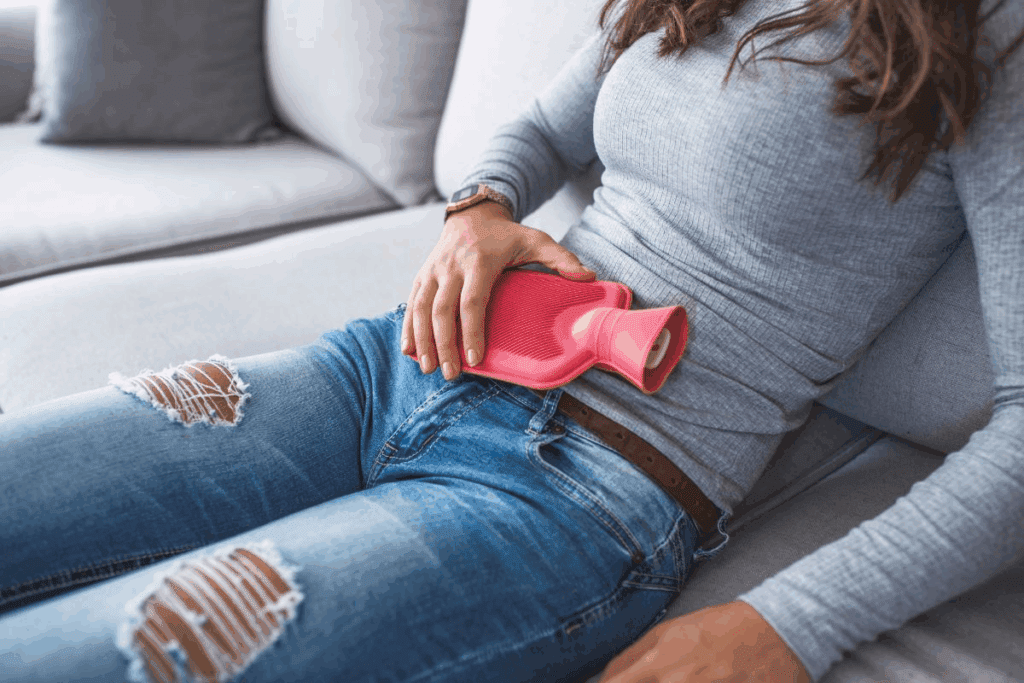
Embryo transfer is a key step in fertility treatment. Patients often search for ways to boost their chances of success. The time after embryo transfer is filled with hope and worry, leading to questions about care.
Studies show that embryo quality and how ready the uterus is are key for success. Yet, some post-transfer practices have caught medical interest. Using a heating pad is one of them.
At Liv Hospital, we aim to guide our patients with evidence-based advice. Our fertility experts suggest using heating pads safely. They also recommend other ways to feel better and maybe help implantation.
Key Takeaways
- Embryo quality and uterine receptivity are the main factors determining implantation success.
- External heat application, like using a heating pad, is a topic of medical discussion.
- Fertility specialists recommend cautious use of heating pads after embryo transfer.
- Excessive heat exposure may pose risks to the developing fetus.
- Alternative methods can support implantation and comfort post-transfer.
The Embryo Transfer Process and Implantation Basics
The embryo transfer process is very detailed and needs to be done with care. Knowing the basics can help improve the chances of implantation. This process is key in fertility treatments. It involves putting an embryo into the uterus, where it will attach to the uterine lining.
What Happens During an Embryo Transfer
A fertility specialist carefully places the embryo into the uterus using a catheter. This is done under ultrasound to make sure it’s in the right spot. The goal is to help the embryo attach well to the uterine lining.
Key steps in the embryo transfer process include:
- Preparation of the uterine cavity
- Selection of the appropriate embryo
- Guided placement using ultrasound
- Verification of the embryo’s position post-transfer
The Biological Process of Implantation
After the embryo is placed, the implantation process starts. This is when the embryo attaches to the uterine lining. It’s a critical step for a successful pregnancy. The uterine lining needs to be ready, and the embryo must be at the right stage.
The stages of implantation include:
- Apposition: The embryo comes into contact with the uterine lining.
- Adhesion: The embryo adheres to the uterine lining.
- Invasion: The embryo invades the uterine lining, establishing a connection for nutrient and waste exchange.
Key Factors That Determine Implantation Success
Several things can affect how well implantation goes. These include the quality of the embryo, how ready the uterine lining is, and when the transfer happens. Making sure these are all good can really help the chances of a successful implantation.
Key factors influencing implantation success:
| Factor | Description | Impact on Implantation |
|---|---|---|
| Embryo Quality | Genetic integrity and developmental stage | High-quality embryos have higher implantation chances |
| Uterine Receptivity | Thickness and health of the uterine lining | A receptive uterine lining is key for implantation |
| Timing of Transfer | Synchronization with the uterine environment | Proper timing boosts implantation chances |
Heating Pad After Embryo Transfer: Medical Perspectives
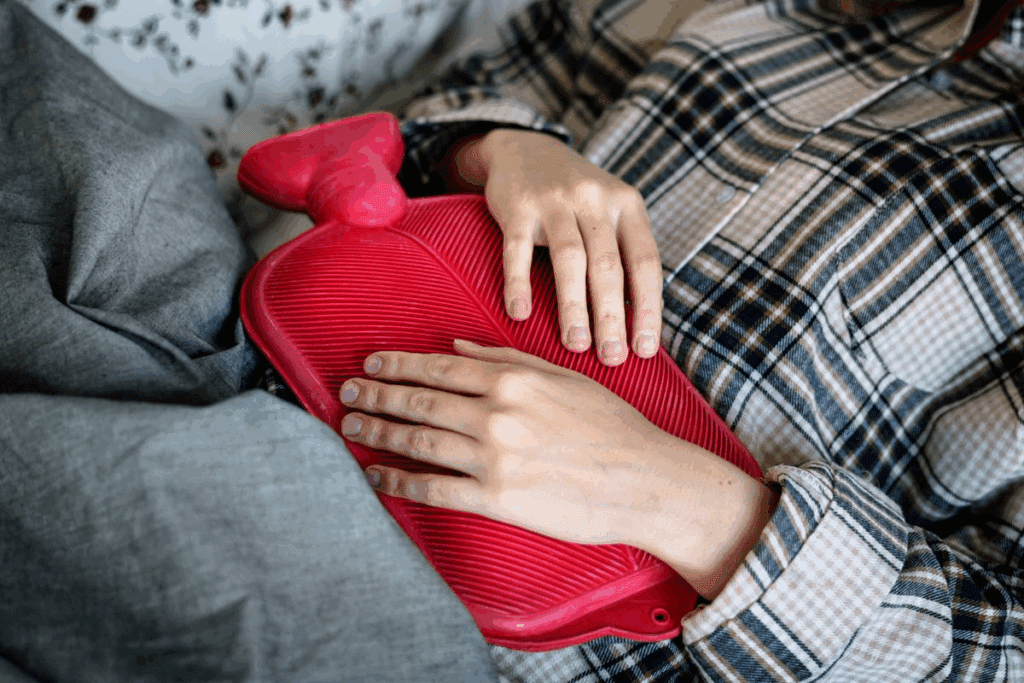
Fertility clinics often get asked about using heating pads after an embryo transfer. Patients want to feel better while they wait for news. But doctors have different views on using heating pads during this time.
Current Medical Consensus on External Heat Application
Doctors usually say to be careful with heat after an embryo transfer. Some studies say moderate heat might not hurt implantation. But others worry about risks. Fertility specialists often tell patients not to use too much heat because it could harm the embryo.
Research Findings from Fertility Specialists
Studies by fertility experts show that too much heat can harm the embryo. High temperatures might lead to neural tube defects in early pregnancy. A study in a well-known medical journal found that high temperatures early in pregnancy could raise the risk of birth defects.
| Study | Findings | Recommendations |
|---|---|---|
| Neural Tube Defects and Temperature | Elevated temperatures may increase the risk of neural tube defects | Avoid excessive heat application |
| Heat Exposure in Early Pregnancy | High temperatures during early pregnancy may increase birth defects | Use caution with external heat sources |
Potential Risks of Excessive Heat to Embryo Development
Too much heat can be a big worry for embryo development. High heat can mess up implantation and might hurt the embryo. It’s not clear how, but keeping the uterus at a stable temperature is key for implantation.
To stay safe, patients should avoid too much heat. This means no hot tubs, saunas, or high-temperature heating pads. If you do use a heating pad, keep it low and use it for just a bit. Always talk to your fertility specialist for advice on how to feel better without risking your embryo.
Understanding Optimal Temperature for Implantation
Knowing the best temperature for implantation can really help with getting pregnant. Implantation is a complex process. It involves many factors, including the uterus’s temperature.
The Science of Uterine Temperature
Uterine temperature is key for implantation. Studies show our body keeps a precise temperature for many processes, like making babies. The uterus’s temperature is a bit higher than our body’s, perfect for growing embryos.
Factors Influencing Uterine Temperature:
- Core body temperature
- Blood flow to the uterus
- Hormonal changes
How External Heat Sources Affect Internal Body Temperature
Things like heating pads can change our body’s temperature. But how much they affect the uterus is being researched. Our body naturally keeps its temperature stable.
Creating the Ideal Environment for Embryo Development
To help embryos grow, living a healthy lifestyle is key. While heat sources might feel good, their long-term effects on the uterus and embryo are not fully understood.
| Factor | Effect on Uterine Temperature | Recommendation |
|---|---|---|
| External Heat Sources | May cause temporary increase | Use with caution, avoid excessive heat |
| Core Body Temperature | Influences uterine temperature | Maintain healthy core body temperature |
| Hormonal Changes | Can affect uterine environment | Monitor hormonal balance |
By knowing these factors and staying balanced, we can help implantation. Always talk to doctors for advice that fits you.
Safe Alternatives to Heating Pads for Comfort
Patients often look for ways to feel comfortable after an embryo transfer. There are safe alternatives to heating pads that can help without risking the success of the procedure.
Keeping your body at a comfortable temperature is key. But, it’s also important to avoid methods that could harm the embryo. Let’s look at some safe and effective options.
Warm Showers vs. Hot Baths: What Research Shows
Taking a warm shower can be very relaxing and helps keep your body warm after an embryo transfer. Studies show that warm showers are better than hot baths because they provide gentle heat.
Warm showers offer several benefits:
- They help you relax and reduce stress
- They improve blood flow
- They let you stay at a comfortable body temperature without too much heat
Hot baths, on the other hand, can raise your body temperature too high. This might not be good for the embryo. So, if you do take a bath, make sure the water isn’t too hot.
Appropriate Clothing Choices for Warmth
Choosing the right clothes is a simple way to stay comfortable after an embryo transfer. Wearing layers helps you control your body temperature well.
Here are some tips:
- Choose breathable fabrics like cotton or silk
- Wear layers to adjust to temperature changes
- Avoid tight clothes that can be uncomfortable
Natural Methods to Maintain Comfortable Body Temperature
There are natural ways to keep your body at a comfortable temperature. These include:
- Drinking warm drinks, like herbal teas
- Using a blanket to stay warm in cool places
- Doing light exercises to improve blood flow
By using these methods, patients can stay comfortable and support their embryo transfer’s success. This way, they don’t have to use heating pads.
Guidelines for Safe Heating Pad Use If Recommended
Healthcare providers might suggest using heating pads after embryo transfer under certain conditions. Patients need clear guidelines on safe heating pad use if their healthcare provider recommends it.
Specific Situations When Heating Pads Might Be Appropriate
Heating pads are recommended for severe cramping or discomfort that other methods can’t help with. “The use of heating pads can be beneficial in managing pain, but it should be done under the guidance of a healthcare provider,” says Medical Expert, a fertility specialist. It’s important to follow the provider’s instructions carefully to avoid risks.
Temperature Settings and Safety Precautions
Adjusting the heating pad’s temperature is key to avoid too much heat. The ideal temperature is between 98°F to 104°F (36°C to 40°C). Make sure to place a towel between the heating pad and your skin to prevent burns.
- Start with a lower temperature setting and gradually increase as needed.
- Use the heating pad on a limited area, avoiding direct contact with the abdomen.
- Ensure the heating pad has an automatic shut-off feature to prevent overheating.
Duration and Frequency Recommendations
The time and frequency of using a heating pad should follow your healthcare provider’s advice. It’s usually best to use it for 15-20 minutes at a time, with breaks in between. “It’s about finding a balance between comfort and safety,” emphasizes Medical Expert, a reproductive endocrinologist.
“The key to safe heating pad use is moderation and careful monitoring of body temperature and comfort levels.”
By following these guidelines, patients can reduce risks and enjoy the benefits of heating pad use after embryo transfer.
Evidence-Based Methods to Increase Blood Flow to Uterus
Getting blood to flow well to the uterus is key for embryo implantation success. Good blood flow brings oxygen and nutrients to the embryo. This boosts its chances of implanting and growing well.
Hydration Strategies with Electrolyte-Rich Fluids
Drinking enough water is vital for blood flow to the uterus. Drinking fluids with electrolytes helps keep the body’s mineral balance right. Electrolytes like potassium, sodium, and calcium are important for fluid balance and heart health. This helps blood flow to the uterus better.
Drink lots of water and add electrolyte-rich drinks like coconut water or sports drinks. Stay away from too much caffeine and sugary drinks, as they can dehydrate you.
Appropriate Physical Activity to Promote Circulation
Doing gentle exercises is a great way to boost blood flow to the uterus. Yoga, brisk walking, or swimming are good choices because they’re easy on the body. Exercise also helps reduce stress and improves your overall health, which is good for implantation.
Avoid hard exercises or heavy lifting, as they can stress your body too much. Talk to a healthcare provider to find the best exercise plan for you.
Nutritional Support for Optimal Blood Flow
Eating the right foods is important for blood flow to the uterus. Eating foods high in omega-3s, antioxidants, and nitrates can improve blood vessel health and circulation. Leafy greens, berries, fatty fish, and nuts are great for uterine health.
Some supplements like L-arginine and vitamin E can also help blood flow. But, always check with a healthcare provider before taking any supplements to make sure they’re safe for you.
Comprehensive Post-Embryo Transfer Care Plan
After an embryo transfer, patients look for a detailed care plan to boost their chances of success. A good plan covers rest, nutrition, and managing stress.
Balancing Rest and Light Activity
It’s key to find the right mix of rest and activity after an embryo transfer. Too much rest is not good, but too much activity can stress the body. Light activities, like short walks, help circulation without too much strain.
Experts say to avoid heavy lifting, bending, or high-impact exercises. Instead, gentle stretching and short walks are good. Listen to your body and adjust your activities as needed.
Nutrition for Implantation Support
Nutrition is vital for implantation support. Eating a balanced diet with essential nutrients helps the embryo. Foods rich in antioxidants, like fruits and veggies, reduce oxidative stress. Omega-3 fatty acids in fish and nuts also support reproductive health.
We advise eating a variety of whole foods, including lean proteins, whole grains, and healthy fats. Avoid processed foods and stay hydrated. A study in the Journal of Fertility found that a whole foods diet improves fertility.
Stress Management Techniques
Managing stress is key after an embryo transfer. Stress can harm implantation. Meditation, deep breathing, and yoga can lower stress.
Start a daily routine with stress-reducing activities. Keeping a journal, practicing gratitude, and enjoying hobbies can also help. These practices support a better environment for implantation.
Debunking Common Myths About Post-Transfer Care
The time after embryo transfer is key. It’s important to know what’s true and what’s not about care advice. Fertility experts often see patients who have wrong ideas about post-transfer care, like the effect of heat on implantation.
Misconceptions About Heat and Implantation
Many think heat after transfer helps implantation by boosting blood flow to the uterus. But, there’s little scientific proof for this. Heat might feel good and help with cramps, but it’s not proven to improve implantation success.
- Some believe a heating pad boosts implantation rates.
- Others think warmth relaxes the uterus, helping implantation.
- But, these ideas are mostly based on personal stories, not strong research.
Evidence vs. Anecdotes in Fertility Treatment
In fertility care, it’s key to know the difference between proven methods and personal stories. Evidence-based medicine comes from solid research. Personal experiences, while helpful, might not work for everyone. We should be careful with advice that lacks strong evidence.
For example, clinics might suggest certain activities or treatments. But, without solid studies, these ideas are just guesses.
Why Some Popular Recommendations Lack Scientific Support
Many popular post-transfer care tips don’t have scientific backing. Studying fertility treatments is hard. Trials are tough to set up and run, leading to more observational studies and expert opinions than solid trials.
| Recommendation | Evidence Level | Scientific Support |
|---|---|---|
| Using a heating pad for comfort | Limited | No direct evidence for implantation success |
| Bed rest after transfer | Moderate | Some studies suggest no significant benefit |
| Specific dietary changes | Variable | Some evidence for certain nutrients, but more research needed |
Knowing the myths and misconceptions about post-transfer care helps patients make better choices. It’s vital to talk to fertility experts for advice based on real science, not just guesses.
When to Contact Your Fertility Specialist
Waiting for your embryo transfer results? Knowing when to reach out to your fertility specialist is key. They offer vital guidance and support during this time.
Warning Signs After Embryo Transfer
Some discomfort is normal after an embryo transfer. But, severe abdominal pain, heavy bleeding, or a fever over 100.4°F (38°C) need quick action. If you see these concerning symptoms, call your fertility specialist right away.
Normal vs. Concerning Symptoms
It’s hard to tell if symptoms are normal or not. Mild cramping, spotting, and breast tenderness are usually okay. But, if you’re unsure or have other worrying signs, it’s best to talk to your fertility specialist.
Communication Guidelines with Your Medical Team
Good communication with your fertility specialist is essential. When you call, be ready to share your symptoms in detail. This helps your team give you the best advice and support.
The time after an embryo transfer can be scary and uncertain. Knowing when to contact your fertility specialist and following communication guidelines can help. You’ll feel more confident and at ease.
Conclusion: Prioritizing Evidence-Based Approaches for Implantation Success
As we wrap up our talk on supporting implantation success after embryo transfer, it’s clear that evidence-based methods are key. Understanding the medical views on heating pad use and other care methods helps patients make smart choices. This can boost their chances of a successful outcome.
Evidence-based practices stress the need to avoid risks and use safe, effective methods. This means knowing the best temperature for implantation, safe alternatives to heating pads, and safe use guidelines if needed.
To boost implantation chances, patients should focus on complete post-transfer care. This includes getting enough rest, eating right, and managing stress. By following these evidence-based steps, patients can improve their implantation success rates.
FAQ
Is it safe to use a heating pad after embryo transfer?
The safety of using a heating pad after embryo transfer is debated. Some find relief from cramps, but too much heat might harm the embryo. Always check with your fertility specialist for advice.
How can I increase blood flow to my uterus after embryo transfer?
Stay hydrated with electrolyte-rich fluids and do gentle physical activity. Eating foods that help circulation also supports implantation.
What are some safe alternatives to heating pads for comfort after embryo transfer?
Try warm showers, wear warm clothes, and use natural methods to keep warm. These options are safe and can make you feel comfortable without risking the embryo.
How can I keep my uterus warm for implantation?
Keeping your uterus warm is key for implantation. Dress warmly and use natural methods to keep your body heat up. This helps create a warm environment for implantation.
What should I do after embryo transfer to increase my chances of successful implantation?
Rest and do light activity, eat foods that support implantation, and manage stress well. These steps can help increase your chances of successful implantation.
Are there any specific guidelines for using a heating pad after embryo transfer if recommended by my healthcare provider?
If your doctor suggests a heating pad, follow their guidelines. This includes the right temperature, safety, and how long and how often to use it. This ensures safe and effective use.
What are some common myths about post-transfer care, and how can I distinguish fact from fiction?
Myths include wrong ideas about heat and implantation. For truth, rely on scientific facts and talk to your fertility specialist. They can guide you based on evidence.
When should I contact my fertility specialist after embryo transfer?
Watch for warning signs and know when to call your doctor. If you have unusual symptoms, reach out for advice. This ensures you get the right care.
How can I improve my chances of implantation after embryo transfer?
Follow a care plan that includes rest, nutrition, and stress management. These evidence-based methods can help improve your chances of successful implantation.
What are some evidence-based methods to boost implantation success?
Stay hydrated, do gentle exercise, eat right, and manage stress. These methods can enhance your chances of successful implantation.
References
National Center for Biotechnology Information. Heating Pad Use After Embryo Transfer: Patient Guidance. Retrieved from https://www.ncbi.nlm.nih.gov/pmc/articles/PMC4141112/