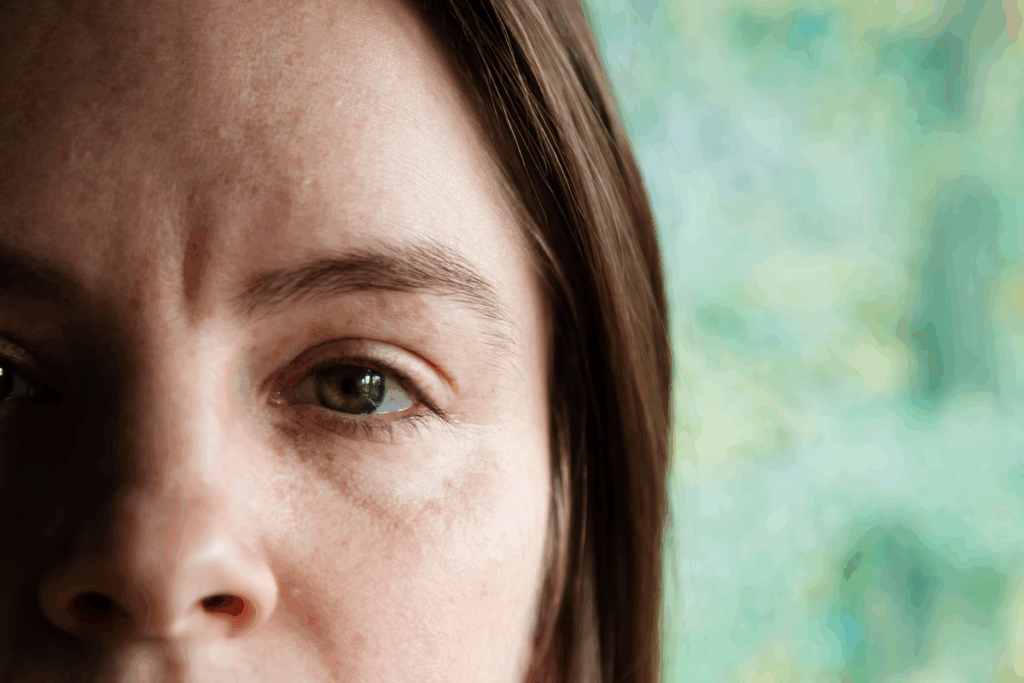
Ever wondered why one or both of your eyes feel unusually heavy, tired, or strained? Feeling like your eyes are heavy is more than just a look. It can mean there’s something wrong with the muscles and nerves around your eyes. What causes a heavy feeling in one eye? This essential guide explains 5 surprising causes and the best solutions.
Eye heaviness often means you have ptosis, where your upper eyelid droops. This happens when the levator muscle, which lifts your eyelid, weakens or doesn’t work right. This can make your eye feel heavy or tired.
At Liv Hospital, we use the latest technology and care with kindness to find and fix the reasons for eye heaviness. We help people get the help they need quickly and effectively.
Key Takeaways
- Eye heaviness can come from many things, like staring at screens too long and health issues.
- Ptotosis, or drooping of the upper eyelid, is a common cause of eye heaviness.
- The levator muscle is key in lifting the eyelid. If it weakens, you might feel your eye is heavy.
- Liv Hospital offers top-notch tests and caring treatment for those with eye heaviness.
- Putting the patient first is key in finding and fixing the causes of eye heaviness.
Understanding the Sensation of Eye Heaviness
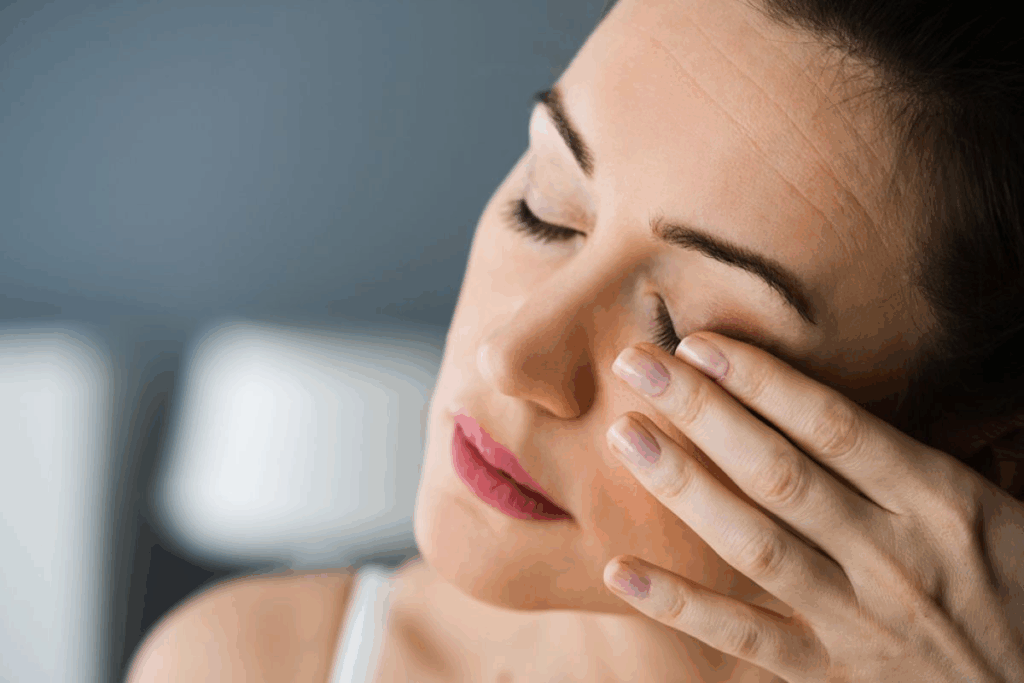
Many people feel their eyes are heavy or tired. This feeling can be uncomfortable and affect how well we see. It’s important to understand why this happens.
What Does Eye Heaviness Feel Like?
Eye heaviness feels like fatigue or weight in the eyelid. It can happen all the time or just sometimes. You might also feel dryness, irritation, or see things less clearly.
Differentiating Eye Heaviness from Other Eye Symptoms
It’s key to tell eye heaviness apart from other eye problems. Eye strain or tired eyes are different. Each has its own signs.
Common Descriptions from Patients
People say eye heaviness feels like pressure or weight on their eyelids. Some feel like their eyelids are being pulled down. Others just feel tired, even after resting.
Symptom Description | Possible Causes |
Feeling of weight or pressure on the eyelids | Ptosis, eyelid edema |
Tiredness or fatigue in the eyes | Digital eye strain, sleep deprivation |
Dryness or irritation | Environmental factors, allergies |
Knowing what eye heaviness feels like and why it happens helps doctors treat it. They can then help you feel better.
The Anatomy Behind Heavy Feeling in One Eye
The eye’s anatomy is complex, and a heavy feeling in one eye often points to specific issues. Understanding the eye’s structure and muscles is key to diagnosing and treating this problem.
The Role of the Levator Muscle
The levator palpebrae superioris muscle lifts the eyelid. If it doesn’t work right, you might feel a heavy or droopy eyelid, known as ptosis. We’ll look at how this muscle affects eye heaviness.
Key Functions of the Levator Muscle:
- Elevation of the eyelid
- Coordination with other eye muscles for smooth movement
- Maintenance of the eyelid’s position during various activities
Eyelid Structure and Function
The eyelid has layers like skin, muscle, and tarsal plate. Knowing its anatomy helps us understand why it might feel heavy.
Layer | Component | Function |
Skin | Outermost layer | Protection and sensation |
Muscle | Levator palpebrae superioris and orbicularis oculi | Movement and control of the eyelid |
Tarsal Plate | Provides structural support | Maintains the eyelid’s shape and position |
How Normal Eye Movement Works
Eye movement is complex, involving extraocular muscles. Knowing how it works helps us understand why it might feel heavy in one eye.
Key Aspects of Normal Eye Movement:
- Coordination between extraocular muscles
- Smooth pursuit and saccadic movements
- Integration with the levator muscle for eyelid movement
Ptosis: A Primary Cause of Eye Heaviness
Ptosis is when the upper eyelid droops. It’s a big reason for eye heaviness for many people. It can happen due to aging, injury, or health issues. Knowing about ptosis and its link to eye heaviness helps in finding and treating the problem.
Defining Ptosis and Its Connection to Eye Heaviness
Ptosis means the upper eyelid falls. This happens when the eyelid muscles, like the levator palpebrae superioris, get weak or damaged. The link between ptosis and eye heaviness is because the eyelid’s mechanics change. When the eyelid droops, it feels heavy or tired.
“It’s like having a constant weight on my eyelid, making it hard to keep my eye open.”
This feeling can make everyday tasks hard, like reading or driving.
Types of Ptosis
There are different types of ptosis, each with its own cause:
- Aponeurotic Ptosis: This type is often seen with aging. It happens when the aponeurosis, the tendon linking the levator muscle to the eyelid, stretches or tears.
- Congenital Ptosis: This is present at birth. It’s usually because the levator muscle didn’t develop fully.
- Mechanical Ptosis: This is caused by a heavy or abnormal eyelid. It’s often due to tumors, swelling, or scarring.
- Neurogenic Ptosis: This is due to nerve problems affecting the levator muscle. It can be seen in conditions like Horner syndrome or third cranial nerve palsy.
How to Recognize Ptosis
To spot ptosis, look at how the eyelid sits compared to the eye. In ptosis, the upper eyelid covers more of the iris than usual. Sometimes, it even blocks the pupil. Other signs include:
- Tilting the head back to see under the drooping eyelid
- Frequent brow raising or forehead wrinkling in an attempt to lift the eyelid
- A tired or sleepy appearance due to the drooping eyelid
If you or someone you know shows these signs, see an eye doctor. They can diagnose and treat ptosis and the related eye heaviness.
Why Does My Left Eye Feel Heavy?
Many people experience heaviness in their left eye. It’s important to know why this happens and what serious conditions it might signal. Feeling like your left eye is heavy can make you worry about your health.
Potential Causes Specific to Left Eye Heaviness
There are many reasons why your left eye might feel heavy. Ptosis, or a droopy eyelid, is one possible cause. Other reasons could be eyelid inflammation, allergies, or problems with the ocular muscles or nerves.
Left eye heaviness can also be caused by things like too much screen time or being around allergens. Knowing what might cause it helps you figure out what to do next.
When Left-Sided Symptoms May Indicate Serious Conditions
Left eye heaviness can sometimes mean a bigger health problem. If you also have double vision, eye pain, or changes in vision, it could be serious. This might point to a neurological issue or another serious health problem.
If your left eye heaviness doesn’t go away or gets worse, see a doctor. They can check you out and find out what’s wrong. This way, you can get the right treatment and fix any health issues quickly.
Why Does My Right Eye Feel Heavy?
Feeling like your right eye is heavy can be scary. This feeling can happen in either eye, but the reasons might be different. Knowing these differences is key to finding the right treatment.
Unique Considerations for Right Eye Heaviness
There are many things to think about when your right eye feels heavy. Anatomical differences between people can affect how symptoms show up. Also, environmental and lifestyle factors might play a role in why one eye feels heavier than the other.
Some reasons why your right eye might feel heavy include:
- Asymmetrical eyelid or orbital conditions
- Differences in tear production or drainage between the two eyes
- Unilateral exposure to environmental irritants
Distinguishing Between Left and Right Eye Symptoms
Telling left from right eye symptoms is important for a correct diagnosis. Some conditions might affect both eyes the same way. But others might show up differently in each eye.
Symptom | Left Eye | Right Eye |
Heaviness | Often associated with ptosis or eyelid swelling | May be related to anatomical or environmental factors |
Vision Changes | Blurry vision or double vision possible | Similar vision disturbances can occur |
Knowing the differences in symptoms between left and right eyes helps doctors find the cause. It’s important for people with eye heaviness to tell their doctors all about their symptoms.
Age-Related Causes of Eye Heaviness
As we get older, our eyes change in ways that can make them feel heavy. This is common among older adults. Knowing why it happens is key to managing it.
Aponeurotic Ptosis in Aging Adults
Aponeurotic ptosis happens when the tendon that connects the levator muscle to the eyelid stretches or detaches. This can cause the eyelid to droop, making eyes feel heavy.
Key factors contributing to aponeurotic ptosis include:
- Aging
- Eye surgery
- Contact lens wear
- Trauma
Age-Related Changes in Eye Muscles
With age, the muscles that control eyelid movement weaken. This makes it harder for the eyelid to stay open, leading to a heavy or droopy feeling.
The levator muscle is key in lifting the eyelid. As we age, its function can decline, adding to eye heaviness.
Distinguishing Normal Aging from Pathological Conditions
Eye heaviness can be a normal part of aging, but it’s important to tell the difference between that and serious conditions that need medical help.
Characteristics | Normal Aging | Pathological Conditions |
Onset | Gradual | Sudden or rapid |
Symmetry | Often bilateral | Can be unilateral or asymmetric |
Associated Symptoms | Minimal | May include pain, double vision, or other neurological symptoms |
Knowing the difference helps people get the right medical care when they need it.
Mechanical Factors Contributing to Heavy Eyes
Feeling like your eyes are heavy can be due to several mechanical reasons. These reasons can affect how comfortable and how your eyes look. We will look at the mechanical problems that make eyes feel heavy.
Excess Eyelid Skin and Tissue
One main reason is having too much skin and tissue around the eyelids. As we get older, our skin loses its stretchiness. This makes the eyelid tissues sag, making our eyes look and feel heavier. This is called dermatochalasis. Excess eyelid skin not only looks bad but can also block our view.
Blepharochalasis is another issue. It’s when the eyelids swell up a lot, making the skin stretch out. These problems show why we need to deal with too much eyelid skin and tissue to feel less heavy.
Eyelid Edema and Inflammation
Eyelid edema is when the eyelids swell up. This can happen for many reasons, like allergies, infections, or injuries. Eyelid edema makes our eyes feel heavy and uncomfortable. Sometimes, it can even hurt or look red.
Blepharitis is inflammation of the eyelids. It’s usually caused by bacteria or mites. It makes the eyelids itch, swell, and feel irritated.
Impact of External Factors
Things outside of us can also make our eyes feel heavy. For example, wearing contact lenses for too long can irritate and swell the eyes. Also, things like dust, pollen, or allergens can make our eyelids swell and feel heavy.
Our lifestyle can also affect our eyes. Not sleeping well, staring at screens too much, or not drinking enough water can strain our eyes. Changing our lifestyle can help reduce eye strain and heaviness.
Neurological Conditions Causing Eye Heaviness
Eye heaviness can be a sign of neurological issues. These problems affect the nerves that control eyelid movement. This can make eyes feel heavy or droopy. We’ll look at some neurological conditions that cause this symptom.
Oculomotor Nerve Palsy
Oculomotor nerve palsy damages the third cranial nerve. This nerve controls eye muscles, including the one that lifts the eyelid. Damage can cause a droopy eyelid and a feeling of eye heaviness.
- Symptoms: Drooping eyelid, double vision, and trouble moving the eye.
- Causes: Trauma, diabetes, aneurysms, and tumors.
- Treatment: It depends on the cause; might include surgery, medicine, or watching it.
Horner Syndrome
Horner syndrome is a disorder with three main symptoms: a droopy eyelid, a small pupil, and no sweat on one side of the face. It happens when the sympathetic nerves to the eye are disrupted.
- Symptoms: Drooping eyelid, small pupil, and less sweat on the affected side.
- Causes: Trauma, tumors, and vascular diseases affecting the sympathetic pathway.
- Diagnosis: Clinical exam and pharmacological tests.
Other Neurogenic Disorders
Other neurogenic disorders can also cause eye heaviness. These include:
- Myasthenia Gravis: An autoimmune disease that weakens muscles, including those for eye movement.
- Multiple System Atrophy: A rare disorder that affects autonomic functions, leading to eye symptoms.
- Third Nerve Palsy Variants: Conditions like cyclic oculomotor palsy, with abnormal eyelid movements.
Knowing the cause of eye heaviness is key to proper treatment. If you have persistent or severe eye heaviness, see a healthcare professional for a detailed check-up.
Myasthenia Gravis and Ocular Symptoms
Myasthenia gravis is a condition that affects how nerves talk to muscles. It’s a chronic autoimmune disorder that can mess with the muscles that control eye movements. This leads to various eye problems.
Understanding Myasthenia Gravis
Myasthenia gravis happens when the immune system attacks the wrong receptors. This disrupts muscle function. It can affect muscles that control eye movements and eyelid opening.
The condition causes symptoms like ptosis (drooping eyelid) and diplopia (double vision). These symptoms can change and get worse as the day goes on because of muscle fatigue.
Prevalence of Ptosis in Myasthenia Gravis Patients
Ptosis is a common symptom in myasthenia gravis patients. It affects a lot of people with the condition. Studies show that ptosis is often one of the first symptoms that makes people seek medical help.
- Ptosis can happen in one or both eyes.
- The severity of ptosis can vary, from mild to severe.
- Ptosis can be accompanied by other symptoms like diplopia.
Diagnostic Approaches
Diagnosing myasthenia gravis requires a few steps. These include clinical evaluation, blood tests, and electrical studies. The ice pack test and edrophonium test are special tests used to check for myasthenia gravis, mainly in patients with ptosis and other eye symptoms.
Imaging studies, like CT or MRI scans, might be done to rule out other causes of eye symptoms. This includes thymoma, a tumor of the thymus gland, which is linked to myasthenia gravis.
Treatment Options for Myasthenia-Related Eye Heaviness
Treatment for myasthenia gravis includes medicines and lifestyle changes. These aim to manage symptoms and improve life quality.
- Acetylcholinesterase inhibitors are often the first treatment. They help improve nerve-muscle communication.
- Immunosuppressive drugs are used to lessen the immune system’s attack on acetylcholine receptors.
- In some cases, thymectomy (surgical removal of the thymus gland) is recommended. This is for patients with thymoma or those who don’t respond well to medicine.
For eye heaviness or ptosis caused by myasthenia gravis, treatments like ptosis crutches or surgical interventions might be considered. These can help alleviate symptoms and improve eye function.
Why Do My Eyes Feel Heavy Everyday?
Feeling heavy eyes every day can really affect your life. It can make it hard to work and enjoy your daily activities. We’ll look at why this happens, like digital eye strain, not getting enough sleep, and allergies.
Digital Eye Strain and Screen Time
Today, we spend a lot of time looking at screens. This can cause digital eye strain. Symptoms include tired, dry, and heavy eyes. The blue light from screens can also mess with our sleep.
To fight digital eye strain, try the 20-20-20 rule. Look away from screens every 20 minutes for 20 seconds at something 20 feet away. Also, adjust your screen’s brightness and contrast to ease eye strain.
Sleep Deprivation and Fatigue
Sleep deprivation makes your eyes feel tired and heavy. Sleep is key for eye health. It gives your eyes a break from the day’s strain.
Getting enough sleep and sticking to a routine can help. Aim for 7-9 hours of sleep each night.
Chronic Allergies and Environmental Factors
Chronic allergies can also make your eyes feel heavy. Pollen, dust, and pet dander can cause eye problems. Smoke and pollution can make these symptoms worse.
Using products that are good for allergies and keeping your home clean can help. Also, try to avoid things that make your allergies worse.
Underlying Health Conditions
Sometimes, heavy eyes can be a sign of a bigger health issue. Things like thyroid disorders, anemia, or neurological disorders can cause it. If your eye heaviness doesn’t go away, see a doctor to check for any health problems.
Treatment Options and Solutions for Heavy Eyes
Treatment for heavy eyes depends on the cause. There are many ways to address it. Knowing the cause is key to choosing the right treatment.
Medical Treatments
Medical treatments can help a lot. They include:
- Eye Drops: These can ease dryness and irritation, making eyes feel lighter.
- Medications: Some meds treat allergies or infections that might make eyes feel heavy.
- Botox Injections: Botox can relax eye muscles, easing symptoms.
Surgical Interventions
When meds don’t work, surgery might be needed. Options include:
- Blepharoplasty: This surgery removes extra skin and fat from the eyelids, reducing heaviness.
- Ptosis Surgery: Surgery lifts the eyelid, improving looks and function.
Home Remedies and Self-Care
Home remedies and self-care can also help. Try these:
- Warm Compresses: A warm compress can clear gland blockages and reduce swelling.
- Proper Sleep: Good sleep and a regular schedule reduce eye strain.
- Eye Exercises: Gentle exercises strengthen eye muscles.
Preventive Measures
Preventing heavy eyes involves lifestyle changes and care. Some ways to prevent it include:
Preventive Measure | Description | Benefit |
Regular Eye Exams | Regular check-ups with an eye care professional | Early detection of eye conditions |
Healthy Diet | Consuming a balanced diet rich in vitamins and minerals | Supports overall eye health |
Reducing Screen Time | Taking regular breaks from digital screens | Reduces eye strain |
Conclusion: Managing and Preventing Eye Heaviness
Eye heaviness is a common issue. It can come from many sources, like health problems, lifestyle choices, and the environment. Knowing the reasons, signs, and ways to treat it helps people deal with it better.
Good eye care is key to keeping eyes healthy. We suggest getting regular eye checks to spot any issues that might cause eye heaviness. Also, getting enough sleep, taking breaks from screens, and staying away from allergens can help avoid eye heaviness.
To tackle eye heaviness, you need a plan that tackles the root causes. By living a healthy lifestyle and getting medical help when needed, you can reduce eye heaviness. Taking care of your eyes involves medical treatments, self-care, and prevention to keep your eyes and overall health in top shape.
FAQ
Why does one of my eyes feel heavy?
Eye heaviness can be due to many reasons. This includes ptosis, mechanical problems, or neurological issues. It’s best to see a doctor to find out why.
What are the common causes of eye heaviness?
Eye heaviness often comes from ptosis, too much eyelid skin, or swelling. It can also be from inflammation or neurological problems like oculomotor nerve palsy.
Why does my left eye feel heavy?
Left eye heaviness can stem from several causes. This includes ptosis, mechanical issues, or neurological problems. The exact reason might be specific to the left eye or a broader issue.
Why does my right eye feel heavy?
Right eye heaviness has similar causes as left eye heaviness. This includes ptosis, mechanical issues, or neurological problems. A doctor can help figure out the cause.
Why do my eyes feel heavy every day?
Daily eye heaviness can be from digital eye strain, lack of sleep, allergies, or environmental factors. Changing your lifestyle and treating underlying issues can help.
Can myasthenia gravis cause eye heaviness?
Yes, myasthenia gravis can lead to eye heaviness. This is more likely if it affects eyelid muscles. A doctor can diagnose and treat it.
How is ptosis treated?
Treating ptosis depends on the cause and how severe it is. Treatment options include medical care, surgery, or a mix of both.
What are some home remedies for heavy eyes?
Home remedies for heavy eyes include getting enough sleep, using warm compresses, and good eye care. But, if symptoms don’t go away, see a doctor to check for other issues.
Can age-related changes cause eye heaviness?
Yes, age can lead to eye heaviness, like aponeurotic ptosis. Knowing the cause and treating it can help ease symptoms.
How can I prevent eye heaviness?
To prevent eye heaviness, keep your eyes healthy, address any issues, and make lifestyle changes. This includes less screen time and enough sleep.
References
National Health Service (NHS). Heavy Eyes: Causes and Solutions for Eye Strain. Retrieved from https://www.nhs.uk/conditions/eye-conditions/