A Complete Blood Count (CBC) is the top test for blood disorders in hematology. It checks red and white blood cells and platelets. This test helps find issues like anemia, infection, and leukemia.
The CBC is the second most common lab test worldwide. It’s key for medical diagnosis. For more on blood tests, check out Healthline’s guide on blood tests.
Key Takeaways
- The CBC is the most common hematology test used to diagnose various blood disorders.
- It assesses red and white blood cells and platelets to diagnose conditions like anemia and leukemia.
- A CBC is a vital diagnostic tool, used globally in top hospitals.
- Understanding CBC results is essential for managing diseases well.
- The CBC is used for both routine health checks and complex disease management.
The Complete Blood Count (CBC): An Overview
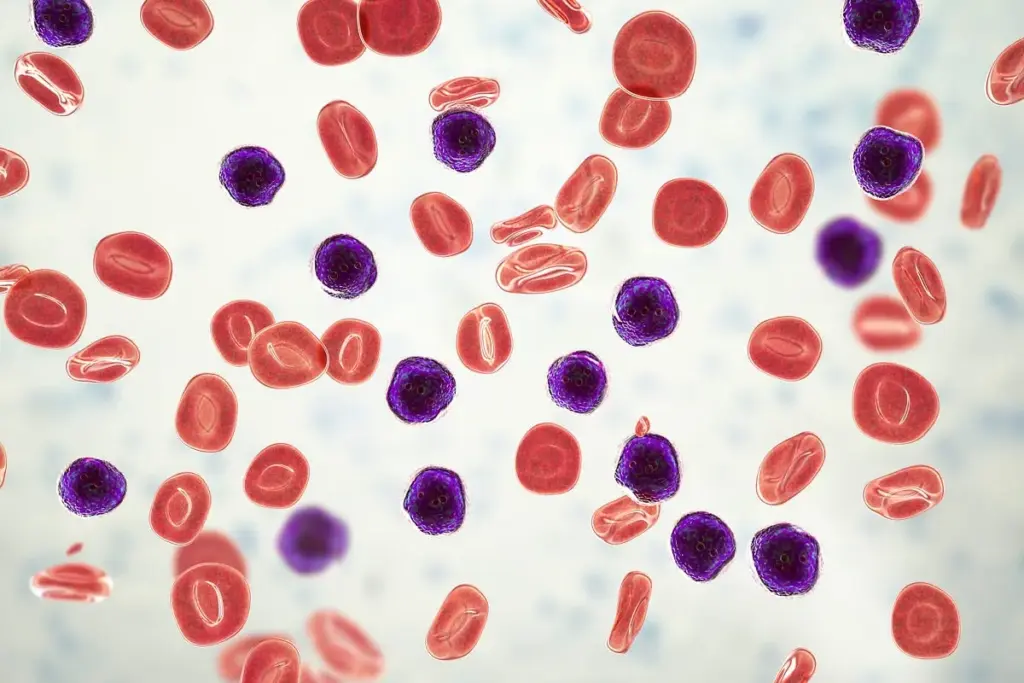
The Complete Blood Count (CBC) is a key tool in hematology. It gives insights into different parts of the blood. This test is essential in medical diagnostics, showing a patient’s health status.
Definition and Purpose of CBC Testing
The CBC is a detailed blood test. It checks red blood cells, white blood cells, and platelets. It helps diagnose and monitor many health issues, like anemia and infections.
By looking at these blood parts, doctors can see how a patient is doing. For example, knowing what hematocrit is in a blood test can help find red blood cell problems.
Historical Development of CBC Testing
The CBC has changed a lot over time. At first, counting blood cells was done by hand, which was slow and could be wrong. Then, automated hematology analyzers came, making tests faster and more accurate.
Now, with newer technology, CBC tests can give even more detailed info. A blood doctor or hematologist can use these results to make a diagnosis or suggest more tests.
The CBC’s growth shows how hematology has advanced. As we learn more about blood diseases, so do our diagnostic tools. Today, the CBC is a vital part of medical care, used by doctors all over the world.
Why CBC is the Most Frequently Performed Hematology Test
The CBC is a key test in healthcare. It helps find many health problems. Doctors use it to understand patient health better.
It checks on different blood cells. This is key for spotting issues like anemia and blood cancers. It’s a big help for blood cancer doctors and oncologists.
Statistical Evidence of CBC Prevalence
Many studies show the CBC is a top test worldwide. It’s almost as common as basic metabolic panels. This shows how useful it is in healthcare.
It’s used a lot in hospitals and clinics. Its results help doctors decide on treatments. It’s also used in regular health checks and screenings.
Versatility in Disease Detection
The CBC can spot many diseases. It looks at different parts of the blood. This helps doctors find problems like anemia and infections.
It also checks on platelets, which is important for bleeding disorders. This makes the CBC very useful for coagulation specialists. It’s a big part of caring for patients.
Components of a Complete Blood Count
Knowing what a CBC includes is key to spotting and treating blood disorders. A CBC checks many parts of the blood. It gives doctors a clear picture of a patient’s health.
Red Blood Cell Measurements
Red blood cell (RBC) tests are a big part of a CBC. They look at RBC count, hemoglobin, and hematocrit. The RBC count shows how many red blood cells are in the blood. Hemoglobin levels tell us how much oxygen-carrying protein is in the RBCs. Hematocrit shows what percent of blood is made up of RBCs.
Any odd results in these tests might mean anemia or polycythemia.
White Blood Cell Analysis
White blood cell (WBC) tests are also important in a CBC. They count the total WBCs and look at each type, like neutrophils and lymphocytes. WBCs help fight off infections. If there’s a problem with their count or type, it could mean an infection, inflammation, or blood cancer like leukemia.
Platelet Count and Function
The platelet count shows how many platelets are in the blood. Platelets help blood clot. If there’s not enough, it can cause bleeding or clotting problems. A CBC also checks the mean platelet volume (MPV). This tells us about the size of platelets and can hint at problems with platelet production or destruction.
In short, a CBC gives a full picture of blood health. It helps doctors find and treat many hematologic diseases and blood disorders. Understanding what a CBC does helps us see why it’s so important in medicine.
Standard Reference Values in CBC Testing
When we look at CBC results, we use standard reference values. These values change based on age and sex. It’s key for doctors to know these to diagnose and treat blood disorders right.
Normal Ranges for Adult Males
For men, CBC values usually fall within certain ranges. Hemoglobin levels are between 13.5 to 17.5 g/dL. Hematocrit ranges from 40.7% to 50.3%, and Red Blood Cell Count is from 4.32 to 5.72 million cells/μL.
White Blood Cell Count is between 3.5 and 10.5 thousand cells/μL. Platelet Count ranges from 150 to 450 thousand/μL.
Normal Ranges for Adult Females
Women’s CBC values are slightly different. Hemoglobin levels are between 12.0 and 16.0 g/dL. Hematocrit ranges from 36.1% to 44.3%, and Red Blood Cell Count is from 3.90 to 5.03 million cells/μL.
WBC Count and Platelet Count ranges are similar to men’s, from 3.5 to 10.5 thousand cells/μL and 150 to 450 thousand/μL, respectively.
Age-Related Variations in CBC Values
CBC values change a lot with age. Newborns and infants have different ranges than adults. It’s important for doctors to consider these age differences to avoid mistakes.
Here’s a table showing standard reference values for different ages and sexes:
|
Component |
Adult Male |
Adult Female |
Newborn |
|---|---|---|---|
|
Hemoglobin (g/dL) |
13.5-17.5 |
12.0-16.0 |
14.5-22.5 |
|
Hematocrit (%) |
40.7-50.3 |
36.1-44.3 |
44-72 |
|
RBC Count (million/μL) |
4.32-5.72 |
3.90-5.03 |
4.1-6.1 |
|
WBC Count (thousand/μL) |
3.5-10.5 |
3.5-10.5 |
9.0-30.0 |
|
Platelet Count (thousand/μL) |
150-450 |
150-450 |
150-450 |
Knowing these standard reference values is key for understanding CBC results. Doctors must consider the patient’s age and sex when looking at CBC components. This helps them provide the right care.
Clinical Applications of CBC Testing
The Complete Blood Count (CBC) is a key tool in healthcare. It gives insights into a patient’s health. It helps find issues that need more attention or treatment.
Diagnosing Anemia and Related Conditions
CBC testing is vital for diagnosing anemia and related conditions. It looks at red blood cells, including hemoglobin and hematocrit. This helps doctors identify different types of anemia.
A hematology specialist or blood disorder expert can use these results to plan treatment. For example, a low mean corpuscular volume (MCV) might show iron deficiency anemia. A high MCV could point to vitamin B12 or folate deficiency.
Identifying Infections and Inflammatory Responses
CBC testing is also key for spotting infections and inflammation. The white blood cell count (WBC) and differential count are important. An elevated WBC count might mean an infection, while a low count could signal a bone marrow issue.
A hematopathologist can analyze these results to find the cause. The CBC can also tell if an infection is bacterial or viral. For example, an increase in neutrophils often means a bacterial infection.
Screening for Leukemia and Other Blood Cancers
CBC testing is also used to screen for leukemia and other blood cancers. Abnormal results, like an unusual WBC count or presence of blasts, suggest further testing. A hematologic oncologist or blood specialist will evaluate these findings.
In summary, the CBC is a vital tool in healthcare. It helps diagnose anemia, infections, and blood cancers. Its results guide further testing and treatment, making expert interpretation by a hematology consultant or specialist essential.
The Hematologist: Expert in Blood Test Interpretation
Hematologists are key in understanding blood tests to spot and treat health issues. They are blood doctors with deep knowledge of blood diseases. Their training helps them grasp the complexities of blood disorders.
Specialized Training and Expertise
Hematologists have specialized knowledge in blood-related conditions. This includes anemia, leukemia, and coagulation disorders. They are experts in reading CBC results, which are vital for understanding a patient’s health.
“A hematologist’s role is more than just reading test results,” says a leading expert. “They connect test results with symptoms and patient history for full care.” This connection is key to creating effective treatment plans.
Correlation of CBC Results with Clinical Symptoms
Linking CBC results with symptoms is complex and requires deep hematology knowledge. Hematologists look at CBC data to spot health issues like infections or blood cancers. They analyze the data to find patterns that show underlying problems.
- They spot abnormal white blood cell counts that might show infection or leukemia.
- They diagnose anemia by looking at red blood cell counts.
- They check platelet counts to see if there are bleeding or clotting issues.
Consultation and Referral Patterns
Hematologists often give advice to other healthcare providers on blood disorders. Their input is critical in creating treatment plans that fit each patient’s needs.
Good consultation and referral patterns help patients get the right care. For example, a primary care doctor might send a patient to a hematologist if CBC results suggest a blood disorder like leukemia or lymphoma.
By working together, healthcare teams can give patients the best care. This leads to better health outcomes for everyone.
Technology and Methods Used in Modern CBC Testing
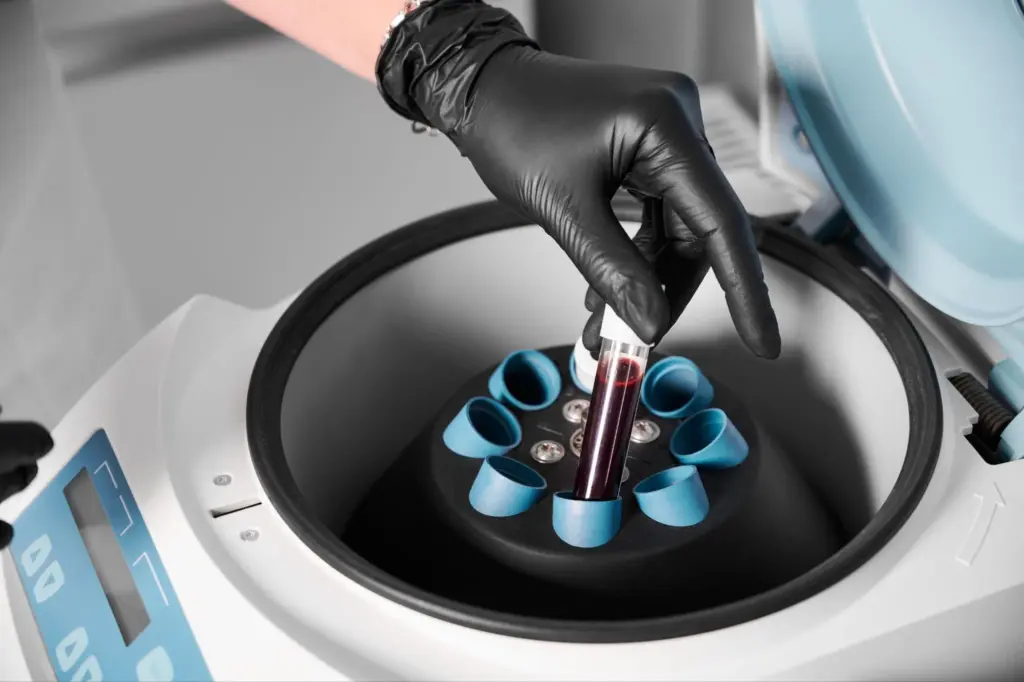
Advanced technologies have changed CBC testing, making it more accurate and efficient. Modern CBC testing uses advanced tools like automated hematology analyzers and flow cytometry. These tools give detailed insights into a patient’s blood.
Automated Hematology Analyzers
Automated hematology analyzers have greatly improved CBC testing. They use advanced methods to quickly and accurately analyze blood. This includes counting red and white blood cells, platelets, and measuring hemoglobin levels.
These analyzers reduce the need for manual work, lowering the chance of mistakes. They also help labs process more samples faster and more accurately.
Flow Cytometry Techniques
Flow cytometry is a key technology in modern CBC testing. It analyzes blood components by passing cells through a flow cytometer. Lasers detect and measure cell characteristics like size and complexity.
Flow cytometry is great for identifying and counting different cell types. It helps diagnose and monitor conditions like infections and immune disorders. It provides detailed information on blood cells.
Digital Microscopy and AI-Assisted Analysis
Digital microscopy and AI-assisted analysis are big steps forward in CBC testing. Digital microscopes take high-resolution images of blood smears. AI then analyzes these images to spot blood cell abnormalities.
This combination improves lab diagnostics. It offers detailed images and data on blood cell shapes. This helps doctors make better decisions for patient care.
Patient Experience and Preparation for CBC Testing
Getting ready for a Complete Blood Count (CBC) test is key to getting good results. It’s normal to feel a bit nervous about blood tests. Knowing what to expect can help a lot.
Pre-Test Instructions and Considerations
Before your CBC test, there are a few things to remember. Following these steps is important for accurate results. Some tests might ask you to not eat beforehand, but it’s not always the case. Also, some medicines can change your test results. Always tell your doctor about any medicines you’re taking.
- Tell your doctor about any medicines or supplements you’re on.
- Follow any fasting instructions given by your doctor.
- Drink plenty of water to make the blood draw easier.
The Blood Collection Process

The blood draw for a CBC is quick and simple. A healthcare professional will clean the area, usually on your elbow, and then use a sterile needle to take a blood sample. Most people don’t feel much pain during this.
- The area is cleaned with an antiseptic.
- A tourniquet is applied to make the veins more accessible.
- The blood sample is collected.
- Pressure is applied to the puncture site to stop any bleeding.
Understanding Your CBC Results
After your CBC test, your doctor will get the results. Understanding these results can help you know more about your health. Your results will show your white and red blood cell counts, hemoglobin, hematocrit, and platelet count. Your doctor will look at these numbers to see how you’re doing overall.
If you need to talk to a hematologist near me or have questions about your CBC results, find a qualified doctor. They can offer the support and advice you need.
Economic Impact of CBC Testing in Healthcare
It’s key to understand how CBC testing affects healthcare budgets. CBC testing is used a lot, which changes how much money healthcare systems spend.
Expenditure on CBC Testing
Medicare spends a lot on CBC testing. This shows how important it is for patient care. A study found CBC tests are among the most covered by Medicare.
The cost of a CBC test can change based on where it’s done. But, it’s seen as a good value. For more info, healthcare folks can check the American College of Clinical Pharmacy’s lab values.
Cost-Effectiveness Analysis
Many studies have looked at CBC testing’s value. They look at how well it works, its effect on patients, and how it uses healthcare resources.
|
Clinical Context |
Cost-Effectiveness |
Outcome |
|---|---|---|
|
Routine Check-ups |
High |
Early detection of abnormalities |
|
Monitoring Chronic Conditions |
Moderate to High |
Effective disease management |
|
Preoperative Screening |
High |
Reduced surgical risks |
Insurance Coverage and Patient Costs
How much insurance covers CBC testing varies. Medicare and many private plans cover it. But, what patients pay can change based on their plan and the doctor’s fees.
Healthcare providers should talk openly about CBC testing costs. They should also help patients understand their insurance. This way, CBC testing stays available to those who need it.
The Global Hematology Diagnostics Market
The global hematology diagnostics market is growing fast. This is because of more healthcare needs and better diagnostic tools. The demand for Complete Blood Count (CBC) tests and new diagnostic equipment is driving this growth.
Current Market Size and Growth Projections
The market is expected to hit $11.25 billion by 2032. It will grow at a 4.9% Compound Annual Growth Rate (CAGR). This shows how much we rely on hematology diagnostics for health checks. Advances in automated analyzers and digital microscopy are key drivers.
- Increasing prevalence of blood-related disorders
- Technological advancements in diagnostic equipment
- Rising demand for CBC testing
- Growing healthcare expenditure globally
Factors Driving Market Expansion
Several factors are boosting the hematology diagnostics market. The rise in blood cancers and anemia is increasing demand. Also, more older people are leading to more age-related diseases, which is fueling growth.
For more detailed information on the hematology diagnostics market, you can visit Consegic Business Intelligence.
Regional Market Distribution
The market is spread out globally, with North America and Europe leading. They have advanced healthcare and quickly adopt new tech. But, the Asia-Pacific region is growing the fastest. This is because of more healthcare spending and better diagnostics.
|
Region |
Current Market Share (%) |
Projected Growth Rate (%) |
|---|---|---|
|
North America |
35 |
4.5 |
|
Europe |
28 |
4.2 |
|
Asia-Pacific |
20 |
5.5 |
CBC Testing in Chronic Disease Management
CBC testing is key in managing chronic diseases. It helps track how diseases progress and how well treatments work. We use it to monitor health and adjust treatment plans.
The Complete Blood Count (CBC) test checks different parts of blood. It looks at red blood cells, white blood cells, and platelets. This gives doctors a clear picture of a patient’s health, helping them make better care decisions.
Monitoring Cancer Treatment Responses
CBC testing is vital for tracking how cancer treatments work. It shows how treatments affect blood cell counts. For example, a drop in white blood cells means a patient might be more at risk for infections.
“The CBC is a key tool in oncology,” says a top oncologist. “It gives us vital info for making treatment choices and managing side effects.”
Surveillance in Autoimmune Disorders
In autoimmune diseases, CBC testing acts as a watchful eye. It helps track how the disease is doing and if treatments are working. For instance, in lupus or rheumatoid arthritis, changes in blood cell counts can show if the disease is active or not.
- CBC testing keeps an eye on white blood cell counts, which can change in autoimmune diseases.
- It shows if there’s anemia or other blood issues.
- Regular CBC tests help doctors adjust treatments as needed.
CBC in Cardiovascular Disease Risk Assessment
CBC testing also helps figure out heart disease risk. Some CBC parts, like the red cell distribution width (RDW), are linked to heart disease risk. By looking at CBC results, doctors can spot patients at higher risk and suggest ways to prevent heart problems.
|
CBC Parameter |
Normal Range |
Cardiovascular Risk Implication |
|---|---|---|
|
RDW |
11.8-14.5% |
Higher RDW values associated with increased cardiovascular risk |
|
Platelet Count |
150,000-450,000/μL |
Abnormal counts may indicate cardiovascular disease risk |
In summary, CBC testing is essential for managing chronic diseases. It offers insights into disease progress and treatment success. By using CBC test info, doctors can give patients more tailored and effective care for chronic conditions.
Quality Control and International Standards in CBC Testing
Quality control and international standards are key in CBC testing. They help keep CBC testing accurate and reliable. This is important for patient care.
Laboratory Accreditation Requirements
Laboratory accreditation is vital. It makes sure hematology labs follow strict standards for CBC tests. Accrediting agencies check things like equipment and staff skills.
The College of American Pathologists (CAP) says accreditation is more than a formality. It shows a lab’s dedication to quality.
“Accreditation is a critical component of a laboratory’s quality management system, ensuring that laboratories meet the highest standards for patient care.” –
CAP Accreditation Program
Proficiency Testing Programs
Proficiency testing (PT) programs are key for CBC quality control. They test samples with known values to check lab performance. Labs join PT programs to check their accuracy and improve.
|
PT Program |
Description |
Frequency |
|---|---|---|
|
CAP PT Program |
Comprehensive PT program for hematology laboratories |
Quarterly |
|
WHO PT Program |
Global PT program for laboratories in resource-limited settings |
Bi-annually |
Standardization Efforts Worldwide
Standardization is vital for comparing CBC results. Labs follow international standards set by groups like ICSH and WHO.
Standardization includes making reference materials and following testing procedures. This ensures CBC results are accurate and consistent worldwide.
In summary, quality control and international standards are critical for CBC testing. By following accreditation, joining PT programs, and adhering to standards, we ensure CBC results are reliable and useful for patient care.
Complementary Tests to CBC in Hematology
There are many tests that help beyond the CBC in diagnosing blood disorders. These tests give extra information that’s key for patient care.
Peripheral Blood Smear Examination
The peripheral blood smear is a key test. It looks at a blood sample under a microscope. This helps spot any odd shapes or sizes of blood cells.
This test is great for finding issues like anemia, infections, and leukemia. It lets doctors see how blood cells look, which helps them understand what’s going on with a patient.
Bone Marrow Aspiration and Biopsy
Bone marrow tests take samples from the bone marrow. These tests are vital for spotting blood disorders like leukemia and lymphoma.
What these tests find out is very important. They help doctors know how serious a blood cancer is and what the future might hold.
Specialized Coagulation Studies
Coagulation studies check how blood clots. These tests are key for finding and treating problems with blood clotting. They help prevent bleeding or clotting issues.
|
Test |
Description |
Clinical Application |
|---|---|---|
|
Peripheral Blood Smear |
Microscopic examination of blood cells |
Diagnosing anemia, infection, and leukemia |
|
Bone Marrow Aspiration/Biopsy |
Sampling of bone marrow for diagnostic purposes |
Diagnosing leukemia, lymphoma, and bone marrow disorders |
|
Coagulation Studies |
Assessment of blood clotting mechanisms |
Diagnosing and managing coagulopathies |
Conclusion
We’ve looked into how CBC testing is key in hematology. It helps doctors diagnose and treat blood disorders. This test gives important health insights, helping doctors make the right choices for patients.
CBC testing is vital for spotting issues like anemia, infections, and blood cancers. It helps healthcare providers give the best care to those with blood disorders. The accuracy of these tests is critical, and new tech has made them more precise.
As we move forward in hematology, CBC testing will keep being a big part of patient care. Keeping up with new CBC testing info helps doctors give top-notch care. This leads to better treatment results for patients with blood disorders.
FAQ
What is a Complete Blood Count (CBC) test?
A CBC is a detailed blood test. It checks red and white blood cells and platelets. It helps doctors understand a patient’s health.
Why is CBC testing important in diagnosing blood disorders?
CBC testing is key for spotting issues like anemia, infections, and leukemia. It’s a vital part of medical diagnosis.
What are the components of a CBC test?
A CBC test looks at red blood cells, white blood cells, and platelets. It gives insights into blood disorders.
How has CBC testing evolved over time?
CBC testing has changed a lot. It used to be done manually. Now, it uses modern analyzers for better accuracy and speed.
What is the role of a hematologist in interpreting CBC results?
Hematologists are experts in blood disorders. They use their knowledge to link CBC results with symptoms.
What are the standard reference values for CBC components?
CBC values change with age and sex. Knowing these values helps doctors understand CBC results correctly.
How is CBC testing used in chronic disease management?
CBC testing helps track cancer treatment, monitor autoimmune disorders, and assess cardiovascular disease risk.
What is the economic impact of CBC testing in healthcare?
CBC testing affects healthcare costs. Medicare and insurance coverage vary by region and patient costs.
What are the complementary tests to CBC in hematology?
Tests like peripheral blood smears, bone marrow biopsies, and coagulation studies complement CBC.
How can patients prepare for CBC testing?
Patients should follow pre-test instructions. They should know about the blood collection process and what to expect during the test.
What is the significance of quality control in CBC testing?
Quality control is vital for CBC testing. It ensures accurate results. Laboratories follow global standards and participate in testing programs.
What is the global hematology diagnostics market like?
The global hematology diagnostics market is growing fast. This is due to more demand for CBC testing and new diagnostic technologies.
References
- Consegic Business Intelligence. (n.d.). Hematology Diagnostics Market. Retrieved from https://www.consegicbusinessintelligence.com/hematology-diagnostics-market
- Healthline. (n.d.). Blood Tests. Retrieved from https://www.healthline.com/health/blood-tests
- PMC. (2024). Analysis of common laboratory tests ordered in US hospitals. Retrieved from https://pmc.ncbi.nlm.nih.gov/articles/PMC12142446/
- American College of Clinical Pharmacy. (n.d.). Laboratory Values Table. Retrieved from https://www.accp.com/docs/sap/Lab_Values_Table_PSAP.pdf
- American Journal of Clinical Pathology. (2019). Reference intervals for hematology tests. Retrieved from https://academic.oup.com/ajcp/article/151/5/446/5237639