
Did you know that blood disorders affect millions of people worldwide? Some conditions can be life-threatening if not treated quickly. Accurate diagnosis is key in hematology. It involves many medical experts and advanced tests to manage blood-related issues well.
A precise diagnosis is vital, and it usually involves collaboration among specialists to identify and manage blood disorders. We use the latest technology and focus on the patient’s needs.
Key Takeaways
- Multiple medical professionals are involved in diagnosing blood disorders.
- Advanced tests are critical for accurate hematology diagnosis.
- A patient-centered approach is essential for effective treatment.
- Timely diagnosis greatly improves patient outcomes.
- Our institution is dedicated to providing top-notch care.
Understanding Hematology and Blood Disorders
Blood disorders are a big deal in today’s medicine. Hematology is the study and treatment of these issues. It helps manage blood-related problems, which can really affect a person’s life.
What is Hematology?
Hematology is a special part of medicine that looks at blood and its problems. It deals with finding and treating issues with blood cells. Doctors in this field help with problems like anemia, bleeding issues, and blood cancers.
Common Blood Disorders and Conditions
Hematologists work on many blood disorders. These include:
- Anemia, where there’s not enough red blood cells or hemoglobin.
- Bleeding disorders, like hemophilia, which make it hard for blood to clot.
- Blood cancers, like leukemia and lymphoma.
- Clotting disorders, which can cause dangerous blood clots.
The Importance of Proper Diagnosis
Getting the right diagnosis is key in hematology. It affects how a patient is treated and their chances of getting better. Doctors use medical history, physical checks, and tests like blood counts and bone marrow biopsies. A correct diagnosis means better treatment and a better life for patients.
The Role of Hematologists in Diagnosis
Hematologists are key in diagnosing and treating blood disorders. They use their deep knowledge to make accurate diagnoses. These doctors specialize in blood, bone marrow, and lymphatic system issues.
Who is a Hematologist?
A hematologist is a doctor who focuses on blood disorders. They are experts in reading lab results and creating treatment plans. They help patients with various blood-related problems.
These specialists deal with issues like anemia, bleeding disorders, and blood cancers. They are trained to handle complex conditions.
Hematologist Education and Training
Becoming a hematologist requires a lot of education and training. Doctors start with medical school, then do residency in internal medicine or pediatrics. They also complete fellowship programs in hematology.
Key aspects of a hematologist’s education and training include:
- Completion of medical school to earn an MD or DO degree
- Residency training in internal medicine or pediatrics
- Fellowship training in hematology or hematology-oncology
- Board certification in hematology or hematology-oncology
- Ongoing continuing education to stay updated on the latest diagnostic and treatment advancements
Specializations Within Hematology
Hematology has many specializations. Some hematologists focus on certain blood disorders. Others work with specific patient groups.
Common specializations within hematology include:
- Hematologic malignancies (e.g., leukemia, lymphoma, multiple myeloma)
- Bleeding and clotting disorders (e.g., hemophilia, thrombosis)
- Anemia and other red blood cell disorders
- Pediatric hematology, focusing on blood disorders in children
Understanding hematologists’ role helps patients see the specialized care they get. It shows the detailed work in diagnosing and treating blood disorders.
Primary Care Physicians and Initial Blood Disorder Detection
Primary care physicians are key in spotting blood disorders early. They often notice a blood issue first, based on symptoms and test results.
When Your PCP Suspects a Blood Disorder
When a primary care doctor thinks of a blood disorder, they start with a detailed medical history and physical check. They look for signs like unusual fatigue, pale skin, or unexplained bruising. These could mean a blood problem.
Common Blood Tests Ordered by Primary Care Doctors
Primary care doctors order blood tests to find any issues. These tests include:
- A Complete Blood Count (CBC) to check for odd levels of red or white blood cells or platelets.
- Blood smear analysis to look at blood cell shapes.
- Basic metabolic panels to check overall health and find various conditions.
These tests help doctors figure out if symptoms point to a blood disorder. They also decide if more tests are needed.
The Referral Process to Specialists
If tests show a blood disorder, the doctor will send the patient to a hematologist. A hematologist specializes in blood disorders. The process involves:
- Scheduling a visit with a hematologist.
- Sharing the patient’s medical history and first test results with the hematologist.
- Talking about why the referral was made and any worries the patient has.
This teamwork makes sure patients get the best care for their blood issues.
The Complete Hematology Diagnosis Process
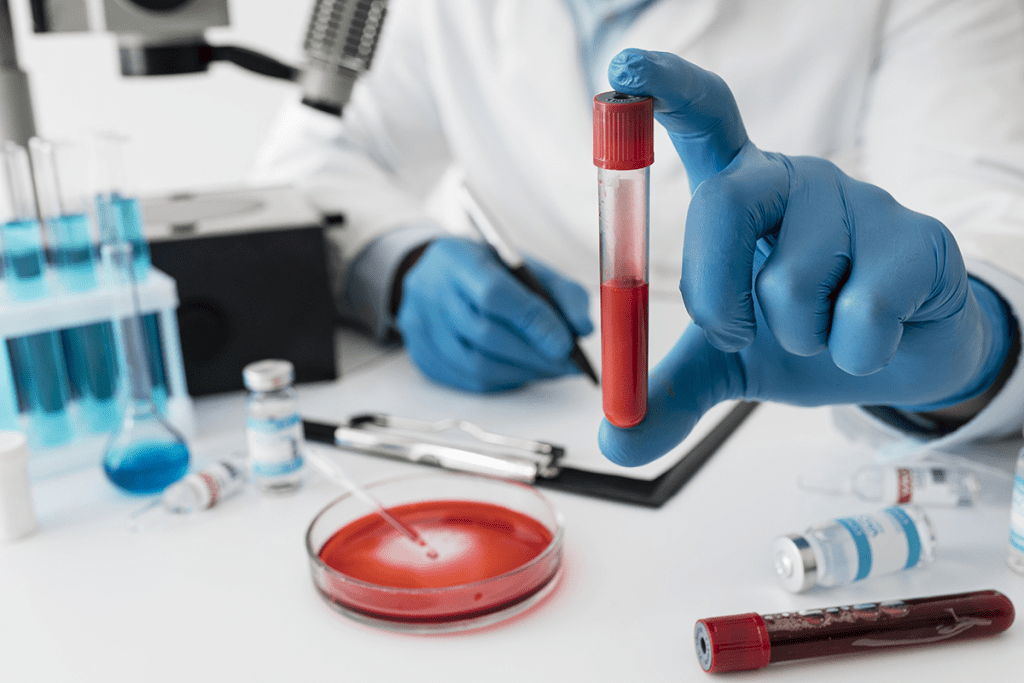
Diagnosing blood disorders is a detailed process. It starts with initial consultations, physical exams, and advanced tests. Accurate diagnosis is key for effective treatment and care.
Initial Consultation and Medical History
The first step is an initial consultation. We collect a detailed medical history here. This helps us understand the patient’s symptoms, family history, and past medical conditions.
We also look at the patient’s overall health and lifestyle. This includes their environment and past treatments.
Physical Examination for Blood Disorders
A thorough physical exam is done to find signs of blood disorders. We look for signs like pale skin, yellowing of the skin and eyes, or swollen lymph nodes.
We also check for signs of bleeding or bruising. These signs can point to certain blood disorders. The physical exam, along with the medical history, helps us choose the right tests.
Diagnostic Testing Protocol
Diagnostic testing is a key part of diagnosing blood disorders. We use a variety of tests, from basic blood counts to bone marrow biopsies. The tests depend on the suspected condition.
We tailor our testing to each patient’s needs. This ensures we get all the information needed for an accurate diagnosis.
Differential Diagnosis in Hematology
Differential diagnosis is about figuring out which condition is causing a patient’s symptoms. In hematology, this is tricky because symptoms can overlap between different disorders.
We use clinical judgment, lab results, and advanced techniques to narrow down the causes. This helps us make a definitive diagnosis.
| Diagnostic Step | Purpose | Examples of Tests or Procedures |
| Initial Consultation | Gather medical history and assess symptoms | Patient interview, questionnaire |
| Physical Examination | Look for signs of blood disorders | Visual inspection, palpation |
| Diagnostic Testing | Confirm diagnosis, assess condition severity | CBC, blood smear, bone marrow biopsy |
| Differential Diagnosis | Distinguish between possible conditions | Comparative analysis of test results |
Essential Laboratory Tests for Hematology Diagnosis
Laboratory tests are key in diagnosing blood-related conditions. They help us see what’s in the blood and find any problems. We’ll talk about the main tests used in hematology diagnosis.
Complete Blood Count (CBC) and Its Components
A Complete Blood Count (CBC) is a common test in hematology. It shows the makeup of blood, like red and white cells, and platelets. It checks levels of hemoglobin, hematocrit, and more.
For example, low hemoglobin can mean anemia. High white blood cells might show infection or leukemia. The CBC is a first step in finding what’s wrong.
Blood Smear Analysis
Blood smear analysis is a key test in hematology. It looks at blood under a microscope to find cell problems. It can spot issues like malaria or sickle cell disease.
For sickle cell, red cells look crescent-shaped. Infections can change white cells seen on a smear.
Coagulation Studies
Coagulation studies check if blood can clot right. They’re important for diagnosing bleeding disorders. Tests like PT and aPTT are used.
Abnormal results show clotting issues. They help find what’s wrong with clotting factors.
Specialized Blood Chemistry Tests
Specialized blood chemistry tests help diagnose specific conditions. They check for things like iron and vitamin B12 levels. These are key for making healthy red blood cells.
Iron deficiency anemia is found by testing serum iron and ferritin. Vitamin B12 or folate deficiencies are also tested. This helps figure out the right treatment.
Advanced Diagnostic Procedures in Hematology
In hematology, new diagnostic methods are key for accurate diagnosis and treatment planning. As we learn more about blood disorders, advanced tools become more critical.
Bone Marrow Biopsy and Aspiration
A bone marrow biopsy and aspiration are vital for diagnosing blood disorders. Bone marrow biopsy removes a small bone marrow sample for examination. It helps find issues like leukemia and lymphoma.
The detailed analysis of bone marrow guides treatment choices. It shows the root cause of blood disorders.
Bone marrow aspiration takes a liquid sample for blood cell analysis. Together, these procedures offer a full view of bone marrow health.
Flow Cytometry
Flow cytometry analyzes cells in a fluid. It’s key in diagnosing and tracking blood cancers. It looks at cell surface proteins and structures.
This method is vital for spotting abnormal cells in leukemia and lymphoma. It analyzes cell characteristics in detail, making it a powerful diagnostic tool.
Cytogenetic Testing
Cytogenetic testing examines chromosomes in cells. It finds genetic issues in blood disorders. It spots changes like translocations and deletions.
This testing is key for understanding a patient’s genetic condition. It informs treatment choices and predicts outcomes.
Molecular Diagnostic Techniques
Molecular diagnostic techniques analyze DNA or RNA for genetic mutations. Methods like PCR and NGS detect specific genetic changes.
These methods are very sensitive. They help track treatment success and catch relapse early. They enable personalized treatment plans based on a patient’s genetic profile.
Diagnosing Specific Blood Disorders
Diagnosing blood disorders is a detailed process. It involves many tests and evaluations. Getting the right diagnosis is key for effective treatment. Each condition needs a specific approach.
Anemia Diagnosis
Anemia diagnosis starts with a clinical check-up and lab tests. A Complete Blood Count (CBC) is the first step. It shows hemoglobin levels, red blood cell count, and more.
More tests like reticulocyte count, iron studies, and bone marrow exams help find the cause of anemia.
Platelet Disorder Diagnosis
Platelet disorders, like thrombocytopenia or thrombocytosis, are found through platelet count tests. A CBC can show if platelet levels are off, leading to more tests.
Tests like bleeding time and platelet function assays check how well platelets work and if there’s a risk of bleeding.
White Blood Cell Disorder Diagnosis
Diagnosing white blood cell disorders, like leukopenia or leukemia, involves a CBC and differential count. If results are abnormal, more tests like flow cytometry or bone marrow biopsy might be needed to find the exact condition.
Clotting and Bleeding Disorder Diagnosis
Clotting and bleeding disorders, such as hemophilia or von Willebrand disease, are diagnosed with coagulation studies. Tests include prothrombin time (PT), activated partial thromboplastin time (aPTT), and specific factor assays.
| Disorder | Primary Diagnostic Tests | Additional Tests |
| Anemia | CBC, Reticulocyte Count | Iron Studies, Bone Marrow Examination |
| Platelet Disorders | Platelet Count | Bleeding Time, Platelet Function Assays |
| White Blood Cell Disorders | CBC, Differential Count | Flow Cytometry, Bone Marrow Biopsy |
| Clotting and Bleeding Disorders | PT, aPTT | Specific Factor Assays |
Hematologic Cancer Diagnosis
Diagnosing blood cancers is a detailed process. It includes clinical checks, lab tests, and imaging. Cancers like leukemia, lymphoma, and multiple myeloma need accurate diagnosis and staging. This helps find the best treatment.
Leukemia Diagnosis Process
Leukemia diagnosis starts with a complete blood count (CBC) test. This test shows if there are abnormal white blood cells. Bone marrow biopsy and flow cytometry are then used to confirm the diagnosis and type of leukemia.
Key diagnostic tests for leukemia include:
- Bone marrow aspiration and biopsy
- Flow cytometry
- Cytogenetic analysis
- Molecular diagnostic tests
Lymphoma Detection and Diagnosis
Lymphoma diagnosis uses imaging like CT scans and PET scans, along with lymph node biopsies. The diagnosis is confirmed by examining the biopsy specimen.
Accurate staging of lymphoma is key for the best treatment plan.
Multiple Myeloma Diagnosis
Diagnosing multiple myeloma involves clinical findings, lab tests, and imaging. It’s diagnosed by monoclonal protein in blood or urine, bone marrow plasma cell percentage, and end-organ damage signs.
The Role of Staging in Blood Cancer Diagnosis
Staging is vital in blood cancer diagnosis. It shows how far the disease has spread and guides treatment. Different cancers use different staging systems, like the Ann Arbor for lymphoma and Rai or Binet for chronic lymphocytic leukemia.
Knowing the stage of blood cancer is important for:
- Determining prognosis
- Guiding treatment decisions
- Facilitating communication between healthcare providers
Hematologist vs. Oncologist: Understanding the Difference
Hematologists and oncologists are key in treating blood cancers and disorders. They have different areas of focus. Knowing their roles helps patients get the right care.
When You Need a Hematologist
A hematologist deals with blood disorders and diseases. You might see one for anemia, bleeding issues, or blood clotting problems. They also manage blood cancers like leukemia and lymphoma.
Here are some reasons to see a hematologist:
- Unexplained anemia or low blood cell counts
- Bleeding or clotting disorders
- Blood cancers or suspicious blood test results
- Inherited blood disorders, such as sickle cell disease or hemophilia
When You Need an Oncologist
An oncologist focuses on cancer treatment. They handle various cancers, not just blood-related ones. If you have cancer or suspect you might, see an oncologist.
Oncologists do:
- Diagnosing and staging cancer
- Developing treatment plans, including chemotherapy, radiation therapy, and immunotherapy
- Managing cancer symptoms and side effects
- Providing follow-up care and surveillance
Hematologist-Oncologists and Their Role
Hematologists and oncologists often team up for blood cancer care. Some doctors are trained in both fields, known as hematologist-oncologists. They can handle blood cancers and other cancers.
Hematologist-oncologists do:
- Diagnosing and treating blood cancers and disorders
- Conducting research to improve treatment options
- Providing complete care for cancer and overall health
Knowing the roles of hematologists and oncologists helps patients get the right care. It makes their healthcare journey smoother.
Pediatric Hematology Diagnosis
Diagnosing blood disorders in kids is different from adults. Kids’ bodies are growing, and they are not like adults. This makes pediatric hematology a special field.
Specialized Approach to Children’s Blood Disorders
Pediatric hematologists focus on kids’ blood disorders. Children are not small adults; their bodies react differently to sickness and treatment. For example, blood cell count ranges change a lot with age in kids. A specialized approach is key for correct diagnosis and treatment.
Diagnosing Sickle Cell Disease and Other Inherited Disorders
Sickle cell disease is a common inherited blood disorder in kids. Sickle cell disease diagnosis uses clinical checks, family history, and lab tests like hemoglobin electrophoresis and genetic testing. Other inherited disorders, like thalassemia and hemophilia, also need precise diagnosis with special tests.
Pediatric Hematologists and Their Training
Pediatric hematologists get a lot of training. They do a pediatric residency and then more years in pediatric hematology/oncology. This rigorous training prepares them to handle complex cases and care for young patients.
Important parts of pediatric hematology diagnosis include:
- Knowing age-specific blood cell count ranges
- Understanding how blood disorders show up differently in kids
- Using special tests, like genetic testing, for inherited disorders
- Offering care and support that focuses on the family
Rare Blood Disorders and Their Diagnosis
Finding out what rare blood disorders are can be tough. It takes a mix of doctor’s checks, lab tests, and looking at genes. These rare conditions are hard to spot because they don’t always show clear signs.
Diagnostic Challenges in Rare Hematologic Conditions
Spotting rare blood issues needs a keen eye and knowing the patient’s health history well. Some big hurdles include:
- Signs that could mean many things, not just one disease
- Not many tests are made for these rare cases
- Understanding complex lab results is hard
Specialized Testing for Uncommon Blood Disorders
Special tests are key for finding rare blood problems. Advanced methods like flow cytometry and genetic tests help doctors get to the bottom of these issues.
The Role of Genetic Testing in Rare Disease Diagnosis
Genetic tests have changed how we find rare blood disorders. They help doctors spot specific genetic changes that were hard to find before. Genetic testing offers:
- Exact diagnosis of genetic diseases
- Help in choosing the right treatment
- Opportunities for family screening and advice
In summary, finding rare blood disorders needs a team effort. It involves doctors’ skills, special tests, and genetic checks. With the right tools, doctors can better diagnose and treat these complex conditions.
Finding a Hematology Diagnosis Specialist Near You
Starting your journey with blood disorders means finding a skilled hematologist. Hematologists are doctors who focus on blood diseases. They help with conditions like anemia, clotting disorders, and leukemia.
How to Find a Qualified Hematologist
Looking for a hematologist takes a few steps. First, ask your primary care doctor for a referral. They often know good specialists. Also, check with your insurance for in-network doctors. The American Society of Hematology’s (ASH) doctor finder is a great resource.
When searching online, use terms like “hematology specialist near me.” Read patient reviews and check the doctor’s credentials. Look for education, training, and board certification.
Questions to Ask When Choosing a Specialist
After finding hematologists, ask important questions. This ensures you choose the right one for you. Key questions include:
- What experience do you have with my condition?
- What tests and treatments do you suggest, and why?
- How will we track my condition and adjust treatment?
- Are there new treatments or clinical trials for my condition?
Insurance Considerations and Cost of Hematology Care
It’s vital to understand the cost of hematology care and insurance coverage. Costs vary from tests to ongoing treatment. Talk to your insurance to know what’s covered and what you’ll pay out-of-pocket.
| Service | Average Cost | Insurance Coverage |
| Initial Consultation | $200-$500 | Partially covered |
| Complete Blood Count (CBC) | $50-$150 | Fully covered |
| Bone Marrow Biopsy | $1,000-$3,000 | Partially covered |
Preparing for Your First Hematology Appointment
Be ready for your first appointment with a hematologist. Bring medical records and a list of medications. Write down your symptoms and questions. This helps for a productive meeting and effective care.
The Patient Journey Through Hematology Diagnosis
Starting a journey to find out if you have a blood disorder can be scary. We get it. You might feel worried and unsure. But we’re here to help you understand every step of the way.
From Symptoms to Specialist Referral
It often starts with symptoms like feeling tired or weak. Or maybe you notice bleeding or bruising without any reason. Your doctor will first check these signs and might do some tests to see if you need to see a hematologist.
When you talk to your doctor, they’ll ask about your symptoms and health history. They might then do blood tests to look for any problems with your blood cells or how they clot.
What to Expect During the Diagnostic Process
After seeing a hematologist, you’ll go through a detailed check-up. They’ll look at your health history, talk about your symptoms, and do a physical exam.
Then, there are tests to find out what’s going on. These tests include:
- Complete Blood Count (CBC): This checks your blood’s different parts, like red and white blood cells and platelets.
- Blood Smear Analysis: It looks at your blood cells to see if there are any odd shapes or sizes.
- Coagulation Studies: These tests see if your blood can clot right.
Based on what these tests show, you might need more tests. These could be a bone marrow biopsy, flow cytometry, or genetic tests to figure out what’s wrong.
Coping with Uncertainty During Diagnosis
Waiting for test results can be really hard. It’s important to know what’s happening and talk openly with your doctors. Knowing about each test can help you feel less unsure.
Having support from loved ones and groups can also help a lot. We encourage you to reach out for help when you need it.
Moving from Diagnosis to Treatment Planning
Once you get a diagnosis, you’ll start talking about treatment options. Your hematologist will explain the good and bad of each choice. You’ll work together to find the best plan for you.
| Diagnosis | Common Treatment Options | Key Considerations |
| Anemia | Iron supplements, Vitamin B12 injections, Blood transfusions | Underlying cause, Severity of symptoms |
| Leukemia | Chemotherapy, Targeted therapy, Stem cell transplant | Type of leukemia, Patient’s overall health |
| Bleeding Disorders | Clotting factor concentrates, Desmopressin | Severity of bleeding episodes, Response to treatment |
We’re here to support you from diagnosis to treatment and beyond. Our team is all about giving you the care you need, both physically and emotionally.
Conclusion: The Future of Hematology Diagnosis
Medical technology and research are changing hematology diagnosis a lot. We’re seeing better accuracy and care for patients. The future is bright, with new tech helping us find and treat blood disorders.
New diagnostic methods like molecular techniques and flow cytometry are changing the game. They help doctors give patients more tailored and effective care. This is a big step forward in treating blood diseases.
We can look forward to even more progress in diagnosing blood disorders. This will lead to better health outcomes and a better life for patients. By keeping up with these advancements, we can give patients the best care for their conditions.
FAQ
What is hematology, and what does it entail?
Hematology is a branch of medicine that focuses on blood disorders and diseases. It covers many conditions, like anemia and blood cancers.
Who diagnoses blood disorders?
Hematologists are doctors who deal with blood disorders. Primary care doctors also help by spotting problems early and referring patients.
What tests are commonly used to diagnose blood disorders?
Tests like Complete Blood Count (CBC) and blood smears are used. Coagulation studies and blood chemistry tests are also common. Sometimes, bone marrow biopsies and flow cytometry are needed.
How is anemia diagnosed?
Anemia is diagnosed with a CBC to check for low red blood cells. More tests follow to find the cause, like iron or vitamin deficiencies.
What is the role of a hematologist in diagnosing blood cancers?
Hematologists use tests like bone marrow biopsies to diagnose blood cancers. They also use molecular diagnostic techniques.
How do hematologists differ from oncologists?
Hematologists focus on blood disorders, including cancers. Oncologists treat all types of cancer. Hematologist-oncologists handle both, giving full care to patients with blood cancers.
How are rare blood disorders diagnosed?
Rare disorders need special tests, like genetic testing. Hematologists work with others to get an accurate diagnosis.
What should I expect during my first hematology appointment?
Your first visit will include a detailed medical history and physical exam. The doctor may order tests to find the cause of your symptoms.
How can I find a qualified hematologist near me?
Ask your primary care doctor for a referral. Check with your insurance and search online. Make sure to look at their credentials and patient reviews.
What is the importance of proper diagnosis in hematology?
Accurate diagnosis is key. It leads to the right treatment, improving patient outcomes and quality of life.
How are blood disorders diagnosed in children?
Diagnosing blood disorders in kids is similar to adults, with a focus on age-specific issues. Pediatric hematologists are trained to handle children’s cases.
What is differential diagnosis in hematology?
Differential diagnosis is about ruling out possible causes. It uses tests to find the exact condition, ensuring the right treatment.
How do hematologists diagnose clotting and bleeding disorders?
They use coagulation studies like PT and aPTT. They also consider the patient’s history and symptoms.
References
- Salek, S. (2016). Patient-centered research and practice in the era of precision medicine in hematology. Electronic Physician, 8(12), 3375-3380. https://www.ncbi.nlm.nih.gov/pmc/articles/PMC5004457/
- Binaytara Foundation. (2025, August 22). Virginia Hematology Conference: Practical perspectives for patient-centered care. Retrieved from https://education.binaytara.org/content/virginia-hematology-conference-practical-perspectives-patient-centered-care
- Staibano, P. (2017). Usage of patient-centered outcomes in the management of hematologic diseases. Blood, 130(Suppl 1), 5646. https://ashpublications.org/blood/article/130/Supplement%201/5646/115568/Usage-of-Patient-Centered-Outcomes-in-the



 Departments
 Related Videos
 Our Doctors
 News
News