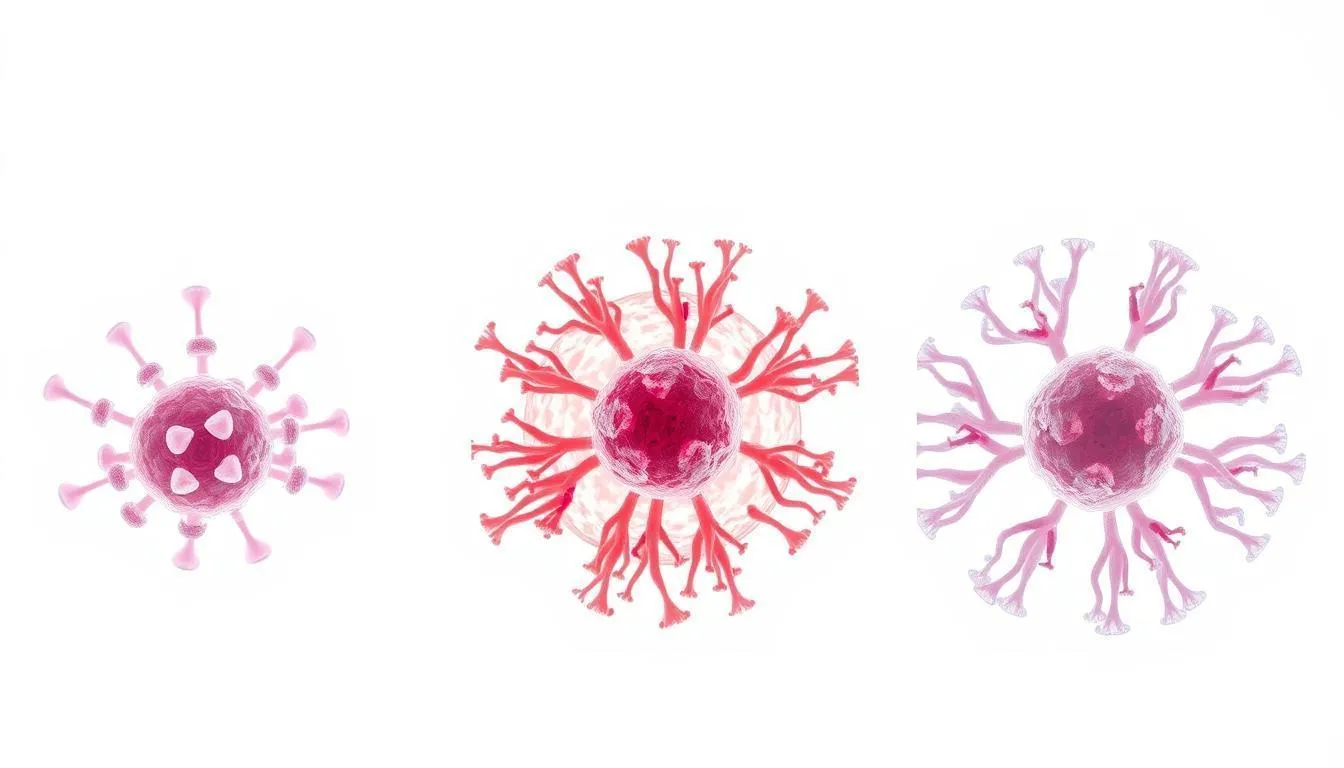
Understand hematopoietic stem cells and hematopoiesis. Learn the difference between these cells and how they form your entire blood system.
Hematopoietic Stem Cells (HSCs) are a special kind of stem cell found in adults. They are key to our immune defense and making blood. Even though people often mix them up, HSCs are unique.
HSCs can self-renew and turn into different blood cells. This makes them very important for treating over 80 diseases. Knowing how they work in hematopoiesis, or making blood cells, helps us see their value in healing.
Key Takeaways
- HSCs are a distinct type of adult stem cell important for blood and immune health.
- They can self-renew and become many types of blood cells.
- HSCs help treat over 80 diseases, including some cancers and blood issues.
- Understanding hematopoiesis is key to seeing HSCs’ healing power.
- HSCs are essential in stem cell therapy and regenerative medicine.
What Are Stem Cells?
Stem cells are special cells that can grow and change into different types of cells. They help the body fix itself by making new cells. These undifferentiated cells are like a repair kit inside us.
Definition and Basic Properties
Stem cells can self-renew and differentiate into many cell types. This makes them key for keeping tissues healthy and fixing them when needed.
The main traits of stem cells are:
- Self-renewal: They can keep their numbers by dividing.
- Potency: They can turn into different cell types, from making a whole organism to just one type.
Different Types of Stem Cells
There are many kinds of stem cells, each with its own role:
- Embryonic Stem Cells: From embryos, these cells can become any cell type in the body.
- Adult Stem Cells: In adult tissues, these cells can turn into a few cell types. Hematopoietic stem cells and mesenchymal stem cells are examples.
- Induced Pluripotent Stem Cells (iPSCs): These are adult cells that have been changed to act like embryonic stem cells.
Knowing about the different stem cells helps us understand their role in health and disease. It also shows their promise in fixing damaged tissues.
Defining Hematopoietic Stem Cells
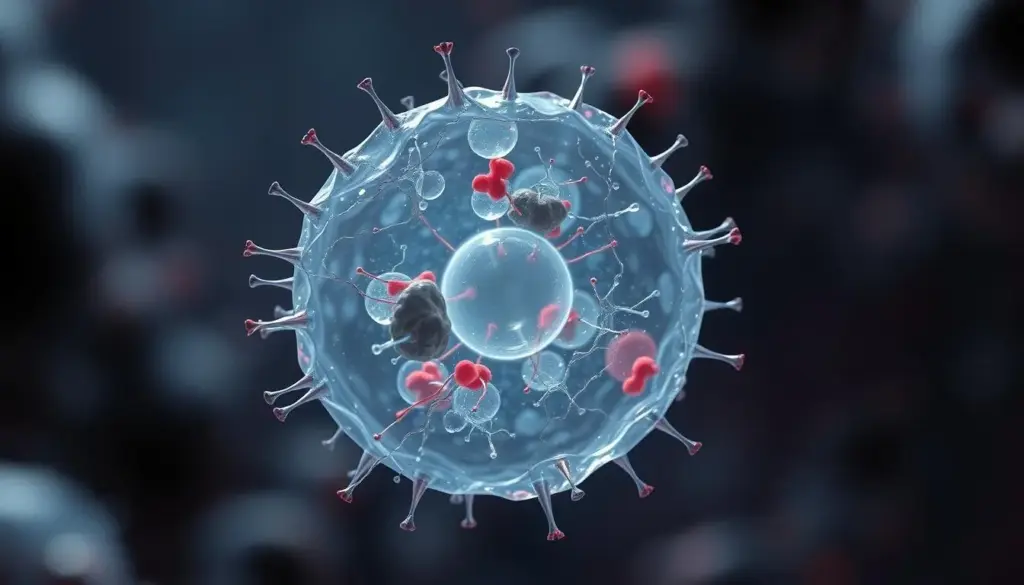
Hematopoietic stem cells (HSCs) are key in making blood cells. They live in the bone marrow. HSCs can make all types of blood cells and can make more of themselves.
Origin and Discovery of HSCs
Scientists found HSCs in the 1950s. They were in the bone marrow and could make new blood cells in mice without blood. HSCs start from the mesoderm in the embryo and go to the bone marrow. There, they stay in special places that help them keep their stem cell abilities.
Studying HSCs has helped us understand how blood cells are made. HSCs can turn into all kinds of blood cells. This is important for keeping the right number of blood cells and a strong immune system.
Unique Characteristics of Hematopoietic Cells
HSCs are special because they can self-renew and make different blood cells. This lets them keep their numbers in the bone marrow. They can also turn into many blood cell types, which is key for the body’s health.
The table below shows what makes HSCs special compared to other stem cells.
|
Characteristics |
Hematopoietic Stem Cells (HSCs) |
Embryonic Stem Cells |
Mesenchymal Stem Cells |
|---|---|---|---|
|
Self-Renewal |
Yes |
Yes |
Limited |
|
Differentiation Ability |
All blood cell types |
All cell types |
Limited to mesenchymal lineages |
|
Primary Location |
Bone Marrow |
Embryo |
Bone Marrow, Fat Tissue |
A famous hematologist said, “HSCs are the heart of the blood system. Studying them has greatly helped us understand blood cell creation and problems.” This shows how vital HSCs are for health and fighting diseases.
HSCs vs. Other Stem Cell Types
Stem cells all have some common traits, but HSCs stand out because of their unique role. They are key in blood cell formation. Knowing how they differ from other stem cells is important.
Comparing HSCs to Embryonic Stem Cells
Embryonic stem cells (ESCs) come from the early embryo. They can turn into any cell type in the body. HSCs, on the other hand, are only able to make blood cells. This shows HSCs are specialized for blood cell creation.
Here are the main differences between HSCs and ESCs:
- Differentiation Ability: ESCs can become any cell, while HSCs are limited to blood cells.
- Cell Lineage: ESCs can form all germ layers, but HSCs only make blood cells.
- Use in Medicine: ESCs have wider uses but raise ethical issues and can cause tumors.
Comparing HSCs to Mesenchymal Stem Cells
Mesenchymal Stem Cells (MSCs) can turn into different cell types, like bone and fat cells.
The main differences between HSCs and MSCs are:
|
Characteristics |
HSCs |
MSCs |
|---|---|---|
|
Differentiation Ability |
Only blood cells |
Can become bone, cartilage, and fat cells |
|
Tissue Origin |
Found mainly in bone marrow |
Found in bone marrow, fat, and umbilical cord |
Comparing HSCs to Non-Hematopoietic Cells
Non-hematopoietic stem cells are found in places like the liver and skin. They help repair and keep their tissues healthy. HSCs, on the other hand, focus on making blood cells.
In summary, HSCs are unique because of their role in making blood cells. Knowing how they differ from other stem cells helps us use them for treatments.
The Biology of Hematopoietic Stem Cells and Hematopoiesis
Hematopoietic stem cells play a key role in hematopoiesis, the process of making all blood cells. This complex process keeps our blood cells constantly being made. It’s vital for our health and survival.
The Process of Blood Cell Formation
Blood cell formation starts with hematopoietic stem cells (HSCs). These cells can turn into any type of blood cell. This is important for keeping our blood cell count right and for fighting off infections.
The journey of HSCs into different blood cells is carefully controlled. They help make red blood cells, white blood cells, and platelets. Each type is essential for carrying oxygen, fighting off germs, and stopping bleeding.
HSC Differentiation Pathways
HSC differentiation pathways are complex. They involve many factors like genes, signals, and environment. It’s important to control these pathways well to make the right blood cells.
When HSCs differentiate, they become specific cells. These cells then mature into fully functional blood cells. Studying how HSCs differentiate helps us understand both healthy blood making and blood diseases.
Where Are HSCs Found in the Body?
It’s important to know where HSCs are found to understand their role in making blood cells.
Bone Marrow as the Primary Source
Bone marrow is the primary site for HSCs. It’s a great place for them to survive and work. Here, HSCs turn into different types of blood cells.
Peripheral Blood and Umbilical Cord Blood Sources
HSCs are also found in peripheral blood and umbilical cord blood. Peripheral blood HSCs move from bone marrow. Umbilical cord blood is a good source collected after birth.
|
Source |
Characteristics |
Clinical Use |
|---|---|---|
|
Bone Marrow |
Primary site for HSCs, rich in stem cells |
Transplantation for blood-related diseases |
|
Peripheral Blood |
HSCs mobilized from bone marrow |
Used for transplantation when bone marrow is not accessible |
|
Umbilical Cord Blood |
Rich source of HSCs, collected post-birth |
Used for transplantation, specially in pediatric cases |
The Remarkable Self-Renewal Capacity of HSCs
HSCs have a special ability to keep their numbers up. This lets them make new blood cells for life. It’s key for the blood system to work right all the time.
Telomerase Activity and Stem Cell Aging
Telomerase is important for HSCs to keep renewing themselves. It keeps the ends of chromosomes safe. But, as HSCs get older, their telomerase activity goes down. This can make it harder for them to renew themselves.
Stem cell aging is complex and influenced by many things. As HSCs age, they might not work as well. They could renew themselves less or die more easily. Finding ways to keep HSCs young is important.
Cellular Mechanisms of Self-Renewal
Many things work together to help HSCs renew themselves. Inside the cell, special factors and pathways help. Outside, the bone marrow microenvironment is key. It gives growth factors and helps with cell interactions.
The bone marrow niche is special. It supports HSCs by giving them what they need. If this doesn’t work right, HSCs might not function well. So, it’s vital to understand how HSCs renew themselves.
HSCs and Blood Cell Production
Blood cell production, or hematopoiesis, is a complex process. It relies heavily on the differentiation and proliferation of HSCs. This process is essential for the continuous supply of blood cells.
These cells include red blood cells, white blood cells, and platelets. They are vital for oxygen transport, immune defense, and blood clotting, respectively.
Red Blood Cell Formation
Red blood cells, or erythrocytes, are produced through erythropoiesis. This involves the differentiation of HSCs into erythroblasts. They then mature into red blood cells.
The production of red blood cells is tightly regulated by the hormone erythropoietin (EPO). The kidneys produce EPO in response to low oxygen levels.
Erythropoiesis is a highly regulated process. It ensures the production of red blood cells with the correct morphology and function. Any disruptions in this process can lead to hematological disorders, such as anemia.
White Blood Cell Development
White blood cells, or leukocytes, play a critical role in the immune system. They defend the body against infections and foreign invaders. The development of white blood cells, known as leukopoiesis, involves the differentiation of HSCs into various types of leukocytes.
“The development of white blood cells is a complex process that involves the coordinated action of multiple cell types and cytokines.” –
A leading hematologist
Platelet Production
Platelets, or thrombocytes, are small, anucleated cells. They play a critical role in blood clotting. The production of platelets, known as thrombopoiesis, involves the differentiation of HSCs into megakaryocytes.
These megakaryocytes then release platelets into the bloodstream.
|
Blood Cell Type |
Function |
Production Process |
|---|---|---|
|
Red Blood Cells |
Oxygen Transport |
Erythropoiesis |
|
White Blood Cells |
Immune Defense |
Leukopoiesis |
|
Platelets |
Blood Clotting |
Thrombopoiesis |
The production of blood cells is a highly regulated and complex process. It is essential for maintaining the body’s overall health. Understanding how HSCs contribute to blood cell production can provide valuable insights into the diagnosis and treatment of hematological disorders.
The Role of HSCs in Immune System Regeneration
Hematopoietic Stem Cells (HSCs) are key in regenerating the immune system. They help the body fight off diseases and infections. Their ability to turn into different immune cells is vital for keeping the immune system balanced.
HSCs and Immune Defense
HSCs are the starting point for all blood cells, including immune cells like T cells, B cells, and dendritic cells. These cells are essential for protecting us from infections and diseases. The process of HSCs turning into immune cells involves many growth factors and cytokines.
HSCs help defend the body by creating cells that fight pathogens. For example, T cells and B cells are key for adaptive immunity. Dendritic cells start the immune response.
The way HSCs turn into immune cells is controlled by many signals and genes. Knowing how this works is important for making treatments that boost the immune system.
Immune Memory and Cellular Awareness
HSCs also help create immune memory. This lets the immune system fight off the same pathogen better the next time. Immune memory is a sign of adaptive immunity and is helped by memory T cells and B cells.
Creating immune memory involves HSC-derived immune cells working with other parts of the immune system. Memory T cells, for example, remember specific pathogens and quickly respond when they see them again.
Learning more about how HSCs help with immune memory and awareness could lead to new ways to improve the immune system.
Hematopoietic Stem Cell Transplantation
Hematopoietic stem cell transplantation is a key treatment for blood cancers and disorders. It moves stem cells from a donor or the patient into the body. This replaces damaged or diseased cells.
Types of Bone Marrow Transplants
There are different bone marrow transplants, each with its own use. The main types are:
- Autologous Transplantation: This uses the patient’s own stem cells. They are collected, stored, and then given back after treatment.
- Allogeneic Transplantation: This uses stem cells from a donor, often a sibling or an unrelated donor with a matching HLA type.
- Syngeneic Transplantation: This is rare and uses stem cells from an identical twin.
|
Transplant Type |
Donor Source |
Primary Use |
|---|---|---|
|
Autologous |
Patient’s own cells |
Multiple myeloma, lymphoma |
|
Allogeneic |
Related or unrelated donor |
Leukemia, aplastic anemia |
|
Syngeneic |
Identical twin |
Rarely used, for specific cases |
The Transplantation Process
The process of hematopoietic stem cell transplantation is complex. It involves several steps:
- Pre-transplant conditioning: The patient gets chemotherapy and/or radiation to kill diseased cells and weaken the immune system.
- Stem cell collection: Stem cells are taken from the donor or patient’s blood or bone marrow.
- Infusion: The collected stem cells are put into the patient’s bloodstream. They go to the bone marrow.
- Engraftment: The infused stem cells start making new blood cells. This takes several weeks.
“Hematopoietic stem cell transplantation represents a significant advancement in the treatment of various hematological disorders, providing hope for cure or long-term remission in patients who were previously considered incurable.”
The success of hematopoietic stem cell transplantation depends on many factors. These include the patient’s health, the disease, and how well the donor and recipient match.
Diseases Treated with HSC Therapy
HSC therapy is a key treatment for many serious diseases. It helps with blood disorders and immune system problems. This therapy has shown great promise in treating these conditions.
Blood Cancers: Leukemia and Lymphoma
Blood cancers like leukemia and lymphoma are treated with HSC therapy. Leukemia causes abnormal white blood cells. HSC therapy can manage this. Lymphoma affects the immune system, and HSC therapy helps restore it.
- Acute Lymphoblastic Leukemia (ALL): A fast-growing leukemia that needs quick treatment.
- Acute Myeloid Leukemia (AML): A fast-growing leukemia that needs immediate treatment.
- Non-Hodgkin Lymphoma: A cancer of the lymphatic system that can be treated with HSC therapy.
- Hodgkin Lymphoma: Another form of lymphoma that may benefit from HSC transplantation.
Hematopoietic Disorders: Sickle Cell Anemia and Thalassemia
HSC therapy also treats disorders like sickle cell anemia and thalassemia. These genetic disorders affect hemoglobin production. HSC therapy can replace faulty stem cells, potentially curing these conditions.
Immune Deficiencies and Other Conditions
HSC therapy is also explored for immune deficiencies and other conditions. These include:
- Severe Combined Immunodeficiency (SCID): A condition where the immune system is severely impaired.
- Aplastic Anemia: A condition where the bone marrow fails to produce blood cells.
- Myelodysplastic Syndromes: Disorders caused by poorly formed or dysfunctional blood cells.
HSC therapy’s ability to treat many diseases makes it vital in medicine. As research improves, HSC therapy’s uses will likely grow. This offers hope to those with previously untreatable conditions.
Challenges in HSC Transplantation
HSC transplantation has great promise but faces many hurdles. Finding a matching donor and dealing with complications after the transplant are key challenges. These steps are complex and can affect how well a patient does.
Finding Compatible Donors
Finding a donor who matches well is a big challenge. The transplant’s success depends a lot on how well the donor and recipient’s HLA match. If there’s a mismatch, it can lead to serious problems like graft rejection and GVHD.
It’s harder to find a match for people from different ethnic backgrounds. This has led to efforts to grow donor registries and make finding donors easier.
Graft-versus-Host Disease
Graft-versus-host disease is a big problem after HSC transplantation. It happens when the donor’s immune cells attack the recipient’s body. GVHD can be acute or chronic, with acute happening early and chronic later.
Managing GVHD is tough. It requires watching the patient closely and using drugs to suppress the immune system. The risk of GVHD is a big factor in deciding to do an HSC transplant. Researchers are working hard to find ways to lower this risk.
Infection Risks and Recovery Challenges
Patients getting HSC transplants are at high risk for infections. This is because the treatments used to prepare them weaken their immune system. Infections can be a big cause of sickness and death in these patients.
To reduce infection risk, patients are often kept in clean environments. They also get antibiotics to prevent infections. Even with these steps, infections are a big challenge, and recovery can take a long time.
|
Challenge |
Description |
Management Strategies |
|---|---|---|
|
Finding Compatible Donors |
Difficulty in identifying a donor with a suitable HLA match, particularlly for patients from diverse ethnic backgrounds. |
Expanding donor registries, improving donor search processes. |
|
Graft-versus-Host Disease |
Immune reaction of donor cells against recipient tissues, potentially causing severe complications. |
Immunosuppressive therapy, careful monitoring. |
|
Infection Risks |
Heightened susceptibility to infections due to immunosuppression. |
Prophylactic antimicrobial therapy, sterile environment. |
The challenges in HSC transplantation highlight the need for more research and progress. By tackling these issues, we can make HSC transplantation safer and more effective for patients.
Advances in HSC Research and Regenerative Medicine
Recent breakthroughs in hematopoietic stem cell (HSC) research have opened new avenues for regenerative medicine. The field is rapidly evolving, with significant advancements in understanding HSC biology and its applications.
Ex Vivo Expansion of HSCs is a critical area of research, enabling the growth of HSCs outside the body. This technique has the power to increase HSC numbers for transplantation, improving treatment outcomes.
Ex Vivo Expansion of HSCs
Ex vivo expansion involves culturing HSCs in a controlled environment to increase their numbers. This process is key for generating enough cells for therapeutic use.
Improved culture conditions
- Identification of novel growth factors
- Enhanced understanding of HSC biology
Gene Therapy Applications with HSCs
Gene therapy using HSCs is another promising area, with the goal of treating genetic disorders. By modifying HSCs genetically, researchers aim to correct inherited conditions affecting the hematopoietic system.
The key benefits of gene therapy with HSCs include:
- Potential cure for genetic diseases
- Long-term therapeutic effects
- Minimally invasive treatment options
These advances in HSC research are poised to revolutionize the field of regenerative medicine, bringing new therapeutic options for patients. As research continues to progress, we can expect to see significant improvements in treatment outcomes and patient care.
The Impact of Stem Cell Aging on Hematopoiesis
Aging affects HSCs in complex ways, impacting blood cell creation. As we get older, our hematopoietic stem cells change. This affects how our body makes new blood cells.
Age-Related Changes in HSC Function
Aging HSCs change how they work. They can’t renew themselves as well and don’t differentiate as they should. Studies show that older HSCs make more myeloid cells, which can harm the immune system.
Telomerase activity also drops with age. This shortens telomeres, making HSCs stop working or die. This hurts blood cell creation.
Implications for Hematological Disorders
Changes in HSCs with age lead to health issues. Older HSCs increase the risk of anemia, myelodysplastic syndromes, and leukemia.
“Aging is a major risk factor for hematological malignancies, and understanding the mechanisms underlying HSC aging is critical for developing effective therapeutic strategies.”
Studying stem cell aging is key to finding new treatments. It could help in regenerative medicine and treating blood disorders.
HSC Collection and Processing Methods
Collecting HSCs uses different techniques like bone marrow harvesting and peripheral blood stem cell collection. These methods are key for getting HSCs for medical uses, such as transplants and regenerative medicine.
Bone Marrow Harvesting
Bone marrow harvesting is a traditional way to get HSCs. It involves taking bone marrow from the donor’s hip bone, usually under anesthesia. The marrow is then processed to find HSCs for transplant use.
Key steps in bone marrow harvesting:
- Preparation of the donor through medical evaluation
- Administration of anesthesia to minimize discomfort
- Extraction of bone marrow from the hip bone
- Processing of the harvested marrow to isolate HSCs
Peripheral Blood Stem Cell Collection
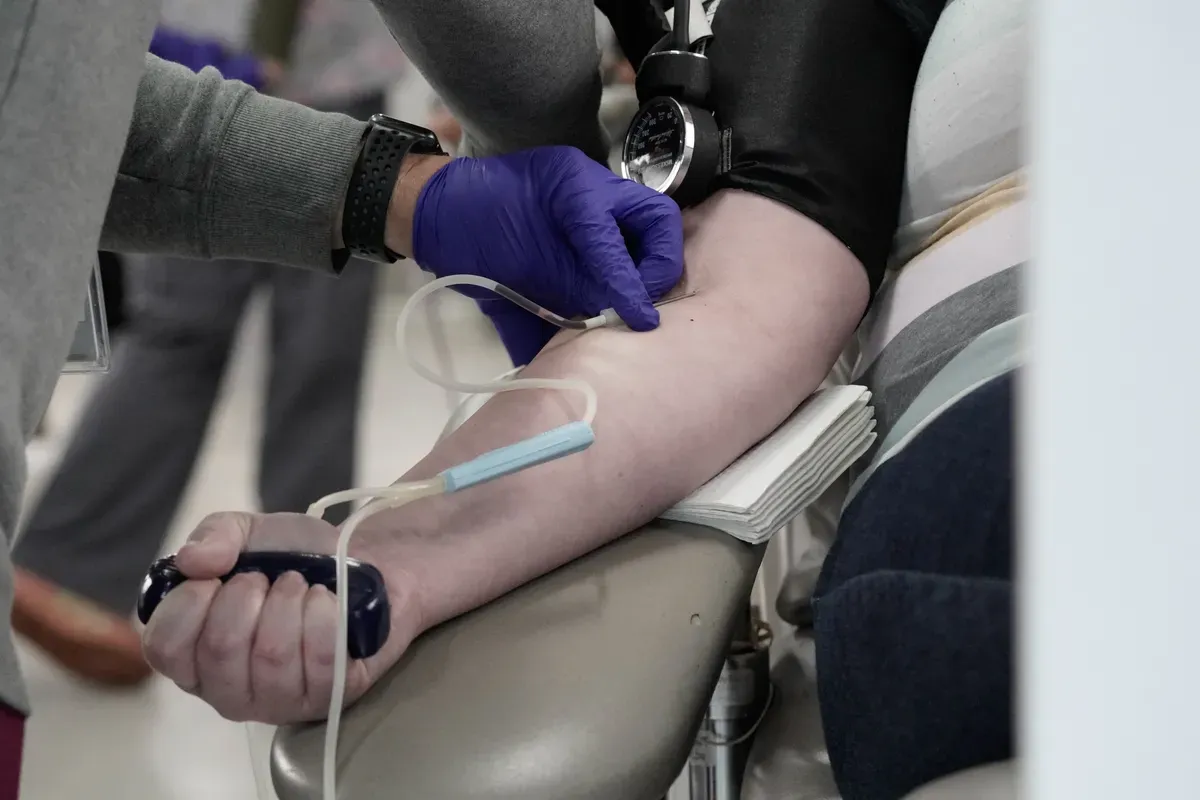
Peripheral blood stem cell collection is another way to get HSCs. It uses growth factors to move HSCs from the bone marrow into the blood. Then, apheresis collects these stem cells.
Advantages of peripheral blood stem cell collection:
- Less invasive compared to bone marrow harvesting
- Faster recovery time for donors
- Ability to collect a large number of HSCs
Cord Blood Banking
Cord blood banking collects HSCs from umbilical cord blood after birth. It’s a rich source for HSCs, useful for transplants and research.
Benefits of cord blood banking:
- Non-invasive collection process
- Potential for use in regenerative medicine and transplantation
- Availability of stored cord blood for future medical needs
The table below shows the main differences between HSC collection methods:
|
Collection Method |
Invasiveness |
Recovery Time |
HSC Yield |
|---|---|---|---|
|
Bone Marrow Harvesting |
Moderately invasive |
Several weeks |
Variable |
|
Peripheral Blood Stem Cell Collection |
Less invasive |
Faster |
High |
|
Cord Blood Banking |
Non-invasive |
N/A |
Variable |
Quality Standards in HSC Therapy: Liv Hospital’s Approach
HSC therapy’s success depends on quality standards. It uses stem cells to make blood cells. Handling these cells carefully is key for safety and success.
Evidence-Based Protocols for Stem Cell Research
Liv Hospital follows international standards and evidence-based protocols for HSC therapy. They test and validate stem cell products for safety and effectiveness. This approach reduces risks and increases benefits for patients.
These protocols cover donor selection, cell processing, and post-transplant care. They are based on the latest research and clinical trials. This ensures patients get the safest and most effective treatment.
Key Components of Evidence-Based Protocols:
- Donor selection criteria
- Cell processing and storage methods
- Quality control measures for stem cell products
- Post-transplant monitoring and care
Innovation and Patient-Centered Care in Cell Therapies
Liv Hospital focuses on innovation and patient-centered care in HSC therapy. They follow quality standards and seek to improve treatment and care.
|
Aspect of Care |
Traditional Approach |
Liv Hospital’s Approach |
|---|---|---|
|
Donor Selection |
Basic compatibility testing |
Advanced genetic matching and compatibility testing |
|
Cell Processing |
Standardized processing techniques |
Personalized cell processing based on patient needs |
|
Post-Transplant Care |
General post-transplant monitoring |
Tailored monitoring and support based on patient response |
Liv Hospital combines innovation with patient-centered care. This improves HSC therapy outcomes and patient experience. It shows the hospital’s commitment to quality and advancing HSC therapy.
“The future of HSC therapy lies in our ability to balance innovation with rigorous quality standards, ensuring that patients receive the best possible care.”
— Expert in Hematopoietic Stem Cell Therapy
Conclusion: The Distinct and Vital Role of HSCs in Modern Medicine
Hematopoietic stem cells (HSCs) are key in modern medicine. They help treat blood-related disorders and cancers. Their ability to become all blood cell types is vital for blood production and immune system repair.
HSCs are essential in hematopoietic stem cell transplantation. This procedure saves lives for those with leukemia, lymphoma, and other blood diseases. Research and advancements in HSCs have opened new doors in gene therapy and tissue engineering.
As scientists learn more about HSCs, their importance in medicine will grow. This could bring new hope to patients with hard-to-treat conditions. HSCs are a critical part of today’s medical treatments, and their future uses are endless.
FAQ
What are Hematopoietic Stem Cells (HSCs)?
HSCs are special cells that make blood cells. They create red blood cells, white blood cells, and platelets. This process is called hematopoiesis.
What is the difference between HSCs and other types of stem cells?
HSCs are different from other stem cells. They focus on making blood cells. They can turn into many types of blood cells.
Where are HSCs located in the body?
You can find HSCs in the bone marrow. They also exist in the blood and umbilical cord.
What is hematopoiesis, and how do HSCs contribute to it?
Hematopoiesis is how HSCs make different blood cells. They turn into red blood cells, white blood cells, and platelets. This keeps our blood healthy.
What is the role of HSCs in immune system regeneration?
HSCs help our immune system by making immune cells. These cells fight off infections and keep us healthy.
What are the different types of HSC transplantation?
There are two main types of HSC transplantation. Autologous uses the patient’s own cells. Allogeneic uses cells from a donor. Both are used to treat blood disorders and cancers.
What diseases can be treated with HSC therapy?
HSC therapy can treat many diseases. It helps with blood cancers, hematopoietic disorders, and immune deficiencies.
What are the challenges associated with HSC transplantation?
Finding compatible donors is a big challenge. Graft-versus-host disease and infection risks are also concerns.
How do advances in HSC research impact regenerative medicine?
New research in HSCs is exciting. It includes growing HSCs outside the body and gene therapy. These advancements could make HSC therapy better and more useful.
How does stem cell aging affect HSC function?
As stem cells age, they can change. This can affect how well they make blood cells. It may also increase the risk of blood disorders.
What methods are used for collecting and processing HSCs?
HSCs are collected in different ways. Bone marrow harvesting, blood collection, and cord blood banking are used. Then, they are prepared for therapy.
Why are quality standards important in HSC therapy?
Quality standards are key for safe and effective HSC therapy. Places like Liv Hospital follow strict protocols to ensure the best results.
References
Nature. Evidence-Based Medical Insight. Retrieved from https://www.nature.com/articles/nature04956