After a liver resection, many patients ask if they need chemotherapy. The choice to use chemotherapy depends on several factors. These include the patient’s risk level and the type of cancer they have. Studies have shown that chemotherapy can help some patients live longer, even with liver metastases.
Dealing with colorectal liver metastasis has gotten better thanks to new treatments. These include surgery and modern chemotherapy. Chemotherapy after liver resection is often suggested for those with colorectal liver metastases. It helps lower the chance of cancer coming back.
Key Takeaways
- Chemotherapy after liver resection is considered based on individual risk factors and cancer type.
- Adjuvant chemotherapy can improve survival rates in select patients with liver metastases.
- Multimodality treatments, including surgery and chemotherapy, are used to manage colorectal liver metastasis.
- Understanding hepatectomy aftercare is key for patients to make informed decisions about their treatment.
- The decision to undergo chemotherapy is influenced by various factors, including the type of cancer and overall health.
What happens during liver resection surgery
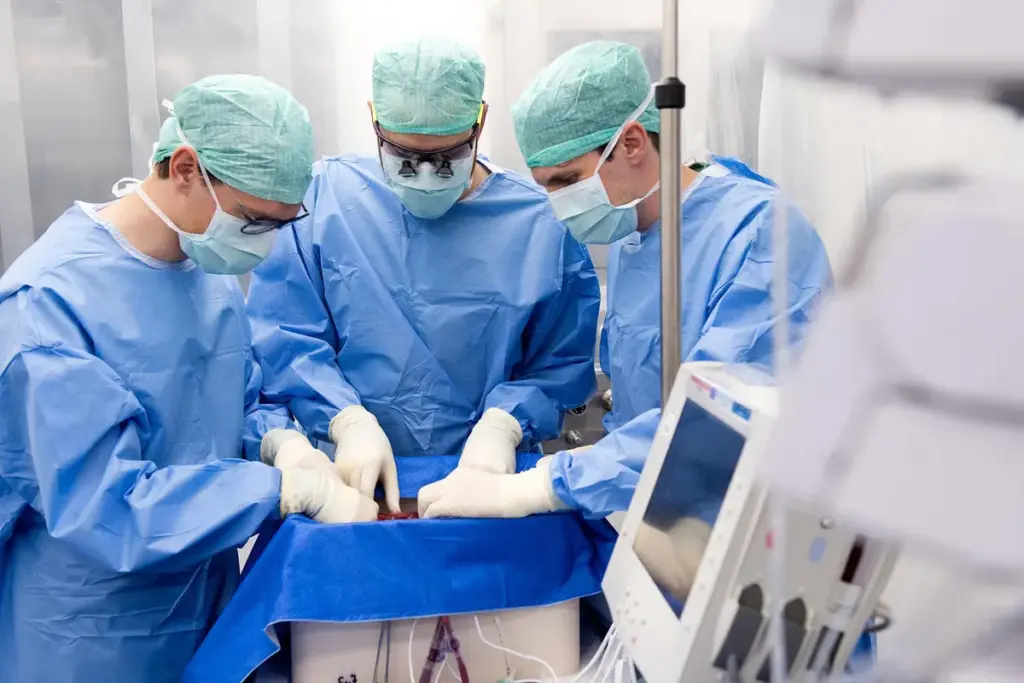
Liver resection surgery removes a part of the liver that’s sick. This surgery is complex and needs a skilled team. The liver can grow back, helping patients recover from big surgeries.
Types of liver resections performed
There are different types of liver resections. They depend on how much and where the liver tissue is removed. Here are the main types:
- Minor hepatectomy: Taking out one or two liver segments.
- Major hepatectomy: Removing three or more segments, like the right or left half of the liver.
- Anatomical resection: Cutting out liver tissue by its natural boundaries.
- Non-anatomical resection: Removing liver tissue without following segmental boundaries. This is for tumors on the edge of the liver.
Indications for liver surgery
Liver surgery is needed for several reasons. These include:
- Primary liver cancer: This includes cancers like hepatocellular carcinoma that start in the liver.
- Metastatic liver disease: Cancer that spreads to the liver from other places, like the colon.
- Benign liver tumors: Growths like adenomas, focal nodular hyperplasia, and hemangiomas that cause symptoms or might burst.
- Liver cysts and parasitic infections: Large or complicated cysts and infections like echinococcosis.
Liver resection surgery is very specialized. It needs careful planning and execution. Doctors decide on surgery after checking with imaging and liver function tests.
The remarkable regenerative capacity of the liver
The liver’s ability to heal itself is truly amazing. It can recover from injuries and even after surgery. This is key for patients having liver surgery, as it affects their recovery and health later on.
Can your liver grow back after resection?
The liver can grow back after part of it is removed, a process called hepatectomy. Liver regeneration involves many cells working together. Research shows the liver can return to its full size in weeks to months after surgery. But, how fast it grows back varies from person to person.
Factors affecting liver regeneration
Many things can affect how well the liver regenerates after surgery. These include:
- The extent of liver resection
- The presence of underlying liver disease, such as cirrhosis
- The patient’s overall health and age
- Nutritional status
The table below shows the main factors that affect liver regeneration and their impact:
|
Factor |
Impact on Liver Regeneration |
|---|---|
|
Extent of resection |
Larger resections may result in longer regeneration times |
|
Underlying liver disease |
Cirrhosis or other diseases can significantly impair regeneration |
|
Patient’s age and health |
Older patients or those with comorbidities may have reduced regenerative capacity |
|
Nutritional status |
Adequate nutrition is essential for optimal regeneration |
Knowing these factors is important for managing patient hopes and improving care after surgery. Healthcare providers can make treatment plans better suited to each patient. This can lead to better results.
Common conditions requiring hepatectomy
Surgical removal of liver tissue, known as hepatectomy, is a treatment for several liver conditions. It’s considered when patients have specific liver diseases that need surgery.
Liver resection surgery is complex and needed for serious liver conditions. The decision to have a hepatectomy depends on the patient’s condition and disease extent.
Primary Liver Cancer
Primary liver cancer, or hepatocellular carcinoma, is a common reason for hepatectomy. Surgery can cure early-stage liver cancer. The goal is to remove the tumor and some healthy liver tissue to remove all cancer cells.
Colorectal Liver Metastases
Colorectal liver metastases happen when colon or rectum cancer spreads to the liver. Hepatectomy is considered for those with limited liver metastases. It aims to remove the metastatic tumors from the liver.
Other Conditions Requiring Liver Resection
Other conditions like benign liver tumors, intrahepatic cholangiocarcinoma, and liver damage from trauma or disease may need liver resection. The choice to perform a hepatectomy depends on the diagnosis and the patient’s health.
In conclusion, hepatectomy is a key treatment for many liver conditions, including primary liver cancer and colorectal liver metastases. The surgery needs careful planning and is done by a specialized team.
The role of chemotherapy after liver resection
The role of chemotherapy after liver resection is key in cancer treatment. Liver resection removes part of the liver to treat liver conditions, like cancer.
After surgery, the question is if more treatment is needed to stop cancer from coming back. This is where adjuvant chemotherapy steps in.
What is Adjuvant Chemotherapy
Adjuvant chemotherapy is given after surgery to lower cancer coming back risk. It aims to kill any cancer cells left behind during surgery.
This way, adjuvant chemotherapy helps improve patient outcomes and survival chances.
Goals of Post-Surgical Chemotherapy
The main goals of post-surgical chemotherapy are:
- To kill any leftover cancer cells
- To lower cancer coming back risk
- To boost overall survival rates
By reaching these goals, adjuvant chemotherapy is vital in treating patients who had liver resection.
When is chemotherapy recommended after liver surgery?
Deciding on chemotherapy after liver surgery depends on several factors. These include the patient’s health and the type and stage of cancer.
Patient factors influencing recommendations
Several patient factors are important in deciding on chemotherapy after liver surgery. These include:
- Overall health: Patients in better health and with fewer health issues are more likely to get chemotherapy.
- Age: Older patients might not get chemotherapy as often. This is because they may have more side effects and less tolerance.
- Liver function: How well the liver works after surgery is key. Patients with good liver function are more likely to get chemotherapy.
Healthcare professionals carefully look at these factors to decide the best treatment for each patient.
Cancer type and stage considerations
The type and stage of cancer also play a big role in deciding on chemotherapy after liver surgery.
- Cancer type: For some cancers, like colorectal liver metastases, chemotherapy is recommended. It helps lower the risk of cancer coming back.
- Cancer stage: The cancer’s stage at surgery affects the decision. Advanced stages might need chemotherapy to control any cancer that might have spread.
Choosing chemotherapy after liver surgery is complex. It requires a personalized approach. This approach considers both the patient’s health and the cancer’s type and stage.
Evidence supporting adjuvant chemotherapy
There is strong evidence for using adjuvant chemotherapy after liver surgery. This treatment is given after surgery to lower the chance of cancer coming back.
Many studies have looked into the benefits of adjuvant chemotherapy. They focused on patients who had liver surgery for different cancers, like colorectal liver metastases.
Survival Rate Improvements
One major finding is that adjuvant chemotherapy can improve survival rates. Patients who get this treatment can live up to 50% longer. This is compared to 30-40% for those without it.
Key Clinical Studies and Their Findings
Several studies have shown how effective adjuvant chemotherapy is. For example, research on colorectal liver metastases found it greatly improves survival and lowers recurrence risk.
Looking at key studies, the biggest benefits are seen in patients with high-risk features. These include positive surgical margins or lymph node involvement.
Key findings from clinical studies include:
- Improved overall survival rates
- Reduced risk of cancer recurrence
- Enhanced disease-free survival
These results highlight the value of adjuvant chemotherapy in treating patients who have had liver surgery.
The importance of surgical margins in liver resection outcomes
The width of surgical margins is key in liver resection surgery success. It’s important to remove all cancerous tissue to lower recurrence risk.
Surgical margins are the tissue around the removed sample. A clear margin means no cancer cells are left. But a positive margin indicates cancer cells are present, leaving diseased tissue behind.
Narrow vs. Wide Margins: Impact on Survival
The margin width greatly affects patient survival. Studies show wider margins lead to better outcomes for those with colorectal metastases.
A narrow margin may raise recurrence risk. This is because it might not remove all cancer cells. On the other hand, a wide margin ensures all diseased tissue is removed, potentially improving survival.
Swedish Study Findings on Margin Width
A Swedish study looked at margin width and survival in colorectal liver metastases patients. It found wider margins are linked to better survival rates.
The study highlights the need for wide margins in liver resection. Surgeons aim for wide margins to improve patient outcomes.
In summary, surgical margin width is critical in liver resection success. Adequate margins are essential for reducing recurrence risk and improving survival.
Neoadjuvant chemotherapy: Treatment before surgery
Neoadjuvant chemotherapy plays a key role in treating liver cancer. It aims to make inoperable cases operable. This method involves giving chemotherapy before surgery to shrink tumors. It can improve the chances of successful surgery.
Converting Inoperable to Operable Cases
For those with inoperable liver cancer, neoadjuvant chemotherapy offers hope. It can make patients operable by shrinking tumors. This greatly improves their survival chances.
The success of neoadjuvant chemotherapy depends on several factors. These include the cancer type and stage, and the patient’s health. Research shows that shrinking tumors can lead to better surgery outcomes and longer life.
Complete Radiological Responses and Recurrence Risks
A complete radiological response means all cancer disappears on scans after chemotherapy. Yet, this doesn’t always mean all cancer cells are gone.
Even with all cancer gone on scans, there’s a chance of cancer coming back. The risk depends on how widespread the disease was and if any cancer cells are left. Close monitoring and extra treatments might be needed to lower this risk.
It’s important for patients and doctors to understand neoadjuvant chemotherapy’s benefits and risks. This knowledge helps in making the best treatment choices for liver cancer.
Can you live with half a liver? Life after major hepatectomy
Major hepatectomy, or the surgical removal of a significant portion of the liver, raises a common question among patients: can you live with half a liver? The liver’s remarkable regenerative capacity makes it possible for patients to recover and lead active lives even after a significant portion of their liver is removed.
Functional capacity after partial liver removal
After a major hepatectomy, the liver’s functional capacity is a primary concern. Studies have shown that the liver can regenerate to a significant extent, often returning to its normal size and function within several months. The rate and extent of regeneration can vary depending on factors such as the patient’s overall health, the extent of the surgery, and the presence of any underlying liver disease.
The liver performs numerous vital functions, including detoxification, protein synthesis, and production of biochemicals necessary for digestion. While a significant portion of the liver can be removed, the remaining liver tissue must be sufficient to support these critical functions. In many cases, patients are able to return to their normal activities within a few months after surgery, though some may experience fatigue or other temporary limitations.
Long-term quality of life considerations
Long-term quality of life after major hepatectomy is influenced by several factors, including the underlying reason for the surgery, the extent of the liver removal, and the patient’s overall health. For many patients, the quality of life improves significantly after recovery, as the removal of diseased or damaged liver tissue can alleviate symptoms and improve liver function.
|
Aspect of Life |
Pre-Surgery |
Post-Surgery (Short-term) |
Post-Surgery (Long-term) |
|---|---|---|---|
|
Physical Activity |
Limited due to symptoms |
Gradual improvement |
Return to normal or near-normal activity |
|
Liver Function |
Impaired |
Improving as liver regenerates |
Normal or near-normal function |
|
Fatigue |
Common |
Present but improving |
Generally resolved |
It’s essential for patients to follow a detailed post-operative care plan, including nutritional guidance and follow-up appointments, to ensure the best possible outcomes. By understanding the impacts of major hepatectomy on functional capacity and quality of life, patients can make informed decisions about their treatment.
Life expectancy after liver resection with and without chemotherapy
Life expectancy after liver resection changes a lot. It depends on the cancer type. Some patients get chemotherapy, while others don’t, based on their cancer stage and condition.
Statistical outcomes for different cancer types
Survival rates after liver resection vary by cancer type. For example:
- Primary Liver Cancer: Patients with primary liver cancer (hepatocellular carcinoma) have a 5-year survival rate of about 50-70% after surgery.
- Colorectal Liver Metastases: Those with colorectal cancer in the liver see a 5-year survival rate of 30-50% after surgery.
- Other Cancer Types: Survival rates for cancers like cholangiocarcinoma or metastatic disease from other sites vary. They depend on disease extent and treatment success.
Factors that influence survival rates
Several things affect survival rates after liver resection. These include:
- The stage of cancer at diagnosis: Early-stage cancer usually has a better outlook.
- The presence of underlying liver disease: Conditions like cirrhosis can affect liver function and survival.
- The use of adjuvant chemotherapy: Chemotherapy after surgery can help remove remaining cancer cells. This might improve survival chances.
- The patient’s overall health: Existing health issues can impact recovery and long-term survival.
It’s important for patients and doctors to understand these factors. This helps in making informed decisions about treatment, including the use of chemotherapy after liver resection.
Recovery process after liver resection and chemotherapy
Patients going through liver resection and chemotherapy face a tough recovery. They need to heal physically and deal with chemotherapy side effects. They also have to adjust to changes in their liver function.
Timeline for physical recovery
The time it takes to recover can vary a lot. Usually, it takes weeks to months.
- Immediate post-surgery recovery (1-2 weeks): Focus on rest, pain management, and initial wound healing.
- Short-term recovery (2-6 weeks): Gradual increase in physical activity, follow-up appointments, and monitoring for complications.
- Long-term recovery (3-6 months): Continued improvement in strength and endurance, possible return to work or normal activities.
It’s vital to follow the specific guidance from healthcare professionals. They can give personalized advice based on your condition and progress.
Nutritional and lifestyle recommendations
Nutrition is key in the recovery after liver resection and chemotherapy. A balanced diet helps the liver regenerate and supports overall health.
|
Nutritional Element |
Recommendation |
|---|---|
|
Protein |
High-quality protein sources like lean meats, fish, eggs, and legumes are essential for healing. |
|
Fruits and Vegetables |
A variety of colorful fruits and vegetables provide necessary vitamins and antioxidants. |
|
Whole Grains |
Whole grains like brown rice, quinoa, and whole-wheat bread offer fiber and essential nutrients. |
|
Hydration |
Adequate hydration is key; aim for at least 8 cups of fluid per day. |
As one patient noted, “Focusing on nutrition was key to my recovery. I made sure to eat small, frequent meals to manage my energy levels.”
“The liver’s ability to regenerate is remarkable, but it requires the right nutritional support. A balanced diet rich in protein, vitamins, and minerals can significantly impact the recovery process.”
Making lifestyle changes is also important. Avoid heavy lifting, bending, or strenuous activities early on. Gradually, you can return to normal activities as your healthcare team advises.
Understanding the recovery process and following nutritional and lifestyle advice can help patients heal better. It can also improve their quality of life after liver resection and chemotherapy.
The multidisciplinary approach to liver cancer treatment
Effective liver cancer treatment needs a team effort from many healthcare fields. This team work ensures patients get the best care for their needs.
The Importance of Specialized Care Teams
A team of experts is key in fighting liver cancer. This team includes surgeons, medical oncologists, and more. Each brings their skills to create a complete treatment plan.
The benefits of this team effort are:
- They fully check the patient’s health
- Make plans that fit the patient’s needs
- Work together to care for the patient
- Help patients get better thanks to teamwork
Liv Hospital’s Approach to Liver Cancer Treatment
Liv Hospital shows how to treat liver cancer with a team. Their experts use the newest medical tech and methods to care for patients.
|
Specialty |
Role in Liver Cancer Treatment |
|---|---|
|
Surgical Oncology |
Performs surgical resections and liver transplants |
|
Medical Oncology |
Administers chemotherapy and targeted therapy |
|
Radiation Oncology |
Provides radiation therapy for tumor control |
Liv Hospital’s team makes sure patients get care from start to finish. This team effort helps patients live better lives.
Questions to ask your doctor about post-hepatectomy chemotherapy
Knowing what to ask your doctor about chemotherapy after liver surgery can help your recovery. It’s important to talk openly and know a lot about your care.
Understanding Your Specific Treatment Plan
To make good choices about your care, you need to know the details of your treatment. Ask your doctor these questions:
- What is the main goal of the chemotherapy I’ll be getting?
- How will I get the treatment, and how long will it last?
- Could the treatment affect other medicines I’m taking?
- How will my doctor check if the treatment is working?
Evaluating Risks Versus Benefits
It’s key to know the good and bad sides of chemotherapy after liver surgery. Talk to your doctor about these points:
|
Aspect |
Benefits |
Risks |
|---|---|---|
|
Treatment Outcomes |
Potential lower chance of cancer coming back |
More chance of side effects |
|
Quality of Life |
Could lead to longer life in some cases |
Can affect how you feel and think |
|
Recovery Process |
Could help you recover faster |
Could make recovery longer because of side effects |
By looking at these points and talking to your doctor, you can make a better choice for your care.
Alternative and complementary treatments
Patients looking into post-surgery care might explore alternative treatments. These options can be used alongside standard therapies. They offer more choices for those recovering from liver resection surgery.
Non-chemotherapy Options After Liver Resection
Non-chemotherapy options are becoming more popular. They aim to support recovery and improve outcomes. Some alternatives include:
- Dietary modifications and nutritional supplements
- Herbal remedies and traditional medicine
- Acupuncture and other forms of alternative medicine
- Exercise and physical therapy programs tailored to post-surgery recovery
Integrative Approaches to Recovery
Integrative approaches mix conventional medical treatments with complementary therapies. These may include:
- Mind-body therapies such as meditation and yoga
- Massage therapy and other forms of manual therapy
- Art and music therapy for emotional and psychological support
The table below lists some alternative and complementary treatments:
|
Therapy Type |
Description |
Potential Benefits |
|---|---|---|
|
Dietary Modifications |
Tailored nutrition plans |
Improved overall health, potentially reduced recurrence risk |
|
Acupuncture |
Traditional Chinese medicine technique |
Pain management, improved well-being |
|
Mind-Body Therapies |
Meditation, yoga, etc. |
Reduced stress, improved mental health |
It’s key for patients to talk to their healthcare provider. This helps find the best and safest complementary treatments for them.
Conclusion: Making informed decisions about post-hepatectomy treatment
Patients who have liver surgery need to know about their treatment options. It’s important to understand how chemotherapy works after surgery. This knowledge helps improve care and results.
Choosing chemotherapy depends on several things. These include the cancer type and stage, the patient’s health, and how much cancer was removed. Talking to a doctor helps patients make the right choice for their treatment.
Liv Hospital has teams that focus on each patient’s needs. They work together to create treatment plans that are just right. This way, patients get the best care and can do well after surgery.
FAQ
Can your liver grow back after resection?
Yes, the liver can regrow after a resection. It can return to its original size and function. But, how fast and fully it regrows depends on the patient’s health and the size of the removed part.
What is liver resection surgery?
Liver resection surgery, or hepatectomy, removes part of the liver. It aims to take out cancerous or damaged tissue while keeping healthy liver parts.
Do you need chemotherapy after liver resection?
Whether you need chemotherapy after liver resection varies. It depends on the cancer type, its stage, the surgery extent, and your health. Chemotherapy might be needed to kill any cancer cells left behind and lower recurrence risk.
Can you live with half a liver?
Yes, living with half a liver is possible. The liver can regrow, and many people recover well from major surgeries. Yet, your life quality and ability to function might change, and you might need to adjust your lifestyle.
What is the role of adjuvant chemotherapy after liver resection?
Adjuvant chemotherapy is given after surgery to kill any remaining cancer cells. It aims to improve survival chances and lower recurrence risk. This type of chemotherapy is a key part of treatment after surgery.
How long does it take to recover from liver resection surgery?
Recovery time after liver resection surgery varies. It depends on the surgery extent and your health. Generally, it takes several weeks to months to fully recover.
What are the benefits of a multidisciplinary approach to liver cancer treatment?
A multidisciplinary approach to liver cancer treatment offers many benefits. It involves a team of healthcare professionals working together. This approach can improve survival rates, enhance quality of life, and better manage cancer.
What are the alternative and complementary treatments for liver cancer?
Alternative and complementary treatments for liver cancer include non-chemotherapy options. These include immunotherapy and targeted therapy. Integrative recovery approaches, like nutrition and lifestyle changes, are also used. These treatments can be used alongside conventional treatments to improve outcomes.
How does chemotherapy affect life expectancy after liver resection?
Chemotherapy can improve survival rates and lower recurrence risk after liver resection. But, its impact on life expectancy varies. It depends on the cancer type, stage, surgery extent, and your overall health.
What are the key considerations for life after major hepatectomy?
After major hepatectomy, patients need to make lifestyle changes. These changes help manage their condition and improve quality of life. Important considerations include nutritional and lifestyle advice, as well as ongoing monitoring and follow-up care.
National Center for Biotechnology Information. Evidence-Based Medical Insight. Retrieved from
References
National Center for Biotechnology Information. Evidence-Based Medical Insight. Retrieved from https://www.ncbi.nlm.nih.gov/pmc/articles/PMC6246548/