The term ‘hepatobiliary‘ is about the liver, gallbladder, bile ducts, and bile. This system is key for digestion and waste elimination. It includes the liver, gallbladder, and bile ducts. They work together to make, store, and move bile.
Knowing what ‘hepatobiliary’ means is important. It helps us understand its role in keeping us healthy. A good hepatobiliary system is key for breaking down fats and getting rid of waste.
Key Takeaways
- The term ‘hepatobiliary’ refers to the liver, gallbladder, bile ducts, and bile.
- The hepatobiliary system plays a vital role in digestion and waste elimination.
- A healthy hepatobiliary system is essential for overall health.
- The liver, gallbladder, and bile ducts work together to produce, store, and transport bile.
- Bile is a digestive fluid necessary for fat breakdown and waste elimination.
The Definition and Meaning of Hepatobiliary
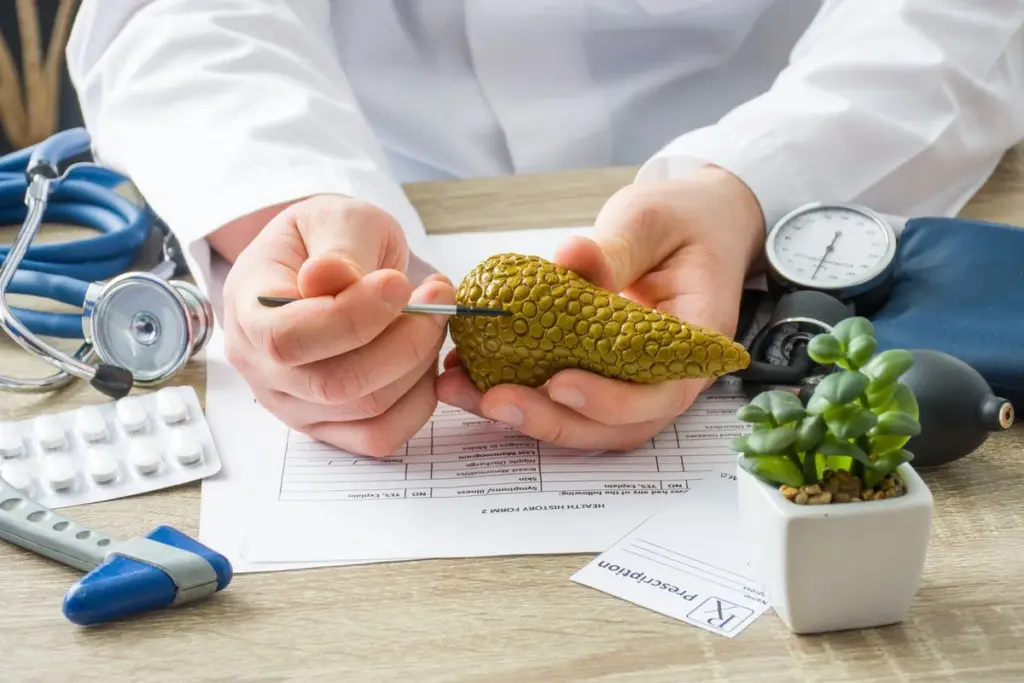
The term ‘hepatobiliary’ comes from ‘hepato,’ meaning liver, and ‘biliary,’ which is about bile or bile ducts. Knowing what hepatobiliary definition means is key to understanding its role in health.
The liver is vital in the hepatobiliary system. It makes about 600–1000 mL of bile daily. This bile is essential for digestion and absorbing nutrients. Doctors say, “The liver’s bile-making is key to digestion.”
“The liver is the largest internal organ and performs a multitude of functions, including detoxification, protein synthesis, and production of biochemicals necessary for digestion.”
Medical Etymology of “Hepato” and “Biliary”
The word ‘hepatobiliary’ comes from Greek. ‘Hepar’ means liver, and ‘bilis’ means bile. This shows the system’s main parts: the liver and the biliary system, like the gallbladder and bile ducts.
Correct Pronunciation of Hepatobiliary
The right way to say hepatobiliary is /hɛpətoʊˈbɪliˌɛri/ (hep-ə-to-BIL-ee-er-ee). Learning how to say medical terms like ‘hepatobiliary’ is important for doctors and nurses to talk clearly.
Historical Context in Medicine
Studying the hepatobiliary system has a long history. Early doctors knew the liver’s role in health and sickness. Our knowledge of the system has grown, helping us find better ways to diagnose and treat.
As we learn more, the importance of the hepatobiliary system in health keeps growing. It’s a big area for study and research.
Anatomy of the Hepatobiliary System
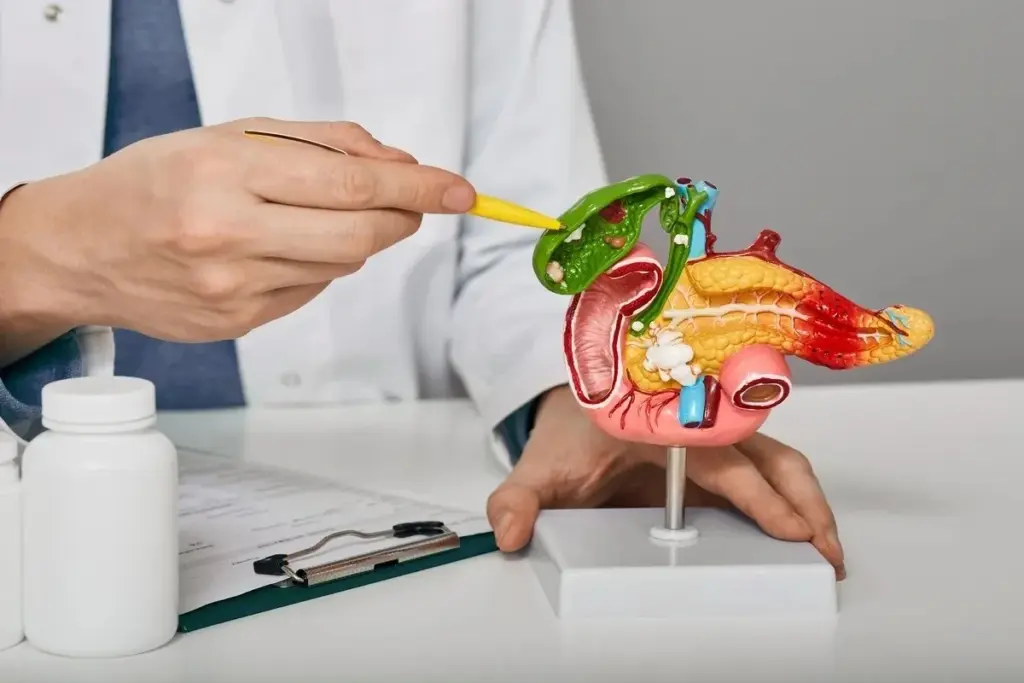
The hepatobiliary system includes the liver, gallbladder, and bile ducts. It’s key for making, storing, and moving bile. This system is essential for digestion and breaking down food.
The Liver: Structure and Location
The liver is huge and sits in the upper right of the belly, under the diaphragm. It’s a vital organ that does many things, like breaking down toxins and making bile. Its unique structure helps it filter blood and clean harmful stuff.
The liver has lobes, with the right one being bigger. It gets blood from two main sources: the hepatic artery and the portal vein. Inside, the liver’s functional units called hepatic lobules do important work.
The Gallbladder: Form and Function
The gallbladder is a small, pear-shaped organ under the liver. It stores and thickens bile from the liver. Its mucosal layer pulls in water and salts, making the bile more concentrated.
The gallbladder contracts when it gets the hormone cholecystokinin (CCK) from food. This lets bile flow into the bile ducts.
The Bile Ducts: Anatomical Organization
The bile ducts are a network that carries bile from the liver and gallbladder to the small intestine. Inside the liver, the intrahepatic bile ducts come together to form the right and left hepatic ducts. These then join to make the common hepatic duct.
The common hepatic duct and cystic duct merge to form the common bile duct. This duct carries bile to the second part of the duodenum. It also meets the pancreatic duct, and they both empty into the duodenum through the ampulla of Vater.
Physiological Functions of the Liver
The liver is a vital organ that does many important jobs. It helps with metabolism, detoxification, protein making, and supports the immune system. These roles show how key the liver is for our health.
Metabolism and Nutrient Processing
The liver is key in breaking down nutrients from our food. It makes sure our body gets the energy it needs. The liver’s metabolic functions are vital for turning carbs, fats, and proteins into energy.
“The liver is the main site for glucose metabolism, storing glycogen and releasing glucose into the bloodstream as needed,” highlighting its role in maintaining blood sugar levels.
Detoxification Mechanisms
Detoxification is another important job of the liver. It gets rid of toxins from our body. This is done through enzymes that change harmful substances into safer ones. The liver’s ability to detoxify is essential for protecting the body from harmful substances.
The liver makes about 600–1000 mL of bile every day. This bile helps with fat digestion and absorption, showing its role in nutrient processing and detoxification.
Protein Synthesis and Blood Regulation
The liver makes many proteins in blood plasma, like albumin and clotting factors. These proteins help keep blood volume right and prevent too much bleeding. The liver’s role in protein synthesis is indispensable for overall health.
Immune System Support
The liver also helps the immune system by making immune cells and factors. It removes pathogens from the blood, showing its importance in fighting infections. The liver’s contribution to immune function is a critical aspect of its physiological roles.
Bile: Production, Composition, and Function
Understanding bile production and its functions is key to appreciating the intricacies of the hepatobiliary system. Bile is a complex digestive fluid produced by the liver and stored in the gallbladder. It plays a vital role in fat digestion and waste elimination.
Daily Production Rates
The liver secretes about 600–1000 mL of bile per day. This shows how important bile is in digestion.
Bile production never stops. The liver cells (hepatocytes) keep secreting bile into the bile canaliculi. The bile then flows through the bile ducts. It is either stored in the gallbladder or directly released into the small intestine.
Chemical Composition of Bile
Bile is made up of various substances, including bile salts, cholesterol, bilirubin, and phospholipids. Bile salts are key for fat emulsification and absorption.
|
Component |
Function |
|---|---|
|
Bile Salts |
Emulsify fats for digestion and absorption |
|
Cholesterol |
Precursor for bile salt synthesis |
|
Bilirubin |
Waste product eliminated via feces |
|
Phospholipids |
Assist in fat emulsification |
Role in Fat Digestion and Absorption
Bile salts are vital in fat digestion by emulsifying fats. They break fats down into smaller droplets. This makes it easier for enzymes to act on them. It’s also key for absorbing fat-soluble vitamins (A, D, E, and K).
Waste Elimination Functions
Bile is also important for getting rid of waste. Bilirubin, a byproduct of hemoglobin breakdown, is excreted into the bile. It is then eliminated via the feces. This prevents toxic substances from building up in the body.
The Gallbladder’s Role in the Hepatobiliary System
The gallbladder is key in the hepatobiliary system. It stores and concentrates bile. This small organ is under the liver and is vital for digestion.
Concentration and Storage of Bile
The gallbladder’s main job is to store and concentrate bile. Bile is a digestive fluid made by the liver. It’s made of bile salts, cholesterol, bilirubin, and more.
The gallbladder makes bile more effective for fat digestion. It does this by removing excess water and electrolytes.
Bile Concentration Process: The gallbladder absorbs water and electrolytes. This makes the bile more concentrated and rich in bile salts.
Contraction and Release Mechanisms
The gallbladder contracts to release bile into the bile ducts when fatty food enters the small intestine. This is triggered by the hormone cholecystokinin (CCK). CCK is released by the duodenum in response to food.
- Fatty food in the duodenum triggers CCK release.
- CCK makes the gallbladder contract and release bile.
- Bile then flows into the small intestine to help digest fats.
Coordination with Digestive Processes
The gallbladder’s release of bile is closely tied to digestion in the small intestine. Bile salts break down fats, making them easier for enzymes to digest. This teamwork is key for digesting fats and fat-soluble vitamins.
|
Organ |
Function |
Role in Digestion |
|---|---|---|
|
Liver |
Produces bile |
Bile aids in fat digestion |
|
Gallbladder |
Stores and concentrates bile |
Releases bile for fat emulsification |
|
Small Intestine |
Digests and absorbs nutrients |
Bile and enzymes work together for fat digestion |
In summary, the gallbladder is vital in the hepatobiliary system. It stores and concentrates bile, which aids in fat digestion in the small intestine. Knowing how the gallbladder works is key to understanding digestive health.
Bile Duct Function and Importance
The bile ducts are key in the digestive system. They carry bile from the liver to the small intestine. This is vital for breaking down fats and vitamins.
Transport Pathways for Bile
Bile from the liver goes through the right and left hepatic ducts. These ducts merge into the common hepatic duct. Then, it joins the cystic duct from the gallbladder to become the common bile duct.
This duct carries bile to the second part of the duodenum. There, it helps with fat digestion.
Sphincter of Oddi Regulation
The Sphincter of Oddi controls bile flow into the duodenum. It’s a muscular valve at the common bile and pancreatic ducts’ meeting point. This valve ensures bile and pancreatic juice are released when needed.
Integration with Pancreatic Secretions
Bile ducts and pancreatic ducts work together for digestion. They merge into the ampulla of Vater, which opens into the duodenum. This teamwork optimizes digestion by releasing bile and enzymes together.
In summary, bile ducts are vital for bile transport from the liver to the small intestine. They play a key role in digestion and nutrient absorption. Their function is closely tied to the Sphincter of Oddi and pancreatic secretions.
Common Hepatobiliary Diseases and Disorders
Hepatobiliary diseases are big health issues worldwide. They affect the liver, gallbladder, and bile ducts. This can harm their functions and overall health.
Gallstones: Formation, Types, and Symptoms
Gallstones are solid particles in the gallbladder, often from bile concentration. They can be cholesterol stones or pigment stones. Cholesterol stones are more common in Western countries. Symptoms include severe abdominal pain, often after eating fatty foods.
Factors like diet, obesity, and genetics play a role in gallstone formation. Knowing these risk factors helps in prevention and management.
Hepatitis: Viral, Alcoholic, and Autoimmune Forms
Hepatitis is inflammation of the liver, often from viral infections, alcohol, or autoimmune disorders. Viral hepatitis includes types A, B, C, D, and E, each with different transmission and severity.
Alcoholic hepatitis is from too much alcohol, causing liver damage. Autoimmune hepatitis happens when the immune system attacks liver cells. Both need quick diagnosis and treatment to avoid cirrhosis.
Cirrhosis: Causes, Progression, and Complications
Cirrhosis is scarring of the liver from diseases like hepatitis and alcoholism. It progresses slowly, often over years, and can lead to liver failure.
Complications include portal hypertension, variceal bleeding, and liver cancer risk. Management focuses on treating the cause and preventing further damage.
Cholecystitis and Cholangitis
Cholecystitis is inflammation of the gallbladder, often from gallstones blocking the cystic duct. Acute cholecystitis needs quick medical care to avoid serious issues like gangrene or perforation.
Cholangitis is inflammation of the bile ducts, usually from bacterial infection. It can be acute or chronic, with symptoms like jaundice, fever, and abdominal pain. Treatment includes antibiotics and sometimes bile duct drainage.
Hepatobiliary Cancer Types and Prevalence
Hepatobiliary cancer includes cancers of the liver, gallbladder, and bile ducts. It’s a big health problem worldwide. Knowing about these cancers helps us understand their impact and how to fight them.
Primary Liver Cancer (Hepatocellular Carcinoma)
Primary liver cancer, or hepatocellular carcinoma (HCC), is the most common liver cancer. It starts in the liver’s main cells. Risk factors include chronic hepatitis B and C, aflatoxin exposure, alcohol abuse, and non-alcoholic steatohepatitis (NASH). It’s the sixth most common cancer and a top cause of death.
Gallbladder Cancer Risk Factors and Prognosis
Gallbladder cancer is rare but aggressive. Risk factors include gallstones, porcelain gallbladder, and genetic conditions. It’s hard to catch early because symptoms are often mild. Early treatment is key to survival.
Bile Duct Cancer (Cholangiocarcinoma)
Bile duct cancer, or cholangiocarcinoma, starts in the bile ducts’ lining. It’s divided into intrahepatic, perihilar, and distal types. Risk factors include primary sclerosing cholangitis, parasitic infections, and bile duct issues. It’s tough to treat because it’s often diagnosed late.
Global Statistics and Mortality Rates
Hepatobiliary cancers are a big health problem worldwide. Primary liver cancer is a top cause of cancer deaths globally. Incidence and death rates differ by region, influenced by risk factors. Knowing these stats is key for health planning and resource use.
- Hepatocellular carcinoma is the main type of primary liver cancer.
- Gallbladder cancer is more common in some groups, like Native Americans.
- Bile duct cancer is rare but deadly due to late diagnosis.
In summary, hepatobiliary cancers are complex and challenging. We need more research and awareness to better diagnose and treat these cancers.
The Hepatopancreatobiliary (HPB) Connection
The HPB connection shows how the liver, pancreas, and biliary system work together. They are key to keeping our digestive system healthy. This teamwork is vital for digestion and our body’s metabolism.
Relationship Between Liver, Pancreas, and Biliary System
The liver, pancreas, and biliary system are closely connected. The liver makes bile, which is stored in the gallbladder. It’s released into the bile ducts to help digest fats.
The pancreas makes digestive enzymes that work with bile. This shows how important the HPB system is for digestion.
Shared Pathologies and Conditions
Many diseases can affect the HPB system. For example, gallstones can block the bile ducts. Pancreatitis can harm both the pancreas and the biliary system.
It’s important to understand these shared diseases. This helps doctors diagnose and treat HPB-related problems.
|
Condition |
Affected Organs |
Common Symptoms |
|---|---|---|
|
Gallstones |
Gallbladder, Bile Ducts |
Abdominal pain, Jaundice |
|
Pancreatitis |
Pancreas, Biliary System |
Severe abdominal pain, Nausea |
|
Cirrhosis |
Liver |
Fatigue, Jaundice, Edema |
Integrated Function in Digestion
The HPB system is vital for digestion. The liver makes bile, the pancreas secretes enzymes, and the biliary system transports bile. Together, they break down and absorb nutrients.
This teamwork is key to our nutritional health. It shows how important the HPB connection is.
“The intricacy between the liver, pancreas, and biliary system is essential for proper digestion and health.” -Hepatologist
In conclusion, the HPB connection is critical for digestive health. It involves a complex relationship between the liver, pancreas, and biliary system. Understanding this connection helps us appreciate how these organs work together. It’s also key for diagnosing and treating related disorders.
Diagnostic Approaches for Hepatobiliary Conditions
Diagnosing hepatobiliary conditions requires a detailed approach. This includes laboratory tests and advanced imaging.
Laboratory Tests and Biomarkers
Laboratory tests are key in diagnosing liver and bile duct issues. They check liver function and find specific biomarkers for different conditions.
Liver Function Tests (LFTs) are used to see if the liver is damaged or diseased. They look at blood levels of enzymes and proteins like alanine aminotransferase (ALT) and aspartate aminotransferase (AST).
|
Test |
Description |
Clinical Significance |
|---|---|---|
|
ALT |
Measures alanine aminotransferase levels |
Elevated in liver cell injury |
|
AST |
Measures aspartate aminotransferase levels |
Elevated in liver damage and other conditions |
|
Bilirubin |
Measures total and direct bilirubin levels |
Elevated in jaundice and liver dysfunction |
Advanced Imaging Techniques
Advanced imaging is essential for seeing the liver and bile ducts. It helps diagnose many conditions.
Ultrasound is often the first choice for imaging the liver and bile ducts. It’s non-invasive and shows important details about liver shape and bile duct blockages.
Biopsy Procedures and Analysis
Biopsy procedures take tissue samples from the liver or other parts of the hepatobiliary system. These samples are then examined under a microscope.
A liver biopsy is the top choice for diagnosing liver diseases like cirrhosis and hepatitis. It involves using a needle to get a tissue sample from the liver.
- Liver biopsy provides detailed information on liver histology.
- It helps in assessing the extent of liver damage or disease.
- Biopsy results guide treatment decisions and prognosis.
Treatment Modalities for Hepatobiliary Diseases
Treating hepatobiliary diseases involves many approaches. These include medical, surgical, and interventional strategies. A team of specialized healthcare professionals is often needed for effective management.
Medical Management Strategies
Medical management is key in treating hepatobiliary diseases. It includes using medicines to manage symptoms and treat causes. For example, ursodeoxycholic acid helps dissolve gallstones, and antiviral drugs treat viral hepatitis.
Key medications used in medical management include:
- Ursodeoxycholic acid for gallstone dissolution
- Antiviral agents for viral hepatitis
- Corticosteroids for autoimmune hepatitis
Surgical Interventions and Techniques
Surgery is vital for treating many hepatobiliary conditions. Cholecystectomy, or gallbladder removal, is often done for gallstones. Surgery is also used for liver tumors and bile duct cancers.
|
Surgical Procedure |
Condition Treated |
|---|---|
|
Cholecystectomy |
Gallstones, cholecystitis |
|
Liver resection |
Liver tumors, certain bile duct cancers |
Minimally Invasive Procedures
Minimally invasive techniques have changed how we treat hepatobiliary diseases. They offer quicker recovery times and fewer complications. ERCP and laparoscopic surgery are examples, allowing for precise treatments with smaller incisions.
“Minimally invasive procedures have significantly improved patient outcomes in hepatobiliary disease treatment by reducing morbidity and accelerating recovery.” -A renowned hepatobiliary surgeon
Liver Transplantation
Liver transplantation is a lifesaving option for severe liver disease and acute liver failures. It involves replacing the diseased liver with a healthy one. Advances in immunosuppression have improved survival rates and outcomes.
There are many treatment options for hepatobiliary diseases, each suited to different conditions. Understanding these options highlights the importance of a team approach in managing these complex conditions.
Specialized Hepatobiliary Medical Care
Effective treatment of liver and biliary issues needs a multidisciplinary approach. This means many healthcare experts with special skills are involved. It’s key for managing complex liver and biliary problems.
Multidisciplinary Treatment Teams
A team of experts is vital for top-notch hepatobiliary care. These teams include hepatologists, surgeons, radiologists, and more. They work together to create treatment plans tailored to each patient. Studies show that teamwork can greatly improve patient results in liver and biliary diseases(Source).
Hepatobiliary Surgeons and Specialists
Hepatobiliary surgeons and specialists are key in treating liver and biliary issues. They do complex surgeries and manage liver diseases. Their specialized training and experience are essential for effective care.
Specialized Centers and Expertise
Centers like Liv Hospital focus on top-notch hepatobiliary care. They use the latest medical practices and offer many services. This includes advanced diagnostic tools, surgeries, and team care. Specialized centers can lead to better treatment results and a better life for patients.
These centers aim to provide the best medical care. They are ready to handle complex cases and offer state-of-the-art treatment. This ensures patients get the best care possible.
Preventive Measures and Maintaining Hepatobiliary Health
Preventing liver and bile duct problems is very important. To keep these areas healthy, we need to eat right, live well, and get checked regularly.
Dietary Considerations and Nutrition
Eating well is key to liver and bile health. Nutritional choices affect how these organs work. Foods full of antioxidants, like fruits and veggies, protect the liver.
- Eat foods high in fiber for better digestion.
- Don’t eat too much saturated fat or cholesterol to avoid gallstones.
- Drinking too much alcohol harms the liver.
Drinking water is also important. It helps digest and absorb nutrients. Eating whole foods, like grains, lean meats, and healthy fats, keeps the liver and bile healthy.
Lifestyle Factors and Risk Reduction
Our lifestyle affects our liver and bile health. Being active helps keep weight in check, which lowers the risk of liver and gallstone problems.
Quitting smoking is also key, as smoking raises disease risks. Stress management, like meditation or yoga, boosts overall health.
Screening Recommendations
Getting checked regularly is important for catching liver and bile diseases early. If you have a family history of these issues, get tested often.
|
Risk Factor |
Screening Recommendation |
|---|---|
|
Family history of liver disease |
Annual liver function tests |
|
History of gallstones |
Periodic ultrasound examinations |
Vaccination and Preventive Medicine
Getting vaccinated against hepatitis A and B lowers liver disease risk. Keeping up with vaccines is a big part of staying healthy.
Also, avoid toxins and chemicals to prevent liver harm. Wear protective gear when handling dangerous substances.
Conclusion
The hepatobiliary system is key to our health. It helps with digestion, metabolism, and getting rid of waste. This system includes the liver, gallbladder, and bile ducts. They work together to make, store, and move bile.
Keeping the liver healthy is very important. The liver cleanses toxins, makes proteins, and boosts the immune system. The bile ducts are also vital. They carry bile to the gallbladder and small intestine, helping with fat digestion.
Knowing how the hepatobiliary system works helps us stay healthy. We can lower disease risks by living a healthy lifestyle. Eating right and getting regular check-ups are good steps to take.
FAQ
What does the term “hepatobiliary” refer to?
“Hepatobiliary” refers to the liver and bile ducts. It describes the complex system involved in bile production, storage, and transport.
What is the correct pronunciation of “hepatobiliary”?
Knowing how to say “hepatobiliary” right is key for doctors to talk clearly. Understanding its roots helps us see its importance in medicine.
What are the main components of the hepatobiliary system?
The system includes the liver, gallbladder, and bile ducts. Together, they make bile to break down fats and remove waste.
What is the role of the liver in the hepatobiliary system?
The liver does many important jobs. It helps with metabolism, detoxification, making proteins, and boosting the immune system. It’s essential for our health.
What is the function of bile in the digestive process?
Bile is a digestive fluid made by the liver and stored in the gallbladder. It’s key for fat digestion and waste removal.
What is the significance of the gallbladder in the hepatobiliary system?
The gallbladder stores and concentrates bile. It’s important for digestion by releasing bile into the small intestine.
What are hepatobiliary diseases and disorders?
Hepatobiliary diseases and disorders are serious health issues worldwide. They include gallstones, hepatitis, cirrhosis, and cancers.
What is the hepatopancreatobiliary (HPB) connection?
The HPB connection shows how the liver, pancreas, and biliary system work together. They play a key role in digestion.
How are hepatobiliary conditions diagnosed?
Doctors use many tests to diagnose these conditions. These include biomarkers, imaging, and biopsies.
What are the treatment options for hepatobiliary diseases?
Treatments vary based on the disease. They range from medicine to surgery, including liver transplants.
What is the importance of specialized hepatobiliary medical care?
Specialized care needs a team effort. It involves surgeons, specialists, and other doctors for the best results.
How can hepatobiliary health be maintained?
Keeping the liver and bile ducts healthy involves lifestyle changes. This includes diet, lifestyle, screenings, and vaccines.
References
National Center for Biotechnology Information. Evidence-Based Medical Insight. Retrieved from https://www.ncbi.nlm.nih.gov/pmc/articles/PMC6246548/



 Departments
 Related Videos
 Our Doctors
 News
News