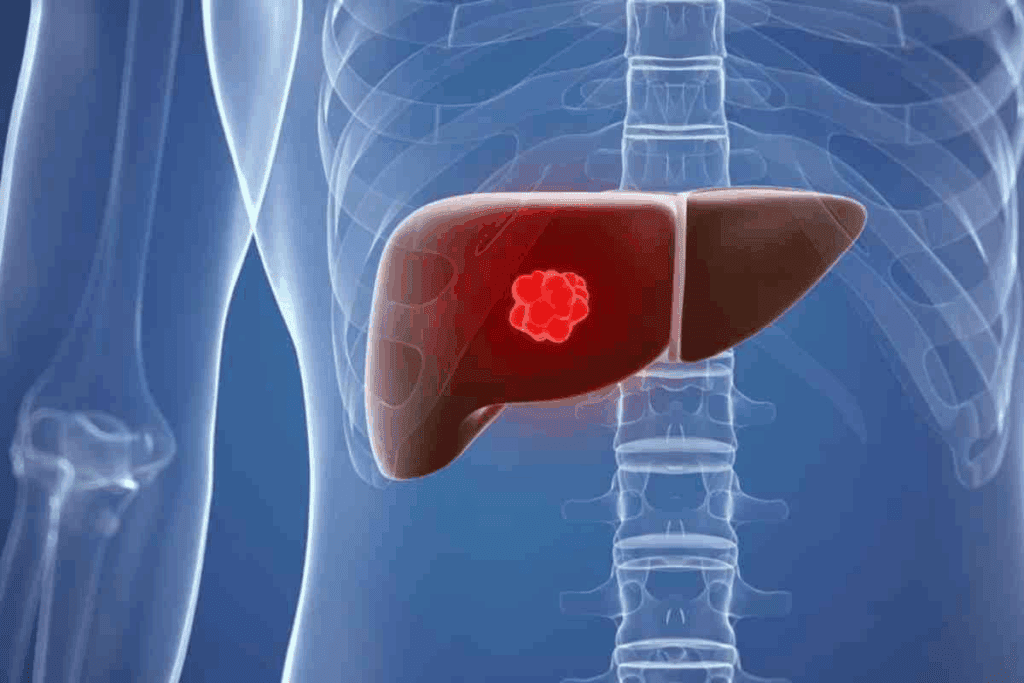
Explaining the primary blood markers (AFP) and providing an Hepatoblastoma alternative name for the tumor. Liver cancer in children is rare but serious. Hepatoblastoma is the most common type in young kids.
It’s important for doctors and families to know the different names for this disease. We look into the various names for this rare liver cancer. This gives us a better understanding of this complex illness.
Exploring pediatric liver cancers shows that knowing alternative names for hepatoblastoma is key. It affects diagnosis and treatment.
Key Takeaways
- Hepatoblastoma is a rare liver cancer mainly found in children.
- Knowing its other names is vital for diagnosis and treatment.
- This condition needs thorough medical care and support.
- Families looking for info should be familiar with the different terms.
- Early detection is critical for treatment success.
- Doctors must keep up with the latest terms.
Understanding Hepatoblastoma: A Rare Pediatric Liver Cancer

Hepatoblastoma is a rare and complex condition. It’s the most common liver cancer in children. It usually shows up in early childhood, often before they turn three.
Understanding hepatoblastoma is key. We need to know its definition, types, how common it is, and who it affects. This knowledge helps us give better care and support.
Definition and Classification
Hepatoblastoma is a cancer that starts in the liver. It comes from immature liver cells. The type of hepatoblastoma is based on how it looks under a microscope.
- Epithelial type
- Mixed epithelial and mesenchymal type
Knowing the type helps doctors figure out the best treatment and what to expect.
Prevalence and Demographics
Hepatoblastoma is rare, making up about 1% of all childhood cancers. It’s more common in kids under three. Boys are slightly more likely to get it.
Getting a diagnosis of hepatoblastoma can be tough for families. We need to treat it with both medical skill and kindness. By understanding hepatoblastoma, we can support those affected better and aim for better results.
Hepatoblastoma Alternative Name: Medical Terminology Explained
It’s important for doctors and patients to know the different names for hepatoblastoma. This rare liver cancer mainly affects kids. It has been called many names in medical books, showing its complex and early development.
Primary Medical Synonyms
The main names for hepatoblastoma are hepatic embryonal carcinoma and embryonal liver tumor. These names point to the tumor’s start in early liver cells. “Hepatic embryonal carcinoma” stresses it’s a cancer. “Embryonal liver tumor” talks about its growth stage.
Doctors say using these names can sometimes cause confusion. But they all mean the same thing. The important thing is to know the context of each name.
“The way we talk about hepatoblastoma has changed over time. This shows how much we’ve learned about the disease.”
Historical Naming Conventions

In the past, hepatoblastoma was known by different names. This change shows how our understanding of it has grown.
Older books might use names that are now outdated or not as clear. Knowing these old names helps us understand how diagnosis has changed.
For example, some old texts might group hepatoblastoma with other liver cancers in kids. It’s key to know these differences for correct diagnosis and treatment.
Hepatic Embryonal Carcinoma: The Most Common Alternative Term
The term hepatic embryonal carcinoma is often used like hepatoblastoma, mainly in older medical texts. This shows the complexity in classifying and diagnosing liver cancers in young people.
Origin of the Term
The term “hepatic embryonal carcinoma” comes from the idea that hepatoblastoma starts in embryonic liver cells. It points out the tumor’s early cell origin and its liver location. Embryonal means the cells are from an early developmental stage, showing the cancer’s primitive nature.
Over time, how we talk about diseases in medicine has changed. This has led to different names for the same condition in various studies. “Hepatic embryonal carcinoma” is an older way to describe liver tumors in kids.
Usage in Medical Literature
In medical texts, “hepatic embryonal carcinoma” is often used for hepatoblastoma, mainly from past decades. This term is important because it connects old diagnoses with today’s knowledge. It helps us look back at past research and cases.
A study in the Journal of Pediatric Surgery called cases of “hepatic embryonal carcinoma” what we now know as hepatoblastoma. Such studies help us understand the disease’s history and how treatments have changed.
It’s true that different names can cause confusion. But they also show how medical science keeps growing. We’re always working to get better at diagnosing and treating liver cancer in young patients.
Embryonal Liver Tumor: Understanding the Developmental Context
The term ’embryonal liver tumor’ refers to hepatoblastoma. It shows its roots in the early liver tissue of embryos. This name is key because it links the tumor to the liver’s early growth stages.
Embryonal Origins of Hepatoblastoma
Hepatoblastoma starts from liver cells that didn’t fully grow up. This fact is important for understanding the tumor’s traits and how it acts. The cells that form hepatoblastoma are leftovers from the fetus’s early days, which didn’t grow right.
Key factors contributing to the embryonal origins of hepatoblastoma include:
- Genetic mutations affecting early liver development
- Abnormal cellular differentiation during fetal development
- Potential environmental influences on fetal development
Distinction from Other Embryonal Tumors
Hepatoblastoma is like other ’embryonal’ tumors, but it’s different. It’s linked to the liver and comes from liver cells. This makes it stand out among other tumors.
The distinction is key for diagnosis and treatment planning. Knowing hepatoblastoma is a liver tumor helps doctors treat it right. It ensures the right care is given for this specific cancer.
Pediatric Liver Cancer: Broader Classification
Childhood liver cancer is a complex condition with several tumor types. Hepatoblastoma is the most common. We know liver cancer in children is not just one thing. It’s a range of diseases needing accurate diagnosis and treatment.
Types of Liver Cancer in Children
Pediatric liver cancer has different types, each with its own traits. Hepatoblastoma mainly affects young kids. Hepatocellular carcinoma is more common in older kids and teens. Rarer tumors include undifferentiated embryonal sarcoma and rhabdoid tumor.
Knowing these types is key for effective treatment. We use imaging, biopsies, and molecular analysis to identify each child’s cancer type.
How Hepatoblastoma Fits into the Spectrum
Hepatoblastoma is the most common liver tumor in kids, usually seen in the first two years. It comes from immature liver cells and has different subtypes. It’s often linked to genetic syndromes and birth defects, making genetic counseling important.
Hepatoblastoma is unique in pediatric liver cancer due to its specific features and good response to chemotherapy. Our treatment includes surgery, chemotherapy, and sometimes liver transplant.
Understanding pediatric liver cancer and hepatoblastoma helps us give better care to kids. Our teams create personalized treatment plans for each patient’s needs.
Infant Liver Cancer: Age-Specific Terminology
Hepatoblastoma is a rare liver cancer found mainly in infants. It brings special challenges for doctors to diagnose and treat. Knowing the terms related to infant liver cancer is key for treatment.
Age Distribution in Hepatoblastoma Cases
Hepatoblastoma is most common in babies under 18 months, peaking at 6 to 12 months. The disease is rare in children over 3 years old. Research shows that the age of diagnosis can help understand the disease better.
| Age Group | Incidence Rate |
| 0-6 months | High |
| 6-12 months | Very High |
| 1-2 years | Moderate |
| 2-3 years | Low |
Unique Characteristics in Infants
Infant liver cancer, like hepatoblastoma, has special traits. The tumor grows fast and can link to genetic syndromes. Finding it early is vital because it’s aggressive in young ones.
When dealing with infant liver cancer, we must think about age-specific details. The way doctors diagnose and treat it differs from older kids or adults.
Liver Neoplasm in Kids: Clinical Terminology
“Liver neoplasm in kids” means an abnormal growth in the liver. It can be either benign or malignant. Knowing this term is key for families facing a hepatoblastoma diagnosis, a liver cancer common in children.
It’s important to understand the terms used by doctors when talking about liver neoplasms in kids. “Neoplasm” and “tumor” are often used together. But “neoplasm” covers a wider range of conditions.
Neoplasm vs. Cancer: Terminology Differences
A neoplasm is any abnormal tissue growth. It can be benign or malignant. Cancer, on the other hand, is a malignant neoplasm that can grow and spread.
To show the difference:
| Characteristics | Benign Neoplasm | Malignant Neoplasm (Cancer) |
| Growth Pattern | Slow-growing, encapsulated | Rapidly growing, invasive |
| Metastasis | Does not spread | Can spread to other parts of the body |
| Treatment Approach | Often surgical removal | May involve surgery, chemotherapy, and radiation therapy |
Communication with Families About Diagnosis
Clear talk between doctors and families is key when a child is diagnosed with a liver neoplasm. Families need to know the type of neoplasm, its implications, and treatment options.
“Effective communication is the cornerstone of care. It’s not just about conveying information, but also about doing so with empathy and clarity.”
Doctors should:
- Use simple, understandable language when explaining medical terms.
- Provide written information and resources for families to reference.
- Encourage questions and ensure that families feel supported throughout the process.
By creating a supportive environment and using clear, compassionate communication, doctors can help families deal with a liver neoplasm diagnosis in their child.
Hepatic Embryonal Sarcoma: A Related but Different Entity
Hepatic embryonal sarcoma is a rare liver tumor in kids. It’s often mixed up with hepatoblastoma because of their similar names and age group.
Both are cancerous liver tumors found mainly in children. But they have different looks and treatments. We’ll look at how they differ to better understand and treat these diseases.
Comparing Hepatoblastoma and Hepatic Embryonal Sarcoma
Hepatoblastoma is the most common liver cancer in kids. It usually shows up in the first two years of life. It’s linked to genetic issues and has a good chance of being treated well.
Hepatic embryonal sarcoma is rarer and happens a bit later in kids. Symptoms include belly pain, fever, and losing weight.
| Characteristics | Hepatoblastoma | Hepatic Embryonal Sarcoma |
| Age of Presentation | Typically first 2 years of life | Slightly older children |
| Common Symptoms | Abdominal mass, sometimes asymptomatic | Abdominal pain, fever, weight loss |
| Prognosis | Relatively good with treatment | Generally poor |
Differential Diagnosis Considerations
Telling apart hepatoblastoma and hepatic embryonal sarcoma is key. It affects how they’re treated and how well they do. Imaging like ultrasound and CT scans help see the tumor’s details.
Looking at tissue samples under a microscope is key for a sure diagnosis. Hepatoblastoma has both liver and muscle-like parts. Hepatic embryonal sarcoma looks very basic and not fully formed.
Knowing these differences helps doctors plan the best treatment. Hepatoblastoma usually gets better with chemotherapy and surgery. But hepatic embryonal sarcoma might need more intense and new treatments.
Childhood Liver Cancer: Epidemiology and Risk Factors
It’s important to know the risk factors and patterns of childhood liver cancer. This knowledge helps in creating better prevention and treatment plans. The most common type is hepatoblastoma.
Incidence Rates in the United States
Studies have looked into the incidence of childhood liver cancer in the U.S. The rate is about 1.8 cases per million children under 20 each year.
| Age Group | Incidence Rate (per million per year) |
| 0-4 years | 2.5 |
| 5-9 years | 1.2 |
| 10-14 years | 0.8 |
| 15-19 years | 0.6 |
The table shows the highest rate is in children under 5. This highlights the need for early detection and action in this age group.
Known Risk Factors and Genetic Predispositions
Several risk factors for childhood liver cancer have been found, including genetic conditions. Conditions like Beckwith-Wiedemann syndrome, familial adenomatous polyposis (FAP), and glycogen storage disease raise the risk of hepatoblastoma.
“The association between certain genetic syndromes and an increased risk of hepatoblastoma highlights the need for genetic screening and surveillance in high-risk groups.”
Knowing these risk factors is key for developing targeted screening and prevention programs. More research into childhood liver cancer will help improve care for affected children.
Liver Tumor in Children: Clinical Presentation and Symptoms
It’s important to know the signs of liver tumors in kids to get help early. Kids with hepatoblastoma, a liver tumor, might show different symptoms. These can be hard to spot early.
Common Presenting Signs and Symptoms
Liver tumors in kids can show in many ways. Some common signs include:
- Abdominal swelling or distension
- Abdominal pain or discomfort
- Loss of appetite
- Weight loss
- Fatigue or lethargy
A study says it’s key to spot these signs early. Early detection can greatly help kids with liver tumors.
When to Seek Medical Attention
If your child shows any lasting or bad symptoms, get help fast. Quickly seeing a doctor is vital to find out what’s wrong and start treatment.
Doctors say being careful is important for spotting liver tumors in kids. Symptoms can look like other common illnesses. So, knowing when to see a doctor is key.
“The key to improving outcomes in pediatric liver cancer lies in early detection and thorough care.”— Expert in Pediatric Oncology
Diagnostic Approaches for Hepatoblastoma and Its Variants
To diagnose hepatoblastoma, doctors use many tools. These include imaging studies and looking at tissue samples. This process is key to confirm the disease and plan treatment.
Imaging Techniques
Imaging is very important in diagnosing hepatoblastoma. We use different imaging methods to see the tumor and how big it is.
- Ultrasound: Often the first choice because it’s non-invasive and shows images in real-time.
- Computed Tomography (CT): Gives detailed images of the tumor and if it has spread.
- Magnetic Resonance Imaging (MRI): Offers clear images without using radiation, great for checking how the tumor affects nearby areas.
These imaging tools help us understand the disease’s stage. This information is vital for planning treatment.
Biopsy and Pathological Examination
While imaging gives us a lot of information, biopsy and pathological examination are key for a definitive diagnosis.
A biopsy takes a tissue sample from the tumor. It’s then examined under a microscope for signs of hepatoblastoma.
| Diagnostic Method | Purpose | Key Features |
| Fine-needle Aspiration Biopsy | To obtain cellular material for cytological examination | Less invasive, can be performed under imaging guidance |
| Core Needle Biopsy | To obtain tissue samples for histological examination | Provides more tissue than fine-needle aspiration, useful for architectural assessment |
| Surgical Biopsy | To obtain a larger tissue sample for complete pathological analysis | More invasive, often done during surgery to remove the tumor |
Looking at tissue samples helps us tell hepatoblastoma apart from other liver tumors. It also tells us how aggressive the tumor is.
Treatment Options for Pediatric Liver Tumors
Treating pediatric liver tumors, like hepatoblastoma, needs a mix of methods. We’ll look at surgery, chemotherapy, and liver transplant options. Each one plays a key role in helping kids get better.
Surgical Approaches
Surgery is very important in treating these tumors. The goal is to remove the tumor and keep as much liver function as possible. Complete surgical resection is hard because of the tumor’s size and where it is. But it’s a big part of the treatment plan.
New surgical techniques have made treatment better for kids. Liver-sparing surgery and minimally invasive techniques help reduce harm and speed up recovery.
| Surgical Technique | Description | Benefits |
| Liver-sparing surgery | Preserves liver tissue | Reduces risk of liver failure |
| Minimally invasive surgery | Smaller incisions, less tissue damage | Faster recovery, less pain |
Chemotherapy Protocols
Chemotherapy is key in treating hepatoblastoma and other liver tumors in kids. It can be used before surgery to make the tumor smaller. Or after surgery to kill any cancer cells left behind.
Chemotherapy plans vary based on the tumor and the child’s health. Neoadjuvant chemotherapy is given before surgery. Adjuvant chemotherapy is given after.
- Neoadjuvant chemotherapy: Shrinks the tumor before surgery
- Adjuvant chemotherapy: Eliminates remaining cancer cells after surgery
Liver Transplantation
In some cases, liver transplantation is an option. This means replacing the sick liver with a healthy one from a donor.
Liver transplant can be a cure for kids with advanced tumors. But it needs careful planning and evaluation for the best results.
Treating pediatric liver tumors is complex. It needs a team effort. Surgery, chemotherapy, and sometimes liver transplant can improve outcomes for kids with these cancers.
Research Advances in Liver Cancer in Young Patients
New ways to fight liver cancer in kids are being found. Scientists are studying the genetic and molecular causes of pediatric liver cancer. This research is leading to new, targeted treatments.
Molecular Targeted Therapies
Molecular targeted therapies are a big step forward in treating liver cancer in young patients. These treatments aim at specific molecules in cancer cells, reducing harm to healthy cells. One key advantage is they might improve treatment results and lower side effects.
Studies have looked into using targeted therapies for pediatric liver cancer. For example, some genetic mutations raise the risk of hepatoblastoma in kids. Therapies targeting these mutations have shown good results in trials.
| Therapy | Target | Clinical Outcome |
| Sorafenib | RAF kinase | Improved survival rates |
| Regorafenib | Multiple kinases | Enhanced tumor response |
Immunotherapy Developments
Immunotherapy, which uses the immune system to fight cancer, is showing promise for pediatric liver cancer. Immunotherapies like checkpoint inhibitors and CAR-T cell therapy are being tested in early trials.
Checkpoint inhibitors help the immune system attack cancer cells more effectively. Early studies suggest they can lead to significant tumor shrinkage in kids.
As we explore these new treatments, it’s vital to keep pushing research forward. This will help improve care and quality of life for young liver cancer patients.
Conclusion: Navigating Terminology in Pediatric Oncology
It’s key to know the terms related to hepatoblastoma and other liver cancers in kids. We’ve looked at the different names and types used in pediatric oncology. This shows how important it is to be clear and precise when talking about diagnosis and treatment.
Using the right terms helps everyone involved in care to understand each other better. This includes healthcare providers, families, and patients. Knowing the other names for hepatoblastoma, like hepatic embryonal carcinoma, helps us understand it better.
As we move forward in pediatric oncology, keeping our language clear is vital. It helps us give top-notch care. It also helps international patients find the best treatments and support.
FAQ
What is hepatoblastoma, and what are its alternative names?
Hepatoblastoma is a rare and dangerous liver tumor found mainly in kids. It’s also called hepatic embryonal carcinoma, among other names. It’s a type of liver cancer seen in infants.
What is the difference between hepatoblastoma and hepatic embryonal sarcoma?
Both are liver tumors, but they differ. Hepatoblastoma is a cancer that hits kids under 3. Hepatic embryonal sarcoma is rare and aggressive, found in both kids and teens.
What are the common signs and symptoms of liver tumors in children?
Kids with liver tumors might show signs like a swollen belly, pain, or loss of appetite. They might also lose weight or feel tired. Sometimes, a doctor can feel a mass in the belly.
How is hepatoblastoma diagnosed?
Doctors use scans like ultrasound, CT, or MRI to spot hepatoblastoma. They also take a biopsy to check the tumor’s type. These steps help confirm the diagnosis.
What are the treatment options for pediatric liver tumors, including hepatoblastoma?
Treatments for liver tumors in kids include surgery, chemotherapy, and sometimes a liver transplant. The best option depends on the tumor’s type, size, and the child’s health.
What is the role of molecular targeted therapies and immunotherapy in treating liver cancer in young patients?
New treatments like molecular targeted therapies and immunotherapy are showing promise. They aim to attack cancer cells more effectively, possibly leading to better results.
What are the known risk factors and genetic predispositions for childhood liver cancer?
Certain genetic syndromes, like Beckwith-Wiedemann, increase the risk of liver cancer in kids. Exposure to toxins or viruses can also play a role.
How does the age of the patient affect the diagnosis and treatment of hepatoblastoma?
A child’s age is key in treating hepatoblastoma. Young patients need treatments tailored to their age and development. This ensures the best care.
What is the importance of clear communication with families about a diagnosis of hepatoblastoma?
It’s vital to talk openly with families about a hepatoblastoma diagnosis. This helps them understand the condition and treatment options. It also supports them emotionally and psychologically.
References
National Center for Biotechnology Information. Hepatoblastoma nomenclature in pediatric liver cancer exploration. Retrieved from https://pubmed.ncbi.nlm.nih.gov/29523686/
National Center for Biotechnology Information. Hepatoblastoma Nomenclature Pediatric Liver Cancer Review. Retrieved from https://pubmed.ncbi.nlm.nih.gov/29523686/
National Center for Biotechnology Information. Hepatoblastoma Nomenclature Pediatric Liver Cancer Terminology. Retrieved from https://pubmed.ncbi.nlm.nih.gov/29523686/
Nature. Hepatoblastoma Nomenclature Pediatric Liver Cancer Exploration. Retrieved from https://www.nature.com/articles/s41575-020-0318-8
World Health Organization. Hepatoblastoma Nomenclature Pediatric Liver Cancer Review. Retrieved from https://who.int/publications/i/item/global-cancer-observatory-2020
JAMA Network. Hepatoblastoma nomenclature pediatric liver cancer overview. Retrieved from https://jamanetwork.com/journals/jamaoncology/fullarticle/2794713