
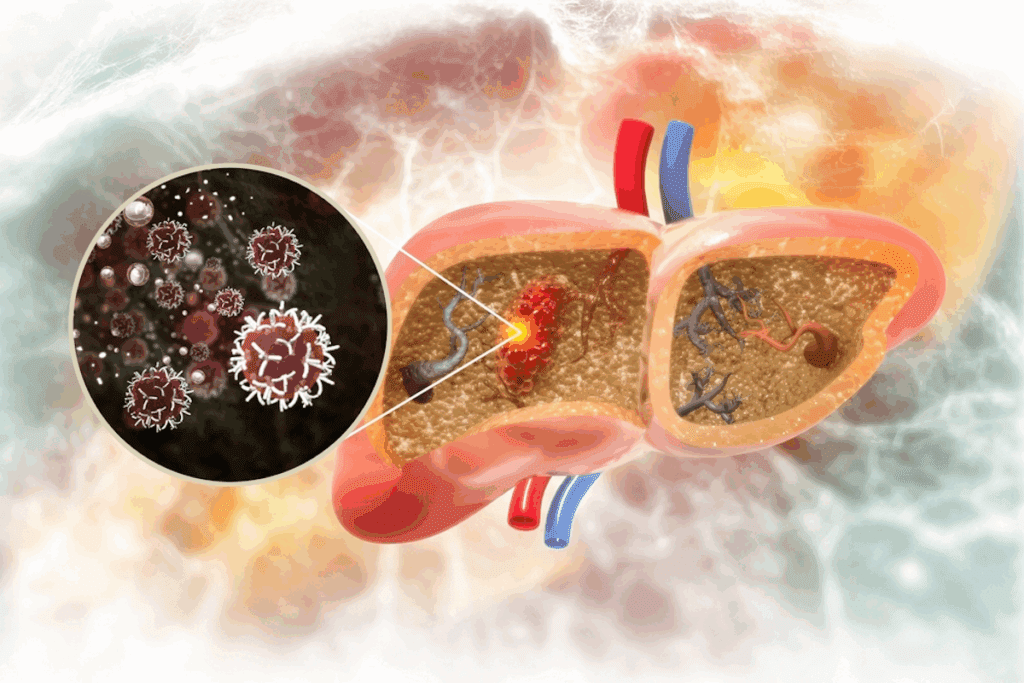
Pediatric liver cancer is rare but very serious. Hepatoblastoma is the most common type in kids. About 1.5 children per million under 15 get liver cancer each year in the U.S. What are the tests for Hepatoblastoma diagnosis? Find the key tests used for quick and accurate results in children.
Testing for pediatric liver cancer includes many steps. We’ll show you how it starts and the advanced tests used. This helps find and understand the disease.
Key Takeaways
- Understanding the diagnostic process for pediatric liver cancer
- Identifying the tests and procedures involved in diagnosing hepatoblastoma
- Recognizing the importance of early detection and treatment
- Exploring the role of imaging tests in diagnosis
- Learning about the different stages of diagnosis and treatment planning
Understanding Hepatoblastoma: A Primer
Hepatoblastoma is a rare liver cancer that mainly affects young kids. It’s most common in infants and toddlers. Early detection and knowing its signs are key to treating it effectively.
What is Hepatoblastoma?
Hepatoblastoma starts in the liver and is made of immature liver cells. These cells can grow into tumors. The exact reason for hepatoblastoma is not known, but it’s linked to genetic changes.
Key characteristics of hepatoblastoma include:
- Primarily affects children under the age of 3
- Often presents as a large abdominal mass
- Can be associated with elevated alpha-fetoprotein (AFP) levels
Prevalence and Risk Factors
Hepatoblastoma is rare, making up about 1% of all childhood cancers. Some genetic conditions, like Beckwith-Wiedemann syndrome, increase the risk.
| Risk Factor | Description |
| Beckwith-Wiedemann Syndrome | A genetic disorder that predisposes to various tumors, including hepatoblastoma |
| Familial Adenomatous Polyposis (FAP) | A hereditary condition characterized by numerous polyps in the colon, associated with an increased risk of hepatoblastoma |
| Low Birth Weight | Children with very low birth weight have a higher risk of developing hepatoblastoma |
Types of Hepatoblastoma
Hepatoblastoma can be divided into different types based on how it looks under a microscope. The main types are:
- Epithelial type
- Mixed epithelial and mesenchymal type
Knowing these types helps doctors choose the best treatment. Tests like imaging and blood tests for markers like AFP are key in finding hepatoblastoma.
Early Warning Signs and Symptoms
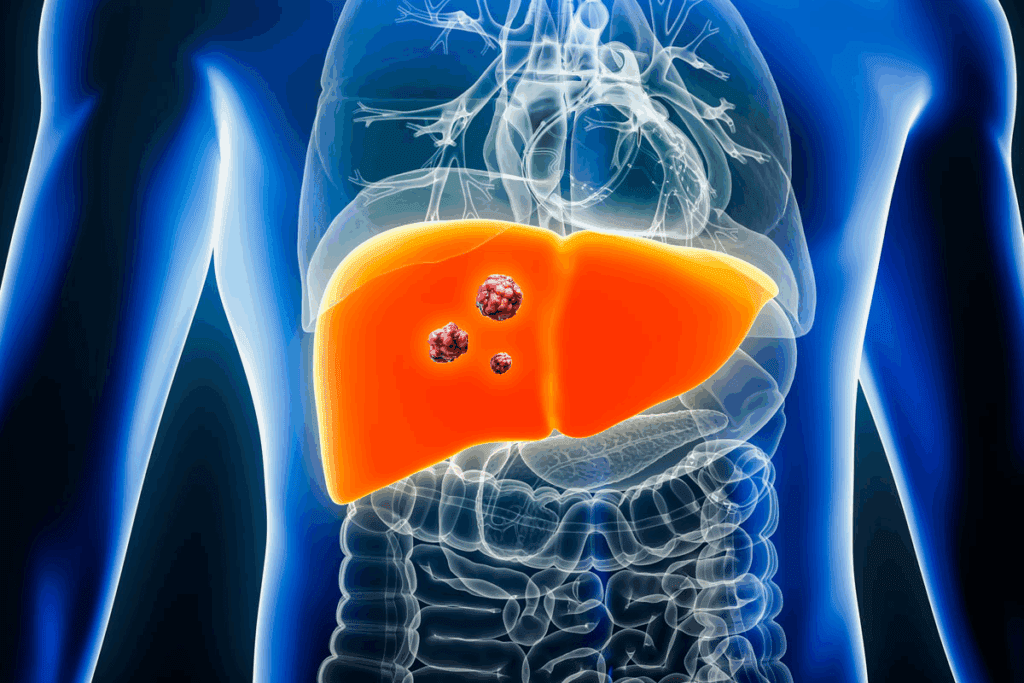
Spotting hepatoblastoma early is key to better treatment results. This rare liver cancer mainly hits kids. It’s hard to catch early because its first signs are not clear. But knowing the common signs can help get kids to the doctor fast.
Common Physical Symptoms
The first signs of hepatoblastoma are often small and can look like other, less serious problems. Some common signs include:
- Abdominal swelling or pain
- Loss of appetite
- Weight loss
- Fatigue
- Pale skin
The early signs of hepatoblastoma are not always clear. So, it’s important for parents to watch for any health changes in their kids.
Behavioral Changes in Children
Kids with hepatoblastoma might also act differently. They might seem:
- Irritable
- Lack energy
- Change how they eat
Parents and caregivers should notice these changes. If they keep happening or get worse, it’s time to see a doctor.
When to Seek Medical Attention
If a child shows any of these signs or seems off, get them to a doctor right away. Catching it early can make a big difference in treatment success.
“The key to successfully treating hepatoblastoma is early detection. Parents should be aware of the signs and not hesitate to consult a doctor if they have concerns about their child’s health.”
Knowing the early signs of hepatoblastoma helps parents and caregivers. They can get kids to the doctor early. This can lead to better treatment results.
Initial Medical Assessment
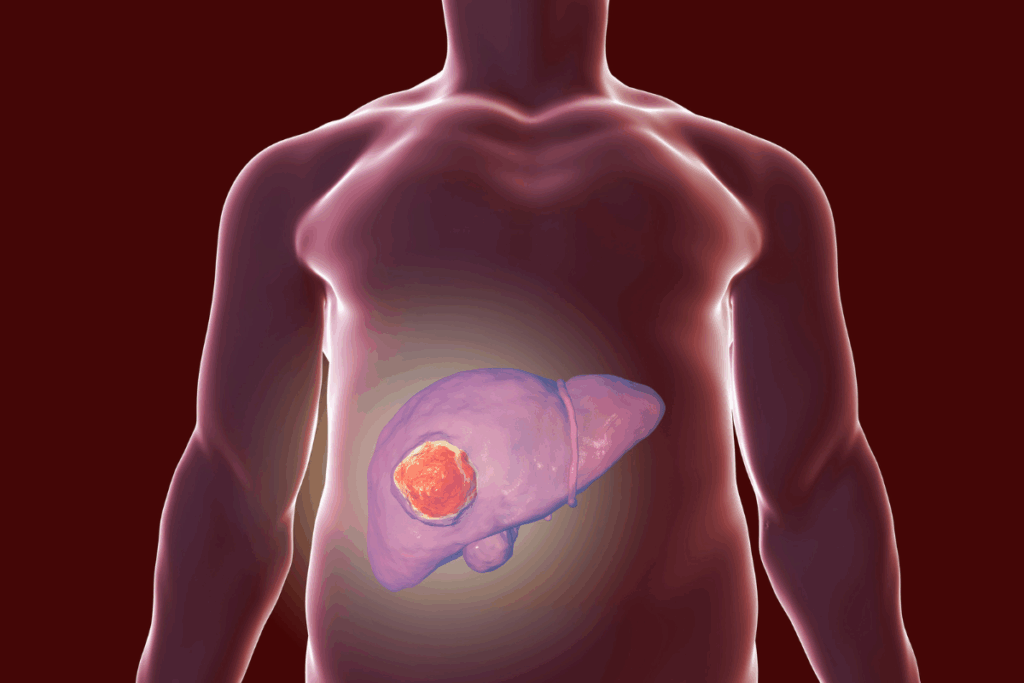
The journey to diagnose hepatoblastoma starts with a detailed medical check. When a child shows signs that might point to hepatoblastoma, we do a complete initial medical assessment. This is to find out what’s causing these symptoms.
Medical History Evaluation
Looking at a child’s medical history is key in the early stages of diagnosis. We collect all the information about the child’s health past, family medical history, and any past diagnoses or treatments. This helps us spot possible risk factors and understand the child’s health better.
Physical Examination Procedures
A detailed physical check-up is important to assess the child’s health. We do a thorough physical exam, focusing on any signs of an enlarged liver or belly swelling. These could be signs of hepatoblastoma.
Preliminary Screening Tests
Initial screening tests are essential in the early stages. We might do basic lab tests and imaging studies to better understand the child’s condition. These tests help us figure out if more specific tests are needed.
By combining the results from the medical history, physical exam, and initial tests, we can plan the next steps in diagnosing hepatoblastoma.
Blood Tests for Hepatoblastoma Detection
Blood tests are key in finding and diagnosing hepatoblastoma, a rare liver cancer in kids. These tests tell us about the liver’s health. They also spot specific markers linked to hepatoblastoma.
Alpha-Fetoprotein (AFP) Testing
The Alpha-Fetoprotein (AFP) test is a major tool in diagnosing hepatoblastoma. AFP is a protein made by the liver and yolk sac in fetuses. In adults and kids, high AFP levels can mean certain cancers, like hepatoblastoma. This makes the AFP test very useful for diagnosis.
Liver Function Tests
Liver function tests (LFTs) are also vital. They check the liver’s health by looking at enzymes and proteins. Tests like alanine transaminase (ALT) and aspartate transaminase (AST) show liver damage or disease, including hepatoblastoma. LFTs give important clues for diagnosis, even if they’re not specific to hepatoblastoma.
Complete Blood Count Analysis
A complete blood count (CBC) is a basic blood test. It checks red and white blood cells and platelets. For hepatoblastoma, a CBC can spot anemia, infection, or other issues related to the cancer or treatment.
Other Relevant Blood Markers
Other blood markers are also tested for diagnosing and tracking hepatoblastoma. These include lactate dehydrogenase (LDH) and other tumor markers. While not all are specific to hepatoblastoma, they help give a full picture of the patient’s health.
| Blood Test | Purpose | Relevance to Hepatoblastoma |
| Alpha-Fetoprotein (AFP) | Measures AFP levels | Elevated levels can indicate hepatoblastoma |
| Liver Function Tests (LFTs) | Assesses liver health | Provides context for liver condition |
| Complete Blood Count (CBC) | Measures blood components | Helps identify related abnormalities |
Imaging Studies in Pediatric Liver Cancer
Imaging technologies are key for finding and understanding liver cancer in kids. These tools help doctors see the liver and spot any problems. This helps them decide the best treatment.
Ultrasound Examination
Ultrasound is often the first test used in kids because it’s safe and doesn’t use radiation. It helps find liver masses and check blood flow.
CT Scan Procedures
CT scans give detailed pictures of the liver. They show how big tumors are and if they’ve spread. They’re great for checking nearby tissues and blood vessels.
MRI for Detailed Imaging
MRI gives clear pictures of the liver without radiation. This makes it safe for kids to have it done many times. It’s good for looking at tumor details and how it affects nearby areas.
PET Scan Applications
PET scans check how active tumors are. They help find out if cancer has spread. This info is key for planning treatment.
| Imaging Modality | Key Features | Clinical Use |
| Ultrasound | Non-invasive, no radiation | Initial assessment of liver masses |
| CT Scan | Detailed cross-sectional images | Assessing tumor size and extent |
| MRI | High-resolution images, no radiation | Evaluating tumor characteristics |
| PET Scan | Assesses metabolic activity | Identifying cancer spread |
Each imaging method has its own benefits. Doctors pick the best one for each patient. By using these tests together, they can accurately find and understand liver cancer in kids. This helps them plan the best treatment.
Biopsy Procedures for Definitive Diagnosis
A biopsy is key for pinpointing hepatoblastoma in kids. It gives a clear diagnosis that helps decide treatment. This test takes a liver tissue sample, which is checked for cancer cells under a microscope.
Types of Liver Biopsies
There are different liver biopsies for diagnosing hepatoblastoma. These include:
- Percutaneous Biopsy: This common method uses a needle through the skin into the liver.
- Laparoscopic Biopsy: A small, minimally invasive procedure using a laparoscope to get a tissue sample.
- Surgical Biopsy: An open surgery to remove a liver part for examination.
The Biopsy Procedure
The steps for a hepatoblastoma biopsy are:
- The patient gets sedation or local anesthesia to reduce pain.
- Imaging like ultrasound or CT scan helps find the liver area to biopsy.
- A needle or surgical tool gets a liver tissue sample.
- The sample goes to a lab for examination.
Risks and Complications
Liver biopsy procedures are generally safe but have risks. These include:
- Bleeding or hemorrhage
- Infection
- Pain or discomfort at the biopsy site
It’s important for patients and families to talk about these risks with their doctor.
Interpreting Biopsy Results
The biopsy results are vital for diagnosing hepatoblastoma and planning treatment. A pathologist checks the tissue sample to:
- Confirm cancer cells
- Determine the liver cancer type (hepatoblastoma vs. others)
- Look at the tumor’s aggressiveness
This info is key for a tailored treatment plan.
Comprehensive Hepatoblastoma Diagnosis Protocol
Getting a correct diagnosis for hepatoblastoma is key for treatment success. The process involves clinical checks, imaging, and lab tests.
Diagnostic Algorithm
Identifying hepatoblastoma needs a detailed plan. It starts with a medical history and physical check-up. Ultrasound, CT scans, and MRI are key for seeing the tumor and its size. They help figure out the tumor’s size and where it is.
Lab tests, like blood tests for alpha-fetoprotein (AFP), give important info. They help understand the patient’s health and the tumor’s nature.
Multidisciplinary Approach
Working together is essential for diagnosing hepatoblastoma. Pediatric oncologists, radiologists, pathologists, and surgeons all play a part. Each expert adds their knowledge, ensuring a full check-up. This teamwork helps create a treatment plan that fits the patient’s needs.
Diagnostic Challenges in US Healthcare Settings
Even with new tech, US healthcare faces hurdles. Not all areas have access to specialized care, which can slow down diagnosis. Hepatoblastoma is rare, so many doctors might not know much about it. This can lead to wrong or late diagnoses.
To fix these issues, we need better ways to get patients to cancer centers. We also need to educate doctors more about hepatoblastoma.
Staging and Classification Systems
Staging and classification systems are key in diagnosing and treating hepatoblastoma in kids. Knowing the stage helps predict the outcome and plan treatment.
PRETEXT Staging System
The PRETEXT system is a common way to stage hepatoblastoma. It looks at the tumor’s size in the liver before treatment starts. The liver is divided into four parts, and the system checks how many are affected.
This info is vital for deciding if surgery is needed and what treatment to use.
COG Staging System
The COG system is another important tool for staging hepatoblastoma. It looks at if the tumor can be removed and if there’s cancer elsewhere. This system helps doctors know the best treatment, like surgery, chemo, or other options.
Histological Classification
Looking at tumor tissue under a microscope helps classify hepatoblastoma. It can be epithelial, mixed, or small cell undifferentiated. Knowing the type helps predict how the tumor will behave.
Risk Stratification Approaches
Risk stratification groups patients based on age, tumor size, and other factors. This helps tailor treatment to each patient’s needs. High-risk patients might need stronger treatments, while low-risk ones might get less intense therapy.
Using PRETEXT, COG, histology, and risk stratification together gives a full picture of the patient’s situation. This approach leads to more effective treatment plans for kids with hepatoblastoma.
Genetic Testing and Molecular Diagnostics
Genetic testing and molecular diagnostics are key in diagnosing and treating hepatoblastoma. They give insights into the disease’s genetic roots. This helps doctors plan treatments that target the disease.
Genetic Markers for Hepatoblastoma
Studies have found genetic markers linked to hepatoblastoma. For example, mutations in the CTNNB1 gene, which codes for β-catenin, are common. These changes can affect how the tumor grows and responds to treatment.
Other markers, like those in the Wnt/β-catenin pathway, also play a role. Knowing these markers helps doctors create personalized treatment plans.
| Genetic Marker | Association with Hepatoblastoma |
| CTNNB1 | Mutations in this gene are common in hepatoblastoma, affecting tumor behavior. |
| Wnt/β-catenin pathway | Dysregulation of this pathway is implicated in hepatoblastoma pathogenesis. |
Molecular Profiling Techniques
Molecular profiling, like next-generation sequencing (NGS), is used to study hepatoblastoma at a molecular level. These methods identify genetic mutations that guide treatment choices.
For example, NGS can spot mutations that specific therapies target. This helps doctors choose the right treatments.
“The integration of molecular profiling into clinical practice has the power to change how we manage hepatoblastoma. It gives us a clearer view of the tumor’s genetic makeup.”
Implications for Treatment Planning
Genetic testing and molecular diagnostics change how we plan treatments. By knowing the tumor’s genetic makeup, doctors can tailor treatments. This can lead to better outcomes.
Some genetic markers may mean a higher risk of the disease coming back. This might mean more aggressive or targeted treatments are needed.
Availability of Testing in the United States
Genetic testing and molecular diagnostics for hepatoblastoma are available in the U.S. They are found in major pediatric cancer centers. These tests are often part of clinical trials or standard diagnostic procedures.
Families should talk to their doctors to find out the best testing options. They should also learn about the availability of these tests in their area.
- Major pediatric cancer centers offer genetic testing and molecular diagnostics.
- These tests can be part of clinical trials or standard diagnostic procedures.
- Consultation with healthcare providers is essential to determine the best testing options.
Differential Diagnosis: Ruling Out Other Conditions
Diagnosing hepatoblastoma correctly is key to treating it well. We must tell it apart from other liver tumors and non-cancerous conditions. This ensures we give the right care to our patients.
Other Pediatric Liver Tumors
Other liver tumors in kids include hepatocellular carcinoma, undifferentiated embryonal sarcoma, and rhabdomyosarcoma. These tumors share similar symptoms, making diagnosis tough. Imaging studies and biopsy are vital in telling them apart.
Hepatocellular carcinoma usually hits older kids and is linked to liver disease. Hepatoblastoma, on the other hand, affects younger kids. Knowing these differences is key for accurate diagnosis and treatment.
Non-Cancerous Liver Conditions
Conditions like focal nodular hyperplasia, hepatic adenoma, and hemangiomas can look like hepatoblastoma on scans. We need to mix imaging techniques and clinical checks to tell them apart.
Focal nodular hyperplasia is a benign growth that usually doesn’t need surgery. Getting the diagnosis right is important to avoid wrong treatments and manage the condition properly.
Diagnostic Distinctions
Figuring out if it’s hepatoblastoma or another condition involves looking at symptoms, scan results, and tissue samples. We use alpha-fetoprotein (AFP) levels, scans, and biopsies to make a correct diagnosis.
High AFP levels often point to hepatoblastoma, but not always. A detailed diagnostic process is needed to tell hepatoblastoma from other conditions and decide on treatment.
Advanced and Emerging Diagnostic Technologies
New technologies are changing how we find and treat hepatoblastoma. In pediatric oncology, we’re getting better at diagnosing this disease. New tools are making diagnosis more accurate and faster.
Liquid Biopsy Approaches
Liquid biopsy is a way to check for cancer without surgery. It looks at DNA in blood or fluids. This method is promising for finding hepatoblastoma and seeing how well treatments work. It’s safer and can be done many times.
Artificial Intelligence in Imaging Analysis
Artificial intelligence is helping with medical images, like those for hepatoblastoma. AI finds things doctors might miss. This makes diagnoses better and helps patients more.
Novel Biomarkers Under Investigation
Scientists are looking for new signs of hepatoblastoma. They’re searching for proteins, genetic changes, and other markers. Finding these can help us understand and treat the disease better.
Clinical Trials for Diagnostic Methods in the US
In the US, many trials are testing new ways to diagnose hepatoblastoma. These trials are key to proving if new methods work and are safe. Joining trials can give patients new, advanced treatments.
As we keep working on these new tools, we’ll see big changes in treating hepatoblastoma. Using these technologies in hospitals could greatly improve patient care and save lives.
Post-Diagnosis Testing and Monitoring
The journey doesn’t end with a diagnosis; post-diagnosis testing and monitoring play a vital role in managing hepatoblastoma. Effective management of this condition requires a thorough approach. This includes ongoing surveillance, careful monitoring of treatment response, and long-term follow-up testing.
Surveillance Protocols
Surveillance protocols are key for catching any changes in the tumor or new lesions. We use ultrasound, CT scans, and MRI to keep an eye on the tumor’s response to treatment. The test frequency varies based on the case and treatment plan.
Monitoring Treatment Response
It’s important to monitor how well the treatment is working. We check the treatment’s success through regular imaging studies and tumor marker tests, like alpha-fetoprotein (AFP) levels. This helps us see if the treatment is effective and if we need to make any changes.
Long-term Follow-up Testing
Long-term follow-up testing is key for catching any recurrence or treatment side effects. We suggest regular visits with a pediatric oncologist, along with periodic imaging and lab tests. This ongoing monitoring helps us tackle any issues quickly and ensures the best outcomes for our patients.
US Guidelines for Monitoring
In the United States, monitoring guidelines for hepatoblastoma come from groups like the Children’s Oncology Group (COG). These guidelines outline the best practices for surveillance, treatment monitoring, and long-term follow-up. We stick to these guidelines to give our patients the best care possible.
By sticking to these protocols and guidelines, we can offer complete care for children with hepatoblastoma. This improves their chances of successful treatment and long-term survival.
Navigating the US Healthcare System for Hepatoblastoma Diagnosis
Getting a hepatoblastoma diagnosis in the US is complex. Families face many challenges. They need to find the right care from the start to the end of testing.
Specialized Pediatric Cancer Centers
Specialized pediatric cancer centers are key for diagnosing and treating hepatoblastoma. They have the latest technology and teams with lots of experience. Look for centers in the Children’s Oncology Group (COG) for the best care.
Insurance Coverage for Diagnostic Tests
Knowing about insurance is important for managing costs. Tests like imaging and biopsies can be pricey. Check your insurance to see what’s covered and what you might have to pay for.
Questions to Ask Healthcare Providers
Being ready with questions helps a lot. Ask about your team’s qualifications, the tests they suggest, and when you’ll get results. Also, ask about the risks and benefits of each test.
Support Resources for Families
Dealing with the healthcare system can be hard. But, there are many support groups, counseling, and online forums. Look for these resources to get the help you need.
Understanding the US healthcare system for hepatoblastoma diagnosis helps families. We’re here to support and guide you every step of the way.
Conclusion: The Future of Hepatoblastoma Diagnostics
Early detection of hepatoblastoma is key for effective treatment and better outcomes. Advances in diagnostic technologies are helping a lot. They are making childhood liver tumor diagnostics better.
Significant progress is being made in diagnostic tools, like imaging and molecular diagnostics. These advancements help doctors diagnose hepatoblastoma more accurately and earlier.
The future of diagnosing hepatoblastoma looks bright. Ongoing research and development will bring even better diagnostic tools. This will lead to better treatment plans and improved patient outcomes. As these technologies improve, we will see a big impact on managing hepatoblastoma. This will help save more lives.
FAQ
What are the initial steps in diagnosing hepatoblastoma?
First, doctors will ask about your medical history and do a physical check. They might also do blood tests and imaging to look for liver tumors.
What is the role of alpha-fetoprotein (AFP) testing in hepatoblastoma diagnosis?
AFP testing is key. It checks for high levels of alpha-fetoprotein, a protein linked to hepatoblastoma. This helps doctors diagnose and keep an eye on the condition.
What imaging modalities are used to diagnose hepatoblastoma?
Doctors use ultrasound, CT scans, MRI, and PET scans to find and check the size of the tumor. These tests give detailed info about the tumor’s location and how far it has spread.
How is a definitive diagnosis of hepatoblastoma made?
A biopsy is needed for a sure diagnosis. A sample of liver tissue is checked for cancer cells. This tells doctors the type of liver cancer.
What are the different staging systems used for hepatoblastoma?
Doctors use the PRETEXT and COG systems to stage hepatoblastoma. These systems help figure out how far the disease has spread. They guide treatment plans.
How does genetic testing contribute to hepatoblastoma management?
Genetic testing finds markers linked to hepatoblastoma. This info helps doctors plan treatment and understand the risk.
What is the importance of differential diagnosis in hepatoblastoma?
It’s important to tell hepatoblastoma apart from other liver tumors and non-cancerous conditions. This ensures the right treatment is given.
What are the emerging diagnostic technologies for hepatoblastoma?
New tech includes liquid biopsy, AI in imaging, and new biomarkers. These might make diagnosis more accurate and easier.
How is hepatoblastoma monitored after diagnosis?
After diagnosis, doctors keep an eye on the condition with regular tests. They check how well treatment is working and follow up over time.
How can families navigate the US healthcare system for hepatoblastoma diagnosis?
Families can get help at specialized cancer centers. They should understand insurance and ask questions. There are also support resources to help them through the system.
What is the significance of early detection in hepatoblastoma?
Finding hepatoblastoma early is key. It means treatment can start sooner. This can help reduce the risk of serious problems.
Reference
- Djouder, N., & Rigual, M. del Mar. (2025). CNIO researchers discover a new mechanism for rapid liver regeneration triggered by glutamate. Nature. https://www.cnio.es/en/news/cnio-researchers-discover-a-new-mechanism-for-rapid-liver-regeneration-triggered-by-glutamate/