

Did you know that hepatoblastoma, a rare liver cancer mainly found in kids, has seen a big jump in survival rates over the years?
Recent studies have shown that new treatments have led to a 5-year survival rate of over 80% in some groups. We understand how vital it is to grasp hepatoblastoma prognosis and its role in treating kids with cancer.
Hepatoblastoma, being a rare liver cancer, needs thorough care and support. At our place, we aim to give top-notch healthcare, focusing on childhood liver cancer survival.
Key Takeaways
- Significant improvements in hepatoblastoma survival rates due to advances in treatment.
- 5-year survival rate exceeds 80% in certain patient groups.
- Understanding hepatoblastoma prognosis is key in pediatric oncology.
- Comprehensive care and support are vital for managing hepatoblastoma.
- Our institution is committed to providing world-class healthcare for international patients.
Understanding Hepatoblastoma: A Childhood Liver Cancer
Hepatoblastoma is the most common liver cancer in kids. It’s a serious condition that needs careful understanding and treatment. This cancer is unique and poses special challenges for young patients.
Definition and Incidence Rates
Hepatoblastoma is a rare liver tumor that mainly hits kids under three. It’s a big deal, making up about 1% of all cancers in kids. With only 1.5 cases per million kids under 15, specialized care is key.
We don’t know what causes it, but some genetic conditions raise the risk. Knowing these risks helps catch it early.
Common Symptoms and Diagnosis
Kids with hepatoblastoma might feel bloated or uncomfortable in their belly. They might also lose weight, feel tired, or not want to eat. Finding it early is very important for better treatment and results.
To diagnose it, doctors use scans and biopsies. The PRETEXT system helps figure out how serious it is. This is important for planning treatment.
Getting a correct diagnosis and understanding the stage is critical. It helps doctors choose the best treatment. We’ll explore treatment options and their success rates next.
Hepatoblastoma Survival Rate: Current Statistics
Recent studies have given us new insights into hepatoblastoma survival rates. This information is key for patients, families, and doctors. It helps us understand the chances of recovery and make better treatment choices.
Overall Survival Statistics
The survival rate for hepatoblastoma has gotten much better. This is due to better treatments and catching the disease early. Now, the 5-year survival rate for patients is between 70% and over 80%.
Five-Year Survival Rates by Stage
The stage at which hepatoblastoma is diagnosed greatly affects survival chances. Patients with stage I have a much better outlook than those with later stages. Even in advanced stages, like stage IV, survival rates have seen an uptick.
The staging of hepatoblastoma is vital for treatment planning and predicting outcomes. Accurate staging helps doctors tailor treatments to each patient’s needs.
Knowing how hepatoblastoma survival rates change with stage highlights the need for early detection. It also shows the progress being made in treating this childhood liver cancer.
Factors Affecting Hepatoblastoma Prognosis

The outlook for patients with hepatoblastoma depends on several key factors. These factors help doctors decide on the best treatment and can affect how long a patient lives. Knowing these factors is key to creating treatment plans that fit each patient’s needs.
Age at Diagnosis
How old a child is when they are diagnosed with hepatoblastoma matters a lot. Kids diagnosed early in life usually do better than those diagnosed later. Infants under 6 months often have more favorable outcomes because their tumors are caught early.
Tumor Size and Spread
The size and spread of the tumor are big factors in how well a patient will do. Tumors that are big or have spread to other parts of the body are harder to treat. Early detection and accurate staging are vital for better survival chances.
Genetic and Molecular Factors
New research has found genetic and molecular traits that affect how well a patient will do. Some genetic mutations and molecular markers can tell doctors how well a patient will respond to treatment. Personalized medicine approaches based on these factors are becoming more important in treating hepatoblastoma.
Alpha-Fetoprotein (AFP) Levels
Alpha-fetoprotein (AFP) levels at diagnosis and during treatment are important for predicting how well a patient will do. High AFP levels can mean a more aggressive tumor. A drop in AFP levels during treatment usually means the treatment is working. Watching AFP levels helps doctors adjust treatment plans as needed.
Staging Systems and Their Impact on Survival Predictions
Getting the right stage is vital for kids with hepatoblastoma. It helps doctors know how serious the disease is. This is key for planning treatment and predicting how well a child will do.
PRETEXT Staging System
The PRETEXT system is a common way to stage hepatoblastoma. It looks at the tumor’s size in the liver before treatment starts. The liver is divided into four parts, and the system checks how many are affected.
This system is great for guessing how well a child will do. It also helps doctors decide the best treatment.
COG Staging System
The Children’s Oncology Group (COG) system is another important tool. It considers the tumor’s size, if lymph nodes are involved, and if the cancer has spread. This system gives vital info for making treatment plans that fit each patient’s needs.
How Staging Influences Treatment Decisions
Staging plays a big role in deciding how to treat hepatoblastoma. For example, small tumors that can be removed might get surgery first. But big tumors or those that have spread might need chemotherapy to shrink before surgery.
Accurate staging is not just about guessing how well a child will do. It’s also about making treatment plans that really work for each child. By knowing how serious the disease is, doctors can give better care.
Treatment Options and Their Effectiveness
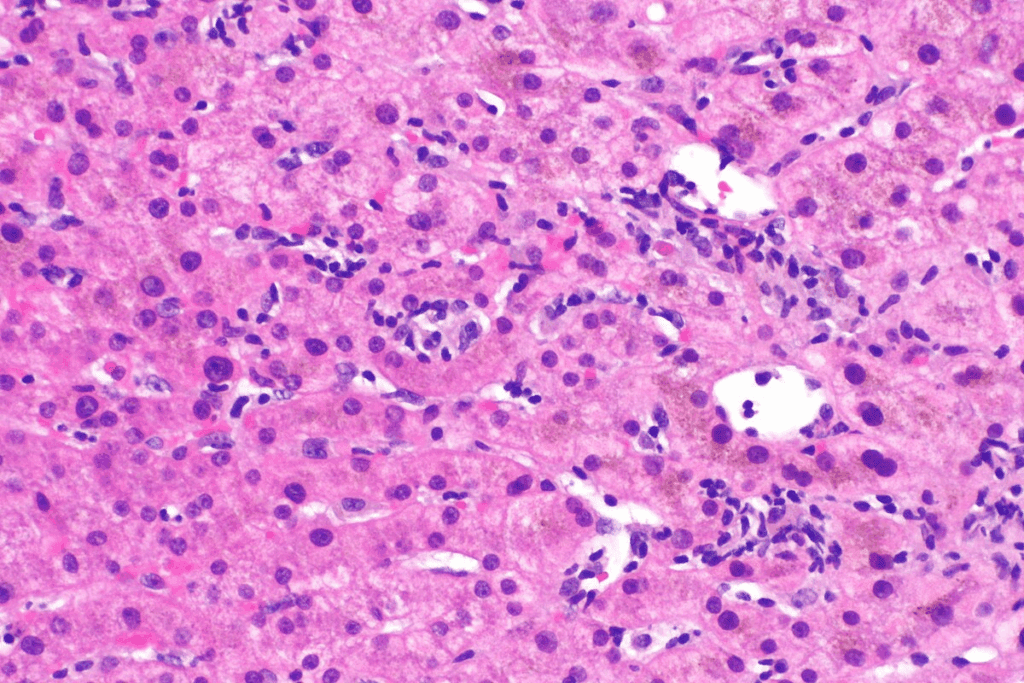
Healing hepatoblastoma needs surgery, medicine, and sometimes a transplant. The right treatment depends on the disease’s stage, the child’s health, and the tumor’s type.
Surgical Resection
Surgery is key to treat hepatoblastoma, aiming to take out the tumor fully. Complete removal boosts survival chances. Doctors use new imaging to plan and ensure healthy tissue is left around the tumor. Surgery is the best hope for kids with hepatoblastoma, when paired with chemotherapy.
Liver Transplantation
For tumors that can’t be cut out or involve a lot of the liver, a transplant is an option. Liver transplantation is now possible thanks to better surgery and drugs to stop the body from rejecting the new liver.
“Liver transplantation can save lives for kids with hepatoblastoma that surgery can’t handle,” a study in the Journal of Pediatric Surgery found.
Chemotherapy Protocols
Chemotherapy is critical in treating hepatoblastoma. It’s used before surgery to shrink the tumor and after to kill any cancer left. The usual mix includes cisplatin, vincristine, and 5-fluorouracil.
- Cisplatin: A main drug in treating hepatoblastoma.
- Vincristine: Used with other drugs.
- 5-Fluorouracil: Part of the standard treatment.
Emerging Treatments
New treatments for hepatoblastoma are being studied, like targeted therapies and immunotherapy. Targeted therapies aim to hit cancer cells hard but spare healthy ones.
As research goes on, treatments are becoming more personalized. They’re made to fit each patient’s unique tumor.
Surgical Outcomes in Hepatoblastoma Treatment
Surgery is key in treating hepatoblastoma. It can remove the tumor completely or replace the liver. This greatly affects a child’s chance of beating this rare liver cancer.
Complete vs. Partial Resection Outcomes
Removing the tumor completely is the best treatment for hepatoblastoma. Kids who get the whole tumor out have a much better chance of living long. Their five-year survival rate can be up to 80-90%.
On the other hand, partial removal or tumors that can’t be removed have lower survival rates. This is because there might be cancer left behind.
Table 1: Outcomes of Complete vs. Partial Resection in Hepatoblastoma
| Resection Type | Five-Year Survival Rate | Recurrence Rate |
| Complete Resection | 80-90% | 10-20% |
| Partial Resection | 40-60% | 40-60% |
Transplantation Success Rates
For tumors that can’t be removed or come back, liver transplant is an option. Thanks to better transplant techniques and treatments, kids have a 70-80% chance of living five years after the transplant.
“Liver transplantation has emerged as a viable and effective treatment option for children with unresectable hepatoblastoma, giving them a second chance at survival.”
Minimally Invasive Surgical Approaches
Minimally invasive surgery (MIS) is becoming more common for kids, including those with hepatoblastoma. It aims to reduce pain, hospital time, and scarring. Though new, MIS could make surgery better and safer for kids.
As we keep improving surgery and using new tech, kids with hepatoblastoma will have better chances. Surgery, whether it’s removing the tumor, transplanting the liver, or using MIS, is very important in treating this disease.
Chemotherapy Response and Treatment Outcomes
Chemotherapy response is a key factor in treating hepatoblastoma. It helps doctors decide on treatment and affects survival rates. We will look at the different chemotherapy plans and how they impact patient results.
Standard Chemotherapy Protocols
Chemotherapy is a main part of treating hepatoblastoma. Doctors use different drugs together to make treatment more effective. The most common mix includes cisplatin, vincristine, and 5-fluorouracil, among others.
Doctors adjust these plans based on the disease’s stage and risk level. For example, low-risk patients might get less intense treatment. High-risk patients get more aggressive treatment. The chosen plan greatly influences treatment success, including survival chances and the risk of the disease coming back.
Response Rates to Different Regimens
Patients with hepatoblastoma react differently to chemotherapy. Some have a complete response, while others have a partial response or don’t respond at all. Research shows that some chemotherapy plans can lead to high response rates, which improves survival chances.
| Chemotherapy Regimen | Response Rate | Survival Rate |
| Cisplatin-based | 80% | 70% |
| Carboplatin-based | 75% | 65% |
| Combination Therapy | 85% | 75% |
Managing Treatment Resistance
For patients who don’t respond to first-line chemotherapy, doctors try other treatments. This might mean switching to a different chemotherapy plan, adding targeted therapies, or trying new treatments.
It’s important to manage treatment resistance to improve outcomes for hepatoblastoma patients. Research into new chemotherapy drugs and combinations is key to better response rates and survival.
High-Risk vs. Standard-Risk Patient Outcomes
Risk stratification is key in managing hepatoblastoma. It guides treatment choices and affects patient results. By grouping patients, doctors can meet each one’s unique needs.
Defining Risk Categories
Doctors sort hepatoblastoma patients into risk groups. They look at age, tumor size, spread, and how well the tumor responds to first treatments. High-risk patients often have bigger tumors or more spread disease.
Standard-risk patients have smaller tumors that can be removed or respond well to treatment. Knowing these groups helps predict outcomes and plan treatments.
Survival Differences Between Risk Groups
Survival rates differ a lot between high-risk and standard-risk patients. Standard-risk patients usually do better, with higher survival rates.
| Risk Category | Five-Year Survival Rate | Characteristics |
| Standard Risk | 80-90% | Localized tumors, good response to chemotherapy |
| High Risk | 50-70% | Large tumors, extensive spread, poor response to chemotherapy |
Tailored Treatment Approaches
Treatment plans vary based on risk category. Standard-risk patients might get surgery or standard chemotherapy. High-risk patients need more aggressive treatments, like intensified chemotherapy or liver transplant.
Understanding these differences helps doctors create better treatment plans. This can lead to better outcomes for patients.
Recurrence Rates and Long-term Survival
The risk of hepatoblastoma recurrence is key to understanding patient outcomes. Recurrence is a big worry in treating hepatoblastoma. It affects how long patients can live. We must know what causes recurrence and how it changes survival chances.
Risk Factors for Recurrence
Several factors make hepatoblastoma more likely to come back. These include:
- Incomplete surgical resection
- Advanced stage at diagnosis
- High alpha-fetoprotein (AFP) levels
- Presence of certain genetic mutations
Knowing these risk factors helps doctors spot patients at higher risk. They can then plan treatments better.
Survival After Recurrence
The chance of survival after hepatoblastoma recurrence depends on many things. These include where the cancer comes back, how long it takes to find it, and the treatments used. Finding recurrence early is very important for better survival chances.
Research shows patients with cancer that comes back in one place have better chances than those with cancer in distant places. Treatments for coming back cancer can be surgery, chemotherapy, or both.
Monitoring and Early Detection Strategies
Regular checks are key for catching hepatoblastoma recurrence early. This includes:
- Serial AFP measurements
- Regular imaging studies (e.g., ultrasound, CT scans)
- Clinical assessments for signs of recurrence
Using these strategies, doctors can spot recurrence early. This makes treatment more effective and improves survival chances.
International Perspectives on Hepatoblastoma Treatment
Looking at how the world treats hepatoblastoma shows us how healthcare systems differ. These differences affect how doctors treat this rare liver cancer in kids. Things like medical resources, guidelines, and research play big roles.
Differences in Treatment Protocols
How doctors treat hepatoblastoma varies worldwide. In some places, doctors follow national guidelines that include new research. This means treatments like chemotherapy, surgery, and liver transplants can change based on what’s available and who’s doing it.
Regional Variations in Treatment Approaches:
| Region | Common Treatment Protocols | Notable Variations |
| North America | Chemotherapy, surgical resection, liver transplantation | High use of advanced imaging techniques |
| Europe | SIOPEL chemotherapy protocols, surgery, transplantation | Collaborative research initiatives across countries |
| Asia | Varied chemotherapy regimens, surgery | Increasing adoption of minimally invasive surgery |
Global Survival Rate Variations
Survival rates for hepatoblastoma also vary worldwide. These changes depend on when the cancer is found, access to care, and the treatments used. Places with better healthcare and newer treatments tend to have better survival rates.
Global Survival Rate Comparison:
| Region | Overall 5-Year Survival Rate | Factors Influencing Survival |
| North America | 80-90% | Early diagnosis, advanced treatment protocols |
| Europe | 75-85% | Collaborative care, clinical trials participation |
| Asia | 60-80% | Varying healthcare access, emerging treatments |
Collaborative Research Initiatives
The global medical community is working together to fight hepatoblastoma. They aim to make treatments better, improve survival rates, and enhance patient quality of life. Sharing knowledge and resources helps drive progress.
Examples include international clinical trials, research networks, and educational programs. These efforts are key to advancing our understanding and treatment of hepatoblastoma worldwide.
Recent Advances Improving Hepatoblastoma Outcomes
The treatment of hepatoblastoma is changing, with new therapies bringing hope. Research is uncovering the complex nature of this rare liver cancer. This leads to better care and survival rates for patients.
Targeted Therapies
Targeted therapies are a big step forward in treating hepatoblastoma. They focus on specific parts of the tumor that help it grow. This can reduce harm to healthy cells, leading to fewer side effects and better results.
Research is looking closely at the PI3K/AKT/mTOR pathway. This pathway is often broken in hepatoblastoma. Researchers are testing inhibitors to see if they can slow tumor growth.
Immunotherapy Approaches
Immunotherapy is another promising area. It uses the body’s immune system to fight cancer. For hepatoblastoma, researchers are exploring different ways to boost the immune system.
Checkpoint inhibitors help the immune system attack cancer cells more effectively. CAR-T cell therapy modifies T cells to recognize and destroy cancer cells.
| Therapy Type | Mechanism | Potential Benefits |
| Targeted Therapy | Inhibits specific molecular targets | Reduced harm to healthy cells, fewer side effects |
| Immunotherapy | Harnesses the immune system to fight cancer | Enhanced immune response against cancer cells |
Precision Medicine Applications
Precision medicine is changing how we treat hepatoblastoma. It tailors treatment to each patient’s unique tumor. Genetic profiling helps find the best treatment plan.
It uses liquid biopsies to track tumor genetics. This helps doctors adjust treatments for better results.
By combining targeted therapies, immunotherapy, and precision medicine, we’re moving towards better treatments. These advances promise to improve patient outcomes and quality of life.
Long-term Effects for Hepatoblastoma Survivors
Hepatoblastoma survivors face many long-term effects. These can include physical health issues, psychological challenges, and developmental problems. As survival rates improve, it’s more important than ever to understand and tackle these effects.
Physical Health Considerations
Survivors may deal with several physical health problems. These can include:
- Liver dysfunction from surgery or chemotherapy
- Higher risk of getting secondary cancers
- Heart issues from some chemotherapy drugs
- Possible long-term kidney problems
It’s key to have regular check-ups to manage these issues. Early detection and treatment can greatly improve survivors’ quality of life.
Psychological and Developmental Impacts
Being diagnosed and treated for hepatoblastoma can deeply affect children. They may face:
- Anxiety and fear about health and treatment
- Possible delays in reaching developmental milestones
- Hardships in making friends and forming relationships
Support from family, healthcare teams, and mental health experts is critical. Special support services can greatly help their long-term well-being.
Follow-up Care Requirements
Comprehensive follow-up care is vital for survivors. This includes:
- Regular checks for signs of recurrence or late effects
- Monitoring for secondary cancers
- Help for psychological and developmental issues
By focusing on follow-up care, we help survivors live healthy, happy lives. A team approach to care is essential for meeting the complex needs of survivors.
Conclusion: The Future of Hepatoblastoma Treatment and Survival
Hepatoblastoma treatment has seen big improvements, thanks to new surgical methods, better chemotherapy, and new treatments. These changes have helped more kids survive this rare liver cancer. Now, more children are living longer after being diagnosed.
Research into pediatric liver cancer is ongoing. It aims to make treatments even better and more effective. New, targeted treatments and precision medicine are being tested in clinical trials. They show great promise for the future.
Working together and being creative is key to beating hepatoblastoma. By keeping up the research and development, we can do even better for kids with this disease. Our goal is to make their outcomes even better.
The medical world is always looking for new ways to fight hepatoblastoma. We’re dedicated to giving top-notch care and support to patients from around the world.
FAQ
What is hepatoblastoma, and how common is it in children?
Hepatoblastoma is a rare liver cancer in kids, mostly under three years old. It’s the top liver cancer in children, making up about 1% of all cancers in kids.
What are the typical symptoms of hepatoblastoma?
Symptoms include an abdominal mass, weight loss, and loss of appetite. Kids might also feel nausea, vomiting, or jaundice.
How is hepatoblastoma diagnosed?
Doctors use imaging like ultrasound, CT, or MRI scans and biopsy for diagnosis. Blood tests, like alpha-fetoprotein (AFP) levels, also help.
What is the current hepatoblastoma survival rate?
Survival rates have greatly improved. Some studies show a 5-year survival rate over 80% in certain groups.
How does the stage of hepatoblastoma affect prognosis?
The stage at diagnosis greatly affects prognosis. Early stages have a better outlook than advanced stages.
What factors influence hepatoblastoma prognosis?
Prognosis depends on age, tumor size and type, genetics, and AFP levels. These guide treatment choices.
What are the common treatment options for hepatoblastoma?
Treatments include surgery, liver transplant, and chemotherapy. New treatments like targeted therapies and immunotherapy are being tested.
How does staging influence treatment decisions for hepatoblastoma?
Accurate staging is key. Systems like PRETEXT and COG help choose the best treatment and predict outcomes.
What is the role of chemotherapy in hepatoblastoma treatment?
Chemotherapy shrinks tumors before surgery and treats microscopic disease. It’s also used for advanced or recurring cases. The effectiveness varies by regimen.
What are the long-term effects experienced by hepatoblastoma survivors?
Survivors may face liver issues and psychological impacts. Follow-up care is vital to manage these effects.
How do global differences in treatment protocols affect hepatoblastoma survival rates?
Different treatments and access to care lead to survival rate variations worldwide. Research aims to improve global outcomes.
What recent advances are improving hepatoblastoma outcomes?
New treatments like targeted therapies and immunotherapy are showing promise. They could lead to better outcomes and survival rates.
How can recurrence be monitored and managed in hepatoblastoma patients?
Regular imaging and blood tests, including AFP levels, help catch recurrence early. Adjusting treatment and exploring new therapies are strategies for managing it.
References
- Meyers, R. L., Tiao, G., de Ville de Goyet, J., Superina, R., & Aronson, D. C. (2016). Hepatoblastoma state of the art: Pre-treatment extent of disease, surgical resection guidelines and the role of liver transplantation. Current Opinion in Pediatrics, *28*(1), 29–36. https://www.ncbi.nlm.nih.gov/pmc/articles/PMC4774578/