Perimenopause is the time before menopause when hormones change a lot. This can cause many symptoms, like hot flashes. Finding ways to deal with these symptoms can be tough.Which herbs for perimenopause are most effective for managing hot flashes during this stage? Use herbs for perimenopause for better comfort.
Studies have found that herbal remedies can help with these symptoms. They offer a natural way to manage hot flashes and other menopause issues.
Many women look for natural ways to feel better during this big change. We’ll look at seven herbs that science says can help with perimenopause symptoms.
Key Takeaways
- Perimenopause is a transitional period leading to menopause with symptoms like hot flashes.
- Herbal remedies offer a natural alternative for managing perimenopause symptoms.
- Recent research validates the effectiveness of certain herbs in alleviating menopausal concerns.
- Seven specific herbs have been identified for their therapeutic benefits.
- These herbal remedies can help improve quality of life during perimenopause.
Understanding Perimenopause and Its Symptoms
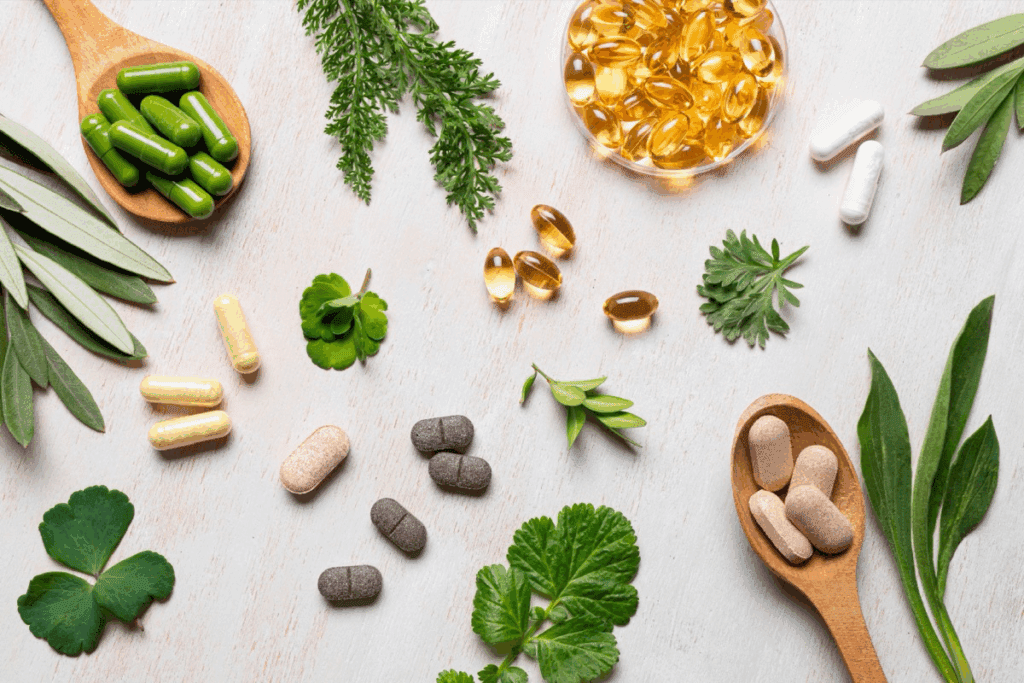
Perimenopause is a time of big hormonal changes. It can cause many symptoms that affect women in different ways. This phase, lasting from months to years, is a natural part of aging. It signals the end of a woman’s childbearing years.
What Is Perimenopause?
Perimenopause is the time before menopause when ovaries make less estrogen. It’s marked by hormonal ups and downs, leading to various symptoms. It usually starts in a woman’s 40s.
Common Symptoms During Perimenopause
Symptoms of perimenopause vary among women. They often include irregular periods, mood swings, sleep issues, and hot flashes. These happen because of changing estrogen and progesterone levels.
These symptoms fall into physical and emotional types. Physical symptoms are:
- Hot flashes
- Night sweats
- Sleep disturbances
- Changes in menstrual cycle
Emotional symptoms include:
- Mood swings
- Anxiety
- Depression
Hot Flashes: The Most Common Symptom
Hot flashes are a major symptom of perimenopause. They feel like sudden warmth all over, with sweating and flushing. They can happen anytime and are triggered by stress, certain foods, or heat.
Symptom | Prevalence | Characteristics |
Hot Flashes | 80-90% | Sudden warmth, sweating, flushing |
Mood Swings | 60-70% | Emotional changes, irritability |
Sleep Disturbances | 50-60% | Difficulty sleeping, insomnia |
Knowing about these symptoms helps manage them better. We’ll look at how herbs can help in the next sections.
How Herbs Can Help Manage Perimenopause Symptoms
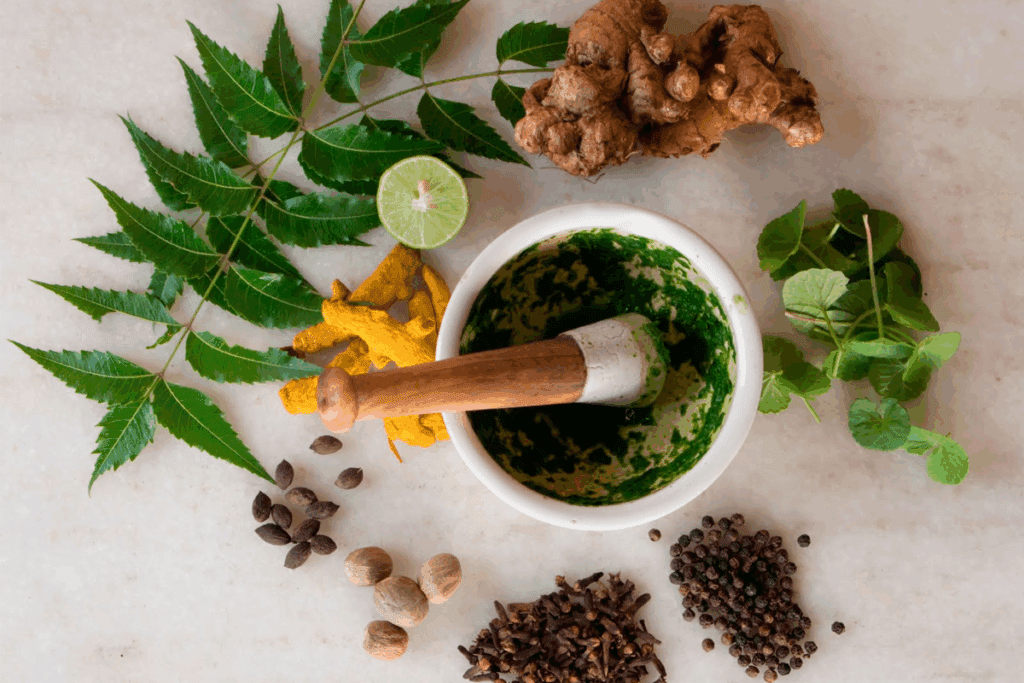
Natural approaches, like herbal remedies, are becoming more popular for easing perimenopause symptoms. Women often look for alternatives to traditional treatments during this life change.
The Science Behind Herbal Remedies
Herbal remedies have been used for centuries to help with menopausal symptoms. Their effectiveness comes from bioactive compounds that interact with hormones and neurotransmitters in the body.
Some herbs contain phytoestrogens, which are plant-based compounds that act like estrogen. These can help reduce symptoms like hot flashes and night sweats.
- Black Cohosh: Known for its ability to lessen hot flashes and mood swings.
- Sage: Traditionally used to help with hot flashes and night sweats.
- Lemon Balm: Offers calming effects that can improve mood.
Benefits of Natural Approaches
Using herbal remedies is often safer than some traditional treatments. Many women find they can manage their symptoms naturally without the risks of hormone replacement therapy (HRT).
Herbal remedies also fit into a holistic health approach. They promote overall well-being during the perimenopausal transition.
- Reduced risk of side effects
- Holistic approach to health
- Potential for long-term health benefits
- Empowerment through self-care
Herbs vs. Hormone Replacement Therapy
Hormone replacement therapy (HRT) is a traditional treatment for menopausal symptoms. But it has risks and side effects. Herbal remedies offer a natural alternative that can be effective for some women.
The choice between HRT and herbal remedies depends on individual health needs and preferences. It’s important to consult with a healthcare provider to find the best option.
Aspect | Hormone Replacement Therapy (HRT) | Herbal Remedies |
Effectiveness | Highly effective for severe symptoms | Variable, but effective for mild to moderate symptoms |
Side Effects | Potential for serious side effects | Generally fewer and less severe side effects |
Approach | Medical intervention | Natural, holistic approach |
Black Cohosh: The Most Studied Herb for Perimenopause
Black cohosh is a top choice for women going through perimenopause. It’s been studied a lot for its benefits in easing menopause symptoms.
How Black Cohosh Works on Hormonal Pathways
Black cohosh might affect hormone levels, but how it does this isn’t fully known. It’s thought to work with estrogen receptors, helping with symptoms of low estrogen in perimenopause.
Key actions of black cohosh include:
- Modulating estrogen receptors
- Influencing serotonin and other neurotransmitters
- Exerting anti-inflammatory effects
Scientific Evidence and 2023 Research Findings
Recent studies have looked into black cohosh’s effects on perimenopause symptoms. A 2023 review found it might help reduce hot flashes.
Notable findings from recent research:
- A 2023 study showed black cohosh supplements cut down hot flashes.
- A meta-analysis found black cohosh helps with menopause symptoms, best when used with other treatments.
Recommended Dosage and Usage
The right amount of black cohosh varies by person and product. Usually, 40-80 mg of standardized extract per day is suggested.
Guidelines for use:
- Always talk to a healthcare provider before starting black cohosh.
- Choose a high-quality product from a trusted brand.
- Stick to the recommended dose on the label or as advised by a healthcare professional.
Potential Side Effects and Precautions
Black cohosh is generally safe but can cause side effects in some. Common issues include stomach upset and headaches.
Precautions to consider:
- It might interact with blood thinners and hormone therapies.
- Women with breast cancer or hormone-sensitive conditions should talk to their doctor first.
- Pregnant or breastfeeding women should avoid it due to limited safety data.
Sage: A Powerful Herb for Hot Flash Relief
Sage is known for its ability to help with hot flashes, making it great for women in perimenopause. It has been used for many health benefits for a long time. Recent studies show it’s good for managing symptoms of menopause.
Medicinal Properties of Sage for Vasomotor Symptoms
Sage has compounds that help balance hormones and improve neurotransmitter function. This can reduce hot flashes. Its effect on serotonin levels is key, as serotonin helps control body temperature.
Some of the key medicinal properties of sage include:
- Antioxidant activity
- Anti-inflammatory effects
- Neuroprotective properties
- Hormone-regulating capabilities
Research on Sage for Hot Flashes
Studies have shown sage can help with hot flashes. A 2022 study found it reduced symptoms in postmenopausal women. The results were due to sage’s effect on neurotransmitters and hormone balance.
Key findings from research on sage for hot flashes include:
- A reduction in hot flash frequency by up to 50% in some studies
- Improved quality of life for women experiencing menopausal symptoms
- A favorable safety profile when used appropriately
How to Use Sage for Maximum Benefits
To get the most from sage, use it the right way. It comes in different forms:
- Tea: Made by steeping dried sage leaves in hot water
- Capsules: Containing dried sage extract
- Tinctures: Concentrated liquid extracts
When taking sage supplements, follow the recommended doses. Always talk to a healthcare provider, even if you’re just taking other medications.
Safety Considerations
Sage is usually safe, but there are some things to watch out for. Taking too much can cause problems. Some people should not use it at all.
“Sage should be used with caution in people with certain medical conditions, such as epilepsy, and those taking medications that may interact with sage.”
Make sure to buy sage products from trusted sources. This ensures you get quality and pure products.
Lemon Balm: Calming Herb for Mood and Hot Flashes
Lemon balm is great for women going through perimenopause. It helps with hot flashes and anxiety. For centuries, it has been used to treat health issues. Now, studies are showing it can help with perimenopause symptoms too.
Benefits for Mood and Hot Flashes
Lemon balm helps in many ways. It calms the mind and body. This can make mood swings better and hot flashes less severe.
Lemon balm’s advantages include:
- Reducing anxiety and stress
- Alleviating hot flashes
- Improving sleep quality
Clinical Evidence Supporting Its Use
Studies on lemon balm for perimenopause symptoms are promising. A study found it reduced anxiety and hot flashes. This was compared to a placebo.
“Lemon balm has shown considerable promise in managing menopausal symptoms, particular in reducing anxiety and the frequency of hot flashes.” – Medical Expert, Menopause Specialist
Different Forms and Applications
Lemon balm comes in capsules, teas, and creams. The choice depends on what you need. Capsules and teas help with hot flashes and anxiety. Creams are good for skin issues or stress.
Form | Usage | Benefits |
Capsules | Oral | Easy to incorporate into daily routine, effective for hot flashes and anxiety |
Tea | Oral | Promotes relaxation, can be consumed hot or cold |
Topical Creams | Topical | Localized relief, can be used for stress and anxiety |
Who Should Avoid Lemon Balm
Lemon balm is usually safe, but some should be careful. People with thyroid issues should talk to their doctor first. Pregnant or breastfeeding women should also get advice before using it.
Valerian Root: For Hot Flashes and Sleep Disturbances
Valerian root is a natural way to help with hot flashes and better sleep for women in perimenopause. It’s known for its calming effects and has been studied for its benefits in easing menopause symptoms.
How Valerian Affects Menopausal Symptoms
Valerian root works on the nervous system to help with menopause symptoms. It can make hot flashes less frequent and less severe. It also helps improve sleep by making you feel relaxed and less anxious.
Key benefits of valerian root for menopausal symptoms include:
- Reduced frequency and severity of hot flashes
- Improved sleep quality
- Enhanced overall well-being
Clinical Trial Results with 530 mg Dosage
A study on valerian root for menopause symptoms showed good results with a 530 mg dose. It found valerian root could help with hot flashes and sleep issues.
The results of this trial are promising, showing:
- A reduction in hot flash frequency
- Improved sleep duration and quality
- Minimal side effects reported
Best Ways to Take Valerian
Valerian root comes in capsules, teas, and tinctures. The best form and dose can vary based on personal preferences and needs.
Recommended forms of valerian root include:
- Capsules: Convenient and easy to incorporate into daily routines
- Teas: A soothing and relaxing way to consume valerian root
- Tinctures: Concentrated extracts that can be added to water or taken sublingually
Potential Interactions with Medications
Valerian root is usually safe but can interact with some medications. Always talk to a healthcare provider before using it, if you’re on other meds or have health issues.
Potential interactions to be aware of include:
- Sedatives and sleep aids: Enhanced sedative effects
- Antidepressants: Possible increased risk of serotonin syndrome
- Blood thinners: Increased risk of bleeding
Hops: Emerging Research for Menopausal Relief
Hops are being studied as a natural way to help with menopause symptoms. Known as Humulus lupulus, hops are used in beer but may have more benefits. They could help with menopause symptoms.
The Estrogenic Effects of Hops
Hops have compounds that might help with menopause symptoms. Phytoestrogens in hops act like estrogen in the body. This could help reduce hot flashes and other symptoms of menopause.
90-Day Study Results with 500 mg Daily Dosage
A study looked at hops extract for 90 days. Participants took 500 mg daily. The study found a big drop in menopause symptoms, like hot flashes. Clinical trials like this show hops might help with menopause.
Various Forms of Hops Supplements
Hops come in different forms, like capsules, tablets, and teas. The choice depends on what you like and what symptoms you’re trying to fix. It’s key to pick a high-quality hops supplement.
Contraindications and Warnings
While hops might help with menopause, there are things to watch out for. If you have estrogen-sensitive cancers or are on hormone therapy, talk to your doctor first. Hops can make you sleepy, so be careful with other sleep aids.
Red Clover: Rich in Isoflavones for Hormone Balance
Red clover is known for its isoflavones, which help with hormone balance during perimenopause. This perennial herb comes from Europe, Western Asia, and North Africa. It’s been used in traditional medicine for many purposes.
How Red Clover Supports Hormonal Health
Red clover is packed with isoflavones, which act like estrogen in the body. During perimenopause, estrogen levels drop, causing symptoms like hot flashes and mood swings. Isoflavones in red clover may ease these symptoms by balancing hormones.
Studies show that red clover’s isoflavones can bind to estrogen receptors. This might lessen menopausal symptoms. So, red clover is a good herbal remedy for women going through perimenopause.
Scientific Studies on Effectiveness
Many studies have looked into red clover’s effects on menopausal symptoms. A review of clinical trials found that red clover isoflavones cut down hot flashes in menopausal women.
Another study in a respected journal found that red clover supplements reduced menopausal symptoms. This improved the quality of life for those who took it.
Recommended Preparations and Dosages
Red clover comes in capsules, tablets, and teas. The usual dose is 40 to 80 mg of isoflavones daily. Make sure to pick a product with standardized isoflavone content for best results.
- Consult with a healthcare provider before starting any supplement regimen.
- Follow the recommended dosage on the product label.
- Monitor your symptoms and adjust the dosage as needed.
Safety Profile and Considerations
Red clover is usually safe for most women. But, it might affect blood thinners and hormone therapies. Women with breast cancer or hormone-sensitive conditions should talk to their doctor before using red clover supplements.
Remember, the quality of red clover products can vary. Opt for a reputable brand that follows good manufacturing practices (GMPs) for safety and effectiveness.
Evening Primrose Oil: Supporting Overall Menopausal Health
Evening primrose oil is rich in essential fatty acids. It’s becoming a popular choice for menopausal health. Women going through perimenopause and menopause find it helpful.
Benefits Beyond Hot Flashes
Evening primrose oil does more than just help with hot flashes. It’s known for its anti-inflammatory properties. It also supports skin health.
Nutritional Benefits: The oil is good for more than just skin. It helps with overall well-being during menopause. It’s a natural way to manage symptoms.
Research on Evening Primrose for Perimenopause
Studies on evening primrose oil for perimenopause symptoms are promising. They show it can reduce menopausal symptoms. But, more research is needed.
Study | Findings | Sample Size |
2022 Clinical Trial | Reduced severity of hot flashes and improved quality of life | 120 participants |
2019 Review | Potential benefits in reducing menopausal symptoms, including mood swings | Meta-analysis of 10 studies |
How to Incorporate Into Your Regimen
Adding evening primrose oil to your routine is easy. It comes in capsule form. Start with a low dose and adjust as needed.
Tips for Use: Choose a high-quality supplement. Always talk to a healthcare provider before starting any new supplement.
Possible Side Effects to Watch For
Evening primrose oil is generally safe. But, it can cause side effects like stomach upset and headaches. Watch your body’s response and adjust or stop if needed.
Safety Considerations: Women with certain health conditions should be careful. Avoid it if pregnant or breastfeeding, unless a healthcare provider says it’s okay.
Best Herbs for Perimenopause: How to Choose and Use Them
There are many herbal options for managing perimenopause symptoms. Creating a personalized approach is essential. Understanding how to pick and use herbal remedies can greatly improve your quality of life during this transition.
Creating a Personalized Herbal Strategy
To start, identify your main symptoms and health goals. Keeping a symptom journal is helpful. It tracks hot flashes, mood changes, and other symptoms.
This information helps you and your healthcare provider choose the right herbs. Consider your overall health and any medications you’re taking. Some herbs might not be safe with certain drugs or health conditions.
Combining Herbs for Enhanced Effects
Using different herbs together can be more effective than one herb alone. For example, black cohosh and sage together can help with hot flashes and night sweats. Valerian root and lemon balm can improve sleep and reduce anxiety.
Start with small doses and watch how your body reacts. Always consult a healthcare professional. They can guide you on safe and effective combinations.
Sourcing Quality Herbs and Supplements
The quality of herbal supplements varies. Look for products certified by organizations like NSF International. These certifications ensure the product is safe and contains what it claims.
Choose herbal supplements based on the extraction method. This affects how well the herbs work. For example, black cohosh might be more effective in certain forms.
When to Expect Results
How long it takes to see benefits from herbal supplements varies. Some women notice improvements quickly, while others may need 2-3 months.
Consistency is key. Stick to the recommended dosage and give the herbs time to work. Keeping a symptom journal helps track progress and adjust your herbal strategy as needed.
Conclusion
We’ve looked into how herbs can help with perimenopause symptoms, like hot flashes. Herbs like black cohosh, sage, and lemon balm are natural ways to manage these issues. They offer a good alternative to hormone therapy.
Herbal remedies have many benefits for perimenopause. They help reduce hot flashes and also tackle mood swings and sleep problems. Adding valerian root and hops to your routine can greatly improve your life.
Choosing the right herbs for perimenopause is key. Look for herbs that help with hot flashes and menopause symptoms. Red clover and evening primrose oil are great for hormonal balance. It’s important to create a personalized herbal plan and use quality supplements.
Exploring natural ways to deal with perimenopause can make a big difference. Talking to healthcare experts is also important. We suggest looking into herbs for natural relief during this time.
FAQ
What are the best herbs for perimenopause and hot flashes?
For managing perimenopause symptoms like hot flashes, try black cohosh, sage, and lemon balm. Also, valerian root, hops, red clover, and evening primrose oil are effective.
How do herbal remedies compare to hormone replacement therapy for perimenopause symptoms?
Herbal remedies are a natural way to handle perimenopause symptoms. They are often gentler than hormone replacement therapy, which can have side effects.
What is black cohosh, and how does it help with perimenopause symptoms?
Black cohosh is a studied herb that helps with perimenopause symptoms. It works by affecting hormonal pathways, helping with hot flashes.
Can sage really reduce hot flash frequency?
Yes, sage has been shown to cut down hot flash frequency. It’s a great herbal remedy for perimenopause.
What are the benefits of using lemon balm for perimenopause?
Lemon balm calms the mind and body. It helps with mood and hot flashes during perimenopause.
How does valerian root help with sleep disturbances during perimenopause?
Valerian root promotes sleep. It’s a good herbal remedy for sleep issues during perimenopause.
Are there any contraindications for using hops supplements during perimenopause?
Yes, hops may affect estrogen levels. People with certain health issues or on specific meds should talk to a doctor before using hops.
How does red clover help with hormone balance during perimenopause?
Red clover has isoflavones that may ease menopausal symptoms. It supports hormonal health.
What are the benefits of evening primrose oil beyond alleviating hot flashes?
Evening primrose oil is nutritious. It supports menopausal health beyond just hot flashes.
How can I create a personalized herbal strategy for managing perimenopause symptoms?
To make a personalized herbal plan, pick herbs for your symptoms. Mix herbs for better effects. Choose quality products.
What should I expect when using herbal remedies for perimenopause symptoms?
Be patient with herbal remedies. Watch your symptoms. Effects may take time to show.
Are there any possible interactions between herbal supplements and medications?
Yes, some herbal supplements can interact with meds. Always check with a doctor before adding new supplements.
Reference
National Center for Biotechnology Information. Herbal Remedies for Perimenopause and Hot Flashes. Retrieved from https://www.ncbi.nlm.nih.gov/pmc/articles/PMC7475286/