Last Updated on December 3, 2025 by Bilal Hasdemir

Understanding the duration of hernia surgery is crucial for patients preparing for the procedure. The length of the surgery can vary significantly based on several factors, including the type of hernia and the surgical method used.
The hernia operation time can range from 30 minutes to 2 hours. This variability is due to the complexity of the case and whether the surgery is performed laparoscopically or through an open procedure.
Knowing the average hernia surgery duration helps patients plan their recovery and understand what to expect during the surgical process.
Key Takeaways
- The duration of hernia surgery varies based on the type and method.
- Surgery can last anywhere from 30 minutes to 2 hours.
- Laparoscopic surgeries tend to be quicker than open surgeries.
- Understanding the average duration helps with planning.
- Complexity of the case affects the overall surgery time.
Understanding Hernia Surgery Basics
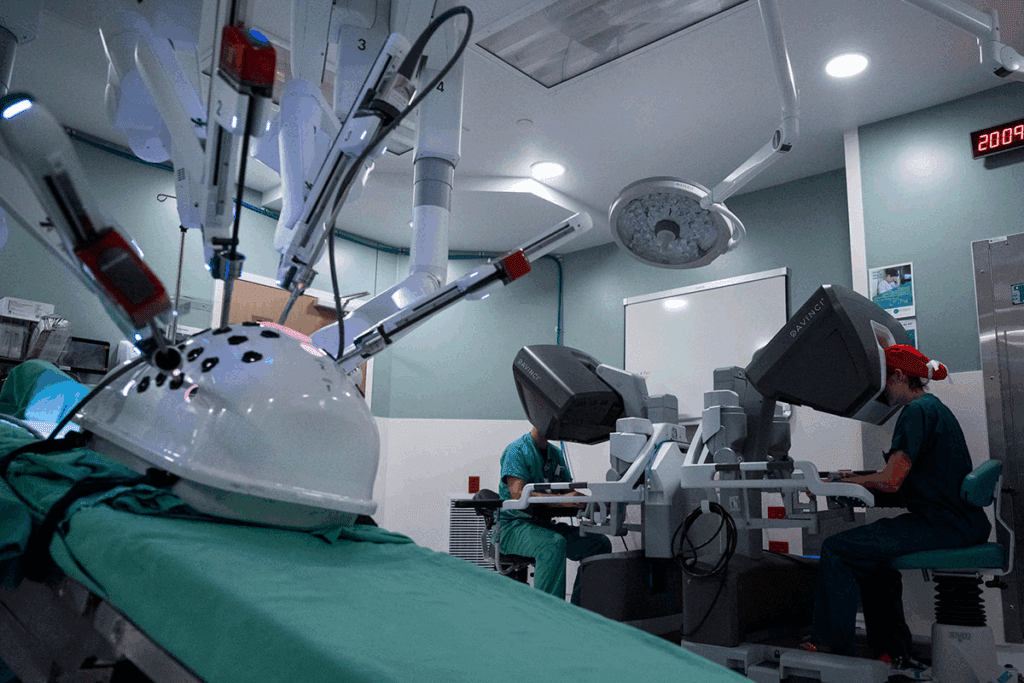
A hernia occurs when an organ or tissue bulges through a weakened area in the muscle or fascia, and surgery is often required to repair it. Hernias can be painful and potentially serious if not treated properly.
What is a Hernia?
A hernia is a medical condition where an internal organ or tissue protrudes through a weakened area in the muscle or surrounding tissue. This can occur in various parts of the body, including the abdomen, groin, or belly button.
There are several types of hernias, including inguinal hernias, which occur in the groin area; umbilical hernias, which occur around the belly button; and ventral hernias, which occur in the abdominal wall.
Why Surgical Intervention is Necessary
Surgical intervention is often necessary to prevent complications such as obstruction or strangulation of the hernia. If left untreated, a hernia can become incarcerated or strangulated, cutting off blood supply to the affected area, which can lead to serious health issues.
Surgery is typically recommended for hernias that are painful, growing in size, or causing significant discomfort. The goal of surgery is to repair the weakened area and prevent further complications.

Common Symptoms Requiring Surgical Repair
Common symptoms that may require surgical repair include a visible bulge or lump, discomfort or pain when coughing, lifting, or bending, and a feeling of heaviness or pressure in the affected area.
| Symptom | Description |
| Visible Bulge | A noticeable lump or swelling in the affected area. |
| Discomfort or Pain | Pain or discomfort when coughing, lifting, or bending. |
| Heaviness or Pressure | A feeling of heaviness or pressure in the groin or abdominal area. |
Understanding these basics is crucial for patients to make informed decisions about their treatment options and to prepare for the surgical process.
Hernia Operation Time: What to Expect
Knowing what to expect regarding hernia operation time can help alleviate anxiety and prepare patients for their recovery. The duration of hernia surgery is influenced by several factors, including the type of hernia, the surgical method used, and the patient’s overall health.
Typical Duration Ranges
The length of time required for hernia surgery can vary significantly. Laparoscopic surgery, for example, can take longer than open surgery due to the complexity of the procedure and the need for specialized equipment. Typically, hernia surgery can last anywhere from 30 minutes to several hours.
- Laparoscopic hernia repair: 45 minutes to 2 hours
- Open hernia repair: 30 minutes to 1.5 hours
- Robotic hernia surgery: 1 to 3 hours
These times are approximate and can vary based on the specifics of the case.
Factors Affecting Surgical Timeframes
Several factors can influence the duration of hernia surgery. These include:
- The size and complexity of the hernia
- The patient’s medical history and physical condition
- The surgeon’s experience and technique
- The type of anesthesia used
Surgeons often need to adjust their approach based on these factors, which can impact the overall duration of the surgery.
Setting Realistic Expectations
It’s essential for patients to have realistic expectations about their hernia surgery duration. Discussing the specifics of the procedure with the surgeon can help patients understand what to expect and prepare them for the recovery process.
“Understanding the factors that influence hernia surgery duration can help patients feel more prepared and less anxious about their procedure.”
A Hernia Specialist
By being informed and prepared, patients can better navigate their hernia surgery experience.
Types of Hernias and Their Surgical Duration
Hernia surgery duration varies significantly depending on the type of hernia. Different types of hernias require distinct surgical approaches, which in turn affect the operation time. Understanding the specifics of each hernia type is essential for patients to have realistic expectations about their surgery.
Inguinal Hernia Repair Time
Inguinal hernia repair is one of the most common types of hernia surgeries. The average duration for inguinal hernia repair is typically between 30 to 45 minutes when performed laparoscopically. However, the time can vary based on the complexity of the case and the surgeon’s experience.
Umbilical Hernia Surgery Duration
Umbilical hernia surgery, which involves repairing a hernia near the belly button, usually takes about 30 minutes to an hour. The exact duration can depend on whether the surgery is performed open or laparoscopically.
Ventral Hernia Operation Length
Ventral hernia repair, which involves hernias occurring in the abdominal wall, can take longer, typically ranging from 1 to 3 hours. The complexity and size of the hernia are significant factors influencing the surgical duration.
Hiatal Hernia Procedure Timing
Hiatal hernia surgery, often performed to treat gastroesophageal reflux disease (GERD), can vary in duration. Laparoscopic hiatal hernia repair typically takes about 1 to 2 hours. The complexity of the hernia and the need for additional procedures can affect the overall time.
| Type of Hernia | Average Surgical Duration |
| Inguinal Hernia | 30-45 minutes |
| Umbilical Hernia | 30 minutes – 1 hour |
| Ventral Hernia | 1-3 hours |
| Hiatal Hernia | 1-2 hours |
Laparoscopic Hernia Surgery Time
Laparoscopic hernia surgery, known for its small incisions and reduced recovery time, is a significant advancement in surgical techniques. This minimally invasive approach has become increasingly popular due to its benefits over traditional open surgery.
Duration of Minimally Invasive Approach
The duration of laparoscopic hernia surgery can vary depending on several factors, including the complexity of the hernia and the surgeon’s experience. Generally, this type of surgery can take anywhere from 30 minutes to several hours. On average, a straightforward laparoscopic hernia repair might take about 45 minutes to an hour.
Setup and Preparation Requirements
Laparoscopic surgery requires specific equipment and setup, including a laparoscope and monitors. The surgical team must prepare the operating room with the necessary laparoscopic instruments, which can add to the overall time before the surgery begins. “The setup for laparoscopic surgery is more complex compared to open surgery,” notes a renowned surgeon. “However, the benefits to the patient in terms of recovery time and scarring make it a worthwhile procedure.”
Recovery Time Advantages
One of the significant advantages of laparoscopic hernia surgery is the quicker recovery time. Patients typically experience less pain and can return to their normal activities sooner than those who undergo open surgery. Studies have shown that laparoscopic surgery can reduce hospital stay and recovery time by up to 50% in some cases.
As quoted by a leading medical journal,
“Laparoscopic hernia repair has emerged as a preferred method for many surgeons due to its minimally invasive nature and the associated benefits of reduced post-operative pain and faster recovery.”
Open Hernia Surgery Duration
When it comes to hernia repair, open surgery is a well-established approach with its own timeframe and benefits. Open hernia surgery, also known as herniorrhaphy, involves making an incision in the abdomen to repair the hernia. This traditional method is often used for complex or recurrent hernias where a more straightforward approach is necessary.
Traditional Surgical Approach Timeframe
The duration of open hernia surgery can vary significantly based on the complexity of the hernia and the patient’s overall health. Generally, the surgery can last anywhere from 30 minutes to several hours. For instance, a simple hernia repair might take about 30 to 60 minutes, while more complex cases involving larger hernias or recurrent hernias can take longer, sometimes up to 2 or 3 hours.
Factors influencing the duration include:
- The size and location of the hernia
- The patient’s medical history and physical condition
- The surgeon’s experience and technique
When Open Surgery is Preferred Despite Longer Duration
Despite the longer recovery time associated with open hernia surgery, it is sometimes preferred over laparoscopic surgery for several reasons. Open surgery allows for a more direct access to the hernia, which can be crucial in cases where the hernia is large or complicated. Additionally, open surgery might be chosen when the patient has other medical conditions that could complicate laparoscopic surgery.
The benefits of open surgery in complex cases include:
- Direct visualization of the hernia
- Ability to handle complex or recurrent hernias more effectively
- Reduced risk of certain complications associated with laparoscopic surgery
Recovery Considerations with Open Procedures
Recovery from open hernia surgery typically takes longer compared to laparoscopic surgery. Patients may experience more pain and discomfort, and the recovery process can be more prolonged. However, with proper post-operative care and pain management, patients can recover effectively.
Key recovery considerations include:
- Pain management through medication
- Gradual return to normal activities
- Follow-up appointments to monitor healing
Robotic Hernia Surgery Time
Robotic hernia surgery represents a cutting-edge approach in the field of surgical repair, offering enhanced precision and flexibility. This advanced technological method has revolutionized the way surgeons perform hernia operations, providing a more nuanced and controlled approach.
Precision and Flexibility in Hernia Repair
The robotic system allows surgeons to perform complex hernia repairs with greater ease and accuracy. The enhanced visualization and dexterity provided by robotic technology enable surgeons to navigate intricate anatomical structures more effectively.
Key benefits of robotic hernia surgery include:
- Improved precision in dissection and repair
- Enhanced visualization of the surgical site
- Greater flexibility in suturing and mesh placement
- Potential for reduced recovery time due to minimally invasive techniques
Comparing Robotic Hernia Surgery Duration with Other Methods
While robotic hernia surgery may take longer than traditional open surgery or laparoscopic procedures, the benefits it offers can outweigh the extended operating time. Studies have shown that the duration of robotic hernia surgery can vary, but it generally falls within a comparable range to other advanced surgical techniques.
A comparison of surgical durations for different hernia repair methods is as follows:
| Surgical Method | Typical Duration Range |
| Robotic Hernia Surgery | 1-3 hours |
| Laparoscopic Hernia Surgery | 1-2 hours |
| Open Hernia Surgery | 30 minutes to 2 hours |
Benefits Despite Potentially Longer Operating Times
Despite potentially longer operating times, robotic hernia surgery offers several benefits, including reduced postoperative pain, shorter hospital stays, and quicker return to normal activities. The precision and flexibility of robotic systems can lead to more durable repairs and lower recurrence rates.
“The use of robotic technology in hernia surgery represents a significant advancement in our ability to provide patients with minimally invasive, highly effective treatment options.”
A Surgeon
In conclusion, while robotic hernia surgery may require more time in the operating room, its numerous benefits make it an attractive option for both surgeons and patients. As technology continues to evolve, we can expect to see further improvements in surgical outcomes and patient satisfaction.
Factors That Influence Hernia Surgery Duration
The length of time required for hernia surgery varies based on several critical factors. Understanding these elements can help patients better prepare for their procedure and set realistic expectations.
Size and Complexity of the Hernia
The size and complexity of the hernia play a significant role in determining the surgery duration. Larger hernias or those that are more complex often require more time and intricate repair techniques.
Larger hernias may involve more extensive dissection and repair, potentially prolonging the surgery time. The complexity of the hernia, including factors such as the presence of multiple defects or a history of previous hernia repairs, can also impact the duration.
Patient’s Medical History and Physical Condition
A patient’s overall health and medical history are crucial factors that can influence hernia surgery duration. Patients with certain medical conditions or those who are older may require additional precautions or more complex anesthesia management.
- Pre-existing medical conditions, such as diabetes or heart disease, can affect surgery time.
- The patient’s physical condition, including factors like obesity or previous surgeries, can also impact the duration.
Surgeon’s Experience and Technique
The experience and technique of the surgeon are significant factors that can influence the length of hernia surgery. More experienced surgeons may complete the procedure more efficiently, while less experienced ones might take longer.
| Surgeon’s Experience Level | Average Surgery Time |
| Highly Experienced | 45-60 minutes |
| Moderately Experienced | 60-90 minutes |
| Less Experienced | 90+ minutes |
Hospital or Surgical Center Protocols
Different hospitals or surgical centers may have varying protocols that can affect the duration of hernia surgery. These protocols can include preoperative preparation, surgical team composition, and postoperative care.
The efficiency of the surgical team and the specific protocols in place can influence the overall surgery time. For instance, centers with streamlined processes may be able to complete surgeries more quickly.
Pre-Surgery Preparation Impact on Operation Length
Effective pre-surgery preparation is essential for a smooth and efficient hernia operation. Proper preparation not only ensures that the surgery is performed within the expected timeframe but also contributes to a successful outcome and quicker recovery.
Required Testing and Evaluation
Before undergoing hernia surgery, patients are required to undergo various tests and evaluations to ensure they are fit for the operation. These may include blood tests, imaging studies, and assessments of overall health. Such evaluations help identify any potential risks and allow for necessary precautions to be taken.
Day-of-Surgery Preparation Time
On the day of the surgery, preparation is crucial for ensuring that the operation starts on time. This includes administering anesthesia, preparing the surgical site, and ensuring that all necessary equipment is ready. Efficient day-of-surgery preparation can significantly impact the overall duration of the procedure.
Patient Education and Consent Process
Patient education is a vital component of pre-surgery preparation. It involves informing patients about the procedure, potential risks, and what to expect during recovery. The consent process ensures that patients are fully aware of and agree to the treatment plan. This not only helps in managing patient expectations but also in reducing anxiety and improving compliance.
Anesthesia Considerations and Their Effect on Timing
Anesthesia plays a pivotal role in hernia surgery, influencing both the patient’s comfort and the procedure’s overall duration. The type of anesthesia used can significantly affect the surgery’s timing, making it a crucial consideration for both surgeons and patients.
Types of Anesthesia Used for Hernia Repair
Hernia repair surgeries can utilize various types of anesthesia, including local, regional, and general anesthesia. Local anesthesia numbs the specific area where the surgery is performed, allowing the patient to remain awake during the procedure. Regional anesthesia, on the other hand, numbs a larger area, such as below the waist. General anesthesia renders the patient unconscious throughout the surgery.
Induction and Recovery Time Factors
The time it takes to induce anesthesia and the subsequent recovery period can vary based on several factors, including the type of anesthesia used, the patient’s overall health, and the complexity of the surgical procedure. Induction time is generally shorter for local anesthesia compared to general anesthesia. However, recovery times can be longer for patients who undergo general anesthesia.
Patient-Specific Anesthesia Considerations
Patient-specific factors, such as age, medical history, and current health status, play a significant role in determining the most appropriate type of anesthesia for hernia surgery. For instance, older patients or those with certain health conditions may require adjustments in anesthesia dosage or type to ensure safety during the procedure.
By carefully considering these factors and choosing the most appropriate anesthesia, surgeons can optimize the timing and outcome of hernia surgery, enhancing both the patient’s experience and the procedural success.
Mesh vs. Non-Mesh Repair: Time Differences
When it comes to hernia repair, the choice between mesh and non-mesh repair can significantly impact the duration of the surgery. The decision to use either method depends on various factors, including the type of hernia, the patient’s overall health, and the surgeon’s preference.
The use of surgical mesh has become a common practice in hernia repair due to its ability to reduce recurrence rates. However, the installation of mesh can add to the overall surgery time.
Surgical Mesh Installation Duration
The installation of surgical mesh involves placing a synthetic or biological material to support the weakened area. This process can take anywhere from 15 to 30 minutes, depending on the complexity of the hernia and the type of mesh used.
Key factors influencing mesh installation time include:
- The size and type of mesh used
- The complexity of the hernia
- The surgeon’s experience with mesh repair
Traditional Suture Repair Timeframe
Traditional suture repair, on the other hand, involves closing the hernia with sutures without the use of mesh. This method can be less time-consuming, typically taking between 10 to 20 minutes.
The advantages of suture repair include:
- Reduced risk of mesh-related complications
- Lower cost compared to mesh repair
- Simpler procedure for certain types of hernias
New Mesh Technologies and Their Impact on Surgery Time
Recent advancements in mesh technology have led to the development of new materials and designs that can simplify the installation process, potentially reducing surgery time. These innovations include:
- Pre-shaped meshes that conform to the hernia site
- Biological meshes that promote tissue integration
- Meshes with anti-adhesive coatings to reduce complications
These advancements are expected to continue improving the efficiency and outcomes of mesh repair surgeries.
Emergency vs. Scheduled Hernia Surgery Time
Emergency hernia surgeries, such as those for strangulated hernias, have different timing considerations than scheduled procedures. The urgency of the condition often dictates the speed at which surgical intervention is required.
Urgent Repair Scenarios and Timing
In cases where a hernia becomes incarcerated or strangulated, emergency surgery is necessary to prevent further complications. These procedures are typically performed as soon as possible, often within hours of diagnosis.
Key considerations for urgent repair include:
- Rapid assessment and preparation for surgery
- Coordination with surgical and anesthesia teams
- Potential for additional complications due to the emergency nature
Planned Procedure Duration Benefits
Scheduled hernia surgeries, on the other hand, allow for better planning and potentially shorter recovery times. These procedures are typically performed in a controlled environment with optimal conditions for both the surgical team and the patient.
Benefits of scheduled surgeries include:
- Preoperative optimization of the patient’s health
- Coordination with the patient’s schedule for minimal disruption
- Potential for shorter hospital stays and recovery times
Strangulated Hernia Emergency Timeframes
A strangulated hernia is a medical emergency that requires immediate surgical attention. The timeframe for surgery is typically short, with the goal of restoring blood flow to the affected area as quickly as possible.
| Surgery Type | Typical Timeframe | Key Considerations |
| Emergency (Strangulated Hernia) | Within hours of diagnosis | Rapid assessment, potential for complications |
| Scheduled | Coordinated with patient’s schedule | Preoperative optimization, potentially shorter recovery |
Understanding the differences between emergency and scheduled hernia surgery is crucial for patients to prepare adequately and manage their expectations regarding the timing and recovery process.
Outpatient vs. Inpatient Hernia Procedures
Outpatient and inpatient hernia procedures differ significantly in terms of duration and patient experience. The choice between these two options depends on various factors, including the type of hernia, the patient’s overall health, and the surgical technique used.
Same-day Surgery Timeframes
Outpatient hernia surgery, also known as same-day surgery, allows patients to return home on the same day as their procedure. The duration of outpatient hernia surgery can vary, but it typically ranges from 30 minutes to a few hours. The recovery time in the facility is usually a few hours, during which medical staff monitor the patient’s condition and manage any post-operative pain or discomfort.
Key benefits of outpatient hernia surgery include:
- Reduced risk of hospital-acquired infections
- Lower medical costs compared to inpatient procedures
- Quicker return to normal activities
Hospital Admission Considerations
Inpatient hernia surgery requires a hospital stay, which can range from one to several days. This type of procedure is often recommended for patients with more complex hernias or those who have underlying health conditions that require closer monitoring during the recovery period.
Inpatient procedures may involve:
- More extensive pre-operative testing and evaluation
- Closer monitoring of the patient’s condition during recovery
- Access to a wider range of medical services and specialists
Facility Differences Affecting Duration
The duration of both outpatient and inpatient hernia procedures can be influenced by the facility where the surgery is performed. Hospitals and specialized surgical centers may have different protocols, equipment, and staffing levels that can impact the overall duration and efficiency of the procedure.
When choosing a facility, patients should consider factors such as:
- The experience and qualifications of the surgical team
- The availability of advanced medical technology and equipment
- The quality of post-operative care and support services
By understanding the differences between outpatient and inpatient hernia procedures, patients can make informed decisions about their care and prepare for a successful surgical experience.
Pediatric Hernia Surgery Duration
Understanding the specifics of pediatric hernia surgery duration is crucial for parents and caregivers to prepare for the procedure. Pediatric hernia surgery, while similar in some respects to adult hernia repair, has its unique considerations, including the child’s age, size, and overall health.
Children’s Hernia Repair Timeframes
The duration of hernia repair in children can vary significantly based on several factors, including the type of hernia, the child’s age, and whether the surgery is performed laparoscopically or through an open procedure. Generally, pediatric hernia surgeries are relatively quick, often taking less than an hour.
For instance, a simple inguinal hernia repair in a child might take around 30 minutes to an hour. However, more complex cases or those requiring laparoscopic surgery might take a bit longer. It’s essential for parents to discuss the expected duration with the surgeon to understand what to anticipate.
Special Considerations Affecting Duration
Several special considerations can affect the duration of children’s surgery. These include the child’s overall health, the presence of any other medical conditions, and the need for any additional surgical interventions during the procedure.
- The child’s size and age can influence the complexity and duration of the surgery.
- The surgeon’s experience with pediatric cases is crucial in determining the efficiency and safety of the procedure.
- The type of anesthesia used and the anesthesiologist’s experience with children can also impact the overall duration.
Parental presence and preparation are also vital factors. Being prepared and understanding the process can help reduce anxiety and make the experience smoother for both the child and the parents.
Potential Complications That Extend Surgery Time
Complications during hernia surgery are not uncommon and can significantly impact the duration of the procedure. While surgeons strive to complete operations efficiently, unforeseen challenges can arise, necessitating adjustments to the initial plan.
Anatomical Challenges
One of the primary factors that can complicate hernia surgery is anatomical challenges. The human body’s anatomy can vary significantly from one individual to another, and sometimes these variations can make surgical procedures more complex. For instance, the location and size of the hernia, as well as the patient’s overall anatomy, can influence the difficulty of the surgery.
Examples of anatomical challenges include:
- Unusual hernia locations that are harder to access
- Hernias that are larger or more complex than anticipated
- Patients with a history of previous surgeries in the same area, leading to scar tissue and adhesions
Unexpected Findings During Surgery
Despite thorough preoperative evaluations, unexpected findings can occur during surgery. These might include additional hernias not detected preoperatively, complications such as strangulation or incarceration, or other unforeseen conditions that require immediate attention.
“The ability to adapt to unexpected findings during surgery is a hallmark of an experienced surgeon.”
A renowned hernia specialist
Managing Complications Intraoperatively
Managing complications during surgery is crucial to ensuring patient safety and achieving a successful outcome. This might involve adjusting the surgical technique, employing additional measures to address unexpected findings, or in some cases, converting to a different surgical approach.
When a Simple Repair Becomes Complex
A simple hernia repair can become complex due to various factors, including the size of the hernia, the presence of adhesions, or the need for mesh placement. Surgeons must be prepared to adapt their strategy as needed to address these complexities effectively.
| Complication | Description | Impact on Surgery Time |
| Anatomical Challenges | Variations in patient anatomy that complicate surgery | Increased time due to the need for adapted techniques |
| Unexpected Findings | Discovery of additional hernias or complications during surgery | Extended time to address the unexpected issues |
| Managing Complications | Adjusting the surgical plan to address complications | Variable, depending on the nature of the complication |
In conclusion, while hernia surgery is a common and generally safe procedure, potential complications can arise that extend the operation time. Understanding these factors can help patients and surgeons prepare for the possibilities and manage expectations accordingly.
Post-Surgery Recovery Time in Hospital
Patients who have undergone hernia surgery are closely monitored in the hospital during the recovery period. This phase is critical for ensuring that there are no immediate complications and that the patient is stable before being discharged.
Immediate Post-Operative Monitoring
After hernia surgery, patients are taken to a recovery room where they are monitored for any signs of complications. Immediate post-operative monitoring includes checking vital signs, managing pain, and observing for any adverse reactions to anesthesia or the surgical procedure itself.
The medical team keeps a close eye on the patient’s condition, ready to address any issues that may arise. This period is crucial for identifying and managing any potential complications early on.
Discharge Timing Expectations
The length of hospital stay after hernia surgery can vary. Some patients may be discharged on the same day, while others may need to stay overnight or longer, depending on the complexity of the surgery and their overall health.
Factors influencing discharge timing include the type of hernia repaired, the surgical method used (open vs. laparoscopic), and the patient’s recovery progress. Clear discharge instructions are provided to patients before they leave the hospital, including guidance on pain management, wound care, and follow-up appointments.
Pain Management and Mobility Considerations
Effective pain management is a key aspect of post-surgery care. Patients are given medication to manage pain, and the medical team monitors its effectiveness and adjusts as necessary.
Mobility is also an important consideration. Encouraging patients to move and walk soon after surgery can help prevent complications such as blood clots and promote healing. However, the level of activity is carefully balanced to avoid putting undue stress on the surgical site.
Conclusion: Planning for Your Hernia Surgery
Proper planning and preparation are crucial for a successful hernia surgery experience. Understanding the factors that influence surgery duration can help patients prepare for their procedure and recovery.
By considering the type of hernia, surgical approach, and individual patient factors, healthcare providers can provide more accurate estimates for surgery duration. Patients can also take steps to prepare for their surgery, such as following pre-operative instructions and asking questions about their procedure.
Effective planning for hernia surgery involves understanding the factors that can impact the length and complexity of the operation. By being informed and prepared, patients can reduce their anxiety and ensure a smoother recovery process.
Ultimately, hernia surgery preparation is key to a successful outcome. Patients should work closely with their healthcare team to develop a personalized plan for their surgery and recovery.
FAQ
How long does hernia surgery typically take?
Hernia surgery can take anywhere from 30 minutes to 2 hours, depending on the type of hernia and the surgical method used.
What factors can affect the duration of hernia surgery?
Factors that can influence the length of hernia surgery include the size and complexity of the hernia, the patient’s medical history and physical condition, the surgeon’s experience and technique, and hospital or surgical center protocols.
How long does laparoscopic hernia surgery take?
Laparoscopic hernia surgery typically takes around 30-60 minutes, but the setup and preparation requirements can add to the overall time.
What is the average duration of open hernia surgery?
Open hernia surgery can take anywhere from 30 minutes to 2 hours, depending on the complexity of the hernia and the surgeon’s technique.
How long does robotic hernia surgery take?
Robotic hernia surgery can take longer than traditional open or laparoscopic surgery, typically ranging from 1-2 hours, but offers benefits in terms of precision and recovery.
What is the difference in duration between mesh and non-mesh repair?
The installation of surgical mesh can add to the overall duration of the surgery, while traditional suture repair may be quicker, but the exact time difference depends on the surgeon’s technique and the complexity of the hernia.
How does emergency hernia surgery differ from scheduled surgery in terms of timing?
Emergency hernia surgery, such as for a strangulated hernia, requires immediate attention and can be more complex, potentially taking longer than a scheduled procedure.
What is the typical duration for pediatric hernia surgery?
Pediatric hernia surgery is generally quicker, often taking around 30-60 minutes, but special considerations and the child’s overall health can affect the duration.
How long does it take to recover from hernia surgery in the hospital?
The post-surgery recovery time in the hospital can vary, but most patients are discharged within a few hours after the procedure, with some requiring longer observation for pain management and mobility.
Can pre-surgery preparation impact the length of the hernia operation?
Yes, thorough pre-surgery preparation, including required testing and evaluation, can help streamline the surgical process and potentially reduce the overall duration.
How does the type of anesthesia used affect the timing of hernia surgery?
The type of anesthesia used can impact the induction and recovery time, with some types requiring more time than others, and patient-specific considerations can also influence the overall timing.
What are the time differences between outpatient and inpatient hernia procedures?
Outpatient hernia procedures are typically quicker, with same-day discharge, while inpatient procedures may require longer hospital stays, depending on the complexity of the case and the facility’s protocols.
Reference:
London Health Sciences Centre. Timed toileting and double voiding.
https://www.lhsc.on.ca/women-s-health/timed-toileting-and-double-voiding