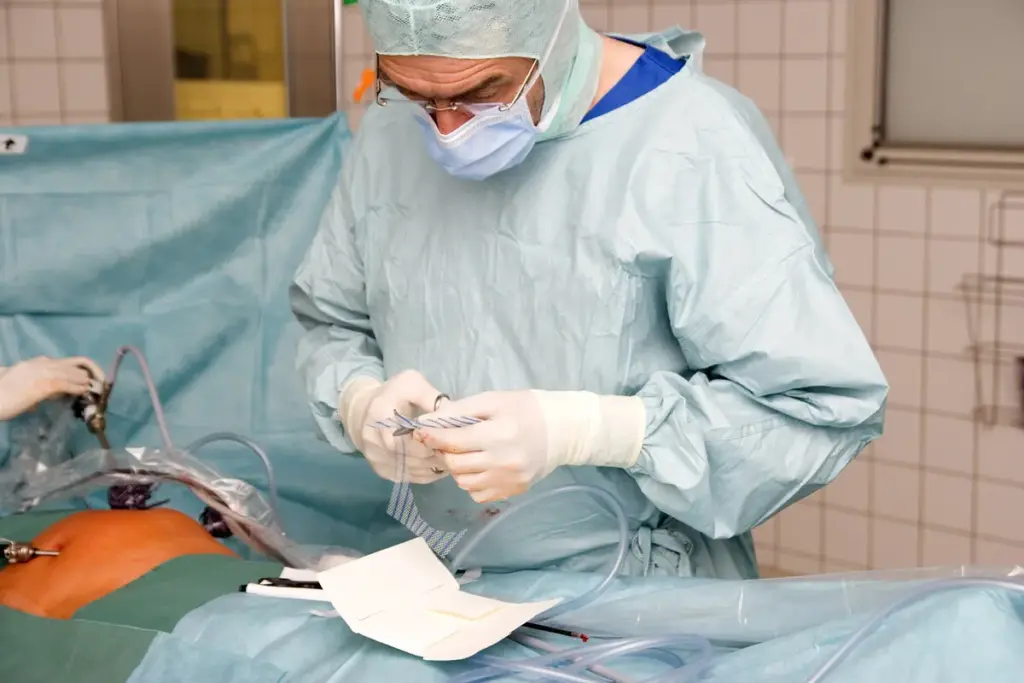
When it comes to hernia repair, the doctor’s skill is key for a good result. General surgeons are the main doctors who do these surgeries.
Surgeon experience is very important for hernia surgery success. A skilled surgeon can greatly improve your chances of a quick and easy recovery.
Key Takeaways
- General surgeons are the primary doctors who perform hernia repairs.
- Surgeon experience is very important for successful hernia surgery outcomes.
- Experienced surgeons can lower the chance of the hernia coming back and help you recover faster.
- Hernia repair can be done using open, laparoscopic, or robotic methods.
- The choice of surgical method depends on the surgeon’s skill and your health condition.
Understanding Hernias and Their Impact

Hernias are common but can greatly affect your life if not treated. A hernia happens when an organ bulges through a weak spot in the muscle or tissue. This weak spot is usually where the muscle or tissue should hold the organ in place.
Definition and Common Types of Hernias
There are many types of hernias, each with its own features. The most common ones are:
- Inguinal Hernias: These happen when tissue, like part of the intestine, pushes through a weak spot in the abdominal muscles in the groin area.
- Umbilical Hernias: These occur near the belly button, often because of a weakness in the abdominal wall.
- Incisional Hernias: These happen through a scar or incision in the abdominal wall, caused by previous surgery.
- Hiatal Hernias: A type of hernia where the stomach bulges up into the chest through an opening in the diaphragm.
Doctors say knowing the type of hernia is key to finding the right treatment.
Prevalence and Impact on Quality of Life
Hernias are a big health issue, affecting millions globally. Many factors can lead to hernias, like age, genetics, and lifestyle.
|
Type of Hernia |
Prevalence |
Impact on Quality of Life |
|---|---|---|
|
Inguinal |
Most common, mostly in men |
Can cause groin pain and discomfort |
|
Umbilical |
Common in infants and adults with abdominal strain |
May cause abdominal pain and discomfort |
|
Incisional |
Occurs in individuals with previous abdominal surgery |
Can lead to complications if not treated |
A leading medical journal notes, “Hernias can greatly affect your quality of life. They can cause pain, discomfort, and serious complications if not treated.”
“The impact of hernias on quality of life should not be underestimated. Prompt medical attention is essential to prevent complications and improve outcomes.”
Learning about hernias, their types, and effects is the first step to better health and quality of life.
Types of Hernias Requiring Surgical Intervention
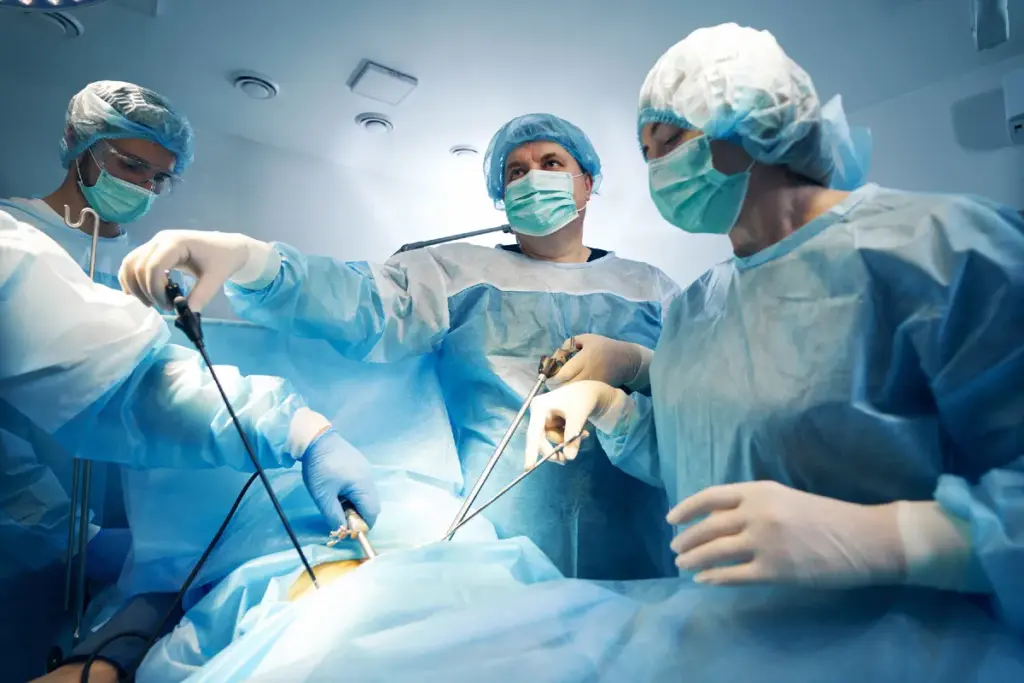
It’s important to know about the different hernias that need surgery. Hernias happen when an organ or tissue bulges through a weak spot in the muscle or tissue. This is a common medical issue.
There are many types of hernias, each with its own symptoms and risks. Surgery is often needed to fix these hernias and avoid more problems.
Inguinal Hernias
Inguinal hernias are the most common, making up about 75% of all hernia cases. They happen when tissue bulges through a weak spot in the abdominal muscles in the inguinal canal. Surgical repair is often recommended to prevent complications like incarceration or strangulation of the hernia.
- Symptoms include a bulge in the groin area, discomfort or pain, specially when coughing, lifting, or bending.
- Treatment typically involves herniorrhaphy, a surgical procedure to repair the weakened area.
Umbilical Hernias
Umbilical hernias occur around the navel (belly button) and are more common in infants and young children, though they can also occur in adults. They happen when part of the intestine bulges through an opening in the abdominal muscles near the navel. Surgery may be required if the hernia is large or causes symptoms.
- Symptoms include a visible bulge or swelling near the navel, discomfort or pain.
- Treatment may involve monitoring in infants, as many umbilical hernias close on their own, while adults may require surgical repair.
Incisional Hernias
Incisional hernias occur through a scar or incision in the abdominal wall, resulting from previous abdominal surgery. They are a complication of surgery and can be caused by factors like wound infection or inadequate closure of the surgical wound. Surgical intervention is often necessary to repair the hernia and reinforce the abdominal wall.
- Symptoms include a bulge or swelling at the site of a previous surgical scar, discomfort or pain.
- Treatment involves surgical repair, often using mesh to reinforce the weakened area.
Hiatal Hernias
Hiatal hernias occur when part of the stomach bulges up into the chest through an opening in the diaphragm, known as the esophageal hiatus. While not all hiatal hernias require surgery, surgical repair may be recommended for those causing significant symptoms or complications.
- Symptoms include heartburn, chest pain, difficulty swallowing.
- Treatment options range from lifestyle modifications and medications to surgical repair in more severe cases.
Understanding these different types of hernias and their treatment options is essential for making informed decisions about care. Surgical intervention can significantly improve outcomes for patients with hernias that require repair.
General Surgeons: The Primary Hernia Specialists
General surgeons are key in hernia care. They have the skills to do many hernia repair surgeries. Their knowledge is vital for treating hernias well and getting good results for patients.
Training and Qualifications
General surgeons get a lot of training for hernia surgeries. They study for at least five years in surgical residency. This training helps them deal with complex cases and make smart decisions during surgery.
Board certification is also important for them. To get certified, surgeons must pass tough exams from the American Board of Surgery. This shows they are experts and care deeply about their patients.
Why General Surgeons Handle Most Hernia Cases
General surgeons are often the first choice for hernia patients. They know a lot about surgery and can use different methods. This means they can choose the best surgery for each patient.
“The versatility and skill of general surgeons make them the ideal choice for hernia repair, as they can adapt their technique to the complexity and type of hernia.”
General surgeons are the main experts for hernia cases. They have a lot of training, know many surgical methods, and can choose the best surgery for each patient. Their work is very important for good patient care.
The Scope of Hernia Surgery in the United States
Hernia repair is a common surgery in the US. It shows how important hernia surgery is in the country’s healthcare.
Annual Statistics: 1 Million Repairs and Counting
About 1 million hernia repairs happen every year in the US. This number shows how common hernias are. It also shows the need for good surgery to fix them.
Hernia surgeries put a big load on healthcare. They are among the most common surgeries done.
The 25,000+ Surgeons Performing Hernia Procedures
More than 25,000 surgeons do hernia surgeries in the US. This shows a big team working on this health issue. Surgeons come from many areas, like general surgery and special fields.
This means patients get care that fits their needs. The number of surgeons also shows the variety of cases. They range from simple repairs to complex ones needing special skills.
Surgical Training for Hernia Repair
Hernia surgery is complex, requiring surgeons to have thorough training. This training covers both the theory and practical skills needed.
Surgeons go through intense training to learn hernia repair techniques. This is key to ensuring patients get the best care.
General Surgery Residency Programs
General surgery residency programs are the starting point for surgeons. They last several years and include both hands-on practice and classroom learning.
- Hands-on experience in the operating room
- Exposure to various hernia types and repair techniques
- Guidance from experienced surgeons
Fellowship and Specialized Training Opportunities
Fellowship programs offer advanced training in hernia repair. They help surgeons improve their skills, focusing on complex cases.
- Fellowship programs in minimally invasive surgery
- Specialized training in laparoscopic and robotic hernia repair
- Opportunities for research and publication in the field of hernia surgery
By combining general surgery residency with fellowship training, surgeons become highly skilled in hernia repair. This benefits their patients greatly.
Different Methods of Hernia Surgery
Hernia surgery uses several techniques, like open repair, laparoscopic surgery, and robotic-assisted procedures. These methods help fix hernias in different ways, depending on the patient and the surgeon.
Open Hernia Repair Technique
Open hernia repair is a traditional method. The surgeon makes one big incision in the belly to fix the hernia. It’s simple and works well for some hernias.
The open technique uses mesh to strengthen the area. This helps prevent future hernias.
Laparoscopic Hernia Surgery
Laparoscopic hernia surgery is a minimally invasive method. It uses small incisions for a laparoscope and tools. This way, patients recover faster and feel less pain.
Surgeons use mesh to fix the hernia. They secure it with sutures or staples.
Robotic-Assisted Hernia Procedures
Robotic-assisted hernia repair is a high-tech version of laparoscopic surgery. It uses a robotic system for better precision and control. This method is great for complex hernias.
Each method has its own benefits and risks. The right choice depends on the hernia type, patient health, and the surgeon’s skills.
Specialized Surgeons for Complex Hernia Cases
Specialized surgeons are key for complex hernia cases. General surgeons handle most hernia repairs. But, some cases need surgeons with extra training and focus.
Pediatric Surgeons for Children’s Hernias
Pediatric surgeons are vital for kids with hernias. They’re trained in surgery for young patients. They handle congenital hernias with care, ensuring the best results for kids.
Bariatric Surgeons for Obese Patients
Bariatric surgeons help obese patients with hernias. They’re experts in weight loss surgery and hernia repair. They offer a complete care plan for patients with obesity and hernias.
Gastrointestinal Specialists for Digestive System Complications
GI specialists are important for hernias linked to digestive issues. They know a lot about the digestive system and handle complex cases. This ensures patients get the right care for their hernias and digestive problems.
In summary, while general surgeons treat most hernias, complex cases need specialized care. Pediatric, bariatric, and GI surgeons bring their expertise to complex hernia treatment. This improves patient outcomes.
The Importance of Surgeon Experience in Hernia Repair
Surgeon experience is key in hernia repair success. A skilled surgeon can greatly improve surgery results and recovery.
How Experience Affects Recurrence Rates
Research shows that experienced surgeons have lower hernia recurrence rates. More practice leads to better skills and techniques. This reduces complications and recurrence chances.
The 250+ Procedure Benchmark for Optimal Outcomes
Surgeons with over 250 hernia repairs have the best results. This experience level is linked to fewer complications and lower recurrence rates.
A study looked at hernia repair outcomes by surgeon experience. More experienced surgeons had better results.
|
Surgeon Experience Level |
Recurrence Rate |
Complication Rate |
|---|---|---|
|
Less than 100 procedures |
Higher |
Higher |
|
100-250 procedures |
Moderate |
Moderate |
|
More than 250 procedures |
Lower |
Lower |
Choosing an experienced surgeon is vital for the best outcome. Patients should look at a surgeon’s experience before deciding.
When to See a Doctor About a Possible Hernia
If you think you might have a hernia, it’s important to know when to see a doctor. Hernias can cause a range of symptoms, from mild discomfort to severe pain. Knowing these signs is key to getting the right treatment on time.
Common Symptoms and Warning Signs
Hernias often show clear symptoms that shouldn’t be ignored. Look out for:
- A visible bulge or swelling under the skin, which can be painful or tender to the touch
- Pain or discomfort in the abdomen, groin, or other areas, specially when coughing, lifting, or bending
- A feeling of heaviness or pressure in the affected area
- Nausea or vomiting, which can happen if the hernia becomes incarcerated or strangulated
It’s vital to watch these symptoms closely and get medical help if they get worse or if you notice anything unusual.
Emergency Situations Requiring Immediate Attention
While not all hernias need surgery right away, some situations are emergencies. Look out for these urgent signs:
- Severe abdominal pain that gets worse over time
- Vomiting or trouble having a bowel movement
- Fever with hernia symptoms
- A hernia that turns red, purple, or dark in color
In these cases, you need to get medical help right away to avoid serious problems like strangulation, where the blood supply to the herniated tissue is cut off.
|
Symptom |
Description |
Urgency Level |
|---|---|---|
|
Visible Bulge |
A noticeable swelling under the skin |
Moderate |
|
Severe Pain |
Pain that is intense and gets worse over time |
High |
|
Nausea/Vomiting |
Feeling queasy or vomiting, possibly meaning the hernia is incarcerated or strangulated |
High |
|
Fever |
Elevated body temperature, possibly meaning an infection |
High |
Knowing these symptoms and when to get help can greatly affect your treatment. If you’re unsure or if your symptoms get worse, talk to a healthcare professional for advice.
The Diagnostic Process for Hernias
Diagnosing hernias involves several steps. Doctors use both clinical checks and tests to find the right treatment. Getting the diagnosis right is key.
Physical Examination Techniques
Doctors start by checking you physically. They look for signs of a hernia. This includes:
- Visual inspection to look for bulges or swelling
- Palpation to feel for abnormalities
- Coughing or straining tests to check for herniation
Visual inspection and palpation help find where and how big the hernia is.
Imaging Studies Used to Confirm Diagnosis
Even with a physical check, imaging studies are needed to be sure. They help see how bad the hernia is. Common tests are:
- Ultrasound: Good for finding hernias, even in fat patients or when it’s hard to tell.
- Computed Tomography (CT) scan: Shows detailed pictures of the hernia and around it.
- Magnetic Resonance Imaging (MRI): Gives clear pictures and is best for tricky or come-back hernias.
Differential Diagnosis Considerations
Doctors also look at other things that might seem like a hernia. They check for:
- Seromas or hematomas
- Lymphadenopathy
- Muscle strains
A detailed check-up makes sure you get the right treatment.
Preparing for Your Hernia Surgery Consultation
Getting ready for a hernia surgery consultation is key to a smooth process. Being prepared helps you understand your options and feel confident in your choices.
Questions to Ask Your Surgeon
Asking the right questions is important. It gives you insight into your condition and the surgery. Here are some key questions:
- What type of hernia do I have, and what are the implications for my treatment?
- What are the risks and benefits associated with hernia surgery?
- What are the different surgical techniques available, and which one is recommended for me?
- What is the expected recovery time, and how will I need to adjust my daily activities?
- Are there any possible complications or risks with the surgery?
You might also ask about your surgeon’s experience, pain management, and post-operative care.
Medical Information to Bring to Your Appointment
It’s important to bring the right medical information. This includes:
|
Medical Information |
Description |
|---|---|
|
Medical History |
A detailed account of your past medical conditions, including any previous surgeries. |
|
Current Medications |
A list of all medications you’re currently taking, including dosages and frequencies. |
|
Allergies |
Any known allergies, specially to medications or materials used in surgery. |
|
Previous Test Results |
Any relevant test results, such as imaging studies or blood work, related to your hernia. |
Bringing this information helps your surgeon understand your condition better. They can then make better decisions for your care.
What to Expect During Hernia Surgery
When you’re getting ready for hernia surgery, knowing what to expect is key. Hernia surgery fixes a hernia, which is when an organ bulges through a weak spot in the muscle or tissue. This is a common procedure.
Preoperative Preparation
Getting ready for surgery is a big step. It starts a few days or weeks before your surgery. You’ll have tests like blood work and imaging to check your health and spot any risks.
Also, you might need to:
- Stop smoking and avoid tobacco products
- Avoid certain medications that may increase the risk of bleeding
- Follow a specific diet or fasting regimen
- Arrange for someone to drive them home after the surgery
Talking about any health issues, allergies, or worries with your surgeon is also important. This helps avoid any problems during surgery.
Anesthesia Options
The type of anesthesia used for hernia surgery depends on the surgery’s complexity and your health. Common options include:
|
Anesthesia Type |
Description |
|---|---|
|
Local Anesthesia |
Numbing the specific area where the surgery is performed |
|
Regional Anesthesia |
Numbing a larger area, such as below the waist |
|
General Anesthesia |
Inducing a state of unconsciousness, making the patient unaware of the procedure |
Your surgeon will pick the best anesthesia for you.
The Surgical Procedure Timeline
Hernia surgery usually takes 30 minutes to several hours. This depends on how complex the surgery is and the technique used. The surgical team will watch your vital signs to keep you safe.
“The key to a successful hernia surgery lies in the preparation and the skill of the surgical team,” said a renowned general surgeon.
After surgery, you’ll go to the recovery room. You’ll be watched for a few hours before you can go home. The whole process is set up to make sure you get the best care.
Recovery After Hernia Surgery
The recovery after hernia surgery is complex. It includes immediate care, managing pain, and slowly getting back to normal. Knowing these steps can help a lot in healing well.
Immediate Post-Operative Care
Right after surgery, getting the right care is key. Patients usually stay in a recovery room for a few hours. Here, doctors watch for any problems and help with pain.
Key aspects of immediate post-operative care include:
- Resting in a comfortable position to minimize discomfort
- Following specific instructions provided by the healthcare team regarding medication, diet, and activity levels
- Monitoring for signs of complications, such as excessive bleeding, severe pain, or difficulty urinating
Pain Management Strategies
Managing pain well is important for a smooth recovery. Doctors often give pain meds. Other ways to help include using ice packs and deep breathing.
Pain management tips:
- Take pain medication as directed by your surgeon to maintain a comfortable level of pain control.
- Consider using over-the-counter pain relievers in consultation with your healthcare provider.
- Rest in a comfortable position and avoid strenuous activities.
Return to Normal Activities Timeline
When you can start doing normal things again depends on your surgery and health. Usually, you can do light things in a few days to a week. But, heavy lifting and hard activities take longer.
Guidelines for returning to normal activities:
- Follow the specific instructions provided by your surgeon regarding activity levels and restrictions.
- Gradually increase activity levels, avoiding heavy lifting, bending, or strenuous exercise.
- Listen to your body and rest when needed to avoid complications.
By knowing the recovery process and following the care and pain tips, you can heal faster and safely get back to your life.
How to Find the Right Hernia Surgeon
Finding the right surgeon for hernia repair is a big decision. It can greatly affect your recovery and results. With many surgeons and centers out there, knowing what to look for is key.
Credentials and Certifications to Look For
Start by checking a surgeon’s credentials and certifications. A good surgeon should be certified by the American Board of Surgery (ABS) or similar bodies. This shows they’ve had the right training and are experts in their field.
Questions to Ask About Experience and Specialization
Experience and specialization matter a lot when choosing a surgeon. Ask about their experience with hernia repairs. Find out how many they’ve done and their success rates. A seasoned surgeon is better at handling tough cases and avoiding problems.
Also, check if they specialize in hernia repair or related areas. This can be a big plus.
Some important questions to ask include:
- How many hernia surgeries do you perform annually?
- What techniques do you use for hernia repair, and why?
- Can you share your complication and recurrence rates?
- Do you have any specialized training in hernia repair?
Evaluating Hospital and Surgical Center Quality
The quality of the hospital or center where you’ll have surgery is also vital. Look for places with accreditation from groups like The Joint Commission. These facilities usually have fewer infections and better patient results.
|
Quality Indicator |
Description |
Importance |
|---|---|---|
|
Accreditation Status |
Whether the facility is accredited by a recognized accrediting organization. |
High |
|
Infection Control Measures |
The protocols in place to prevent surgical site infections. |
High |
|
Patient Satisfaction Scores |
Measures of patient satisfaction with care received. |
Medium |
|
Complication Rates |
The frequency of complications occurring during or after surgery. |
High |
By looking at a surgeon’s credentials, experience, and specialization, and the quality of the hospital or center, you can make a smart choice. This increases your chances of a successful hernia repair.
Conclusion
Effective hernia surgery is key for the best results, and the surgeon’s experience matters a lot. Different hernias need different surgeries, and the surgeon’s skill is important for choosing the right one.
A surgeon with lots of experience in hernia surgery can lower the chance of problems and the need for more surgery. With over 1 million hernia repairs done each year in the U.S., picking the right surgeon is a big decision.
Knowing how important surgeon experience is can help patients make better choices. This knowledge helps people find skilled surgeons who can give them the best care. This improves their life quality.
FAQ
How do you know if you have a hernia?
A doctor will check for a bulge or swelling during a physical exam. They might also use ultrasound or CT scans to confirm it.
Do hernias go away on their own?
No, hernias don’t fix themselves. Even if they don’t hurt, they can cause problems. Surgery is usually needed to fix them.
What is hernia surgery?
Hernia surgery, or repair, fixes a hernia. The doctor pushes the bulge back and uses mesh or stitches to strengthen the area.
What type of surgeon performs hernia surgery?
General surgeons do most hernia repairs. They have the skills to diagnose and treat hernias, and handle any issues that come up.
How is a hernia diagnosed?
A doctor will look for a bulge or swelling during a physical exam. They might also use scans like ultrasound or CT scans to make sure.
What are the different types of hernia surgery?
There are a few types of hernia surgery. The choice depends on the hernia’s location, size, and the patient’s health. These include open repair, laparoscopic, and robotic-assisted procedures.
When should I worry about my umbilical hernia?
If you have an umbilical hernia, see a doctor if you feel pain or discomfort. Also, seek help right away if you have severe pain, vomiting, or trouble going to the bathroom.
Can hernias be treated without surgery?
Some hernias might not need surgery right away. But, they can cause problems if not treated. Surgery is usually needed to fix a hernia and prevent future issues.
How long does it take to recover from hernia surgery?
Recovery time varies based on the surgery and the patient’s health. Most people can get back to normal in a few weeks after surgery.
What are the possible complications of hernia surgery?
Like any surgery, hernia surgery can have risks. These include infection, bleeding, and adhesions. But, these are rare, and most people recover well.
How do I find a qualified hernia surgeon?
To find a good hernia surgeon, ask your doctor for a referral. You can also check with your insurance or look online to read reviews and check credentials.
References
National Center for Biotechnology Information. Evidence-Based Medical Insight. Retrieved from https://www.ncbi.nlm.nih.gov/books/NBK459309/