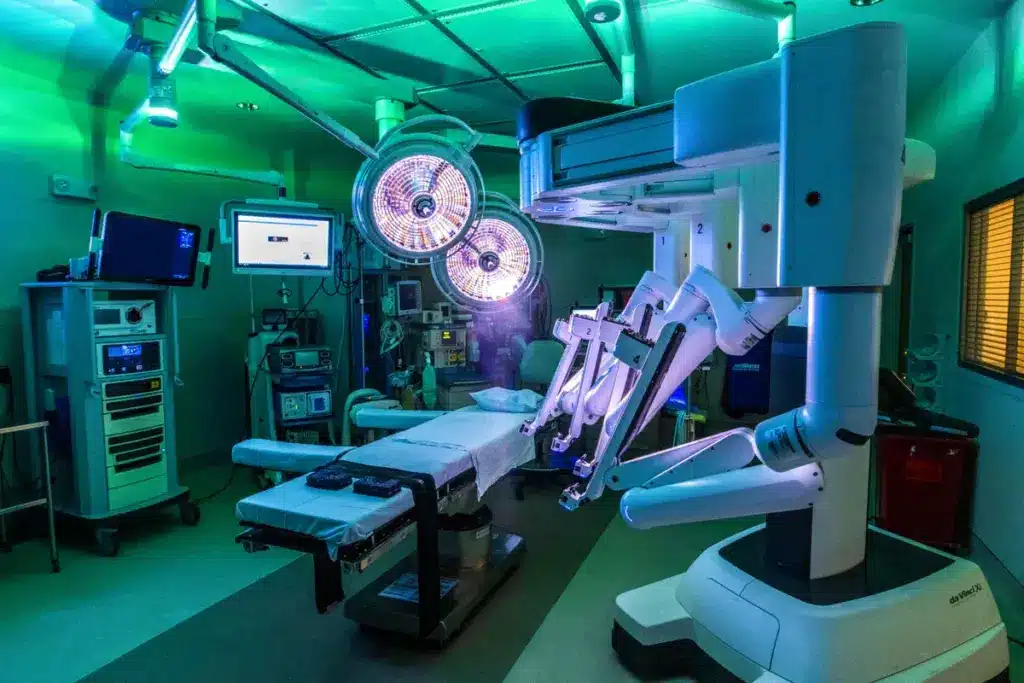
Robotic-assisted hernia repair is growing in popularity. It’s used in many surgeries now. Did you know almost 800,000 hernia repairs happen every year in the U.S.? Most of these use robotic surgery, which is more precise and might lead to faster recovery.
Robotic surgery is usually done under general anesthesia. This keeps the patient comfortable during the surgery. Knowing how long it takes to recover from hernia surgery is key. It helps patients plan their care after surgery.
Key Takeaways
- Robotic surgery is typically performed under general anesthesia.
- Hernia repair using robotic assistance is becoming more common.
- Recovery time varies based on the type of hernia and overall patient health.
- Robotic surgery offers enhanced precision and potentially quicker recovery.
- Understanding recovery time is critical for post-operative planning.
The Role of Anesthesia in Robotic Surgery
Anesthesia is key in robotic surgery. It keeps patients pain-free during complex operations. This is because robotic surgery needs patients to stay very calm and steady.
Robotic surgery uses special techniques to be precise and less invasive. Anesthesia is needed to make sure patients don’t feel pain or discomfort. This is important because robotic surgery needs patients to be very steady.
Types of Anesthesia Used in Surgical Procedures
There are different types of anesthesia for surgeries, like local, regional, and general. General anesthesia is often used in robotic surgery. It makes patients unconscious and pain-free, helping them stay calm and steady during the surgery.
|
Type of Anesthesia |
Description |
Use in Robotic Surgery |
|---|---|---|
|
Local Anesthesia |
Numbing a specific area of the body |
Rarely used due to limited area of effect |
|
Regional Anesthesia |
Numbing a larger area of the body, such as below the waist |
Occasionally used but not preferred for robotic surgery |
|
General Anesthesia |
Inducing unconsciousness and total lack of sensation |
Most commonly used in robotic surgery for patient comfort and immobility |
Why General Anesthesia is Typically Required for Robotic Surgery
General anesthesia is usually needed for robotic surgery. It keeps patients completely calm and pain-free. This is because robotic surgery needs patients to be very steady and calm.
Using general anesthesia also lets surgeons do longer and more complex surgeries. This is important for surgeries that need very precise work. If patients move, it could mess up the surgery.
Understanding Robotic Surgery for Hernia Repair
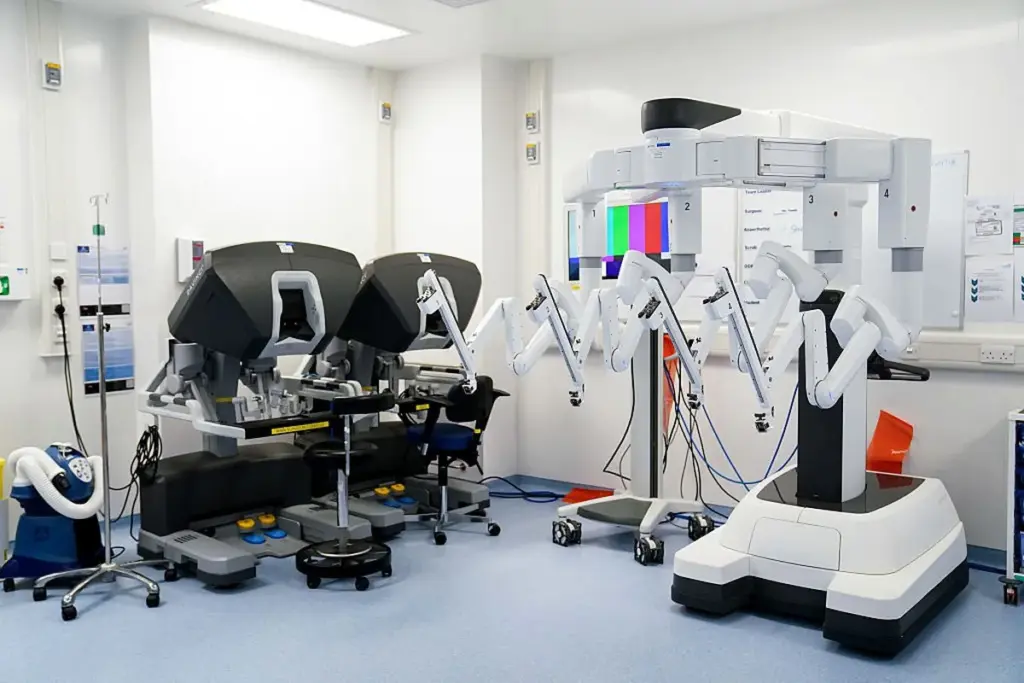
Robotic-assisted surgery has changed hernia repair, giving surgeons new tools and patients better results. This method uses a robotic system to help surgeons do complex tasks with more precision.
How Robotic-Assisted Surgery Works
Robotic surgery for hernia repair uses a system with a surgeon’s console, a cart with robotic arms, and a 3D vision system. This setup helps surgeons do detailed work and see clearly.
The robotic system turns the surgeon’s hand movements into precise robotic arm actions. This is great for hernia repair, where surgeons need to be very careful around delicate tissues.
Benefits of Robotic Surgery for Hernia Repair
Robotic surgery has many benefits for hernia repair patients. Some key advantages are:
- Less postoperative pain
- Shorter hospital stays
- Quicker recovery times
- Less blood loss during surgery
- Smaller incisions, less scarring
A study in the Journal of Robotic Surgery found robotic hernia repair patients had less pain and shorter hospital stays. This compared to traditional open hernia repair.
“Robotic hernia repair is a big step forward in surgery. It offers a less invasive option with fewer complications and a quicker recovery.”
Surgeon
Limitations and Considerations
Robotic surgery for hernia repair has many benefits, but there are also some downsides. These include:
|
Limitation |
Description |
|---|---|
|
Specialized Training |
Surgeons need special training to use robotic systems well. |
|
High Cost |
Robotic systems are expensive to buy and maintain. |
|
Technical Issues |
Like any technology, there’s a chance of problems during surgery. |
Despite these challenges, robotic surgery for hernia repair is a valuable choice for many. As technology improves, these issues may get better, making robotic surgery even more effective.
Types of Hernia Surgeries and Their Anesthesia Requirements
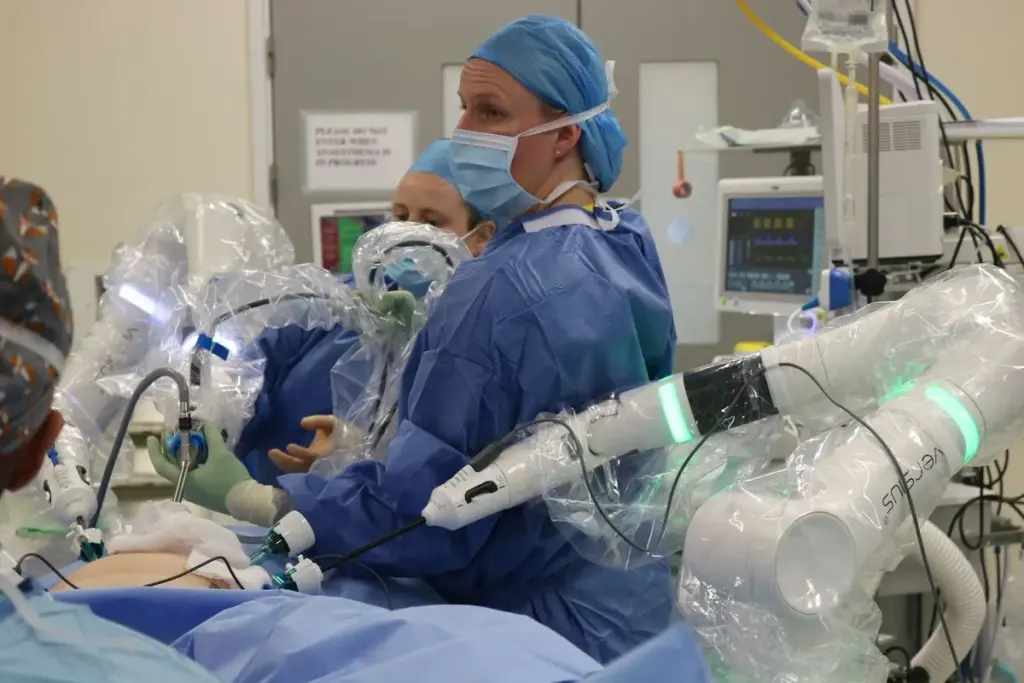
It’s important to know the different hernia surgery types to understand anesthesia needs. Each surgery method has its own anesthesia implications.
Open Hernia Repair Anesthesia Options
Open hernia repair uses one big incision to fix the hernia. Anesthesia choices vary. Local anesthesia might be used for small hernias, keeping the patient awake. Regional anesthesia, like a spinal block, numbs the lower body. For bigger cases or if the patient prefers, general anesthesia is used.
Laparoscopic Hernia Repair Anesthesia
Laparoscopic repair makes small cuts and uses a camera. It usually needs general anesthesia. This keeps the patient comfortable and steady during the surgery.
Robotic Hernia Repair Anesthesia
Robotic repair is a laparoscopic method with robotic help for better precision. Like laparoscopic, general anesthesia is often needed. The robotic system and the surgery’s small nature help with quicker recovery and less pain.
In summary, the anesthesia choice for hernia surgery depends on the method used. Knowing these differences helps manage patient expectations and ensures the right care.
Hernia Surgery Recovery Time: What to Expect
The time it takes to recover from hernia surgery varies. It depends on the surgery type, the patient’s age, and health.
Immediate Post-Surgery Recovery
Right after surgery, patients are watched for a few hours. They get medicine to help with pain. You might see swelling, bruising, and discomfort at the surgery site.
Short-Term Recovery Milestones
Patients should rest and slowly start moving more. Most can go back to normal in a few weeks. It’s important to follow the doctor’s instructions to avoid problems.
During recovery, patients are told to:
- Avoid heavy lifting or strenuous activities
- Follow a balanced diet to support healing
- Attend follow-up appointments to monitor recovery
Long-Term Recovery Expectations
Long-term, patients can usually go back to normal activities. But, some might need to avoid heavy lifting for weeks. A study found most patients can start normal activities in 2-4 weeks. But, full recovery can take longer.
“Full recovery from hernia surgery, including the return to strenuous activities, can take several weeks to a few months.”
Knowing what to expect can help patients manage their recovery. Following the doctor’s advice is key to a successful recovery.
Recovery Comparison: Traditional vs. Robotic Hernia Surgery
The recovery from hernia surgery varies a lot between traditional and robotic methods. As technology gets better, it’s key for patients to know these differences. This helps them choose the best care for themselves.
Hospital Stay Duration Differences
Robotic hernia surgery often means a shorter hospital stay. It causes less tissue damage and complications, helping patients recover faster. This leads to quicker discharge from the hospital.
Studies show robotic surgery patients usually leave the hospital sooner. They might go home the same day or the next. Traditional open surgery, being more invasive, often keeps patients in the hospital longer.
Pain Management Variations
Pain management is another area where robotic surgery shines. Its minimally invasive approach means less pain for patients. This is because of smaller cuts and less tissue damage.
“Robotic hernia repair is associated with significantly less postoperative pain compared to traditional open repair.”
Good pain management is key for recovery. Robotic surgery patients might need less pain meds. This makes their recovery more comfortable.
Return to Normal Activities Timeline
How quickly patients can get back to normal activities is important. Robotic hernia surgery patients often get back faster. They can start light activities sooner than those with traditional surgery.
- Robotic surgery patients may return to light activities within a few days.
- Full recovery and return to strenuous activities may take a few weeks.
- Traditional open surgery may require a longer period of convalescence.
In summary, both traditional and robotic hernia surgeries have their roles. But, the recovery times are quite different. Patients should talk to their doctors to decide which surgery is best for them.
Laparoscopic Hernia Surgery Recovery Time
Knowing how to recover from laparoscopic hernia surgery is key. It helps patients plan their care after surgery. This type of surgery is less invasive, so recovery is usually quicker than with open surgery.
Typical Recovery Timeline for Laparoscopic Procedures
The time it takes to recover from laparoscopic hernia surgery varies. But most people can get back to their usual activities in a few weeks. The recovery process has several stages:
- Immediate Recovery: Patients are watched for a few hours after surgery. They can often go home the same day.
- Short-Term Recovery: In the first week, patients might feel some pain, swelling, and bruising. These can be managed with pain meds and rest.
- Return to Normal Activities: Most people can start doing their usual things again in 2-4 weeks. But, they should avoid hard activities for longer.
Factors That May Extend Recovery
Even though laparoscopic hernia surgery has a quick recovery, some things can make it longer. These include:
- Patient’s Overall Health: If a patient has health issues before surgery, it can affect how well they heal.
- Complexity of the Hernia: Bigger or more complicated hernias might need more surgery. This can make recovery take longer.
- Post-Operative Complications: Problems like infection or a bad reaction to anesthesia can slow down recovery.
By knowing these factors and following the doctor’s instructions, patients can reduce the chance of problems. This helps ensure a smoother and quicker recovery.
Recovery from Hernia Surgery with Mesh
Recovering from hernia surgery with mesh involves several important steps. Knowing these can help ensure a smooth healing process. Mesh is often used to strengthen the area and prevent future problems.
How Mesh Affects the Healing Process
The mesh used in hernia surgery plays a big role in healing. It acts as a scaffold, helping tissue grow around it. This makes the repair stronger. But, mesh can also cause some issues.
Key effects of mesh on healing:
- Promotes tissue integration
- Reduces recurrence risk
- May cause inflammation or foreign body reaction
Potential Complications with Mesh Implants
Mesh can be very helpful but also comes with risks. These include infection, adhesions, or the mesh moving. Knowing these risks helps manage expectations and avoid problems.
|
Complication |
Description |
Management |
|---|---|---|
|
Infection |
Bacterial infection of the mesh or surrounding tissue |
Antibiotics, possible mesh removal |
|
Adhesion Formation |
Scarring that can cause bowel obstruction or pain |
Surgical intervention to remove adhesions |
|
Mesh Migration |
Movement of the mesh from its original position |
Surgical repositioning or removal |
Long-Term Recovery Considerations with Mesh
Long-term recovery from hernia surgery with mesh means watching for ongoing issues. These can include chronic pain or the hernia coming back. Regular check-ups with a healthcare provider are key to managing these risks.
Following post-operative instructions carefully is vital. It helps avoid complications and ensures a smooth recovery.
Inguinal Hernia Surgery Recovery Time
The journey to recovery after inguinal hernia surgery has several stages. Each stage has its own goals and things to keep in mind. Knowing these stages helps patients set realistic goals and ensures a smooth healing process.
Week 1-2 After Surgery
In the first two weeks after surgery, it’s important to rest and slowly start moving more. Postoperative care during this time is key to avoiding problems and helping the body heal.
- Rest and avoid strenuous activities
- Follow a balanced diet to support healing
- Attend follow-up appointments with your surgeon
A medical expert notes, “Proper postoperative care can greatly affect recovery.”
“The initial recovery phase is critical, and patients should listen to their body’s signals, adjusting their activities as needed.”
Weeks 3-6 of Recovery
By weeks 3-6, most people can go back to their usual activities, but heavy lifting or hard work should be avoided. Gradual return to normal activities is advised to prevent issues.
|
Activity |
Week 3-4 |
Week 5-6 |
|---|---|---|
|
Light Exercise |
Allowed |
Recommended |
|
Heavy Lifting |
Not Recommended |
Allowed with Caution |
Complete Recovery Expectations
Most people fully recover from inguinal hernia surgery in a few months. The time it takes can depend on your health, age, and the surgery method used.
Keep in mind that everyone recovers at their own pace. It’s vital to follow your surgeon’s advice and report any issues or complications right away.
Umbilical Hernia Surgery Recovery Time
Recovery times for umbilical hernia surgery vary between kids and adults. Knowing these differences helps manage expectations and ensures a smooth recovery.
Pediatric vs. Adult Recovery Differences
Kids usually recover quickly from umbilical hernia surgery. They bounce back fast because they are generally healthier and have fewer health issues. Most kids can get back to normal activities in a few days to a week after surgery.
Adults face a more complex recovery. They might have health problems that slow down healing. Things like obesity, diabetes, and smoking can make recovery longer. So, adults often need several weeks to get back to their usual activities.
Activity Restrictions and Guidelines
It’s important to follow activity restrictions after surgery to avoid problems and help healing. Both kids and adults should avoid heavy lifting, bending, and hard activities for weeks. Always follow your surgeon’s advice on what activities are okay.
- Avoid heavy lifting (more than 10-15 pounds) for at least 4-6 weeks.
- Stay away from hard exercise or activities that strain your belly muscles.
- Slowly start doing more activities as you feel better and your surgeon says it’s okay.
By understanding the recovery process and following your doctor’s instructions, you can reduce the risk of complications. This helps ensure a good outcome from your umbilical hernia surgery.
Factors That Influence Hernia Surgery Recovery Time
The time it takes to recover from hernia surgery varies a lot. Knowing what affects this can help patients get ready for their recovery.
Patient Age and Overall Health
A patient’s age and health are key in recovery time. Older patients or those with health issues might need more time. This is because they might not heal as quickly.
Hernia Size and Complexity
The size and type of hernia matter too. Bigger or more complex hernias need bigger surgeries. This means a longer recovery time and possibly a longer hospital stay.
Surgical Technique Used
The surgery method used affects recovery time a lot. Laparoscopic and robotic surgeries are quicker than open surgery. They cause less damage and have smaller cuts.
Post-Operative Care Compliance
Following post-operative care is very important. It includes rest, physical activity, wound care, and follow-up visits. Not following these can cause problems and make recovery longer.
Understanding these factors helps patients manage their recovery better. They can work with their doctors to get the best results.
Managing Complications During Recovery
Recovery from hernia surgery needs careful watching to avoid and handle possible problems. It’s key to manage these issues well for a good outcome.
Identifying Signs of Infection
Infection is a big worry during recovery. Signs of infection include redness, swelling, more pain, and fever. It’s important to tell your doctor right away if you see these signs.
Spotting and treating infection early can really help your recovery. Keep an eye on the surgery area and your overall health in the first few days.
Dealing with Persistent Pain
Persistent pain or discomfort can happen during recovery. You might need to change how you manage pain to feel better.
Working with your doctor to find the right pain plan is key. This could mean changing medicines or trying new ways to ease pain.
|
Complication |
Signs/Symptoms |
Management Strategies |
|---|---|---|
|
Infection |
Redness, swelling, fever, increased pain |
Antibiotics, wound care, monitoring |
|
Mesh-Related Complications |
Mesh migration, erosion, chronic pain |
Surgical revision, pain management |
|
Persistent Pain |
Ongoing discomfort, pain not relieved by medication |
Pain management adjustments, alternative therapies |
Mesh-Related Complications
Though rare, mesh-related complications can happen, like mesh moving or eroding. These might need more surgery.
It’s important to know the risks and benefits of mesh in hernia repair. Talk to your doctor about your own risks.
Tips to Speed Up Your Hernia Surgery Recovery Time
To speed up your recovery after hernia surgery, focus on nutrition, physical activity, and wound care. These areas are key to a faster recovery and getting back to normal sooner.
Nutrition and Hydration Guidelines
Eating a balanced diet is essential for healing. Protein-rich foods like lean meats and fish help repair tissues. Vitamin C in citrus fruits and greens boosts your immune system. Drinking enough water is also important for flushing out toxins and keeping your body working right.
Drink at least eight glasses of water a day. Eat a variety of nutrient-rich foods. Stay away from processed and sugary foods to help your recovery.
Appropriate Physical Activity Progression
Start with light physical activity, as your doctor advises. Avoid heavy lifting and hard activities at first. Light walking helps keep blood flowing and prevents blood clots.
As you get better, you can do more strenuous activities. Always follow your surgeon’s advice to avoid any problems.
Wound Care Best Practices
Keeping your wound clean and dry is vital for healing. Follow your doctor’s specific instructions. Watch for signs of infection like redness or swelling.
Stick to these tips and talk openly with your healthcare team. This will help you recover faster.
Conclusion
Understanding hernia surgery recovery is key for patients. It includes knowing about robotic surgery and general anesthesia. Robotic surgery, done under general anesthesia, can lead to less pain and faster recovery.
Good postoperative care is vital for a smooth recovery. By following care instructions and staying healthy, patients can improve their outcomes. Health, surgery method, and care after surgery all affect recovery time.
Robotic surgery has changed hernia repair, making it less invasive and with fewer complications. Knowing what affects recovery time helps patients make better care choices.
FAQ
Is robotic surgery typically performed under general anesthesia?
Yes, robotic surgery is usually done under general anesthesia. This keeps the patient comfortable and steady during the surgery.
What type of anesthesia is used for hernia surgery?
Anesthesia for hernia surgery depends on the method used. Open repairs might use local or regional anesthesia. But, laparoscopic and robotic repairs need general anesthesia.
How long is the recovery time after hernia surgery?
Recovery times vary. It depends on the surgery type, the patient’s age, and health.
What are the benefits of robotic surgery for hernia repair?
Robotic surgery for hernias has many benefits. It can lead to less pain, shorter hospital stays, and faster recovery.
How does mesh affect the healing process after hernia surgery?
Mesh helps strengthen the area and lowers recurrence risk. But, it can also cause issues like infection or adhesions.
What is the typical recovery timeline for laparoscopic hernia surgery?
Laparoscopic surgery usually has a quicker recovery. Most people can get back to normal in a few weeks.
How long does it take to recover from inguinal hernia surgery?
Recovery from inguinal hernia surgery takes several phases. Most people can resume activities in 3-6 weeks. Full recovery takes a few months.
What factors influence hernia surgery recovery time?
Recovery time depends on age, health, hernia size, surgery method, and post-op care.
How can I speed up my recovery after hernia surgery?
Eating well, staying hydrated, and gradually increasing activity can help speed up recovery. Also, following wound care tips is important.
What are the signs of infection after hernia surgery?
Signs of infection like redness, swelling, or fever need immediate attention. Reporting these to your doctor is key to prevent complications.
How can I manage persistent pain after hernia surgery?
If pain persists, you might need to adjust your pain management. Always talk to your doctor for advice on managing pain after surgery.
Reference
National Center for Biotechnology Information. Evidence-Based Medical Insight. Retrieved from https://pmc.ncbi.nlm.nih.gov/articles/PMC3926998/[5